
Manjolai is a quiet hill region in Tamil Nadu known for tea estates, forest roads, viewpoints, Manimuthar Falls, and restricted access. Visitors should confirm permission, weather, route conditions, and facilities before planning a Manjolai trip.
Manjolai Tamil Nadu: Why This Hill Region Feels Different
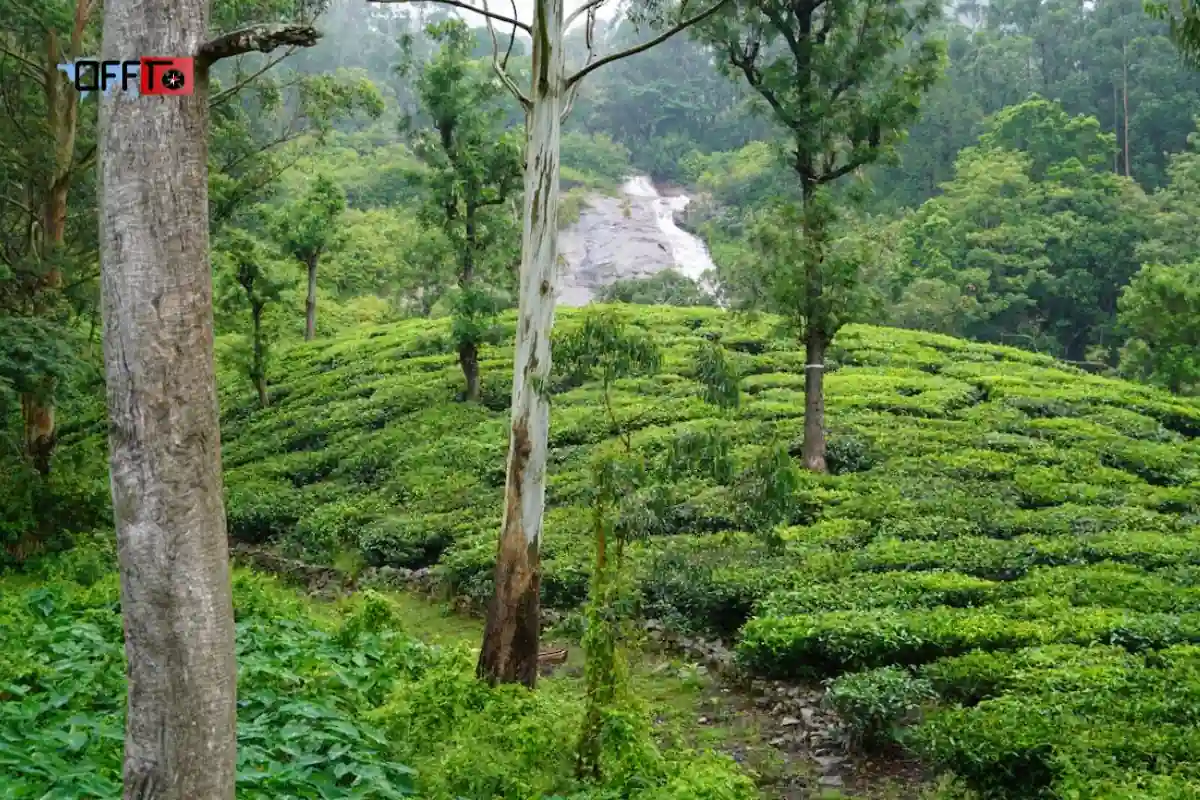
Manjolai in Tamil Nadu is not a typical hill station built around easy sightseeing, cafés, and crowded viewpoints. It feels different because the landscape combines tea estates, forest roads, waterfalls, viewpoints, and restricted access inside a sensitive Western Ghats region. For travelers who are used to Ooty, Kodaikanal, or even Valparai, the first thing to understand is that Manjolai hills are quieter, more controlled, and far less commercial.
The region sits in Tirunelveli district, and the official district page describes Manjolai as being around 57 km from Tirunelveli, with tea plantations in and around the area. It also mentions Kakkachi and Nalumukku as important places near Manjolai.
Manjolai’s Tea Estate Landscape and Forest Setting
The visual identity of Manjolai comes from its tea estates, green slopes, forest edges, and misty roads. Unlike hill stations where tourist infrastructure dominates the experience, Manjolai still feels closely tied to its natural and estate landscape. The drive itself is a major part of the trip, especially as the road moves from the lower plains toward forested high-range scenery.
This is why searches for Manjolai Tamil Nadu often lead to tea estate photos, lake views, forest routes, and viewpoints rather than town-centre attractions. The appeal is not one single landmark. It is the way tea plantations, quiet bends, and Western Ghats weather come together.
Why It Is Not Like Ooty, Kodaikanal, or Valparai
Manjolai is not like Ooty or Kodaikanal because it does not function as a fully open, high-volume tourist hill station. You should not expect large markets, lake boating crowds, café streets, luxury resort belts, or sightseeing points with heavy commercial activity.
It is also different from Valparai. While Valparai has tea estates and a more developed road-trip circuit, Manjolai feels more restricted and less predictable for casual tourism. The route, permissions, weather, and forest-side controls matter more here. That makes Manjolai attractive, but only for travelers who are comfortable planning carefully.
The Travel Reality: Quiet, Scenic, Restricted, and Less Commercial
The travel reality of Manjolai is simple: it is beautiful, but not always easy. It is quiet, scenic, restricted, and less commercial than most better-known Tamil Nadu hill stations. That is part of its charm and also part of the planning challenge.
Travelers should not treat Manjolai as a spontaneous “drive up and explore freely” destination. Because the route passes through forest-controlled areas, access rules and timings can matter. The official KMTR website states that visitors should obtain entrance permission from the Reception Range Office before entry and follow tiger reserve rules.
What Makes Manjolai Attractive for Nature-Focused Travelers
Manjolai is attractive for nature-focused travelers because it offers a slower, more atmospheric hill experience. Tea estates, mist, forest routes, waterfalls, viewpoints, and quiet roads make it ideal for people who enjoy landscape-driven travel more than attraction-hopping.
It is especially suitable for photographers, road-trip travelers, birding or nature enthusiasts, and people who enjoy calm places with fewer distractions. Manjolai rewards patience. A misty road, a tea slope after rain, or a quiet viewpoint can feel more memorable than a packed sightseeing list.
The best way to enjoy Manjolai is to go with realistic expectations: plan permission in advance, start early, carry essentials, respect forest rules, and allow the landscape to set the pace.
Do You Need Permission to Visit Manjolai?
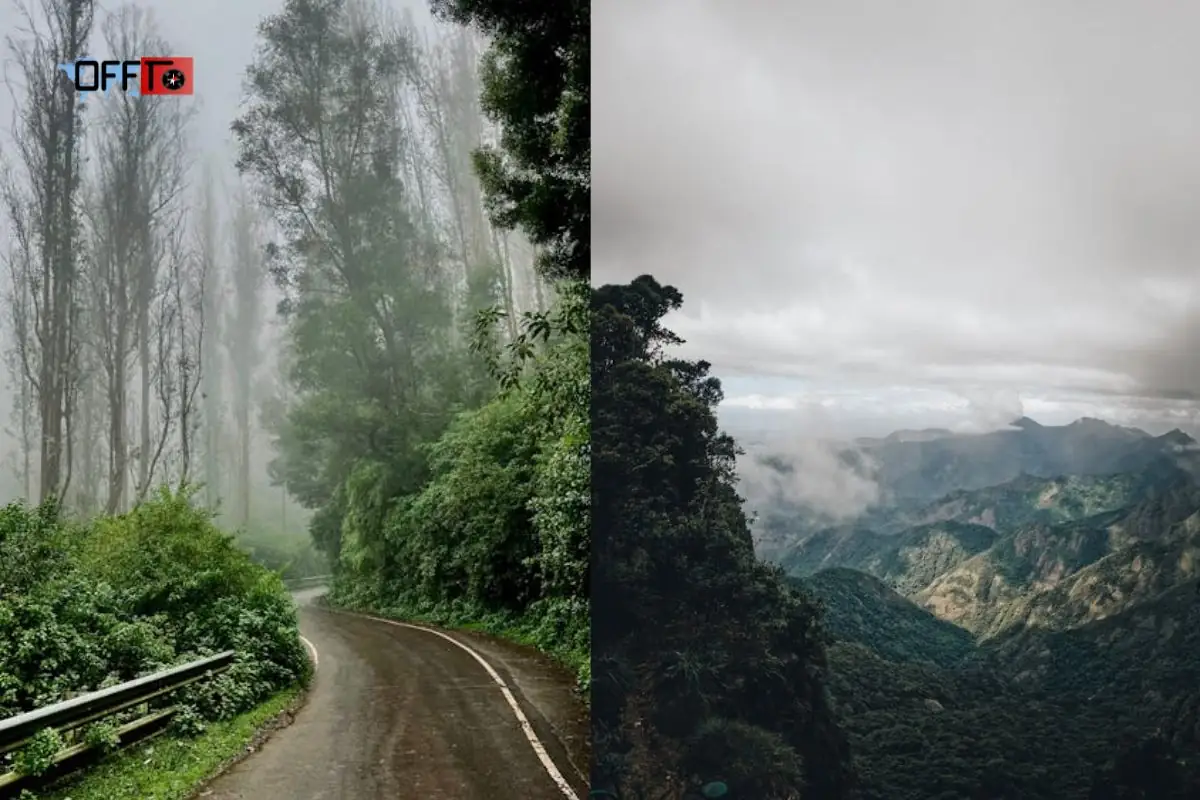
Yes, travelers should treat Manjolai as a permission-based destination. Access to the Manjolai hills passes through forest-controlled areas, so it is important to verify the latest entry rules before leaving Tirunelveli, Ambasamudram, or Manimuthar. The official KMTR guidance says entrance permission must be obtained from the Reception Range Office before entry into the tiger reserve.
Live update note: Manjolai access rules can change due to forest regulations, weather, road conditions, wildlife movement, or administrative decisions. Before travelling, confirm the latest Manjolai permit process with the forest authorities or the relevant local office. Do not rely only on old blogs, reels, or screenshots.
Why Permission Is Required for Manjolai
Permission is required because Manjolai is connected to a sensitive forest-side landscape rather than a freely open commercial hill station. The route falls within a protected reserve context, and visitors are expected to follow rules related to timing, safety, wildlife, plastic restrictions, and responsible conduct.
This is not just a formality. Permission helps regulate movement, vehicles, visitor numbers, and access inside an ecologically sensitive region. For travelers, it also reduces uncertainty: you know whether the route is open, whether your vehicle is allowed, and whether the trip is possible on that day.
Where Travelers Usually Check for Manjolai Permission
Travelers usually check for Manjolai permit information through forest department channels, local contacts in Ambasamudram or Tirunelveli, drivers who regularly operate on the route, or official reserve-related offices. The most reliable approach is to confirm directly with the relevant forest-side authority rather than depending entirely on third-party travel updates.
The KMTR general instructions page also notes that people who have booked accommodation must obtain entrance permission from the Reception Range Office before accommodation and carry required documents such as ID proof and booking receipt.
Day Visit vs Overnight Stay Permission
A day visit and an overnight stay may not follow the same practical process. For a day trip, the main concern is whether entry is allowed for visitors and vehicles on that date. For an overnight stay, travelers may need to verify accommodation booking rules, reporting time, ID proof requirements, and whether the stay is currently permitted.
Do not assume that permission for a day visit automatically means overnight access is available. If you are planning to stay inside or near the controlled area, confirm the accommodation process separately before starting the journey.
Vehicle Rules, Forest Check Post, and Timing Basics
Vehicle rules and check-post timings can affect your Manjolai plan more than distance does. Forest routes often have fixed entry expectations, and late arrival can disturb the entire itinerary. The KMTR rules state that entry into the Tiger Reserve with permission is allowed only during specified hours.
For a smooth trip, start early from Tirunelveli or Ambasamudram, keep ID proof ready, carry only essential items, and avoid anything restricted inside forest areas. Plastic items, alcohol, smoking, and unsafe behaviour should be avoided completely, as reserve rules are strict about visitor conduct.
What to Verify Before Leaving Tirunelveli or Ambasamudram
Before leaving Tirunelveli or Ambasamudram, verify five things: whether Manjolai is open for visitors that day, where to obtain permission, whether your vehicle type is allowed, what the entry and exit timing expectations are, and whether weather or road conditions could affect access.
Also confirm food, fuel, cash, and network backup before entering the route. Manjolai is not a casual café-hopping hill station where every inconvenience can be solved on arrival. A little preparation makes the difference between a calm hill trip and a stressful one.
For the safest planning approach, treat Manjolai as a controlled nature destination first and a tourist place second. That mindset keeps the trip realistic, respectful, and easier to enjoy.
Manjolai Permit Cost: What Travelers Should Know
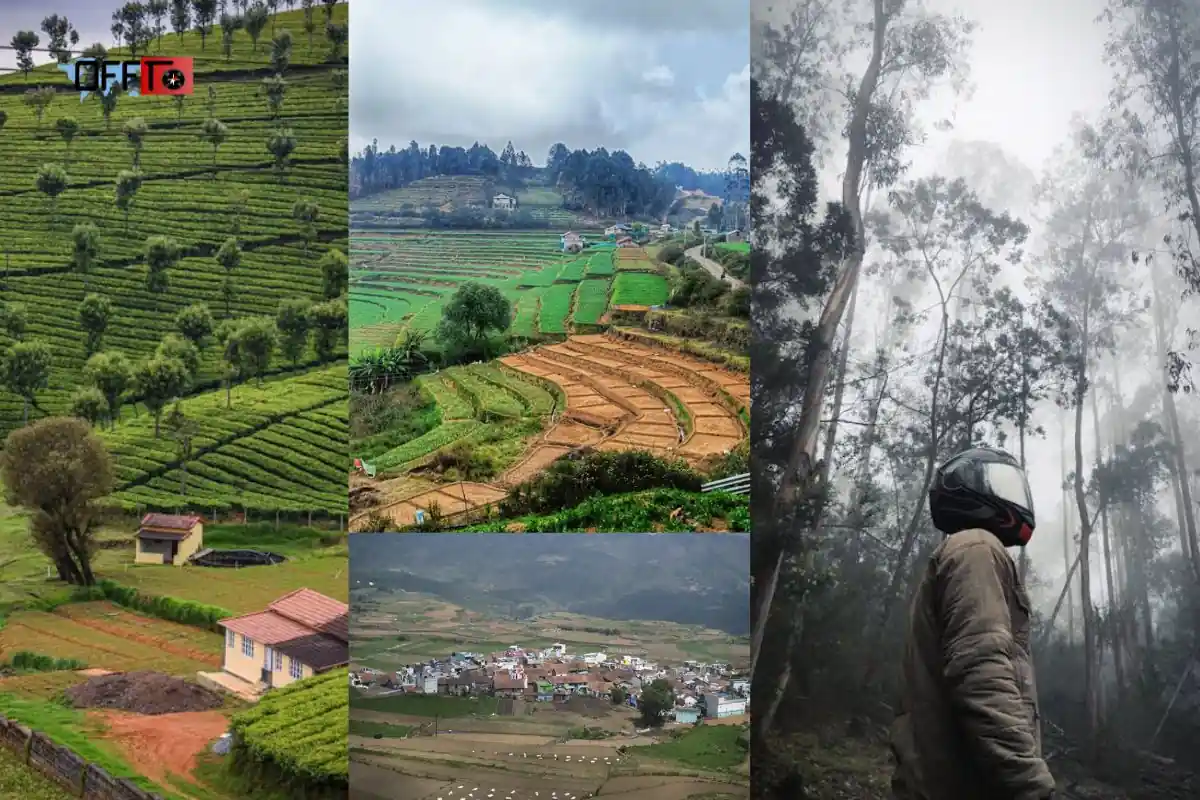
The Manjolai permit cost should be treated as a variable travel expense, not a fixed amount you can assume from old blogs or social media posts. Because Manjolai access is linked to the Kalakad Mundanthurai Tiger Reserve region, entry rules, vehicle permissions, camera charges, accommodation permissions, and visitor timings can change. The official KMTR guidance says visitors must obtain entrance permission from the Reception Range Office before entry and follow tiger reserve rules.
Is There a Fixed Manjolai Permit Fee?
There may be a permit or entry-related fee for visiting Manjolai, but travelers should not treat any amount found online as a permanent official tariff. Some charges may depend on whether you are going for a day visit, staying overnight, carrying a camera, entering with a private vehicle, or travelling under a forest-approved arrangement.
A practical answer to “how much is the permit for Manjolai hills?” is: the amount can vary, and the safest way to budget is to confirm the latest fee directly before travel. The official KMTR general instructions list still-camera charges at ₹50 and handy/video camera charges at ₹300, but that is not the same as a complete Manjolai trip permit total.
Permit, Vehicle Fee, and Per-Person Charges Explained
For many travelers, the total Manjolai access cost may include more than one line item. There can be a permission-related charge, vehicle-related charge, per-person entry component, camera charge, or accommodation-linked cost if you are staying inside a forest-managed property.
A 2025 traveler report from Be On The Road mentioned an advance permit at Ambasamudram, plus vehicle and per-person charges at the Manimuthar forest check post. Treat this as a useful traveler report, not a permanent government tariff.
Why Permit Costs May Change
Permit costs may change because forest departments revise rules, entry controls, vehicle access, camera fees, accommodation policies, or eco-tourism operations. Weather, road conditions, wildlife movement, maintenance work, and visitor limits can also affect what is allowed on a given day.
This is especially important for Manjolai because it is not an open commercial hill station. The KMTR rules state that entry into the tiger reserve with permission is allowed only during specified hours, so timing and access control matter as much as the fee itself.
Best Way to Confirm the Latest Manjolai Permit Amount
The best way to confirm the latest Manjolai permit amount is to contact the relevant forest-side office, KMTR reservation/contact channel, or a trusted local operator in Ambasamudram or Tirunelveli before starting your trip. The KMTR site lists a reservation enquiry number and contact details, which makes it a better starting point than relying only on old itineraries.
When checking, ask specifically about day-entry permission, vehicle type, per-person charges, camera fees, check-post timing, and whether the route is open on your travel date. If you are staying overnight, confirm accommodation rules separately.
Mistakes to Avoid While Planning Around Permit Costs
Do not plan your Manjolai trip around one old fee screenshot. Do not assume that a permit mentioned by one traveler applies to your date, vehicle, group size, or route. Do not reach the check post late and expect entry just because you are ready to pay.
The better approach is to keep a flexible budget, carry valid ID proof, keep some cash, and confirm permission before leaving Tirunelveli or Ambasamudram. For Manjolai, access certainty matters more than saving a small amount on permit cost.
Best Time to Visit Manjolai Hills
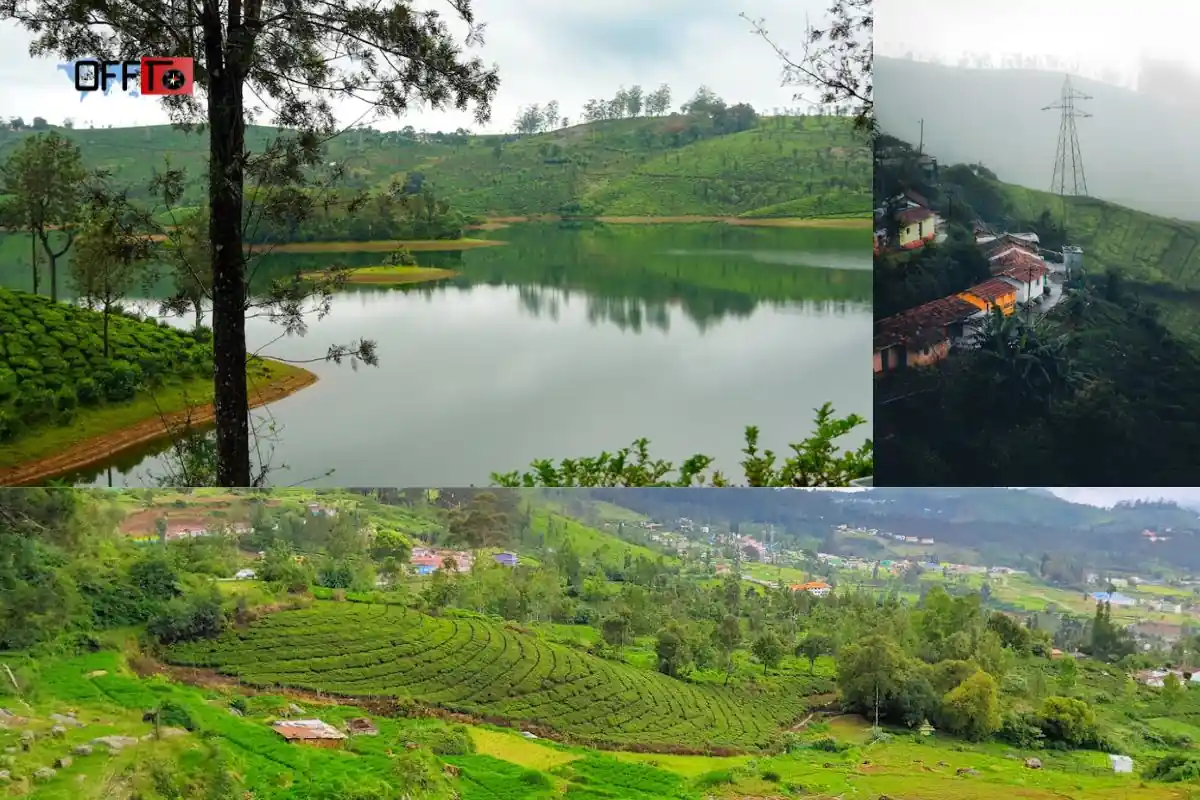
The best time to visit Manjolai hills is usually considered November to March, when the weather is cooler, visibility is often better, and road travel is more comfortable. A Tamil Nadu travel guide specifically recommends November to March for Manjolai and also notes that the area is protected and requires prior permission.
Best Months for Clear Views and Comfortable Travel
November to March is the most practical window for travelers who want clear views, easier hill-road movement, and a more comfortable sightseeing experience. This period is especially useful for first-time visitors, families, photographers, and travelers planning a one-day Manjolai itinerary from Tirunelveli or Ambasamudram.
January and February can be especially good for clearer landscapes, according to a 2025 traveler report that notes lower humidity and better visibility during these months.
Manjolai in Monsoon: Mist, Rain, Leeches, and Road Caution
Manjolai in monsoon can look beautiful, but it needs more caution. Mist, rain, wet roads, leeches, and reduced visibility can affect the experience. The tea estates and forest roads may feel more atmospheric, but sightseeing can become slower and less predictable.
This season suits travelers who enjoy moody weather and do not mind flexible plans. It may not be ideal for families with small children, senior travelers, nervous hill-road drivers, or anyone expecting clear viewpoints throughout the day.
Winter in Manjolai: Cool Weather and Cleaner Views
Winter is the safest all-round season for Manjolai. The weather is cooler, the road experience is usually more manageable, and viewpoints have a better chance of being visible compared with peak monsoon.
Carry a light jacket, especially if you are starting early or staying overnight. The mornings can feel crisp, and the difference between the plains and the hill section can be noticeable.
Summer in Manjolai: Is It Still Worth Visiting?
Summer can still be worth visiting because Manjolai’s hill setting offers relief compared with the hotter plains of Tamil Nadu. However, summer may not offer the same fresh greenery as post-monsoon or the same cool, crisp atmosphere as winter.
If you visit in summer, start early, carry water, avoid overpacking the day, and keep expectations realistic. The trip can still be scenic, but it may feel drier and less dramatic than the misty or winter months.
Month-Wise Manjolai Travel Experience Table
Month | Travel Experience | Best For | Planning Note |
January | Cool weather, clearer views, comfortable travel | Photography, families, first-time visitors | Good month for viewpoints and day trips |
February | Pleasant conditions with better visibility | Couples, road trips, nature travelers | Still a strong winter window |
March | Warmer but usually manageable | Short trips, early-start itineraries | Start early to avoid heat on lower routes |
April | Summer conditions begin to feel stronger | Travelers escaping plains heat | Carry water and avoid rushed plans |
May | Warmer, less lush than monsoon or winter | Only if planned carefully | Check road and access updates before travel |
June | Monsoon begins, mist and rain increase | Monsoon lovers, photographers | Expect wet roads and lower visibility |
July | Lush but rainy, leech-prone forest conditions possible | Moody landscapes | Not ideal for casual family sightseeing |
August | Green, windy, rain-affected | Slow travelers comfortable with weather shifts | Keep plans flexible |
September | Post-monsoon freshness starts improving the landscape | Nature-focused travelers | Check road conditions after heavy rain |
October | Greener scenery, transition toward better travel months | Scenic drives, photography | Weather may still be changeable |
November | One of the best months to visit | Families, first-timers, viewpoints | Cooler and more comfortable |
December | Cool, scenic, strong travel window | Couples, photographers, relaxed trips | Book and confirm permissions early |
For most travelers, the safest recommendation is simple: choose winter for easier travel and clearer viewpoints, choose monsoon only if you want mist, rain, and a more unpredictable but atmospheric Manjolai weather experience.
Manjolai Weather: What to Expect Before You Go
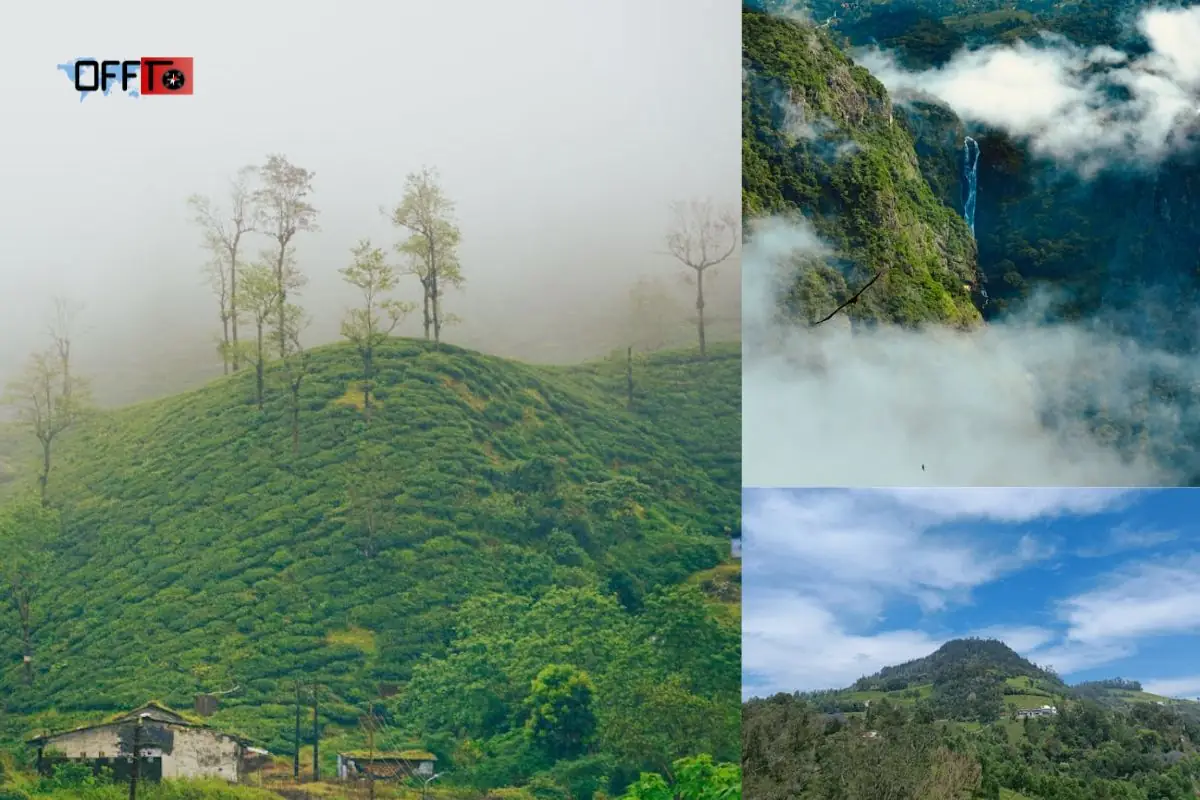
Manjolai weather is one of the biggest reasons travelers are drawn to the region, but it is also one of the main reasons a trip can change quickly. Because Manjolai sits in a forested Western Ghats landscape with tea estates, elevation changes, and restricted access routes, weather here can shift from clear views to mist, rain, and low visibility within the same day. The official Tirunelveli district page notes Manjolai’s hill setting, tea plantations, calm atmosphere, and elevation, which explains why the climate feels noticeably different from the plains below.
Why Manjolai Weather Changes Quickly
Manjolai’s weather changes quickly because the region is shaped by hills, forests, tea estates, and moisture-carrying winds. A morning that begins with clean views can turn cloudy by afternoon, especially during monsoon or post-monsoon months. This is part of the charm, but it also means travelers should avoid planning a very tight sightseeing schedule.
For a safer trip, treat the weather as a planning factor, not just background scenery. Check local conditions before leaving Tirunelveli or Ambasamudram, and be ready to adjust your Manjolai itinerary if rain or mist slows the route.
Morning Mist vs Afternoon Visibility
Morning is usually the best time to experience Manjolai hills at their most atmospheric. Mist over tea estates, wet forest roads, and soft light can make the landscape feel cinematic. For photographers, early hours are often more rewarding than harsh midday light.
Afternoon visibility can be less predictable. Clouds may gather around viewpoints, and forest stretches can feel darker earlier than expected. This is why most Manjolai travel plans should begin early, especially if you are visiting as a day trip.
Rain, Road Conditions, and Forest Route Safety
Rain can make Manjolai beautiful, but it also makes the route more demanding. Wet roads, slippery edges, leeches in forested areas, and low visibility can affect the experience. During heavy rain, waterfall and forest access may also become restricted for safety reasons; recent reports from southern Tamil Nadu show that heavy rainfall can lead to bathing bans at waterfalls including Manimuthar Falls.
This does not mean monsoon travel is impossible. It simply means Manjolai in rain is better for patient travelers who enjoy mist and mood, not for those expecting easy viewpoints and fixed sightseeing.
What to Pack for Manjolai Weather
Pack for cool, damp, and changeable conditions. A light jacket, rain protection, comfortable walking shoes, extra socks, drinking water, basic snacks, and a small towel can make the trip easier. If you are carrying a camera or phone, protect it from mist and sudden drizzle.
Avoid packing like you are going to a commercial town with shops around every corner. Manjolai is not a café-hopping hill station, so essentials should be sorted before you enter the forest-side route.
Weather-Based Trip Planning Checklist
Before starting your Manjolai trip, check the day’s weather, road condition, entry permission, forest timing, and return plan. Start early if you want clearer views. Avoid late return drives when mist or rain is likely. Carry cash, water, snacks, and offline maps.
The simplest planning rule is this: choose winter for road comfort and clearer viewpoints, choose monsoon for mist and mood, and avoid forcing the trip if weather warnings or local restrictions are active.
Best Places to Visit in Manjolai
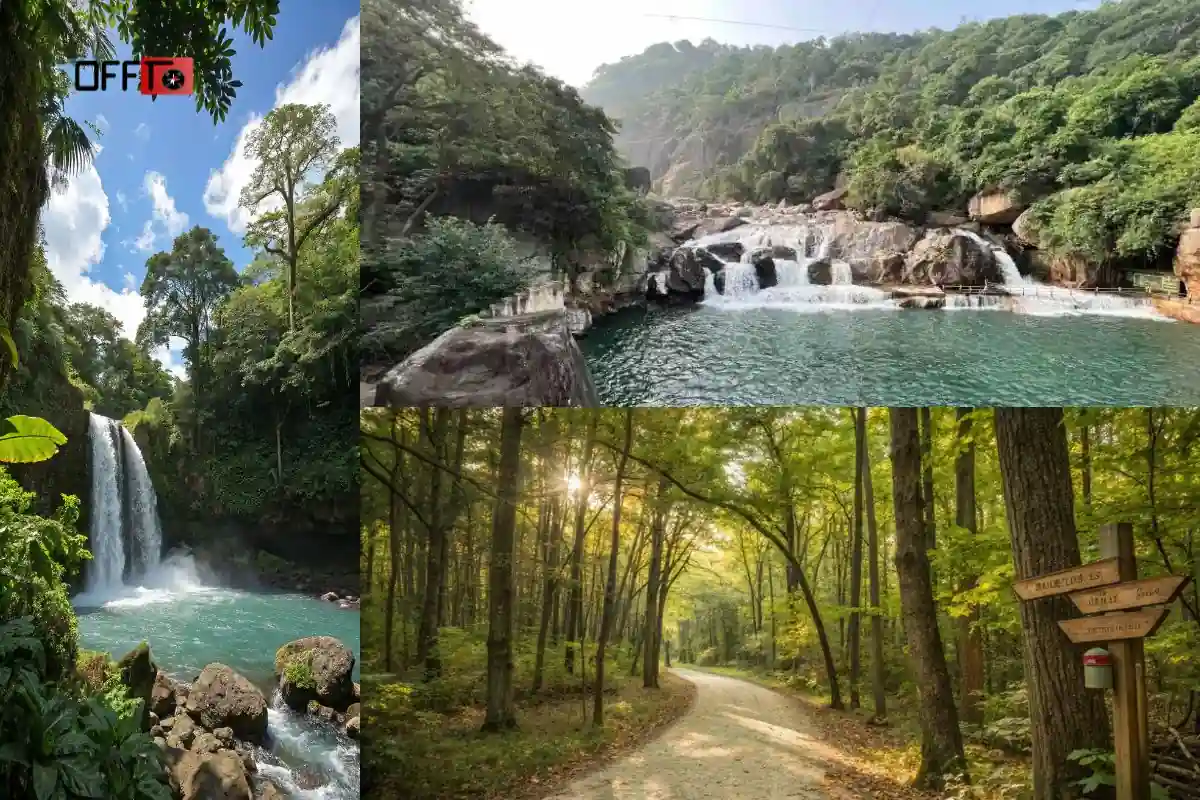
The best Manjolai tourist places are spread across tea estates, forest roads, viewpoints, waterfalls, and nearby heritage stops. This is not a destination where you can freely hop between attractions like a regular hill station. Many places to visit in Manjolai depend on permission, route access, weather, and forest rules. The official Tirunelveli district page mentions Manjolai’s tea plantations, Kakkachi, Nalumukku, Dasan Pool, and the region’s calm hill atmosphere, while other listings commonly connect the area with Manimuthar Falls and Upper Kodayar access conditions.
Manjolai Tea Estate
Manjolai Tea Estate is the visual heart of the region. The tea slopes, estate roads, low clouds, and forest edges create the classic Manjolai hills landscape that travelers come looking for. It is best experienced slowly, through permitted roads and viewpoints rather than by entering estate areas without approval.
This is ideal for photographers, nature lovers, and road-trip travelers. The practical tip is to keep expectations respectful: these are working estate landscapes and sensitive forest-side areas, not open picnic lawns.
Manimuthar Tea Estate Viewpoint
Manimuthar Tea Estate Viewpoint is usually understood as part of the scenic estate-side experience around the Manjolai route. The appeal is in the layered tea slopes, bends, trees, and distant hill frames rather than a single formal attraction.
It works best as a short photo stop if access is allowed and your driver or guide confirms it is safe. Avoid stopping at narrow bends, especially when visibility is low.
Kakkachi Lake
Kakkachi is one of the better-known names associated with the Manjolai region. The Tirunelveli district page specifically mentions Kakkachi as one of the important natural spots above Manjolai.
For travelers, Kakkachi is best treated as a calm nature stop rather than a high-activity tourist point. Go for the landscape, the quiet, and the forest-hill atmosphere. Access can depend on current rules, so confirm before adding it as a fixed stop.
Nalumukku
Nalumukku is another important place near Manjolai, also mentioned by the Tirunelveli district administration as one of the natural spots above Manjolai.
It is best for travelers who enjoy quiet hill routes, tea estate surroundings, and less crowded viewpoints. Because Nalumukku is part of a controlled high-range route, do not assume open access throughout the year. Check permission and road conditions before planning around it.
Oothu
Oothu is commonly associated with the broader Manjolai tea-estate belt and is often discussed along with Manjolai, Kakkachi, Nalumukku, and Kuthiravetti in travel references. A historical survey of the Manjolai estate region lists Manjolai, Kakkachi, Nalumukku, Oothu, and Kuthiravetti as tea estates in the Ambasamudram hills.
Oothu is better suited to travelers who are comfortable with remote, permit-dependent hill routes. It should not be treated as a guaranteed casual stop unless local authorities or your operator confirm access.
Kuthiravetti Viewpoint
Kuthiravetti Viewpoint is one of the most searched viewpoint names connected to Manjolai. It is valued for its open, windy hill feel and wide landscape potential. Travel references commonly list Kuthiravetti among the major viewpoint-style stops in the Manjolai region.
The best way to visit is with a realistic plan: start early, confirm permission, and do not rely on old route information. If mist covers the view, wait briefly, but do not delay your return beyond safe timing.
Manimuthar Falls
Manimuthar Falls is one of the most important water-based attractions near Manjolai. Tamil Nadu Tourism describes it as located near Manjolai hills in Tirunelveli district, fed by the Manimuthar River, with water falling from around 25 feet into a pond.
This is a strong add-on if route access and safety conditions allow. During heavy rain, waterfall access or bathing can be restricted, so check before going. For families, enjoy the falls from safe areas and avoid slippery rocks.
Vanapetchi Amman Temple
Vanapetchi Amman Temple can be included as a local cultural stop if it fits your route and current access conditions. It adds a devotional and regional layer to a Manjolai trip, especially for travelers who want more than only viewpoints and tea estates.
Upper Kodayar Dam, if Permission Allows
Upper Kodayar Dam is often mentioned in connection with the Manjolai region, but it should always be framed with a permission note. A Tamil Nadu travel guide notes that the Kalakkad Mundanthurai Tiger Reserve area is protected, travelers need prior permission, and a similar condition applies for visiting Upper Kodayar Dam.
This is not a place to add casually at the last minute. Include it only if permission, road conditions, and timing clearly allow.
Singampatti Zamin Palace as a Nearby Heritage Add-On
Singampatti Zamin Palace can work as a nearby heritage add-on around the Manimuthar and Ambasamudram side, especially if your Manjolai plan changes due to weather or permission limits. It gives the trip a historical layer and can balance the nature-heavy itinerary.
Do not treat it as a guaranteed fully open palace attraction without checking locally. Heritage properties may have limited access, changing visitor rules, or partial public visibility. As an add-on, it is best for travelers who like regional history and want a slower, more layered Tirunelveli-side trip.
Manjolai Falls or Manimuthar Falls: What Travelers Actually Mean
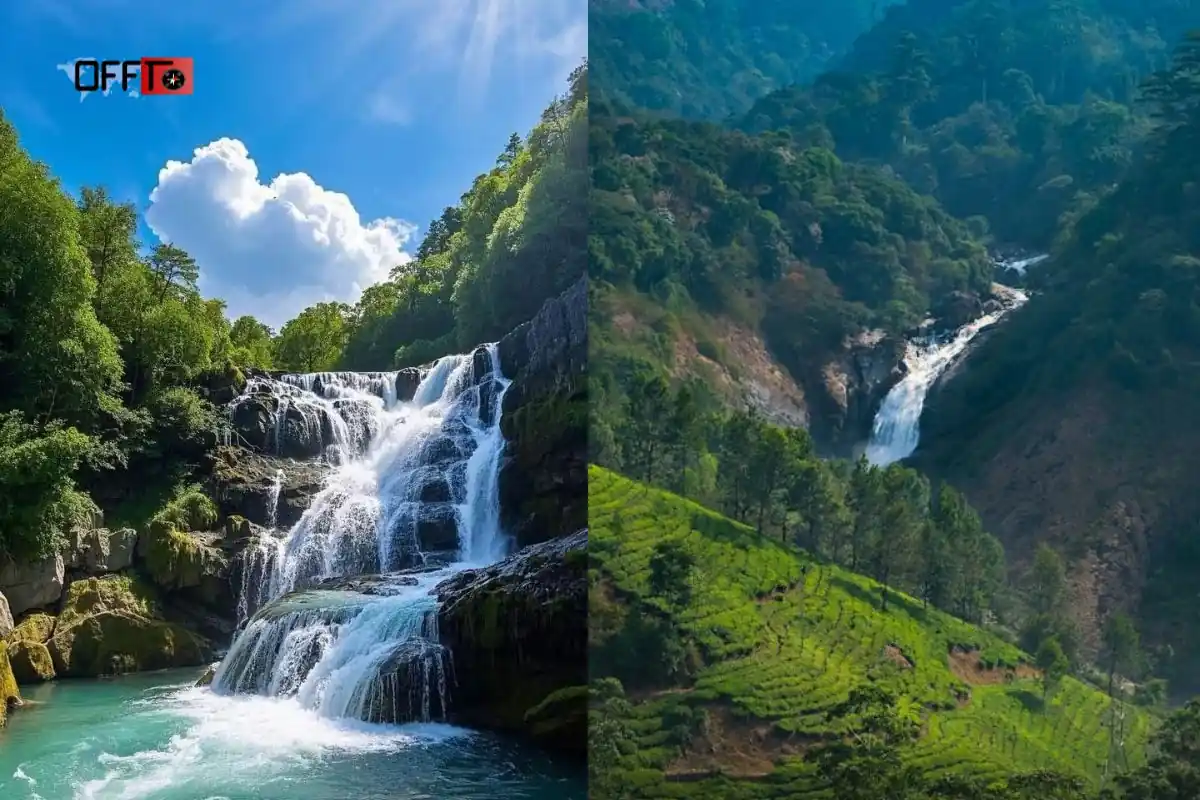
When travelers search for Manjolai falls, they usually mean waterfalls near the Manjolai route, especially Manimuthar Falls. Manjolai itself is better known for tea estates, forest roads, viewpoints, misty weather, and restricted hill access. The waterfall most commonly linked with the trip is Manimuthar Falls, which is located near Manjolai hills in Tirunelveli district.
Is There a Waterfall Called Manjolai Falls?
There is no major, widely recognized tourist waterfall that most official listings identify simply as “Manjolai Falls.” The phrase is often used loosely by travelers to describe waterfall experiences around the Manjolai side, forest route, or Manimuthar area.
This matters because planning around the wrong name can create confusion. Instead of searching only for “Manjolai Falls,” travelers should check whether they mean Manimuthar Falls, smaller seasonal streams, or water bodies along the Manjolai route.
Why Most Travelers Mean Manimuthar Falls
Most travelers mean Manimuthar Falls because it is the best-known waterfall attraction connected with the Manjolai travel circuit. Tamil Nadu tourism information describes Manimuthar Falls as being near Manjolai hills, fed by the Manimuthar River, with water dropping into a pond below.
This makes Manimuthar Falls the more accurate keyword and travel reference. For SEO and user clarity, it is useful to explain that “Manjolai falls” is usually a search-intent phrase, while Manimuthar Falls is the actual waterfall travelers are most likely trying to find.
How Manimuthar Falls Fits into a Manjolai Trip
Manimuthar Falls works best as a stop before or after the hill-route experience, depending on permission, timing, weather, and route access. It can add a refreshing water-body element to a trip otherwise focused on tea estates, viewpoints, forest roads, and quiet hill scenery.
For a one-day Manjolai itinerary, keep the waterfall as a flexible add-on rather than a fixed promise. If forest timings, rain, or road conditions are tight, prioritize the permitted Manjolai route and return safely. If access is smooth and time allows, Manimuthar Falls can make the trip feel more complete.
Best Season for Waterfalls Near Manjolai
Waterfalls near Manjolai are usually more active during monsoon and post-monsoon months, when rainfall feeds streams and water bodies. However, this is also when slippery rocks, leeches, reduced visibility, and route restrictions can become more likely.
For most travelers, post-monsoon and winter are easier than peak monsoon because the landscape may still look fresh while road travel is more comfortable. During very heavy rainfall, waterfall access or bathing may be restricted for safety, so check local updates before planning the visit.
Safety Tips for Waterfall Visits
Treat waterfall visits near Manjolai with caution. Avoid climbing on wet rocks, entering fast-flowing water, standing below unstable slopes, or ignoring local safety instructions. Even if the water looks calm, rocks around falls can be slippery.
Families should choose safe viewing areas over adventurous access. Photographers should avoid stepping backward near edges for a better frame. In this region, the safest waterfall experience is the one that fits naturally into the day without delaying your forest-route return.
Manjolai One-Day Itinerary
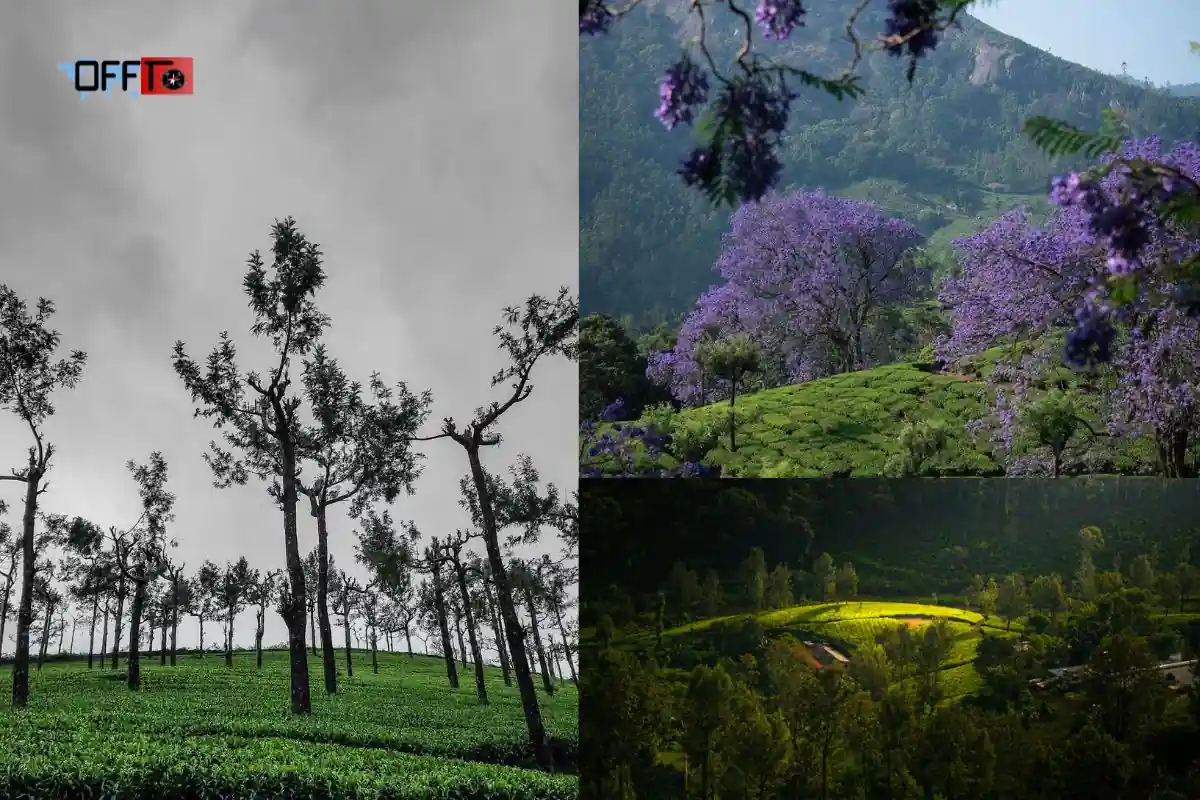
A Manjolai one-day itinerary is best planned as an early-start, permission-first hill trip from Tirunelveli or Ambasamudram. The goal should not be to cover every possible name on the map. A better plan is to secure access, enter on time, enjoy tea estate scenery, stop at permitted viewpoints, and return before forest timing restrictions or low visibility become an issue.
Early Start from Tirunelveli or Ambasamudram
Start early from Tirunelveli or Ambasamudram so you have enough time for permission checks, hill-road travel, viewpoints, and a safe return. Manjolai is not a destination where a late morning start works well, especially for first-time visitors.
Ambasamudram is often the more practical staging point because it places you closer to the Manimuthar and forest-side route. From Tirunelveli, leave even earlier and avoid adding too many extra stops before reaching the access point.
Permit and Check-Post Buffer Time
Keep buffer time for Manjolai permit checks and forest check-post formalities. The official KMTR guidance says entry into the tiger reserve with permission is allowed only during specified hours, and visitors must obtain entrance permission from the Reception Range Office before entry.
This is the part of the day you should not rush. Carry ID proof, confirm current rules before travel, and avoid assuming that old blog timings or social media posts are still accurate. Permission and access control are central to a Manjolai trip.
Tea Estate Viewpoints and Photo Stops
Once you enter the hill route, keep the first major part of the day for tea estate views and photo stops. The Tirunelveli district page highlights Manjolai’s tea plantations, calm atmosphere, climate, and scenery, which are the real reasons the route feels memorable.
Stop only where it is safe and allowed. Do not enter estate sections, forest edges, or private areas without permission. Manjolai photography is best when it is slow and respectful: tea rows, mist, road bends, and distant forest slopes are usually enough.
Kakkachi, Nalumukku, and Viewpoint Stops
If access permits, Kakkachi and Nalumukku can be included as key nature-side stops. The Tirunelveli district administration mentions Kakkachi and Nalumukku as important natural places above Manjolai.
Keep these stops flexible. Weather can hide viewpoints quickly, and forest-route travel often takes longer than expected. If mist blocks one viewpoint, do not lose too much time waiting; continue with the route plan and focus on the overall landscape.
Return Plan Before Forest Timing Restrictions
Your return plan is as important as your sightseeing plan. Do not stay too late at viewpoints, waterfalls, or estate roads. Forest-side routes can become difficult with fading light, mist, rain, or changing visibility.
Before entering, ask clearly about the latest exit timing expectation. Plan your last stop with enough margin to return comfortably. Manjolai is most enjoyable when the day ends calmly, not with a rushed drive back through dark hill roads.
Who Should Choose a One-Day Manjolai Trip?
A one-day Manjolai trip is best for first-time visitors, road-trip travelers, photographers, and people staying in Tirunelveli or Ambasamudram who want a scenic hill experience without committing to overnight logistics.
It may feel rushed for travelers who want slow estate time, long photography breaks, waterfall visits, or multiple route extensions. The tradeoff is clear: a one-day trip is safer and simpler, but it depends heavily on permission, weather, check-post timing, and road conditions. For Manjolai, a realistic one-day plan is better than an ambitious one.
Food, Facilities & Network in Manjolai
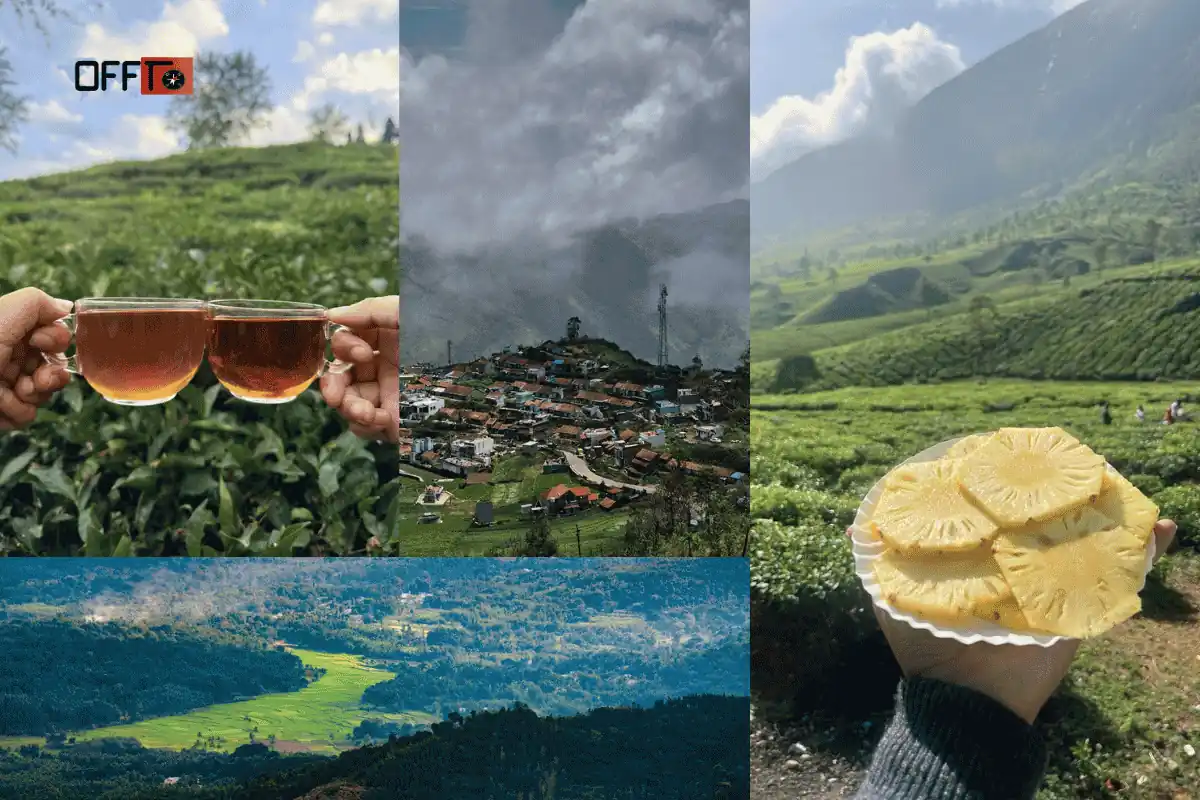
Manjolai is not a café-hopping hill station. Food, fuel, cash, restrooms, and mobile network should be planned before you enter the forest-side route. This is one of the most important Manjolai travel tips for first-time visitors, because the region is quieter, more restricted, and less commercially developed than popular hill stations. The official KMTR visitor guidance also makes it clear that entry is controlled by reserve rules and permission, so travelers should not expect the flexibility of a normal tourist town.
Are There Restaurants in Manjolai?
Do not plan a Manjolai trip assuming you will find restaurants, cafés, or regular food stops throughout the route. Food options can be limited once you move beyond Ambasamudram, Manimuthar, and the lower settlement areas. If your trip depends on a proper lunch, tea break, or snacks for children, arrange them before entering the controlled hill section.
For day trips, it is better to have breakfast before the drive and carry simple food. If you are staying overnight through an approved arrangement, confirm meal availability in advance. Manjolai’s charm is in its tea estates, forest roads, and quiet viewpoints, not in roadside dining.
What Snacks and Water to Carry
Carry enough drinking water, light snacks, fruits, biscuits, ORS or electrolyte sachets, and any personal medicines you may need. Keep food simple and easy to pack back out. Avoid carrying disposable plastic items where possible, because protected forest areas often have strict rules around waste.
The KMTR rules page specifically says plastic bags, plastic articles, cups, plates, and pet bottles are banned inside the reserve. A reusable bottle and compact snack box are better than loose packets that can create litter.
Cash, ATMs, and Digital Payment Reality
Carry enough cash before leaving Tirunelveli, Ambasamudram, or nearby town areas. Do not depend fully on UPI, cards, or last-minute ATM access once you are close to the forest and hill route. Even if digital payments work in some places, network issues can make them unreliable.
Cash is useful for food before entry, local transport, small purchases, parking, and unexpected route changes. Keep smaller denominations so you are not dependent on change being available.
Mobile Network and Offline Map Tips
Mobile network can become patchy as you move deeper into the hill and forest-side route. Download offline maps before the trip, save key contact numbers, and share your plan with someone before leaving the town side.
Do not rely only on live navigation once you are inside the route. In places like Manjolai, local driver knowledge, forest check-post guidance, and official route instructions matter more than blindly following a map pin.
Restroom and Fuel Planning
Use restrooms before starting the climb and do not expect clean, frequent facilities throughout the route. This is especially important for families, senior travelers, and groups with children. If you are planning a long day, ask your driver or local contact where the last practical restroom stop is.
Fuel should also be sorted before entering the hill route. Do not start the Manjolai drive with a low tank, assuming you will find fuel later. A simple pre-entry checklist—fuel, restroom, water, snacks, cash, ID proof, permission—can make the difference between a smooth trip and a stressful one.
Manjolai Travel Reality: Expectation vs Reality
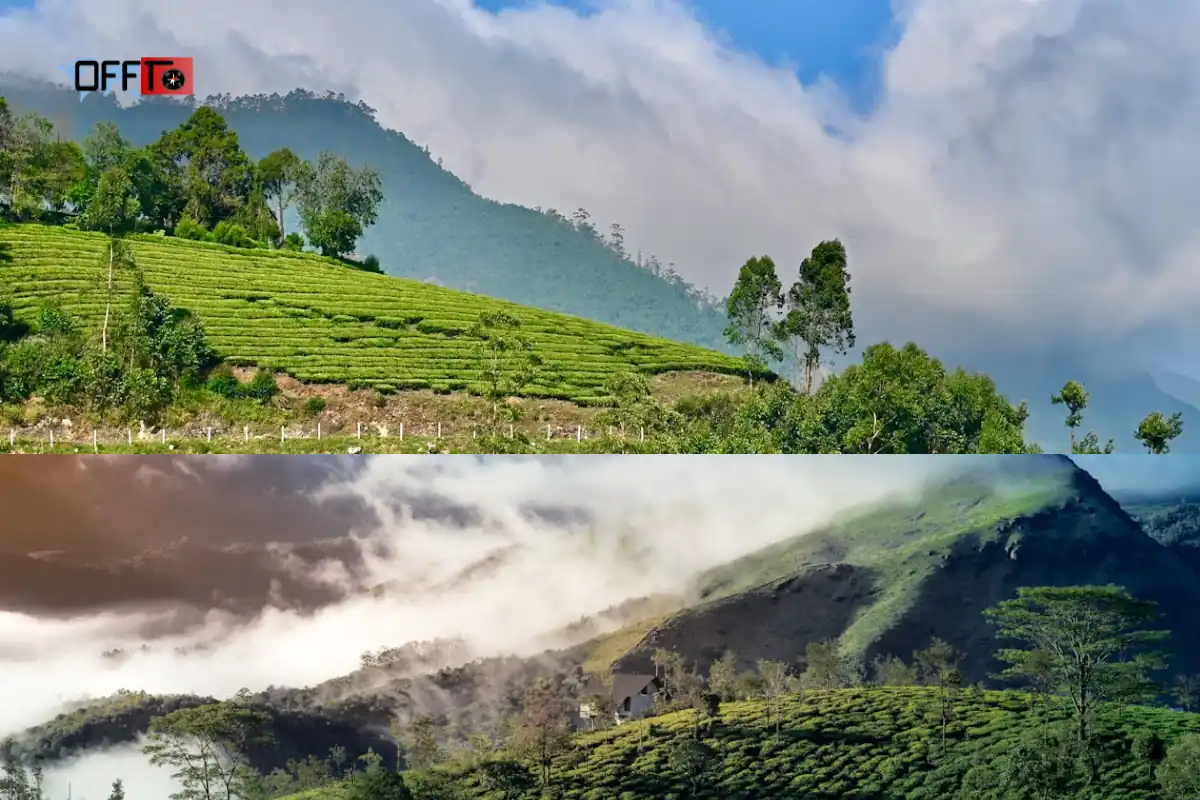
A good Manjolai hills travel guide should be honest about what the region is actually like. Manjolai is scenic and memorable, but it is not an open, heavily commercial hill station. It is a controlled, nature-focused destination connected to tea estates, forest roads, waterfalls, viewpoints, and reserve rules. The official Tirunelveli district page describes Manjolai as known for climate, scenery, tea plantations, and natural spots such as Kakkachi and Nalumukku, which is exactly why the experience feels quieter and more landscape-led.
Expectation: Open Hill Station | Reality: Restricted Forest Access
Many travelers expect Manjolai to work like Ooty, Kodaikanal, or Valparai, where you can drive in, roam around, and decide your plan on the spot. In reality, Manjolai access is tied to forest-controlled movement and permission-based travel.
The KMTR visitor rules state that visitors should obtain entrance permission from the Reception Range Office before entry and that entry with permission is allowed only during specified hours. This means Manjolai should be planned in advance, not treated as a casual last-minute detour.
Expectation: Many Cafés and Hotels | Reality: Limited Facilities
Manjolai is not built around cafés, restaurants, shopping streets, and hotel clusters. Facilities can be limited, especially once you move into the hill and forest-side route. That does not make the trip less worthwhile; it simply changes how you should prepare.
Carry food, water, cash, offline maps, and basic medicines. Confirm any stay or meal arrangement before travel. If you want resort comfort and easy dining, base yourself in Tirunelveli, Ambasamudram, or another convenient town and treat Manjolai as a planned nature outing.
Expectation: Easy Sightseeing | Reality: Permit, Weather, and Road Dependency
The most important thing to know about Manjolai tourist places is that access can depend on permission, weather, forest timing, road conditions, and local instructions. A clear morning can become misty by afternoon, and a route that looks simple on the map may take longer because of check-post procedures, narrow roads, and photo stops.
A flexible itinerary works better than a packed one. Choose a few realistic stops, start early, and keep enough time for return. In Manjolai, a safe and calm trip is better than a long checklist.
Expectation: Waterfall Everywhere | Reality: Seasonal Flow and Access Limits
Travelers often search for “Manjolai falls,” but waterfall experiences around the region are not always open, easy, or predictable. Manimuthar Falls is the main waterfall most travelers connect with the Manjolai route. The Tirunelveli district administration describes Manimuthar Dam and Falls as a scenic area at the foothills of the Podhigai Hills, with Ambasamudram and Kallidaikurichi as nearby towns.
Waterfall flow and access can change with season and safety conditions. During heavy rain, slippery rocks, strong water flow, and restrictions can affect visits. Treat waterfalls as a valuable add-on, not the only reason to travel.
Who May Not Enjoy Manjolai?
Manjolai may not suit travelers who want spontaneous access, nightlife, many restaurants, luxury resort facilities, or guaranteed sightseeing in all weather. It may also feel inconvenient for people who dislike permits, limited network, early starts, or forest-route rules.
Manjolai is best for nature-focused travelers, photographers, road-trippers, and people who enjoy quiet hill landscapes. Go for mist, tea estates, forest roads, viewpoints, and a slower travel rhythm. Go with preparation, and Manjolai can feel rare. Go without planning, and the same place can feel difficult.
Manjolai Travel Cost & Budget Planning
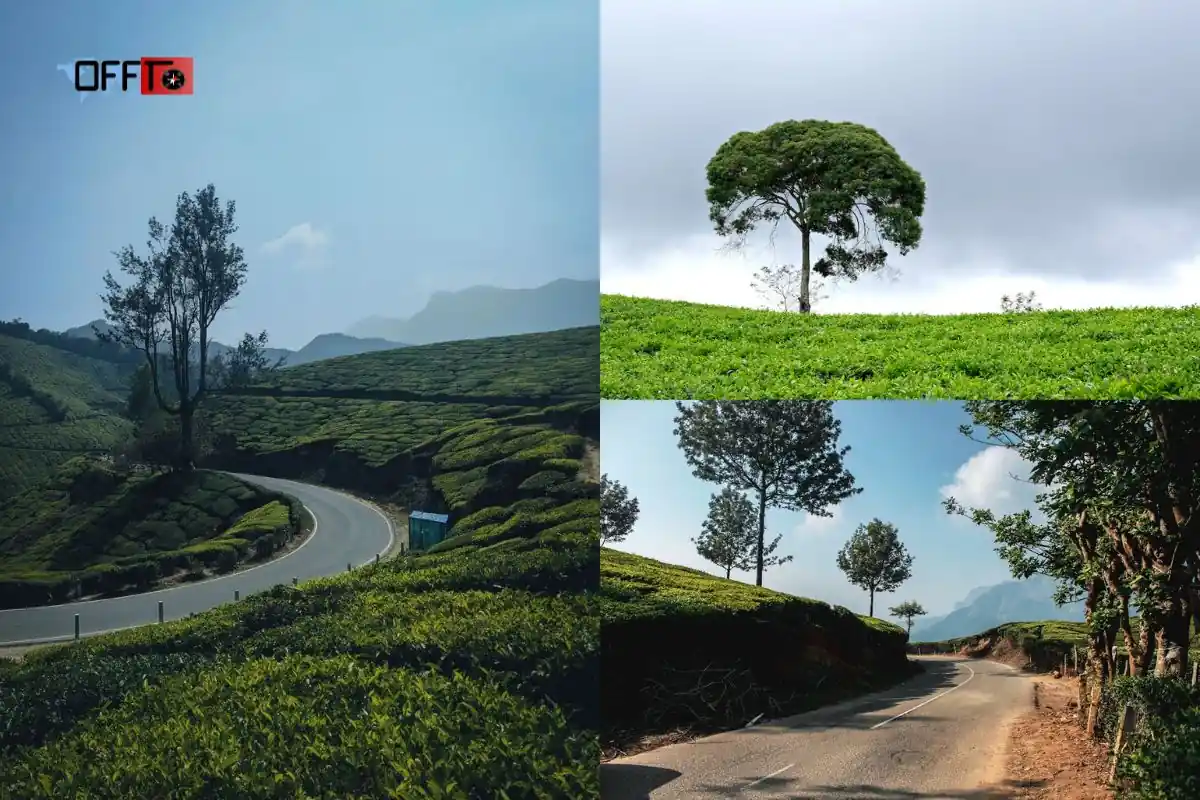
A Manjolai trip budget depends less on shopping or activities and more on access, transport, food planning, and whether you are doing a day trip or staying overnight. Unlike commercial hill stations, Manjolai is connected to forest-controlled access, so travelers should keep the Manjolai permit cost, vehicle rules, and permission process flexible. The official KMTR guidance says visitors must obtain entrance permission from the Reception Range Office before entry, and entry is allowed only during specified hours.
Main Cost Factors for a Manjolai Trip
The main cost factors for a Manjolai trip are permission-related charges, vehicle or taxi cost, fuel, driver allowance if applicable, food, camera charges, and stay cost if you plan an overnight visit. For most travelers, transport will be the largest expense because Manjolai is best visited with a reliable private vehicle or local driver who understands the route.
A day trip from Tirunelveli or Ambasamudram will usually cost less than an overnight plan. A photography-heavy trip, family trip, or stay-based itinerary may cost more because you need extra buffer for vehicle time, meals, accommodation, and route delays.
Permit and Entry-Related Costs
Permit and entry-related costs should always be checked before travel. Do not treat old blog prices, social media reels, or screenshots as final. Costs may vary depending on current forest rules, person count, vehicle type, camera use, and whether you are entering for a day visit or staying in a forest-managed accommodation.
The KMTR general instructions currently mention still camera charges and video camera charges, but those are not the same as a full Manjolai access total. Travelers with accommodation bookings are also advised to carry ID proof and booking receipts, and to obtain entrance permission before accommodation.
Vehicle, Fuel, Taxi, and Driver Costs
Vehicle cost is usually the most important part of Manjolai budget planning. If you are driving your own car, budget for fuel, parking or entry-related vehicle costs if applicable, and enough margin for hill-road driving. If you are hiring a taxi or jeep, confirm whether the quoted amount includes waiting time, forest check-post delays, viewpoint stops, driver allowance, and return timing.
Do not choose the cheapest vehicle option if it compromises road safety. For restricted hill routes, a driver who knows the road, timing, check-post process, and weather behaviour can be more valuable than a small saving.
Food and Stay Costs
Food costs can stay low if you plan well, but poor planning can make the trip inconvenient. Carry water and simple snacks before entering the route because Manjolai is not a restaurant-heavy hill station. If you are staying overnight, confirm meals in advance rather than assuming food will be available after arrival.
Stay costs depend on the type of accommodation, whether it is forest-managed, estate-side, or outside the restricted region. KMTR room-reservation information also notes that certain access roads may require suitable vehicle types for specific stays, so accommodation planning should be linked with vehicle planning.
Budget vs Comfortable Trip Estimate
For a budget Manjolai trip, the practical approach is to travel as a day trip, start early from Ambasamudram or Tirunelveli, carry food and water, avoid unnecessary detours, and keep the plan permission-focused. This works best for small groups that already have a suitable vehicle.
For a more comfortable trip, budget extra for a reliable taxi or local driver, better meal planning, weather buffer, and possibly an overnight stay if access and accommodation rules allow. Families and photographers should lean toward the comfortable version because rushed timing and limited facilities can reduce the quality of the experience.
Traveler Type | Main Cost Drivers | Budget Note |
Budget traveler | Permit, shared transport or own vehicle, snacks | Keep it as a simple day trip |
Couple | Taxi or bike/car, food, photo stops | Add buffer for slower scenic travel |
Family | Private vehicle, food, restroom planning, comfort stops | Choose safety and convenience over lowest cost |
Photography trip | Early start, driver time, camera charges, viewpoint flexibility | Confirm camera rules and route timing |
Cost-Saving Tips Without Compromising Safety
The best way to save money on a Manjolai trip is to plan cleanly, not cut corners. Start from a closer base like Ambasamudram if practical, travel in a small group, carry food and water, confirm permission before leaving, and avoid last-minute route changes that increase vehicle time.
Do not save money by skipping permission checks, hiring an unsuitable vehicle, driving late in poor visibility, or entering restricted areas casually. In Manjolai, the safest trip is usually the most cost-effective one because delays, denied entry, or poor planning can waste the whole day.
Final Manjolai Travel Checklist
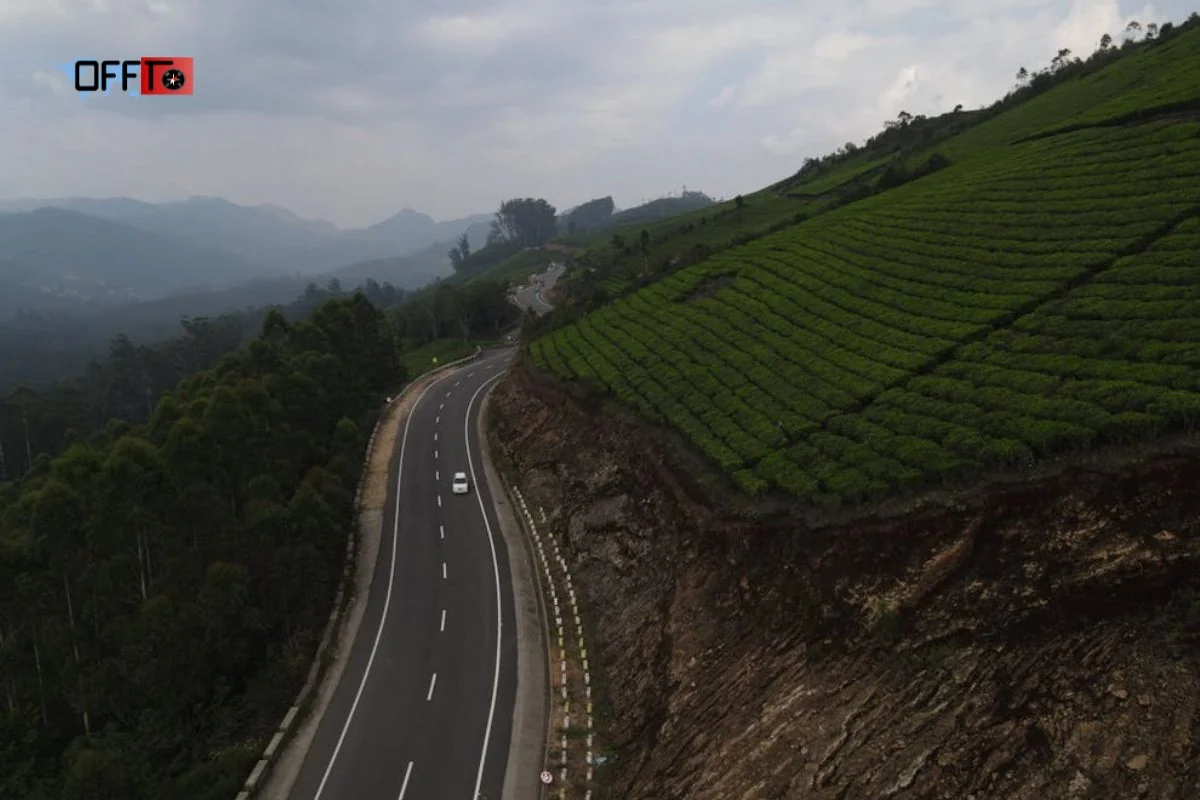
Use this Manjolai travel guide checklist before you leave for the hills. Manjolai is scenic, quiet, and rewarding, but it needs more preparation than a regular hill-station trip because access, weather, road conditions, and facilities can change.
Permission Checklist
- Confirm whether Manjolai is open for visitors on your travel date.
- Check where permission needs to be obtained.
- Verify whether your visit is a day trip or stay-based entry.
- Carry valid government ID proof.
- Carry booking receipt or confirmation if staying overnight.
- Ask about entry and exit timing before starting.
- Confirm whether your vehicle type is allowed.
- Check camera rules if you are carrying photography gear.
Weather Checklist
- Check Manjolai weather before leaving Tirunelveli or Ambasamudram.
- Avoid travelling during heavy rain warnings.
- Expect mist, sudden showers, and changing visibility.
- Choose winter for clearer views and easier road conditions.
- Choose monsoon only if you are comfortable with wet roads, leeches, and flexible plans.
- Keep a backup plan if viewpoints are fully covered by mist.
Packing Checklist
- Valid ID proof
- Permission or booking confirmation, if applicable
- Drinking water in reusable bottles
- Light snacks or packed food
- Rain jacket or umbrella
- Light sweater or jacket
- Comfortable shoes with grip
- Basic medicines
- Power bank
- Offline maps
- Cash in smaller denominations
- Camera protection or waterproof pouch
- Small waste bag to carry back your trash
Route Checklist
- Start early from Tirunelveli or Ambasamudram.
- Fill fuel before entering the hill route.
- Use restrooms before the climb.
- Save offline maps before network drops.
- Do not depend only on live navigation.
- Follow forest check-post instructions.
- Stop only where parking is safe and allowed.
- Keep enough time for the return journey.
Safety Checklist
- Do not enter restricted forest areas without permission.
- Do not carry plastic items banned inside reserve zones.
- Avoid alcohol and smoking inside protected areas.
- Do not feed wildlife or disturb animals.
- Avoid risky roadside photo stops.
- Do not climb wet rocks near waterfalls.
- Avoid late return drives in mist or rain.
- Follow the instructions of forest staff and local authorities.
What to Confirm One Day Before Travel
One day before your Manjolai trip, confirm permission, route status, weather, vehicle suitability, entry timing, food plan, fuel, cash, ID proof, and return timing. If you are planning to visit places like Kakkachi, Nalumukku, Kuthiravetti, Manimuthar Falls, or Upper Kodayar, confirm whether they are accessible on that specific day.
The simplest rule is this: do not treat Manjolai like an open hill station. Treat it as a controlled nature destination where preparation makes the trip smoother, safer, and far more enjoyable.
FAQs
What is Manjolai famous for?
Manjolai is famous for its tea estates, cool hill weather, forest routes, viewpoints, and quiet Western Ghats landscape. Unlike busier hill stations, it feels more remote and regulated because access passes through protected forest areas. Travelers usually visit for tea garden views, misty roads, nearby waterfalls, Kakkachi, Nalumukku, and the calm hill atmosphere around Tirunelveli district.
Do we need permission to visit Manjolai?
Yes, travelers should plan Manjolai as a permission-based destination. Access involves forest-controlled areas linked to the Kalakkad Mundanthurai Tiger Reserve region, so rules can change depending on safety, weather, wildlife movement, and department instructions. Always verify with the forest department or official booking channels before starting from Tirunelveli, Ambasamudram, or Tenkasi.
How much is the permit for Manjolai Hills?
The Manjolai permit cost should be verified before travel because charges may vary by person, vehicle, access point, and current forest rules. Some traveler reports mention a permit amount plus vehicle and per-person charges, but that should not be treated as a permanent official rate. The safest advice is to confirm directly through authorized forest channels before planning the budget.
Where is Manjolai located in Tamil Nadu?
Manjolai is located in the Tirunelveli district region of Tamil Nadu, in the Western Ghats near the Kalakkad Mundanthurai Tiger Reserve landscape. It is commonly approached from Tirunelveli, Ambasamudram, and Manimuthar. Because the route moves through sensitive forest-side terrain, it is not a casual open-access hill station like many mainstream tourist destinations.
What are the best places to visit in Manjolai?
The best places to visit in the Manjolai region include Manjolai Tea Estate, Manimuthar Tea Estate viewpoints, Kakkachi Lake, Nalumukku, Oothu, Kuthiravetti Viewpoint, Manimuthar Falls, and nearby heritage or temple stops. Actual access depends on permission, road condition, weather, and forest department rules, so the itinerary should stay flexible rather than fixed.
What is the best time to visit Manjolai?
The best time to visit Manjolai is generally from November to March, when the weather is cooler and travel conditions are more comfortable. Monsoon can make the hills dramatic and misty, but rain may affect visibility, roads, and waterfall access. Winter is better for first-time visitors who want clearer viewpoints and easier day-trip planning.
Is Manjolai open for tourists now?
Manjolai access should always be verified close to your travel date. Because the region involves forest permissions, protected-area rules, estate-related changes, and weather-sensitive roads, online information may become outdated quickly. The article should advise readers to check with forest authorities, official eco-tourism channels, or local verified sources before booking transport or accommodation.
Is Manjolai safe for families?
Manjolai can be suitable for families if permission is confirmed, the weather is stable, and the trip is planned as a controlled day outing with enough food, water, cash, and buffer time. It may not suit travelers expecting many restaurants, easy mobile network, open sightseeing freedom, or late-evening hill-station roaming. Forest rules and timings should be followed strictly.
Can we stay overnight in Manjolai?
Overnight stays near or inside the forest-side region require careful verification. Some forest rest house or eco-stay options may be available through official channels, but availability, permission, and rules can change. Many travelers choose Ambasamudram or Tirunelveli as a safer base, especially if they are visiting Manjolai for the first time or traveling with family.
How do I reach Manjolai from Tirunelveli?
Manjolai is commonly reached by road from Tirunelveli via Ambasamudram and Manimuthar-side routes, depending on current permission and road access. Travelers should start early because forest check-post timings, weather, road conditions, and return deadlines can affect the trip. Tirunelveli is also a practical base for accommodation, food, fuel, and transport arrangements before heading uphill.
Is Manjolai better than Ooty or Kodaikanal?
Manjolai is not better or worse than Ooty or Kodaikanal; it serves a different type of traveler. Choose Manjolai for quiet tea estates, restricted access, forest atmosphere, and low-commercial hill scenery. Choose Ooty or Kodaikanal for easier hotels, cafés, family attractions, shopping, and open tourist infrastructure. Manjolai is more raw and planning-dependent.
What should I carry for a Manjolai trip?
Carry valid ID, permit-related documents, enough cash, water, snacks, rain protection, warm layers, comfortable shoes, power bank, offline maps, and basic medicines. Avoid plastic where restricted and do not depend fully on mobile network or digital payments. Because facilities are limited in the hill and forest route, preparation matters more here than in a regular hill-station trip.
Read more >>>
Best Time to Visit Ooty – Weather, Seasons & Travel Guide
Best Time to Visit Kodaikanal – A Complete Guide to Travel Tips & More
Plan Your Manjolai Trip Smarter with Offto Travellers
Manjolai is not the kind of hill trip you should plan at the last minute. Between permission checks, forest timings, weather changes, limited food options, and stay planning, a little preparation can make the entire experience smoother.
With Offto Travellers, you can explore destination stories, save useful travel ideas, compare nearby routes, and plan your Manjolai trip with more confidence. Whether you are starting from Tirunelveli, Ambasamudram, or combining Manjolai with nearby Western Ghats experiences, Offto helps you move from inspiration to action without overcomplicating the journey.
You can also Book stays near your route, compare options that suit your travel style, and choose a base that makes sense for your itinerary—whether you prefer a simple overnight halt, a comfortable family stay, or a peaceful nature-focused escape.
Before you go, confirm the latest Manjolai permission rules, check the weather, plan your return timing, and use Offto as your next step to turn this travel guide into a real trip.
Explore Manjolai with Offto Travellers and Book stays that fit your route, comfort, and travel pace.
Sign up
Leave a Reply