
The best time to visit Spiti Valley depends on the type of experience you’re seeking. Spiti is a year-round destination, but each season offers something unique.
- Summer (May – June) is the ideal time for trekking, biking, and exploring remote villages. Temperatures range from 12°C to 20°C, offering pleasant weather for outdoor activities. This is also when the Manali to Spiti road opens, making it accessible for travelers who prefer road trips. The clear skies and mild temperatures make summer the most popular time to visit for adventure seekers.
- Monsoon (July – August) brings heavy rainfall, especially in areas like the Manali to Spiti route. This makes traveling tricky due to landslides. While it’s not the best time for outdoor adventures, the monsoon season has its charm with fewer tourists and the lush, green landscapes of Spiti. The temperatures hover between 10°C to 18°C.
- Autumn (September – October) is arguably one of the best times to visit Spiti. The weather is crisp, with temperatures ranging from 8°C to 18°C, perfect for trekking, photography, and exploring the region’s monasteries. The clear skies offer breathtaking views of the rugged mountains and valleys, making this the best season for capturing the stunning landscapes of Spiti.
- Winter (November – February) transforms Spiti into a winter wonderland. If you’re into snow trekking or want to experience winter camping, this is the best time. Temperatures can drop as low as -10°C, but the winter months offer some of the clearest skies for stargazing and observing the Milky Way. However, travelers should be prepared for extreme cold and the possibility of road closures.
Why Visit Spiti Valley?
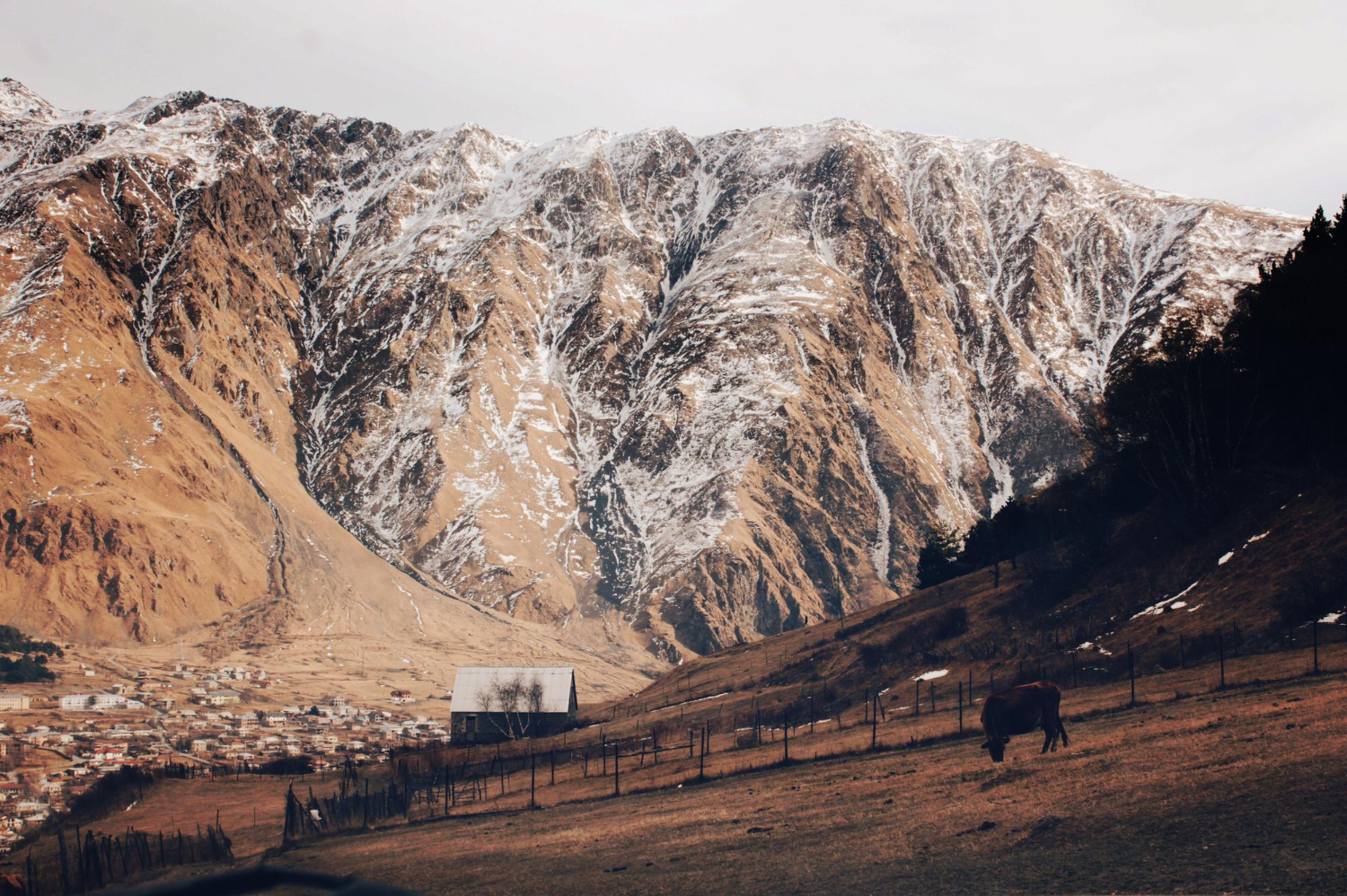
Spiti Valley's Allure: A Destination Like No Other
Nestled in the Himalayas, Spiti Valley offers a unique blend of adventure, spirituality, and untouched natural beauty. Known as “Little Tibet,” it is home to ancient Tibetan monasteries, picturesque landscapes, and a rich cultural heritage. With its remote charm, Spiti is a haven for those seeking solace away from the hustle and bustle of city life.
Spiti is fast becoming a popular travel destination for adventurers, photographers, and culture enthusiasts. Its rugged terrain and breathtaking landscapes make it a dream for outdoor lovers, while its deep Tibetan Buddhist culture offers a serene spiritual experience. Whether you’re trekking the Pin Parvati Pass, stargazing in the clear skies, or visiting ancient monasteries, Spiti offers something for everyone.
The isolation of the valley only adds to its allure, with fewer tourists, allowing for a more authentic and peaceful experience. From snow-capped peaks to the unique cultural experiences, Spiti Valley continues to captivate travelers from around the world. If you’re looking for a place that offers solitude, natural beauty, and a taste of Tibetan heritage, Spiti Valley should definitely be on your travel list.
The Best Time to Visit Spiti Valley
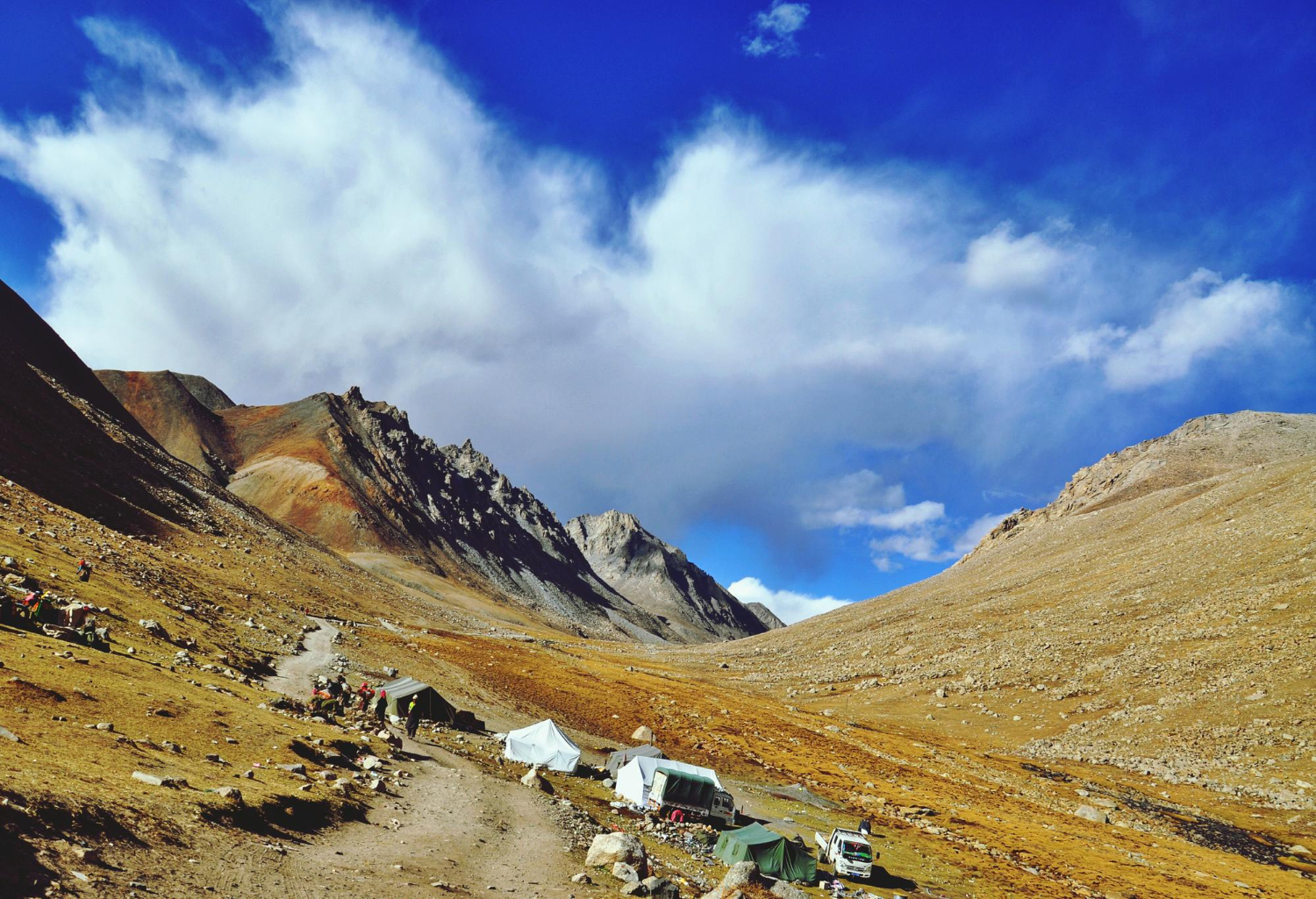
When is the Best Time to Visit Spiti Valley?
The best time to visit Spiti Valley depends largely on the kind of experience you’re seeking. The region offers something unique across every season, but here’s a quick rundown to help you decide:
Summer (May - June):
- Ideal for Trekking & Biking: Summer is the most popular time to visit Spiti Valley. With temperatures ranging from 12°C to 20°C, the weather is pleasant, perfect for trekking the famous Pin Parvati or Kinner Kailash routes, or even embarking on a bike trip to Spiti Valley. The Manali to Spiti road opens during this time, making the valley accessible by car or bike.
- Perfect for Outdoor Exploration: This is also the best time for photography, with clear skies and great visibility. Trekking and biking in the warmer months allows you to explore the valleys, monasteries, and remote villages comfortably.
Monsoon (July - August):
- Challenges with Rain: Spiti experiences heavy rainfall during the monsoon months, especially along the Manali to Spiti road. The monsoon season sees temperatures between 10°C to 18°C, making it less ideal for outdoor adventures. There’s a risk of landslides and difficult road conditions, which can make it hard to travel. However, for those seeking solitude, the rain brings a serene charm to Spiti, with fewer crowds and lush greenery.
Winter (November - February):
- Best for Snow Trekking and Stargazing: Winter in Spiti is harsh, with temperatures dropping to -10°C or lower. Despite the cold, winter offers the most magical experience of Spiti. The valley gets covered in snow, turning it into a winter wonderland perfect for snow trekking. This time is also great for stargazing as the skies are clear, offering breathtaking views of the Milky Way.
Key Takeaway:
- Summer is best for trekking and biking, while winter offers incredible snow trekking and the best stargazing opportunities.
Understanding Spiti Valley’s Weather
Spiti Valley experiences extreme weather conditions throughout the year. The valley’s remote location, nestled at an altitude of around 12,500 feet, means it has a high-altitude climate that varies drastically between summer and winter.
Summer (May - June):
- Temperature Range: 12°C to 20°C during the day, with cooler nights dropping to around 5°C to 8°C. The weather is dry and pleasant, making it ideal for trekking, biking, and road trips. The higher altitude means temperatures are still mild, even during the day.
Monsoon (July - August):
- Temperature Range: 10°C to 18°C, but the region receives heavy rainfall during these months, making travel conditions challenging. The rain brings lush greenery to the valleys but makes the roads treacherous.
Winter (November - February):
- Temperature Range: Temperatures can drop as low as -10°C during the night and hover around 5°C to 8°C during the day. Snowfall is frequent, and the region experiences snowstorms, especially in higher altitudes, limiting accessibility to some areas.
Spiti Valley Temperature Comparison Chart:
Month | Average Day Temperature | Average Night Temperature |
May – June | 12°C – 20°C | 5°C – 8°C |
July – August | 10°C – 18°C | 5°C – 8°C |
September – October | 8°C – 18°C | 2°C – 5°C |
November – February | -10°C to 5°C | -10°C to 0°C |
The summer months are the best for enjoying the outdoors, while winter offers a whole new experience for those who want to embrace the cold and snow-covered landscapes.
Best Month for Stargazing in Spiti Valley
One of Spiti Valley’s hidden gems is its stargazing opportunities. With its clear skies and minimal light pollution, Spiti is an astronomer’s paradise. The best month for stargazing is during the winter season (November – February), especially around December and January, when the Milky Way and other celestial bodies are at their most visible.
Why Winter is Perfect for Stargazing:
- The dry, clear skies during the winter months provide the perfect conditions for stargazing.
- Due to its remote location and minimal light pollution, Spiti offers some of the best night skies in India, allowing you to spot constellations, the Milky Way, and if you’re lucky, even the Northern Lights.
In the summer months (May – June), the skies are still clear, but winter is when the conditions are most favorable for stargazing and night photography.
Why Visit Spiti Valley in April?
If you’re looking to avoid the crowds and still enjoy great weather, April is a transition month between winter and summer. The weather in April is moderately pleasant, with temperatures ranging from 5°C to 15°C, making it perfect for those who want to experience the beauty of Spiti without the heavy snowfall of winter or the crowds of summer.
- deal for Photography: The valley is still snow-capped, and the spring flowers begin to bloom, creating a breathtaking contrast of snow and green.
- Lower Crowds: Since the summer rush hasn’t started yet, April is a great time to explore Spiti’s hidden gems and monasteries in peaceful solitude.
April offers a more tranquil experience, ideal for trekkers and photographers who want to capture Spiti in its quieter, early spring form.
How to Reach Spiti Valley
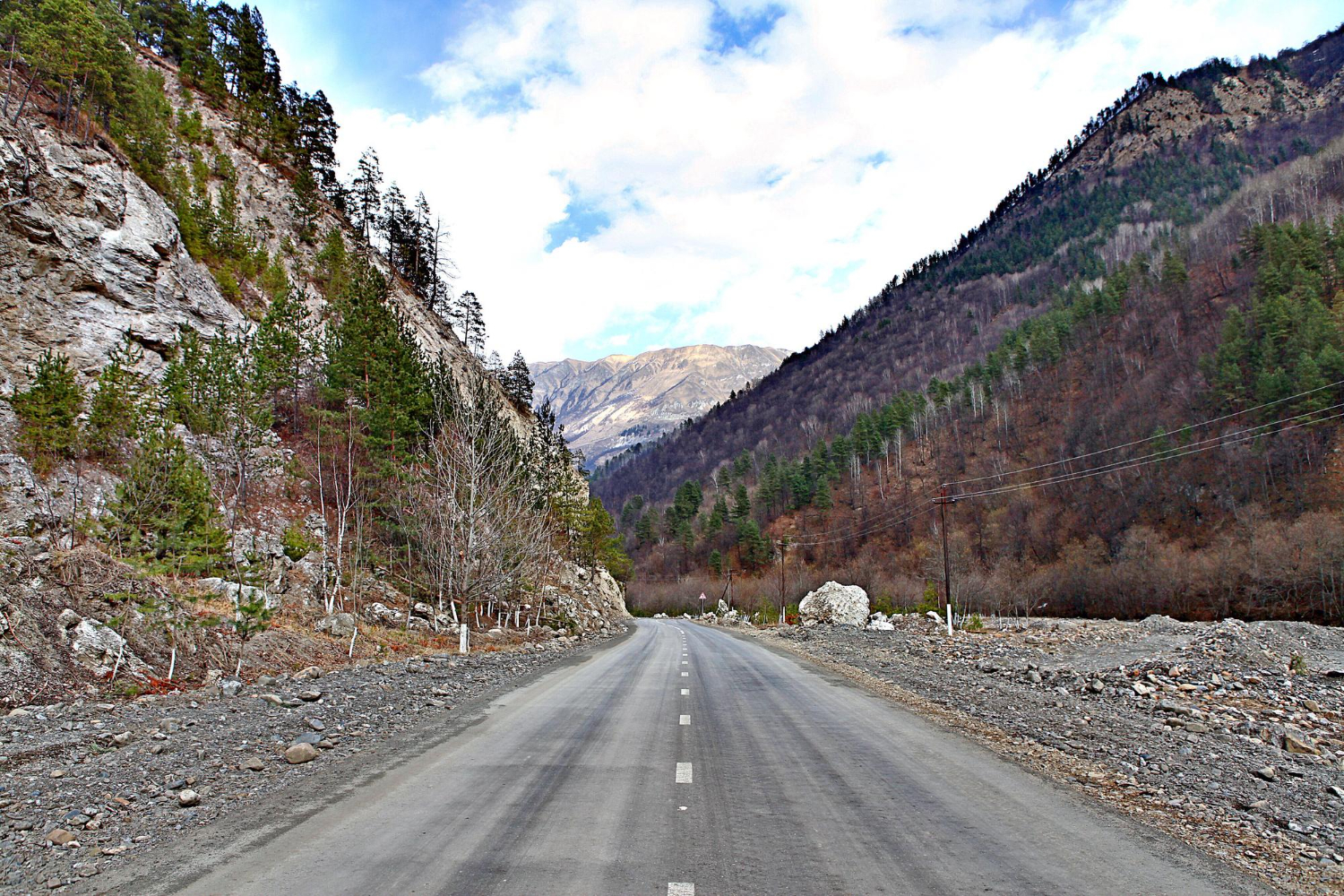
Getting to Spiti Valley involves a bit of effort due to its remote location in the Himalayas, but the journey is part of the adventure. Whether you’re traveling from Manali, Delhi, or Mumbai, Spiti is accessible by road, and there are multiple options to reach this beautiful valley. Here’s a breakdown of the best ways to get to Spiti Valley:
How to Reach Spiti Valley from Manali
The most popular way to reach Spiti Valley is by driving from Manali. The Manali to Spiti Valley distance is approximately 200 kilometers, and the journey takes around 8-10 hours, depending on road conditions and traffic. Here’s how you can travel:
Self-Driving:
- Road Conditions: The road from Manali to Kaza (the capital of Spiti) is challenging and requires a high-clearance vehicle (such as an SUV or 4×4). The Leh-Manali Highway is the main route, passing through Rohtang Pass, Kunzum Pass, and Batal.
- Best Months to Travel: The road is generally open between May and November. During winter months (December to March), heavy snowfalls can block roads, so this is not the best time for self-driving.
By Bus:
- Travel Time: The Himachal Road Transport Corporation (HRTC) runs buses from Manali to Kaza, which take around 12 hours to cover the distance.
- Route: The bus passes through Rohtang Pass and Kunzum Pass, making it a scenic yet long journey,
- Best Months: Buses operate from May to October, and booking in advance is recommended during peak season.
By Local Taxis:
- Travel Time: Hiring a private taxi from Manali is another option. This provides flexibility and comfort but can be a bit expensive. Travel time is around 8-10 hours, depending on road conditions.
- Road Conditions: Taxis can take you directly to Spiti Valley without worrying about navigating the difficult roads yourself.
How to Reach Spiti Valley from Delhi
There are two main ways to travel from Delhi to Spiti Valley: by flight and road.
Option 1: Flight to Kullu + Road Trip to Spiti:
- Flight: The nearest airport to Spiti is Kullu Airport (also known as Bhuntar Airport). Flights are available from Delhi to Kullu, and the journey takes about 1.5 hours.
- Road Trip from Kullu to Spiti: From Kullu, you will need to take a road trip to Spiti Valley. The distance from Kullu to Kaza is approximately 200 kilometers and takes around 8 hours by road. The journey is scenic but can be bumpy in parts, especially as you get closer to Spiti.
Option 2: Direct Bus from Delhi to Spiti:
- Travel Time: HRTC also runs direct buses from Delhi to Kaza, the capital of Spiti. The journey takes around 18-20 hours and passes through Shimla, Kullu, and Manali.
- Best Months: Buses operate during May to October, and advance booking is highly recommended due to limited availability, especially during peak travel seasons.
How to Go to Spiti Valley from Mumbai
For Mumbai-based travelers, getting to Spiti Valley requires multiple travel modes, as there are no direct routes. Here’s the best way to reach Spiti from Mumbai:
By Air:
- Fly from Mumbai to Delhi: First, you’ll need to take a flight from Mumbai to Delhi. The flight takes about 2 hours.
By Train or Bus to Manali:
From Delhi, you can either:
- Take an overnight bus or train to Manali (approximately 14-16 hours by bus).
- Alternatively, fly to Kullu and continue your journey by road to Spiti, as mentioned earlier.
From Manali to Spiti:
Once in Manali, you can follow the same routes as outlined earlier for self-driving, bus, or taxi.
Nearest Airport to Spiti Valley
The nearest airport to Spiti Valley is Kullu Airport (Bhuntar Airport), located around 50 kilometers from Kullu town. From Kullu, you can take a taxi or bus to reach Spiti Valley.
Kullu Airport to Spiti:
- Distance: About 200 kilometers from Kullu to Kaza (Spiti’s main town).
- Travel Time: The drive takes around 8 hours through scenic mountainous roads.
Other Nearby Airports:
Shimla Airport (Jubbarhatti) is another option for travelers coming from the north. However, Kullu Airport is the most common entry point due to its proximity and road access to Spiti.
Key Takeaway:
Traveling to Spiti Valley from Manali, Delhi, or Mumbai requires a combination of flights, buses, taxis, and self-driving. The journey is a part of the adventure, offering travelers a chance to see some of the most scenic routes in the Himalayas. The best months for smooth travel are May to October, with summer and autumn providing the most accessible and enjoyable conditions.
Must-Do Activities in Spiti Valley
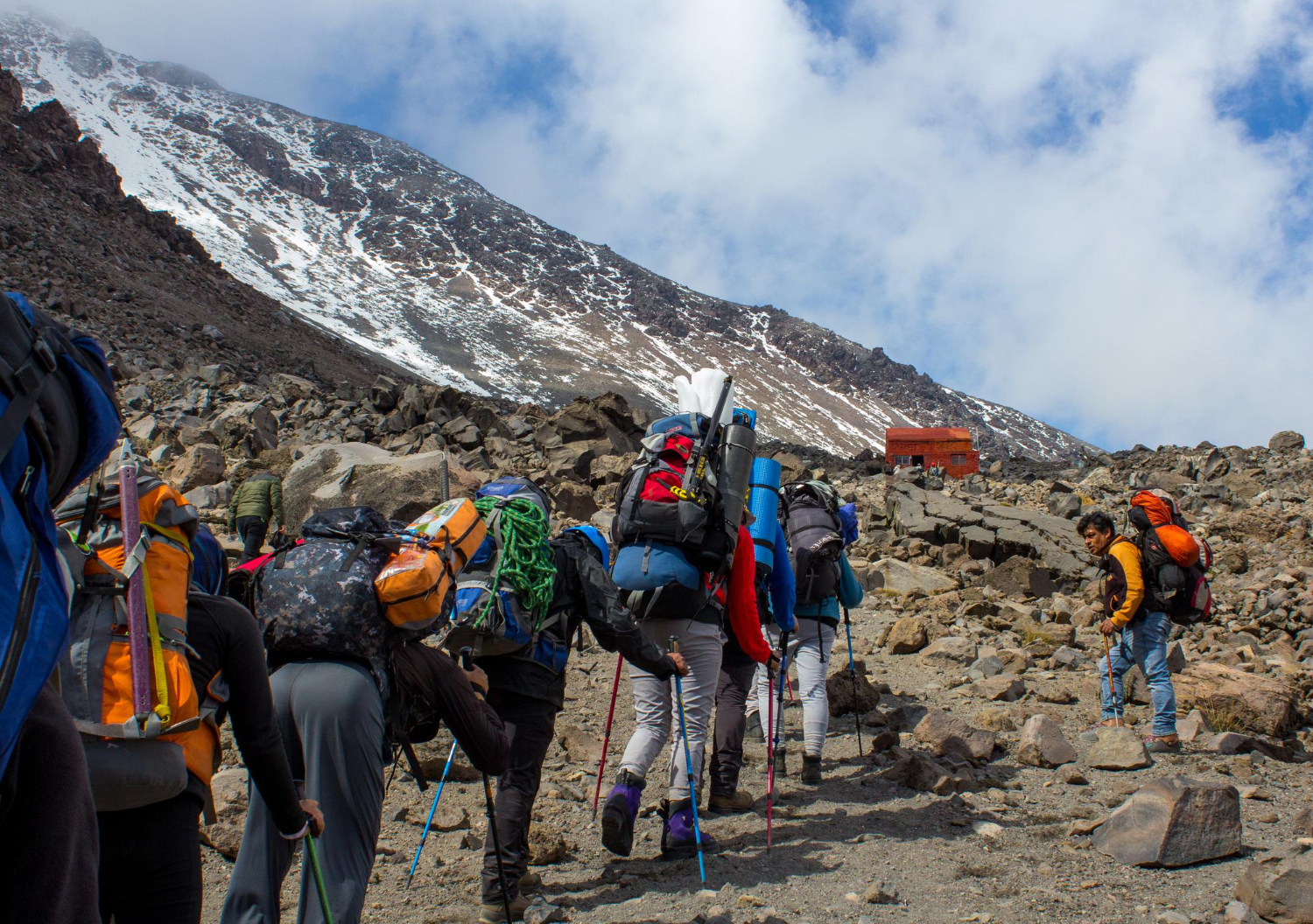
Spiti Valley is not only about its mesmerizing landscapes and remote beauty; it also offers a wealth of adventure activities and cultural exploration. Whether you’re an adventure seeker or someone looking to dive into Spiti’s spiritual heritage, there’s something for every traveler. Here are the must-do activities in Spiti Valley:
Spiti Valley Trek: A Thrilling Adventure
Spiti Valley is a trekker’s paradise, offering some of the best trekking routes in the Himalayas. Whether you’re an experienced trekker or a beginner looking for your next adventure, Spiti has a variety of trekking routes to suit every level of difficulty.
Pin Parvati Trek:
- Difficulty Level: Challenging
- Duration: 9-12 days
- The Pin Parvati Trek is one of the most challenging and rewarding treks in the region, crossing over the Pin Parvati Pass (5,319 meters). The trek offers stunning views of the Spiti Valley, lush meadows, and the Parvati Valley. The trek is famous for its remote and pristine surroundings, making it a must-do for seasoned trekkers.
Chandratal Lake Trek:
- Difficulty Level: Moderate
- Duration: 2-4 days
- Known for its crescent moon shape, Chandratal Lake is one of Spiti’s most popular trekking spots. The trek takes you through beautiful landscapes, alpine meadows, and barren stretches. The trek to Chandratal Lake is easier compared to other treks in the valley and can be completed by most moderate trekkers, making it perfect for those looking for a short yet spectacular trekking experience.
Kinner Kailash Trek:
- Difficulty Level: Moderate to Challenging
- Duration: 7-9 days
- The Kinner Kailash trek is one of the most revered treks in Spiti and is closely linked with Tibetan Buddhism. The trek takes you through remote villages, gorgeous valleys, and offers awe-inspiring views of the Kinner Kailash Peak (6,050 meters). This trek is steeped in spiritual significance and
Key Takeaway:
For those looking to explore Spiti Valley on foot, the Pin Parvati, Chandratal, and Kinner Kailash treks offer diverse experiences that vary in difficulty, duration, and scenery. The region’s remote terrain makes these treks a great adventure for those seeking unspoiled natural beauty and spiritual discovery. Be sure to check the seasonal accessibility and weather conditions before embarking on these treks.
Biking Through Spiti: A Rider’s Paradise
For biking enthusiasts, Spiti Valley is nothing short of paradise. The region’s rugged terrain, breathtaking landscapes, and remote roads make it one of the best destinations for a motorbike trip.
- Best Time for Biking: The ideal months for biking in Spiti Valley are May to June and September to October, when the weather is pleasant and the roads are accessible. During the monsoon season, the roads can be slippery and prone to landslides, making it difficult and dangerous for biking.
Key Biking Routes:
- Manali to Spiti Valley: The road from Manali to Spiti Valley is a popular route for bikers. It covers over 200 kilometers and offers incredible scenic views, challenging hairpin bends, and a sense of adventure. Be sure to check road conditions and weather forecasts before heading out.
- Kaza to Chandratal Lake: This route is perfect for bikers looking for an offbeat adventure. The road to Chandratal Lake is bumpy, making it ideal for experienced riders, but the stunning views of the lake and the surrounding mountains are worth the effort.
Necessary Gear:
- It is crucial to have the right gear when biking through Spiti Valley. Make sure you have a reliable motorcycle, protective riding gear, warm clothing, and basic tools for repairs. Due to the high altitude, you should also carry sunscreen and lip balm to protect your skin from the harsh sun.
- Key Takeaway: Spiti Valley’s rugged roads make it a dream destination for bikers, especially during the summer and autumn months. Make sure you’re prepared for the challenges of high-altitude biking and take necessary precautions when riding in remote areas.
Monastery Tour: Exploring Spiritual Heritage
Spiti Valley is a spiritual haven, home to ancient Tibetan monasteries that stand as symbols of Buddhist culture. These monasteries, some of which date back over a thousand years, offer travelers a chance to connect with the rich history and spiritual life of the region.
Key Monastery (Key Gompa):
- Located near Kaza, the Key Monastery is one of the most important monasteries in Spiti. Perched on a hilltop, it offers stunning views of the Spiti River and surrounding mountains. It’s a perfect spot for meditation, and visitors can experience local prayer ceremonies.
Tabo Monastery:
- Known as the ‘Ajanta of the Himalayas’, Tabo Monastery is located near Tabo village and is one of the oldest monasteries in the region. It is renowned for its ancient murals, manuscripts, and meditation caves, offering a deep dive into Spiti’s spiritual heritage. The monastery hosts an annual Buddhist festival, drawing visitors from all over.
Dhankar Monastery:
- Sitting on a cliff above the Spiti River, Dhankar Monastery offers stunning views and holds significant cultural importance. It’s also known for its meditation caves and spiritual offerings, including rituals and prayers.
Cultural Activities:
While exploring these monasteries, you can also take part in cultural activities, such as meditation, prayer ceremonies, and Tibetan Buddhist rituals. These experiences provide travelers with an opportunity to connect with the region’s rich spiritual life and learn about Tibetan Buddhism.
Key Takeaway:
Spiti Valley offers a unique blend of adventure and spirituality. Whether you’re seeking treks, biking routes, or a deep cultural experience, Spiti has it all. From the challenging treks of Pin Parvati to biking the rugged roads and exploring ancient monasteries, every activity provides a way to immerse yourself in the valley’s natural beauty and spiritual depth.
Spiti Valley Itinerary Suggestions
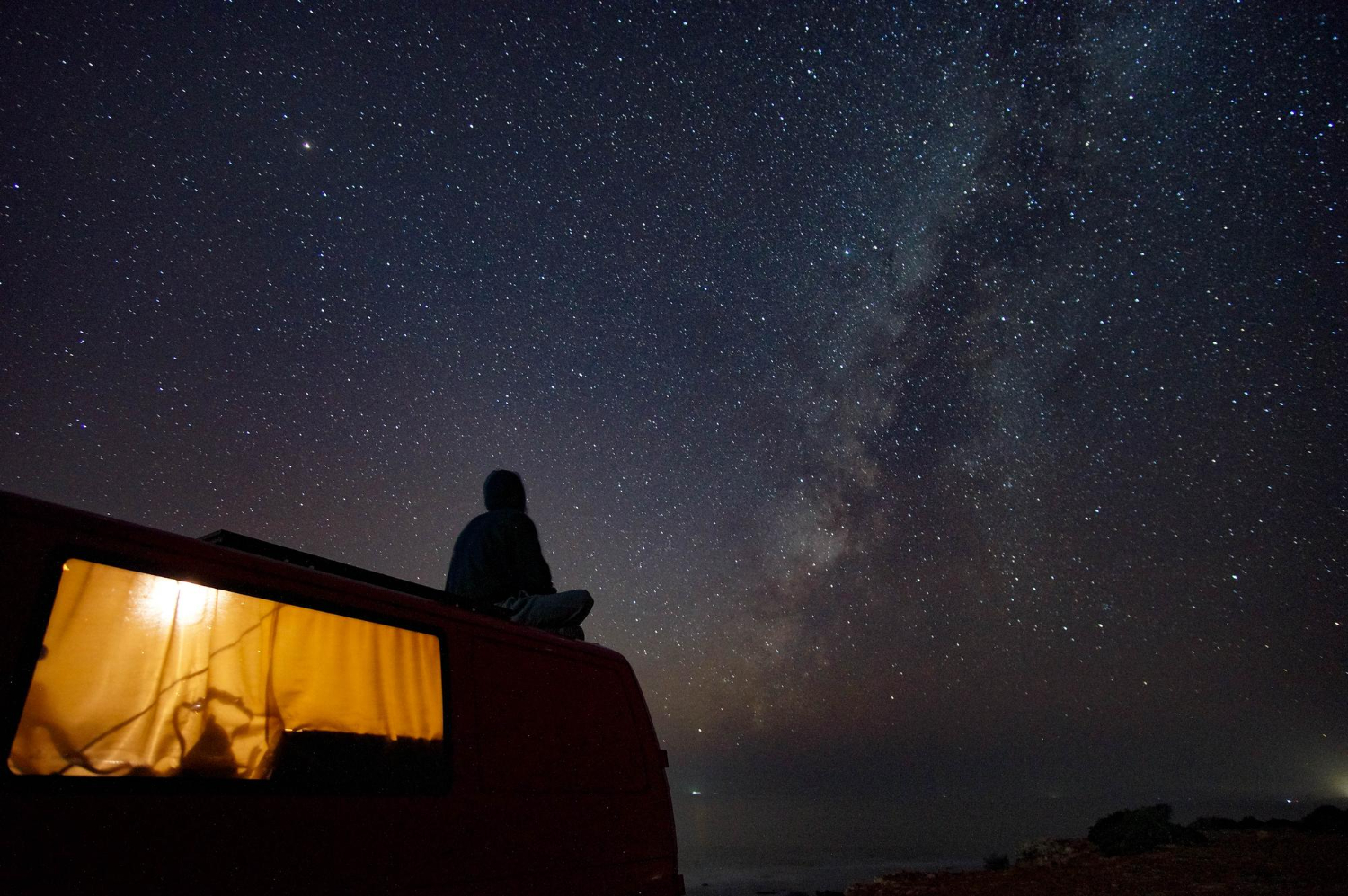
Spiti Valley offers a diverse range of experiences that cater to both quick travelers and adventure enthusiasts. Whether you have just a couple of days or an entire week, here are some itinerary suggestions to help you explore the best of this remote Himalayan destination:
Ideal 2-Day Itinerary for First-Timers
If you’re short on time but still want to experience the beauty of Spiti Valley, here’s a condensed 2-day itinerary focusing on major attractions, scenic views, and local experiences:
Day 1: Arrival at Kaza
- Morning: Arrive in Kaza (Spiti’s main town). After checking in to your accommodation, take a short rest and acclimatize to the high altitude.
- Afternoon: Head to Key Monastery (15 km from Kaza). This ancient Tibetan Buddhist monastery offers stunning views of the valley and is a perfect spot for spiritual exploration and photography.
- Evening: Visit Kaza’s local market to interact with locals, explore handicrafts, and get a feel of the local culture. Enjoy dinner at a local restaurant, trying Tibetan specialties like momos and thukpa.
Day 2: Explore Chandratal Lake and Surrounding Villages
- Morning: Begin early and drive to Chandratal Lake (approximately 3 hours from Kaza). The crescent-shaped lake is surrounded by snow-capped mountains, making it a photographer’s paradise.
- Afternoon: Spend some time exploring the Chandratal region. Optionally, take a short trek around the lake or camp if the weather permits.
- Evening: Return to Kaza by evening and relax. You can end your day with a quiet sunset view from the town, where you can admire the valley’s unique landscape.
7-Day Spiti Valley Itinerary: Exploring Beyond the Surface
For those with more time, the 7-day itinerary allows for a deeper exploration of Spiti, including hidden spots and lesser-known villages that reveal the true essence of this mystical region.
Day 1: Arrive in Kaza
- Evening: Arrive in Kaza, settle in, and take a brief walk through the town. Explore local markets and shop for handicrafts.
Day 2: Kaza to Key Monastery and Kibber Village
- Morning: Visit Key Monastery, one of the most important monasteries in Spiti.
- Afternoon: Head to Kibber Village (approximately 20 km from Kaza), a remote village known for its unique architecture and culture.
- Evening: Return to Kaza for dinner.
Day 3: Visit Tabo Monastery and Dhankar
- Morning: Travel to Tabo Monastery (about 50 km). This 1,000-year-old monastery is often referred to as the “Ajanta of the Himalayas.”
- Afternoon: Continue to Dhankar Monastery (approximately 20 km). This monastery sits at a dramatic cliff edge, offering stunning views of the valley.
- Evening: Return to Kaza and enjoy local cuisine.
Day 4: Chandratal Lake Trek
- Morning to Afternoon: Head to Chandratal Lake. You can either drive or trek depending on your interest. The area offers fantastic hiking opportunities.
- Evening: Camp overnight near the lake to experience stargazing in one of the clearest skies in India.
Day 5: Pin Valley National Park
- Morning: Travel to Pin Valley National Park (about 40 km from Kaza). This park is known for its rugged terrain and diverse wildlife.
- Afternoon: Go on a nature walk or a short trek in the park. Pin Valley is home to snow leopards, Ibex, and other high-altitude wildlife.
- Evening: Return to Kaza.
Day 6: Explore Lingti Valley
- Morning: Visit the picturesque Lingti Valley. This hidden valley is often overlooked by tourists and offers quiet exploration.
- Afternoon: Visit the local villages in Lingti and experience the traditional way of life.
- Evening: Return to Kaza for a relaxing evening.
Day 7: Departure
- Morning: After breakfast, pack up and start your journey back, either by road or connecting through Kullu for your return flight.
Offbeat & Adventure-Focused Itinerary
For seasoned travelers who prefer off-the-beaten-path experiences, here’s an adventure-focused itinerary with a strong emphasis on trekking, camping, and exploring remote regions.
Day 1: Arrive in Kaza
- Settle into Kaza and explore the local market and surroundings.
Day 2-3: Pin Parvati Trek
- Trek to Pin Parvati: For adventure seekers, the Pin Parvati Trek is the ultimate challenge. The trek typically takes 8-12 days, but for those wanting a quick exploration, a two-day stretch from Kaza to Pin Valley offers amazing mountain views and rugged terrain.
Day 4: Kinner Kailash Trek
- Kinner Kailash Trek: If you prefer a spiritual and challenging journey, head out on the Kinner Kailash Trek, considered one of the most spiritually significant treks in the region.
Day 5-6: Camping Near Chandratal Lake
- Set up a camp near Chandratal Lake, where you can trek, stargaze, and enjoy the silence of the Himalayan wilderness
Day 7: Return to Kaza
- Spend your last day relaxing and enjoying a quiet evening in Kaza, reflecting on your incredible adventure.
Best Time for Adventure Activities in Spiti Valley
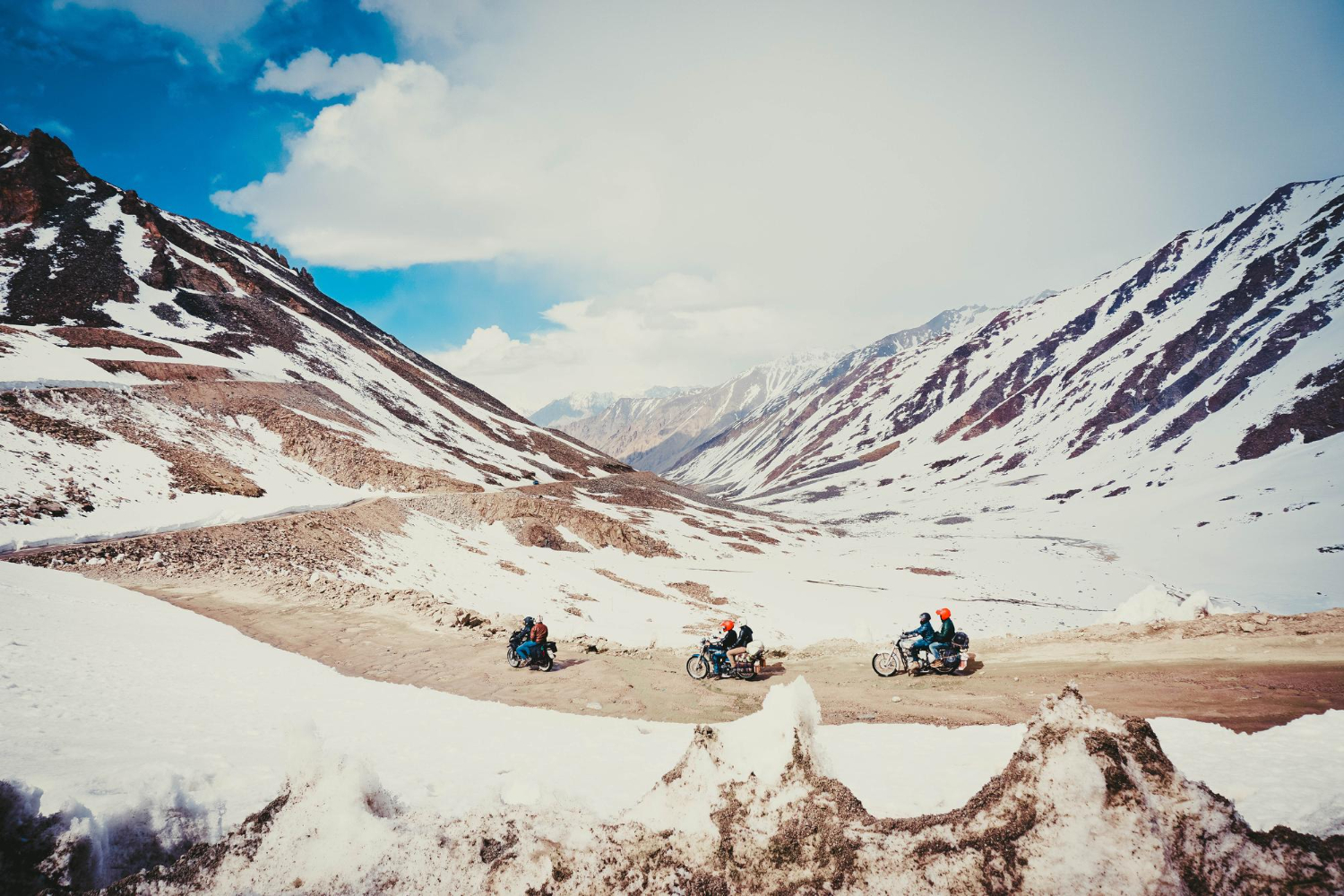
Spiti Valley is an adventure lover’s paradise, offering a wide range of activities for all levels of thrill-seekers. From summer biking trips to winter snow trekking, there’s no shortage of excitement here.
Summer Adventures in Spiti
The summer months (May – June) are ideal for exploring Spiti Valley, especially for activities like biking, trekking, and visiting hidden villages and monasteries.
- Biking: The roads open up in summer, making it the perfect time for motorbike trips. Riding from Manali to Spiti offers thrills with dramatic mountain views.
- Trekking: For trekkers, summer is the best time to explore routes like the Chandratal Lake trek and Pin Parvati trek, which are relatively accessible and offer breathtaking landscapes.
Winter Adventures: Snow Trekking in Spiti Valley
If you’re a snow lover, winter (November – February) in Spiti brings the opportunity to experience snow trekking and winter camping.
- Snow Trekking: Popular treks like Pin Parvati and Chandratal Lake transform into winter wonderlands during the colder months. The region’s snow-covered landscapes make for an unforgettable trekking experience.
- Winter Camping: For those seeking solitude and adventure, camping near Chandratal Lake in winter is a unique opportunity to experience remote camping under clear, starry skies.
Spiti in April for Early-Season Snow Trekking
April is an ideal time for early-season snow trekking, offering a perfect blend of mild weather and still-visible snowy landscapes. The roads to Spiti are less crowded, allowing for a more peaceful trekking experience before the summer rush.
FAQs
How to Reach Spiti Valley from Manali?
To reach Spiti Valley from Manali, the distance is about 200 kilometers, taking approximately 8-10 hours by road. The Manali to Spiti route passes through Rohtang Pass and Kunzum Pass, offering stunning views but requiring a high-clearance vehicle for the bumpy terrain. Self-driving or hiring a taxi are popular options, but there are also buses operated by Himachal Road Transport Corporation (HRTC), taking around 12 hours. The best months to travel are May to October when the road is open and the weather is mild. Winter roads may be blocked by snow, making this period less accessible.
How to Go to Spiti Valley from Delhi?
To get to Spiti Valley from Delhi, you have two primary options:
- By Flight: You can fly from Delhi to Kullu (about 1.5 hours) and then drive approximately 200 km to Spiti Valley. This is the quickest option, taking about 8 hours by road from Kullu.
- By Bus/Train: Alternatively, take an overnight bus or train from Delhi to Manali (around 14-16 hours), then continue your journey to Spiti by bus or taxi. This is a more affordable but time-consuming option.
The best months to travel are May to October, with winter bringing road closures.
Is Spiti Valley Safe for Solo Travelers?
Yes, Spiti Valley is generally safe for solo travelers. During peak season (May to October), the area sees more tourists, and the local community is welcoming. However, some remote regions can be challenging due to high altitude, so proper acclimatization is essential. Solo travelers should keep the following tips in mind:
- Best Time to Visit: Summer and Autumn (May to October) offer better road conditions and more accommodation options.
- Accommodation: Homestays, guesthouses, and eco-lodges are safe and often run by locals.
- Safety Tips: Carry basic first aid, stay aware of your surroundings, and always inform someone about your whereabouts. Spiti can feel isolated, so proper preparation is key.
What is the Nearest Airport to Spiti Valley?
The nearest airport to Spiti Valley is Kullu Airport (Bhuntar), located approximately 200 km from Spiti Valley. From Kullu, you can take a taxi or bus to reach Spiti, which takes about 8 hours. Alternatively, Shimla Airport is another option, but Kullu is the most common entry point. Both Kullu and Shimla are accessible by flights from Delhi, with Kullu being the more direct route to Spiti.
What is the Best Time to Visit Spiti Valley for Trekking?
The best time for trekking in Spiti Valley is during the summer months (May to June) and autumn (September to October). During these months, temperatures range from 12°C to 20°C, making it ideal for trekking routes like Pin Parvati, Kinner Kailash, and Chandratal Lake. The trails are easily accessible, and the weather is pleasant for outdoor activities. The monsoon season (July-August) brings heavy rain, making trekking more difficult, while winter (November-February) is better suited for snow trekking.
Can I Visit Spiti Valley in Winter?
Yes, Spiti Valley in winter offers a unique experience but comes with its challenges. Temperatures can drop to -10°C, with heavy snowfall transforming the valley into a winter wonderland. It’s an ideal time for snow trekking and winter camping. However, some roads (like Manali to Spiti) may be blocked due to snow, so accessing remote areas could be difficult. For those who enjoy solitude, winter also provides an opportunity to experience Spiti’s serene atmosphere without crowds. Stargazing is particularly spectacular during winter, as the skies are incredibly clear.
What to Pack for a Trip to Spiti Valley?
When packing for Spiti Valley, consider the high-altitude and changing weather conditions:
- Clothing: Layered clothing for both warm days and cold nights. Include a warm jacket, gloves, and scarf for chilly nights, even in summer.
- Trekking Gear: Hiking boots, trekking poles, backpack, and headlamps. Bring a lightweight sleeping bag if camping.
- Essentials: Power bank, water purification tablets, sunscreen, and lip balm. A first aid kit and medications for altitude sickness are important for safety.
- Other: Camera gear, sunglasses, and snacks for long treks.
What are the Best Hotels or Accommodations in Spiti Valley?
Spiti Valley offers a variety of accommodation options catering to different budgets:
- Guesthouses: Comfortable and budget-friendly options, particularly in Kaza and Tabo.
- Homestays: Ideal for travelers looking to connect with locals and experience Spiti’s culture. Available in Kaza, Kibber, and Langza.
- Eco-lodges: For those looking for a more sustainable experience, eco-lodges are available near Chandratal Lake and other scenic spots.
Popular places to stay include:
- Hotel Delek Spiti (Kaza)
- Tabo Monastery Guesthouse
Chandratal Lake Camps (for those seeking a unique camping experience)
Is There Any Internet or Mobile Network Coverage in Spiti Valley?
In Spiti Valley, mobile network coverage is limited to areas near Kaza and Manali to Spiti road. Major providers like BSNL have coverage, but other networks may not work. Be prepared for long stretches without signal, especially in remote villages. To stay connected:
- Wi-Fi is available at select cafes and guesthouses in Kaza.
- Backup Options: Consider using local Wi-Fi hotspots for communication, and make sure to download maps and important information offline.
How Much Time is Needed to Explore Spiti Valley?
The amount of time required to explore Spiti Valley depends on your interests:
- 2-Day Itinerary: A quick visit to Kaza, Key Monastery, and Chandratal Lake.
- 5-Day Itinerary: A more in-depth experience, including visits to Tabo Monastery, Pin Valley, and Dhankar.
- 7-Day Itinerary: Ideal for those who want to trek, explore hidden villages, and immerse in the spiritual atmosphere.
A 7-day itinerary allows for the perfect balance of adventure and relaxation while exploring Spiti Valley.
Can I Visit Spiti Valley on a Bike?
Yes, biking to Spiti Valley is an unforgettable adventure. The Manali to Spiti route is a popular motorbike trip, offering thrilling experiences with rugged roads and breathtaking views. Here are some important things to know:
- Best Time for Biking: May to June and September to October are the best months when roads are clear and the weather is suitable for long rides.
- Key Biking Routes: The ride from Manali to Spiti offers challenging climbs and stunning landscapes. The Kaza to Chandratal Lake route is also famous for biking.
Safety Precautions: Make sure your bike is equipped for high-altitude travel, and carry necessary repair tools and extra fuel.
Are ATMs Available in Spiti Valley?
There are limited ATMs in Spiti Valley, mainly located in Kaza and Reckong Peo. It is important to carry enough cash for your entire trip, as ATMs may be out of service or inaccessible in remote areas. Always withdraw cash when you have access to an ATM, and ensure you have extra cash for emergencies, especially when heading to remote villages.
What are the Famous Monasteries in Spiti Valley?
Spiti Valley is home to several important Tibetan monasteries:
- Key Monastery: Located near Kaza, this is the largest monastery in Spiti and an important cultural and spiritual site.
- Tabo Monastery: Often referred to as the “Ajanta of the Himalayas,” Tabo is famous for its ancient murals and meditation caves.
- Dhankar Monastery: Situated on a cliff, this monastery offers both stunning views and spiritual significance.
What is the Best Way to Explore Spiti Valley?
The best way to explore Spiti Valley depends on your preferences:
- Trekking: Ideal for adventure seekers who want to experience Spiti’s rugged terrain up close. Popular treks include the Pin Parvati and Chandratal Lake treks.
- Biking: For those seeking an adrenaline rush, motorbiking through Spiti’s remote roads offers a thrilling experience.
- Road Trip: For a more relaxed experience, driving through the Manali to Spiti route or taking a bus can allow you to absorb the landscape and culture of the valley at a slower pace.
Read more>>>
Best Places to Visit in Wayanad – Attractions, Treks & Itineraries
Best Places to Visit in South Goa (Beaches, Forts & Hidden Gems)
Why You Should Visit Spiti Valley in 2026
Spiti Valley is a destination unlike any other, offering a unique combination of adventure, culture, and natural beauty. Whether you’re drawn to the rugged landscapes, the rich Tibetan heritage, or the thrill of adventure activities, Spiti offers something for everyone, no matter when you visit. Here are a few key reasons why 2026 should be the year you explore this incredible region:
1. Ideal for Adventure Seekers
Spiti Valley is a trekker’s paradise with breathtaking trails like the Pin Parvati Trek, Kinner Kailash Trek, and Chandratal Lake trek. The summer months (May to June) offer the perfect weather for biking and trekking, while the winter season (November to February) transforms the valley into a snow-covered wonderland, ideal for snow trekking and winter camping.
Offto Travellers makes it easy to plan your adventure with customized trekking itineraries and biking tours that ensure a seamless experience from start to finish.
2. Unmatched Natural Beauty
Spiti’s landscapes are breathtaking—from snow-capped peaks and vast barren deserts to the deep blue waters of Chandratal Lake. The autumn months (September to October) offer the best views of the valley’s stunning colors, with clear skies perfect for photography and stargazing. The region’s low light pollution makes it one of the best places in India to witness the Milky Way and the elusive Northern Lights during the winter months.
Planning your trip with Offto Travellers ensures you have access to the best spots, expert local guides, and exclusive travel tips to make your trip even more unforgettable.
3. Cultural Immersion
Spiti is steeped in Tibetan Buddhist culture. From ancient monasteries like Key Monastery and Tabo Monastery to prayer ceremonies and meditation retreats, Spiti is an ideal destination for anyone seeking a deeper connection to spirituality. Visit during festivals or monastic ceremonies for an authentic cultural experience.
With Offto Travellers, you can book guided tours to the most significant monasteries and participate in cultural immersion experiences, connecting with Spiti’s rich heritage like never before.
4. Peaceful & Remote
One of the key draws of Spiti is its solitude. Unlike other popular tourist destinations in India, Spiti is relatively untouched by mass tourism, especially in the off-season months like April and early winter (before the snowfalls). This makes it a haven for travelers seeking a quiet escape in the midst of the Himalayan mountains.
With Offto Travellers, you can enjoy personalized itineraries that help you explore Spiti’s remote villages and untouched corners, far from the crowds.
5. Ideal for Solo & Group Travel
Whether you’re traveling solo, with friends, or with family, Spiti caters to all types of travelers. Its remote villages, like Kibber, Langza, and Tashigang, offer authentic experiences where you can meet locals, explore, and even stay in homestays. The biking routes are perfect for those seeking an adventure on two wheels, while the treks provide ample opportunity for quiet reflection and connection with nature.
Offto Travellers makes it simple to tailor your Spiti journey, whether you’re a solo traveler looking for spiritual solace or a family seeking adventure and cultural experiences.
Compelling Reason to Go in 2026:
If you’re craving a destination that combines adventure, culture, and breathtaking landscapes—all without the typical crowds—then Spiti Valley in 2026 should be on your list. Whether you’re planning a quick getaway or an extended adventure, the valley offers something that will ignite your wanderlust.
Make Spiti Your Next Adventure with Offto Travellers
Spiti Valley is waiting to be explored. With its stunning landscapes, unique experiences, and year-round activities, there’s no better time than now to plan your journey. Whether you’re seeking trekking, biking, or a spiritual retreat, Offto Travellers provides all the tools you need to plan your perfect trip.
Ready to embark on your 2026 Spiti adventure? Visit Offto Travellers today to book your personalized trip and experience Spiti Valley like never before.
Book Your Spiti Valley Adventure with Offto Travellers
Get the Offto app to explore travel stories, share your own journeys, connect with travellers, and book trips—all in one place.
Play StoreApp Store
Leave a Reply