
Makalidurga Fort is famous for its hilltop fort ruins, rocky trekking trail, Shiva temple, Nandi idol, panoramic views of lakes and hills, railway-track scenery, and quick access from Bengaluru. It is one of the popular one-day treks near Bangalore for beginners with basic fitness and trekkers who enjoy rocky climbs.
Where Is Makalidurga Fort Located?
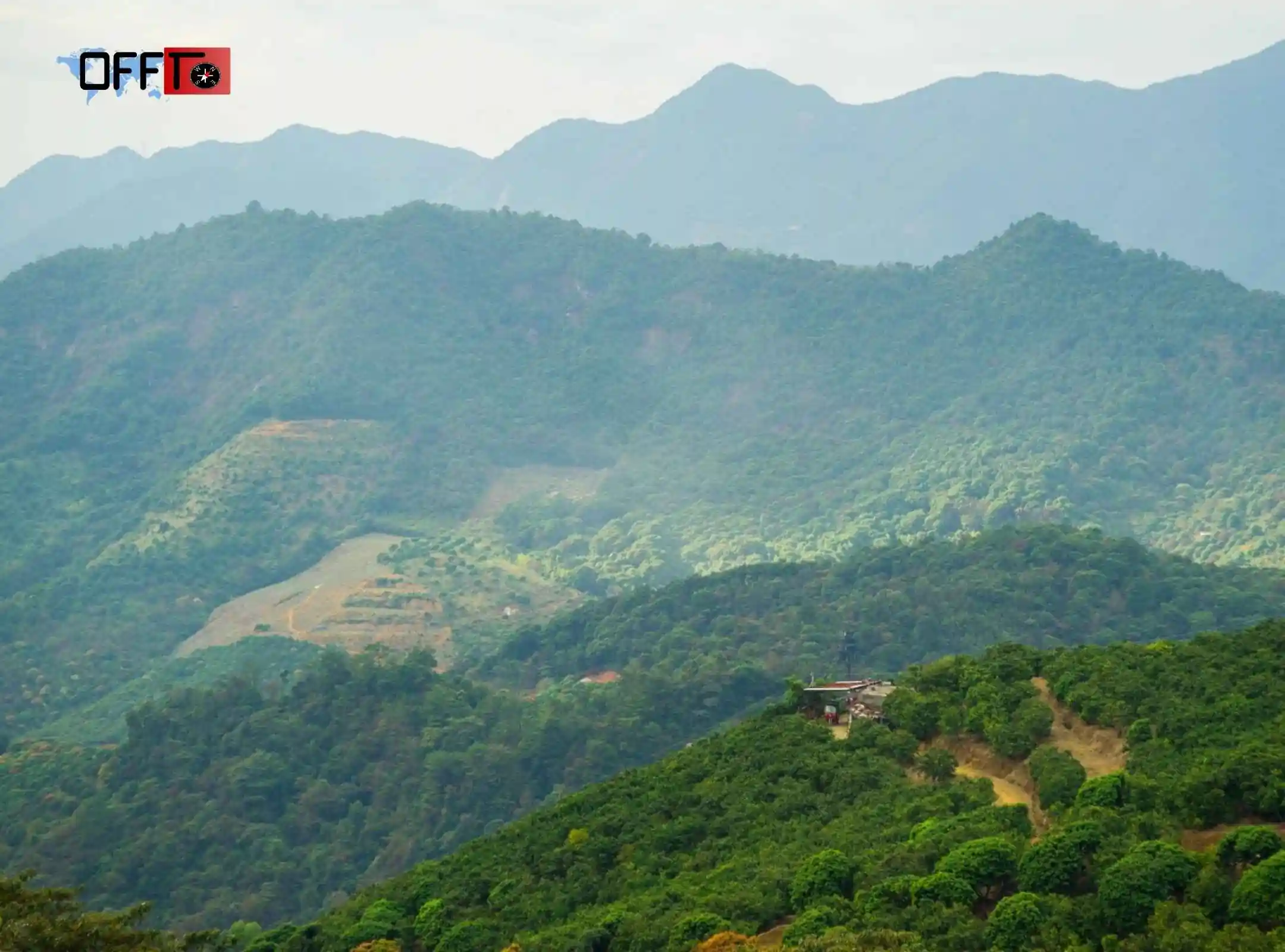
Makalidurga Location in Bengaluru Rural
Makalidurga Fort is located near Makali village in Doddaballapura Taluk, within Bengaluru Rural district in Karnataka. It is a hill fort set on a rocky granite hill, making it one of the most accessible fort treks near Bangalore for travelers who want a short but rewarding outdoor escape. The Bengaluru Rural district website identifies Makalidurga as a hill fort near Makali village and notes that the summit has an old Shiva temple with Nandi.
For searchers looking for Makalidurga Fort location, the simplest answer is: Makalidurga is a weekend trekking destination north of Bengaluru, near Doddaballapura, known for its hill fort, lake views, railway-track approach, rocky trail and summit temple.
Distance from Bangalore
Makalidurga is located around 60 km from Bengaluru, depending on your starting point in the city. The official Bengaluru Rural trekking page describes Makalidurga Hills as being just 60 km from Bengaluru and near Doddaballapura.
This distance makes the Makalidurga trek from Bangalore practical as a half-day or one-day plan. It is close enough for an early morning start, but far enough to feel like a proper break from city traffic, concrete and routine.
Distance from Doddaballapura
Makalidurga lies close to Doddaballapura, one of the key route markers for reaching the trek. Several trek operators and route guides place Makalidurga roughly 10–18 km from Doddaballapura, depending on whether the distance is measured to the village, railway station or trek base. One route guide places it about 10 km after Doddaballapura on the way to Gauribidanur, while another travel listing places the hill fort around 18 km from Doddaballapura.
For practical planning, treat Doddaballapura as the last major town before the Makalidurga side. It is a useful point for food, fuel and basic supplies before heading closer to the trek base.
Nearby Villages and Landmarks
The main local reference point is Makali village, from which the fort gets its location identity. The trek is also associated with Makalidurga Railway Station, the railway-track approach, rocky hill slopes, nearby lakes and the broader Doddaballapura–Gauribidanur route. Many travelers also connect the area with Ghati Subramanya, a well-known pilgrimage site in the region, because both places fall in the wider Doddaballapura travel belt.
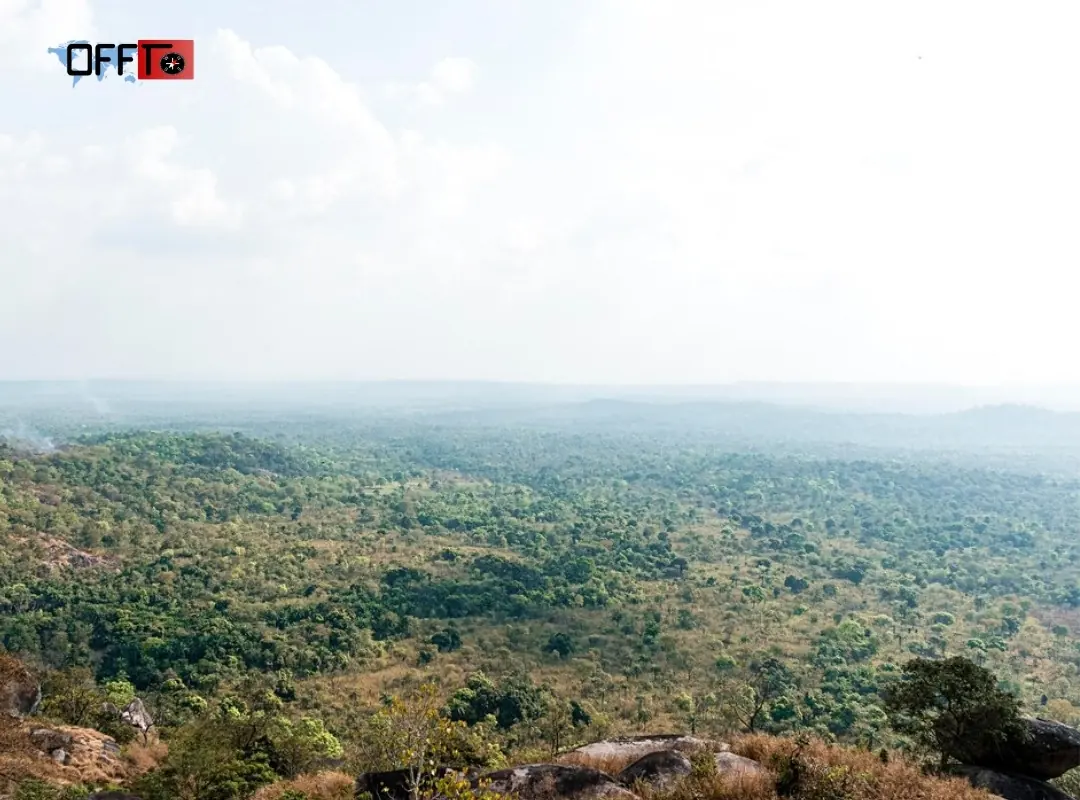
The landscape around Makalidurga is a mix of dry scrub, granite outcrops, open hill views and lake scenery. This gives the trek a different feel from forest-heavy Western Ghats routes. It is shorter, drier and more rugged, which is exactly why it works well as a quick Bangalore weekend trek.
Why Makalidurga Is Popular as a Weekend Trek
Makalidurga is popular as a weekend trek because it offers a rare mix of accessibility, adventure and history close to Bengaluru. The official Bengaluru Rural trekking page describes Makalidurga as a hidden gem with panoramic views, ancient ruins, granite boulders and lush forest patches, suited to nature lovers, trekkers and spiritual seekers.
The trek is not just a fitness walk. It includes rocky climbs, fort remains, summit views, a temple, railway-line scenery and open countryside. For many Bangalore travelers, Makalidurga is ideal because it gives a proper hill-fort experience without requiring a long overnight journey.
Makalidurga Fort History and Local Significance
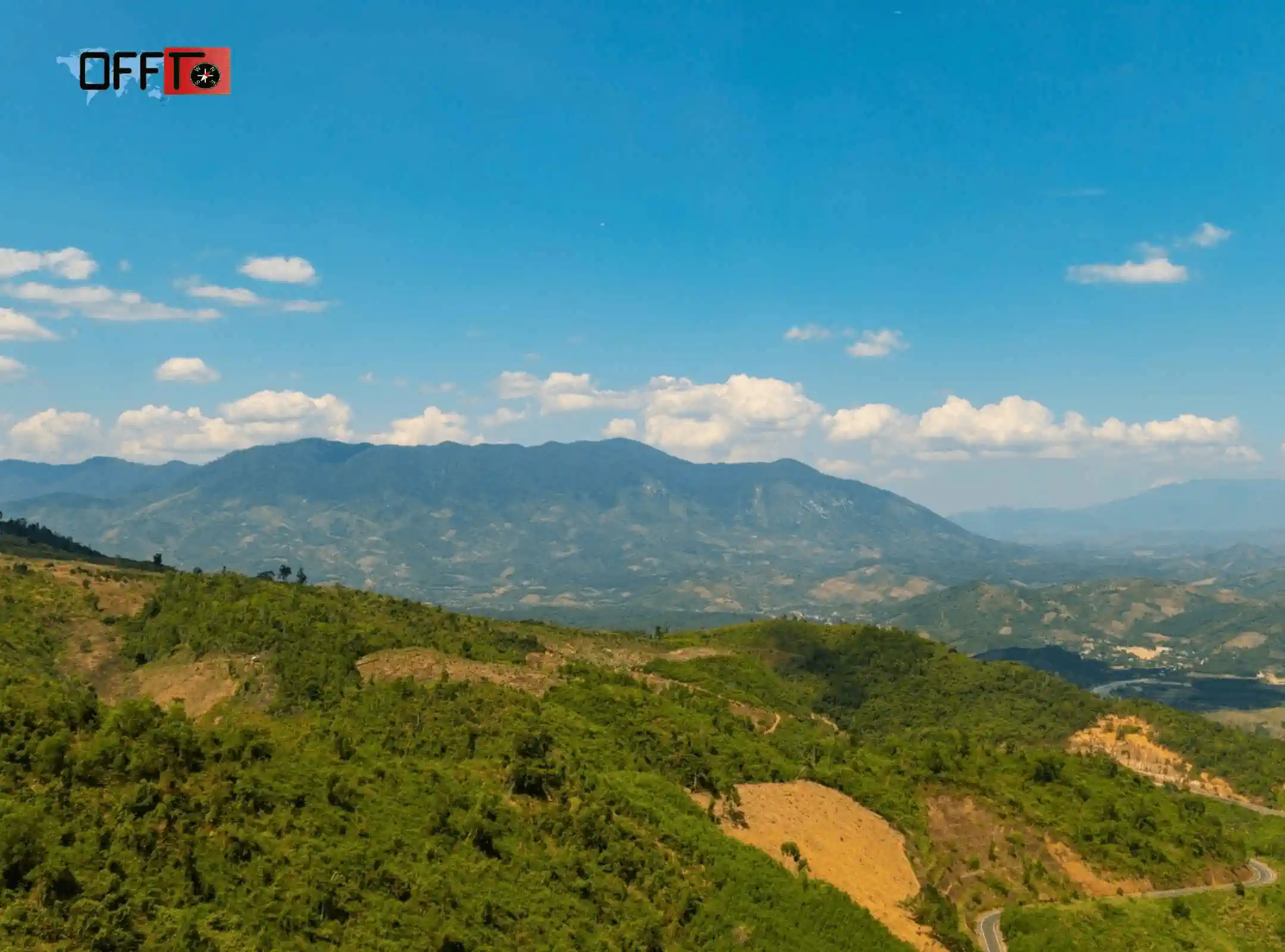
Why the Fort Is Called Makalidurga
The name Makalidurga is closely linked to the local village of Makali and the historic use of the hill fort. According to the Bengaluru Rural district website, Makalidurga was once used as granary storage by a late-1800s palegar named Makaliraya.
This background adds meaning to the trek. The fort was not only a scenic hilltop structure; it had local administrative and storage significance in the region’s past. Today, the broken walls and ruins give trekkers a glimpse of how hill forts were once used for protection, storage and control over surrounding routes.
Connection with Makaliraya
Makaliraya is important to the local story of Makalidurga because the hill is associated with his granary storage. While many visitors come mainly for the Makalidurga Fort trek, this historical detail gives the place a stronger identity beyond photography and weekend adventure.
For content and travel planning, this is useful because Makalidurga can be positioned as more than a regular trekking spot. It is a short heritage trek near Bangalore where the summit connects natural views with local memory.
Shiva Temple and Nandi at the Summit
At the top of Makalidurga Fort, trekkers find an old Shiva temple with Nandi. This is one of the most important features of the summit and gives the trek a spiritual layer. The Bengaluru Rural district page specifically mentions the old Shiva temple and Nandi at the summit.
For many visitors, reaching the top is not only about the view. The temple creates a quiet pause after the rocky climb. It also makes Makalidurga appealing to mixed groups where some travelers want adventure while others value local faith, history and hilltop calm.
Local Legends Around Markandeya Rishi
Makalidurga is also connected with the legend of Markandeya Rishi, who is believed to have performed penance here. This legend is mentioned by the Bengaluru Rural district source, which adds to the fort’s religious and cultural significance.
Such legends are common around ancient hill sites in Karnataka, where natural rock formations, temples and local memory often blend together. Whether visitors come as trekkers, photographers or spiritual travelers, this story gives Makalidurga a deeper sense of place.
Why the Fort Adds More Than Just a Trekking Experience
Makalidurga Fort offers more than a short climb. The experience brings together a rocky trail, fort ruins, summit temple, Nandi, local legends, countryside views and the feeling of standing above a historic route near Doddaballapura. That combination is what makes the Makalidurga trek memorable.
For first-time trekkers from Bangalore, Makalidurga works because it is accessible but still feels adventurous. For repeat travelers, the fort’s history and summit setting make it more meaningful than a simple viewpoint. It is best understood as a compact hill-fort experience: part trek, part heritage stop, part spiritual pause, and part weekend escape from Bengaluru.
Makalidurga Trek Distance, Duration and Route Details
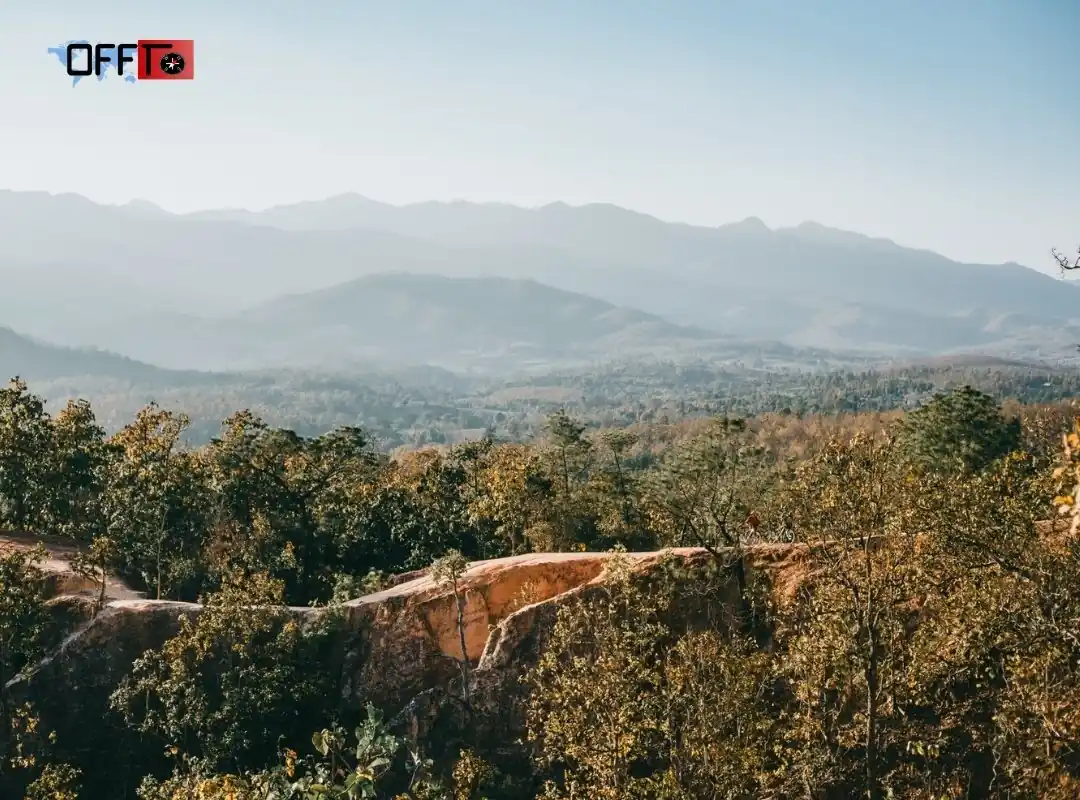
Makalidurga Trek Distance One Way
The Makalidurga trek distance one way is around 3.5 km to 4 km. This distance depends on the chosen starting point, but most trekkers begin at the base near Makalidurga Railway Station or Makali village and follow the trail to the summit. The route involves a mix of rocky paths, boulder climbs and forested slopes that lead to the summit temple.
This distance is manageable for most trekkers, though it can feel challenging during the steeper sections. It’s a good idea to track your pace and hydration, especially if the weather is warm or the trail is rocky.
Makalidurga Trek Distance Round Trip
The round trip distance for the Makalidurga trek is approximately 7 to 8 km, as the return journey follows the same path back down from the summit. The total round trip includes both ascent and descent, so it’s important to consider your energy levels and breaks.
If you plan to trek from the base near Makali village, the total round-trip distance may increase slightly, depending on your route choice. However, the 7 to 8 km estimate is standard for most trekkers who start at the railway station or the trailhead near the village.
How Long Does the Makalidurga Trek Take?
The Makalidurga trek typically takes 2 to 3 hours one way, depending on your pace, rest stops, and trail conditions. If you are moderately fit and take breaks as needed, it should take around 1.5 to 2 hours to ascend and 1 to 1.5 hours to descend. Most trekkers plan a 4 to 5-hour window for the entire round-trip trek, including stops for photos, resting and enjoying the summit view.
It’s recommended to start the trek early in the morning, as midday heat can make the rocky climb feel more challenging.
Trail Type: Rocks, Boulders, Shrubs and Fort Climb
The trail to Makalidurga Fort is primarily rocky and boulder-strewn, with sections that require scrambling and climbing. The path is uneven, with steps carved out of rock in some places, while others may require stepping over loose boulders or navigating through dense scrub and shrubs. Some parts of the trail feel like a climb rather than a simple walk, especially as you approach the summit.
The fort climb is challenging but rewarding. It’s important to wear good trekking shoes with ankle support, carry enough water, and be prepared for rocky ascents.
Descent Time and Caution Points
The descent from Makalidurga Fort is typically quicker, taking around 1 to 1.5 hours, depending on your pace. However, trekkers should exercise caution on the way down, as the rocks can be slippery, particularly after rain or during the cooler months when moisture collects on the stones. If you’re descending after rain or snow, the rocks may be slippery, so take extra care, especially around boulder sections.
Since the descent can be faster than the ascent, it’s important to maintain control over your footing and pace to avoid slips or falls.
Route Markings and Navigation Tips
The route to Makalidurga Fort is not always marked with clear signs or trails, which makes navigation a bit tricky, especially for first-time trekkers. However, most trekkers follow a popular route from Makalidurga Railway Station up to the fort. Some guides and operators provide directions, while others leave trekkers to navigate using landmarks like large boulders, railway tracks, and the forested hills around them.
A few helpful navigation tips
- Stick to the main trail that follows the railway track at the beginning.
- Look for visible signs of foot traffic when in doubt.
- If using a guide or trekking operator, ask for any route markings, maps or GPS coordinates.
If you’re trekking solo, carrying a local SIM card with network coverage and offline maps can be helpful for navigation, though keep in mind that the network may be limited in some areas.
Makalidurga Trek Difficulty: Is It Easy or Difficult?
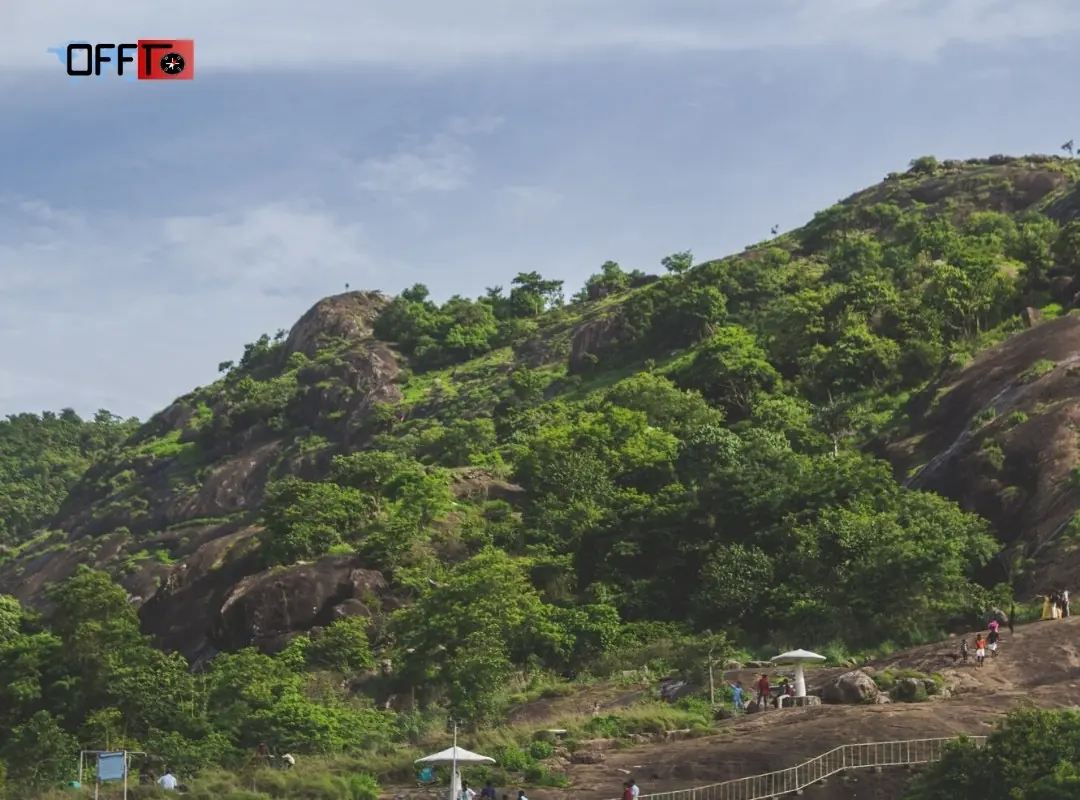
Official Difficulty Level
The Makalidurga trek is generally considered a moderate level trek. Official sources classify the difficulty as moderate, meaning it’s suitable for trekkers with some experience or beginners who are reasonably fit. The trail is not technical, but the steep sections and rocky climbs can make it challenging for those new to hill trekking.
While it’s manageable for most trekkers, the difficulty increases in the summer due to the heat, and in the monsoon because of the wet, slippery conditions. Snowfall can add an extra layer of difficulty in the winter, though it is rare.
Is Makalidurga Trek Good for Beginners?
The Makalidurga trek is suitable for beginners who are moderately fit and have some hiking or trekking experience. Beginners should be prepared for a mix of rocky ascents and some scrambling, which can be tiring but manageable with breaks. For absolute beginners, it is advisable to start with a slow and steady pace, take enough breaks, and carry adequate hydration and snacks.
If you’re a beginner, it’s best to have a guide or join an organized trek to ensure you’re on the right route, and to learn about the area’s history and surroundings.
Fitness Level Required
The fitness level required for the Makalidurga trek is moderate. To comfortably finish the trek, you should be able to walk briskly for 2–3 hours on uneven, rocky terrain. There is no need for extreme fitness levels, but if you have limited endurance or are not accustomed to uphill walking, you may find some sections more challenging.
Some basic fitness preparation, such as walking uphill, practicing core and leg strength, or going on shorter hikes, will be helpful before you attempt this trek. Make sure to also prepare your body for possible muscle soreness after the climb.
Difficult Sections on the Trail
While most of the Makalidurga trek is manageable, there are certain sections that might feel difficult, especially for beginners
- Rocky Scramble: The last stretch to the summit includes scrambling over boulders, which can be challenging in the heat or for those with limited climbing experience.
- Steep Ascent: The path steepens as you near the summit, and it requires careful navigation. Take your time and pace yourself to avoid fatigue.
- Slippery Rocks: In monsoon or post-rain conditions, the trail can become slippery, adding a layer of difficulty in both ascent and descent.
It’s important to take the climb slowly, especially during the steeper sections, to avoid overexertion.
Descent Difficulty and Slippery Rock Risk
The descent can be just as challenging as the ascent, especially if it rains or is wet. Rocks can be slippery, which increases the risk of falling. Since the descent is often quicker than the climb, trekkers should be cautious and take care to avoid rushing. It’s important to use a slow, steady pace, especially in the rainy season, to prevent slips and falls.
Who Should Be Extra Careful?
Certain groups should be extra careful while attempting the Makalidurga trek
- Beginners: If you are new to trekking, be cautious with your pace and carry enough water, snacks, and proper trekking shoes.
- Children: While the trek is doable with children, make sure they are physically prepared, carry extra food and water, and be ready to take breaks frequently.
- Senior Citizens: If you are elderly or have any pre-existing health conditions, it’s best to consult a doctor before attempting the trek. It is better to take the trek slowly and avoid steep sections if necessary.
This trek is manageable for most, but the key is knowing your limits and preparing for the varying terrain and possible weather conditions. Always make sure to stay hydrated, pack light, and take breaks as needed to make the experience enjoyable.
Makalidurga Trek Altitude: How High Is Makalidurga?
Makalidurga Altitude in Meters and Feet
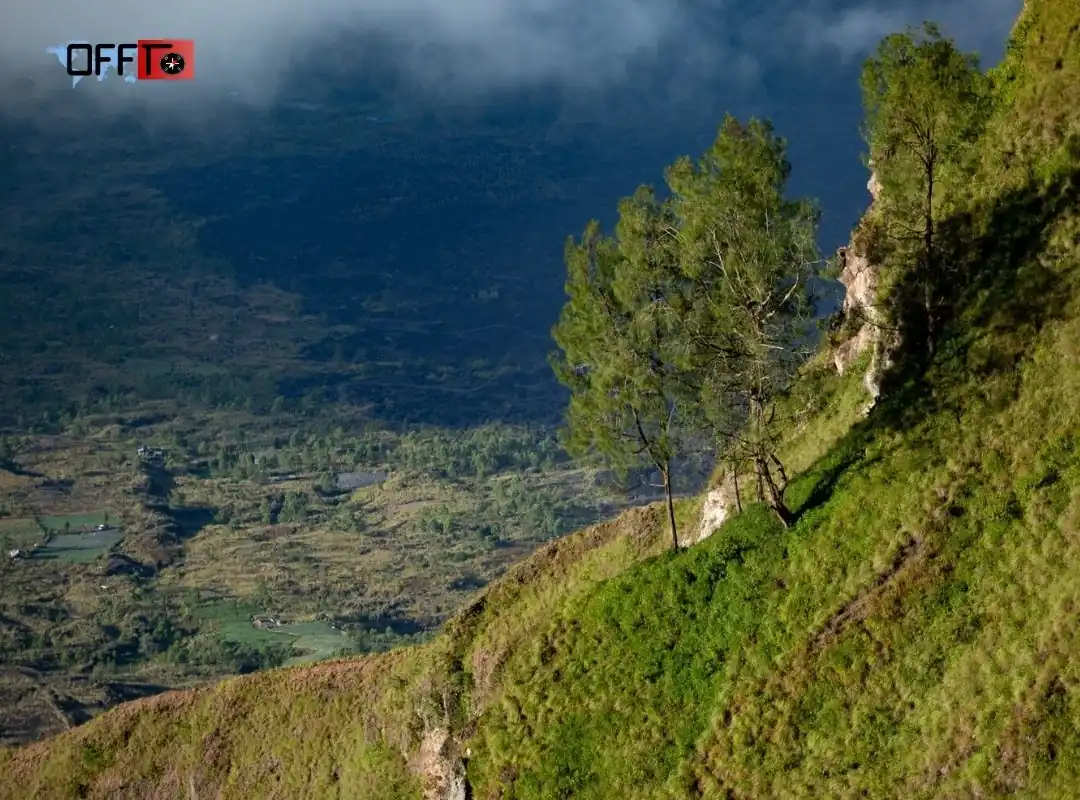
Makalidurga is situated at an altitude of approximately 1,117 meters (3,665 feet) above sea level. This makes it a moderate hill trek, suitable for beginners and moderately fit trekkers. The altitude is high enough to feel the difference in air pressure, but it is not extreme, making it an ideal destination for those new to trekking or those who want a short, manageable trek close to Bangalore.
For comparison, many of the hill stations around Bangalore, such as Nandi Hills and Savandurga, have altitudes ranging from 1,000 to 1,200 meters, putting Makalidurga in a similar range. The relatively low altitude ensures that trekkers won’t experience the severe effects of high-altitude sickness, but they might still feel some fatigue after the steep ascent.
Fort Height vs Hill Altitude
The fort height is different from the overall hill altitude. While the summit of the hill itself is 1,117 meters (3,665 feet), the Makalidurga fort is situated at a slightly lower elevation near the top, closer to the hill crest. The fort ruins are positioned at about 1,050 meters (3,445 feet), making it slightly lower than the actual peak.
This slight difference in height means that the trek to the summit involves an elevation gain of approximately 200 meters (656 feet) from the base, making it a moderate climb for most trekkers.
Does the Altitude Affect Trekkers?
Given that Makalidurga’s altitude is not excessively high, most trekkers will not feel severe effects of altitude sickness. However, the trek still involves some challenging inclines and rocky terrain, so fitness plays a significant role in how easy or difficult it feels. Trekkers with prior experience in hill walking or moderate treks will find the ascent comfortable.
If you are not accustomed to physical exertion at even moderate altitudes, it’s important to pace yourself and take regular breaks. For trekkers coming from lower-lying areas, the air may feel thinner, and a slight breathlessness could occur—this is normal and should be managed by drinking water, resting and taking slow steps.
View from the Summit
The view from the summit of Makalidurga Fort is one of the most rewarding aspects of the trek. From the top, trekkers can enjoy panoramic views of the surrounding hills, the Tungabhadra River, and nearby villages. On a clear day, you can see the Nandi Hills in the distance and parts of the Devanahalli Plateau. The view is especially stunning at sunrise and sunset, when the surrounding landscape is bathed in soft golden light.
The summit’s combination of natural beauty and historical significance, with the fort ruins and the Shiva temple, makes it a perfect spot for photographs and a quiet moment of reflection.
Makalidurga Compared with Other Bangalore Treks
When compared to other popular Bangalore treks like Nandi Hills, Savandurga, or Ramanagara, Makalidurga offers a similar altitude range but with a more rugged and rocky terrain. It is less commercialized than Nandi Hills, where tourists often flock for picnics, and offers a more peaceful, undisturbed experience.
- Nandi Hills is around 1,450 meters (4,757 feet), making it a higher destination, but the trek is often less challenging.
- Savandurga is one of the highest points near Bangalore, with an elevation of 1,220 meters (4,003 feet), but the trek is slightly steeper and can be more difficult for beginners.
- Ramanagara, while not a hill fort, offers similar trekking experiences with rock climbs, but it lacks the historical appeal and scenic views that Makalidurga provides.
Overall, Makalidurga strikes a balance with its moderate altitude, challenging yet manageable ascent, and historical interest, making it ideal for a half-day or one-day trek.
Makalidurga Weather: Best Time to Visit and Season-Wise Trek Conditions
Makalidurga Weather in Summer
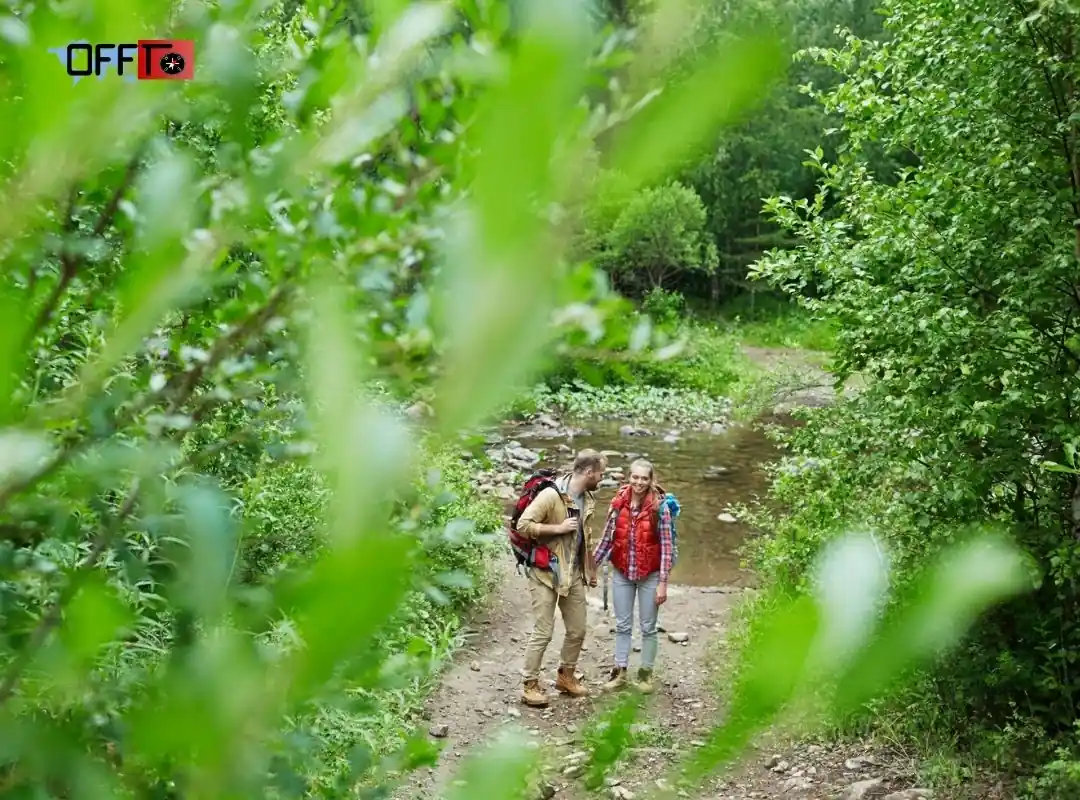
Summer in Makalidurga lasts from March to June, with temperatures ranging from 20°C to 35°C (68°F to 95°F). The summer months are hot, especially around midday, and trekkers should be prepared for heat on the ascent. The weather is mostly dry, and while it’s manageable for early morning or evening treks, summer trekking can be uncomfortable during peak midday hours.
Summer Tips for Makalidurga Trek
- Start the trek early in the morning (before 7:00 AM) to avoid peak heat.
- Carry plenty of water, sunscreen, and light clothing to stay cool during the climb.
- Wear a hat or cap to protect from the sun, and avoid trekking too late in the day, as it can become too hot and tiring.
Makalidurga Weather in Monsoon
Monsoon season in Makalidurga lasts from June to September. During this period, rainfall is frequent and can make the trails slippery and challenging. The monsoon season brings lush greenery and cooler weather, but it also increases the risk of landslides and slippery rocks along the trail, making it difficult for trekkers to navigate.
If you plan to trek during the monsoon
- Bring waterproof gear and be prepared for mud and slippery conditions.
- Avoid the trek if there are weather warnings or heavy rainfall forecasts, as it can be unsafe.
- Plan for a longer trekking time, as the trail may be slower due to wet conditions.
Makalidurga Weather in Winter
Winter in Makalidurga lasts from November to February, with temperatures ranging from 10°C to 25°C (50°F to 77°F). The winter season offers cool and comfortable trekking conditions, making it the best time for trekkers to explore the fort. The cool temperatures, combined with clear skies, allow for a pleasant trekking experience.
Winter is the most popular season for the Makalidurga trek, especially for those seeking relief from the heat of the plains. It’s important to pack warm clothes, as temperatures can dip significantly after sunset, especially if you’re planning an early morning or late afternoon trek.
Best Season for Makalidurga Trek
The best season to visit Makalidurga is during the winter months (from November to February) and early spring (March to April), when the weather is cool and the trek conditions are ideal. The visibility is at its best, the temperatures are mild, and the trail is less slippery compared to the monsoon months. For a smooth and enjoyable experience, winter offers the best trekking conditions.
However, for monsoon lovers or those seeking to see the lush greenery surrounding the fort, the monsoon months (June to September) could still be appealing, as long as you take extra precautions regarding safety.
Best Time of Day to Start
For the most comfortable trekking experience, early morning is the best time to start the trek. Starting before 7:00 AM helps you avoid the afternoon heat during summer months and ensures you reach the summit in cooler temperatures. Early morning treks are also more peaceful, with fewer crowds and a chance to catch a beautiful sunrise over the hills.
Additionally, the sunset trek can offer scenic views of the surrounding countryside, but make sure to start early enough to avoid descending in the dark.
Weather Reality: Heat, Slippery Rocks and Sudden Cancellations
While the weather in Makalidurga can seem manageable, it’s important to be prepared for sudden changes. Heat during the summer months can cause exhaustion, while slippery rocks in the monsoon can make the trail treacherous. Always check the weather forecast before your trek, and don’t hesitate to cancel or reschedule your trip if conditions seem unsafe.
For winter trekkers, the cool weather is pleasant, but always check local updates for fog or heavy morning frost that could affect the trail. Whether you’re visiting in summer, monsoon or winter, packing for changing conditions is key to having a safe and enjoyable trek.
Best Things to See on the Makalidurga Fort Trek
Hilltop Fort Ruins
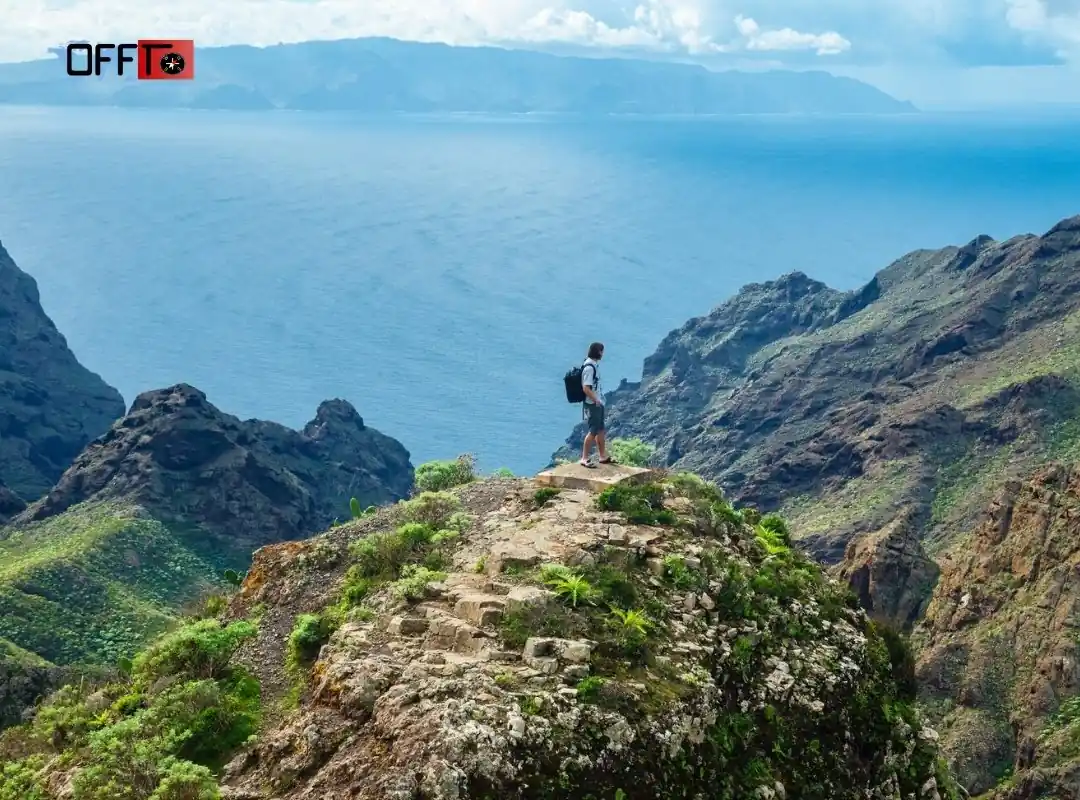
One of the main attractions of the Makalidurga trek is the hilltop fort ruins. As you ascend towards the summit, you’ll pass sections of the fort walls, watchtowers, and old fortifications that date back to its use during the Mysorean era. The fort offers a glimpse into the region’s past, with remnants that reveal its role in strategic defense.
The fort ruins are not just historical but also provide stunning views of the surrounding landscape. The path to the summit is dotted with these ruins, making the trek more than just a physical challenge but also a journey through time.
Shiva Temple and Nandi
At the summit, you’ll find an ancient Shiva temple, dedicated to Lord Shiva, and a Nandi (the bull statue) positioned in front of the temple. The temple adds a spiritual touch to the trek, offering a serene environment after the physical exertion of the climb. The presence of Nandi, which is typically found in front of Hindu temples, symbolizes strength and devotion.
At the summit, you’ll find an ancient Shiva temple, dedicated to Lord Shiva, and a Nandi (the bull statue) positioned in front of the temple. The temple adds a spiritual touch to the trek, offering a serene environment after the physical exertion of the climb. The presence of Nandi, which is typically found in front of Hindu temples, symbolizes strength and devotion.
Gundamagere Lake View
From the summit of Makalidurga, trekkers are treated to panoramic views of Gundamagere Lake in the distance. The lake, nestled in the foothills, adds a stunning contrast to the rugged, rocky terrain of the fort. The lake’s shimmering waters reflect the surrounding hills, creating a peaceful landscape that is perfect for photos and moments of rest.
The view of Gundamagere Lake from the top makes the trek all the more worthwhile, as it provides a unique blend of natural beauty and tranquility. It’s one of the best vantage points on the trek and is sure to be a highlight for nature lovers and photographers alike.
Railway Track View from the Hill
As you trek up the hill, you’ll notice the railway track that runs below the fort, winding through the hills. This unique feature of the Makalidurga trek is perfect for those who appreciate the intersection of nature and infrastructure. The railway track view from the hill is especially picturesque, as the track meanders along the landscape, adding depth to the vista.
This view can be quite dramatic, as you’ll often see trains traveling along the track below while you’re high up on the hill. It’s a captivating combination of natural and man-made beauty.
Curvy Road and Countryside Views
As you climb, the path also offers fantastic countryside views. The curvy roads that lead up to Makalidurga are framed by fields, scrublands, and distant villages, adding to the rural charm of the trek. The roads provide great photo opportunities and are an excellent way to connect with the rustic beauty of the area.
This stretch of the trek is often quiet, providing trekkers with a peaceful setting to appreciate the surrounding natural beauty before they reach the summit.
Sunrise and Sunset Views
Makalidurga is renowned for its sunrise and sunset views, which are arguably some of the most stunning parts of the trek. The fort’s elevation gives trekkers the perfect opportunity to witness the changing colors of the sky and the landscape around them.
For sunrise, the view of the sun rising over the surrounding hills and Gundamagere Lake is nothing short of magical. Similarly, watching the sunset from the summit can offer dramatic lighting and views that are perfect for photography or simply soaking in the beauty of the region.
The best time for photography or a quiet moment is just before sunrise or sunset, as the light softens and the temperature is cooler.
Wild Shrubs, Date Plants and Lemon Grass
The flora along the Makalidurga trek is another reason the journey is so interesting. The trail is lined with wild shrubs, date plants and lemon grass, which add an aromatic touch to the air as you ascend. The lemon grass, in particular, gives off a refreshing scent, making the trek more sensory than just visual.
Nature lovers will appreciate the range of flora, as the different plants contribute to the biodiversity of the region. The vegetation helps keep the air fresh and adds to the overall trekking experience, offering something for trekkers to enjoy beyond the historical and scenic views.
Makalidurga Trek Itinerary: One-Day Plan from Bangalore
Early Morning Start from Bangalore
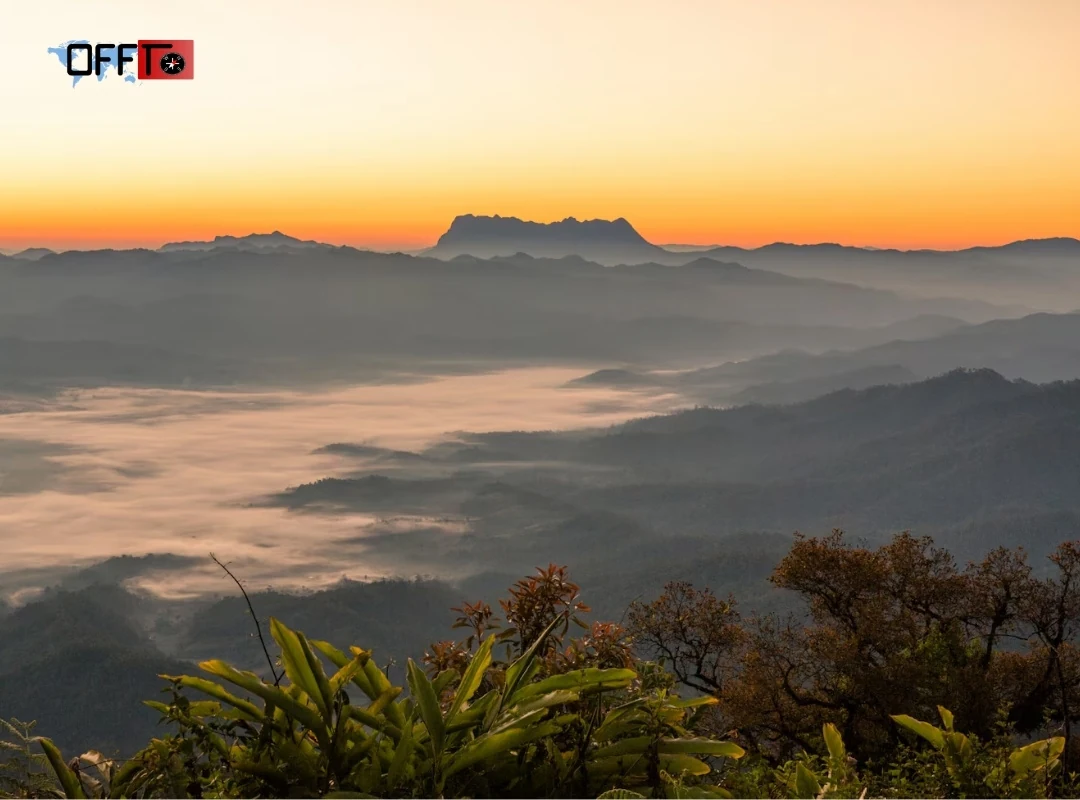
For a one-day trek to Makalidurga from Bangalore, the best option is to start early in the morning, ideally around 5:00 AM. The trek is about 60 km from Bangalore, and traffic can add to the travel time, so starting early ensures you reach the trek base on time. It also gives you a head start on the climb, which is particularly important during the summer months when the heat sets in by late morning.
You can either drive or take a private vehicle or shared transport, but make sure you leave early to avoid delays. It’s best to bring breakfast or snacks for the road if you plan to travel directly from Bangalore without any stops.
Reach Base and Complete Permit Formalities
Once you arrive at Makalidurga Railway Station or the base near Makali village, you’ll need to complete any necessary permit formalities. While the trek to Makalidurga doesn’t always require formal permits for individuals, it’s advisable to check with the trekking operator or local authorities for any required permits or permissions. If you are going with a guided trek, they’ll handle this for you.
Ensure you have your ID with you and any necessary documents for the trek before heading toward the trailhead. You’ll need to sign in and sometimes get an entry slip or permission slip for group treks.
Trek to Makalidurga Fort
The trek to Makalidurga Fort begins at the base and continues through rocky paths, boulders, and shrub-filled areas. It will take you about 2 to 3 hours to ascend, depending on your pace and the weather. Make sure to wear sturdy trekking shoes, carry enough water, and pace yourself during the climb.
The climb involves both moderate rocky ascents and some boulder scrambling near the summit. The difficulty level is manageable for most beginners with average fitness levels, but it’s important to take breaks as needed.
Explore Fort Ruins and Temple
After reaching the summit, take time to explore the fort ruins and the Shiva temple with Nandi. These historic structures offer a glimpse into the past and provide a perfect spot to rest. You can also take in the stunning views of Gundamagere Lake and the surrounding hills, making the summit a great place for photographs and quiet reflection.
Spend around 30 minutes to an hour exploring the ruins and enjoying the peaceful surroundings before beginning your descent.
Descend Safely Before Afternoon Heat
After exploring the summit, begin your descent. It will take about 1 to 1.5 hours to get back to the base. Make sure to descend carefully, as the rocks can be slippery, especially in the warmer months when the sun makes the trail dry and slick.
Aim to start your descent before 1:00 PM to avoid the afternoon heat and ensure that you return to the base before the temperature rises too high. This also gives you ample time for a lunch break or snack.
Food Stop Near Doddaballapura
Once you return to the base of Makalidurga, it’s time to grab a bite. If you’re in a group, you may want to stop for a quick meal in Doddaballapura, a town nearby known for its local eateries. If you’re traveling by private car, you can take a break and refuel, ensuring you have enough energy for the return trip to Bangalore.
A quick food stop will help you replenish your energy before you head back, especially after the trek. Some trekkers also opt to stop at Gundamagere Lake for a peaceful break before returning.
Return to Bangalore by Evening
After a restful break, drive back to Bangalore. You’ll be back by 6:00 PM to 7:00 PM, depending on traffic and the pace of your journey. The one-day Makalidurga trek is perfect for those who want a quick outdoor adventure close to the city, without taking time off for a multi-day trek.
This one-day itinerary offers a well-rounded experience of the Makalidurga trek: a physical challenge, a rich historical experience, scenic views, and a safe return in time for evening relaxation.
Makalidurga vs Other Treks Near Bangalore
Makalidurga vs Skandagiri
Makalidurga and Skandagiri are both popular treks near Bangalore, but they offer different experiences.
- Makalidurga is a moderate trek with a combination of rocky paths, fort ruins, a Shiva temple, and lake views. It’s ideal for trekkers who want to enjoy a hill fort experience with scenic views and a slightly less crowded atmosphere.
- Skandagiri, on the other hand, is known for its early morning sunrise treks. The trail involves a steeper climb and more challenging terrain but rewards trekkers with an unforgettable sunrise over the surrounding hills and the Nandi Hills range.
If you prefer historical significance and moderate difficulty, Makalidurga is the better choice. If you’re looking for a challenging ascent and spectacular sunrise views, Skandagiri should be your pick
Makalidurga vs Savandurga
Both Makalidurga and Savandurga are excellent trekking spots near Bangalore, but they vary in terms of difficulty and landscape.
- Makalidurga has a more gradual ascent and offers historical fort ruins, which makes it a great choice for beginners or moderate trekkers. The views from the top are excellent, including the Gundamagere Lake and surrounding hills.
- Savandurga, one of the largest monolithic rocks in Asia, is known for its steep climbs and more difficult terrain. The trek is physically demanding and is ideal for experienced trekkers who are looking for a greater challenge.
Makalidurga is better if you’re looking for a more relaxed and historical trek, whereas Savandurga is suited for those who enjoy tougher challenges with minimal historical aspects.
Makalidurga vs Nandi Hills
Nandi Hills is another popular destination for trekkers near Bangalore, offering a more tourist-friendly environment.
- Makalidurga offers a quieter, more peaceful trek with a focus on history, fort ruins, and a small Shiva temple at the summit. It’s a moderate, natural trek, perfect for a more secluded experience.
- Nandi Hills is more commercialized with better facilities, restaurants, and a road that allows easier access to the summit. The trek is shorter and less rugged than Makalidurga but offers a great spot for sunrise viewing.
If you are seeking a peaceful, historically rich trek with a challenge, Makalidurga is the better choice. If you want a quicker, more accessible hike with good amenities, Nandi Hills is a suitable option.
Makalidurga vs Madhugiri
Madhugiri is famous for being the second-largest monolith in Asia, with a steep ascent and breathtaking views at the summit.
- Makalidurga is a moderate trek with a relatively straightforward climb and the reward of a hill fort with a temple.
- Madhugiri, however, involves a more physically demanding climb with large granite boulders and much steeper sections. The summit offers panoramic views of the surrounding landscape.
If you’re looking for a challenging trek with a monolithic rock and dramatic views, Madhugiri is the better option. If you’re seeking a moderate trek with a bit of history and a fort to explore, Makalidurga is ideal.
Which Trek Is Best for Beginners?
For beginners, Makalidurga is a better choice compared to other treks like Savandurga or Madhugiri, which are more challenging.
- Makalidurga offers a moderate ascent, manageable terrain, and historical attractions, making it suitable for first-time trekkers with basic fitness levels.
- Skandagiri, though not extremely difficult, can be a bit more strenuous, especially for those unfamiliar with steep inclines and rocky climbs.
If you’re new to trekking, Makalidurga provides a great introduction to hill trekking with manageable difficulty and an enriching experience.
Which Trek Is Best for Fort Views?
If fort views are your primary interest, Makalidurga is your best option.
- Makalidurga features fort ruins, a temple, and incredible panoramic views from the summit. The fort adds an extra dimension to the trek, making it not just a nature walk but a historical exploration.
- While Savandurga and Madhugiri have beautiful views, they do not have the same historical fort aspect.
For those specifically interested in fort trekking, Makalidurga should be the top choice.
Which Trek Is Best for Sunrise?
If you’re looking for sunrise treks, Skandagiri takes the lead. Known for its early morning sunrise views, Skandagiri offers trekkers a chance to reach the summit in time for an unforgettable sunrise over the Nandi Hills range.
However, if you prefer a less crowded, less strenuous sunrise trek, Makalidurga can also offer lovely views from the summit. Though it’s not as popular for sunrise, it can still be a peaceful and scenic early morning hike.
Makalidurga Trek Reality: Expectation vs Reality
Expectation: It Is a Simple Walk
When planning a trek like Makalidurga, many may expect it to be an easy walk. After all, the trail isn’t exceedingly long or high.
Reality: It Has Rocky and Uneven Sections
The reality is that the Makalidurga trek involves rocky, uneven sections that require more than a simple stroll. The path consists of rocky boulders, uneven footing, and steep inclines that require focus and careful steps. While it’s manageable for most trekkers, it’s not a straightforward walk.
If you’re a beginner, make sure to prepare by wearing sturdy footwear and being ready for some physical effort.
Expectation: You Can Go Anytime
Some trekkers may think they can set off on the Makalidurga trek at any time, as it’s a relatively short and accessible route.
Reality: Permit, Weather and Timing Matter
While the trek is easily accessible, permit requirements (if trekking with a group or guide) and weather conditions can impact your trek. It’s best to start early to avoid the heat of midday, and always check for weather warnings, especially in monsoon season when roads can become slippery.
Permits may not always be necessary for individual trekkers, but groups or organized treks might require them, so always check ahead.
Expectation: Food and Water Will Be Available
Trekkers often expect food and water to be available at or near the summit.
Reality: You Must Carry Your Own Supplies
Makalidurga trek does not have shops, restaurants, or water stations along the route. You must carry your own food, snacks, and water for the entire trek. Make sure to pack enough supplies, especially if you’re trekking in the summer or warmer months, as you’ll need hydration throughout the climb.
For a safe and enjoyable trek, pack plenty of water, light snacks, and energy bars.
Expectation: Descent Is Easy
Many trekkers assume that descending from the summit will be an easier task than the climb.
Reality: Descent Requires More Caution
The descent can actually be more challenging than the ascent, especially because of slippery rocks and loose gravel on the way down. Since the trail is uneven, trekkers should take care during the descent to avoid accidents. Make sure to take it slow and steady, especially during rainy months when the rocks are slippery.
Plan your trek with caution during the descent, as rushing can lead to injuries.
FAQs
Is Makalidurga Trek difficult?
Makalidurga trek is usually considered moderate. The official Bengaluru Rural district page describes it as a moderately difficult trek with rocky and uneven trails. Active beginners can attempt it, but they need proper shoes, enough water and basic fitness. The climb is manageable, but the descent requires caution because loose gravel and rocky patches can be slippery.
Do we need a permit for Makalidurga Trek?
Yes, permission is required for Makalidurga trek. Bengaluru Rural’s tourism page recommends online forest department booking, and Karnataka’s Aranya Vihaara portal is used for trek bookings. The portal says bookings should be made at least one day in advance and only up to 15 days ahead, so check slots before planning.
How long is the Makali Durga trek?
Makalidurga trek is commonly listed as around 4 km one way, and the official Bengaluru Rural tourism page says it takes about 2–3 hours to reach the top. The total time depends on fitness, heat, crowd level, photo stops and descent speed. Most travelers should keep half a day for the trek and return journey.
Is Makalidurga Trek free?
Makalidurga trek should not be planned as a free trek because permission is required. Karnataka forest eco-trail listings commonly show paid booking for several trekking routes, and independent trek operators report a ₹250 adult fee for Makalidurga. Since fees and slots can change, always verify the live ticket cost on the official booking portal before travel.
What is the altitude of Makalidurga?
The official Bengaluru Rural district page mentions the fort at about 1,117 meters and also describes Makalidurga hill as being at an altitude of 1,350 meters above sea level. For most trekkers, altitude sickness is not the major concern here. The bigger challenges are rocky terrain, heat, hydration and careful descent.
Where is Makalidurga Fort?
Makalidurga Fort is near Makali village in Doddaballapura Taluk, Bengaluru Rural district. It is around 60 km from Bengaluru and can be reached by road via Doddaballapura or by train to Makalidurga Railway Station. Because of its location, it is a popular weekend trek for people living in and around Bangalore.
What is the starting point of Makalidurga trek?
The Makalidurga trek starting point is generally listed as Makalidurga Railway Station or the base village area. Some trekkers also use the parking area near Muthurayaswamy Temple as the practical road-access base. First-time trekkers should confirm the official reporting point on the booking portal before going, because trek operations may depend on slots and local instructions.
What is the best time to visit Makalidurga?
The best time to visit Makalidurga is early morning during the cooler months. Bengaluru Rural’s tourism page recommends August to February for pleasant weather and greenery, while another official district page mentions September to February as the best trekking period. Avoid late starts in summer, and check trek status during monsoon because rain can cause cancellations.
Can beginners do Makalidurga trek?
Yes, beginners with basic fitness can do Makalidurga trek, but they should not treat it as a casual walk. The route has rocky, uneven and sometimes slippery sections. Beginners should start early, wear shoes with good grip, carry enough water, follow marked directions and avoid rushing downhill. Joining an experienced group is better for first-time trekkers.
How far is Makalidurga from Bangalore?
Makalidurga is around 60 km from Bengaluru, making it one of the convenient one-day treks near Bangalore. The official district page says travelers can drive from Bengaluru via Doddaballapura in about 1.5 to 2 hours, depending on traffic. It is also accessible by train through Makalidurga Railway Station.
Is Makalidurga trek safe for solo travelers?
Makalidurga can be safe for solo trekkers if they go during permitted hours, follow the marked route, carry water and avoid risky shortcuts. However, first-time trekkers should preferably go with a group because the trail has rocky stretches and the descent can be tricky. Always confirm booking, weather and trek status before starting.
What should I carry for Makalidurga trek?
Carry trekking shoes with strong grip, at least two litres of water, light snacks, cap, sunscreen, rain protection in monsoon, ID proof, permit confirmation, basic first-aid and personal medicines. The official district tourism page specifically advises trekkers to wear good trekking shoes, carry water and snacks, start early and avoid littering.
Read more >>>
Skandagiri Trek Guide – Sunrise, Distance & Complete Travel Plan
Savandurga Hills Travel Guide – Trek, Distance, Timings & Things to Do
Final Verdict: Is Makalidurga Fort Trek Worth It?
Visit Makalidurga If You Want
Visit Makalidurga if you want a moderate, rewarding trek near Bangalore, where history, nature, and stunning views come together. It’s an ideal choice if you are looking for a weekend escape that combines a hill fort experience with panoramic views, all within a manageable distance from the city. Whether you’re a beginner trekker or someone seeking a half-day adventure, Makalidurga offers the perfect mix of natural beauty and historical intrigue.
The trek is also perfect for
- Nature lovers who enjoy scenic countryside and rugged hills.
- History enthusiasts interested in exploring ancient forts and temples.
- Weekend adventurers who want a close-to-Bangalore destination.
If you enjoy historical exploration, rocky climbs, and summit views, this trek is definitely worth it.
Avoid Makalidurga If You Expect
Avoid Makalidurga if you are looking for a luxury trekking experience, easy walks, or well-maintained trails with constant amenities. If you expect to find food stalls, shops, or a fully commercialized experience, Makalidurga may not be the right fit. The trek is rugged, with rocky terrain and uneven paths that demand focus and effort, especially in the summer heat or after rain.
Also, avoid the trek if you are hoping for extensive signage or easy navigation without the occasional rough spots. The route to the summit, though clear to regular trekkers, may feel difficult to those who expect a smoother or fully developed trail.
Best Travel Style for Makalidurga
The best travel style for Makalidurga is a moderate trek that’s perfect for weekend warriors, beginner trekkers, and outdoor enthusiasts looking for a short, rewarding adventure. It’s ideal for travelers who want a nature-filled trek with a historical angle, but not the exhaustion or extreme challenge of more difficult treks like Savandurga or Madhugiri.
It’s also a great trek for those who like a little spiritual touch, with the Shiva temple and Nandi at the summit. The trek works well for families, couples, or friends who enjoy slow-paced outdoor activities, rather than intense or technical mountain climbing.
Offto Recommendation for First-Time Trekkers
For first-time trekkers, Makalidurga is a fantastic choice. Offto recommends starting early in the morning to avoid the heat, wear comfortable hiking shoes, and carry plenty of water and snacks. The trail is manageable but requires moderate fitness, and you’ll find that it’s suitable for new trekkers looking to ease into more challenging hikes.
For those looking to combine a bit of history, nature, and physical activity, the Makalidurga trek offers a balanced, enriching experience. Make sure to bring your own supplies, respect the weather conditions, and enjoy the scenic, tranquil landscape that makes this trek unique
If you’re looking for a safe, enjoyable introduction to hill trekking near Bangalore, Makalidurga should definitely be on your list!
Book Now and Embark on Your Makalidurga Adventure with Offto!
Offto Travellers, your next adventure awaits! Whether you’re seeking history, nature, or breathtaking views, Makalidurga Fort Trek offers the perfect escape. From rocky climbs to stunning hilltop panoramas, this trek is designed to thrill and relax in equal measure.
Don’t wait—book your stay today! Explore the best accommodations, from cozy homestays to adventure camps, right near the base of Makalidurga. Experience the trek with ease, comfort, and all the insider tips that will make your journey unforgettable.
Sign up
Leave a Reply