
The Yulla Kanda trek is located in the Kinnaur district of Himachal Pradesh, India. Nestled in the heart of the Himalayas, it offers trekkers stunning views of snow-capped peaks, lush meadows, and rugged terrain. The trek is part of the region’s diverse altitude landscape, making it an ideal destination for adventure seekers.
Intoduction of Why Visit Yulla Kanda?
Nestled in the picturesque region of Kinnaur, Yulla Kanda is a hidden gem in the Himalayan range that draws adventurers and nature lovers alike. The trek offers breathtaking views of snow-capped peaks, lush green meadows, and crystal-clear streams. As you ascend the rugged terrain, the panoramic vistas become increasingly dramatic, offering a once-in-a-lifetime experience for travelers.
The landscape surrounding Yulla Kanda is nothing short of magical. From the towering Himalayan giants to the tranquil serenity of the forests, every corner of the trail is filled with natural beauty. The cool mountain air, the rustling of trees, and the distant sound of flowing streams create a peaceful atmosphere that enhances the experience. It’s the perfect retreat for those looking to escape the hustle and bustle of everyday life and immerse themselves in nature.
Trekking Highlights: Challenging Terrains, Rewarding Summit Views
One of the main reasons to visit Yulla Kanda is its challenging terrain that rewards trekkers with unmatched views. The trek is known for its rocky inclines and steep ascents, making it a thrilling challenge for adventurous trekkers. The Yulla Kanda summit, once reached, offers sweeping views of the surrounding landscape, including valleys, villages, and snow-covered peaks. The sense of accomplishment when reaching the summit is unparalleled, making the effort well worth it.
Whether you’re an experienced trekker or someone looking to push your limits, Yulla Kanda offers the perfect balance of physical challenge and scenic rewards. The trek also provides opportunities to connect with nature on a deeper level, away from the distractions of daily life. Along the way, trekkers can spot unique flora and fauna that add to the charm of the trek.
This trek isn’t just about the destination—it’s about the journey itself. Every step takes you deeper into the heart of the Himalayas, offering new perspectives and experiences that will stay with you long after you’ve returned.
Yulla Kanda Trek Overview (Before You Go)
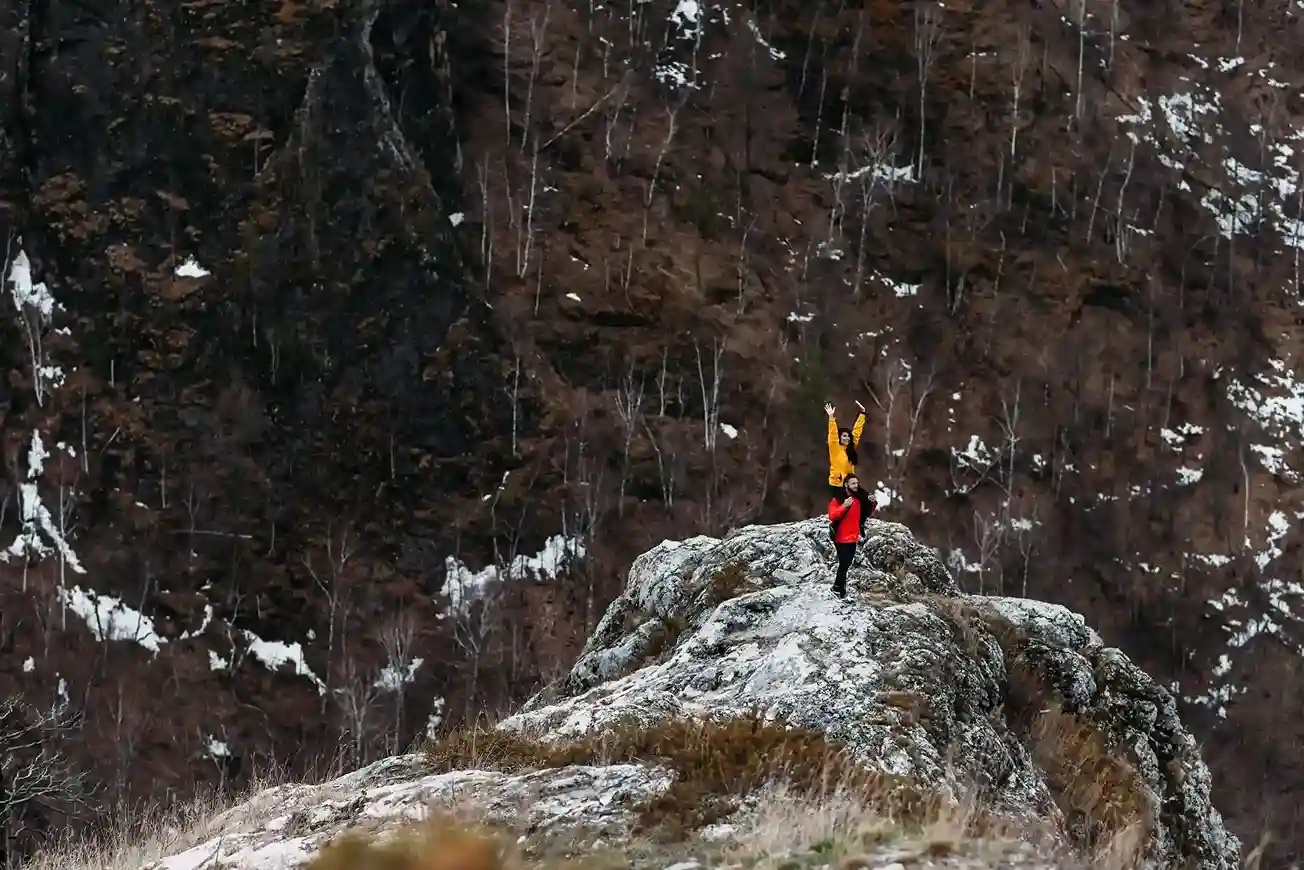
Trek Type: Monolith Hill Trek with Rocky Inclines
The Yulla Kanda trek is a monolith hill trek that involves traversing rugged, rocky inclines. Unlike more gentle trekking paths, this trail challenges trekkers with its uneven surfaces and steep climbs. The trek is known for its dramatic elevation changes, which add to both the excitement and the difficulty of the hike.
As you ascend the rocky paths, the landscape transforms, providing amazing panoramic views at every turn. The variety of terrain, from dense forests to open alpine meadows, keeps the journey engaging and visually stimulating. The path is best suited for those with a bit of trekking experience, as navigating the rocky terrain requires both stamina and steady footing.
Difficulty: Moderate to Challenging; Suitable for Adventurous Trekkers
The difficulty level of the Yulla Kanda trek is classified as moderate to challenging. While it is achievable for trekkers with some experience, it is not recommended for beginners. The steep ascents and the rocky paths require good physical fitness and the ability to handle uneven, sometimes treacherous footing.
The trail’s challenge lies not only in the terrain but also in its unpredictability. Weather conditions can shift quickly in the Himalayan region, making it essential to be prepared for any sudden changes. Trekkers need to bring adequate gear, including sturdy shoes, weather-resistant clothing, and sufficient water.
For adventurous trekkers, the Yulla Kanda trek offers the perfect test of endurance. It’s the type of hike that rewards those who push themselves with some of the most stunning views the Kinnaur region has to offer. As you ascend, the summit becomes the ultimate goal, offering a sense of achievement and an unforgettable connection with nature.
Trek Duration: 3-5 Hours Round Trip
The Yulla Kanda trek is a moderately timed trek, typically taking 3 to 5 hours for a round-trip journey. Depending on your pace, the trek can be completed in a single day. For most trekkers, the round trip includes a steady ascent followed by a rewarding descent. Those who wish to savor the views and take frequent breaks may find it closer to the 5-hour mark.
The trek’s duration makes it ideal for weekend trekkers or those with limited time. However, while it’s achievable in a day, it still provides a challenging adventure with the opportunity to explore different parts of the landscape, including the summit views and surrounding meadows.
Key Considerations: Steep Ascents and Rocky Terrain
Before embarking on the Yulla Kanda trek, trekkers should be aware of the steep ascents and rocky terrain that characterize the trail. The rocky inclines can be slippery, especially during the early morning or post-rainfall, so having proper trekking boots with good grip is essential.
Other considerations include the weather, which can change rapidly in the Himalayan foothills. It’s advisable to trek with a guide if you’re unfamiliar with the area. Also, trekkers should carry enough water and snacks to sustain energy levels throughout the hike, as well as a first aid kit in case of minor injuries due to the terrain.
This trek is ideal for adventurous trekkers looking for a moderate challenge and an opportunity to experience the raw beauty of the Himalayan region while reaping the rewards of stunning panoramic views from the summit.
Yulla Kanda Trek Route & Distance
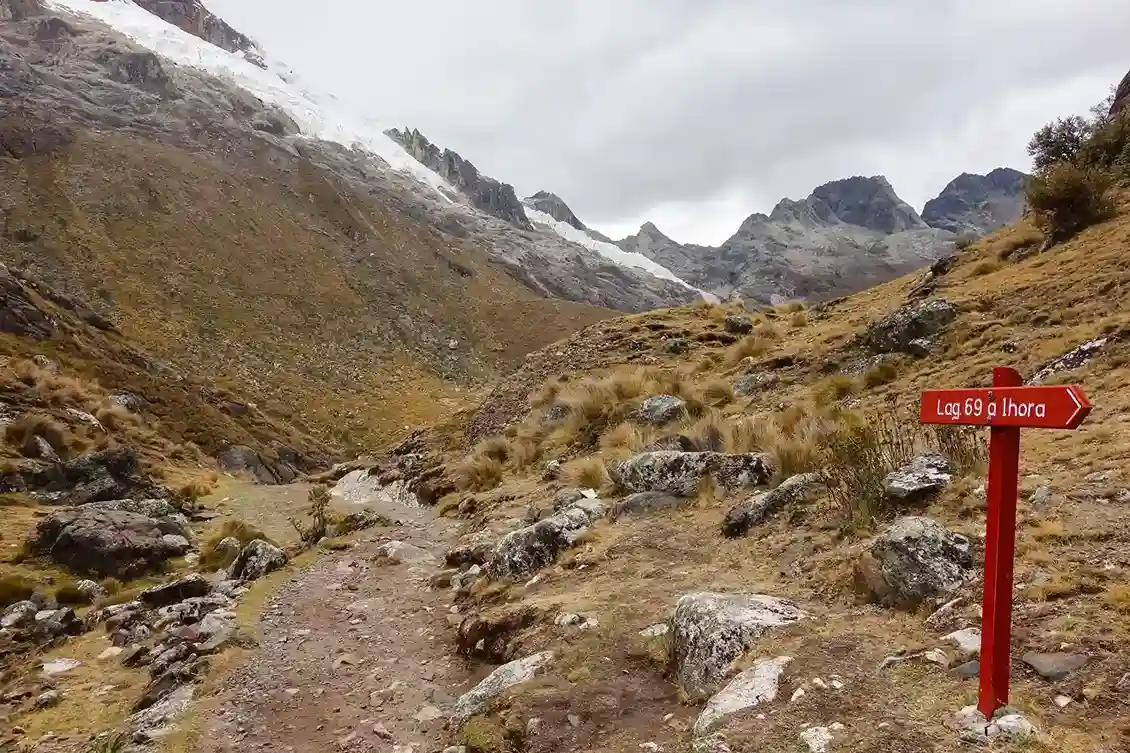
Base Point & Entry
The Yulla Kanda trek begins at the base point in the Kinnaur district of Himachal Pradesh. The trek is easily accessible from major towns like Shimla and Kinnaur, making it an ideal destination for both seasoned trekkers and adventure enthusiasts.
Entry and Parking Locations
The base point for the trek is typically Chitkul, one of the last inhabited villages in the Kinnaur Valley. Visitors can drive to Chitkul and park at designated parking areas near the forest entry point. Parking is available for trekkers’ convenience, ensuring easy access to the trek’s starting point.
Forest Entry Points
The trek begins at the forest entry point, where trekkers will register with local authorities for safety and security. It’s important to follow the official routes as marked and adhere to regulations to protect the local environment.
For those driving from Shimla or Kinnaur, the road to Chitkul offers scenic views of rivers, forests, and traditional villages along the way, enhancing the overall experience even before reaching the base.
Main Trekking Route
The main trekking route to Yulla Kanda is a well-marked trail that follows a series of rocky paths through dense forests and open meadows. The trail is designed to take trekkers through the most scenic parts of the region, showcasing the raw beauty of the Himalayan landscapes.
Trail Details
The trail begins with an easy walk through pine forests, but as trekkers gain altitude, the path becomes more rugged and challenging. The rocky terrain and steep inclines add to the difficulty of the hike, so it’s essential to maintain a steady pace and take breaks when necessary. As you ascend, you will witness breathtaking views of the Himalayan peaks and surrounding valleys. The closer you get to the summit, the more spectacular the vistas become, offering panoramic views that stretch across the entire region.
Panoramic Vistas:
The higher you climb, the more spectacular the panoramic vistas become. The summit of Yulla Kanda reveals a stunning 360-degree view of the snow-capped peaks of the Himalayas, valleys, and glacial rivers that cut through the landscape. It’s the perfect reward for the effort it takes to reach the top.
Alternative Routes & Hidden Gems
While the main trekking route is the most popular, Yulla Kanda also offers several alternative routes for trekkers looking to explore the lesser-known parts of the region. These hidden gems are perfect for those who want to step off the beaten path and experience the tranquility of the Himalayan wilderness.
Lesser-Known Paths
One such path takes trekkers along the high-altitude meadows, where you can find secluded spots perfect for camping, photography, or simply enjoying the peaceful surroundings. Another path meanders through a dense oak forest, where trekkers can experience the region’s diverse flora and fauna.
Secluded Spots for Exploration
If you’re looking to enjoy a bit of solitude, there are several secluded spots near the summit of Yulla Kanda that are perfect for a quiet retreat. These hidden areas offer incredible opportunities for wildlife photography, stargazing, and immersing yourself in the wilderness.
The alternative routes allow trekkers to customize their experience, offering more flexibility for exploration and adventure beyond the main trail.
Yulla Kanda Trek Difficulty & Safety
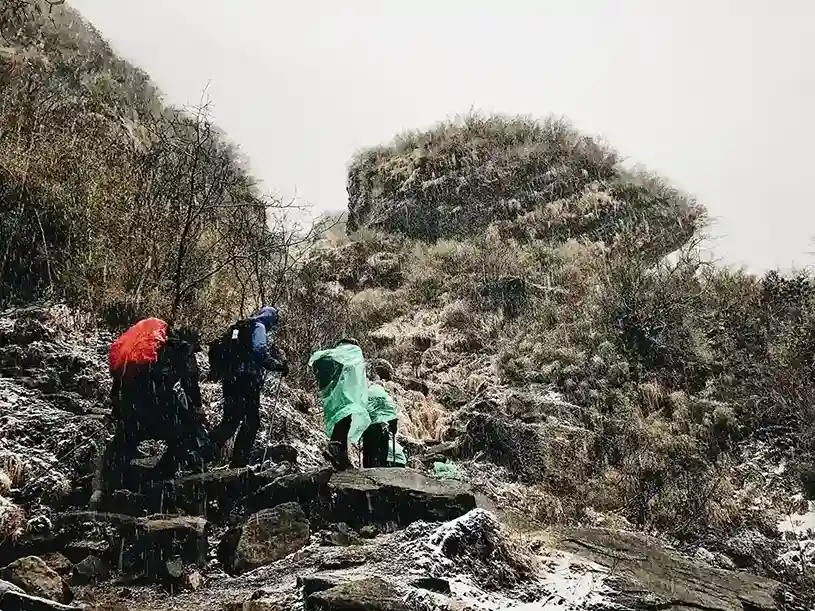
Trek Difficulty: Steep Rock Sections and Tough Climbs
The Yulla Kanda trek is considered to be moderate to challenging, with certain sections featuring steep rock paths and difficult climbs. This trek is best suited for moderately experienced trekkers who are comfortable with rocky inclines and uneven terrain.
Steep Rock Sections
Some parts of the route require trekkers to navigate through steep rock sections, which can be slippery and demanding, especially during or after rain. These sections require careful footing and balanced movement, as well as proper trekking gear. Trekking poles are highly recommended for extra support on these inclines.
Tough Climbs
The final ascent to the Yulla Kanda summit involves tough climbs that test endurance and strength. These parts of the trek are more strenuous and can take a toll on trekkers who are not accustomed to high-altitude treks. As such, it’s essential to pace yourself and take breaks at strategic points to prevent exhaustion.
Safety Considerations: Trekking Tips, Gear, and Precautions
Before embarking on the Yulla Kanda trek, trekkers should be well-prepared to handle the demanding terrain and unpredictable conditions. Here are some key safety tips and gear recommendations:
Trekking Gear
- Sturdy trekking boots with good grip are a must, especially for navigating rocky sections.
- Trekking poles will help maintain balance on the uneven paths.
- Bring weather-resistant clothing, including a jacket and layers to handle temperature changes, especially as you gain altitude.
Altitude Sickness
As with many high-altitude treks, trekkers should be cautious of altitude sickness. Symptoms include headaches, dizziness, and nausea. To prevent this, trekkers should take their time, stay hydrated, and ascend gradually. If any symptoms occur, descend immediately to a lower altitude.
Weather
Weather conditions can change rapidly in the Himalayan mountains, so trekkers should always check the forecast before heading out. Be prepared for sudden rain, snow, or strong winds, especially as you approach higher elevations.
Safety Measures
- Trek with a guide if you are unfamiliar with the area or the terrain.
- Carry a first-aid kit with essential supplies, including bandages, antiseptic, and pain relief medications.
- Make sure to have enough water and snacks to keep energy levels up during the trek.
Lorem ipsum dolor sit amet, consectetur adipiscing elit. Ut elit tellus, luctus nec ullamcorper mattis, pulvinar dapibus leo.
Things to Do in Yulla Kanda (Beyond Trekking)
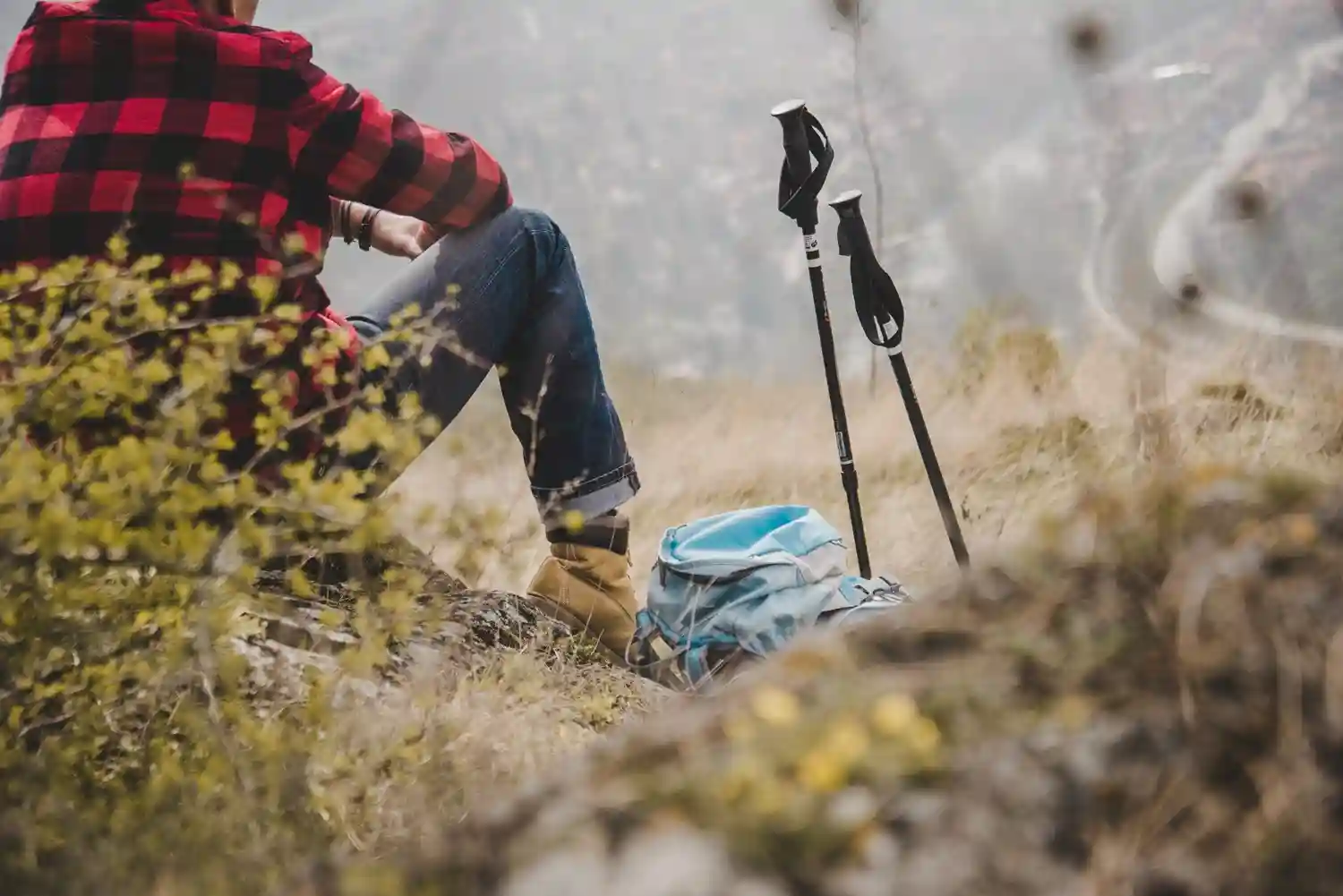
Photography Opportunities: Sunrise, Sunset Views, and Scenic Landscapes
One of the most captivating aspects of the Yulla Kanda trek is its photography opportunities. The trek offers breathtaking views that will satisfy both amateur and professional photographers. Whether you’re a seasoned photographer or someone who enjoys capturing nature’s beauty, Yulla Kanda provides the perfect canvas for stunning shots.
Sunrise and Sunset Views
The sunrise and sunset views from the summit of Yulla Kanda are nothing short of spectacular. As the sun rises over the distant Himalayan peaks, the sky lights up with a spectrum of colors, creating a perfect opportunity for breathtaking photographs. Similarly, the sunset paints the mountain ranges in shades of orange and red, creating a magical atmosphere.
Scenic Landscapes
Throughout the trek, trekkers will encounter a variety of scenic landscapes. From the lush green meadows to the rugged rocky paths, each section of the trail offers its own unique beauty. The Himalayan views and surrounding valleys offer expansive vistas that make for stunning panoramic photos.
For those looking to capture the essence of the Yulla Kanda trek, the early morning light and golden hour are ideal times to take advantage of the perfect lighting conditions for landscape photography.
Nature Exploration: Rich Biodiversity and Serene Surroundings
Beyond trekking, Yulla Kanda offers a rich environment for nature exploration. The area is home to a diverse range of flora and fauna that trekkers and nature enthusiasts will enjoy discovering. The forests surrounding Yulla Kanda provide a habitat for numerous species of wildlife, including birds, mammals, and insects.
Biodiversity
As you trek, be on the lookout for unique plant species that thrive in the high-altitude environment. The alpine meadows and forested areas offer a peaceful setting for discovering the variety of life that calls this area home. The region’s rich biodiversity makes Yulla Kanda a perfect destination for those interested in eco-tourism and wildlife observation.
Serene Surroundings
The peaceful environment of Yulla Kanda also makes it a perfect spot for meditation or simply reconnecting with nature. The serene atmosphere, away from the noise and chaos of modern life, allows trekkers to unwind and experience a sense of tranquility that is hard to find elsewhere.
Activities: Stargazing, Wildlife Watching, Local Cultural Experiences
In addition to hiking and nature exploration, Yulla Kanda offers several activities that will enrich your travel experience. Whether you’re an adventure enthusiast or a cultural explorer, there’s something for everyone.
Stargazing
The clear skies above Yulla Kanda make it an ideal spot for stargazing. Due to its high-altitude location, the area is free from light pollution, offering an unobstructed view of the night sky. During the evenings, trekkers can enjoy the mesmerizing views of constellations, planets, and even the Milky Way. Stargazing here is a serene and awe-inspiring activity, allowing you to connect with the vastness of the universe.
Wildlife Watching
For wildlife enthusiasts, Yulla Kanda provides ample opportunities to spot animals like musk deer, Himalayan Monal, and various species of birds. Trekking through the dense forests and meadows gives you a chance to observe these animals in their natural habitat.
Local Cultural Experiences
When trekking through the Kinnaur region, visitors also have the opportunity to experience local culture. The region is home to Hindu temples, Buddhist monasteries, and traditional Kinnauri villages. These cultural sites offer insight into the heritage and history of the area, adding an enriching dimension to the trip. The welcoming locals also offer a chance to interact and learn more about their customs and way of life.
Nearby Places & Attractions in Yulla Kanda
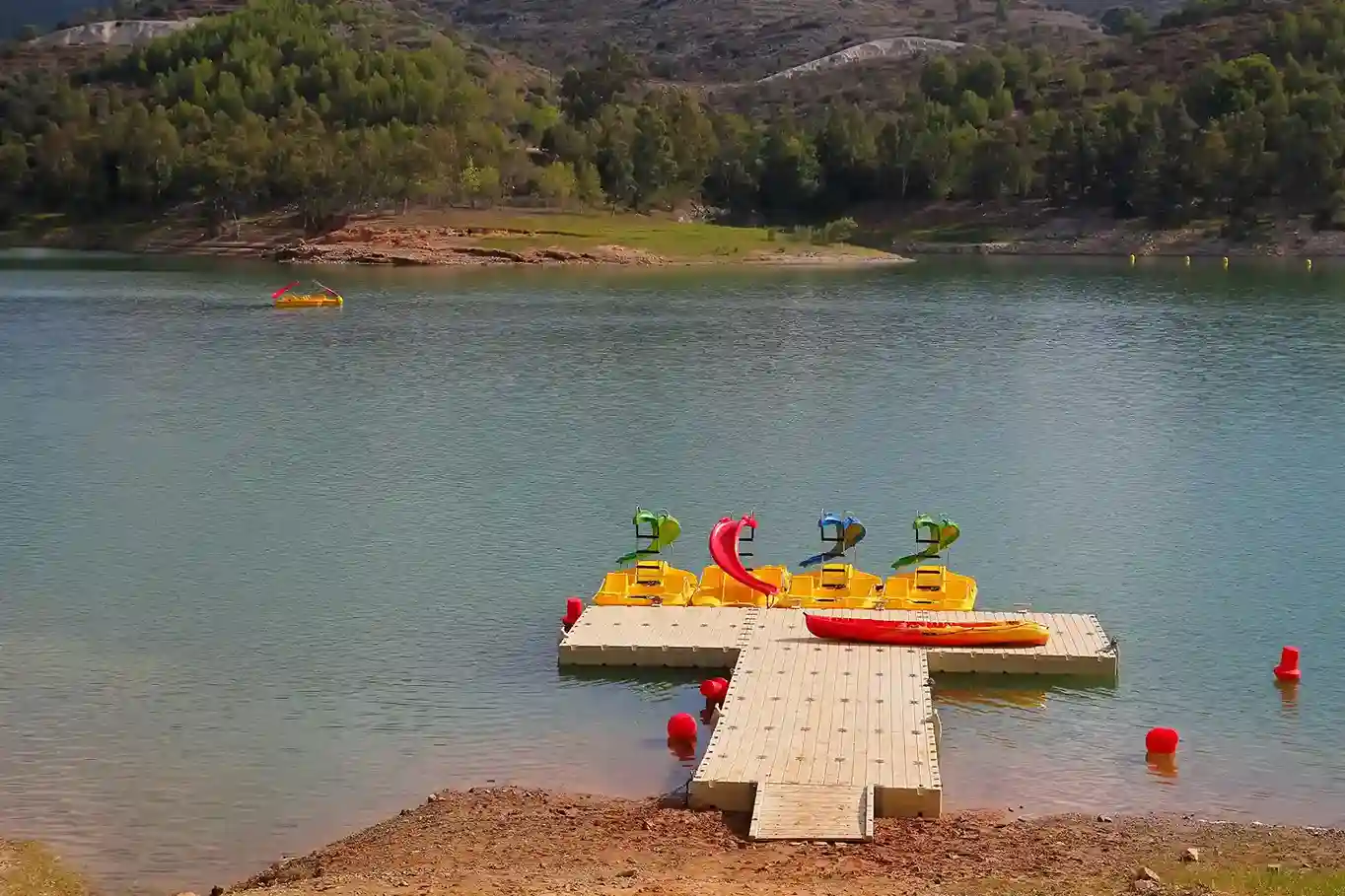
Local Temples & Cultural Sites: Exploring Kinnaur’s Rich Heritage
Beyond the trek itself, the Yulla Kanda area is rich in cultural heritage and historical significance. The Kinnaur district is home to a number of temples, monasteries, and cultural landmarks that trekkers can visit to experience the region’s spiritual and historical depth.Lorem ipsum dolor sit amet, consectetur adipiscing elit. Ut elit tellus, luctus nec ullamcorper mattis, pulvinar dapibus leo.
Famous Temples
- Chitkul Temple: Located near the base of the trek, Chitkul Temple is an important religious site for the locals. The temple is dedicated to Goddess Mathi, and visitors can learn about the religious practices and rituals of the region.
- Kinnaur Kailash: A revered pilgrimage site in Kinnaur, Kinnaur Kailash is believed to be the abode of the Hindu god Shiva. Although the trek to Kinnaur Kailash is a more strenuous journey, it is a major attraction for those interested in religious history.
Buddhist Monasteries
The region is also home to several Buddhist monasteries, including the Sangla Monastery and Rakchham Monastery, where visitors can experience the serene atmosphere and learn about the Tibetan-influenced culture of the area.
Surrounding Viewpoints: Nearby Hills, Waterfalls, and Natural Spots
In addition to Yulla Kanda, the Kinnaur region offers a number of nearby attractions that are worth exploring.
Nearby Hills & Viewpoints
The surrounding hill stations and viewpoints provide incredible vistas of the surrounding Himalayan peaks. Popular spots like Sangla Valley and Rakchham are perfect for those who want to experience more of the majestic landscape while enjoying a peaceful environment.
Waterfalls & Natural Spots
The area is also home to several stunning waterfalls, including the Baspa River waterfalls near Sangla. These waterfalls, combined with the lush forests and meadows, create a picturesque setting for nature lovers and photographers alike.
Hidden Natural Spots
For those seeking more secluded experiences, the region offers remote lakes, alpine meadows, and quiet hiking trails that remain far from the crowds. These off-the-beaten-path spots are perfect for nature exploration and provide a more intimate experience of the Himalayan wilderness.
Keyword Integration & Optimization
- Primary Keyword: Yulla Kanda, Yulla Kanda nature exploration
- Supportive Keywords: Things to do in Yulla Kanda, nearby places in Kinnaur, what to see in Yulla Kanda, Kinnaur heritage, Yulla Kanda photography
- Longtail Keywords: “What are the best things to do in Yulla Kanda?”, “What can you see in Yulla Kanda?”, “Where can you stargaze near Yulla Kanda?”
Yulla Kanda Lake & Nature Spots
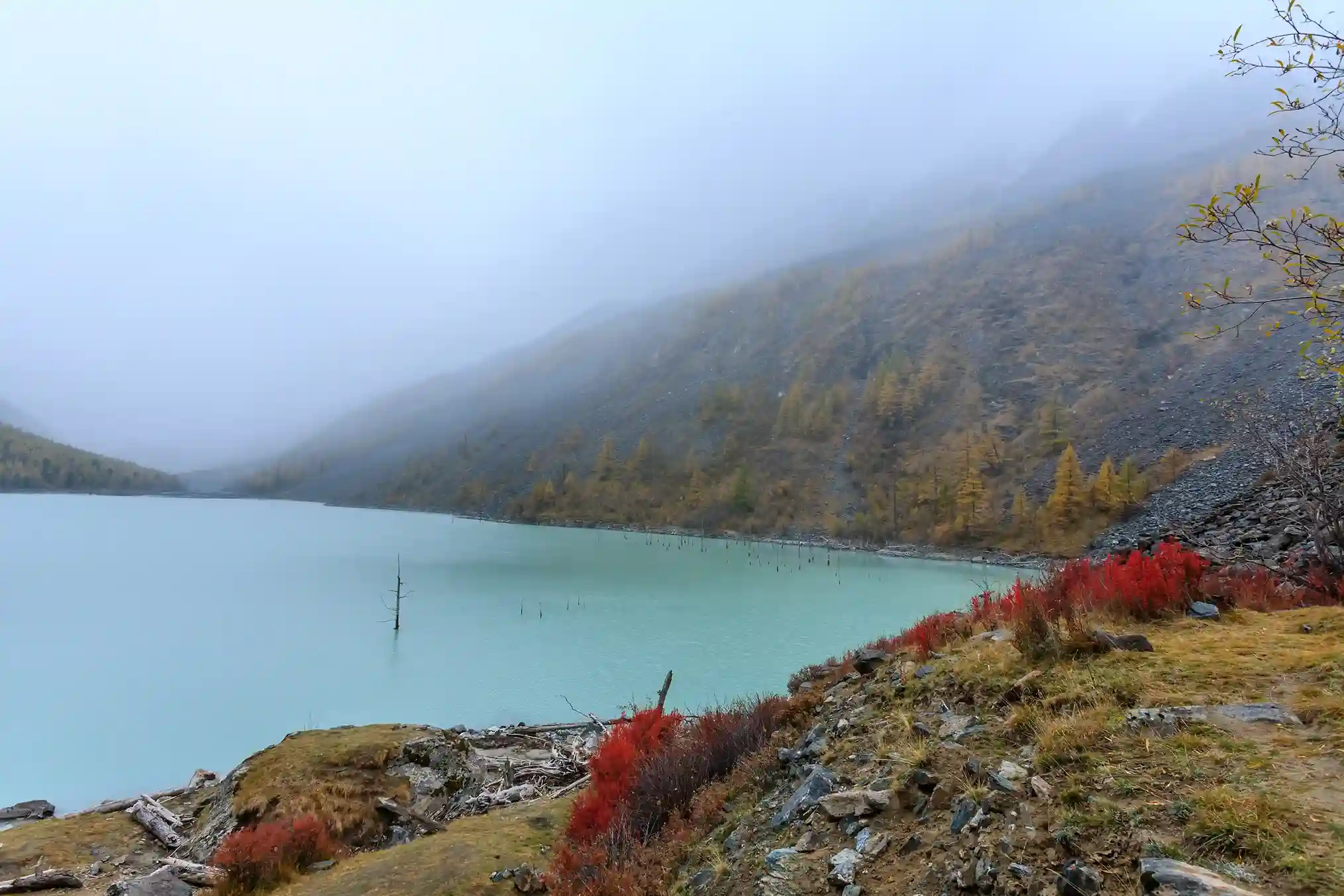
Yulla Kanda Lake: Exploring the Serene and Scenic Lake
One of the most serene and picturesque spots near Yulla Kanda is the Yulla Kanda Lake, a hidden gem tucked away in the Kinnaur Himalayas. This crystal-clear lake is nestled amidst towering peaks, surrounded by lush meadows, and is a tranquil oasis perfect for nature lovers and photographers.
The Yulla Kanda Lake is an excellent spot for those seeking peace and solitude. The surrounding natural beauty enhances the feeling of serenity, making it an ideal place for reflection, photography, or simply enjoying the untouched wilderness of the Himalayas. The reflection of the snow-capped mountains in the still waters adds to the allure of this stunning location.
Accessing the Lake
To reach Yulla Kanda Lake, trekkers will need to venture off the main trail and follow a lesser-known path that leads to the lake’s shore. The route to the lake is moderately challenging, making it suitable for those who enjoy exploring off-the-beaten-path locations. As you hike toward the lake, you’ll encounter beautiful forests, rocky outcrops, and alpine meadows, all of which contribute to the natural charm of the area.
This lake, though not as famous as other Himalayan lakes, offers an equally breathtaking experience for those willing to take the time to explore it. The tranquility and beauty of the lake make it a must-see for any traveler visiting the Yulla Kanda trek.
Nearby Nature Trails: Waterfalls, Meadows, and Remote Areas
In addition to Yulla Kanda Lake, the surrounding region offers a variety of nature trails that lead to stunning waterfalls, meadows, and remote areas. These trails provide trekkers with the opportunity to further immerse themselves in the breathtaking Himalayan landscapes.
Waterfalls
The area is home to several beautiful waterfalls that cascade down the mountainside, creating a mesmerizing sight for those passing by. These waterfalls, often hidden in lush forests, add an element of surprise and discovery for hikers and photographers alike. Many of these waterfalls are relatively secluded, offering a peaceful retreat where trekkers can relax and take in the natural beauty.
Meadows & Remote Areas
The meadows near Yulla Kanda are perfect for those looking to spend some time in nature. Surrounded by towering peaks and dotted with wildflowers, these meadows provide a perfect setting for a quiet picnic or a reflective moment. Some of the remote areas in the region, far from the main trek route, are perfect for those seeking solitude or looking to experience the unspoiled beauty of the Himalayas.
These lesser-known nature spots provide a sense of adventure and a deeper connection with the wilderness. Whether you’re a seasoned trekker or a nature enthusiast, these trails and natural spots are sure to provide lasting memories.
Yulla Kanda Weather & Trek Conditions Explained
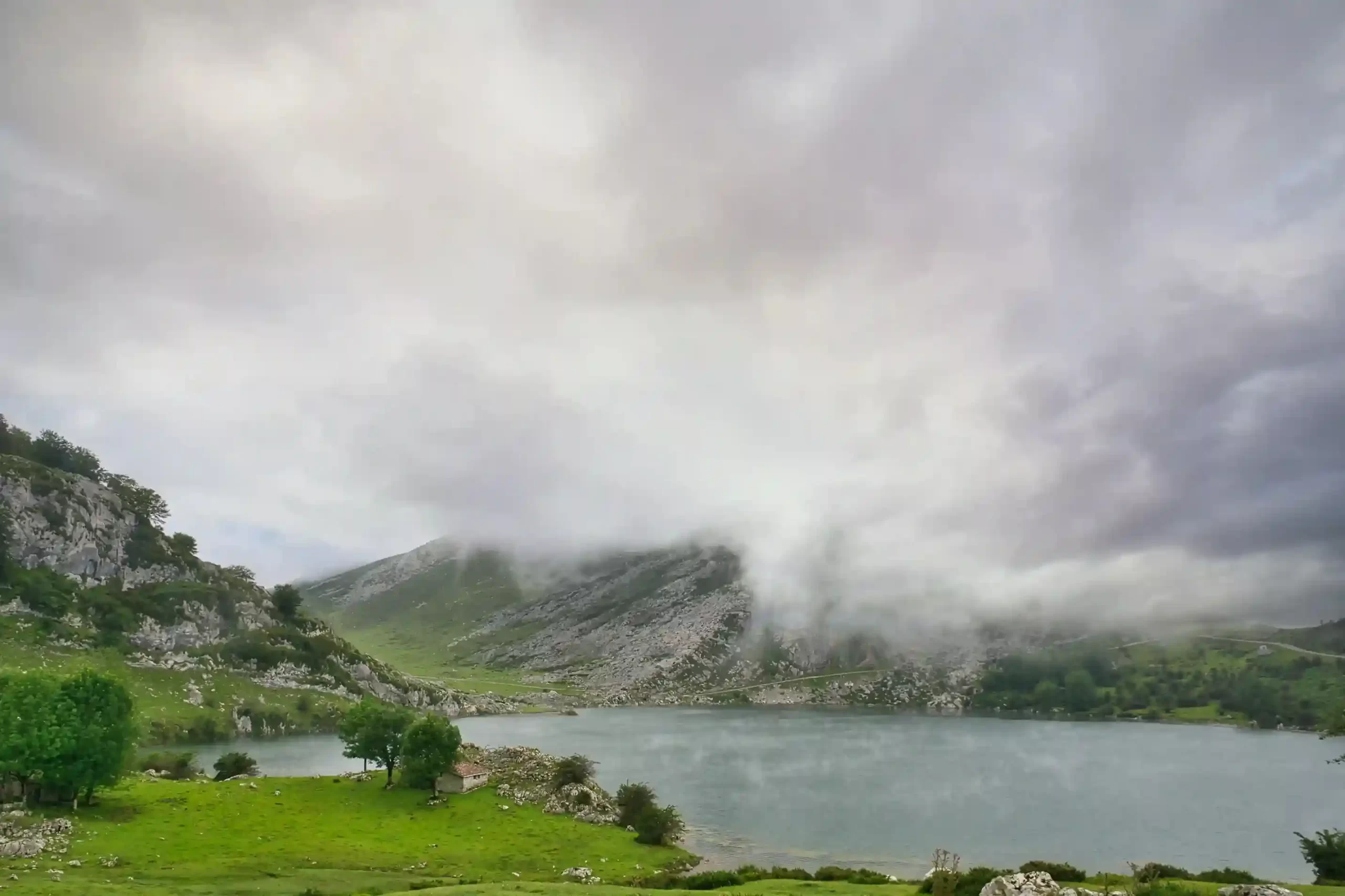
Weather Forecast: Year-Round Trekking Conditions—Monsoon, Summer, Winter
Understanding the weather conditions at Yulla Kanda is crucial for planning your trek. The Himalayan region experiences distinct seasons, each offering unique trekking conditions
- Monsoon (June to September):
The monsoon season brings heavy rainfall, making the trails slippery and challenging. While the lush greenery during this season can be enchanting, trekking in the rain can be risky, especially with the rocky paths near Yulla Kanda. It’s generally advisable to avoid trekking during this season unless you are an experienced hiker familiar with wet conditions.
- Summer (April to June):
Summer offers the most favorable conditions for the Yulla Kanda trek. The temperatures are moderate, with daytime highs ranging from 10°C to 20°C. This is the ideal time to visit, as the weather is clear, and the trails are accessible. The snow starts to melt, revealing the majestic landscape in full bloom, and the Yulla Kanda Lake is at its most serene during this season.
- Winter (October to March):
Winter is the most challenging time for the trek. The region experiences sub-zero temperatures with heavy snow at higher altitudes, making the trek more difficult and potentially dangerous. While the sight of snow-capped peaks and the tranquil winter landscape is breathtaking, it requires special preparation and winter trekking gear. Only experienced trekkers should attempt the trek in winter, and it’s best to consult local guides before heading out.
Year-Round Trekking
To make the most of your Yulla Kanda trek, it’s essential to plan your trekking hours carefully to avoid extreme temperatures and ensure safety.
- Early Morning Trek:
The best time to start your trek is early in the morning. The temperature is cooler, and the trails are less crowded. Starting early also gives you more time to reach the summit and enjoy the breathtaking sunrise over the Himalayas. Plus, the morning hours are typically safer, with fewer risks of slipping on wet or icy terrain.
- Avoiding Afternoon Heat:
During the summer months, midday temperatures can rise significantly, making the trek more exhausting and increasing the risk of dehydration. It’s advisable to avoid trekking in the midday heat. Trekking in the morning or late afternoon provides the best conditions for a safe and enjoyable journey.
- Winter Conditions:
In winter, the early morning hours can be extremely cold, and the snow can make the trail slippery. If you’re trekking in the winter season, it’s important to wear appropriate clothing and gear to stay warm. It’s best to start early, as the temperatures can drop significantly once the sun sets.
Temperature Insights: What to Expect in Different Seasons
Understanding the temperature at Yulla Kanda throughout the year is crucial for proper preparation:
- Summer (April to June): Expect moderate temperatures ranging from 10°C to 20°C during the day, while nights may drop to around 5°C. This is the ideal time for trekking as the weather is most pleasant.
- Monsoon (June to September): Expect temperatures around 15°C to 25°C. However, the weather is humid, with rain showers being frequent, so be prepared for wet conditions.
- Winter (October to March): Temperatures can drop as low as -5°C to -10°C in higher altitudes, especially near the summit. The weather is cold, and snow is common at higher elevations.
How to Reach Yulla Kanda Trek (Travel Guide)
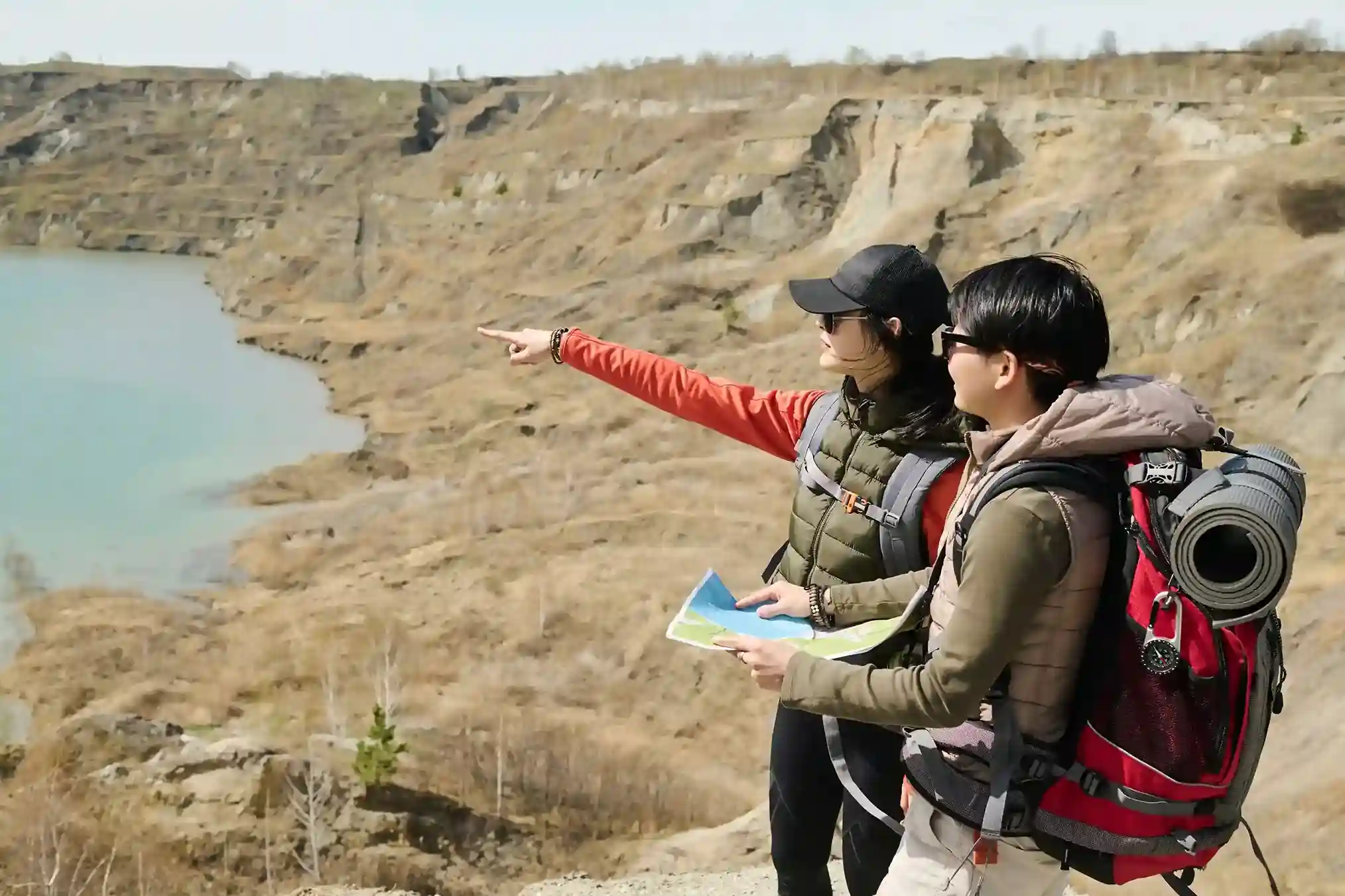
Distance from Key Cities: Shimla, Kinnaur, and Nearby Travel Hubs
Getting to Yulla Kanda requires some planning, but it’s relatively straightforward, thanks to its accessibility from major Himachal Pradesh cities. The Yulla Kanda trek begins in Chitkul, the last inhabited village in the Kinnaur district, which is well-connected to nearby hubs.
- Shimla to Chitkul: The distance from Shimla to Chitkul is approximately 235 kilometers by road, which takes around 7-8 hours to drive, depending on road conditions. The journey involves traveling through Narkanda and Rampur, offering scenic views along the way.
- Kinnaur to Chitkul: From Kinnaur, Chitkul is about 50 kilometers away and can be reached in about 2-3 hours by car. The road from Kinnaur to Chitkul is well-maintained, though some sections may be narrow or winding, so careful driving is advised.
- Nearby Travel Hubs: For those traveling from Delhi, the distance to Shimla is about 350 kilometers, and it takes about 7-8 hours by road or 5-6 hours by bus. Kullu and Manali are also relatively close by and can serve as alternate starting points if you’re traveling from Himachal’s other famous trekking destinations.
Transport Options: Road Routes, Local Transport, and Parking Availability
There are several transport options available to reach the base camp of Yulla Kanda:
- By Car: The most convenient way to reach Chitkul is by private car or taxi. The roads are well-marked and provide picturesque views of the Kinnaur Valley as you drive.
- Public Transport: Public buses from Shimla and Kinnaur are available, though they may be infrequent. Private taxis or shared jeep rides are also common in the area and can be hired for the journey to Chitkul.
- Parking Availability: Once you arrive at Chitkul, parking is available near the forest entry point and the base of the trek. However, parking spaces are limited, so it’s advisable to arrive early, especially during peak seasons like summer.
Getting to the Base Camp: Clear Instructions and Route Details
Once you reach Chitkul, getting to the Yulla Kanda base camp is straightforward. From the village, the trek begins at the forest entry point, which is marked with signs. This point is located just outside the village, making it easy to navigate.
The base camp is usually a small clearing near the starting point, where trekkers can register before starting the trek. It’s essential to follow the marked path and stay on the designated trekking routes to ensure safety and protect the environment.
For those who are unfamiliar with the area, it’s recommended to hire a local guide, especially if you plan on exploring alternative routes or hidden gems along the way.
Yulla Kanda Trek Itinerary (One Day Plan)
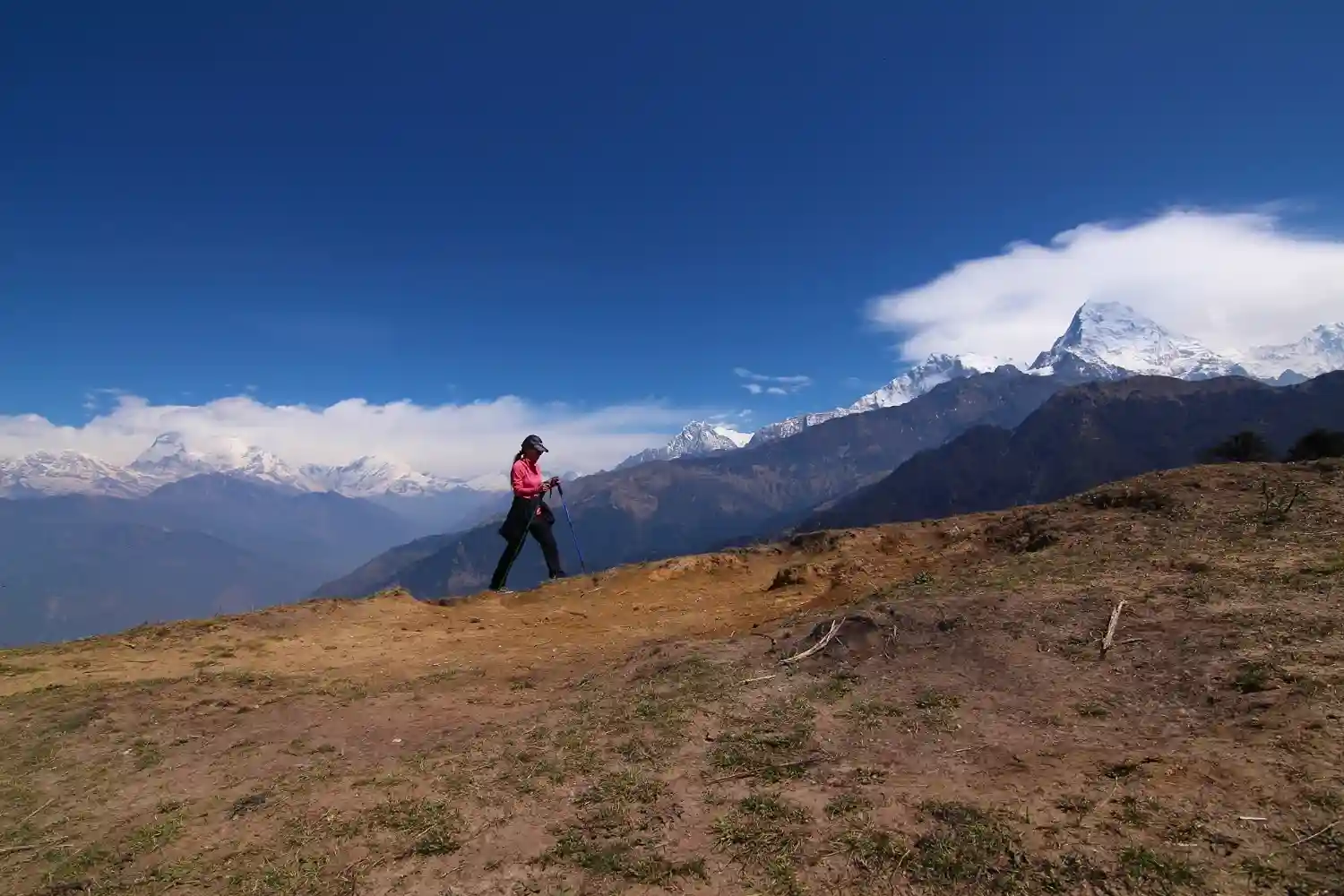
Early Morning Trek: Sunrise Trek Plan, Duration, and Highlights
The Yulla Kanda trek is perfect for a one-day adventure. The best way to experience it is to begin your trek early in the morning. This allows you to reach the summit and enjoy the stunning sunrise views over the Himalayan peaks.
Trek Duration
- The trek is 3-5 hours round-trip, with a moderate pace. Starting early in the morning will ensure that you avoid the midday heat and give you ample time to enjoy the panoramic views from the summit.
Sunrise Trek Highlights
- The early morning light creates perfect conditions for photography, as the first rays of sunlight hit the snow-capped peaks.
- You’ll pass through lush forests, which will gradually give way to open meadows with breathtaking views.
- Once at the summit, enjoy a peaceful moment at the top, gazing at the surrounding peaks and valleys bathed in the golden light of sunrise.
Lorem ipsum dolor sit amet, consectetur adipiscing elit. Ut elit tellus, luctus nec ullamcorper mattis, pulvinar dapibus leo.
Weekend Trip: Combining with Nearby Trekking Spots for an Extended Experience
If you have more time and want to explore further, consider extending your trip and combining the Yulla Kanda trek with nearby trekking destinations in the Kinnaur region.
- Sangla Valley: A beautiful trekking destination near Yulla Kanda that offers more rugged paths and scenic landscapes. You can explore Sangla Valley and combine it with a visit to Chitkul, known as the last inhabited village in India on the Indo-Tibetan border.
- Kinnaur Kailash Trek: For those seeking a more challenging trek, the Kinnaur Kailash trek offers a multi-day trek and is a popular choice among experienced trekkers looking for an extended Himalayan adventure. It can be easily combined with a visit to Yulla Kanda to extend your weekend.
By combining Yulla Kanda with nearby spots, you’ll experience the full beauty of Kinnaur’s natural beauty and make the most of your weekend trek.
One-Day Trek Plan Overview
For those with limited time, here’s a basic plan for a one-day trek:
- 5:00 AM: Start from Chitkul to reach the base camp.
- 6:00 AM: Begin the ascent to the summit, passing through forested trails and rocky inclines.
- 8:00 AM: Reach the summit, enjoy the sunrise views, and take photographs.
- 9:00 AM: Begin the descent, stopping to explore the meadows and enjoy the peaceful surroundings.
- 11:00 AM: Return to Chitkul for a well-deserved rest.
This one-day plan ensures you experience the best of Yulla Kanda, from its challenging trek to its stunning vistas, all within a manageable timeframe.
Travel Tips for Yulla Kanda Trek
When preparing for the Yulla Kanda trek, the right trekking gear is essential to ensure both safety and comfort. The Himalayan terrain can be challenging, with steep inclines, rocky paths, and fluctuating weather conditions, so packing the right gear is crucial.
Recommended Trekking Shoes
- The terrain on the Yulla Kanda trek is rocky and uneven, making sturdy trekking shoes with a good grip essential.
- Look for waterproof shoes with good ankle support to avoid injuries and keep your feet dry during the trek.
- Consider shoes with Vibram soles, which are known for their durability on rugged terrain.
Backpacks
- A comfortable daypack is sufficient for the Yulla Kanda trek. It should have enough room to carry your essentials, such as water, snacks, a first-aid kit, and your camera.
- Opt for a hydration pack or water bottles that are easily accessible during the trek to stay hydrated.
- Ensure your backpack has padded straps to avoid strain on your shoulders during the long hike.
Clothing
- Layered clothing is essential to adjust to the fluctuating temperatures of the Himalayas.
- Moisture-wicking clothes are recommended to keep you dry and comfortable, while waterproof jackets and pants will protect you from unexpected rain or snow.
Additional Gear
- Trekking poles are highly recommended to provide extra stability during steep ascents and descents.
- Headlamps are useful for early morning starts, especially when trekking in low-light conditions.
- Sunglasses, sunscreen, and a hat are essential to protect yourself from UV rays at higher altitudes.
Safety Measures: Dealing with Altitude Sickness, Weather, and Terrain
Safety is a top priority on the Yulla Kanda trek, especially considering the challenging terrain and the high-altitude environment. Here are a few important safety measures to consider:
Dealing with Altitude Sickness
- Altitude sickness is a potential risk when trekking at higher altitudes, such as the summit of Yulla Kanda. Symptoms include headaches, dizziness, and nausea.
- To avoid altitude sickness, acclimate properly before reaching higher altitudes. It’s also important to drink plenty of water to stay hydrated and avoid alcohol or caffeine, which can dehydrate you.
- If you start feeling symptoms of altitude sickness, descend immediately to a lower altitude and rest.
Weather Conditions
- The weather in the Himalayas can change rapidly, especially at higher altitudes. Be prepared for sudden rain, snow, or strong winds.
- Always check the weather forecast before your trek and be prepared for fluctuating conditions. It’s a good idea to carry extra clothing and a waterproof jacket to protect yourself from the elements.
- Avoid trekking in extreme weather, such as heavy rain during the monsoon season or deep snow in the winter, as it can make the paths slippery and dangerous.
Terrain Awareness
- The trek to Yulla Kanda includes rocky sections and steep ascents, which can be tricky to navigate, especially after rain.
- It’s important to wear proper trekking shoes and use trekking poles for extra support.
- Take your time to avoid slips and falls, and be mindful of the loose rocks along the trail.
Packing Tips: What to Carry for a Safe and Enjoyable Experience
Packing the right items is key to a successful and enjoyable trek. Here are some packing tips to ensure you’re fully prepared for your Yulla Kanda adventure:
Hydration
- Carry at least 2-3 liters of water to stay hydrated throughout the trek. A hydration system or water bottles will help you carry sufficient water. You can also carry water purification tablets or a filtration system in case of emergencies.
Snacks
- Pack high-energy, lightweight snacks, such as nuts, trail mix, energy bars, and dried fruits. These snacks will keep your energy levels up during the trek.
First-Aid Kit
- A small first-aid kit is essential for any trekking journey. Pack basic items like band-aids, pain relievers, anti-inflammatory medicine, antiseptic cream, and blister pads.
- Altitude sickness medication may also be recommended, so consult a doctor before your trek.
Personal Items
- Don’t forget personal items like your ID, permits, and cash.
- A camera or smartphone will allow you to capture the stunning views, but make sure to keep them protected from water or dust.
Weather Protection
- Sunscreen with high SPF is essential for protecting your skin at higher altitudes.
- Lip balm with SPF will also help protect your lips from the sun and wind.
FAQs
Where is Yulla Kanda located?
Yulla Kanda is located in the Kinnaur district of Himachal Pradesh, India. Situated in the Himalayas, it offers stunning views of snow-capped peaks, lush meadows, and rugged terrain, making it an ideal trekking destination for adventure enthusiasts.
What is Yulla Kanda famous for?
Yulla Kanda is famous for its challenging trek that leads to the summit, offering breathtaking Himalayan views, rugged terrain, and a tranquil experience. The trek is known for its scenic landscapes, including Yulla Kanda Lake, and the opportunity to explore remote nature spots.
How long is the Yulla Kanda trek?
The Yulla Kanda trek typically takes about 3 to 5 hours for a round trip. The trek covers steep ascents, rocky terrain, and panoramic vistas. It’s suitable for moderately experienced trekkers looking for a manageable yet challenging adventure.
What is the distance of the Yulla Kanda trek?
The Yulla Kanda trek covers a distance of approximately 6 to 8 kilometers round trip. The trek is considered moderate in difficulty, with rocky paths and steep ascents that lead to the summit, offering stunning views of the surrounding Himalayan landscape.
Is Yulla Kanda a difficult trek?
The Yulla Kanda trek is considered moderate to challenging. It involves steep ascents, rocky terrain, and some technical sections that require good stamina and trekking experience. It’s best suited for moderately experienced trekkers with proper gear and physical readiness.
What are the best things to do in Yulla Kanda?
The best things to do in Yulla Kanda include trekking, photography of the stunning Himalayan views, exploring the nearby Yulla Kanda Lake, wildlife watching, and enjoying the serene environment. Activities like stargazing and local cultural exploration are also highly recommended.
What are the best places to see in Yulla Kanda?
Some of the best places to see in Yulla Kanda include the Yulla Kanda summit with panoramic views, the tranquil Yulla Kanda Lake, the nearby meadows and waterfalls, as well as Chitkul, the last village before the Indo-Tibetan border, offering scenic beauty and cultural richness.
What is the best time to visit Yulla Kanda?
The best time to visit Yulla Kanda is between April and June (summer), when the weather is mild, and the trails are accessible. September to October is also ideal, with clear skies and pleasant temperatures. Avoid trekking during the monsoon season (June to September) due to heavy rains.
What is the altitude of Yulla Kanda?
Yulla Kanda is located at an altitude of around 4,000 meters (13,123 feet) above sea level. The trek takes you through varying altitudes, offering stunning views of the Himalayas and providing a moderate challenge for trekkers due to the altitude and terrain.
When can we see snow in Yulla Kanda?
Snow in Yulla Kanda is most commonly seen from November to March during the winter season. The higher elevations of the trek may remain covered in snow even in early spring, offering a winter wonderland experience, ideal for those seeking snow trekking adventures.
Read more >>>
Chembra Peak Trek – Distance, Difficulty & Heart Lake Experience
Jawai Leopard Safari – Best Time to Visit, Camps & Full Travel Guide
Final Take: Is Yulla Kanda Trek Worth Visiting?
Who Will Love It
The Yulla Kanda trek is an incredible adventure for those seeking a challenge and a connection with nature. Adventurers will enjoy navigating the rocky terrain and steep climbs, while nature lovers can appreciate the serene Himalayan landscapes and diverse flora and fauna.
For photographers, the trek offers stunning opportunities to capture the majestic views, especially during sunrise and sunset, when the landscape is bathed in golden light. The summit’s 360-degree panoramic vistas of snow-capped peaks and lush valleys are perfect for both landscape and nature photography.
For photographers, the trek offers stunning opportunities to capture the majestic views, especially during sunrise and sunset, when the landscape is bathed in golden light. The summit’s 360-degree panoramic vistas of snow-capped peaks and lush valleys are perfect for both landscape and nature photography.
If you’re seeking an adrenaline rush combined with a chance to disconnect from the world, the Yulla Kanda trek is the perfect destination. The trek’s natural beauty and challenging terrain make it a rewarding experience for those who love pushing their limits while enjoying breathtaking scenery.
Who May Skip It
While Yulla Kanda offers an unforgettable experience, it may not be ideal for everyone. Beginner trekkers or those new to hiking should reconsider, as the moderate-to-challenging terrain requires some level of trekking experience. The rocky inclines and steep ascents may be overwhelming for those without adequate preparation.
Additionally, if you prefer easier, more leisurely treks, the Yulla Kanda trek may not be the right choice. However, for those willing to take on the challenge, it offers an adventurous escape into the heart of the Himalayas, with unmatched natural beauty along the way.
Book Your Yulla Kanda Trek with Offto Travellers!
Ready for an unforgettable adventure? Offto Travellers offers expertly curated trekking experiences, including the Yulla Kanda trek! Whether you're looking to conquer the Himalayan peaks, immerse yourself in nature, or capture breathtaking photographs, we’ve got you covered.
Book your stay and trek now with Offto Travellers to experience the adventure of a lifetime. Our packages include comfortable stays, expert guides, and seamless travel arrangements to make your journey hassle-free.
Don't miss out—start planning your Yulla Kanda trek today with Offto Travellers and create memories that will last a lifetime!
Sign up
Leave a Reply