
Hampta Pass is a thrilling high-altitude trek in Himachal Pradesh, connecting Kullu Valley to Lahaul Valley. Known for its dramatic landscape transitions from lush greenery to barren mountains, it offers a moderate trek suitable for beginners. The trek spans 25–30 km, reaching an altitude of 14,100 ft. A must-do for adventure seekers and nature lovers.
Introduction of Hampta Pass
Hampta Pass is located in Himachal Pradesh, serving as a dramatic and scenic high-altitude trek that connects the Kullu Valley to Lahaul Valley in the Himalayas. The trek offers a breathtaking crossover experience, where trekkers journey through contrasting landscapes, from the lush green meadows of Kullu to the rugged, barren terrain of Lahaul.
Base Point Near Manali
The base point of the Hampta Pass trek is located near Manali, a popular hill station in Himachal Pradesh. From Manali, trekkers head towards Jobra, which is the starting point of the trek. The journey from Manali to Jobra involves a scenic drive through winding roads and picturesque villages, making it a captivating introduction to the adventure that lies ahead.
Why Hampta Pass is One of India’s Most Dramatic Crossover Treks
The reason Hampta Pass is considered one of India’s most dramatic crossover treks is because of the stark contrast in landscapes. As you ascend the pass, you’ll witness lush greenery in the Kullu Valley, with vibrant meadows, dense forests, and flowing streams, gradually transitioning to the barren, arid terrains of Lahaul Valley. This dramatic change in landscape is what sets Hampta Pass apart from other treks and makes it one of the most photogenic and memorable experiences in the Himalayas.
What is Hampta Pass Famous For? (Why Trek It?)
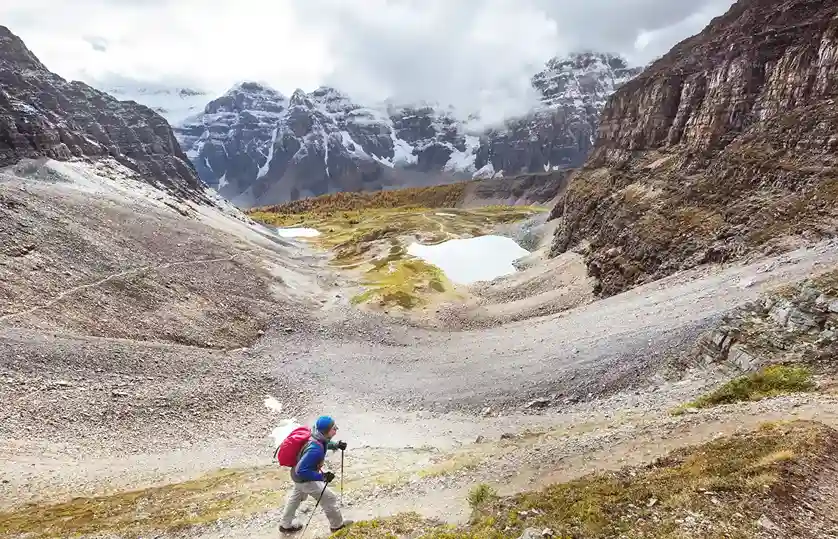
Hampta Pass is renowned not only for its beautiful landscapes but also for the experience it offers trekkers. From picturesque valleys to high-altitude river crossings, and the thrill of reaching the top of a Himalayan pass, there are several reasons why this trek is worth undertaking. Here are the key features that make Hampta Pass a favorite among trekkers:
Sudden Landscape Transition: Green Valleys → Barren Mountains
One of the most remarkable features of the Hampta Pass trek is the sudden shift in landscapes. The trek begins in the Kullu Valley, a lush paradise with vibrant green meadows, dense forests, rushing rivers, and idyllic villages. As you trek higher, the terrain gradually changes to a more arid and barren landscape typical of the Lahaul Valley. The change in environment is striking—where the Kullu side is green, the Lahaul side is more rocky and desolate. This sudden transition is incredibly dramatic and provides a visual contrast that is rare in most treks.
You’ll pass through dense forests of oak and pine, cross flower-filled meadows, and eventually reach the stark, snow-capped peaks of Lahaul, making the Hampta Pass trek a journey of diverse and ever-changing landscapes.
Beginner-Friendly Himalayan Pass Trek
Compared to other Himalayan passes, Hampta Pass is considered beginner-friendly. It offers trekkers a chance to experience a Himalayan pass trek without the extreme difficulty found in some of the higher passes. The overall distance is manageable, and the altitude gain is gradual, making it an excellent option for those who are new to trekking or the high-altitude environment. The trek usually spans 5–6 days, allowing trekkers ample time to acclimatize and enjoy the experience.
While the trek is moderate, it is not without challenges. The weather conditions can change rapidly, and trekkers need to be physically fit and well-prepared. However, for those new to Himalayan trekking, this pass offers the perfect combination of challenge and beauty, making it an ideal first trek in the Himalayas.
River Crossings + Camping Experience
Another exciting element of the Hampta Pass trek is the opportunity to cross several rivers along the way. The trek includes river crossings that add a bit of adventure and thrill to the journey. As you make your way through the Kullu Valley, you’ll encounter glacial rivers that require trekkers to cross makeshift bridges or wade through the water. These crossings make the trek more interactive and immersive, contributing to the feeling of being deeply connected with nature.
Additionally, camping is a significant part of the Hampta Pass trek experience. Camping under the stars in the heart of the Himalayas is one of the most memorable aspects of the trek. The campsites are located in scenic spots surrounded by nature, allowing trekkers to experience the tranquility of the mountains. The peace of the high-altitude campgrounds, paired with the beauty of the surroundings, makes for an unforgettable outdoor experience.
Expectation vs Reality: Moderate Trek vs Challenging Weather Conditions
While Hampta Pass is considered a moderate trek, trekkers should be prepared for challenging weather conditions. The weather in the mountains can change unexpectedly, with rain or snow storms occurring during the trek. Cold temperatures, especially at higher altitudes, and the sudden onset of weather changes can sometimes make the trek feel more challenging than expected.
This is why Hampta Pass offers more than just a physical challenge—it’s about being prepared for the unpredictable. Expect moderate terrain with some steeper sections, and be ready for potentially cold and windy weather at the top. The trek offers a balance of challenge and adventure but should not be underestimated.
Hampta Pass Trek Overview (Before You Go)
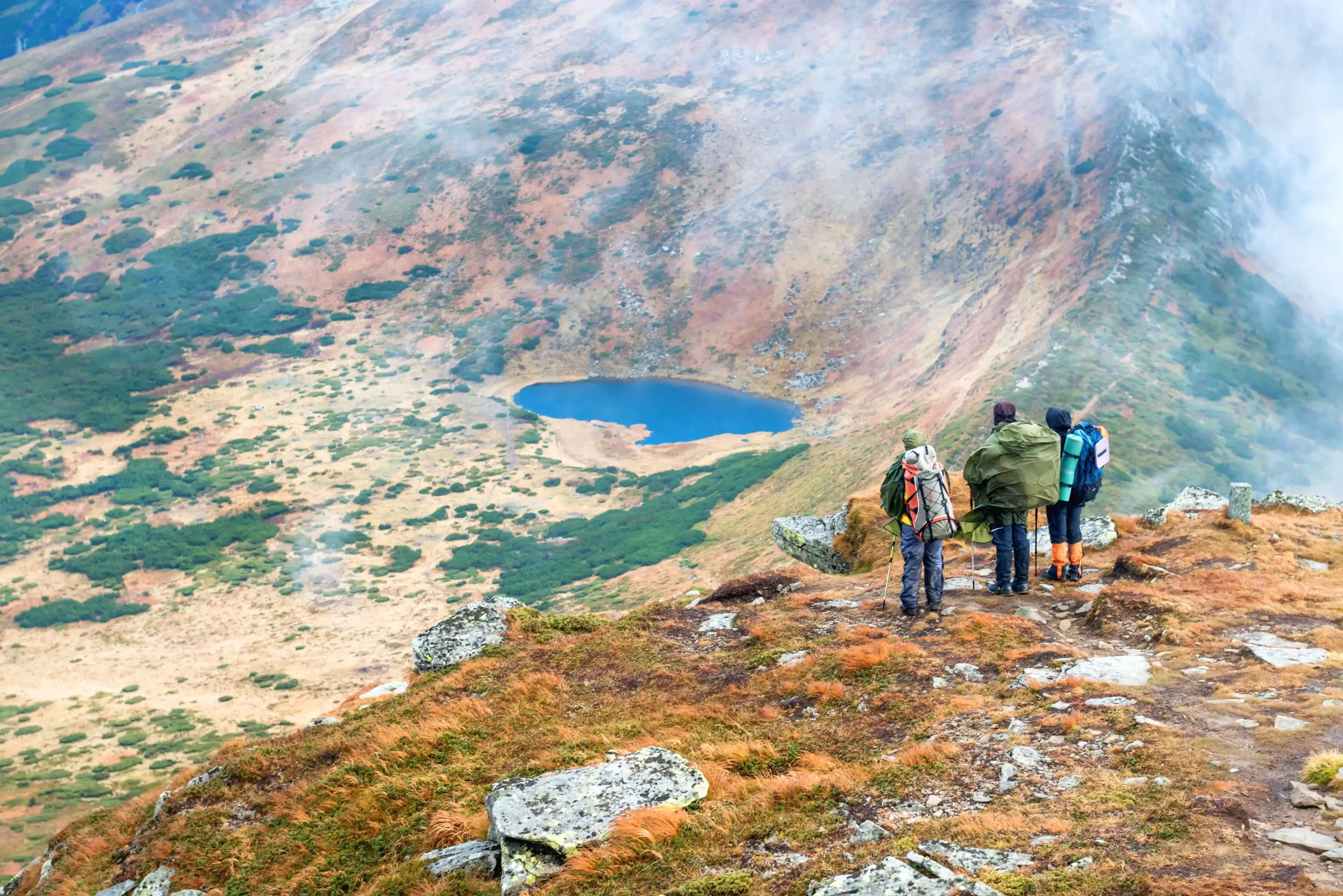
The Hampta Pass Trek is one of the most spectacular and accessible high-altitude treks in India. It’s an ideal trek for those who want to experience the Himalayan beauty without tackling the extreme difficulty levels of other passes. Here’s an overview of what to expect on this trek.
The Hampta Pass Trek is one of the most spectacular and accessible high-altitude treks in India. It’s an ideal trek for those who want to experience the Himalayan beauty without tackling the extreme difficulty levels of other passes. Here’s an overview of what to expect on this trek:
Trek Type: Crossover Himalayan Trek
Hampta Pass is a crossover trek, meaning it connects two different regions, starting in the Kullu Valley and crossing over into the Lahaul Valley. The trek offers dramatic landscape transitions, with trekkers experiencing everything from lush forests to barren, snow-covered terrains. It’s an incredible way to witness the Himalayan diversity in a single journey.
Duration: 4–5 Days
The Hampta Pass trek is generally completed in 4 to 5 days, making it a manageable adventure for most trekkers. Over the course of this trek, you’ll have enough time to acclimatize and fully absorb the stunning surroundings, with rest days in between to adjust to the high altitude and intense trekking.
Difficulty: Easy to Moderate
The trek is classified as easy to moderate, with moderate gradients and some steep sections, but it is still manageable for beginners. The trek doesn’t require prior high-altitude experience, making it a perfect introduction to Himalayan trekking. However, trekkers should be prepared for some physical challenges, particularly on the days that involve summit crossings or river crossings
Best Suited For: Beginners + First-Time High-Altitude Trekkers
This trek is ideal for beginners or those trekking at high altitudes for the first time. With manageable elevation gain and clear, well-marked paths, it provides a great opportunity to experience the Himalayas without the extreme difficulty or technical challenges of other, more advanced treks.
Hampta Pass Trek Route (Detailed Breakdown)
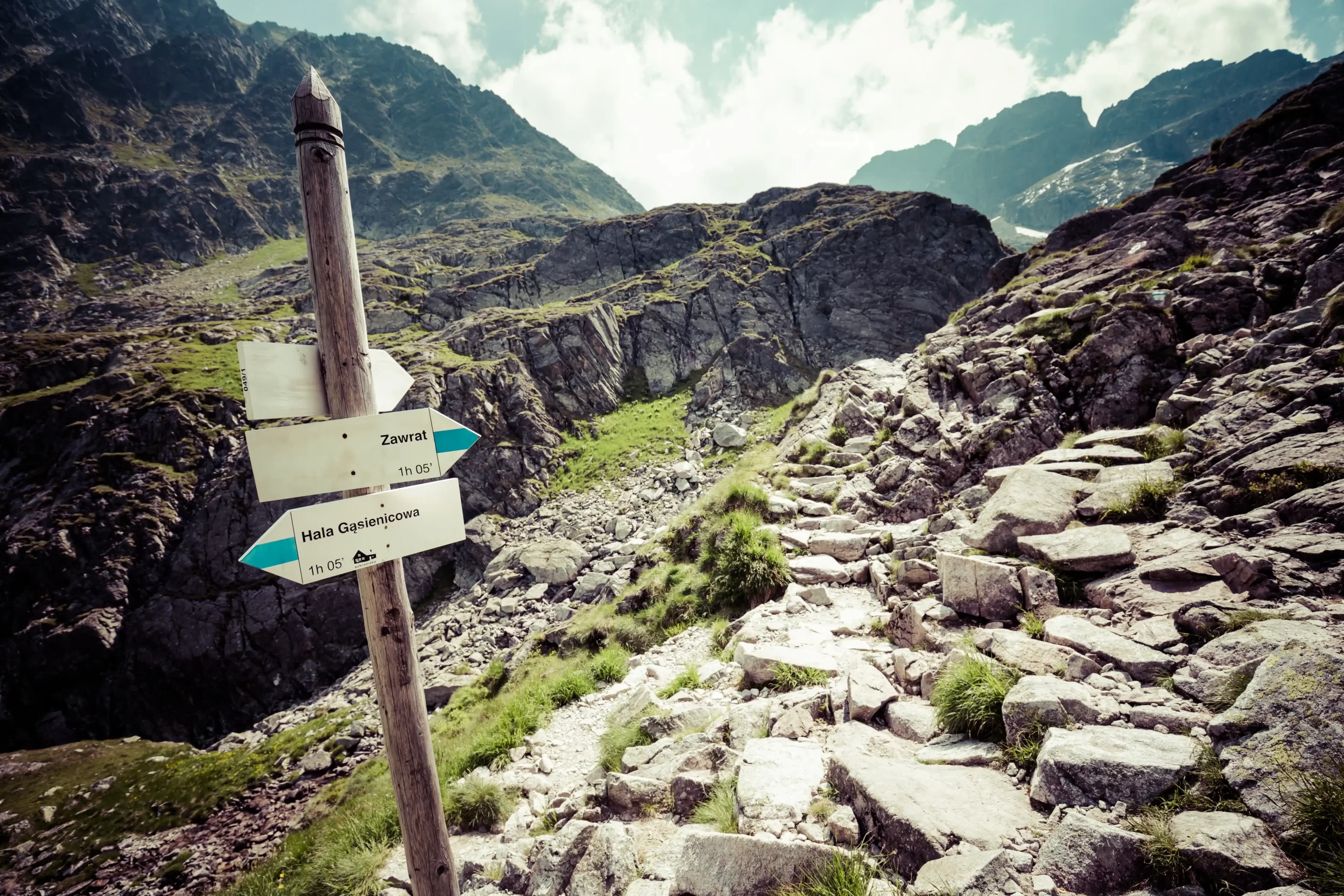
The Hampta Pass trek route offers a variety of landscapes and experiences, each section with its own unique features. Here’s a breakdown of each leg of the trek, highlighting what to expect.
Manali → Jobra (Base Start Point)
- Scenic Drive: The trek begins with a scenic drive from Manali to Jobra, the base start point. The journey takes you through lush valleys, rivers, and small villages, with views of the snow-capped peaks in the distance. The drive itself is an experience, offering a perfect preview of the landscapes you’ll encounter on the trek.
- Acclimatization: Jobra is the starting point of the trek, and it serves as the perfect acclimatization stop before heading up. It’s important to rest here to adjust to the altitude before beginning your trek. Acclimatizing at Jobra will ensure a smoother transition as you move higher up into the mountains.
Jobra → Chika Campsite
- Forest Trails: The trek from Jobra to Chika takes you through dense forests of oak, pine, and birch trees. The trail is easy to follow and provides a great start to the trek, as you walk under the canopy of trees, with the sounds of birds and rustling leaves all around.
- River Crossings: One of the highlights of this section is the river crossings. The river crossings require you to wade through cool, refreshing waters, making this part of the trek more adventurous. The landscapes become more open as you approach Chika Campsite, where you will set up camp for the night.
Chika → Balu Ka Ghera
- Open Valley Landscapes: After leaving Chika, the terrain opens up as you ascend into Balu Ka Ghera, an area known for its expansive valley landscapes. The path here is relatively flat, making for a comfortable day of trekking. The surrounding landscape transforms, offering views of towering snow-capped peaks and wide meadows.
- Gradual Altitude Gain: The trek continues with a gradual altitude gain, giving trekkers time to acclimatize and adjust to the increasing height. This section is a great opportunity to relax, enjoy the natural surroundings, and get ready for the more challenging parts of the trek.
Balu Ka Ghera → Hampta Pass → Shea Goru
- Main Summit Crossing Day: This is the most challenging and exciting day of the trek. From Balu Ka Ghera, you will head toward Hampta Pass itself, which stands at an altitude of around 4,270 meters (14,010 feet). As you reach the summit, the views of the surrounding peaks and valleys are absolutely breathtaking.
- Snow Patches & Dramatic Terrain: As you ascend, you’ll encounter snow patches and rocky terrains. The path is steep and requires careful navigation, but the reward is a dramatic panoramic view of the Lahaul Valley and the snow-covered peaks that surround the pass.
- Shea Goru: After crossing Hampta Pass, the descent to Shea Goru begins. Shea Goru is a small campsite on the Lahaul side of the pass, and it offers a peaceful spot to rest after the summit crossing. The beauty of this area lies in its stark contrast to the Kullu Valley side, with barren desert landscapes and rugged terrain.
Shea Goru → Chatru
- Descent into Lahaul Valley: The final leg of the trek takes you down into Chatru, a small settlement in the Lahaul Valley. The descent is much easier, and you’ll feel a sense of relief after the challenging ascent of Hampta Pass. The changing landscapes— from rocky slopes to green meadows— make this part of the trek unique and peaceful.
- Chatru is the endpoint of the trek, where you can relax, reflect on the adventure, and start your journey back to Manali.
Hampta Pass Trek Distance, Altitude & Duration
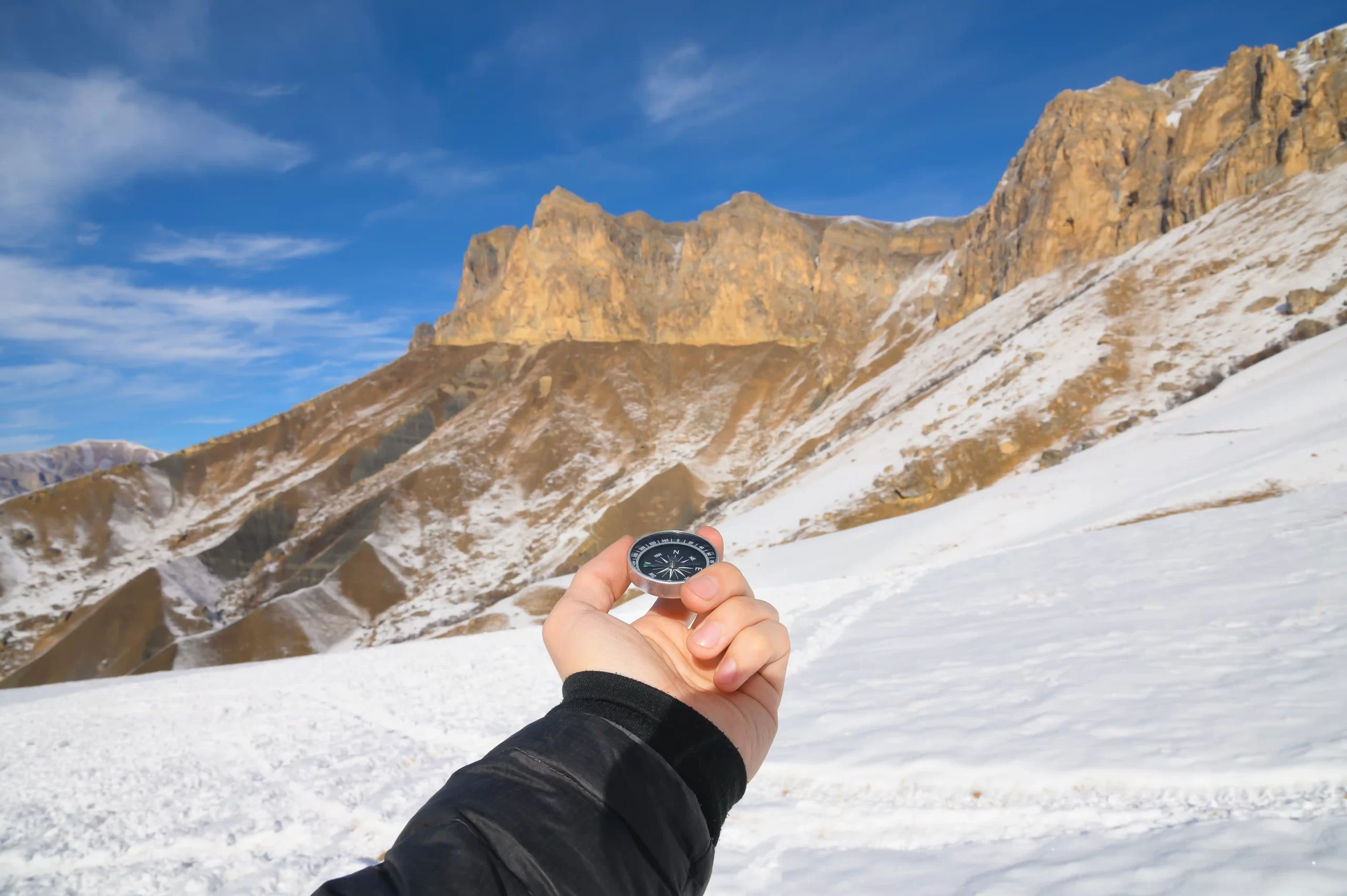
The Hampta Pass Trek is one of the most beautiful and accessible high-altitude treks in India, known for its dramatic landscapes and moderate difficulty. Here’s a breakdown of key trek metrics.
Trek Distance: ~25–30 km Approx
The entire Hampta Pass trek covers a distance of approximately 25–30 kilometers. The trek spans several days, with varying distances covered each day depending on the section. While it’s not an exceptionally long trek, the altitude and terrain make it an enriching adventure.
Altitude: ~14,100 ft
The highest point of the Hampta Pass trek is at an elevation of around 14,100 feet (4,270 meters) at the Hampta Pass summit. This high-altitude crossing offers trekkers incredible views but requires adequate acclimatization. Despite the moderate trek duration, the altitude means you need to be prepared for the conditions, particularly on the summit day.
Trek Time Breakdown (Day-Wise)
- Day 1: Manali to Jobra
After a scenic drive from Manali, you reach Jobra, the starting point of your trek. This day allows you to acclimatize to the higher altitude and prepare for the trek ahead.
- Day 2: Jobra to Chika Campsite (~6-7 km)
A relatively short trek through forest trails and river crossings, taking around 3-4 hours. The campsite provides beautiful views of the valley.
- Day 3: Chika to Balu Ka Ghera (~6-7 km)
A moderate trek with gradual altitude gain, taking around 5-6 hours. This section offers stunning meadow landscapes and is perfect for trekkers looking to experience the Himalayan valley beauty.
- Day 4: Balu Ka Ghera to Hampta Pass Summit to Shea Goru (~8-10 km)
This is the most challenging day. It includes the summit crossing at 14,100 ft, followed by a descent to Shea Goru. Expect 7-8 hours of trekking, crossing snow patches and rugged terrain.
- Day 5: Shea Goru to Chatru (~6-7 km)
A relatively easy descent into Lahaul Valley, taking about 4-5 hours. The trail will lead you to Chatru, where you can unwind and reflect on the adventure.
Hampta Pass Trek Difficulty & Safety
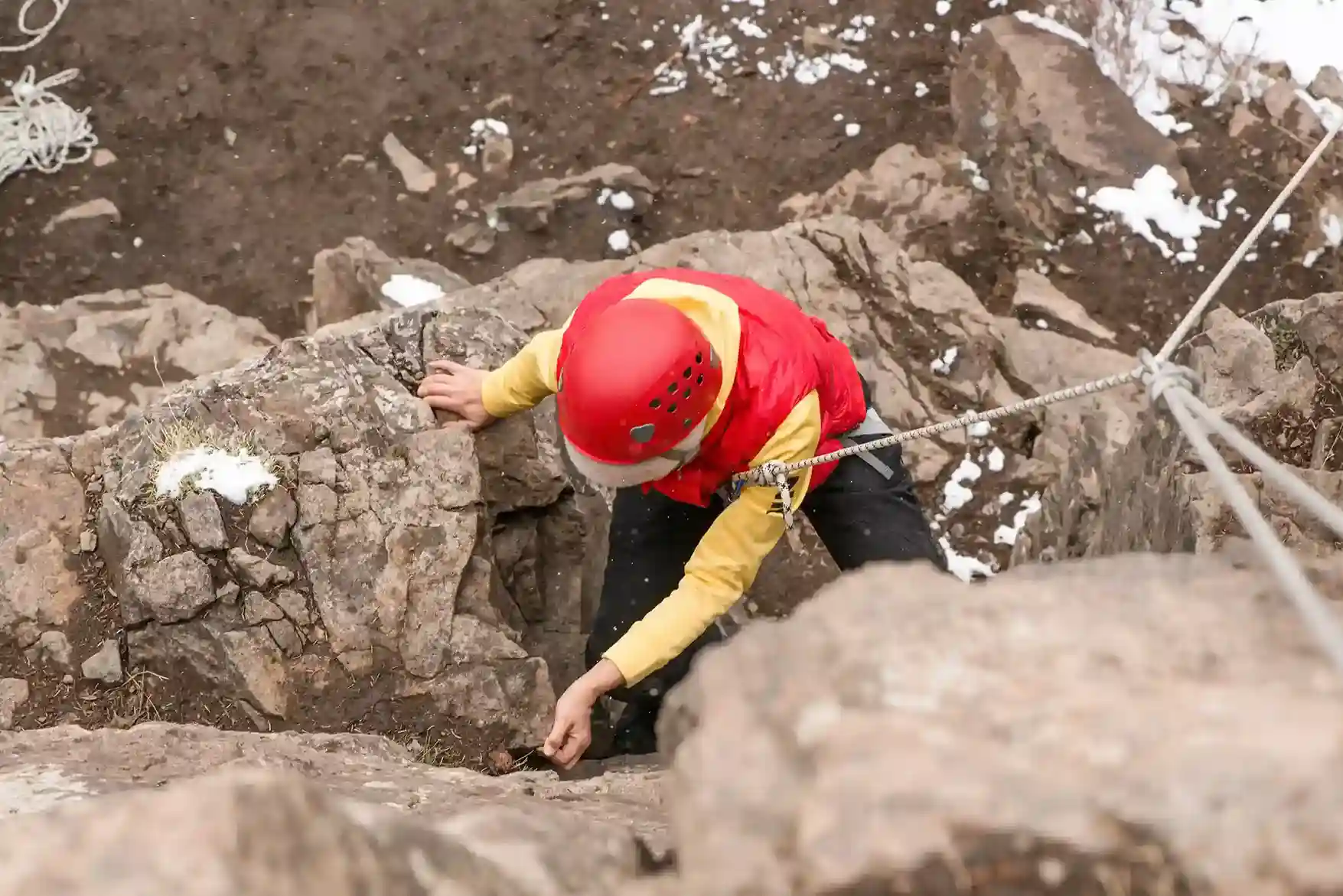
While the Hampta Pass trek is considered a moderate trek, trekkers must still be aware of certain challenges to ensure a safe and enjoyable experience. Here’s everything you need to know about its difficulty, fitness requirements, and safety tips.
Is Hampta Pass Difficult?
The Hampta Pass trek is classified as moderate in difficulty, which makes it suitable for beginners and intermediate trekkers. However, the high altitude and variable weather conditions can present challenges, particularly on summit day. The trek includes river crossings, steep ascents, and rocky terrain, but it is not as physically demanding as some of the more technical Himalayan treks.
While the trek does not require technical climbing skills, trekkers should still be prepared for long trekking days, especially during the summit crossing. The combination of altitude, weather conditions, and uneven terrain means trekkers should be physically fit and mentally prepared for a multi-day trek at high elevations.
Fitness Requirements
To undertake the Hampta Pass trek, trekkers should be in good physical condition. While the trek is accessible for beginners, a certain level of fitness is still necessary. It’s recommended that trekkers:
- Engage in cardio exercises (like running or cycling) to build endurance.
- Strengthen their legs with hiking or walking on uneven ground, as the trek involves some ascents and descents.
- Practice carrying a backpack to ensure comfort while trekking for long durations.
A fitness assessment about 2–3 weeks before the trek is recommended to ensure you’re adequately prepared.
AMS (Altitude Sickness) Awareness
As with all high-altitude treks, altitude sickness (AMS) is a concern on the Hampta Pass trek, especially as you approach the summit at 14,100 ft. Symptoms of AMS can include headaches, dizziness, nausea, and shortness of breath. To prevent AMS:
- Trek slowly and acclimatize by taking rest days if needed.
- Drink plenty of water to stay hydrated and avoid alcohol or smoking, which can exacerbate symptoms.
- If you experience symptoms of AMS, descend to a lower altitude immediately and seek medical attention.
Trekking Safety Tips
1. Carry the Right Gear: Make sure to pack the right trekking gear, including warm clothing, rain protection, sturdy trekking shoes, and a headlamp for night treks. Weather in the mountains can change rapidly, so it’s essential to be prepared for both cold and rain.
2. Stay Hydrated: Proper hydration is crucial, especially at high altitudes. Carry a water bottle with you and drink regularly to prevent dehydration.
3. Listen to Your Guide: Follow the instructions of your trek guide closely, especially during river crossings and while navigating challenging terrain. They are experienced in guiding trekkers through difficult sections and ensuring safety.
4. Be Prepared for Weather Changes: Hampta Pass sees rapid weather changes, particularly during the monsoon and winter seasons. Always check the weather forecast before your trip and pack accordingly.
5. Know Your Limits: It’s important to recognize your limits and avoid pushing yourself too hard, particularly when it comes to altitude gain. Listen to your body and take breaks when needed.
Hampta Pass Weather & Temperature Explained
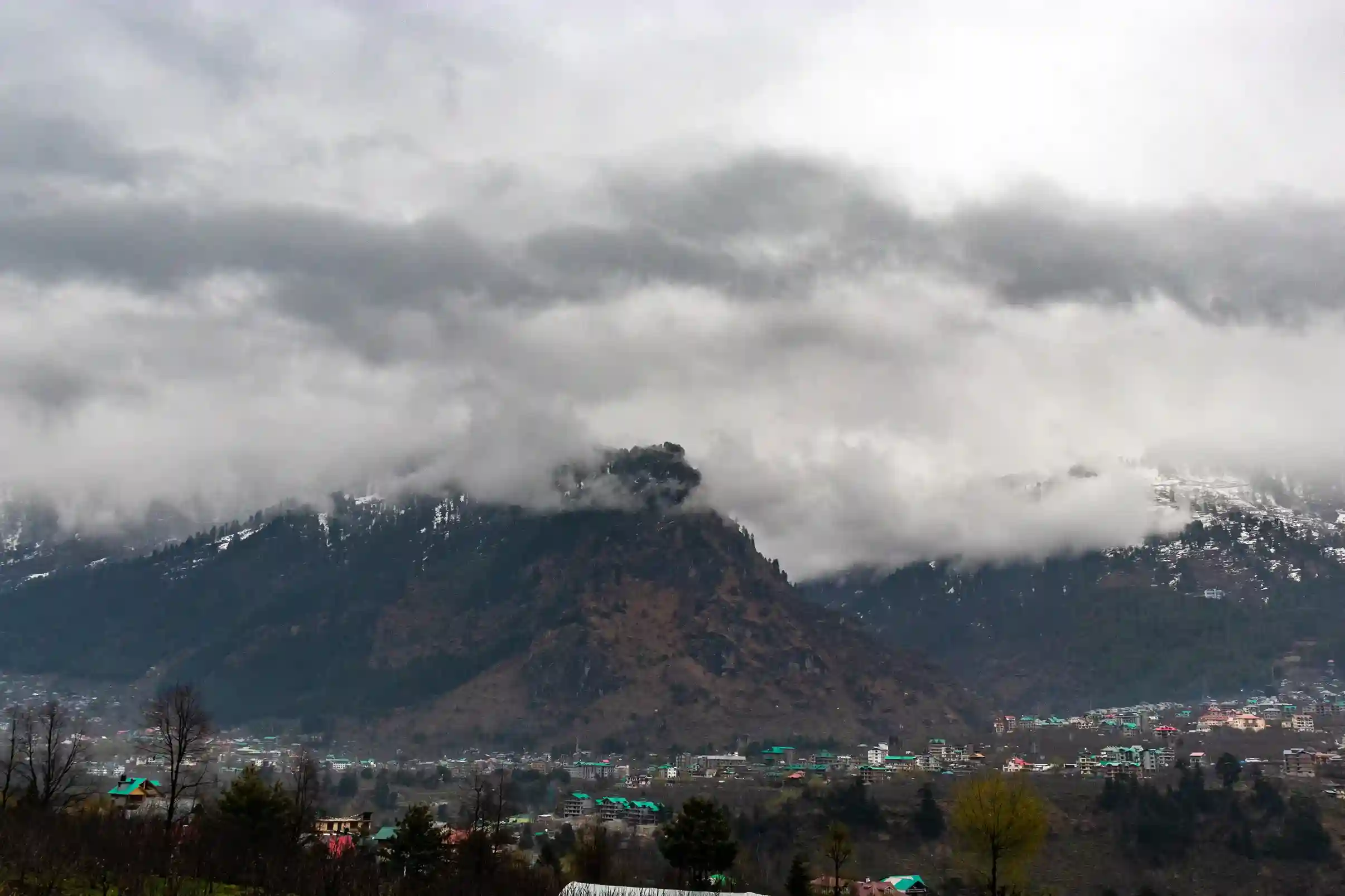
Understanding the weather and temperature conditions at Hampta Pass is crucial for planning a safe and enjoyable trek. The weather in the Himalayas is unpredictable, and conditions can change rapidly, especially as you gain altitude. Here’s a month-wise breakdown of what to expect at Hampta Pass:
Month-Wise Weather Breakdown
June to July
- Temperature: Daytime temperatures range from 12°C to 18°C (54°F to 64°F), while nighttime temperatures can drop to 3°C to 5°C (37°F to 41°F). This is considered the best time for trekking, with the snow bridges in full view and the valleys still covered in lush greenery. The trails are wet due to the early monsoon rains, but the snow bridges remain intact, providing an additional challenge for trekkers.
- Weather: Expect moderate rainfall during this period, especially on lower altitudes, making parts of the trek muddy and slippery. You’ll also encounter snow patches at higher altitudes.
August to September
- Temperature: Daytime temperatures are around 14°C to 18°C (57°F to 64°F), while nighttime temperatures can drop to 0°C to 3°C (32°F to 37°F). This is the post-monsoon period, with clearer skies and more stable weather conditions. Snowfall becomes more likely at higher elevations, but it’s still accessible for trekkers.
- Weather: After the monsoon rains, the trails are much clearer, and the conditions are more stable. The landscape shifts, and trekkers can witness breathtaking views of snow-capped peaks and dry meadows. This is a great time for trekkers who want clear views and safer trails.
October to November
- Temperature: As the winter approaches, temperatures can drop significantly. Daytime temperatures average 8°C to 12°C (46°F to 54°F), while nighttime temperatures can fall to -5°C to 0°C (23°F to 32°F). The weather can become increasingly cold and harsh, with snow covering much of the landscape, making it less accessible.
- Weather: Snow becomes more prevalent, and trekking conditions can become difficult, especially after the first snowfall. However, for those seeking a winter trek experience, it offers a beautiful, serene atmosphere, albeit at a higher risk level due to the harsh conditions.
Rain, Snow, and Temperature Conditions
The Hampta Pass trek is affected by monsoon rains, especially between June and July, which cause slippery trails and river crossings to become challenging. Snowfall becomes more likely after August, especially at higher altitudes, with snow patches and snow bridges being prominent features from September onwards. The temperature variation between day and night is significant, with cold nights at higher altitudes.
Day vs. Night Temperatures
- Daytime: During the trekking hours, the temperature remains relatively pleasant but can still be cold in the early mornings. Expect temperatures between 12°C to 18°C in summer and 8°C to 14°C in autumn.
- Nighttime: As you ascend into higher altitudes, temperatures can drop significantly, especially at Balu Ka Ghera, Hampta Pass, and Shea Goru campsites. Nighttime temperatures can drop to 0°C to 5°C during the summer and even lower during the winter months. You must pack warm clothing to ensure a comfortable stay.
Best Time to Visit Hampta Pass (With Tradeoffs)
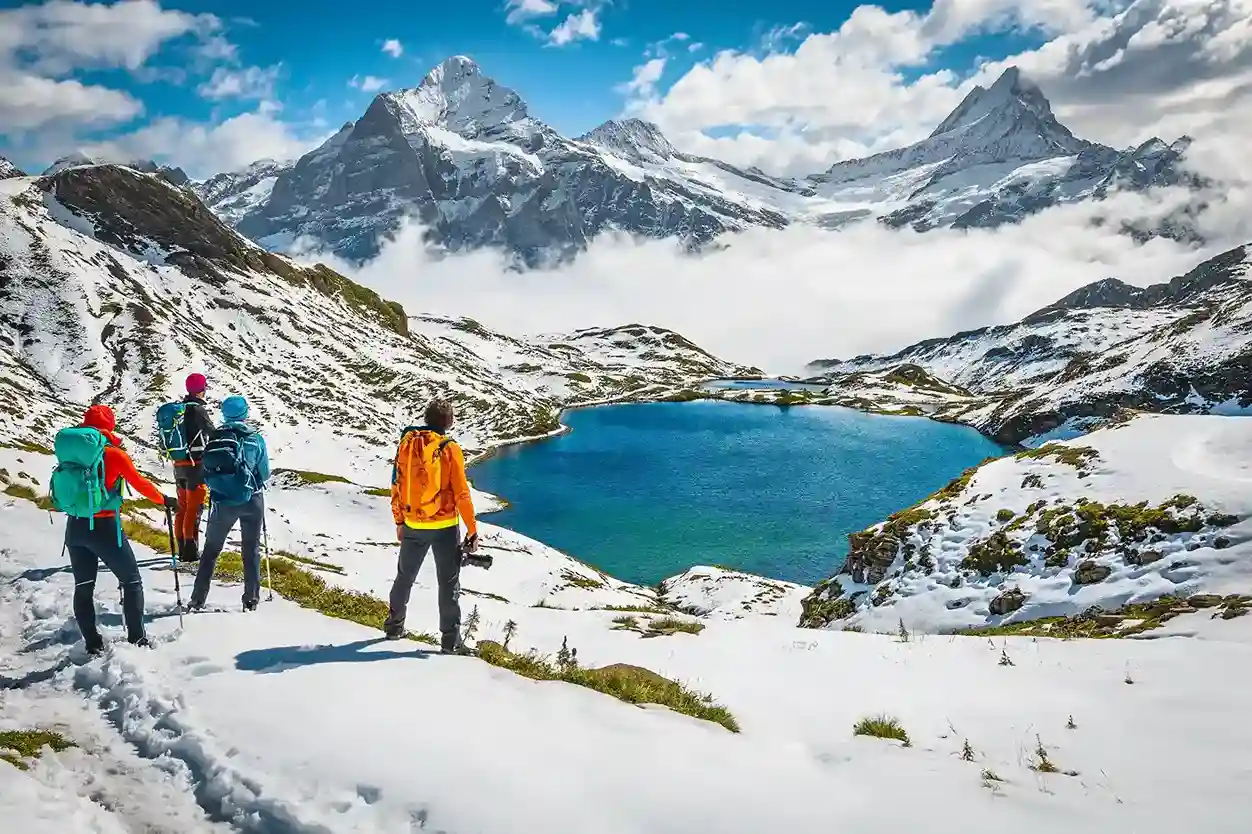
The best time to visit Hampta Pass depends on what kind of experience you’re seeking—whether it’s the snowy landscape, lush greenery, or clear trails. Here’s a breakdown of the best time to trek based on the seasonal features and tradeoffs:
June–July (Snow Bridges + Greenery)
- Pros: This is the peak trekking season for those who want to experience snow bridges and green valleys. The lower altitudes will be lush and green, while the higher altitudes will still have patches of snow. The snow bridges offer a unique challenge for trekkers and add an extra layer of adventure to the trek.
- Cons: Monsoon rains bring a higher chance of wet trails, which can make some sections of the trek slippery and challenging. This also increases the risk of river crossings being a little more dangerous.
August–September (Clear Trails + Stable Weather)
- Pros: This period sees stable weather and clear trails after the monsoon rains. The landscape is now a mix of snow patches and dry meadows, and the snowfall risk is higher, offering trekkers a chance to experience snow-capped peaks without dealing with extreme winter conditions. Visibility is also better, making it ideal for photography.
- Cons: The temperature can be chilly at higher altitudes, and snowfall begins to increase, which can make higher parts of the trek more challenging, though it’s still accessible for experienced trekkers.
Decision Insight: Best for Snow vs. Greenery vs. Safer Trails
- For Snow and Adventure: June–July is your best bet for snow bridges and greenery. The trek will offer a combination of snow at higher altitudes and lush greenery, but weather can be unpredictable.
- For Safer Trails and Clearer Weather: August–September is the best time for those who prefer clear trails, stable weather, and the opportunity to experience the Himalayas in full splendor with a lower risk of rain or mud.
Hampta Pass Trek Package Guide
For trekkers looking to experience the Hampta Pass trek without worrying about the logistics, many tour operators offer trek packages that cover everything from meals to guides. Here’s a breakdown of what you can expect when booking a Hampta Pass trek package:
Average Package Cost: ₹5,000–₹15,000 Approx
The cost of the Hampta Pass trek package can vary depending on the operator, duration, and inclusions. On average, the cost ranges from ₹5,000 to ₹15,000, covering most of the essentials for the trek. Prices may increase during peak season or for packages that offer extra services or luxury experiences.
- Budget Packages: Typically cost around ₹5,000–₹7,000, covering the basic trek essentials like camping, meals, and guides.
- Mid-Range Packages: Costing around ₹8,000–₹12,000, these packages often include accommodation in tents, better meals, and experienced trekking guides.
- Premium Packages: ₹12,000–₹15,000 packages usually offer added perks such as better camping sites, meals from local chefs, porters for luggage, and sometimes even a luxury stay at base camps.
What’s Included in Hampta Pass Trek Packages?
Most Hampta Pass trek packages will include:
- Accommodation: Tented stays at campsites like Chika, Balu Ka Ghera, and Shea Goru.
- Meals: Nutritious and energy-boosting meals throughout the trek, typically vegetarian (with snacks, breakfast, lunch, and dinner). Some packages may also offer special dietary options like gluten-free or vegan meals upon request.
- Guides: Experienced trek leaders who are well-versed in the Hampta Pass route, responsible for ensuring safety and providing information on local culture and wildlife.
- Permits: The trek passes through protected areas, so permits are required, and these are generally included in the trek package price.
- Transport: Many packages offer transportation from Manali to Jobra (starting point), and some include a return to Manali after the trek.
DIY vs. Organized Trek
- DIY Trek: For experienced trekkers, a DIY trek can be an option, especially if you are familiar with Hampta Pass or have previous trekking experience in the Himalayas. However, arranging logistics like permits, guides, and meals can be challenging, and you will need to carry your own camping gear.
- Organized Trek: Opting for an organized trek package is recommended for those who prefer a hassle-free experience, especially beginners. Everything from transportation to guides and meals is taken care of, leaving you to focus on enjoying the trek.
Hampta Pass Trek Itinerary (Detailed Day-Wise Plan)
For trekkers planning their Hampta Pass trek, here’s a detailed day-wise itinerary to help you understand the trek’s flow and prepare accordingly.
Manali → Jobra → Chika
- Travel to Jobra: The journey begins with a drive from Manali to Jobra, where the trek officially starts. It’s a scenic drive through picturesque landscapes, passing small villages and the lush Kullu Valley.
- Acclimatization: Once you reach Jobra, there’s some time for acclimatization before starting the trek. The evening is spent camping at Chika, located about 6 km from Jobra. You will have your first river crossing and enjoy a peaceful night under the stars.
Chika → Balu Ka Ghera
- Trekking from Chika to Balu Ka Ghera: Today, the trek continues towards Balu Ka Ghera, located at an altitude of about 3,600 meters (11,800 feet). This section takes around 5-6 hours and includes a steady ascent with views of the snow-capped peaks and the Kullu Valley.
- Camping at Balu Ka Ghera: Arrive at Balu Ka Ghera, where you will set up camp for the night. It’s an open valley campsite surrounded by snow-covered peaks and a spectacular view of the Hampta Pass.
Hampta Pass Crossing → Shea Goru
- Summit Day: Today is the most exciting and challenging part of the trek as you cross Hampta Pass at an altitude of 4,270 meters (14,010 feet). The snow-covered terrain and the steep climb to the top are the most challenging parts of the trek.
- Hampta Pass to Shea Goru: After the summit crossing, the descent begins towards Shea Goru, which is located in the Lahaul Valley. This part of the trek takes around 6-7 hours and requires careful navigation through snow patches and rocky paths.
Shea Goru → Chatru
Descent into Chatru: The final descent of the trek takes you to Chatru, a small settlement in Lahaul Valley. The trek here is easier and takes about 4-5 hours, offering views of rocky terrain and distant peaks. Once you reach Chatru, you’ll relax and reflect on the amazing journey you’ve just completed.
Optional Day 5: Chandratal Excursion
- If you have extra time and energy, you can opt for a visit to Chandratal Lake (often included in some trek packages). It’s a beautiful high-altitude lake located about 14 km from Chatru, known for its crystal-clear waters and surrounded by snow-covered peaks. It’s an optional excursion for trekkers looking for an added adventure.
Things to Do Around Hampta Pass
While the Hampta Pass trek itself is a thrilling adventure, there are several other exciting activities and places to explore around the region, enhancing your overall Himalayan experience. Here are some of the best things to do:
Visit Chandratal Lake
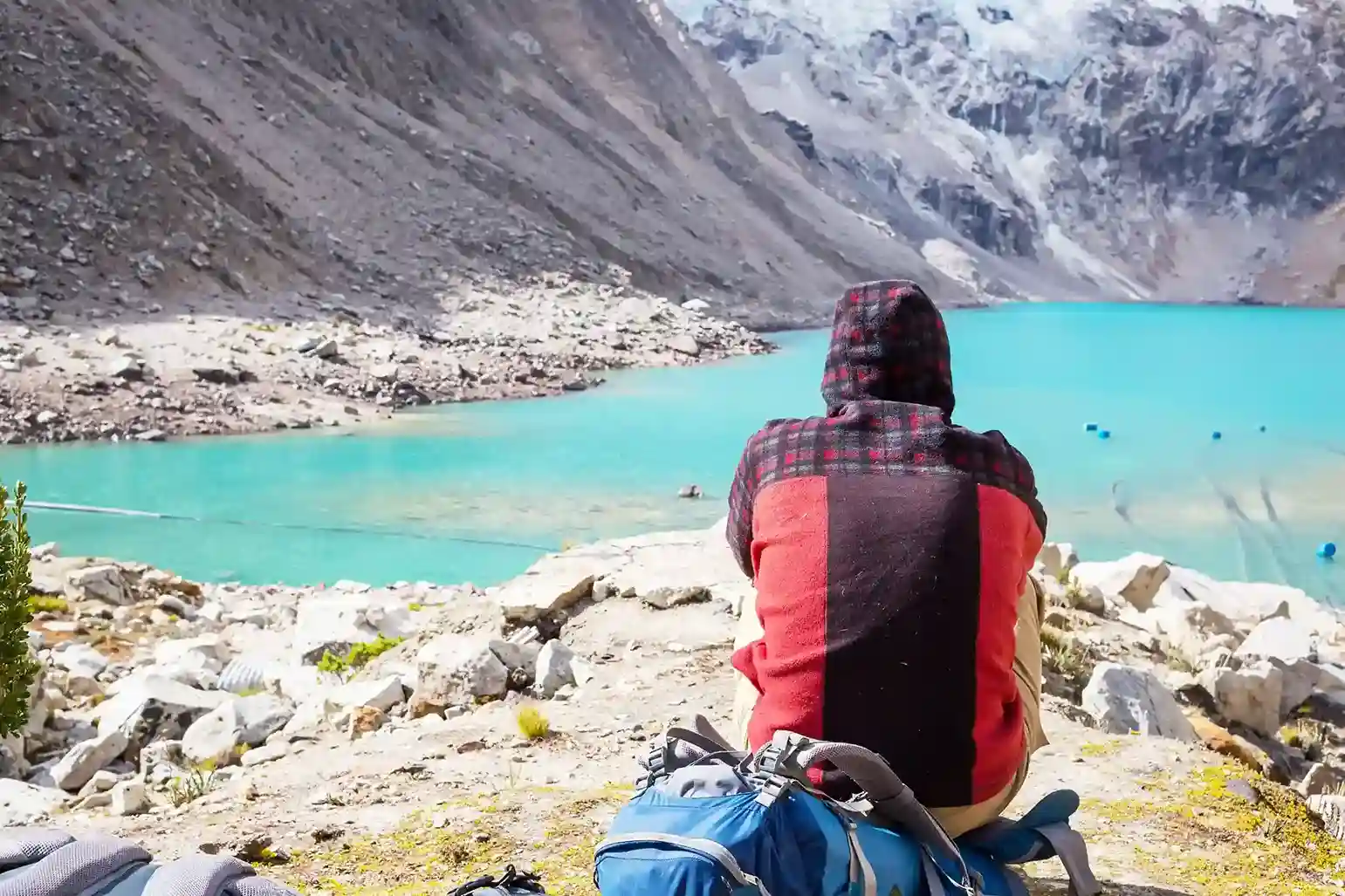
Located just a short distance from Chatru, Chandratal Lake is a stunning high-altitude lake that should not be missed. Known as the “Moon Lake”, it is famous for its crystal-clear waters, surrounded by snow-capped peaks and meadows. The lake gets its name from its crescent shape, which resembles the moon. The optional excursion to Chandratal can be a perfect end to your Hampta Pass adventure, offering a serene and peaceful experience. It’s also a photographer’s dream, with its breathtaking landscapes and the surrounding beauty.
Explore Manali Cafés
After completing the Hampta Pass trek, you can unwind in Manali, a popular hill station known for its vibrant café culture. From backpacker hangouts to cozy cafés with views of the mountains, Manali has something for everyone. Enjoy a hot coffee, indulge in local delicacies, and relax after your trekking journey. Some popular cafés in Old Manali include The Johnson’s Café, Café 1947, and The Lazy Dog—ideal spots to reflect on your trek and connect with fellow travelers.
Camping Under the Stars
The Hampta Pass trek offers a magical camping experience. Whether you’re camping at Chika, Balu Ka Ghera, or Shea Goru, spending the night under the stars in the midst of the Himalayan mountains is an unforgettable experience. The clear night skies, free of light pollution, provide the perfect setting for stargazing. Imagine drifting off to sleep with the cool mountain air and waking up to the stunning sunrise over the mountains—it’s an experience that captures the essence of mountain life.
Photography
The Hampta Pass trek offers some of the most photogenic landscapes in the Himalayas. Whether it’s the green meadows, snow-covered peaks, river crossings, or the high-altitude deserts, there’s no shortage of beautiful scenes to capture. The scenic beauty at every stage of the trek, including Chandratal Lake, Balu Ka Ghera, and the Hampta Pass summit, provides incredible photography opportunities. Make sure your camera is ready to capture the raw, untouched beauty of this unique crossover trek.
How to Reach Hampta Pass Trek Base
The Hampta Pass trek is easily accessible, with Manali being the closest major town. From Manali, trekkers can reach Jobra, the base point, where the trek officially begins. Here’s a detailed guide on how to reach Hampta Pass:
Reach Manali via Road/Air
- By Road: The most common way to reach Manali is by road. It’s well-connected to Delhi, Chandigarh, and other major cities through national highways. A drive from Delhi to Manali typically takes about 12-14 hours. You can hire a private taxi or take a volvo bus from Delhi or Chandigarh to Manali. If you’re coming from Bangalore, you can travel by train to Chandigarh and then take a bus or taxi to Manali.
- By Air: The nearest airport to Manali is Bhuntar Airport, located around 50 km away. There are direct flights from Delhi to Bhuntar, and from there, you can take a taxi to Manali. However, flights can be limited and may not be the most reliable during the winter months, when weather conditions can affect flight schedules.
Transport to Jobra
By Road: Once you’ve reached Manali, you’ll need to take a scenic drive to Jobra, the starting point of the trek. Jobra is located about 20 km from Manali, and it usually takes about 1-1.5 hours by car or taxi to reach the base. This part of the journey is a great way to acclimatize before starting the trek, as you’ll pass through beautiful landscapes and remote villages along the way.
Trek Operator Pickup Options
If you’ve booked a trekking package, many trek operators provide pickup and drop-off services from Manali to Jobra. Most operators organize group treks, so transportation to the base will be included in the package. The trek operator pickup is usually coordinated with the group’s arrival time, ensuring that trekkers have a smooth and seamless start to their journey.
If you’re traveling independently, you can easily arrange for local taxis or buses from Manali to Jobra.
Travel Tips for Hampta Pass Trek
The Hampta Pass trek is an incredible adventure, but to ensure a smooth and enjoyable experience, preparation is key. Here are some essential travel tips for trekkers:
Carry Layered Clothing
The weather at Hampta Pass can be highly unpredictable, especially as you ascend through varying altitudes. It’s important to carry layered clothing so you can adjust to the changing temperatures throughout the day.
- Base Layer: Choose a moisture-wicking base layer to keep sweat away and stay comfortable.
- Middle Layer: A fleece or down jacket for insulation will help keep you warm.
- Outer Layer: A windproof and waterproof jacket is essential to protect you from rain or snow, especially in the higher altitudes.
- Accessories: Don’t forget warm gloves, a hat, and a scarf for extra protection from the cold and wind.
Waterproof Trekking Shoes Mandatory
Since the trek involves river crossings and potential wet conditions (especially during the monsoon), waterproof trekking shoes are a must.
- Choose shoes with good grip and ankle support for navigating rocky terrain and snow patches.
- Ensure the shoes are water-resistant or waterproof to keep your feet dry during river crossings and wet weather.
- It’s advisable to break in your shoes before the trek to avoid discomfort or blisters.
Acclimatize Properly in Manali
Acclimatization is crucial for a successful trek, especially at high altitudes. Before starting the Hampta Pass trek, spend at least 1–2 days in Manali to allow your body to adjust to the altitude.
- Manali itself sits at an altitude of about 2,050 meters (6,726 feet), and this will help your body adapt before reaching the higher altitudes of Hampta Pass.
- Take it easy on your first day and avoid strenuous activities. Stay hydrated, eat well, and give your body time to adjust to the altitude.
- If possible, take short walks or hikes around Manali to help your body adjust gradually.
Avoid Overpacking
Packing light is essential for a comfortable trek. While you need to be prepared for all weather conditions, avoid overpacking as carrying extra weight can slow you down and cause unnecessary fatigue.
- Keep your backpack weight to a minimum. Aim for a backpack size of about 40–50 liters.
- Pack only essential items, such as clothing layers, snacks, a water bottle, a first-aid kit, and a camera for capturing the memories.
- Leave behind any non-essential items to ensure you have enough space and comfort during the trek. Remember, you will be walking for hours each day, so lightweight gear will make your journey much more manageable.
FAQs
Where is Hampta Pass located?
Hampta Pass is located in Himachal Pradesh, India, connecting the Kullu Valley with the Lahaul Valley. The trek starts from Manali, a popular hill station, and passes through scenic landscapes, offering breathtaking views of both Kullu’s lush meadows and Lahaul’s barren mountains.
What is Hampta Pass famous for?
Hampta Pass is famous for its dramatic landscape transition, from the lush Kullu Valley to the rugged, barren Lahaul Valley. It’s also known for being a moderate beginner-friendly trek that offers an adventure into the Himalayan terrain, featuring river crossings, snow bridges, and breathtaking panoramic views.
What is the distance of Hampta Pass Trek?
The Hampta Pass trek spans a distance of approximately 25-30 km, covering a variety of terrains and landscapes. The trek typically takes 4 to 5 days, with varying daily distances depending on the segment, providing a balanced mix of challenge and enjoyment for trekkers.
What is the altitude of Hampta Pass?
The highest point of the Hampta Pass trek is at an altitude of around 14,100 feet (4,270 meters). This summit offers spectacular views of the surrounding snow-capped peaks and is the focal point of the trek, providing trekkers with a sense of accomplishment and awe.
Is Hampta Pass Trek difficult?
The Hampta Pass trek is considered moderate in difficulty, making it suitable for beginner to intermediate trekkers. The trek involves steep ascents, river crossings, and snowy terrain at higher altitudes, but it does not require technical climbing skills. The main challenge lies in the altitude and potential weather changes.
What is the best time for Hampta Pass Trek?
The best time to trek Hampta Pass is from June to September, during the summer and early autumn months. This period offers stable weather with clear skies and moderate temperatures. The monsoon season (June to July) brings lush greenery but also heavy rains, while August to September provides clearer trails and snow patches at higher altitudes.
What is the weather like at Hampta Pass?
The weather at Hampta Pass varies depending on the season. Daytime temperatures can range from 12°C to 18°C (54°F to 64°F), while nighttime temperatures drop to 0°C to 5°C (32°F to 41°F) at higher altitudes. Weather conditions can change rapidly, especially at higher elevations, so be prepared for cold mornings, snow or rain at higher altitudes, and clear skies during the day.
How much does Hampta Pass Trek package cost?
The cost of the Hampta Pass trek package typically ranges between ₹5,000 and ₹15,000. Budget packages generally include meals, accommodation, and guides, while more premium options may offer extra amenities, such as luxury camping or porters. The price can vary depending on the trekking company, season, and package inclusions.
Is Hampta Pass worth visiting?
Yes, Hampta Pass is worth visiting for anyone seeking a memorable Himalayan trekking experience. Its combination of lush greenery, snow-capped peaks, and moderate difficulty makes it an accessible yet thrilling adventure. It’s especially ideal for beginners, nature lovers, and those wanting to experience the Himalayas without undertaking a more technical or strenuous trek.
How many days are needed for Hampta Pass Trek?
The Hampta Pass trek usually takes about 4–5 days to complete. This includes ample time for acclimatization, trekking, and camping along the way. Each day’s trek is designed to allow trekkers to gradually gain altitude and enjoy the stunning scenery, with enough time to rest and adjust.
Read more >>>
Tirthan Valley Travel Guide – Treks, Stay & Best Time to Visit
Best Time to Visit Jibhi – Weather, Snowfall & Travel Guide
Final Take: Is Hampta Pass Trek Worth It?
Hampta Pass is undoubtedly one of the most rewarding treks in India, offering a blend of adventure, stunning landscapes, and a challenging yet accessible trekking experience. Here’s a breakdown of who will love this trek and who might want to skip it:
Who Will Love It
- Beginner Trekkers: If you’re new to trekking or have limited experience with high-altitude treks, Hampta Pass is the perfect choice. The trek is classified as moderate, making it accessible to beginners and those looking to explore the Himalayas without tackling more strenuous climbs.
- Photographers: The Hampta Pass trek offers some of the most scenic landscapes in the Himalayas. From green valleys and snow-capped peaks to river crossings and meadows, it’s a photographer’s dream. Whether you’re an amateur or a professional, the breathtaking views and changing landscapes will provide ample opportunities to capture stunning shots.
- Adventure Seekers: The trek offers a perfect mix of adventure with river crossings, snow patches, and the thrill of summiting the Hampta Pass at 14,100 ft. It’s a satisfying journey for those who crave a moderate challenge with a side of beautiful Himalayan adventure.
Who May Skip
- Travelers Uncomfortable with Camping or Altitude: The Hampta Pass trek involves camping under the stars at various campsites throughout the journey. If you’re uncomfortable with camping or the idea of high-altitude trekking, where you might experience symptoms of altitude sickness, this might not be the ideal trek for you. While it’s beginner-friendly, it still requires some physical and mental endurance, particularly at higher altitudes.
Plan Your Hampta Pass Trek Trip with Offto Travellers
Offto travellers, it’s time to embrace the beauty of the Himalayas! The Hampta Pass Trek offers everything you’ve been craving – scenic landscapes, challenging yet accessible trekking, and a chance to immerse yourself in the stunning vistas. Whether you’re a beginner trekker, a photographer, or an adventure seeker, this trek has something special for you.
Book your trek now and secure your spot on one of India’s most breathtaking crossover experiences. From guides to camping stays, Offto provides everything you need to make this journey seamless and unforgettable. Book your stay today and embark on an adventure you’ll never forget!
Sign up
Leave a Reply