
Sainj Valley, located in Himachal Pradesh, is an offbeat destination known for Shangarh Meadows, peaceful villages, and access to the Great Himalayan National Park. Ideal for slow travel, trekking, and nature lovers, it offers raw Himalayan beauty away from crowds and commercialization.
Introduction of Sainj Valley?
Sainj Valley is a hidden gem located in Kullu district, in the state of Himachal Pradesh. Tucked away in the lesser-explored part of the Himalayas, it lies within the buffer zone of the Great Himalayan National Park, making it one of the most untouched destinations in North India.
Location & Route (How to Reach Sainj Valley)
To reach Sainj Valley, you first need to get to Aut, which is located on the Chandigarh–Manali highway (NH3). From Aut, a scenic mountain road takes you deep into the valley:
- Route: Aut → Larji → Sainj → Shangarh
- The drive itself is a highlight, with river views, pine forests, and quiet Himalayan villages
Distance from Major Cities
- From Kullu: ~45 km (2 hours approx)
- From Manali: ~90 km (3–4 hours)
- From Chandigarh: ~250 km (7–8 hours)
If you’re wondering how far is Sainj Valley from Himachal, it’s already within Himachal Pradesh — just a more offbeat and unexplored side of it.
Quick Insight
Unlike crowded destinations like Manali, Sainj Himachal Pradesh feels raw, peaceful, and deeply connected to nature. It’s not just a location — it’s an escape into slow Himalayan life.
Why is Sainj Valley Famous? (Why Visit?)
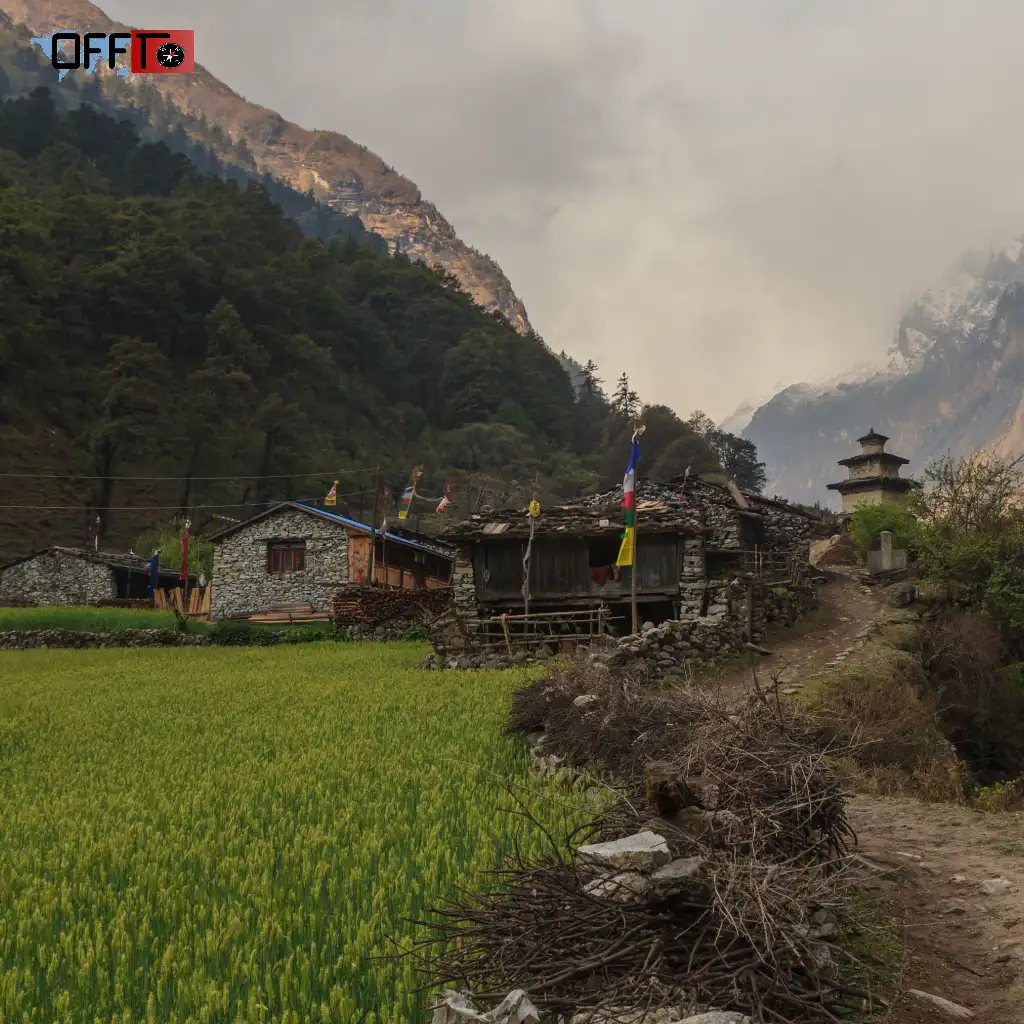
At first glance, Sainj Valley might not look like a typical tourist destination — and that’s exactly why it’s special.
This valley is not about luxury resorts or busy markets. It’s about silence, nature, and authenticity — something rare in today’s Himachal travel scene.
Part of Great Himalayan National Park (GHNP)
One of the biggest reasons behind the rising popularity of Sainj Valley is its connection to the Great Himalayan National Park, a UNESCO World Heritage Site.
- Rich in biodiversity
- Home to rare Himalayan wildlife
- Offers untouched nature trails and trekking routes
This makes Sainj a paradise for nature lovers and trekkers.
Untouched Villages + Slow Travel Vibe
Villages like Shangarh, Raila, and Deohari still follow a traditional Himachali lifestyle.
- Wooden homes, local farming, simple living
- No commercialization or tourist chaos
- Ideal for slow travel experiences
If you’re tired of crowded hill stations, Sainj Valley offers something rare — peace without distractions.
River Valleys + Raw Himalayan Landscapes
The valley is carved by the beautiful Sainj River, surrounded by:
- Dense pine forests
- Wide green meadows
- Snow-covered peaks (in winter)
The landscapes here feel untouched and cinematic, especially in places like Shangarh Meadows.
Expectation vs Reality (Important Insight)
Let’s be honest — Sainj Valley is not for everyone.
- No luxury hotels
- Limited cafes or nightlife
- Basic infrastructure in some areas
But here’s the reality:
- Pure nature
- Authentic village life
- Zero crowd, zero noise
Expectation: A touristy Himachal destination
Reality: A peaceful, offbeat Himalayan escape
Why You Should Visit Sainj Valley
If you’re looking for:
- A hidden destination in Himachal Pradesh
- A place to disconnect and slow down
- Real mountain life, not curated tourism
Then Sainj Valley might just be one of the most underrated places in India right now.
Places to Visit in Sainj Valley (Top Attractions You Shouldn’t Miss)
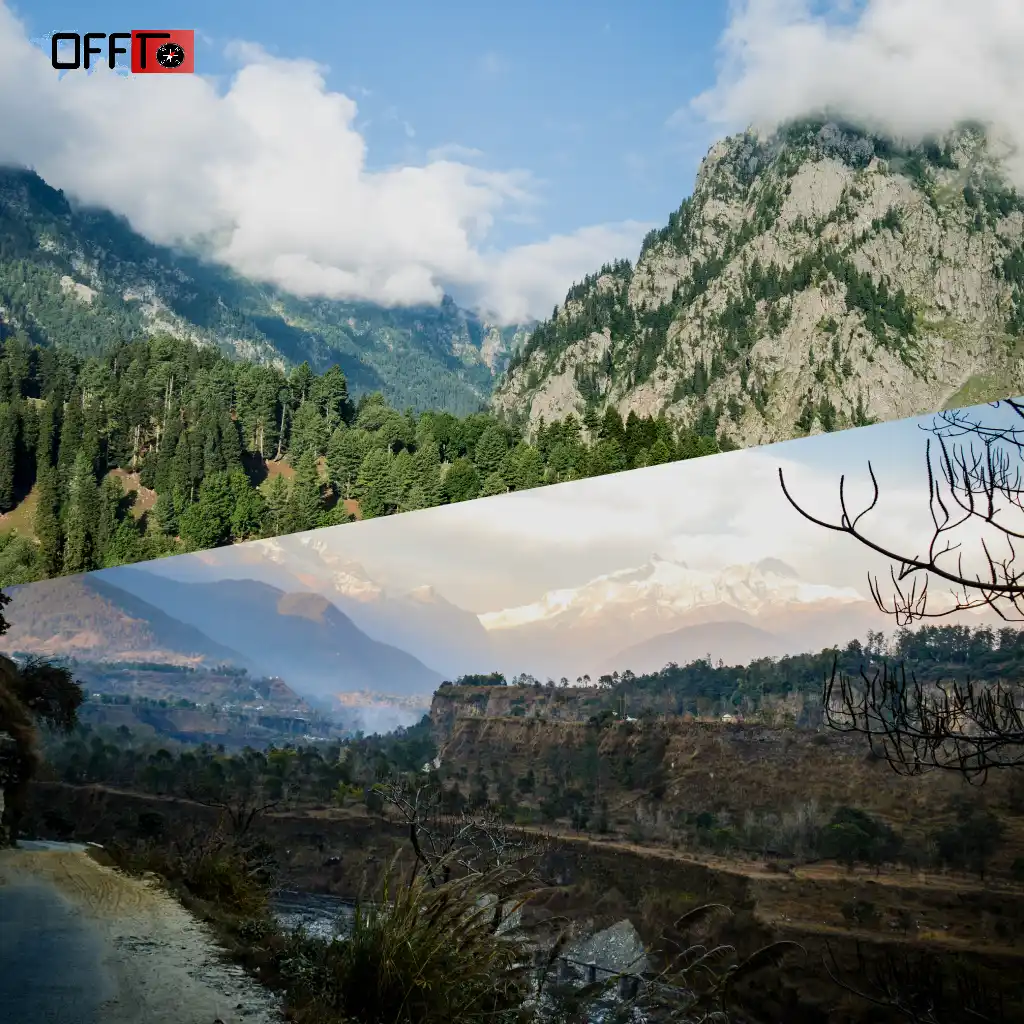
If you’re planning a trip to Sainj Valley, this is the section that truly matters. Unlike commercial hill stations, the beauty here lies in its raw landscapes, quiet villages, and untouched nature.
These are the top places to visit in Sainj Valley that define the experience:
Shangarh Meadows (The Soul of Sainj Valley)
The highlight of any trip to Sainj is the breathtaking Shangarh Meadows.
- Vast green meadows surrounded by pine forests
- Backdrop of snow-covered Himalayan peaks
- Peaceful, crowd-free atmosphere
This place doesn’t feel like a tourist spot — it feels like a hidden paradise.
What makes it special:
- Perfect for slow travel & relaxation
- Ideal for picnics, photography, and sunset views
- One of the most beautiful landscapes in Himachal Pradesh
Raktisar Lake Trek (For True Adventure Seekers)
If you’re looking for a real Sainj Valley trek experience, the Raktisar Lake trek is one of the most rewarding.
- A high-altitude trek inside the Great Himalayan National Park
- Considered the source region of the Sainj River
- Multi-day trek through forests, meadows, and glaciers
What to expect:
- Moderate to challenging difficulty level
- Raw, untouched Himalayan wilderness
- No commercialization — pure adventure
This trek is perfect for those who want to explore the wild side of Sainj Valley.
Raila & Deohari Villages (Authentic Himachali Life)
To truly understand Sainj Valley, you need to explore its villages.
Raila Village and Deohari Village offer:
- Traditional wooden Himachali homes
- Simple, slow-paced mountain life
- Warm and welcoming locals
Why visit:
- Experience local culture and lifestyle
- Stay in homestays for authentic travel
- Perfect for slow travel lovers
These villages are not attractions — they are experiences.
Great Himalayan National Park Entry Points
Sainj Valley acts as a gateway to the Great Himalayan National Park (GHNP) — one of India’s most important ecological zones.
Reality: A peaceful, offbeat Himalayan escape
- Entry points for nature trails and treks
- Rich in flora, fauna, and rare wildlife
- Ideal for eco-tourism and exploration
What you can do:
- Short guided nature walks
- Spot rare Himalayan birds and wildlife
- Explore untouched forest trails
If you love nature, this is where Sainj Valley truly comes alive.
Things to Do in Sainj Valley (Based on Travel Style)
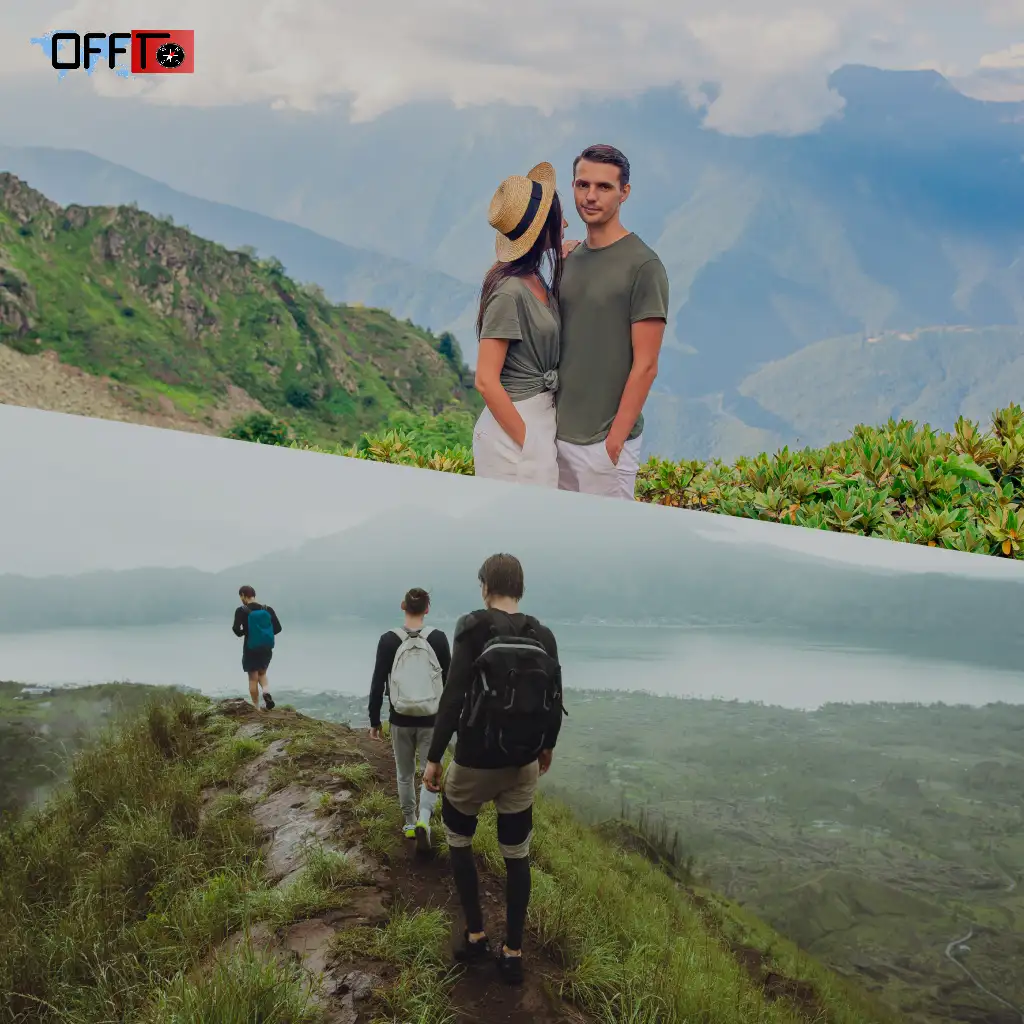
Now that you know the places, let’s talk about what all can be done in Sainj Valley — because this destination is more about experiences than checklists.
Village Stays & Slow Travel
Sainj Valley is perfect for slowing down.
The highlight of any trip to Sainj is the breathtaking Shangarh Meadows.
- Stay in local homestays
- Experience Himachali food and lifestyle
- Disconnect from city chaos
Best for:
- Solo travelers
- Couples
- Remote workers seeking peace
Nature Walks & Forest Trails
You don’t always need a big trek here.
If you’re looking for a real Sainj Valley trek experience, the Raktisar Lake trek is one of the most rewarding.
- Walk through pine forests
- Explore hidden trails around Shangarh
- Listen to the sound of the river and birds
Best for:
- Beginners
- Relaxed travelers
- Nature lovers
Trekking Experiences (Adventure Layer)
For those who want more, Sainj Valley treks offer raw Himalayan adventure:
- Shangarh short hikes
- Raktisar Lake trek
- Trails inside GHNP region
Best for:
- Trekking enthusiasts
- Offbeat explorers
Photography & Stargazing
Sainj Valley is a dream for photographers.
- Wide meadows + mountain backdrops
- Golden hour in Shangarh
- Clear skies for stargazing at night
Why it stands out:
- No light pollution
- Raw, untouched frames everywhere
Sainj Valley Trek Guide (Complete Beginner to Advanced Insight)
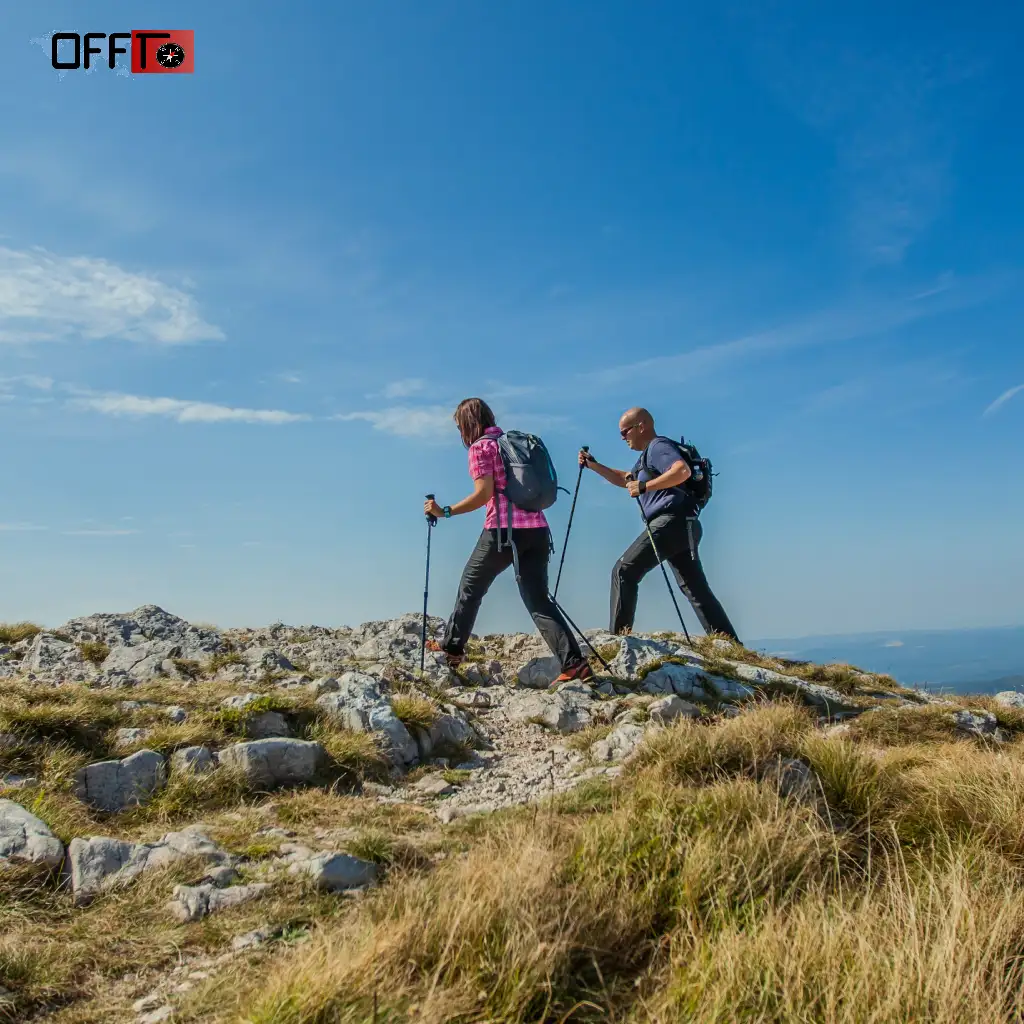
If you’re planning a trip to Sainj Valley, trekking is one of the core experiences you simply shouldn’t miss. Unlike commercial trekking hubs, the Sainj Valley trek scene is raw, peaceful, and deeply connected to nature.
Here’s a complete breakdown to help you plan:
Popular Treks in Sainj Valley
Shangarh Short Treks (Beginner Friendly)
Around Shangarh Meadows, you’ll find multiple short trails.
- Easy hikes through pine forests & meadows
- Duration: 1–3 hours
- No guide required
Perfect for:
- Beginners
- Families
- Slow travelers
Raktisar Lake Trek (Advanced Himalayan Trek)
The Raktisar Lake trek is the real deal.
- Multi-day trek inside Great Himalayan National Park
- Leads to the origin region of the Sainj River
- Raw alpine landscapes, glaciers, and remote camps
Key details:
- Duration: 4–6 days
- Difficulty: Moderate to Difficult
- Requires guide & permits
- Easy → Shangarh walks, forest trails
- Moderate → Village-to-village hikes
- Difficult → Raktisar & GHNP deep treks
- If you’re new: start with Shangarh trails
- If experienced: go for Raktisar or GHNP treks
What to Expect on Sainj Valley Treks
This is not your typical Himachal trekking experience.
This is not your typical Himachal trekking experience.
- No crowded trails
- No cafes or checkpoints
- No network in most areas
Instead, you get:
- Pure wilderness
- Silence & solitude
- Authentic Himalayan terrain
Expect basic conditions, but unforgettable views.
Sainj Valley Weather & Temperature Explained
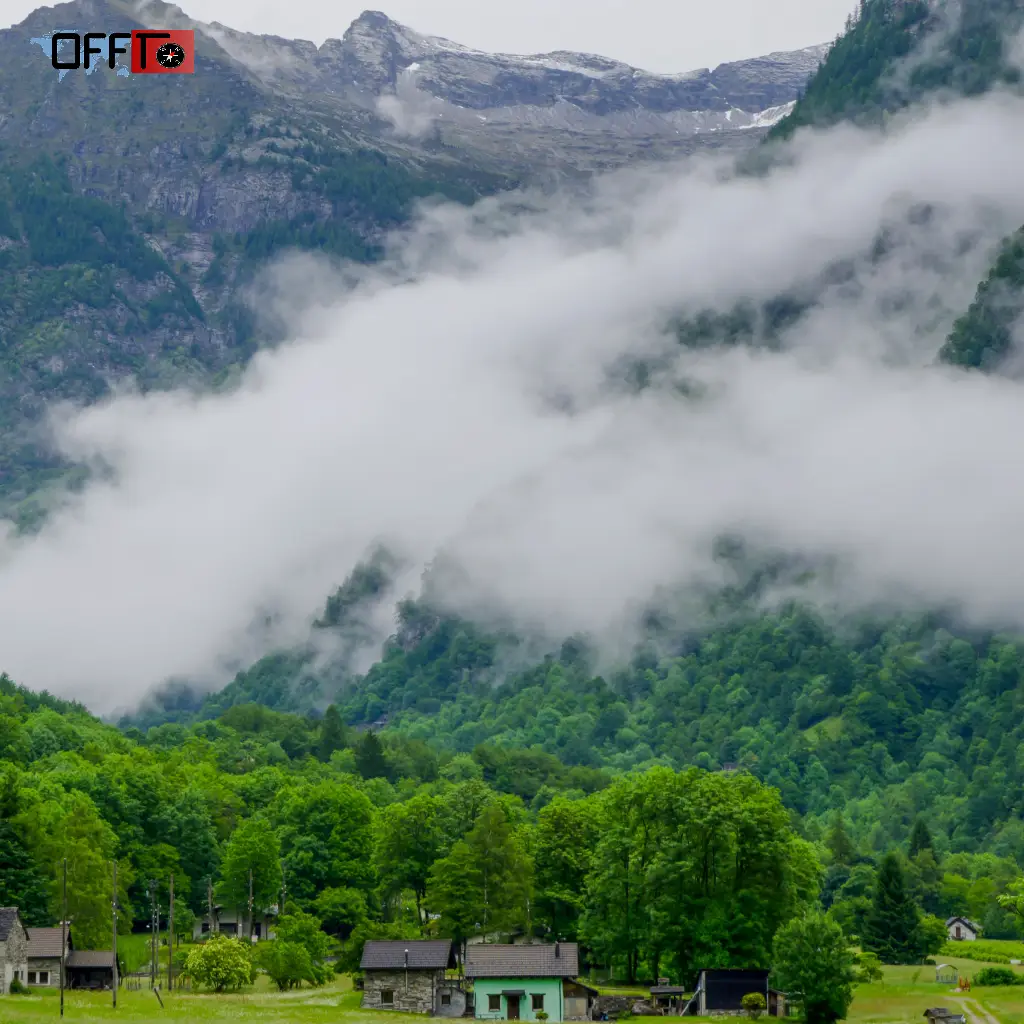
Understanding Sainj Valley weather is extremely important — it directly impacts your travel experience, trekking plans, and stay comfort.
Month-Wise Weather Breakdown
March – June (Spring/Summer)
- Temperature: 10°C to 25°C (day)
- Nights: 5°C to 12°C
- Weather: Pleasant, green, best for travel
July – September (Monsoon)
- Temperature: 15°C to 22°C
- Heavy rainfall + slippery trails
- Lush greenery but travel disruptions
Not ideal for trekking, but great for nature lovers
October – November (Autumn)
- Temperature: 8°C to 20°C
- Clear skies, crisp air
- Best for photography & trekking
Underrated but perfect season
December – February (Winter)
- Temperature: -2°C to 10°C
- Snowfall in higher areas like Shangarh
- Very cold nights
Ideal for snow lovers, but limited accessibility
Day vs Night Temperature (Important Insight)
One thing most travelers underestimate:
- Days can feel pleasant and sunny
- Nights get cold very quickly, even in summer
Always carry:
- Light jackets (summer)
- Heavy woolens (winter)
Climate Variations (What Makes Sainj Unique)
- Lower valley → Mild weather
- Shangarh & higher areas → Colder, more scenic
- GHNP region → Extreme conditions (trekking zones)
Weather changes fast — especially in mountains.
Quick Weather Decision Guide
- Best for trekking → March–June, Oct–Nov
- Best for snow → Dec–Feb
- Best for budget & greenery → Monsoon (with risk)
Final Insight
If you’re planning your trip smartly:
Combine good weather + fewer crowds = October–November
That’s when Sainj Valley truly feels magical.
Which River Flows in Sainj Valley? (Quick Insight Section)
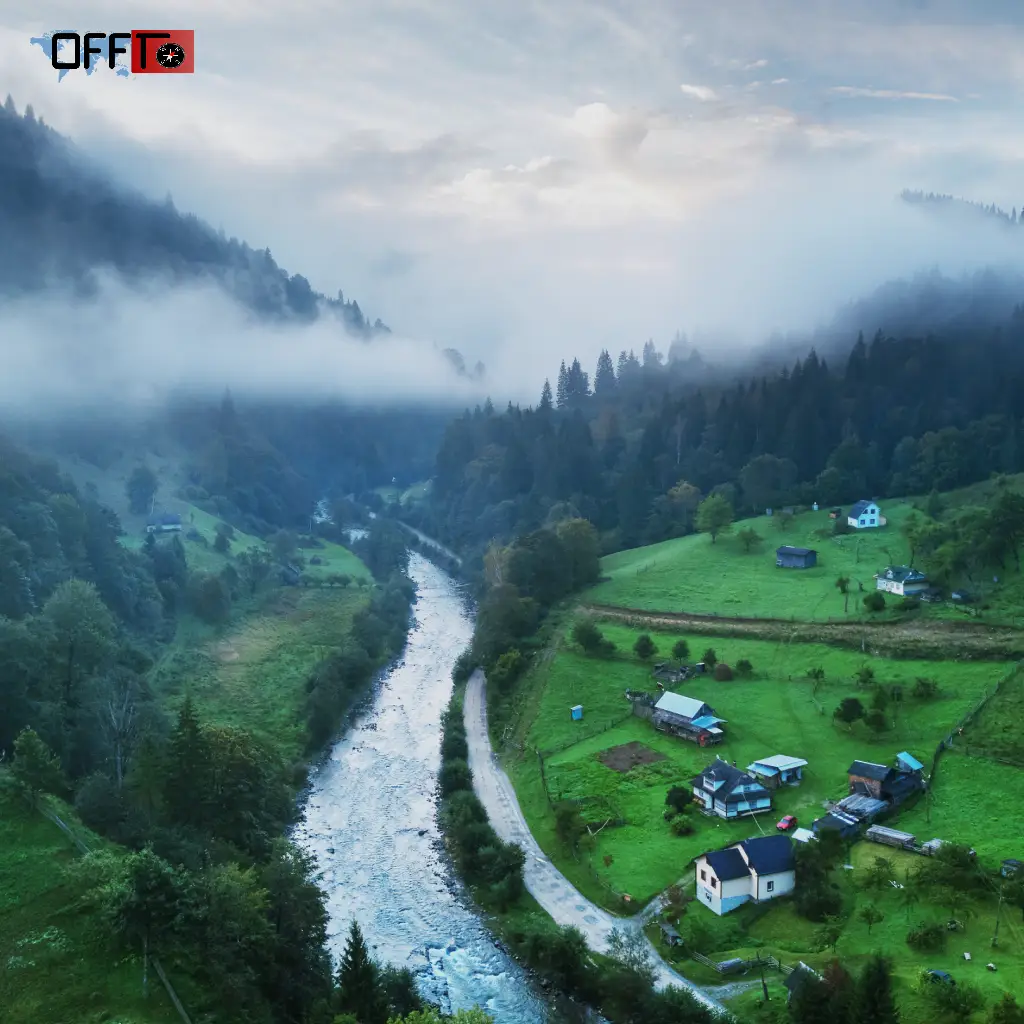
If you’re wondering which river flows in Sainj Valley, the answer is simple — the beautiful and lifeline of the region, the Sainj River.
Origin of Sainj River
The Sainj River originates from the high-altitude regions of the Great Himalayan National Park. It is fed by:
- Glacial meltwater
- Mountain streams
- Forest catchment areas
This is why the river remains crystal clear and fast-flowing, especially in upper regions near trekking routes like Raktisar.
Tributary of the Beas River
The Sainj River is a tributary of the Beas River, one of the major rivers of Himachal Pradesh.
- It eventually merges with the Beas near Larji
- Plays a crucial role in the regional river system
Role in Local Ecosystem
The river is not just scenic — it’s the backbone of Sainj Valley life:
- Supports agriculture and village livelihoods
- Maintains forest ecosystems and biodiversity
- Adds to the valley’s serene soundscape and beauty
Whether you’re walking through villages or trekking, the sound of the river is almost always around you — making it a defining part of the Sainj Valley experience.
How to Plan a Sainj Valley Trip (Step-by-Step)

Planning a trip to Sainj Valley is very different from planning a typical Himachal trip. This place is offbeat, so a little preparation goes a long way.
Here’s a simple step-by-step guide:
Ideal Duration: How Many Days Do You Need?
- 2 Days → Quick escape (Shangarh + nearby exploration)
- 3 Days → Balanced trip (add village walks + slow travel)
- 4 Days → Ideal (add trekking or deeper exploration)
Sweet spot: 3 days for a relaxed experience
Travel Flow (Most Important Part)
Your journey typically follows this route:
Aut → Sainj → Shangarh → explore
- Reach Aut via bus or car
- Take a local taxi or bus to Sainj Valley
- Continue to Shangarh (main base for travelers)
Shangarh is where most stays, views, and experiences are.
Budget Breakdown (Realistic Expectation)
Sainj Valley is relatively budget-friendly, but keep in mind it’s not ultra-cheap due to limited options.
- Stay (Homestays) → ₹800–₹2500 per night
- Food → ₹300–₹600 per day
- Transport (Local taxi) → ₹1500–₹3000 depending on distance
- Trekking (if guided) → Extra cost
Estimated total (3 days):
- Budget trip → ₹4000–₹7000
- Comfortable trip → ₹7000–₹12,000
Where to Stay (Key Decision)
- Stay in Shangarh for the best views
- Choose homestays for local experience
- Expect basic but cozy accommodations
This is not a luxury destination — it’s a slow travel destination.
What to Plan in Advance
Since Sainj is offbeat:
- Book stays in advance (limited options)
- Arrange transport from Aut
- Download offline maps (network issues)
Quick Planning Insight
If you remember just one thing:
Keep your itinerary flexible
Because in Sainj Valley, the best moments are often unplanned — sunsets, walks, silence, and conversations.
Sainj Valley Itinerary (2–3 Day Plan)
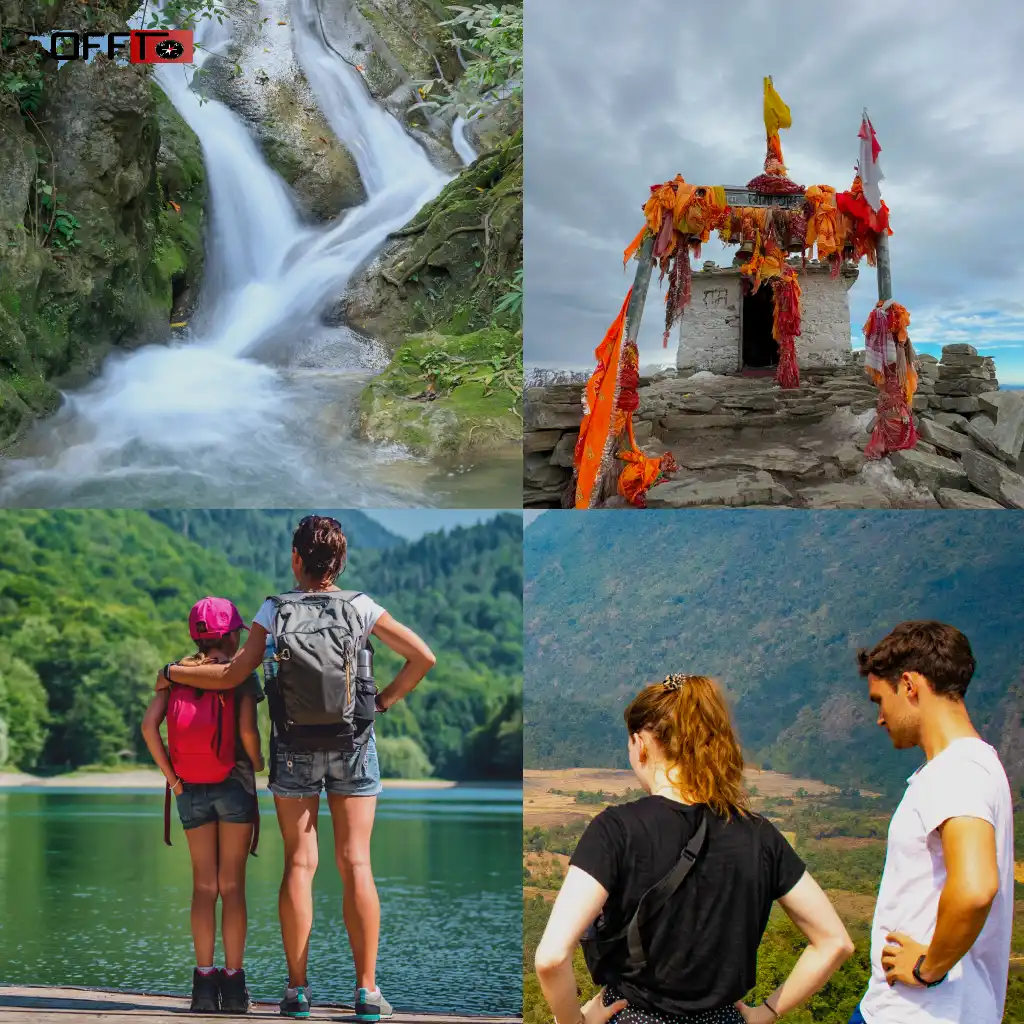
Planning the perfect Sainj Valley itinerary is all about keeping it simple and slow. This isn’t a place where you rush — it’s where you pause, breathe, and experience the mountains.
Here’s a practical 2–3 day plan that works for most travelers:
Day 1: Arrival → Shangarh → Explore Meadows
- Reach Shangarh via Aut and Sainj
- Check into your homestay or guesthouse
- Head straight to the iconic Shangarh Meadows
What to do:
- Walk barefoot on the vast green meadows
- Relax, read, or simply sit with mountain views
- Capture sunset — one of the best in Himachal
Don’t overplan your first day — just absorb the vibe.
Day 2: Trek / Village Exploration
This is your experience day in Sainj Valley.
Option 1: Easy Exploration
- Take short hikes around Shangarh
- Visit nearby villages like Raila Village or Deohari Village
- Interact with locals and experience real Himachali life
Option 2: Trekking Experience
- Go for a guided Sainj Valley trek inside the Great Himalayan National Park
- Explore forest trails, riverside paths, and hidden viewpoints
End your day with:
- Stargazing (clear skies, zero light pollution)
- Bonfire (if your stay offers it)
Day 3: Relax → Return
Your last day is all about slowing down.
- Wake up early for a peaceful mountain morning
- Take a final walk in the meadows or near the river
- Enjoy a relaxed breakfast with valley views
Then begin your return journey via:
Shangarh → Sainj → Aut
Quick Itinerary Summary
- Day 1: Arrival + Shangarh Meadows + sunset
- Day 2: Trek or village exploration + local experiences
- Day 3: Relax + return
This Sainj Valley itinerary ensures you don’t just visit — you actually experience the place.
Travel Tips for Sainj Valley
Before you pack your bags, here are some important travel tips that will make your trip smoother and more enjoyable:
Limited Network Connectivity
Sainj Valley is still off-grid in many areas.
- Mobile networks are weak or unavailable
- Internet is unreliable
What to do:
- Inform family in advance
- Download offline maps
- Enjoy the digital detox
Carry Cash (Very Important)
- ATMs are rare in upper areas like Shangarh
- Most homestays and shops prefer cash payments
Always carry enough cash for:
- Stay
- Food
- Local transport
Respect Local Culture
Sainj Valley is home to traditional Himachali communities.
- Dress modestly
- Ask before taking photos of locals
- Respect village customs and temples
Remember: You’re a guest in their home.
Plan Transport in Advance
Getting around is not as easy as in touristy places.
- Limited public transport
- Taxis are available but need pre-booking
Plan:
- Pickup from Aut
- Local travel to Shangarh and villages
Pack Smart (Bonus Tip)
- Comfortable walking shoes
- Warm clothes (even in summer nights)
- Basic medicines
Final Travel Insight
If you go with the right mindset:
Less expectations + more openness = best Sainj experience
Because Sainj Valley isn’t about luxury —
it’s about peace, nature, and simplicity.
FAQs
Where is Sainj Valley located?
Sainj Valley is located in Kullu district, within Himachal Pradesh. It lies inside the buffer zone of the Great Himalayan National Park and is accessible via Aut on the Chandigarh–Manali highway.
What is Sainj Valley famous for?
Sainj Valley is famous for its untouched beauty, peaceful villages, and proximity to the Great Himalayan National Park. It offers a slow travel experience with scenic meadows like Shangarh, dense forests, and river valleys, making it one of the most underrated offbeat destinations in Himachal Pradesh.
What are the best places to visit in Sainj Valley?
Top places to visit in Sainj Valley include Shangarh Meadows, Raktisar Lake, Raila and Deohari villages, and entry points of the Great Himalayan National Park.
What are the best things to do in Sainj Valley?
The best things to do in Sainj Valley include staying in local homestays, exploring Shangarh meadows, trekking to Raktisar Lake, taking nature walks, visiting villages, and enjoying stargazing. It’s ideal for slow travel, photography, and experiencing authentic Himachali culture.
Which river flows in Sainj Valley?
The Sainj River flows through the valley. It originates from the Great Himalayan National Park region and is a tributary of the Beas River, playing a vital role in the local ecosystem and village life.
What is the best time to visit Sainj Valley?
The best time to visit Sainj Valley is from March to June and October to November. These months offer pleasant weather, clear skies, and ideal conditions for trekking and sightseeing. Winters bring snow, while monsoons offer greenery but can affect travel due to rainfall.
Does Sainj Valley get snowfall?
Yes, Sainj Valley receives snowfall during winter, especially from December to February. Areas like Shangarh and higher altitudes turn into scenic snow landscapes, making it a great destination for travelers looking to experience peaceful Himalayan winters.
Are there homestays in Sainj Valley?
Yes, Sainj Valley mainly offers homestays and small guesthouses, especially in Shangarh and nearby villages. These stays provide a cozy and authentic experience with local Himachali hospitality, simple food, and beautiful mountain views, perfect for slow and offbeat travel.
How many days are enough for Sainj Valley?
A 2–3 day trip is enough to explore Sainj Valley, including Shangarh Meadows, nearby villages, and short treks. If you want a more relaxed or trekking-focused experience, you can extend your stay to 4 days for deeper exploration.
How far is Sainj Valley from Kullu/Manali?
Sainj Valley is around 45 km from Kullu and about 90 km from Manali. It takes approximately 2–4 hours to reach, depending on road conditions and starting point.
Read more >>>
Top Places to Visit in Thekkady – Complete Travel Guide & Tips
Best Places to Visit in May in India for Cool Summer Escapes
Final Take: Is Sainj Valley Worth Visiting?
Sainj Valley is not your typical Himachal destination — and that’s exactly why it stands out.
If you’re expecting cafes, crowds, and nightlife, this might not be the place for you. But if you’re looking for peace, raw nature, and a deeper connection with the mountains, Sainj Valley is absolutely worth visiting.
Who Will Love It?
- Offbeat Travelers: If you love discovering hidden places beyond tourist maps, Sainj Valley feels like a secret waiting to be explored.
- Nature Lovers: From lush meadows to dense forests and river valleys, this place is pure Himalayan beauty.
- Slow Travelers: Perfect for those who want to disconnect, relax, and truly experience mountain life without rushing.
Who May Skip?
- Luxury Travelers: Sainj Valley has limited premium stays and basic infrastructure. It focuses more on simplicity than comfort.
- Nightlife Seekers: There are no clubs or party scenes here — evenings are about silence, stars, and nature.
Final Verdict
Sainj Valley is not about doing more — it’s about feeling more.
If you go with the right mindset, it can easily become one of the most memorable trips in Himachal Pradesh.
Plan Your Sainj Valley Trip with Offto Travellers
If you’re ready to explore a side of Himachal that still feels untouched, Sainj Valley is calling.
Discover cozy homestays, peaceful village life, scenic treks, and hidden Himalayan landscapes that most travelers miss. This is your chance to experience real mountains — slow, raw, and beautiful.
Plan your Sainj Valley trip with Offto Travellers and find the perfect stays, routes, and experiences tailored to your travel style.
Book your peaceful mountain escape today and explore the hidden gem of Himachal Pradesh.
Sign up
Leave a Reply