
Ayodhya, located in Uttar Pradesh on the banks of the Sarayu River, is renowned as the birthplace of Lord Rama. The city is a major pilgrimage destination, featuring iconic temples like Ram Mandir, Hanuman Garhi, and the Sarayu River Ghats. With its deep spiritual significance, Ayodhya offers a truly enriching experience for visitors.
Introduction of Ayodhya
Ayodhya, located in the heart of Uttar Pradesh, is a city steeped in history, culture, and spiritual significance. Situated on the banks of the Sarayu River, Ayodhya holds an essential place in Indian mythology and is renowned for its profound connection to Lord Rama, a central figure in Hinduism.
Location in Uttar Pradesh
Ayodhya is nestled in the northern state of Uttar Pradesh, around 130 km east of Lucknow, the state capital. It’s located at a strategic position along the Sarayu River, which adds to the city’s charm and religious significance. This tranquil city is known for its temples, rich heritage, and devotion, making it a central pilgrimage hub for millions of people around the world.
Connectivity from Lucknow, Varanasi, and Prayagraj
- From Lucknow: Ayodhya is around 130 km from Lucknow, which makes it easily accessible by road and train. The drive from Lucknow takes roughly 2.5 to 3 hours, making it a convenient option for day trips or weekend getaways.
- From Varanasi: Located about 200 km from Ayodhya, Varanasi can be reached by train or road in 4 to 5 hours. Varanasi’s close proximity makes it easy to combine a visit to both sacred cities.
- From Prayagraj: Situated around 160 km away, Prayagraj is also well-connected to Ayodhya by road and train, with a travel time of 3 to 4 hours.
Ayodhya is also well-connected to major Indian cities via rail and bus services, making it easy to plan a visit.
Best for
- Devotees and tourists exploring religious significance and Indian culture.
Best for Pilgrims, History Buffs, and Culture Seekers
Whether you are visiting for its devotional significance or to explore the rich history of the city, Ayodhya offers a serene experience for travelers of all kinds. It’s ideal for those looking to connect with spirituality while exploring the architectural wonders and ancient landmarks.
Why is Ayodhya Famous? (Spiritual + Cultural Importance)
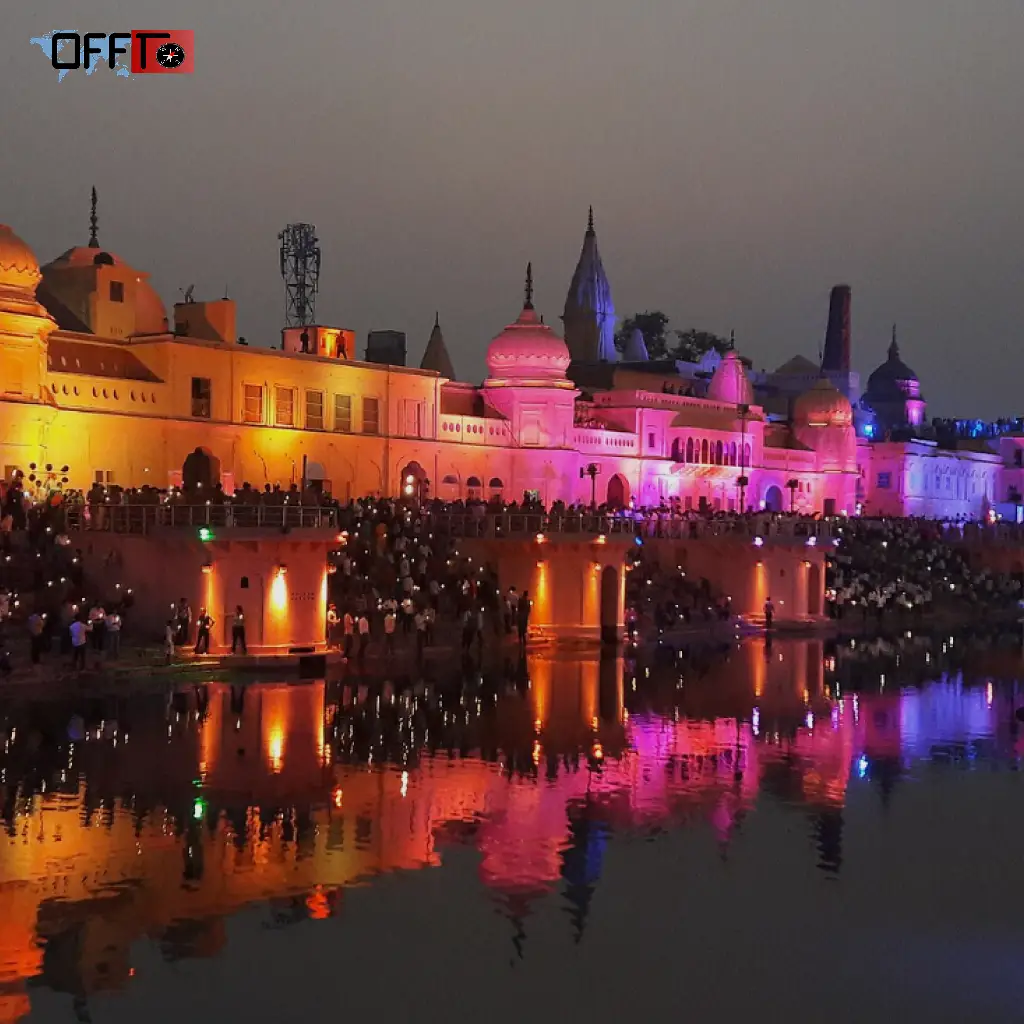
Ayodhya’s fame transcends beyond its geographic location; it is the birthplace of one of the most revered figures in Hindu mythology: Lord Rama. With its deep religious roots, Ayodhya is considered one of the seven sacred cities (Sapta Puri) in India, making it a significant destination for pilgrims and spiritual seekers. The city’s mythological importance, coupled with the growing spiritual tourism, has brought it into the spotlight in recent years.
Birthplace of Lord Rama
Ayodhya’s spiritual significance is unparalleled, as it is believed to be the birthplace of Lord Rama, the seventh incarnation of the Hindu god Vishnu, and the hero of the epic Ramayana. For centuries, the city has been a major pilgrimage site for devotees of Lord Rama. The Ram Janmabhoomi Temple, located on the spot believed to be his birthplace, attracts millions of devotees every year.
- Mythological Roots: The Ramayana narrates the story of Lord Rama, and Ayodhya plays a central role in the epic, making the city synonymous with Rama’s divine presence.
- Cultural Legacy: Festivals like Ram Navami (celebrating the birth of Lord Rama) are celebrated with great enthusiasm, drawing thousands of devotees.
Best for
- Spiritual travelers seeking a connection with Lord Rama.
- Devotees celebrating key festivals like Ram Navami.
One of the Seven Sacred Cities (Sapta Puri)
Ayodhya holds the distinction of being one of the Sapta Puri, the seven most sacred cities in Hinduism. According to Hindu beliefs, these cities are blessed and provide the spiritual cleansing that comes from visiting them. Other cities in the list include Varanasi, Haridwar, and Mathura, but Ayodhya stands out for its association with the Ramayana and its ancient temples.
- Significance: Pilgrims visiting Ayodhya believe that a visit to the city can bring them closer to spiritual liberation and help wash away their sins.
Rich Mythology + Growing Spiritual Tourism
Ayodhya is not just about historical significance but also about the mythological stories that have made it legendary. From the life of Lord Rama to the valiant efforts of his allies in the Ramayana, Ayodhya is a cultural hotspot for those who want to dive deep into Indian mythology.
- Growing Spiritual Tourism: Recently, Ayodhya has seen a significant rise in spiritual tourism, as more travelers are discovering the city’s historical temples, pilgrimage routes, and beautiful landmarks that are connected to Lord Rama’s life.
- Expectations vs Reality: While Ayodhya promises a spiritual experience, the growing modern development in the city may surprise those expecting a more traditional ambiance. Despite the bustling marketplaces and urbanization, the city retains its deep-rooted spiritual essence.
Best for
- Pilgrims seeking spiritual fulfillment.
- History and mythology lovers exploring ancient stories.
Why Visit Ayodhya?
Ayodhya isn’t just a city—it’s a living myth, steeped in rich spiritual history. It offers something for everyone, from pilgrims looking for divine blessings to history buffs interested in exploring the roots of one of the most revered figures in Hinduism. The city’s unique charm, coupled with its growing popularity, makes it an essential destination for anyone looking to delve deep into Indian spirituality and culture.
Places to Visit in Ayodhya (Top Attractions You Shouldn’t Miss)

Ayodhya is a city rich in spiritual history, and there are several sacred sites and cultural landmarks that make it a must-visit destination for pilgrims, history buffs, and culture enthusiasts. Whether you’re looking for spiritual solace, seeking to explore Indian mythology, or simply appreciating the architecture, Ayodhya offers a wealth of experiences.
Ram Mandir Ayodhya
Ram Mandir, the most iconic and spiritual landmark in Ayodhya, is dedicated to Lord Rama, the central figure of the Ramayana. This temple is the main spiritual attraction in the city and draws thousands of devotees and tourists annually. After decades of legal and political deliberations, the Ram Mandir was finally consecrated in 2020.
- Temple Architecture
The Ram Mandir’s architecture is a stunning blend of traditional Hindu temple design with intricate carvings and modern construction techniques. The pillared halls, sanctum sanctorum, and the towering Shikhara (spire) contribute to its majestic silhouette.
- Darshan Experience
Visitors to the Ram Mandir can expect a devotional atmosphere with long lines during peak times, especially during festivals like Ram Navami. The darshan experience is serene, and the chanting of mantras adds to the spiritual vibe of the place.
Best For
- Devotees of Lord Rama, spiritual travelers, and those seeking pilgrimage experiences.
Hanuman Garhi
Located atop a hill, Hanuman Garhi is one of the most revered temples in Ayodhya. Dedicated to Lord Hanuman, the temple is a place of devotion and blessings for many pilgrims who visit Ayodhya. The temple’s location offers a panoramic view of the city, making it a popular spot for both spiritual seekers and photographers.
- Hilltop Temple
The Hanuman Garhi Temple is situated on a hill, and visitors need to climb 76 steps to reach the temple. The climb may seem arduous, but the view of the city from the top is breathtaking, providing an incredible vantage point of Ayodhya and the Sarayu River.
- Significance
Lord Hanuman is believed to bless his devotees with strength, courage, and devotion. The temple is a must-visit for those who seek his divine blessings, as well as for those interested in the mythological history of Ayodhya.
Best For
- Hanuman devotees, adventure seekers who enjoy a hilltop climb, and those looking for beautiful views of the city.
Kanak Bhawan
Kanak Bhawan is another significant temple in Ayodhya, known for its intricate architecture and mythological connection to Lord Rama and Sita. This temple is believed to be the place where Lord Rama and Sita received their golden ornaments from Kaikeyi, one of the queens of King Dasharatha.
- Associated with Lord Rama & Sita
The temple is a symbol of devotion and divine love between Lord Rama and Sita. The beautiful golden idols of Rama and Sita are the focal points of the temple, and the temple’s design is ornate, with intricate carvings on the walls.
- Temple Interiors
The interior of Kanak Bhawan is richly decorated with golden fittings and paintings that narrate scenes from the Ramayana. The temple’s peaceful ambiance makes it an ideal place for reflection and prayer.
Best For
- Devotees of Lord Rama and Sita, spiritual seekers, and those who enjoy exploring ornate temple architecture.
Sarayu River Ghats
The Sarayu River, which flows through Ayodhya, is a significant part of the city’s spiritual heritage. The Sarayu River Ghats are devotional sites where pilgrims come to take a holy dip, offer prayers, and experience the serene atmosphere of the river.
- Evening Aarti Experience
The evening aarti at the Sarayu River Ghats is a spectacular sight. The floating diyas (oil lamps), along with chants and mantras, create an atmosphere of deep spirituality. The sight of thousands of lit diyas on the river makes the experience mesmerizing and peaceful.
- Spiritual Ambiance
Visitors to the ghats can spend their time in quiet reflection while listening to the soft sound of flowing water. The tranquil environment makes it one of the best spots to connect with the spiritual essence of the city.
Best For
- Spiritual seekers, pilgrims, and those looking to experience the peaceful and serene atmosphere by the river.
Nageshwarnath Temple
Nageshwarnath Temple is an ancient and revered Shiva temple in Ayodhya, dedicated to Lord Shiva in his form as Nageshwara, the Lord of Serpents. It is said that the temple was established by Lord Rama to honor Lord Shiva.
- Religious Significance
The temple is one of the 12 Jyotirlingas of Lord Shiva and holds immense religious importance for Shiva devotees. It is a place of solace and blessings for those who seek peace, prosperity, and spiritual enlightenment.
- Ancient Temple Architecture
The temple showcases classic Hindu architecture, with intricate carvings of serpents and gods. The serene atmosphere, coupled with its ancient charm, makes it a significant part of Ayodhya’s religious fabric.
Best For
- Lord Shiva devotees, cultural travelers, and those interested in ancient religious temples.
Things to Do in Ayodhya (Based on Travel Style)
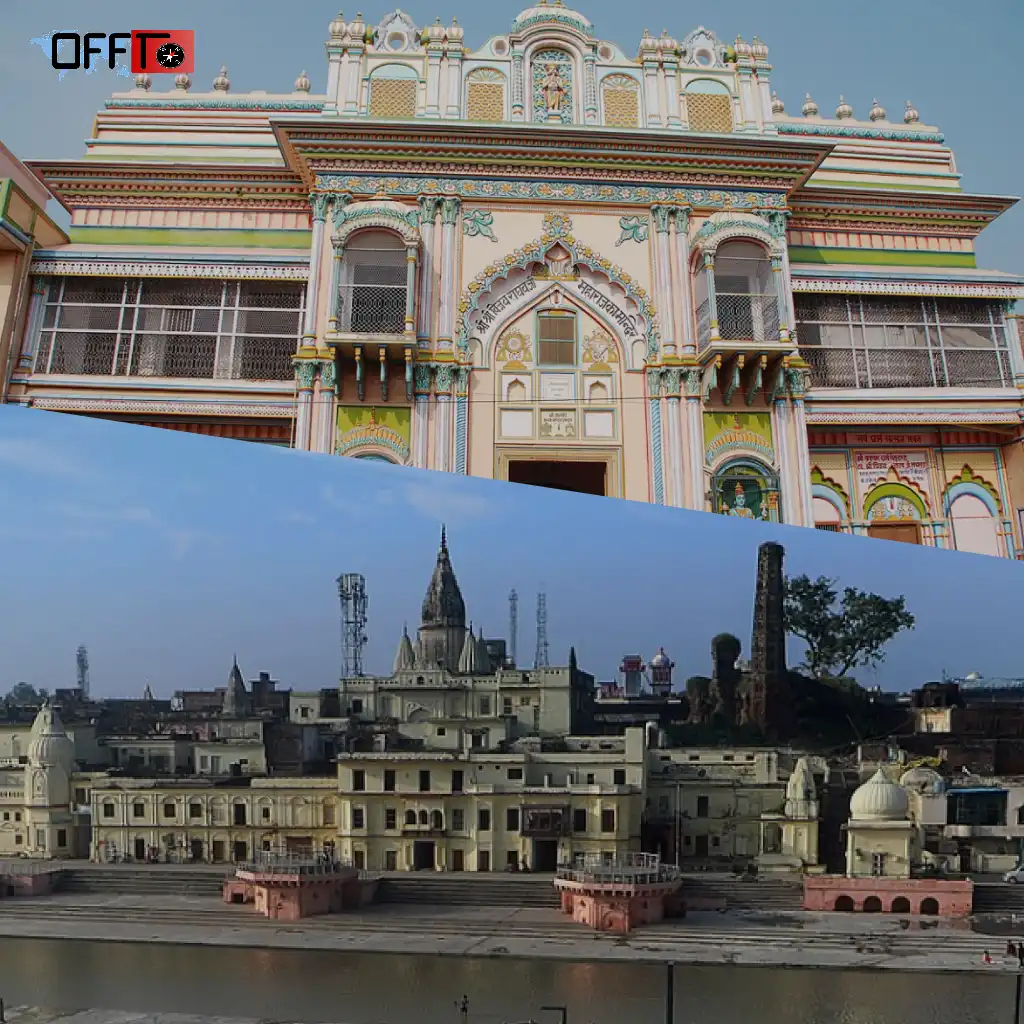
Ayodhya offers a blend of spiritual, cultural, and nature-based experiences. Whether you’re visiting for its spiritual significance or simply looking to explore the city, here are some of the best things to do:
Cave Exploration & Temple Darshan
- Visit the Ram Mandir, Hanuman Garhi, and Kanak Bhawan for temple darshan.
- Explore the ancient Nageshwarnath Temple and delve into Ayodhya’s deep-rooted mythology.
Attend Sarayu Aarti
- Don’t miss the Sarayu River Aarti in the evening. The spiritual atmosphere will give you a sense of peace and connection to the Hindu traditions.
Explore Local Markets
- Stroll through Ayodhya’s local markets near Khandagiri Square for a vibrant mix of local crafts, religious souvenirs, and street food.
Cultural & Spiritual Experiences
- Explore the Tibetan influence in Ayodhya’s monasteries, or take a spiritual retreat to connect with the city’s rich cultural history.
What to See in Ayodhya (Quick Planning Section)
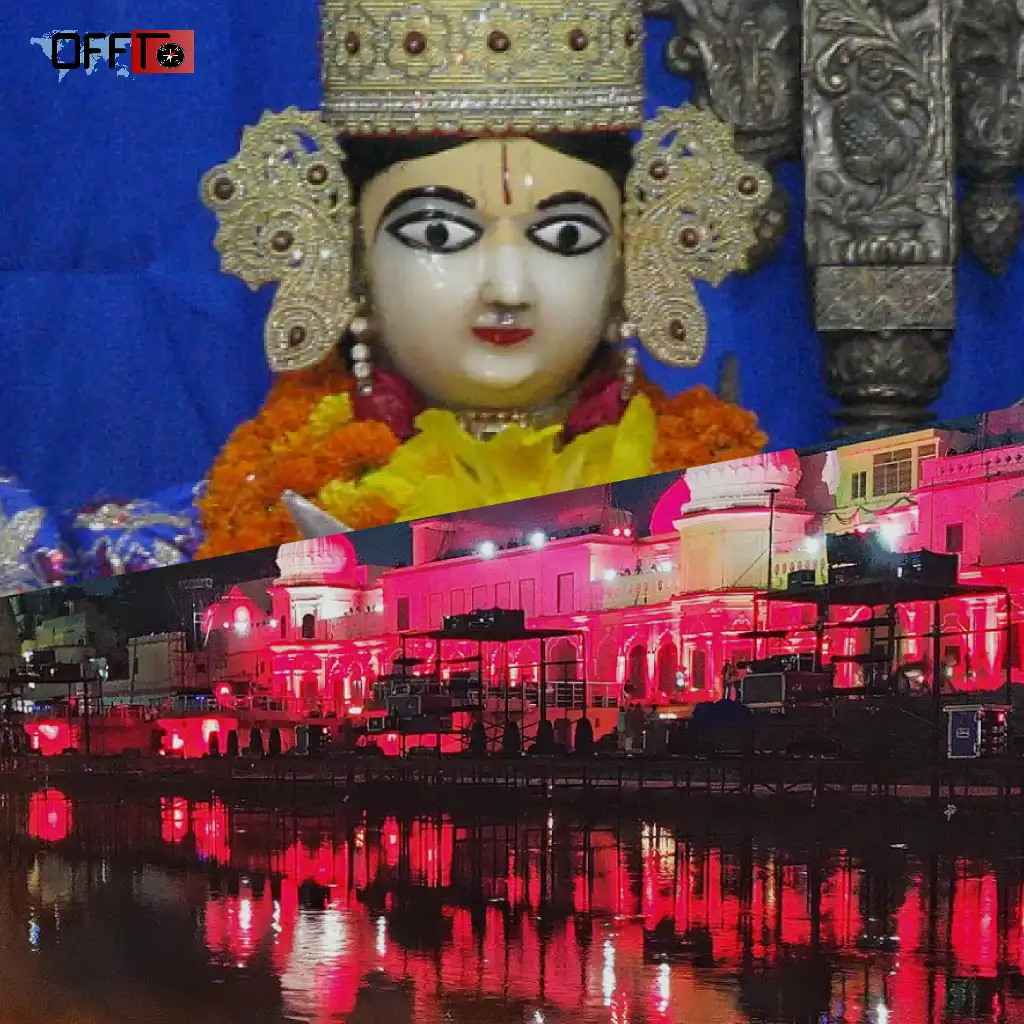
If you’re planning a trip to Ayodhya, the city offers a combination of spiritual spots, temples, and cultural landmarks that are a must-see for any visitor. Whether you’re there for a short visit or a longer stay, here’s a quick guide to the must-visit places in Ayodhya:
Must-Visit Temples
- Ram Mandir: The centerpiece of Ayodhya’s spiritual landscape, the Ram Mandir is a sacred destination for millions of devotees. The architecture and serenity of the temple make it a must-visit for those seeking devotional solace and divine blessings.
- Hanuman Garhi: Located on a hilltop, Hanuman Garhi is a popular temple dedicated to Lord Hanuman. It offers panoramic views of the city and provides a spiritual experience for those wishing to seek Lord Hanuman’s blessings for strength and courage.
- Kanak Bhawan: A historic temple with intricate designs, Kanak Bhawan is dedicated to Lord Rama and Sita. It’s known for its beautiful golden idols and is a must-see for those interested in Hindu mythology.
Ghats + Local Experiences
- Sarayu River Ghats: The Sarayu River, flowing through Ayodhya, is a central part of the city’s spiritual charm. The Sarayu River Ghats offer serene spots for prayer, rituals, and peaceful reflection. The evening Aarti held at the ghats is a mesmerizing experience, where floating diyas create a magical atmosphere.
- Local Markets and Street Food: Exploring Ayodhya’s local markets is a delightful experience. From religious souvenirs to local crafts, you’ll find plenty of treasures to take home. The street food in Ayodhya is also worth exploring, with Tibetan momos, chana chaat, and samosas being popular street snacks.
Hidden Spiritual Spots
- Nageshwarnath Temple: For those seeking a deeper connection with Lord Shiva, the Nageshwarnath Temple is an ancient, peaceful temple dedicated to Lord Shiva in his form as Nageshwara. The serene atmosphere and traditional architecture make it a hidden gem for spiritual seekers.
- Chhoti Devkali Mandir: Another lesser-known but equally significant temple, Chhoti Devkali Mandir is dedicated to Goddess Kali. It is located in a quieter part of Ayodhya, providing a peaceful space for devotional activities away from the crowds.
These top spiritual spots in Ayodhya are not only historically significant but also offer a glimpse into the devotional heritage of the city. Plan your visit around these must-see locations for a fulfilling and soul-enriching experience.
Ayodhya in 1 Day (High Intent Travel Plan)

If you have just one day to explore Ayodhya, don’t worry! You can still experience the city’s most iconic spiritual sites, temples, and local experiences. Here’s a carefully curated 1-day itinerary that will help you make the most of your trip to this historic city:
Morning: Ram Mandir + Hanuman Garhi
- Start with the Ram Mandir: Begin your day early by visiting Ram Mandir, the soul of Ayodhya. It’s best to reach here early in the morning to avoid the crowds and to experience the temple’s serene environment. Take part in the darshan and prayers, and admire the majestic temple architecture.
- Head to Hanuman Garhi: After visiting Ram Mandir, take a short ride or walk to Hanuman Garhi. Located on a hill, this temple offers magnificent views of the city and is a perfect spot to offer prayers to Lord Hanuman. The climb to the hilltop will be a spiritual and physical journey as you ascend the 76 steps.
Afternoon: Kanak Bhawan + Temples
- Visit Kanak Bhawan: After a spiritual morning, head to Kanak Bhawan, one of the most revered temples in Ayodhya. This temple, dedicated to Lord Rama and Sita, is known for its intricate golden interiors and serene vibe. Spend some time exploring the beautiful architecture and the peaceful surroundings.
- Explore Other Temples
After Kanak Bhawan, visit nearby temples like the Nageshwarnath Temple and Chhoti Devkali Mandir to get a full sense of Ayodhya’s spiritual heritage.
Evening: Sarayu Aarti
- Sarayu River Ghats for Aarti: In the evening, make your way to the Sarayu River Ghats to witness the aarti ceremony. The riverbanks are lit with diyas, and the sound of chanting mantras fills the air, creating a mesmerizing spiritual experience. It’s a peaceful way to end your day, soaking in the spiritual energy of the river.
- Optional: If time allows, take a short stroll along the Sarayu Ghats to experience the calm and tranquility of the river.
Summary of 1-Day Itinerary
- Morning: Visit Ram Mandir and Hanuman Garhi for a devotional start.
- Afternoon: Explore Kanak Bhawan and nearby temples like Nageshwarnath.
- Evening: Head to the Sarayu River Ghats to witness the aarti ceremony and enjoy the serene atmosphere of the river.
Ayodhya Itinerary (2-Day Plan)

If you have two days to spend in Ayodhya, you’re in for a rich spiritual and cultural journey. The city offers a deep connection to Hindu mythology, ancient temples, and beautiful ghats along the Sarayu River. Here’s a suggested 2-day itinerary to help you make the most of your visit:
Day 1: Major Temples + Ghats
- Morning: Visit Ram Mandir Start your day early by visiting Ram Mandir, the most iconic spiritual site in Ayodhya. The temple is the birthplace of Lord Rama and is central to the city’s spiritual identity. Experience the serene darshan and appreciate the magnificent architecture of the temple.
- Mid-Morning: Explore Hanuman Garhi After Ram Mandir, head to Hanuman Garhi, a hilltop temple dedicated to Lord Hanuman. Climb the 76 steps to reach the temple, where you can seek blessings and enjoy panoramic views of the city. It’s a peaceful spot for reflection and a spiritual retreat.
- Afternoon: Visit Kanak Bhawan Next, visit Kanak Bhawan, known for its golden statues of Lord Rama and Sita. This temple holds immense mythological significance and is perfect for those interested in the intricate designs and symbolism of Hindu temples.
- Evening: Sarayu River Ghats End the day at the Sarayu River Ghats, where you can experience the evening aarti. The flame-lit ghats and chanting mantras create a mesmerizing atmosphere, perfect for spiritual reflection.
Best For
- Devotees and travelers seeking a spiritual connection with the temples and the Sarayu River.
Day 2: Nearby Places + Local Exploration
- Morning: Visit Nageshwarnath Temple
Begin your second day by exploring Nageshwarnath Temple, one of the oldest temples in Ayodhya, dedicated to Lord Shiva. This ancient temple is a peaceful spot to meditate and immerse in the history of the city.
- Mid-Morning: Explore Local Markets
After the temple visit, take a stroll through Ayodhya’s local markets near Khandagiri Square. The vibrant marketplaces offer a mix of local crafts, religious souvenirs, and Tibetan-inspired goods. It’s an excellent spot for buying handicrafts and experiencing the local culture.
- Afternoon: Visit Local Monasteries
Spend your afternoon visiting the Tibetan monasteries around Ayodhya, such as Chokling Monastery and Palpung Sherabling Monastery. These peaceful spots offer a glimpse into the Tibetan Buddhist culture and provide a calming retreat from the hustle and bustle of the city.
- Late Afternoon: Explore Nearby Temples
If time allows, explore other nearby temples like Chhoti Devkali Mandir, a smaller yet significant temple dedicated to Goddess Kali.
- Evening: Enjoy a Sunset at Sarayu
End your trip with a relaxing sunset at Sarayu River. The serene waters and cool evening breeze make it a perfect spot for a peaceful reflection before you leave.
Best For: Cultural explorers and pilgrims seeking a balance of spiritual sites and local experiences.
Summary of 2-Day Plan
- Day 1: Visit major temples like Ram Mandir, Hanuman Garhi, Kanak Bhawan, and experience the Sarayu River Ghats in the evening.
- Day 2: Explore Nageshwarnath Temple, enjoy the local markets, visit Tibetan monasteries, and experience the sunset at Sarayu River.
With this 2-day itinerary, you’ll get a deep dive into the spiritual, historical, and cultural aspects of Ayodhya, making it a truly enriching experience.
Ayodhya History (Quick Context)

Ayodhya’s history is as ancient and mysterious as its spiritual significance. The city is often referred to as the birthplace of Lord Rama, but its history stretches much further back, intertwining mythology with historical developments. From its days as the capital of the Kosala kingdom to its place in modern-day pilgrimage tourism, Ayodhya offers a rich tapestry of Indian history and culture.
Ancient City of Kosala Kingdom
Ayodhya is believed to be the ancient capital of the Kosala Kingdom, a kingdom mentioned in the Vedic texts and epic literature. It has long been a symbolic center of power and religious influence in ancient India. According to the Ramayana, Ayodhya was ruled by King Dasharatha, the father of Lord Rama, making it a significant place of interest for Hindu mythology.
- Ancient Structures:
The city has remnants of ancient structures that speak of its glorious past. Archaeological findings in and around Ayodhya suggest that it was once a prosperous and strategic city.
Mythological Significance
As the birthplace of Lord Rama, Ayodhya is one of the most sacred cities for Hindus. The Ramayana, one of the two major Sanskrit epics, tells the story of Lord Rama’s birth, his exile, and his battle against Ravana, which led to his victory and eventual return to Ayodhya. This mythological significance has elevated Ayodhya to one of the most revered pilgrimage destinations in India.
Evolution into Modern Pilgrimage Hub
In modern times, Ayodhya has evolved into a major pilgrimage center. While it has witnessed political and social challenges, it continues to attract millions of visitors every year, drawn by the spiritual heritage of the Ram Janmabhoomi Temple and other historical landmarks. The city is at the crossroads of modern development and religious devotion, with an increasing number of tourists and devotees visiting for its temples and a unique cultural experience.
- Modern Pilgrimage Hub: Today, Ayodhya is not only a spiritual center but also a growing destination for spiritual tourism, with many visitors coming to explore its deep-rooted mythology and history.
What is the Old Name of Ayodhya?
Historically, Ayodhya was also known as Oudh or Awadh, a region that played a significant role in Indian history. The name Oudh was used during the Mughal period, and it later became synonymous with the Awadh region. The region itself was known for its royal heritage, cultural significance, and religious importance.
Ayodhya’s history spans thousands of years, with a rich blend of mythology, religion, and political influence. Today, it stands as a vibrant spiritual city that continues to capture the hearts of those seeking divine blessings and historical knowledge.
Places to Visit Near Ayodhya

Ayodhya is strategically located in Uttar Pradesh, and there are several historic and spiritual destinations nearby that can be easily added to your itinerary. Whether you’re exploring ancient temples, experiencing rich cultural heritage, or immersing in spiritual serenity, these nearby places offer diverse experiences to enhance your journey.
Faizabad: (10 km from Ayodhya)
- Historical Significance: Faizabad, once the capital of the Awadh region, is just 10 kilometers away from Ayodhya. The city holds immense historical significance due to its association with the Mughal empire and Hindu culture. Faizabad is known for its royal architecture, ancient temples, and the famous Gulab Bari (rose garden) built by Shuja-ud-Daula, the Nawab of Oudh.
- Must-Visit
- Gulab Bari: A beautiful garden and tomb of Nawab Shuja-ud-Daula.
- Mausoleum of Bahu Begum: A significant landmark reflecting Mughal architecture.
Best For
- History enthusiasts, architecture lovers, and those interested in exploring the royal legacy of Awadh.
Prayagraj: (200 km from Ayodhya)
- Cultural & Religious Hub: Prayagraj (formerly Allahabad) is a key pilgrimage destination and holds a special place in the Indian spiritual landscape. Located about 200 kilometers from Ayodhya, Prayagraj is famous for the Triveni Sangam, the confluence of the Ganga, Yamuna, and Saraswati rivers, which is believed to be the site of spiritual liberation.
- Must-Visit
- Triveni Sangam: The most sacred confluence of rivers, where Kumbh Mela takes place.
- Allahabad Fort: A monumental fort built by Emperor Akbar with stunning views of the Sangam.
- Anand Bhavan: The ancestral home of Jawaharlal Nehru and Indira Gandhi, now a museum.
Best For
- Spiritual seekers, history buffs, and those interested in Indian culture and heritage.
Varanasi: (210 km from Ayodhya)
- Sacred City of India: Known as the spiritual capital of India, Varanasi is 210 kilometers from Ayodhya and is one of the oldest living cities in the world. Varanasi is deeply rooted in Hindu traditions and is famous for its ghats, Ganga Aarti, and ancient temples. For devotees, photographers, and cultural explorers, Varanasi offers an unmatched experience.
- Must-Visit
- Kashi Vishwanath Temple: One of the most sacred temples dedicated to Lord Shiva.
- Dashashwamedh Ghat: Known for the grand Ganga Aarti in the evening.
- Manikarnika Ghat: The primary cremation ghat, adding to the city’s spiritual atmosphere.
Best For
- Spiritual travelers, photography enthusiasts, and those seeking to experience Hindu rituals in their most authentic form.
Summary of Nearby Places
- Faizabad: Discover the royal history of Awadh and explore monuments like Gulab Bari.
- Prayagraj: Visit the Triveni Sangam, experience the spiritual Kumbh Mela, and explore the Anand Bhavan.
- Varanasi: Immerse yourself in the spiritual charm of India’s oldest city with a visit to Kashi Vishwanath Temple and Dashashwamedh Ghat.
FAQs
Where is Ayodhya located?
Ayodhya is located in Uttar Pradesh, on the banks of the Sarayu River, about 130 km from Lucknow. It is a prominent spiritual destination, known as the birthplace of Lord Rama.
What are the best places to visit in Ayodhya?
Top places to visit in Ayodhya include the Ram Mandir, Hanuman Garhi, Kanak Bhawan, Sarayu River Ghats, and Nageshwarnath Temple. These spiritual landmarks offer a glimpse into the city’s rich mythology and religious history.
What are the best things to do in Ayodhya?
In Ayodhya, you can explore temples, witness the Sarayu Aarti at the ghats, visit local markets, and immerse in spiritual experiences like parikrama (circumambulation) around the Ram Janmabhoomi temple.
What is the best time to visit Ayodhya?
The best time to visit Ayodhya is during winter (October–March) when the weather is pleasant for sightseeing and temple visits. Summer (April–June) can be hot, while monsoon (July–September) brings greenery but limits outdoor activities.
How many days are enough for Ayodhya?
1–2 days are sufficient to explore Ayodhya’s main temples, Sarayu Ghats, and nearby spiritual sites. If you’re looking to experience deeper spiritual practices, you can extend your stay for a more reflective journey.
What to see in Ayodhya in 1 day?
In 1 day, visit the Ram Mandir, Hanuman Garhi, Kanak Bhawan, Sarayu Ghats for evening aarti, and explore local markets for an immersive experience in Ayodhya’s spiritual and cultural essence.
How to spend 2 days in Ayodhya?
Spend Day 1 visiting Ram Mandir, Hanuman Garhi, Kanak Bhawan, and Sarayu Ghats. On Day 2, explore Nageshwarnath Temple, visit local monasteries, and enjoy the Sarayu river views. This 2-day itinerary will give you a complete experience of Ayodhya’s spiritual and cultural attractions.
What is Ayodhya famous for?
Ayodhya is famous for being the birthplace of Lord Rama and a key location in the Ramayana. It’s known for its temples, especially Ram Mandir, and for being one of the seven sacred cities (Sapta Puri) in Hinduism.
What is the history of Ayodhya?
Ayodhya has ancient roots as the capital of the Kosala kingdom. It is legendary as the birthplace of Lord Rama and has played a pivotal role in the Ramayana. Over time, Ayodhya has evolved into a major pilgrimage hub, blending ancient history with modern-day devotion.
What are the places to visit near Ayodhya?
Nearby places include Faizabad (10 km), Prayagraj (200 km), and Varanasi (210 km). These cities offer a rich historical and spiritual experience, with landmarks like Triveni Sangam, Kashi Vishwanath Temple, and the Kumbh Mela in Prayagraj.
Read more >>>
Best Places to Visit in May in India for Cool Summer Escapes
Places to Visit in Summer in India for Cool Escapes & Family Fun
Final Take: Is Ayodhya Worth Visiting?
Ayodhya is a spiritual haven, deeply rooted in Hindu mythology and cultural significance. For those seeking devotional experiences, spiritual fulfillment, or an exploration of ancient history, Ayodhya is undoubtedly worth visiting. The peaceful ambiance along the Sarayu River and the magnificent temples make it a must-visit for those on a sacred pilgrimage or looking to delve into India’s rich heritage.
Who Will Love It?
- Spiritual Travelers: For those who are drawn to the devotional aura of Ayodhya, the city offers an enriching experience. From the Ram Mandir to the Sarayu Ghats, it provides an authentic spiritual experience that resonates with devotees.
- Pilgrims: As the birthplace of Lord Rama, Ayodhya is one of the most important pilgrimage sites in India. Pilgrims come to seek blessings, spiritual liberation, and participate in rituals that have been passed down through generations.
- Cultural Explorers: For those with an interest in Indian mythology, ancient history, and Hindu culture, Ayodhya’s temples, monuments, and rituals offer fascinating insights into India’s heritage.
Who May Skip?
- Nightlife Seekers: Ayodhya is not the place for those seeking an active nightlife scene. The city is more about spiritual reflection, temple visits, and a calming atmosphere rather than modern entertainment options.
- Luxury-Focused Travelers: While Ayodhya offers some comfortable stays, it does not cater extensively to the luxury tourism market. Those looking for luxury resorts, spas, or high-end amenities might not find much to suit their preferences in the city. Ayodhya thrives in its spirituality and historical significance, rather than luxury.
Plan Your Ayodhya Trip with Offto Travellers
Ayodhya offers a unique blend of spirituality, culture, and history that promises a meaningful journey. From the grand Ram Mandir to the Sarayu River ghats, each step in Ayodhya takes you deeper into India’s spiritual heart. Explore temples, sacred sites, and Book stays for a transformative experience.
Plan your Ayodhya trip today and immerse yourself in this culturally and spiritually rich destination. Let Offto Travellers guide your journey to Ayodhya—a place that will leave a lasting impression on your soul.
Sign up
Leave a Reply