
Khandagiri and Udayagiri Hills in Bhubaneswar are renowned for their ancient rock-cut caves, dating back to the 2nd century BCE. Carved during King Kharavela’s reign, these hills are significant for Jain heritage and feature intricate carvings, inscriptions, and panoramic views, making them a must-visit for history lovers and cultural travelers.
Introduction of Khandagiri and Udayagiri Hills
Khandagiri and Udayagiri Hills are among the most historically significant and culturally rich sites in Bhubaneswar, Odisha. These twin hills, located on the outskirts of the city, are home to ancient rock-cut caves and offer a unique glimpse into the region’s Jain heritage. Khandagiri and Udayagiri are not just important historical sites, but also popular tourist destinations known for their breathtaking views, ancient architecture, and serene atmosphere.
Location in Bhubaneswar
Khandagiri and Udayagiri Hills are situated approximately 8–10 km from the Bhubaneswar city center, making them easily accessible for both local and international travelers. The hills are located along the Bhubaneswar–Cuttack road and are easily reachable by car, taxi, or auto-rickshaw. The Khandagiri Square serves as a key point for travelers to begin their exploration of these iconic landmarks.
Distance from Khandagiri Square & City Center:
- From Bhubaneswar City Center: Around 8 km
- From Khandagiri Square: Just a short drive or walk to both Khandagiri and Udayagiri Hills.
These hills are not only close to the city center but also surrounded by other key attractions like Lingaraj Temple, Dhauli Shanti Stupa, and Nandankanan Zoo, making it an ideal stop for those exploring the region’s rich heritage.
Why These Hills Are Among the Top Heritage Sites in Odisha
Khandagiri and Udayagiri Hills are significant for their rock-cut caves, which date back to the 2nd century BCE during the reign of King Kharavela. These caves were primarily used by Jain monks for meditation and living quarters, making them a crucial part of the Jain heritage of Odisha.
The hills are not just known for their historical significance, but also for their scenic beauty. The combination of ancient caves and stunning hilltop views makes this destination a must-visit for anyone interested in history, culture, and nature. Udayagiri Hill offers panoramic views of the surrounding Bhubaneswar city, while Khandagiri Hill provides a chance to explore historic caves and carvings.
In addition to the caves, the inscriptions on the walls and the intricate carvings are a testament to the craftsmanship and cultural richness of the time. These hills are listed as top heritage sites in Odisha and draw both devotees and tourists who want to explore the region’s rich Jain heritage and ancient architecture.
What are Khandagiri and Udayagiri Famous For?
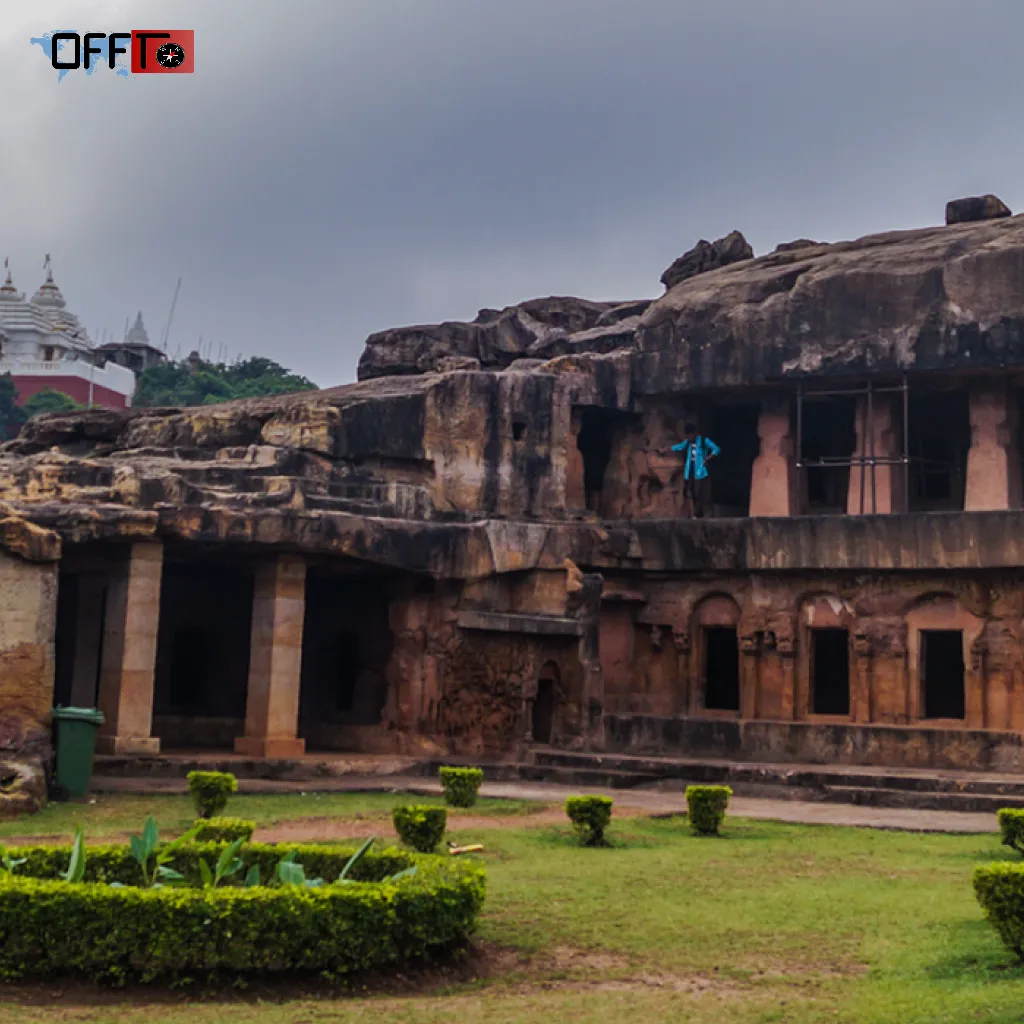
Khandagiri and Udayagiri are most famous for their ancient rock-cut caves, which were carved into the hillsides during the 2nd century BCE. These caves are key examples of Jain architecture and serve as a reminder of the region’s deep cultural roots. However, these hills are not just known for their caves—they are also home to unique carvings, inscriptions, and scenic views that make them a must-visit destination for anyone exploring Bhubaneswar.
Ancient Rock-Cut Caves (2nd Century BCE)
The caves of Khandagiri and Udayagiri were carved out during the reign of King Kharavela, who was a patron of the Jain religion. These rock-cut caves were initially designed as residential spaces and meditation spots for Jain monks. Over the centuries, the caves have become one of the most significant heritage sites in Odisha.
- Khandagiri Caves: The caves here are relatively simpler compared to Udayagiri but still showcase intricate Jain architecture and beautiful inscriptions.
- Udayagiri Caves: These caves are grander in scale, with Rani Gumpha (the largest cave) featuring elaborate carvings, pillars, and historical inscriptions.
The caves’ historical significance and artistic carvings make them an important site for those interested in ancient Indian history and Jainism.
Jain Monk Meditation Caves
The caves in both Khandagiri and Udayagiri were used by Jain monks as places for meditation and spiritual reflection. The peaceful environment of the hills provided an ideal setting for solitude and contemplation. Today, these caves remain an important symbol of Jain heritage and attract visitors who are interested in learning about Jainism and its influence on Odisha’s culture.
Unique Carvings & Inscriptions
What makes Khandagiri and Udayagiri even more fascinating are the carvings and inscriptions that adorn the walls of the caves. These ancient engravings depict scenes from Jain mythology, royal life, and religious beliefs. The inscriptions, particularly at Udayagiri, are believed to have been commissioned by King Kharavela himself and offer insight into the history of the region and the Jain community during his reign.
What to Expect
- Intricate carvings of animals, gods, and royalty
- Inscriptions detailing the reign of King Kharavela
- Depictions of Jain rituals and spiritual practices
Expectation vs Reality (Historical Site vs Trekking Hill)
While Khandagiri and Udayagiri are celebrated for their historical significance, many visitors expect them to be lush garden-like sites with wide, open spaces for trekking. However, these hills offer a raw, rustic experience, with rocky terrain, steep steps, and limited modern amenities.
- Expectation: A well-maintained, picturesque historical site similar to typical temples or gardens.
- Reality: A historically rich site offering a rough terrain perfect for trekking, exploring caves, and discovering intricate carvings in a more natural environment.
This contrast between expectations and reality makes Khandagiri and Udayagiri more than just tourist spots. They offer an immersive journey into history and spirituality, making them a must-visit for those seeking a more authentic and offbeat experience in Bhubaneswar.
Udayagiri Hills & Caves
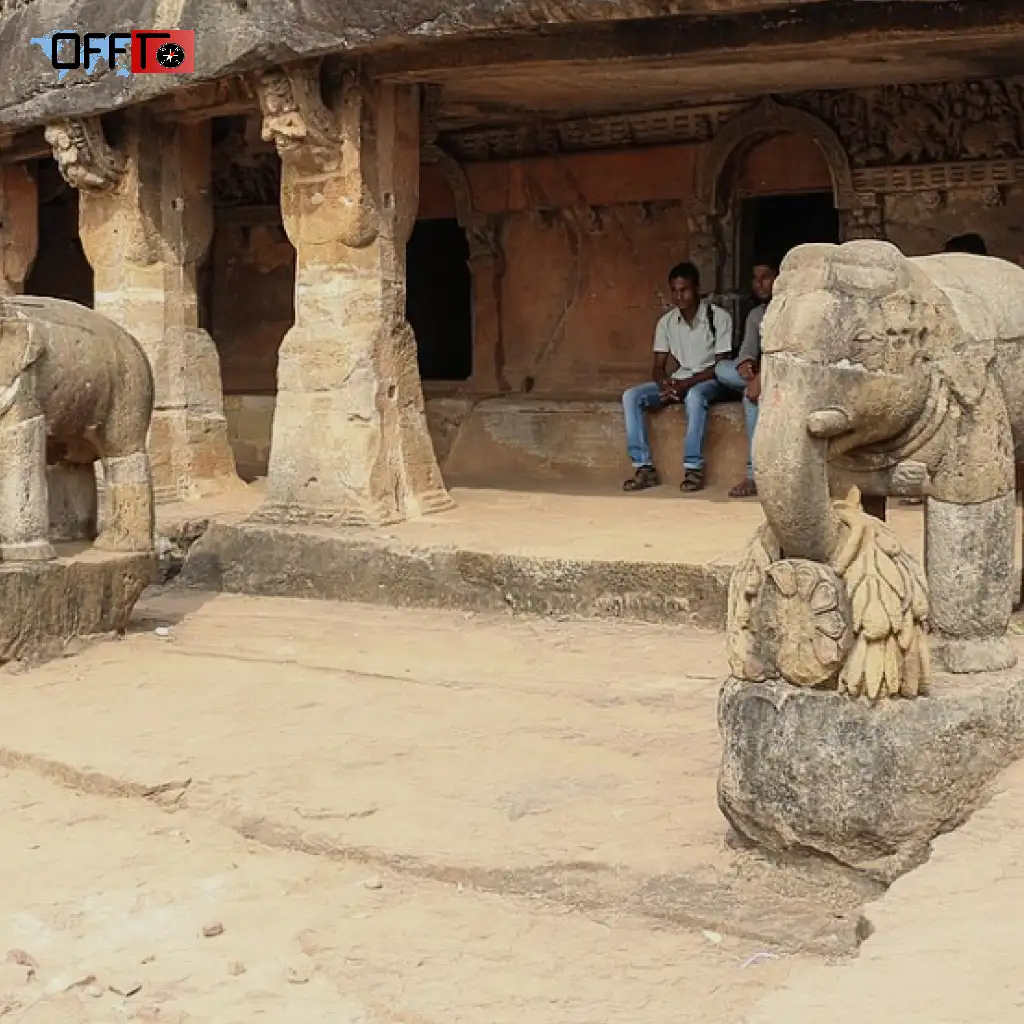
Udayagiri Hills offers some of the most remarkable historical sites in Bhubaneswar, Odisha, attracting visitors who are keen to explore ancient architecture, rock-cut caves, and scenic viewpoints. This section will guide you through the key attractions within Udayagiri Hills, helping you plan a fulfilling visit to one of Odisha’s most culturally significant sites.
Udayagiri Caves (Primary Attraction)
The Udayagiri Caves are the primary attraction of Udayagiri Hills and a major draw for both history enthusiasts and nature lovers. These caves date back to the 2nd century BCE and were carved during the reign of King Kharavela. The caves are significant for their intricate carvings and architectural design, providing a glimpse into the Jain and Buddhist influence of that era.
Rani Gumpha (Largest Cave)
- Rani Gumpha is the largest and most famous cave in the Udayagiri complex. This magnificent cave features detailed sculptures and inscriptions that tell stories of Jain royalty and religious practices. The cave was used as a monastic residence for Jain monks, and its large, open halls and impressive architectural features make it a must-see.
- What to Expect:
- A grand entrance leading to large, spacious chambers.
- Intricate carvings of animals, gods, and kings.
- Exquisite columns and pillars, demonstrating Jain architectural style.
Best for
- History buffs, photographers, and those interested in exploring ancient structures.
Detailed Carvings & Architecture
The caves themselves are a masterpiece of ancient Indian architecture, with detailed carvings on the walls that depict scenes from Jain mythology, royal life, and religious symbolism. The Udayagiri caves are rich in artistic detail and provide valuable insights into the cultural and spiritual life of the time.
- What to Expect:
- Carved reliefs illustrating the life of King Kharavela.
- Sacred carvings related to Jain rituals.
- Some caves are designed with simple structures, while others are intricately decorated.
Best Exploration Route
The most popular route for exploring Udayagiri caves starts at the entrance near the foot of the hill and leads visitors up to the top caves, including Rani Gumpha and other smaller caves. To fully explore Udayagiri, it is recommended to take the main path up the hill and visit the key caves at a leisurely pace.
- Tip: The climb can be steep, so wear comfortable footwear for a pleasant experience. The best time to visit is early morning or late afternoon, when the temperature is cooler.
Udayagiri Hill Viewpoints
Beyond the caves, Udayagiri Hill offers some of the best hilltop views of Bhubaneswar and the surrounding landscapes. The hill provides panoramic views of the city, the Aravalli range, and distant forests, making it an ideal spot for sunrise or sunset.
- What to Expect:
- Breathtaking views of Bhubaneswar city and green landscapes.
- A great spot for photography during the golden hour.
- Calm and peaceful atmosphere perfect for reflection.
Best for
- Photography lovers who want to capture the landscape at sunrise or sunset.
Udayagiri Fort (Nearby Reference)
Just nearby, you’ll find the Udayagiri Fort, which has been the subject of some confusion regarding its historical significance. The fort is often misidentified as a military fortification, but it is in fact more of a fort-like structure that offers visitors a glimpse into the fortified architecture of the region.
- What to Expect
- The fort is mostly in ruins, but visitors can still enjoy the historic ambiance and views of the surrounding area.
- The Udayagiri Fort is located near the top of the hill, and it’s perfect for those looking for a more expansive view of the area.
Best for
- History enthusiasts and those interested in military architecture.
Khandagiri Hills & Caves
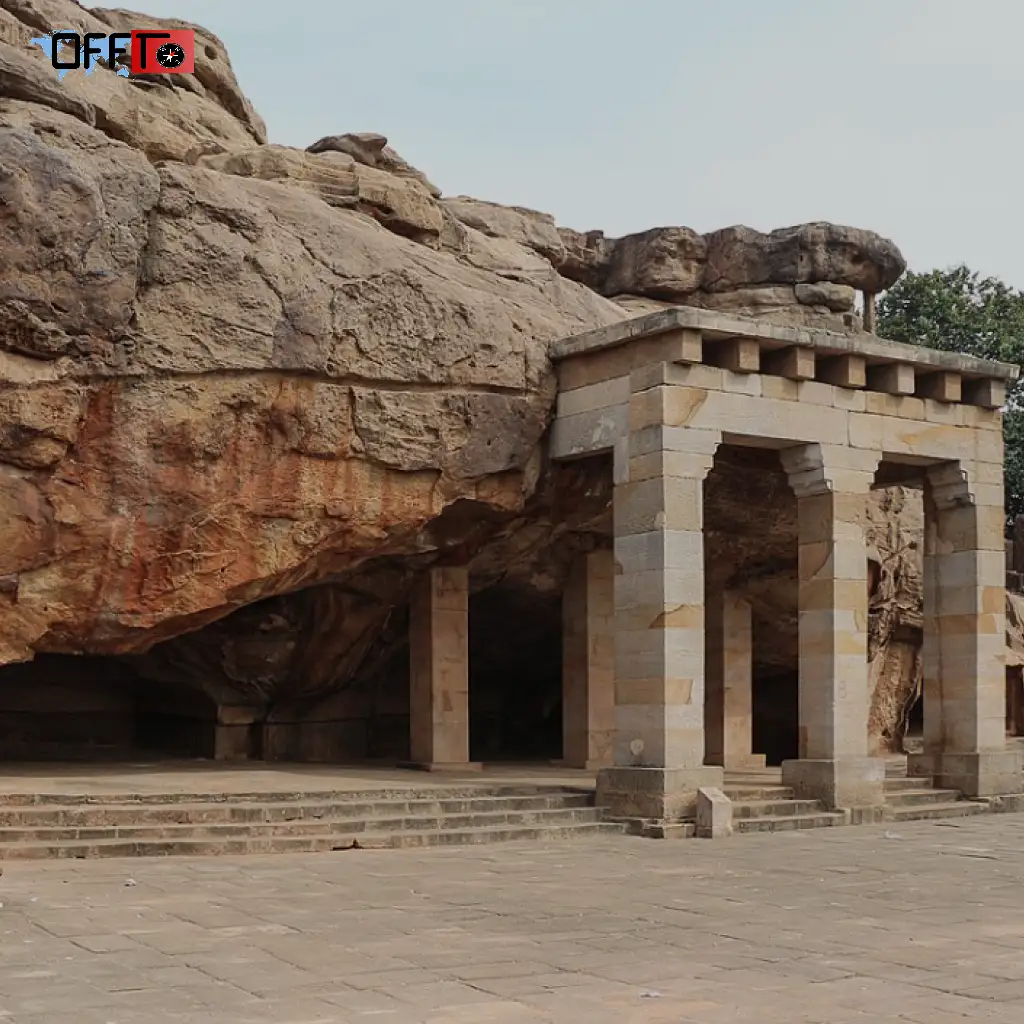
Khandagiri, situated just a few kilometers from Udayagiri, offers a quieter, simpler experience compared to its sister hill. It is famous for its Jain monk shelters and smaller caves, offering a serene environment for visitors who prefer a more peaceful and less crowded experience.
Khandagiri Caves
Khandagiri Caves are simpler in structure compared to the more grand Udayagiri caves, but they still offer a fascinating glimpse into the Jain monks’ lifestyle. These caves, though not as large, have their own charm and are quieter for visitors to explore.
- What to Expect
- Smaller caves used as shelters by Jain monks.
- Simple architectural designs with minimal carvings.
- The atmosphere is more tranquil, perfect for those seeking solitude.
Best for
- Jain history enthusiasts and those looking for peaceful reflection.
Khandagiri Hill Temple
Atop Khandagiri Hill, there is a temple dedicated to Lord Jagannath. This temple holds significant religious importance for the local community and provides a panoramic view of Bhubaneswar.
- What to Expect:
- A chance to experience the religious significance of the site.
- Beautiful hilltop views of the city, ideal for photography.
Best for
- Spiritual seekers and religious tourists.
Local Market & Surroundings
At the base of Khandagiri Hill, you’ll find a local market offering street food, local handicrafts, and souvenirs. This is a great spot to experience local life and enjoy traditional snacks after your exploration of the caves.
- What to Expect
- Authentic local shopping.
- A great spot for trying street food like samosas and chana chaat.
Best for
- Foodies and travelers who enjoy experiencing local culture.
Things to Do at Khandagiri & Udayagiri Hills
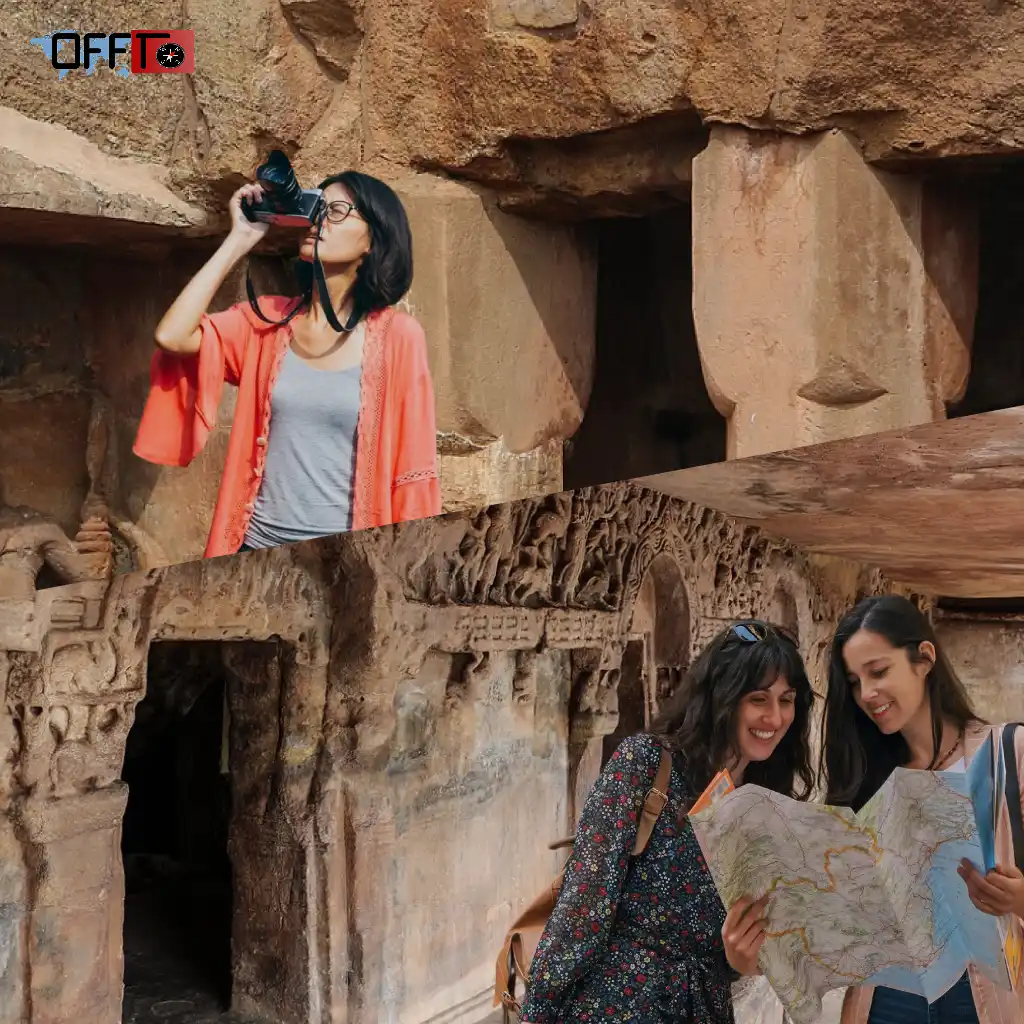
Khandagiri and Udayagiri Hills offer a wealth of experiences for visitors, whether you’re interested in history, nature, or culture. This section highlights the best activities you can enjoy while visiting these historic sites, ensuring you make the most out of your time in this incredible part of Bhubaneswar, Odisha.
Cave Exploration
The main attraction of both Khandagiri and Udayagiri Hills is undoubtedly the rock-cut caves. These caves, dating back to the 2nd century BCE, offer a fascinating glimpse into the Jain heritage and the architectural prowess of ancient India.
- Udayagiri Caves: Start your exploration at Rani Gumpha, the largest cave, which is adorned with detailed carvings and inscriptions. Don’t miss the smaller caves scattered throughout the hill, each offering unique historical insights.
- Khandagiri Caves: While simpler in structure, the caves at Khandagiri are equally captivating. These caves were used as Jain monk shelters and provide a quieter, more serene experience compared to the more crowded Udayagiri.
What to Expect
- Explore intricate carvings of animals, gods, and royalty.
- Inscriptions detailing ancient events, royal decrees, and religious practices.
- A chance to connect with the peaceful history of Jainism.
Best for
- History enthusiasts and cultural explorers.
Photography (Carvings + Views)
Both Khandagiri and Udayagiri are a photographer’s dream. From the intricate carvings inside the caves to the panoramic views at the top of the hills, there are countless opportunities to capture the historic architecture, natural landscapes, and scenic hilltop vistas.
- Udayagiri Caves: The detailed carvings, pillars, and inscriptions are a photographer’s delight. The view of Bhubaneswar city from the hilltop during sunset is breathtaking.
- Khandagiri: The caves themselves, along with the temple on the hilltop, provide excellent photographic opportunities. The local market at the base of Khandagiri is also a great spot for street photography.
Best for
- Photography lovers, nature photographers, and anyone looking to capture the historical charm of the region.
Short Hikes
For those who love to explore by foot, Khandagiri and Udayagiri Hills offer short but rewarding hikes that lead to the caves and viewpoints.
- Udayagiri Hill: The hike to the caves takes you through steep pathways, leading to elevated viewpoints with sweeping views of the city and surrounding landscape.
- Khandagiri Hill: The hike here is more manageable, offering a peaceful walk through sandstone formations and providing panoramic views of Bhubaneswar from the top.
What to Expect
- Moderate climbs with scenic surroundings.
- Peaceful environments, with opportunities for quiet reflection and nature walks.
Best for
- Nature lovers and those who enjoy short treks and exploring historical sites on foot.
Cultural Exploration
Khandagiri and Udayagiri Hills are not just about historical caves; they also offer a rich cultural experience. The surrounding area has deep Jain influence, with the caves themselves serving as monastic shelters for Jain monks.
- Jain Influence: Discover the Jain heritage and its impact on the region. The inscriptions and carvings provide insights into Jain rituals and the historical importance of these sites.
- Local Market: Near Khandagiri Square, you’ll find a local market offering street food and handicrafts, giving you a chance to immerse yourself in local culture and traditions.
What to Expect
- Traditional Jain rituals and religious significance at the caves.
- Street food and local crafts near Khandagiri Square.
Best for
- Cultural travelers and those interested in exploring the history of Jainism in Odisha.
How Much Time is Needed to Visit Khandagiri & Udayagiri?
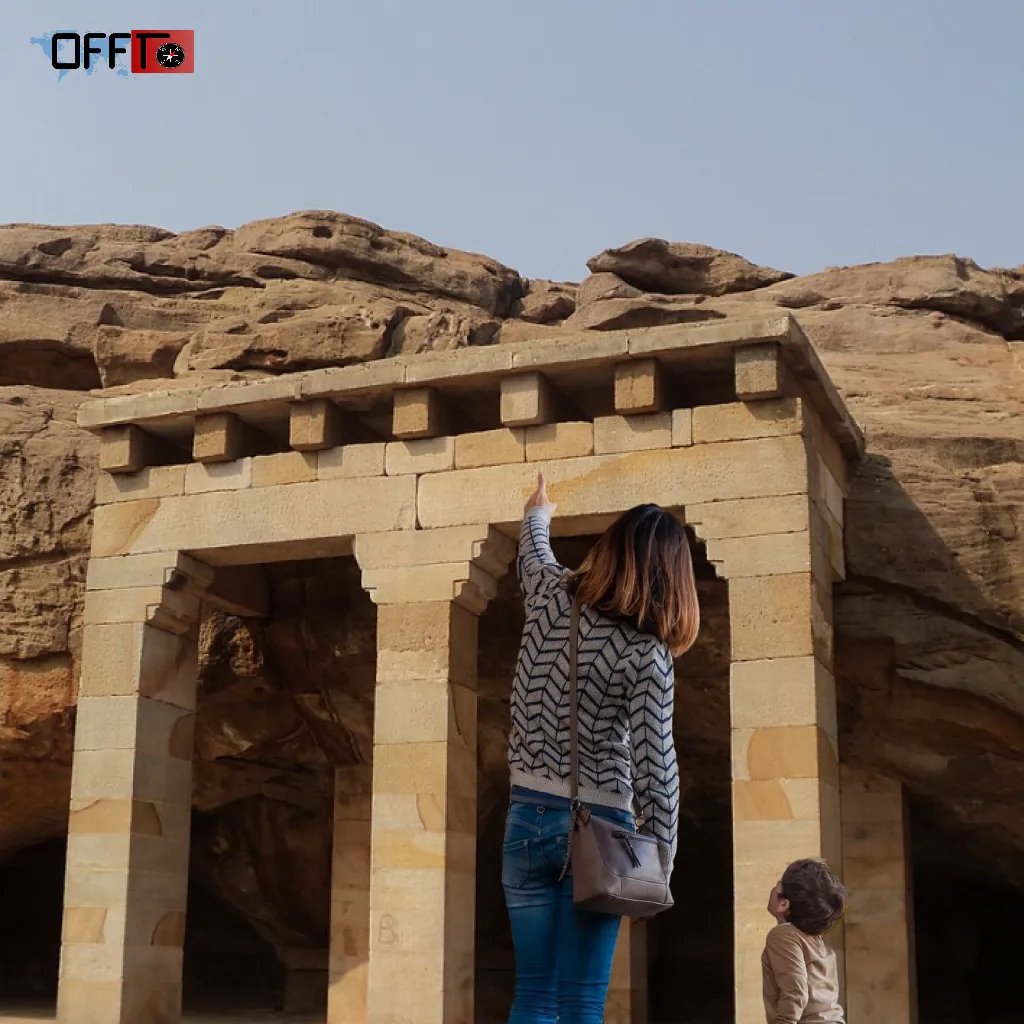
The time needed to explore Khandagiri and Udayagiri Hills will depend on how deeply you wish to explore the historical caves, enjoy the scenic views, and experience the local culture. Here’s a breakdown of the ideal duration for a visit.
Ideal Duration: 2–3 Hours
- Quick Visit: If you’re short on time and only interested in seeing the major caves and viewpoints, a quick visit to both hills can be completed in 2–3 hours. This would allow for a brief exploration of Udayagiri’s caves, a quick hike to the hilltop, and a brief stop at Khandagiri.
- Detailed Exploration: If you wish to explore the caves in-depth, enjoy the panoramic views, take some time for photography, and delve into the historical significance of these hills, you’ll need 3–4 hours for a more comprehensive visit. This will give you enough time to see both hills, appreciate the intricate carvings, and enjoy the scenic landscapes.
Suggested Time Split Between Both Hills
- Udayagiri: Spend around 1.5–2 hours at Udayagiri, starting with the Rani Gumpha cave, followed by a hike to the viewpoints for panoramic views of Bhubaneswar.
- Khandagiri: Allocate around 1 hour to Khandagiri, where you can visit the smaller caves, explore the local market, and enjoy the views from the top of the hill.
Practical Tip
If you want to visit both hills at a relaxed pace, aim for a half-day trip. Visit Udayagiri first, spend some time enjoying the caves and views, and then head to Khandagiri for a more tranquil experience.
- Khandagiri: The caves themselves, along with the temple on the hilltop, provide excellent photographic opportunities. The local market at the base of Khandagiri is also a great spot for street photography.
Short Hikes
For those who love to explore by foot, Khandagiri and Udayagiri Hills offer short but rewarding hikes that lead to the caves and viewpoints.
- Udayagiri Hill: The hike to the caves takes you through steep pathways, leading to elevated viewpoints with sweeping views of the city and surrounding landscape.
- Khandagiri Hill: The hike here is more manageable, offering a peaceful walk through sandstone formations and providing panoramic views of Bhubaneswar from the top.
Practical Tip
- If you want to visit both hills at a relaxed pace, aim for a half-day trip. Visit Udayagiri first, spend some time enjoying the caves and views, and then head to Khandagiri for a more tranquil experience.
History of Khandagiri and Udayagiri Hills
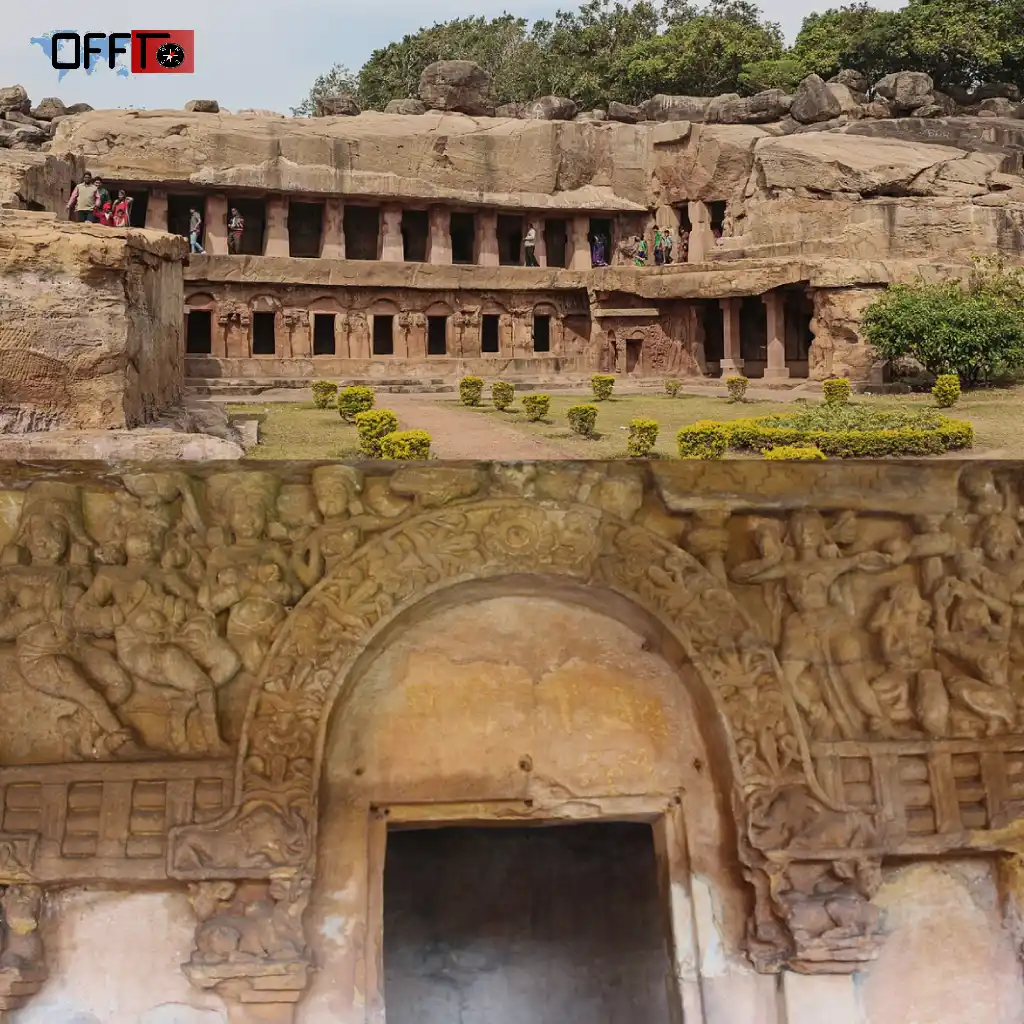
The Khandagiri and Udayagiri Hills are two of the most significant historical and cultural landmarks in Bhubaneswar, Odisha. These twin hills hold an important place in the history of Jainism and reflect the architectural evolution of ancient India. Both hills were developed during the reign of King Kharavela, who ruled over Kalinga (modern-day Odisha) in the 1st century BCE.
Built During King Kharavela’s Reign
The caves at Khandagiri and Udayagiri were carved out during the reign of King Kharavela, a prominent Jain ruler known for his contributions to Jainism and his patronage of religious architecture. Kharavela was a great warrior and a patron of the arts, and his reign marked a period of prosperity and cultural flourishing in Odisha.
- King Kharavela’s Influence: He is credited with commissioning the rock-cut caves, which served as residential spaces and meditation shelters for Jain monks. The inscriptions found in these caves detail his military victories and religious activities, providing important historical context.
- The Kharavela Inscription: A notable inscription in the Udayagiri caves (specifically the Hathigumpha inscription) tells the story of King Kharavela’s achievements and his significant contributions to the Jain religion in Odisha.
Best for
- History enthusiasts and those interested in the reign of King Kharavela and his influence on Jainism.
Jain Heritage Importance
Khandagiri and Udayagiri hold great religious significance for the Jain community. The caves were primarily used as monastic shelters by Jain monks, who sought solitude and peace for their meditations and spiritual practices. The carvings, inscriptions, and architecture reflect the Jain values of asceticism, devotion, and simplicity.
- Jainism in Odisha: Odisha has a long history of Jainism, which thrived during the reign of King Kharavela. The caves at Khandagiri and Udayagiri served as a hub for Jain monks, offering them a place to practice their faith away from the bustling cities.
- Jain Influence: The Jain caves reflect the spiritual life of the monks who lived there, with their simple yet beautiful carvings and the minimalist design of the caves. The symbolism in the carvings represents Jain teachings, such as ahimsa (non-violence) and satya (truth).
Best for
- Cultural travelers and those exploring Jain heritage in Odisha.
Evolution of Cave Architecture
The caves at Khandagiri and Udayagiri offer an intriguing look at the evolution of cave architecture in ancient India. Early caves were carved into the rock for religious and monastic purposes, but over time, the architectural style became more intricate, reflecting the cultural changes of the period.
- Early Cave Architecture: The Khandagiri caves are simpler, featuring basic rock-cut shelters with limited decoration. These early caves were functional, offering shelter and solitude for Jain monks.
- Later Developments at Udayagiri: In contrast, the caves at Udayagiri are more elaborate, with intricate carvings, pillars, and architectural details that showcase the evolution of rock-cut architecture in the region. Udayagiri caves, especially Rani Gumpha, feature highly detailed carvings of animals, deities, and royal figures.
Best for
- Architecture enthusiasts and those interested in the evolution of cave designs and rock-cut structures.
Best Time to Visit Khandagiri and Udayagiri Hills
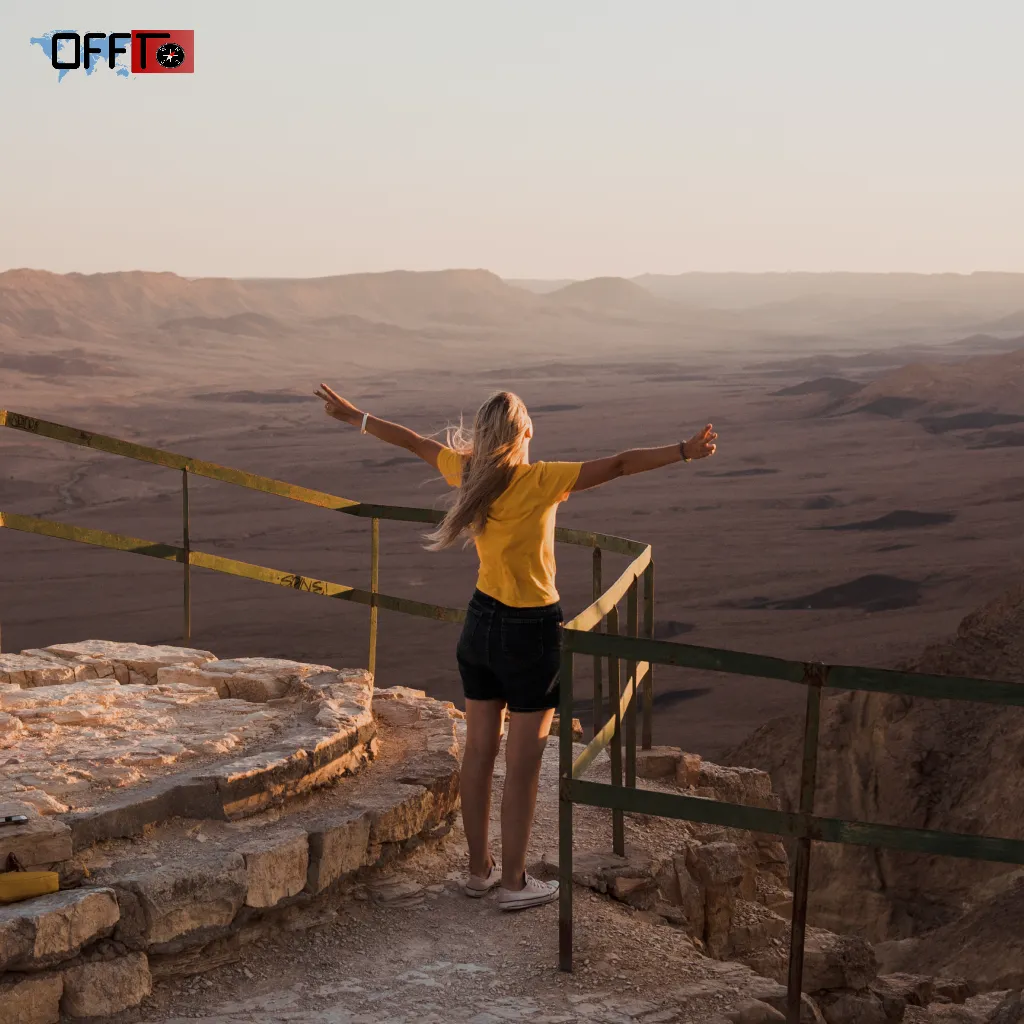
Choosing the right time to visit Khandagiri and Udayagiri Hills is key to enjoying the full experience, from the peaceful atmosphere of the caves to the stunning views from the top of the hills. The weather in Bhubaneswar, combined with the terrain of the hills, influences the best time for a visit. Here’s what you need to know to plan your trip effectively.
Winter (Best Experience)
Winter (October to February) is considered the best time to visit Khandagiri and Udayagiri Hills for several reasons:
- Pleasant temperatures: During winter, the weather in Bhubaneswar is cool and comfortable, with daytime temperatures ranging from 15°C to 25°C, making it ideal for exploring the caves and hiking up the hills.
- Clear skies: The clear weather enhances the experience of photography, allowing you to capture the landscape views and the intricate carvings inside the caves with perfect lighting.
- Comfortable hikes: The cooler temperatures make it more comfortable to hike up to the viewpoints and explore the caves without the oppressive heat of summer.
Best for
- Photography lovers, nature explorers, and those who prefer comfortable weather for outdoor activities.
Summer (Hot but Manageable Mornings)
Summer (March to June) can be quite hot, with temperatures often reaching over 35°C during the day, but early mornings and evenings can still offer a good experience for visiting Khandagiri and Udayagiri.
- What to Expect:
- Hot afternoons: The afternoon heat makes it difficult to explore the caves or hike during peak hours.
- Mild mornings: The best time to visit during summer is early in the morning, before the temperature peaks. You can comfortably explore the caves and enjoy the viewpoints at sunrise.
- Trade-off: While you’ll experience fewer crowds during summer, the heat may make it harder to enjoy the caves and hiking.
Best for
- Early risers and those who want to avoid crowds but don’t mind the heat.
Monsoon (Green but Slippery Paths)
The monsoon season (July to September) brings rain to Bhubaneswar, making the landscape around Khandagiri and Udayagiri lush and green. However, the rain can make the paths slippery and harder to hike.
- What to Expect
- Lush greenery: The hills become beautifully green, and the area around the caves becomes more scenic.
- Slippery trails: Rain can make hiking and exploring the caves a bit more challenging, with muddy and slippery paths.
- Trade-off: While the monsoon season is beautiful, the wet conditions may limit your ability to explore comfortably, and you should plan for possible rain delays.
Best for
- Nature enthusiasts who enjoy the lush beauty of the monsoon season and are prepared for slippery conditions.
Summary
- Winter is the best time to visit for pleasant weather and the best overall experience.
- Summer offers fewer crowds but requires an early morning visit to beat the heat.
- Monsoon brings lush greenery, but paths may be slippery.
Weather & Travel Conditions Explained
The weather in Bhubaneswar significantly influences the experience of visiting Khandagiri and Udayagiri Hills. Understanding the climate and ideal visiting hours is essential for making the most of your trip, as it directly impacts your comfort during exploration and photography.
Bhubaneswar Climate Impact
Bhubaneswar experiences a tropical climate, with hot summers, moderate winters, and humid monsoons. This climate greatly affects the Khandagiri and Udayagiri Hills experience, as the heat can make hiking difficult and limit the comfort of visiting during peak afternoon hours.
- Summer (March–June): The temperatures can rise above 35°C (95°F), with afternoons being particularly harsh. High humidity can make trekking and cave exploration uncomfortable.
- Winter (November–February): This season is mild and pleasant, with daytime temperatures ranging from 15°C to 25°C (59°F–77°F), making it perfect for exploring the hills and caves.
- Monsoon (July–September): The region experiences moderate to heavy rainfall, which brings lush greenery but can also make paths slippery and difficult to navigate.
Best for
- Winter is the most comfortable and popular time to visit, while summer can be tough for outdoor activities.
Best Visiting Hours (Morning/Evening)
The best time to visit Khandagiri and Udayagiri Hills is either early morning or late afternoon for several reasons:
- Morning (6:00 AM – 9:00 AM):
Visiting during the early hours provides cooler temperatures and a peaceful atmosphere. The morning light is perfect for photography, as it casts a soft glow on the caves, carvings, and landscapes.
- Evening (4:30 PM – 6:00 PM):
The golden hour in the evening provides stunning sunset views over Bhubaneswar from the hilltops. The temperature is more comfortable, making it an ideal time to explore the caves and take photographs of the landscape and historical structures.
Best for
- Photography lovers and those who want to enjoy the serene atmosphere without the midday heat.
Heat Considerations
If you’re planning to visit during the summer months, it’s crucial to plan ahead to handle the heat effectively. The midday heat can reach uncomfortable levels, making exploration and trekking challenging.
- Avoid peak heat hours: The afternoon heat can be intense, so try to avoid exploring from 12:00 PM to 3:00 PM.
- Stay hydrated: Always carry water and sunscreen to protect yourself from the heat and sun exposure.
- Wear breathable clothing: Light-colored, breathable clothes will help you stay cool during your visit. Comfortable footwear is also essential for climbing the hills.
Best for
- Travelers visiting in summer should go early in the morning or in the late afternoon to avoid heat stress.
Places to Visit Near Khandagiri & Udayagiri
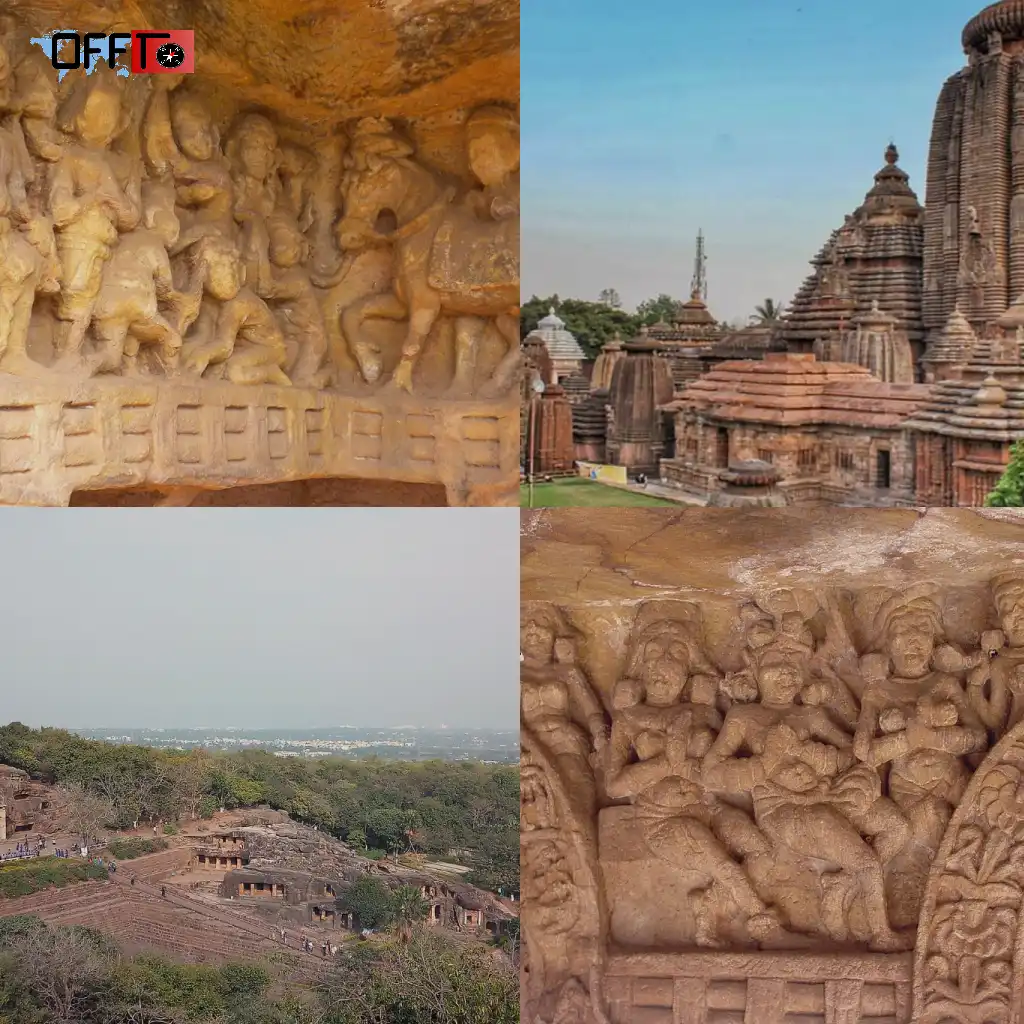
While Khandagiri and Udayagiri Hills are rich in history and cultural significance, there are several other fascinating attractions nearby in Bhubaneswar that are worth visiting. These nearby landmarks will enhance your experience of the region, offering a variety of spiritual, historical, and natural wonders to explore.
Lingaraj Temple
Distance: ~8 km from Khandagiri and Udayagiri Hills
The Lingaraj Temple is one of the most important Hindu temples in Odisha and is dedicated to Lord Shiva. The temple, built in the 11th century, features beautiful Kalinga architecture and is an excellent example of the intricate stone carvings that characterize the region’s sacred sites.
- What to Expect
- Vibrant architecture with detailed carvings of deities and religious motifs.
- Spiritual atmosphere and an important pilgrimage site for Hindus.
- A peaceful environment perfect for exploring and taking photographs.
Best for
- Spiritual seekers and those interested in historic temples.
Dhauli Shanti Stupa
Distance: ~7 km from Khandagiri and Udayagiri Hills
The Dhauli Shanti Stupa (Peace Pagoda) is located atop the Dhauli Hill and is a Buddhist monument dedicated to promoting peace and harmony. The stupa marks the site where Emperor Ashoka embraced Buddhism after his victory at the Kalinga War in 261 BCE. It is one of the most peaceful places in Bhubaneswar, offering stunning views of the surrounding area.
- What to Expect
- Buddhist sculptures and inscriptions marking the historical significance of the site.
- A serene place to meditate or simply enjoy the panoramic views of Bhubaneswar.
Best for
- Peace seekers and history buffs interested in the Buddhist influence on the region.
Nandankanan Zoo
Distance: ~15 km from Khandagiri and Udayagiri Hills
For nature lovers and families, Nandankanan Zoo is a must-visit destination in Bhubaneswar. Known for its unique wildlife and natural habitat enclosures, the zoo houses a variety of animals, including white tigers, leopards, and a large collection of reptiles and birds.
- What to Expect
- Wildlife safari and enclosures set in a lush forested area.
- Botanical garden and lake within the zoo.
- Educational exhibits and interactive experiences for children.
Best for
- Families and wildlife enthusiasts looking for a fun, educational experience.
Additional Tips for Visiting These Nearby Attractions
- Transportation: All of these attractions are easily accessible by car or auto-rickshaw. If you have limited time, consider hiring a cab or private car to explore the sights efficiently.
- Time Management: Allocate half a day to explore Khandagiri and Udayagiri, and the remaining time can be used to visit these nearby sites. Combining these experiences will give you a comprehensive look at the historical and cultural diversity of Bhubaneswar.
Travel Tips for Khandagiri & Udayagiri Hills
Visiting Khandagiri and Udayagiri Hills offers a wonderful opportunity to explore ancient caves, enjoy scenic views, and delve into the history of Odisha. However, these hills involve a bit of physical effort due to their steep terrain and rocky paths. Here are some essential travel tips to help you have a safe, comfortable, and enjoyable experience:
Wear Comfortable Footwear (Steps & Climbing)
Since both Khandagiri and Udayagiri Hills involve walking on rocky paths and climbing steep steps, it’s crucial to wear comfortable footwear. Opt for shoes that are supportive, durable, and comfortable for walking on uneven surfaces.
- Best Choices:
- Sturdy sneakers or light hiking shoes with good grip.
- Closed-toe shoes for safety, as the paths can be slippery, especially during the rainy season.
Tip: Avoid wearing sandals, flip-flops, or heels, as they can make it difficult to climb and navigate the rocky areas.
Carry Water
Both Khandagiri and Udayagiri Hills do not have adequate drinking water facilities, and since you’ll be walking or hiking, it’s important to stay hydrated. Carry a water bottle to ensure you have access to fresh water during your exploration.
Tip: Consider bringing a reusable water bottle to reduce plastic waste. It’s also a good idea to carry snacks if you’re planning on a longer visit.
Note: Make sure to hydrate before the hike and take regular sips of water throughout your visit, especially if you’re exploring during the summer months.
Avoid Midday Heat
The midday sun can be particularly harsh in the summer months (March–June), making it uncomfortable to walk the hilly paths and explore the caves. The best times to visit are during the early morning or late afternoon when the temperatures are cooler and the sunlight is more favorable for photography.
- Midday Heat: From 12:00 PM to 3:00 PM, the temperatures can soar above 35°C, making outdoor activities like hiking and photography uncomfortable and potentially exhausting.
- Best Visit Times:
- Early morning (6:00 AM – 9:00 AM) to avoid the heat and crowds.
- Late afternoon (4:00 PM – 6:00 PM) for cooler temperatures and stunning sunset photography.
Tip: Wear a wide-brimmed hat or cap, and use sunscreen to protect yourself from the strong sun if visiting during peak hours.
Respect Heritage Structures
Both Khandagiri and Udayagiri Hills are important heritage sites, home to ancient Jain caves, carvings, and inscriptions. It’s important to be respectful of these historical structures to preserve their integrity for future generations.
- Respecting the Caves: Do not touch or deface the carvings or inscriptions. Many of these intricate designs are centuries old and are considered sacred by local communities.
- Keep the environment clean: Ensure you dispose of your trash properly and avoid littering the site.
- Climbing Restrictions: Avoid climbing the stone walls or pillars inside the caves, as this can cause damage to the historical structure.
Tip: If you’re unsure about something, feel free to ask the local guides or authorities for any specific rules to ensure you’re respecting the heritage site appropriately.
Additional Travel Tips
- Hire a Local Guide: Hiring a local guide can enhance your visit by providing historical context, explaining the significance of the caves, and helping you navigate the trails.
- Avoid Peak Tourist Times: To enjoy a peaceful visit without the crowds, consider going during weekdays or off-season months (except summer).
- Bring Camera Gear: If you’re into photography, make sure to bring your camera or smartphone for capturing the detailed carvings, cave architecture, and stunning views.
FAQs
What are Khandagiri and Udayagiri famous for?
Khandagiri and Udayagiri are famous for their ancient rock-cut caves, dating back to the 2nd century BCE. These caves, associated with Jain monks, feature intricate carvings and inscriptions and offer a glimpse into the Jain heritage of Odisha.
Where is Udayagiri Hills located?
Udayagiri Hills is located in Bhubaneswar, Odisha, approximately 8 km from the city center. It’s easily accessible by car, auto-rickshaw, or taxi, and is part of the Khandagiri-Udayagiri hill complex.
What are the best caves in Udayagiri?
The best caves in Udayagiri include the Rani Gumpha, the largest cave, known for its detailed carvings and historical inscriptions. Other notable caves include the Hathigumpha, which contains inscriptions detailing King Kharavela’s reign.
What are the best caves in Khandagiri?
The Khandagiri caves are simpler than Udayagiri but still significant. Cave 1 and Cave 3 are the most notable, featuring carvings of animals, gods, and monks, offering insight into the Jain monastic life.
How much time is needed to visit Khandagiri and Udayagiri?
A quick visit can be completed in 2–3 hours, but for detailed exploration of both hills, 3–4 hours is ideal. Spend more time at Udayagiri for the caves and viewpoints, and around 1 hour at Khandagiri.
What is the history of Khandagiri caves?
The Khandagiri caves date back to the 2nd century BCE and were carved during the reign of King Kharavela. These caves served as residential shelters and meditation spots for Jain monks, reflecting the rich Jain heritage in Odisha.
Are Khandagiri and Udayagiri worth visiting?
Yes, Khandagiri and Udayagiri are definitely worth visiting for their historical significance, Jain heritage, intricate carvings, and scenic hilltop views. They offer a peaceful, offbeat experience in Bhubaneswar for history and culture enthusiasts.
What is the best time to visit Khandagiri and Udayagiri?
The best time to visit is during winter (October–February) when the weather is mild and perfect for outdoor exploration. Morning or evening visits are ideal to avoid the midday heat and enjoy cooler temperatures.
How to reach Khandagiri from Bhubaneswar?
Khandagiri is about 8 km from the Bhubaneswar city center. You can reach it via auto-rickshaw, taxi, or local buses. Self-drive is also a popular option, offering flexibility.
Is there an entry fee for Khandagiri and Udayagiri?
Yes, there is a nominal entry fee for both Khandagiri and Udayagiri. The fee for Indian visitors is approximately ₹10–₹20, and for foreign tourists, it is about ₹100–₹150.
Read more >>>
Places to Visit in Summer in India for Cool Escapes & Family Fun
Best Places to Visit in May in India for Cool Summer Escapes
Final Take: Is Khandagiri & Udayagiri Worth Visiting?
Khandagiri and Udayagiri Hills are absolutely worth visiting for those who are passionate about history, culture, and architecture. These hills house some of the most historically significant Jain caves and offer a glimpse into the ancient monastic life that shaped Odisha’s heritage.
Who Will Love It?
- History Lovers: With their ancient inscriptions, carvings, and historical caves, Khandagiri and Udayagiri are a treasure trove for anyone interested in Indian history, particularly the Jain heritage of Odisha.
- Photographers: The scenic hilltop views, intricate cave carvings, and golden hour lighting make this site a paradise for photographers eager to capture the beauty of ancient rock-cut architecture and nature.
- Cultural Travelers: Those looking to dive into the Jain culture, explore ancient architecture, and experience the serene ambiance of the caves will find these hills to be a perfect cultural retreat.
Who May Skip?
Adventure Seekers Looking for Long Treks: While the hills offer moderate hikes and beautiful views, Khandagiri and Udayagiri may not appeal to adventure enthusiasts looking for more challenging and extensive treks. The rocky terrain and shorter trails make these hills more suited for history exploration and scenic walks rather than full-fledged adventures.
Khandagiri and Udayagiri Hills are ideal for travelers who are looking to connect with history, soak in cultural significance, and enjoy serene natural beauty. For history buffs, photographers, and cultural travelers, these hills are a must-visit destination. If you’re looking for adventurous treks, you may want to explore other locations, but for those seeking a peaceful and enriching experience, Khandagiri and Udayagiri are perfect.
Plan Your Khandagiri & Udayagiri Hills with Offto Travellers
Are you ready to immerse yourself in the rich history of Khandagiri and Udayagiri Hills? These iconic heritage sites in Bhubaneswar are waiting to offer you an unforgettable experience. Whether you’re a history enthusiast, a photography lover, or a cultural traveler, these ancient hills provide the perfect blend of natural beauty, Jain heritage, and historical significance.
Imagine walking through rock-cut caves that date back to the 2nd century BCE, witnessing intricate carvings that depict royalty, religion, and ancient monastic life. Feel the peace and serenity as you climb the steps to hilltop viewpoints, offering panoramic views of Bhubaneswar and the surrounding landscapes. With the golden hour light casting a warm glow on the caves, it’s an experience that every photographer dreams of capturing.
But why stop at just visiting? With Offto Travellers, you can make this journey seamless and memorable. Our platform offers you the perfect book stays options near Khandagiri and Udayagiri Hills, from eco-friendly accommodations to heritage-style stays that blend comfort with local charm. Not only will you explore the historical and cultural treasures of Odisha, but you’ll also enjoy modern amenities that enhance your travel experience.
Sign up
Leave a Reply