
The Dzukou Valley Trek is a moderate difficulty trek in Nagaland, known for its stunning meadows, seasonal flowers (like the Dzukou Lily), and serene landscapes. Ideal for nature lovers, the best time to visit is between November and March, with options for camping and exploration.
Introduction to Dzukou Valley Trek
Dzukou Valley, located on the border of Nagaland and Manipur, is one of Northeast India’s most distinctive trekking destinations. Known for its rolling green landscapes, seasonal flowers, and wide-open valley views, the Dzukou Valley trek offers a very different experience compared to the forest-heavy or mountain-peak treks found elsewhere in India.
At its core, Dzukou Valley Nagaland is less about reaching a summit and more about entering a landscape that feels unexpectedly expansive. Instead of dense forest throughout, the terrain gradually opens into vast meadows, with gentle slopes and natural streams cutting through the valley floor. This shift in scenery is what makes the trek memorable—it evolves as you move.
Why visit Dzukou Valley?
There are many treks that offer altitude or dramatic peaks. Dzukou stands out for its visual contrast and calmness.
- Landscape unlike typical treks: The valley is often described as a “rolling carpet of green,” especially after the monsoon. Wide, open views replace the usual enclosed forest trails.
- Seasonal flower blooms: The valley becomes especially popular during flowering season, when it transforms with a variety of native blooms, including the well-known Dzukou Lily.
- Accessible yet offbeat: While the trek is relatively accessible compared to high-altitude Himalayan routes, it still feels less commercialized, particularly for travelers coming from outside the Northeast.
- Balanced trekking experience: It offers a mix of forest entry, moderate climbs, and relaxed walking once inside the valley—making it suitable for a wide range of trekkers.
What kind of experience should you expect?
The Dzukou Valley trek is not about extreme adventure or technical climbing. It’s more about movement through changing terrain—from steep entry trails to open valley walks.
A key distinction:
- The effort is front-loaded (especially during the initial climb),
- The reward is sustained once you enter the valley.
A practical insight before you decide
If you prefer treks with constant dramatic views at every turn, this may feel slow at the start. But if you enjoy landscapes that gradually open up and give you space to explore, Dzukou tends to feel far more rewarding over time.
In simple terms, this is a trek that trades intensity for immersion and atmosphere—and that’s exactly why it stands out.
Dzukou Valley Trek Distance and Duration
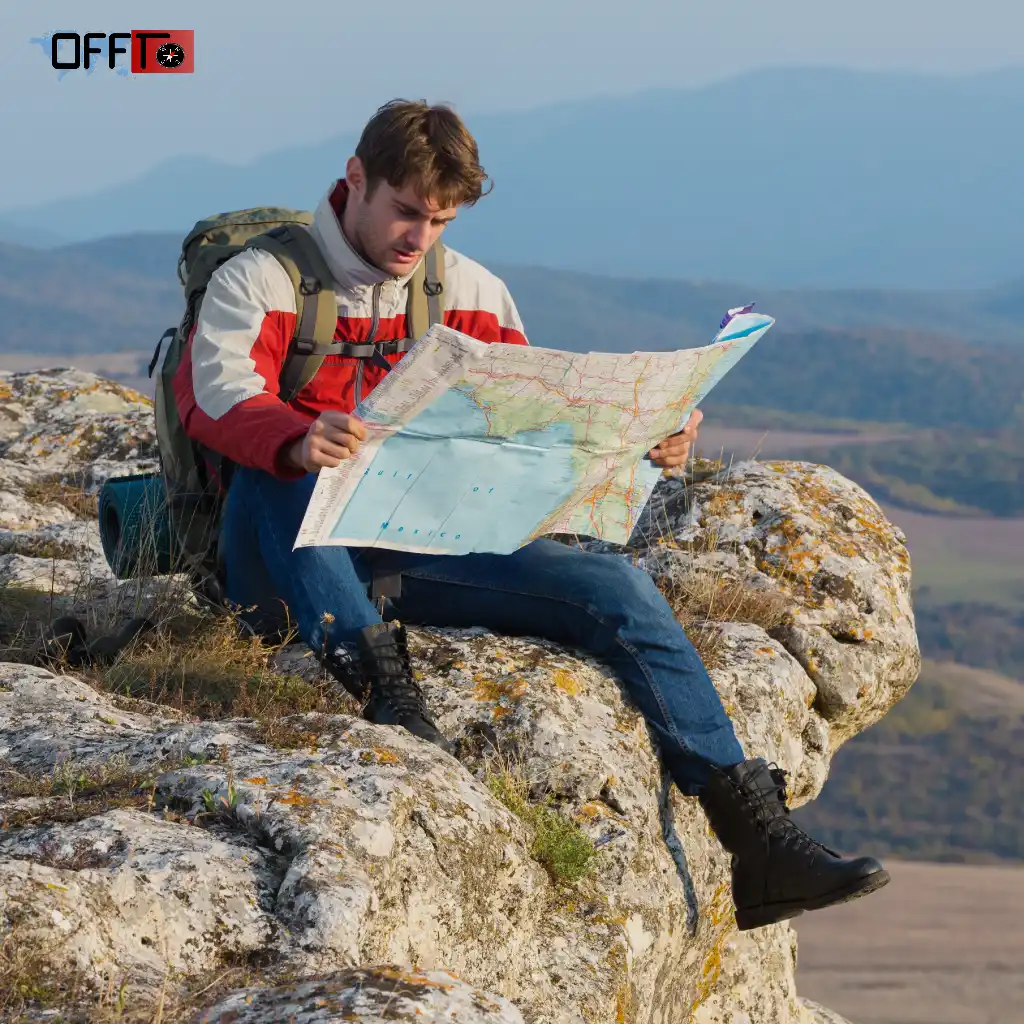
Before planning, it helps to understand the Dzukou Valley trek distance and time commitment, because this directly shapes how you pace your trip.
How long is the Dzukou Valley trek?
The Dzukou Valley trek distance depends on the route you choose, but the most common entry points are:
- Viswema route: ~16–18 km round trip
- Zakhama route: Slightly shorter but steeper
Most trekkers today prefer the Viswema route because it offers a more gradual ascent, even if the distance is slightly longer.
How many days does it take?
Typically, the Dzukou Valley trek takes 2 to 3 days:
- Day 1: Reach the base village and trek to the valley/campsite
- Day 2: Explore the valley and nearby ridges
- Day 3: Trek back to the starting point
Some experienced trekkers complete it in 2 days, but a 3-day plan allows for a more relaxed experience inside the valley.
Is Dzukou Valley Trek difficult?
A common question is: Is Dzukou Valley Trek difficult?
The honest answer:
It is easy to moderate overall—but with a challenging start.
Here’s how it breaks down:
1. Initial ascent (most demanding part): The first stretch, especially from Zakhama or early sections of Viswema, involves a steep uphill climb. This is where most trekkers feel the difficulty.
2. Mid-section (more manageable): Once past the steep climb, the trail becomes more gradual, with forest paths and ridge walks.
3. Inside the valley (relatively easy): Walking within Dzukou Valley itself is much easier—mostly flat or gently undulating terrain.
What makes the trek feel harder than expected?
- Continuous incline at the start
- Exposure to sun on certain stretches
- Limited shade depending on the route
- Carrying your own gear if camping
Who is it suitable for?
- Beginners with basic fitness: Yes, if you’re prepared for the initial climb
- Experienced trekkers: Comfortable and enjoyable
- Casual travelers with no activity background: May find the first half tiring
A useful decision cue: If you can comfortably handle a 3–4 hour uphill walk with breaks, you can manage this trek.
A useful decision cue: If you can comfortably handle a 3–4 hour uphill walk with breaks, you can manage this trek.
A practical insight
Many people judge this trek by total distance—but the real challenge is the first 2–3 hours, not the entire route. If you pace yourself well early on, the rest of the trek feels significantly easier.
In summary: The Dzukou Valley trek distance is manageable for most travellers, and while it’s not an “easy walk,” it’s also not an extreme trek. It sits in that middle ground—accessible, but still physically engaging enough to feel like a real trek.
Best Time to Visit Dzukou Valley
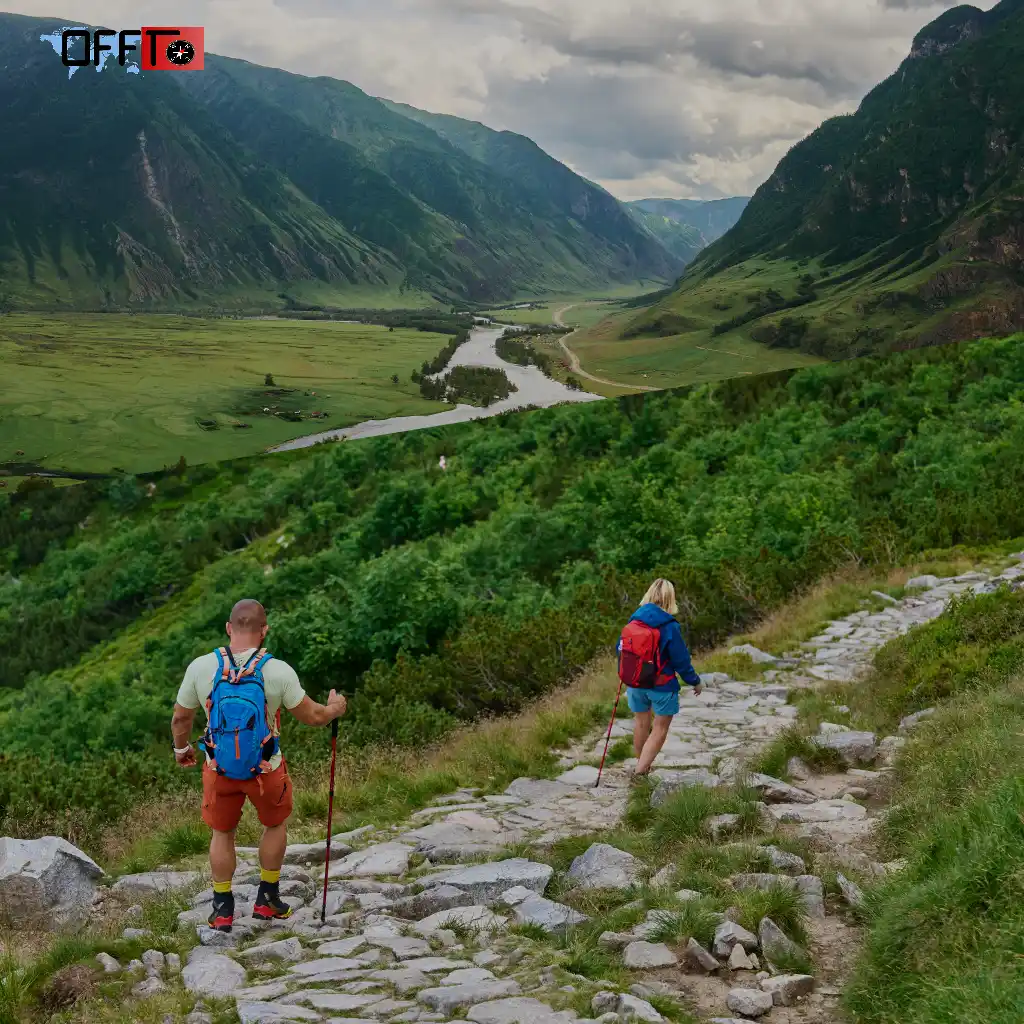
When planning a trek to Dzukou Valley, timing plays a crucial role in ensuring a pleasant experience. The best time to visit Dzukou Valley largely depends on what you want to see and how comfortable you are with varying weather conditions.
Ideal Months for Trekking
The best time to visit Dzukou Valley for trekking is from November to March. During this period, the weather is cooler, and the valley is easily accessible for trekking.
- October to March: This is the peak trekking season, with cooler temperatures and dry trails, ideal for hiking. The weather is more predictable, and the valley is free from the heavy rainfall of the monsoon.
- April to June: While still manageable, it starts getting warmer during these months. However, the flowering season begins around April, bringing in travelers keen on witnessing the valley’s blooming Dzukou lilies. If you’re aiming for flowers, this is an excellent time.
- July to September (Monsoon season): This is the least ideal time to visit. The valley experiences heavy rainfall, which makes trails slippery and increases the chances of encountering leeches. The monsoon also restricts visibility and creates difficulty for trekking, making it less ideal for inexperienced trekkers.
Temperature and Climate
The Dzukou Valley weather varies throughout the year, influenced by its location in the Northeastern region of India.
- Winter (November to February): During this period, temperatures can drop to as low as 5°C to 10°C at night. The days are cool and comfortable for trekking, usually ranging from 12°C to 20°C. It’s a perfect time for trekking as the paths are dry, and the cool air adds to the charm of the adventure.
- Summer (March to June): The temperatures rise to 25°C to 30°C during the day, and nights can be slightly cooler. While still comfortable for trekking, the heat may slow down some trekkers. But this period marks the flowering season, with the Dzukou Lily and other wildflowers adding vibrancy to the landscape.
- Monsoon (July to September): The monsoon brings heavy rainfall and can make the trails muddy and slippery. It’s best to avoid this time for trekking as conditions can become treacherous.
A Practical Insight
If you’re aiming for the best trekking conditions, November to February is the most comfortable time. However, if you’re keen on witnessing the valley’s renowned flowers, consider the spring months (April to June).
If your main goal is peace and solitude, visiting just before or after the busy trekking season (like late October or early March) might provide a more serene experience.
How to Reach Dzukou Valley
Getting to Dzukou Valley involves a combination of road travel and trekking. Since it is located in the more remote regions of Nagaland, there are no direct trains or flights to the valley itself. However, the route from nearby towns like Kohima and Dimapur provides easy access points for trekkers.
Getting There
- By Air: The nearest airport is Dimapur Airport, located approximately 74 km from Kohima (the capital of Nagaland). Dimapur is well connected to major Indian cities like Kolkata, Guwahati, and Delhi, with direct flights available.
From Dimapur, you can hire a taxi or take a private vehicle to Kohima, which takes around 2-3 hours depending on traffic and road conditions. From Kohima, you can proceed toward the trekking start points.
- By Train: The nearest major railway station is Dimapur Railway Station. It is well connected to Kolkata, Guwahati, and other cities. From Dimapur, take a taxi or shared vehicle to reach Kohima, the primary gateway for the Dzukou Valley trek.
- By Road: Kohima is accessible by road from nearby towns, including Dimapur and Imphal. The Dimapur to Kohima road (around 74 km) is the most common route. You can hire taxis, travel via private vehicles, or take public buses to reach the starting point for the trek.
Trek Start Points
The most common starting points for the Dzukou Valley trek are:
- Viswema (preferred by most trekkers) – A small village located about 15-20 km from Kohima. It is the most well-known and widely used entry point to the valley, with a well-marked trail leading into the valley.
- Zakhama – Another starting point that is relatively less crowded but involves a steeper ascent compared to Viswema.
From either of these points, you can begin the trek, which typically takes 2–3 days to complete.
Practical Insight
- Best route: If you’re looking for a relatively easier start to your trek, Viswema is the better choice. It’s better maintained and slightly less challenging.
- Travel flexibility: Having your own vehicle or hiring a local taxi makes it easier to manage your time, especially when traveling to remote points like Viswema.
A key decision cue
If you prefer convenience and are traveling without a guide, Viswema is the way to go. However, if you’re after solitude and don’t mind a steeper climb, Zakhama might be the perfect choice.
In Summary
Dzukou Valley can be reached with a combination of air, train, and road travel, with Kohima as the central hub for your onward journey to the trek start points. Proper planning for the transportation routes will help ensure a smoother trip.
What to Expect During the Dzukou Valley Trek
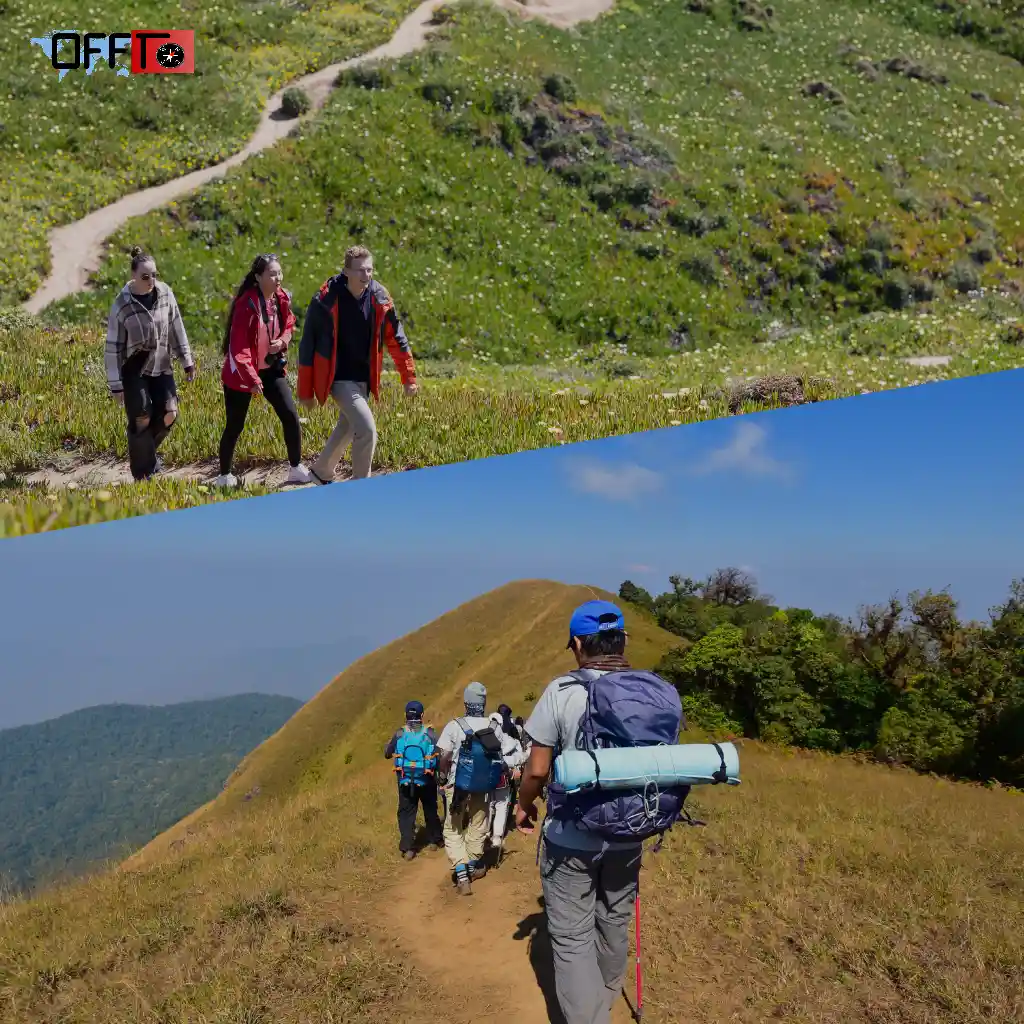
The Dzukou Valley trek offers a blend of challenging climbs, scenic beauty, and rewarding experiences. As you move through different terrains, the trek evolves, making it a truly immersive adventure.
Trekking Routes
The most popular route to Dzukou Valley is from Viswema, a small village about 15-20 km from Kohima. From here, trekkers start their ascent towards the valley. The Viswema route is considered the easiest and most scenic option, with well-maintained paths and steady inclines, making it ideal for both experienced trekkers and beginners.
Another option is the Zakhama route, which is less crowded but more demanding. The initial ascent is steeper, but it offers quieter, more isolated views of the valley.
The Dzukou Valley trek distance varies depending on your chosen route but generally covers a round trip of 16-20 km. It takes 2–3 days to complete, depending on your pace and the amount of time you spend exploring the valley itself.
Practical insight
The Viswema route is ideal for first-timers, as it’s a steady climb and well-marked. If you’re an experienced trekker looking for a quieter and more challenging route, the Zakhama route could be a better fit.
Difficulties Along the Trek
While not a highly technical trek, the Dzukou Valley trek presents some challenges, particularly during the initial ascent. Here’s what you can expect:
- Steep sections at the beginning: The climb from Viswema is a bit steep at first and can be tiring for beginners. The Zakhama route is even more demanding with a steeper incline, requiring more stamina.
- Terrain variability: The terrain changes from forest paths to rocky, uneven stretches. At higher altitudes, the terrain becomes less maintained, which can make footing tricky.
- Weather conditions: The trek can feel more strenuous in hot weather, especially from March to June. In contrast, winter trekking (November–February) is generally easier as the temperatures are cooler and the paths are dry.
- River crossings: Depending on the season, trekkers may need to cross small streams or rivers along the way. While not deep, these crossings can add an extra layer of complexity, especially during the monsoon when water levels rise.
Trekking Experience: What to Expect
The experience varies depending on the time of year, but here’s what you can generally expect during the Dzukou Valley trek:
- Lush green meadows: As you enter the valley, you’ll be welcomed by rolling grasslands and expansive views. The meadows are particularly stunning in the winter months, with the fresh grass carpeting the entire valley.
- River crossings: Depending on the season, you’ll cross small, crystal-clear streams that add to the valley’s beauty and serenity.
- Variety of flora and fauna: You’ll walk through dense forests filled with towering trees, ferns, and moss-covered rocks. Along the way, you may spot a variety of wildlife, including birds and butterflies.
- Peaceful solitude: The trek is far less commercialized than other popular treks, offering a rare opportunity for solitude. You’ll often be surrounded by nothing but the natural sounds of the forest and the distant rush of rivers.
A practical insight
The first day of the trek is challenging due to the climb, but once you enter the valley, the journey becomes smoother. Take your time to soak in the landscapes and enjoy the calmness of the place.
Dzukou Valley Flowers
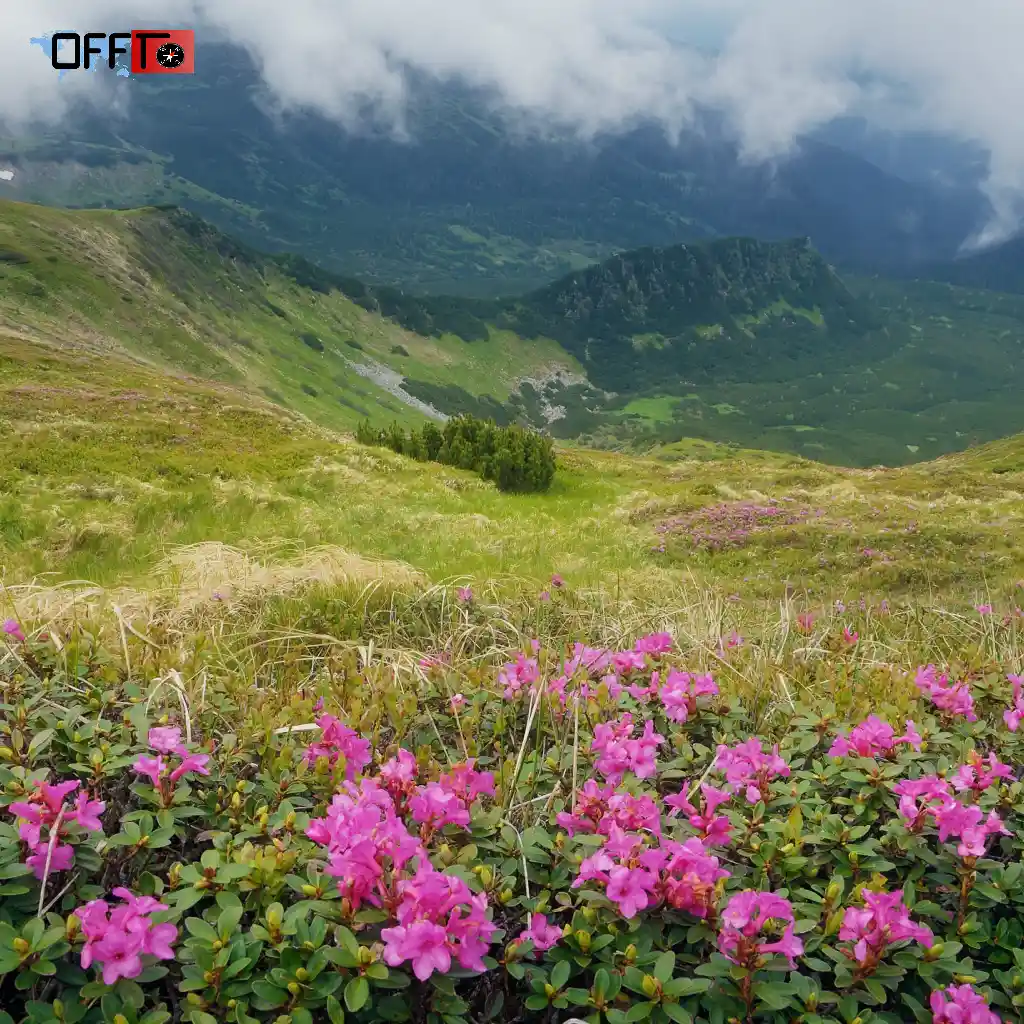
One of the major highlights of the Dzukou Valley trek is the stunning array of wildflowers that bloom throughout the region, especially the Dzukou Lily, which the valley is known for. These flowers add another layer of charm to an already picturesque location, drawing nature lovers and photographers alike.
Flora in Dzukou Valley
The valley is home to a diverse range of flowers and plants, making it a botanical wonderland:
- Dzukou Lily: This unique flower is the valley’s main attraction. Its white, trumpet-shaped petals with purple hues bloom primarily in the summer months (June–July).
- Orchids: Dzukou Valley is rich in orchids, including varieties that are rarely found elsewhere.
- Rhododendrons: Brightly colored rhododendron flowers line the trails, adding a touch of red and pink to the valley.
- Other wildflowers: The valley is also known for its extensive collection of wildflowers, including daisies, poppies, and several types of ferns.
These flowers not only provide beauty to the valley but also attract photographers and nature enthusiasts, eager to capture the fleeting beauty of these blooms in their natural habitat.
Best Time for Flower Watching
The best time for flower watching in Dzukou Valley is during the summer months, specifically from June to July, when the Dzukou Lily is in full bloom. This is also when the valley looks its most vibrant, with wildflowers of all colors carpeting the landscape.
- April to June: The pre-monsoon period is ideal for flower enthusiasts. The Dzukou Lily and other wildflowers are at their peak, offering ample opportunities for photography and exploration.
- July to August: While the rains bring lush greenery, they also make it difficult to access certain areas due to slippery conditions. If you are after flowers, this time still offers a good experience, but trekking may be more challenging.
A Practical Insight
If you want to witness the valley at its most colorful and enjoy the flowers at their peak, late June is the best time. However, be aware that this is also the peak tourist season, so expect more trekkers during this period.
In summary
Dzukou Valley flowers are a significant highlight of the trek. The best time to visit for flower watching is in the summer months (June–July), when the valley is alive with vibrant blooms, including the famous Dzukou Lily. This adds an extra layer of beauty to an already breathtaking destination.
Dzukou Valley Weather and Conditions
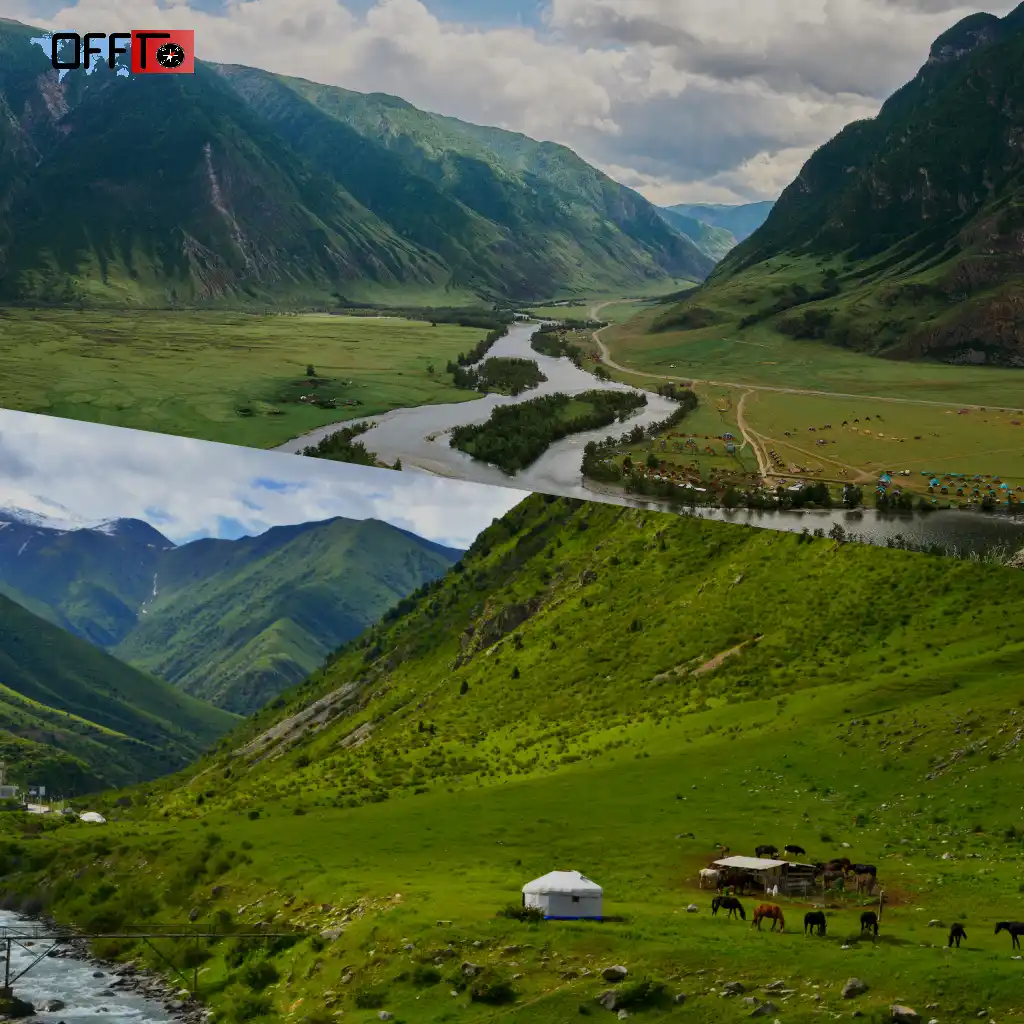
Understanding Dzukou Valley weather is crucial for planning your trek and ensuring that you’re well-prepared for the varying conditions throughout the year. The valley’s weather fluctuates significantly with the seasons, and each season brings different challenges and experiences.
Monthly Breakdown of Weather
Here’s what you can expect from Dzukou Valley temperature and weather conditions throughout the year:
- January to February (Winter)
- Temperature: Daytime temperatures range from 10°C to 15°C, while nighttime temperatures can drop to 5°C or lower.
- Weather: Cool, dry, and perfect for trekking. This is one of the best times for trekking due to the clear skies and dry conditions.
- Preparation Tip: Pack warm clothing, including a jacket and thermals, as the nights can be quite cold.
- March to May (Spring/Summer)
- Temperature: Daytime temperatures rise to 20°C to 30°C, with nights ranging from 12°C to 18°C.
- Weather While generally dry, the weather can become warmer and more humid, especially in May.
- Preparation Tip: Bring breathable, lightweight clothing and sunscreen. The flowering season (Dzukou Lily) begins in late spring, making this an excellent time for nature lovers.
- June to September (Monsoon)
- Temperature: Temperatures remain around 25°C to 30°C, but with higher humidity.
- Weather: Heavy rainfall is common, making trails slippery and muddy. This is the least ideal season for trekking due to the risk of leech infestations and difficult trail conditions.
- Preparation Tip: Avoid trekking during the monsoon unless you’re well-prepared. Waterproof gear is essential, but some routes may be impassable due to rain.
- October to December (Autumn/Fall)
- Temperature: Similar to the spring months, temperatures are 12°C to 20°C during the day, and 5°C to 10°C at night.
- Weather: Dry, cool, and ideal for trekking, with less humidity than the summer months.
- Preparation Tip: The early winter months are great for a peaceful, dry trek without the intense crowds.
Seasonal Tips
- Winter trekking: If you plan to trek in winter, be prepared for cold nights and low temperatures. Carry extra layers to stay warm and a sleeping bag rated for low temperatures.
- Rainy season trekking: If you plan on trekking during the monsoon, make sure to have rainproof gear, and be prepared for slippery trails. The leech population is high, so anti-leech lotions are a must.
- Summer trekking: In the warmer months, pack light clothing, but remember to bring a hat or sunscreen to protect yourself from the sun.
A practical insight
The best months for trekking in Dzukou Valley are November to March, when the weather is cooler, drier, and easier to handle. Avoid trekking during the monsoon (June–September) unless you’re an experienced trekker prepared for challenging conditions.
In summary
Dzukou Valley’s weather conditions vary throughout the year, with winter and early spring offering the best trekking conditions. The monsoon season poses challenges with heavy rainfall, making it less ideal for trekkers. Understanding Dzukou Valley weather and temperature is crucial to ensure a safe and enjoyable trekking experience.
Camping in Dzukou Valley
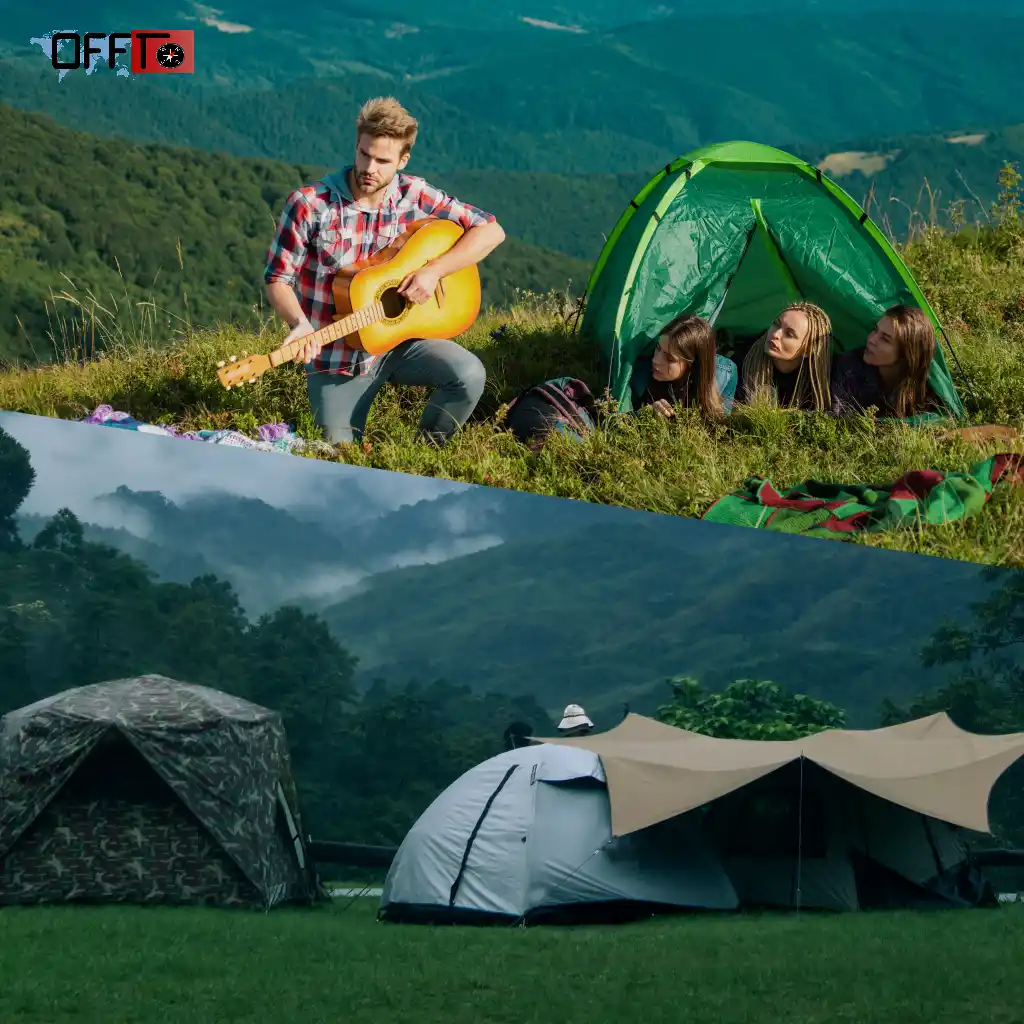
Is Camping Allowed in Dzukou Valley?
Yes, camping is allowed in Dzukou Valley, but with certain regulations in place to protect the area’s delicate ecosystem. Camping is permitted at designated spots along the trekking routes, typically near Viswema or Zakhama, where trekkers can set up campsites before heading into the valley.
- Permits Required: To camp in Dzukou Valley, you’ll need to obtain the appropriate trekking permits from the Nagaland Forest Department or local trekking agencies. These permits typically cover camping in the valley.
- Designated Camping Areas: Most trekkers choose to set up camps near the Dzukou River or in areas closer to the meadows inside the valley, where flat ground is more abundant.
- No Wild Camping: Although camping is allowed, wild camping or camping outside of designated areas is strictly prohibited to protect the environment.
Camping is an integral part of the trek, allowing you to experience the valley’s tranquility far away from urban noise.
Camping Tips
Camping in Dzukou Valley offers a unique experience, but it’s essential to be prepared to ensure safety, comfort, and environmental responsibility.
Recommended Camping Spots
- Near the Dzukou River: A peaceful spot where you can enjoy the sound of flowing water.
- In the Meadows: These areas offer great views of the valley and are relatively flat, making them ideal for pitching tents.
- At the Base Camps: Most trekkers prefer camping closer to the base camp areas, which are closer to the trekking route and make it easier to begin the next leg of the trek.
Necessary Camping Equipment
- Tent: A lightweight, durable, and weatherproof tent is essential, especially in case of unexpected rainfall. Opt for tents designed for mountain trekking.
- Sleeping Bag and Mat: Nights in the valley can be cold, especially in winter, so ensure you have a warm sleeping bag. A thermarest or inflatable mat will add comfort.
- Cooking Equipment: If you’re camping for multiple days, bring a portable stove, cooking utensils, and food. Remember to follow Leave No Trace principles and pack out all trash.
- Clothing and Gear: As the temperature can fluctuate, pack layered clothing. A rain jacket and windbreaker are especially important, as Dzukou can experience sudden weather changes.
Safety and Enjoyment Tips
- Stay in groups: It’s always best to camp in groups or with a guide for safety.
- Check the weather: Prepare for sudden weather changes. In monsoon months, the risk of leech infestation increases, so packing anti-leech lotion is recommended.
- Respect nature: Carry your trash with you and avoid disturbing the local flora and fauna.
A practical insight
Camping in Dzukou is a peaceful retreat from the hustle of everyday life, but it requires careful preparation. Ensure that you have the right gear and follow local guidelines for a responsible camping experience.
FAQs
Where is Dzukou Valley located?
Dzukou Valley is located on the border between Nagaland and Manipur, India. It lies in the Northeastern region, near Kohima, and is renowned for its lush green meadows, scenic landscapes, and rich flora.
How to reach Dzukou Valley?
To reach Dzukou Valley, travel to Kohima, the nearest town. From there, take a taxi or vehicle to Viswema or Zakhama, the main starting points for the trek. The valley is accessible by road and involves a trek of about 16–20 km.
Is the Dzukou Valley Trek difficult?
The Dzukou Valley Trek is moderately challenging, especially the initial ascent from Viswema. While it’s not overly technical, it requires good fitness due to steep climbs. Once inside the valley, the terrain is much easier, making it manageable for most trekkers.
What is the best month to visit Dzukou Valley?
The best time to visit Dzukou Valley is from November to March, when the weather is cool and dry, making trekking more comfortable. This period offers clear skies and favorable conditions for trekking and camping.
Does snowfall in Dzukou Valley?
While Dzukou Valley doesn’t experience heavy snowfall, light snowfall can occur during winter (December to February). However, the snowfall is not as significant as in higher altitudes, and the weather remains cold and dry during this time.
Is camping allowed in Dzukou Valley?
Yes, camping is allowed in Dzukou Valley at designated spots near Viswema or Zakhama. Permits are required, and trekkers must follow guidelines to protect the environment. Wild camping is prohibited to preserve the valley’s natural beauty.
What is Dzukou Valley famous for?
Dzukou Valley is famous for its lush meadows, seasonal wildflowers like the Dzukou Lily, and its tranquil, less-commercialized trekking experience. It’s a hotspot for nature lovers, trekkers, and photographers seeking solitude and scenic beauty.
Can beginners trek Dzukou Valley?
Yes, beginners can trek Dzukou Valley, especially if they are in good physical condition. The trek is moderately challenging, but the gradual ascent and well-marked paths make it manageable for those with basic trekking experience.
Is there a guide available for the trek?
Yes, guides are available for the Dzukou Valley trek. Local trekking agencies provide trained guides who help navigate the terrain, ensuring safety and enhancing the trekking experience with local insights and information.
What are the essentials to pack for the trek?
Essentials for the Dzukou Valley trek include trekking shoes, warm clothing (in winter), rain gear, waterproof bags, snacks, water bottles, and a first aid kit. Don’t forget a camera to capture the valley’s beauty.
Read more >>>
Buran Ghati Trek Guide – Distance, Height & Complete Travel Plan
Skandagiri Trek Guide – Sunrise, Distance & Complete Travel Plan
Final Take: Is Dzukou Valley Trek Worth It?
The Dzukou Valley trek is a gem of Northeast India, offering a unique, immersive experience for trekkers looking to explore a less commercialized and pristine environment. It’s not just about reaching a summit—it’s about enjoying the journey through dense forests, green meadows, and serene landscapes.
Who Will Love It?
Nature lovers, trekking enthusiasts, and anyone seeking an untouched, tranquil trekking experience will appreciate the Dzukou Valley trek. The allure of vast meadows, seasonal flowers, and minimal crowds makes it a special destination for those looking for something different. It’s ideal for travelers who appreciate solitude and immersion in nature, rather than a purely scenic summit.
Who May Skip It?
If you’re not comfortable with rough terrains, steep inclines, or camping in basic conditions, the Dzukou Valley trek might not be the best fit for you. Also, if you’re seeking a luxury trekking experience, complete with high-end accommodations and amenities, this trek may not align with your preferences. It’s more suited for trekkers who enjoy the challenge and simplicity of nature rather than a more polished or relaxed trek.
In summary
The Dzukou Valley trek is a rewarding adventure for those who enjoy natural beauty, peaceful landscapes, and moderate trekking challenges. For those seeking an escape from mainstream trekking routes, it offers a rare opportunity to experience an undisturbed part of India.
Explore Dzukou Valley trek Trip with Offto Travellers
Explore the Dzukou Valley trek, uncover breathtaking landscapes, vibrant wildflowers, and peaceful camping spots. Whether you're a nature lover, photography enthusiast, or seasoned trekker, the valley promises a memorable experience.
Plan your next adventure to Dzukou Valley and embark on a trekking journey like no other in Nagaland. Book your trek and start exploring this hidden treasure today!
Sign up
Leave a Reply