
Agasthyarkoodam is the second-highest peak in Kerala, offering a challenging but rewarding trek through dense forests, wildlife, and unique flora. The trek typically spans 25-30 km, requiring 2-3 days. It’s ideal for nature lovers, with the best time to visit being from October to March.
What is Agasthyarkoodam?
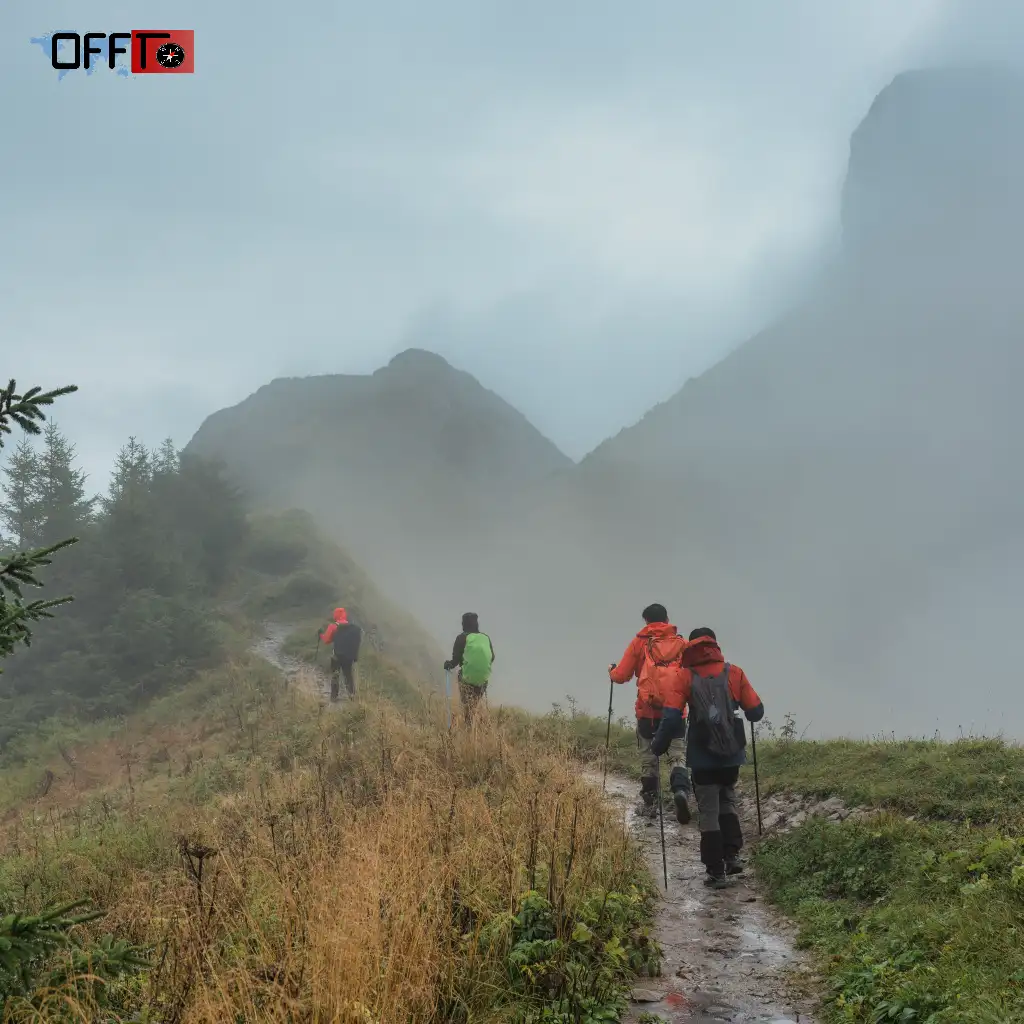
Agasthyarkoodam is the second highest peak in Kerala, rising to about 1,868 meters, and forms a prominent part of the Agasthyamalai Hills in the southern Western Ghats. Located within the protected Agasthyarkoodam Biosphere Reserve, this region is widely regarded as one of India’s richest ecological zones, both in terms of biodiversity and conservation value.
In simple terms, if you’re looking at the Agasthyarkoodam location, it sits on the Kerala–Tamil Nadu border, within a strictly regulated forest area. This is not a casual hilltop you can drive to—it’s a remote, protected landscape that requires planning, permits, and physical effort to access.
What makes Agasthyarkoodam stand out isn’t just its height, but its biological significance. The surrounding Agasthyamalai range is home to a remarkable variety of endemic plants, medicinal herbs, birds, and wildlife species. For researchers and conservationists, this region is globally important. For travelers, it offers something rarer: a trek that feels genuinely untouched.
There’s also a strong cultural and mythological layer to the place. The peak is closely associated with Agastya Maharishi, one of the revered sages in Indian tradition, who is believed to have meditated here. Because of this, the mountain holds spiritual significance, especially in South India, and access has historically been restricted at times to preserve its sanctity.
Why this matters for travelers
Agasthyarkoodam is not just another trekking destination. It sits at the intersection of ecology, spirituality, and wilderness travel. That combination shapes everything—from limited permits to strict trekking rules—and sets expectations very differently from typical hill stations or weekend treks.
Agasthyarkoodam Trekking (Overview and Experience)
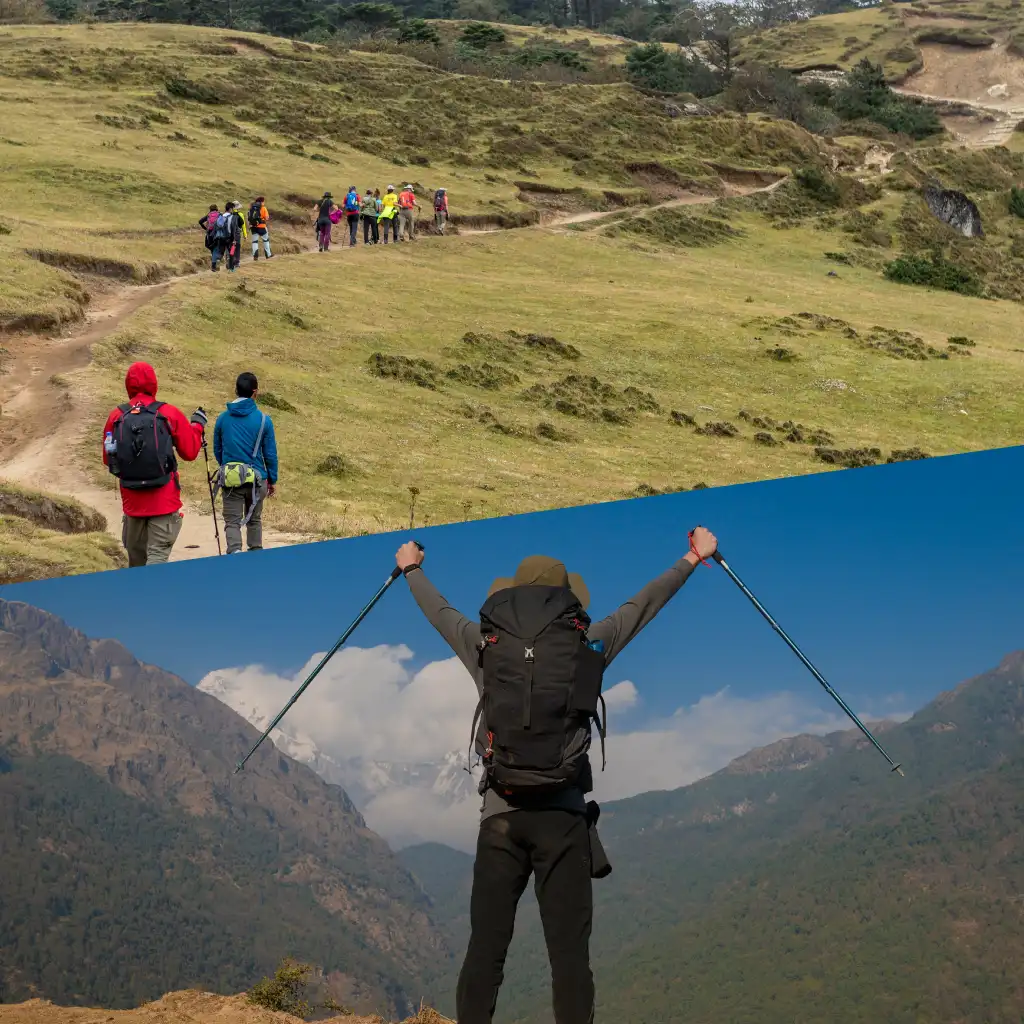
The Agasthyarkoodam trekking experience is best understood as a wilderness trek first, summit goal second. Unlike many popular treks where the focus is reaching a viewpoint quickly, here the journey through the forest is the core of the experience.
What to expect on the trek
The trail takes you deep into dense, protected forests of the Agasthyamalai region, where the environment gradually shifts—from moist deciduous stretches to thick evergreen canopies. You’ll walk along narrow paths, cross small streams, and navigate steady inclines that become steeper as you approach the summit.
This isn’t a highly technical climb, but it does demand consistent stamina and comfort with long walking hours. The forest cover also means you won’t always get sweeping views early on—the payoff comes later, closer to the peak.
How many days is Agasthyarkoodam trekking?
For most travelers, Agasthyarkoodam trekking takes 2 to 3 days:
- Day 1: Forest entry, long walk to the base camp
- Day 2: Summit climb and descent back to camp
- Day 3: Exit trek
The exact duration depends on your pace, group movement, and weather conditions. Faster trekkers may complete it in two days, but a 3-day plan is generally more comfortable and realistic.
Agasthyarkoodam trekking distance and difficulty
The total Agasthyarkoodam trekking distance is typically around 25–30 km (round trip), depending on the route and access point. The terrain includes:
- Long forest stretches (moderate)
- Gradual ascents (manageable but tiring)
- Final summit climb (steeper and more demanding)
Overall, the trek is considered moderate to difficult, especially because of the distance and continuous walking rather than technical challenges.
The real experience: what makes this trek different
What sets Agasthyarkoodam trekking apart is not just the landscape, but the sense of immersion. You’re walking through a protected biosphere where:
- Wildlife movement is real (though sightings are unpredictable)
- Mobile connectivity is mostly absent
- The environment feels quiet, dense, and undisturbed
You may come across rare plant species, hear unfamiliar bird calls, or simply notice how the forest changes as you gain altitude.
A practical insight most guides won’t emphasize enough
This trek rewards patience more than speed. If you approach it like a checklist hike—rushing to “cover distance”—you’ll likely find it exhausting. But if you pace yourself and treat the forest as part of the destination, the experience feels far more meaningful and manageable.
Who this trek is best for
- Nature-focused travelers
- Trekkers looking for less-commercial routes
- Those comfortable with limited facilities and structured forest rules
Who might find it challenging
- Absolute beginners with no long-distance trekking experience
- Travelers expecting scenic viewpoints throughout
- Those looking for a relaxed or leisure-style trip
In short, Agasthyarkoodam trekking is less about ticking off a peak and more about stepping into one of the Western Ghats’ most protected landscapes—and earning the experience along the way.
How to Reach Agasthyarkoodam? (Trekking Starting Points)
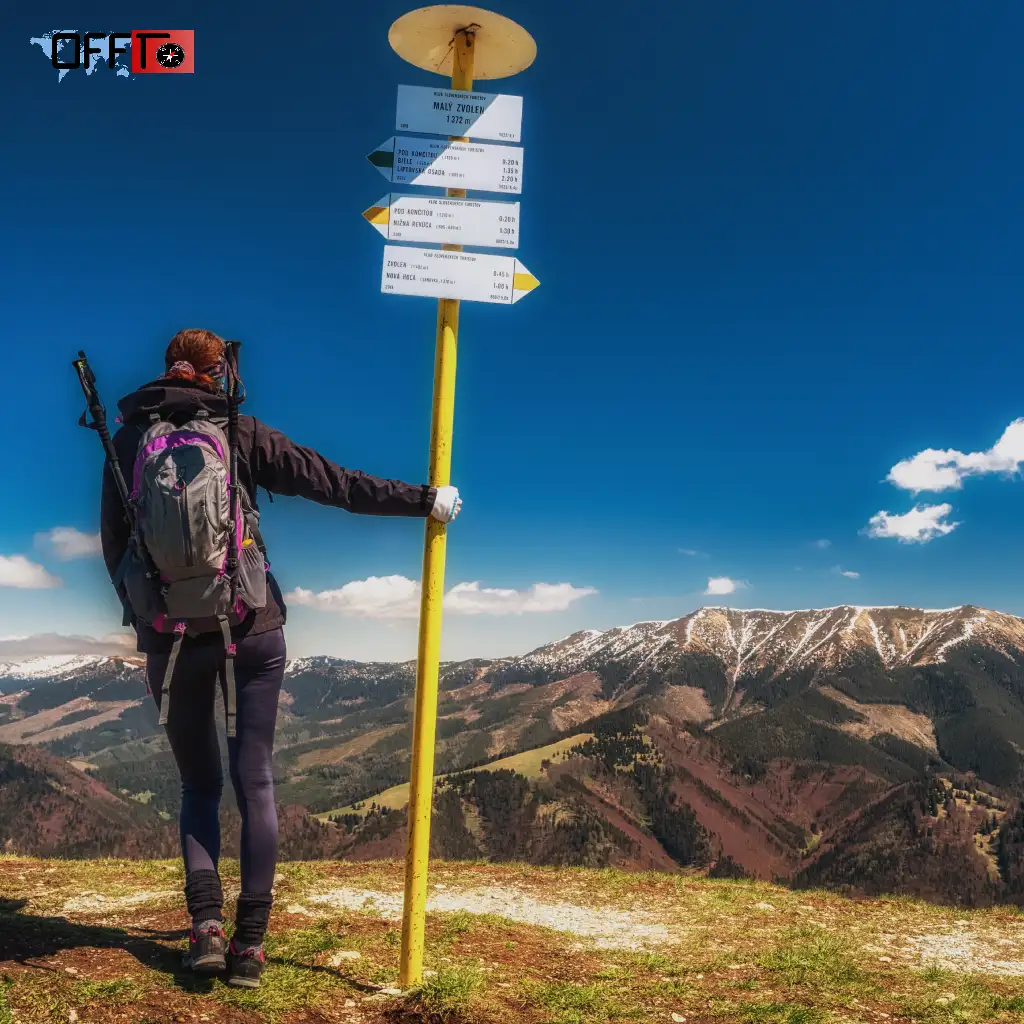
Reaching Agasthyarkoodam is not as simple as arriving at a hill station and starting a hike. Since it lies inside a protected forest zone within the Agasthyamalai range, access is controlled—and your journey involves both travel logistics and permit coordination.
Where does the trek start?
The most common entry point for Agasthyarkoodam trekking is Bonacaud, near Pongumoodu, located about 50–60 km from Thiruvananthapuram in Kerala. Some older references mention Sasthamcotta, but for most trekkers today, Pongumoodu/Bonacaud is the practical starting point managed by the Kerala Forest Department.
This is where your permit is verified and where the trek officially begins.
How to go for Agasthyarkoodam trekking
If you’re planning how to go Agasthyarkoodam trekking, here’s the most straight forward route:
- By Air: The nearest airport is Thiruvananthapuram International Airport. From here, you’ll need to travel by road to reach Bonacaud (around 2–3 hours).
- By Train: Thiruvananthapuram Central is the closest major railway station, well-connected to cities like Kochi, Chennai, and Bangalore.
- By Road: From Thiruvananthapuram, you can hire a taxi or use limited local transport toward Bonacaud. Public buses run part of the way, but the final stretch often requires a private vehicle or shared jeep.
Important planning note: Start early. The road leading to the forest entry is narrow and less serviced, and delays here can affect your trek schedule and permit timings.
Overall, the trek is considered moderate to difficult, especially because of the distance and continuous walking rather than technical challenges.
Agasthyarkoodam trekking booking and permits
You cannot do this trek independently without prior approval. Agasthyarkoodam trekking booking is handled by the Kerala Forest Department, usually through an online permit system during the trekking season.
Here’s what to expect:
- Limited number of permits issued per day
- Mandatory check-in at the forest office
- Basic accommodation arranged at designated forest camps
- Instructions on what to carry and what’s restricted
While official guides or forest staff accompany groups, this is not a “DIY trek.” The controlled structure is part of what helps preserve the fragile ecosystem.
A practical insight
Permits often get booked quickly once the season opens. If your travel dates are fixed, plan your Agasthyarkoodam trekking booking first—and only then finalize transport.
Should you go with a guided group?
Even though the trek is regulated, many travelers choose to go with small trekking groups or operators for convenience. This can help with:
- Transport to and from Bonacaud
- Permit coordination
- Food planning
- Trek pacing, especially for first-timers
However, if you’re comfortable planning logistics and following guidelines, you can also manage it independently with the official permit.
Reaching Agasthyarkoodam is part of the experience. It requires early planning, permit awareness, and realistic travel timing—but that’s also what keeps the trail less crowded and more intact than most popular treks.
Agasthyarkoodam Trek Distance and Difficulty
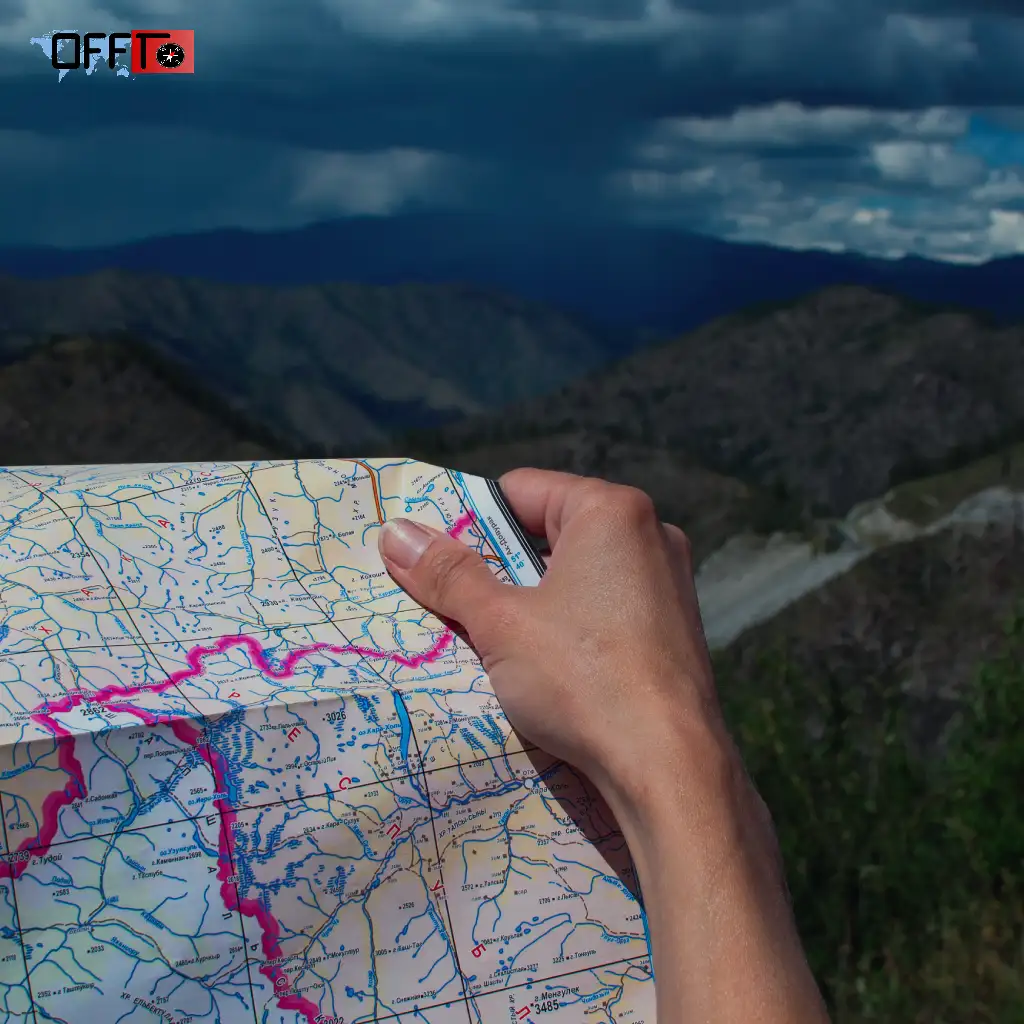
Before committing to this trek, it’s important to understand what you’re signing up for—not just in terms of distance, but also how that distance feels on the ground.
Agasthyarkoodam trekking distance
The total Agasthyarkoodam trekking distance is typically around 25 to 30 kilometers (round trip), starting from Bonacaud. This is spread across multiple segments:
- Entry point to base camp
- Base camp to summit
- Return journey along the same route
While the number itself may not sound extreme, the terrain and forest conditions make it more demanding than a typical 25 km walk.
How difficult is the Agasthyarkoodam trek?
If you’re wondering how difficult is the Agasthyarkoodam trek, the most accurate answer is:
Moderate to difficult, depending on your fitness and trekking experience.
Here’s why:
1. Continuous walking effort
You’ll be covering long distances each day, often 6–8 hours of walking. The challenge is not just steep sections, but sustained movement without many shortcuts or exits.
2. Gradual to steep elevation gain
The trail starts relatively manageable but becomes steeper closer to the summit. The final stretch can feel physically demanding, especially after a full day of trekking.
3. Forest terrain
Expect uneven paths, exposed roots, occasional muddy sections, and stream crossings. Good footing and balance matter more here than speed.
4. Limited facilities
This is not a comfort trek. Basic camp setups, limited food options, and no network connectivity can add to the mental challenge if you’re not used to it.
Trek highlights along the way
Despite the effort, the trail offers a lot of variety:
- Small waterfalls and flowing streams where you can pause and refill (where permitted)
- Dense forest sections that feel almost untouched
- Gradual opening up of views as you approach higher altitude
- Unique plant life, especially medicinal and endemic species
The summit itself offers a clear, expansive view of the Western Ghats, which feels earned rather than easily accessible.
This trek is less about “difficulty in moments” and more about endurance over time. Many trekkers don’t struggle with a single steep climb—but with the accumulation of distance, humidity, and terrain.
A useful decision cue
If you’ve comfortably done a 15–20 km trek in a day before (even on easier terrain), you’re more likely to handle this well. If not, some basic preparation will make a big difference.
Who should consider it
- Trekkers with some prior experience
- Physically active travelers open to long walking days
- Those looking for a more immersive, less-commercial trek
Who should rethink or prepare more
- First-time trekkers with no endurance base
- Travelers expecting frequent rest stops or easy exits
- Anyone uncomfortable with basic wilderness conditions
In essence, the Agasthyarkoodam trekking distance is manageable—but the environment, terrain, and sustained effort are what define its true difficulty.
Best Time to Visit Agasthyarkoodam
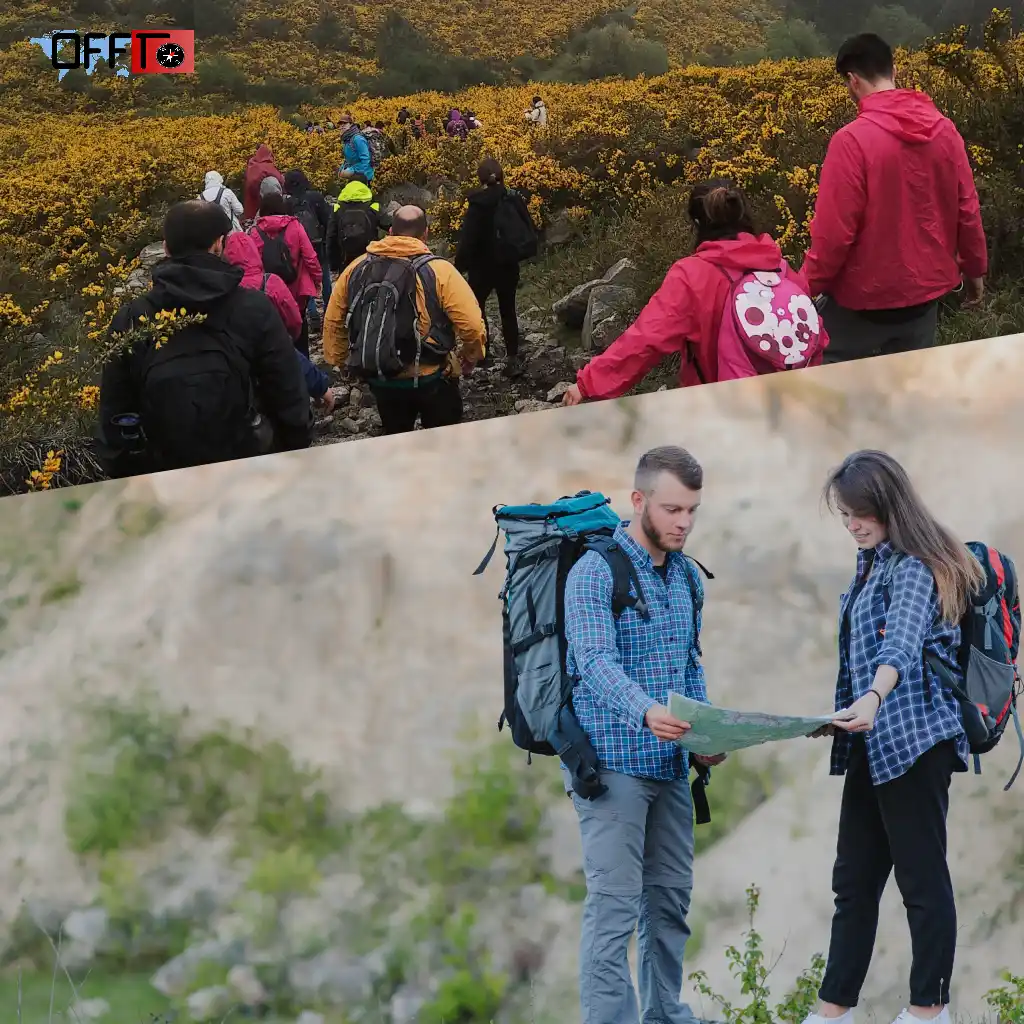
The best time to visit Agasthyarkoodam is between October and March, when the forest is relatively accessible, the weather is more predictable, and trekking conditions are manageable. This is also the official trekking season when permits are typically issued.
Understanding Agasthyarkoodam weather
The Agasthyarkoodam weather is shaped by its location in the Western Ghats—meaning high humidity, sudden changes, and dense forest cover that affects temperature perception more than the actual numbers.
During the trekking season:
- Day temperatures: Usually range between 20°C to 30°C
- Early mornings and nights: Slightly cooler, especially at higher altitudes
- Humidity: Can feel high, particularly in dense forest sections
Even when temperatures look moderate on paper, the humidity and long walking hours can make the trek feel more physically demanding.
Why October to March works best
- Dryer trails: Less slippery compared to monsoon months
- Clearer summit views: Better chances of visibility at higher altitudes
- Safer river and stream crossings: Water levels are more predictable
- Permit availability: Forest authorities allow trekking only during this period
January and February are often considered the most comfortable months, with relatively stable weather and slightly lower humidity.
Why to avoid monsoon (June–September)
While the forest is at its greenest during the monsoon, this is not a practical time for Agasthyarkoodam trekking:
- Trails become extremely slippery and leech-prone
- Streams can swell unexpectedly, making crossings risky
- Visibility is low due to mist and rain
- Trekking is typically restricted or closed during this period
A practical planning insight
Don’t just pick dates based on “season”—consider your tolerance for humidity and long-distance trekking. Even in the best months, the forest can feel physically intense.
If you prefer:
- More comfortable trekking conditions → Choose January–February
- Lush greenery with fewer crowds → Early season (October–November), but expect slightly more moisture on trails
The best time to visit Agasthyarkoodam is when the forest is open, trails are stable, and you can focus on the experience—not just managing the terrain.
Wildlife and Flora in Agasthyarkoodam
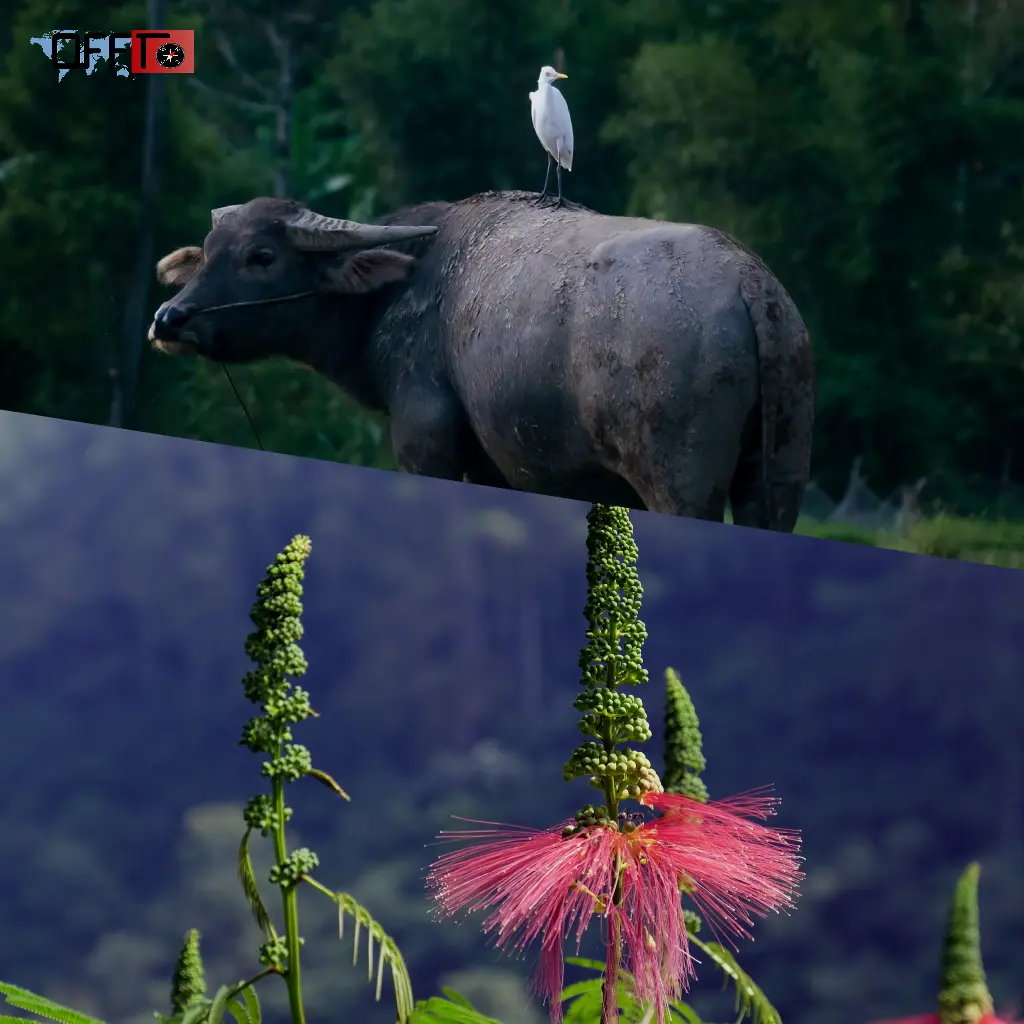
One of the biggest reasons people choose Agasthyarkoodam trekking is not just the summit, but the chance to walk through one of the most ecologically rich zones in the Western Ghats.
The Agasthyamalai Hills are part of a globally recognized biodiversity hotspot, and this region is especially known for its rare, endemic, and medicinal plant life.
Flora: What makes this region unique
The forests around Agasthyarkoodam are home to:
- Medicinal plants and herbs used in traditional Ayurveda
- Rare orchids and flowering plants, some found only in this region
- Dense bamboo groves and evergreen trees that create layered forest canopies
Unlike more open trekking routes, this trail keeps you under thick forest cover for long stretches, which shapes the entire experience—less about wide views, more about immersion.
Fauna: What you might encounter
The Agasthyamalai ecosystem supports a wide range of wildlife, including:
- Malabar giant squirrels, often spotted in the canopy
- Elephants, though sightings are rare and usually from a distance
- Bird species, including several endemic to the Western Ghats
- Butterflies and insects, especially in humid sections
There are also reports of larger animals like tigers in the region, but actual sightings during the trek are extremely uncommon due to controlled movement and human presence.
What to realistically expect
Wildlife sightings on this trek are not guaranteed, and that’s important to understand. This isn’t a safari experience—it’s a natural forest where animals move freely and often avoid human paths.
What you’re more likely to notice:
- Sounds of birds and insects
- Movement in the canopy rather than ground-level encounters
- Subtle changes in vegetation as altitude increases
Photography tips for this trek
- Focus on details, not just wildlife: Plants, textures, and forest light can be just as compelling
- Carry a lightweight setup: Long trekking hours make heavy gear tiring
- Be patient: Early mornings and quieter sections offer better chances for sightings
- Respect restrictions: Some areas may limit photography, especially near sensitive zones
A practical insight most travelers overlook
The value of this trek lies in ecological exposure, not wildlife sightings. If your expectation is to “spot animals,” you may come back underwhelmed. But if you approach it as a chance to walk through a living, protected ecosystem, the experience becomes far more meaningful.
Agasthyarkoodam is less about dramatic wildlife moments and more about understanding how rich and layered the Western Ghats truly are—step by step, trail by trail.
How to Prepare for Agasthyarkoodam Trek

If you’re wondering how to prepare for Agasthyarkoodam trek, the short answer is: focus more on endurance and consistency than strength or speed. This is not a short, steep climb—it’s a long, sustained walk through forest terrain where energy management matters more than peak performance.
Physical preparation: what actually helps
Agasthyarkoodam doesn’t require technical trekking skills, but it does demand:
- Stamina for long walking hours (6–8 hours a day)
- Comfort with gradual climbs and uneven terrain
- Ability to handle humidity and limited rest points
- and flowering plants, some found only in this region
- Dense bamboo groves and evergreen trees that create layered forest canopies
A practical way to prepare:
- Start with regular walks (5–8 km) and build up to longer distances
- Add inclines or stair climbing to simulate elevation
- Practice carrying a light backpack, since you’ll be trekking with essentials
You don’t need extreme fitness—but going in unprepared can make the trek feel unnecessarily exhausting.
Essential packing list (keep it practical)
Packing for Agasthyarkoodam is about balancing necessity and weight. Since you’ll be walking long distances, every extra item matters.
Must-carry essentials
- Good trekking shoes: With grip for forest trails and wet patches
- Waterproof layer or poncho: Sudden drizzles are possible even in dry months
- Water bottles: Usually 2–3 liters capacity (refill points depend on guidelines)
- Energy snacks: Nuts, energy bars, dry fruits—light but calorie-dense
- Basic first aid kit: Include blister care, pain relief, and personal medication
Useful additions (often overlooked)
- Electrolytes or ORS: Helps manage fatigue in humid conditions
- Light towel or cloth: For sweat and quick clean-ups
- Torch or headlamp: Especially useful at camp
What not to overpack
A common mistake is carrying too much “just in case.” Avoid:
- Heavy camera gear unless necessary
- Multiple clothing changes
- Bulky food items
The trek becomes significantly harder if your backpack is heavier than it needs to be.
A practical insight before you go
Most people focus on what to carry—but how you pace yourself matters more. Start slower than you think you need to, especially on Day 1. Overexertion early on is the most common reason people struggle later in the trek.
In simple terms: Preparing well for Agasthyarkoodam is less about gear and more about realistic fitness, smart packing, and energy management.
Agasthyarkoodam Trekking Booking & Permits
One of the most important parts of planning this trek is understanding the Agasthyarkoodam trekking booking process. Unlike many other treks in India, this one is strictly regulated due to its ecological sensitivity.
How to book Agasthyarkoodam trekking
The official Agasthiyar Koodam trekking booking is managed by the Kerala Forest Department, usually through an online system during the trekking season.
Here’s how it typically works:
- Permits open for booking before the trekking season begins
- A limited number of slots are released per day
- You’ll need to provide ID details and confirm your travel dates
- Entry is allowed only through authorized checkpoints (like Bonacaud)
Because of the limited permits, availability can fill up quickly—especially on weekends and peak months.
Why permits are mandatory
Agasthyarkoodam lies within a protected biosphere reserve, which means:
- Unrestricted access is not allowed
- Trekking is monitored to minimize ecological impact
- Group sizes and movement are controlled
Permits help regulate footfall and preserve the fragile ecosystem of the Agasthyamalai Hills.
What’s included in the permit
While details can vary slightly year to year, permits usually cover:
- Forest entry fees
- Basic accommodation at designated camps
- Guided or monitored trekking support
- Access to specific trekking routes only
Food arrangements may be partially included or need to be supplemented by what you carry.
Estimated cost of the trek
The overall cost of Agasthyarkoodam trekking can vary depending on how you plan it:
- Permit fees: Generally modest but fixed by authorities
- Transport to base point: Depends on whether you hire a taxi or use shared transport
- Food and supplies: Minimal if planned smartly
- Optional group/organizer costs: Higher if you go through trekking groups
Overall, it’s not an expensive trek—but it requires advance planning rather than last-minute decisions.
Should you book through an agency or go independently?
- Independent booking: Works well if you’re comfortable managing logistics and timelines
- Through a trekking group: Easier for first-timers, as transport and coordination are handled
A practical insight most travelers miss
Many people plan transport first and permits later—but for this trek, it should be the opposite.
Secure your trekking permit first, then align your travel dates around it.
The Agasthiyar Koodam trekking booking process is straightforward but competitive. Planning early and understanding the permit system is what makes the difference between a smooth trip and a missed opportunity.
FAQs
What is Agasthyarkoodam famous for?
Agasthyarkoodam is famous for its rich biodiversity, rare medicinal plants, and pristine forests within the Agasthyamalai Hills. It is also known for its spiritual significance linked to Agastya Maharishi and offers a unique trekking experience through one of the Western Ghats’ most protected ecosystems.
How many days is Agasthyarkoodam trekking?
Agasthyarkoodam trekking usually takes 2 to 3 days to complete. Most itineraries include a full-day trek to the base camp, a summit climb on the second day, and a return trek on the final day, depending on pace and forest department guidelines.
How difficult is the Agasthyarkoodam trek?
The Agasthyarkoodam trek is considered moderate to difficult due to its long distance, forest terrain, and sustained walking hours. While not technically challenging, it requires good stamina, basic trekking experience, and the ability to handle humidity, gradual climbs, and limited facilities throughout the journey.
How to go Agasthyarkoodam trekking?
To go for Agasthyarkoodam trekking, first secure a permit through the Kerala Forest Department. Then travel to Thiruvananthapuram and reach Bonacaud, the main starting point. From there, trekking begins under regulated conditions with mandatory entry checks and limited daily access.
What is the best month to visit Agasthyarkoodam?
The best time to visit Agasthyarkoodam is between October and March, with January and February offering the most comfortable trekking conditions. These months provide stable weather, safer trails, and better visibility, making the overall trekking experience more manageable and enjoyable for most travelers.
Does snowfall occur in Agasthyarkoodam?
No, snowfall does not occur in Agasthyarkoodam. The region has a tropical climate influenced by the Western Ghats, with moderate temperatures and high humidity. Weather conditions are typically warm and moist, even at higher altitudes, without any possibility of snow throughout the year.
Where is Agasthyarkoodam located?
Agasthyarkoodam is located in the Western Ghats, along the Kerala–Tamil Nadu border, within the Agasthyamalai Hills. It lies inside a protected biosphere reserve near Thiruvananthapuram, and access is restricted, requiring permits to enter and trek through the forest region.
Can beginners do the Agasthyarkoodam trek?
Beginners can attempt the Agasthyarkoodam trek if they have good fitness and some preparation. However, due to its distance and continuous walking, it may feel challenging for first-timers. Prior experience with long walks or easier treks can significantly improve comfort and overall experience.
Is camping allowed during the trek?
Camping is not freely allowed during Agasthyarkoodam trekking. Trekkers must stay at designated forest department camps as per permit guidelines. Independent camping is restricted to protect the ecosystem and ensure safety, making it important to follow official trekking and accommodation arrangements.
What are the key attractions in Agasthyarkoodam?
Key attractions in Agasthyarkoodam include dense evergreen forests, rare plant species, diverse wildlife, and the panoramic summit view of the Western Ghats. The trek itself, passing through untouched sections of the Agasthyamalai Hills, is the main highlight rather than a single viewpoint or landmark.
Read more >>>
Best Places in Hyderabad – Attractions, Itinerary & Nearby Trips
Best Time to Visit Udaipur for Perfect Vacation Travel Guide
Final Take: Is Agasthyarkoodam Trek Worth It?.
Agasthyarkoodam trekking is absolutely worth it if you value:
- Walking through protected, less-commercial forests
- Experiencing the Western Ghats in their raw, undisturbed form
- A trek that feels earned, not easily accessed
- Nature that reveals itself gradually, not instantly
This is not a trek filled with constant viewpoints or quick rewards. In fact, large parts of the journey are spent inside dense forest, with limited visibility and long walking stretches. But that’s also what makes it different—it feels immersive rather than curated.
Who will love this trek
- Nature-focused travelers who enjoy being inside forests, not just looking at landscapes
- Trekkers with some experience, especially those looking to move beyond crowded routes
- Wildlife and ecology enthusiasts who appreciate biodiversity over guaranteed sightings
- Travelers who are comfortable with basic facilities and structured trekking rules
Who may want to skip or rethink it
- Those looking for a short, easy, or leisure trek
- Travellers expecting frequent scenic viewpoints or photo stops
- Anyone uncomfortable with limited comfort, long walking hours, or permit restrictions
- People seeking a luxury or relaxed hill-station experience
Planning Your Agasthyarkoodam Trek with offto travellers
If this feels like your kind of journey, the next step is not just booking—but planning it right.
Explore routes, compare travel options, and understand what fits your pace and style. Whether you're figuring out permits, booking for stays near Thiruvananthapuram, or exploring more offbeat treks in the Western Ghats, having everything in one place makes the process simpler.
With Offto travellers, you can discover destinations, compare travel ideas, and start shaping your Agasthyarkoodam trekking experience in a way that actually works for you.
Take your time, plan smart—and when you're ready, turn this trek into a trip worth remembering.
Sign up
Leave a Reply