
The best time to visit Khajuraho is from October to February when the weather is cool and ideal for exploring temples and outdoor activities. Summer (March to June) is hotter but less crowded, while the monsoon (July to September) brings greenery and lower tourist numbers. For a complete experience, plan a 1–2 day itinerary covering Western temples, the Light & Sound Show, and nearby attractions like Raneh Falls or Panna National Park.
Khajuraho at a Glance (Quick Travel Snapshot)
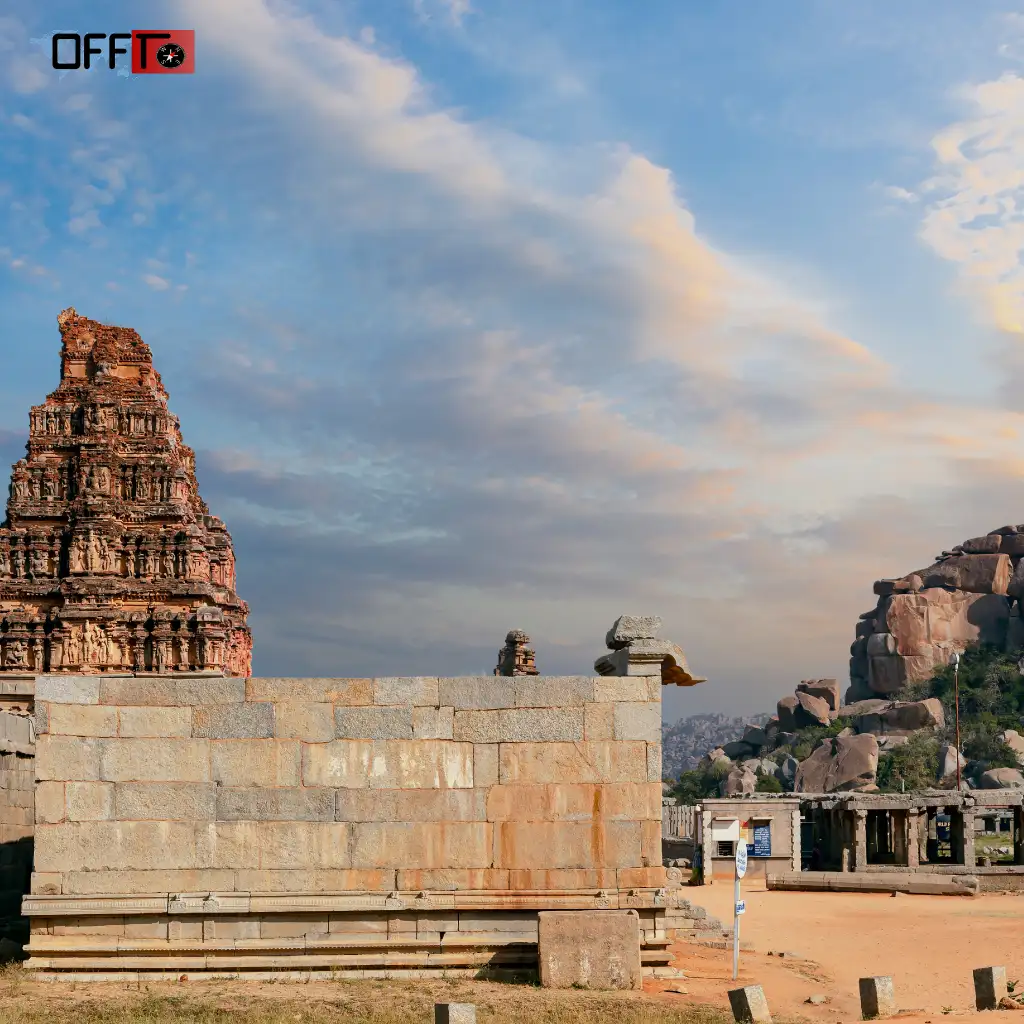
Khajuraho, located in the Chhatarpur district of Madhya Pradesh, is one of India’s most celebrated heritage towns. Nestled between the Vindhya and Satpura ranges, this small town is globally renowned for its stunning temples, intricate carvings, and rich cultural history. Though relatively compact, Khajuraho’s temples offer travelers a deep dive into medieval Indian art, architecture, and religious symbolism, making it a must-visit for anyone exploring Central India. Its accessibility by air, rail, and road adds to its appeal, allowing travelers to reach this UNESCO World Heritage Site from Delhi, Bhopal, Varanasi, or Jhansi with ease.
The town’s global fame stems from its unique temple architecture and meticulously carved sculptures that reflect stories from mythology, daily life, and spiritual teachings. Visitors often marvel at the fine craftsmanship that has survived for over a millennium. Khajuraho is especially suitable for history enthusiasts, art lovers, culture seekers, and travelers looking for short trips or weekend getaways. Families, solo travelers, and couples alike will find the combination of historical depth and serene surroundings both educational and rejuvenating.
Quick Travel Snapshot
- Location: Central India, Chhatarpur district, Madhya Pradesh
- Connectivity: Khajuraho Airport (direct flights from major cities), Khajuraho Railway Station, and good road links from Bhopal and Jhansi
- Global Recognition: UNESCO World Heritage Site (1986)
- Best For: History and culture lovers, weekend travelers, and short-trip planners
This blend of history, architecture, and manageable scale makes Khajuraho ideal for those who want to explore Indian heritage without the crowds of larger cities, offering a compact yet culturally rich experience.
Why Khajuraho is Famous (Beyond the Sculptures)
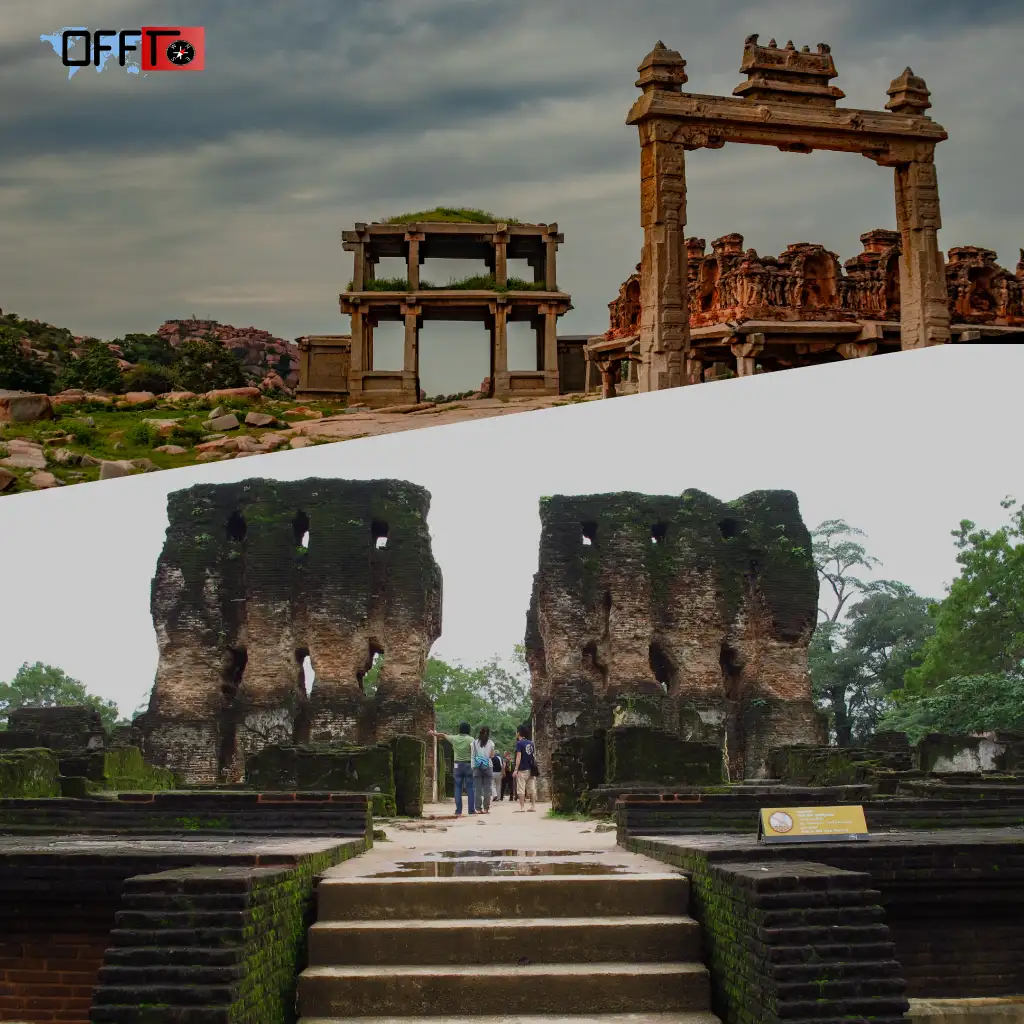
Khajuraho’s fame goes far beyond the commonly cited erotic carvings. The town is celebrated for its cultural, architectural, and historical significance, showcasing the sophistication of the Chandela dynasty during the 10th and 11th centuries. The temples combine Hindu, Jain, and Tantric traditions, with layouts that reflect geometric precision, religious symbolism, and narrative storytelling through stone.
While the erotic sculptures often catch international attention, they are only a small part of a much larger artistic and spiritual vision. The carvings across the Western, Eastern, and Southern temple groups depict mythological events, daily life, music, dance, and human emotion, offering insight into the values, rituals, and aesthetics of medieval India. Visitors who take the time to understand these themes quickly realize that Khajuraho is a living museum of medieval art and culture, not just a historical curiosity.
The Western Group of Temples, including the Kandariya Mahadeva and Lakshmana Temples, is the main hub for visitors and showcases the peak of architectural craftsmanship. The Eastern Group, with its Jain temples like Parshvanatha and Adinath, is quieter and ideal for travelers seeking a more contemplative experience, while the Southern Group features less-visited sites like Duladeo and Chaturbhuj Temples, perfect for those who prefer slow exploration and fewer crowds.
Traveler Insights
- Visit early in the morning or late afternoon to enjoy soft natural lighting on the carvings for photography.
- Respect temple zones and try to understand the symbolism behind the sculptures for a richer experience.
- Khajuraho is ideal for travelers who appreciate both visual artistry and historical context, making it a destination that educates as much as it inspires.
By looking beyond the sensationalized aspects, visitors can appreciate Khajuraho’s true artistic mastery, where every temple, pillar, and sculpture contributes to a holistic story of spirituality, society, and creativity.
Khajuraho Temple History (What You Should Actually Know)
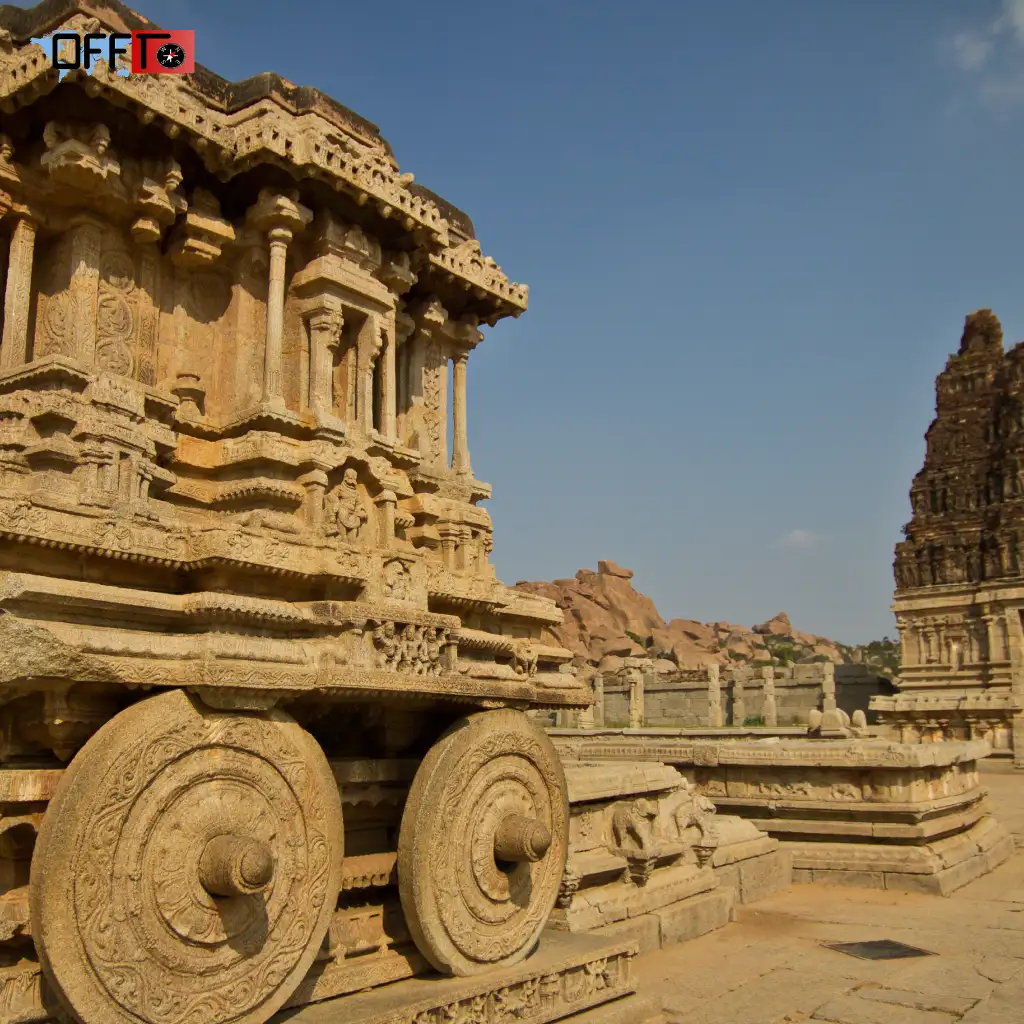
The Khajuraho temples were built during the reign of the Chandela dynasty, a powerful Rajput clan that ruled central India between the 9th and 13th centuries. Construction peaked between 950 and 1050 AD, when the Chandelas commissioned over 85 temples across the region, reflecting both their devotion and their ambition to display political and cultural sophistication. These temples were primarily dedicated to Hindu deities such as Shiva, Vishnu, and Devi, alongside several Jain temples that highlight the religious pluralism of the time.
Today, only about 20 temples have survived, primarily due to natural decay, the passage of centuries, and historical invasions. Despite this, the remaining structures offer remarkable insights into medieval Indian temple architecture, including intricately carved exteriors, detailed sculptures, and carefully designed sanctums. Each temple is a testament to the craftsmanship, planning, and spiritual vision of the Chandela artisans, combining aesthetic beauty with symbolic meaning.
The carvings on the temples are not merely decorative; they serve multiple purposes. Many depict mythological stories, religious rituals, celestial beings, and scenes from daily life, blending narrative and instruction with artistry. Erotic sculptures, which often dominate popular imagination, are symbolic of fertility, spiritual union, and human celebration, reflecting the philosophical and cultural context of the time rather than mere sensuality. Understanding this history enriches a visit, allowing travelers to appreciate Khajuraho as both a cultural heritage site and a living museum of medieval Indian life.
Khajuraho Tourist Places: Must-Visit Temples & Sites
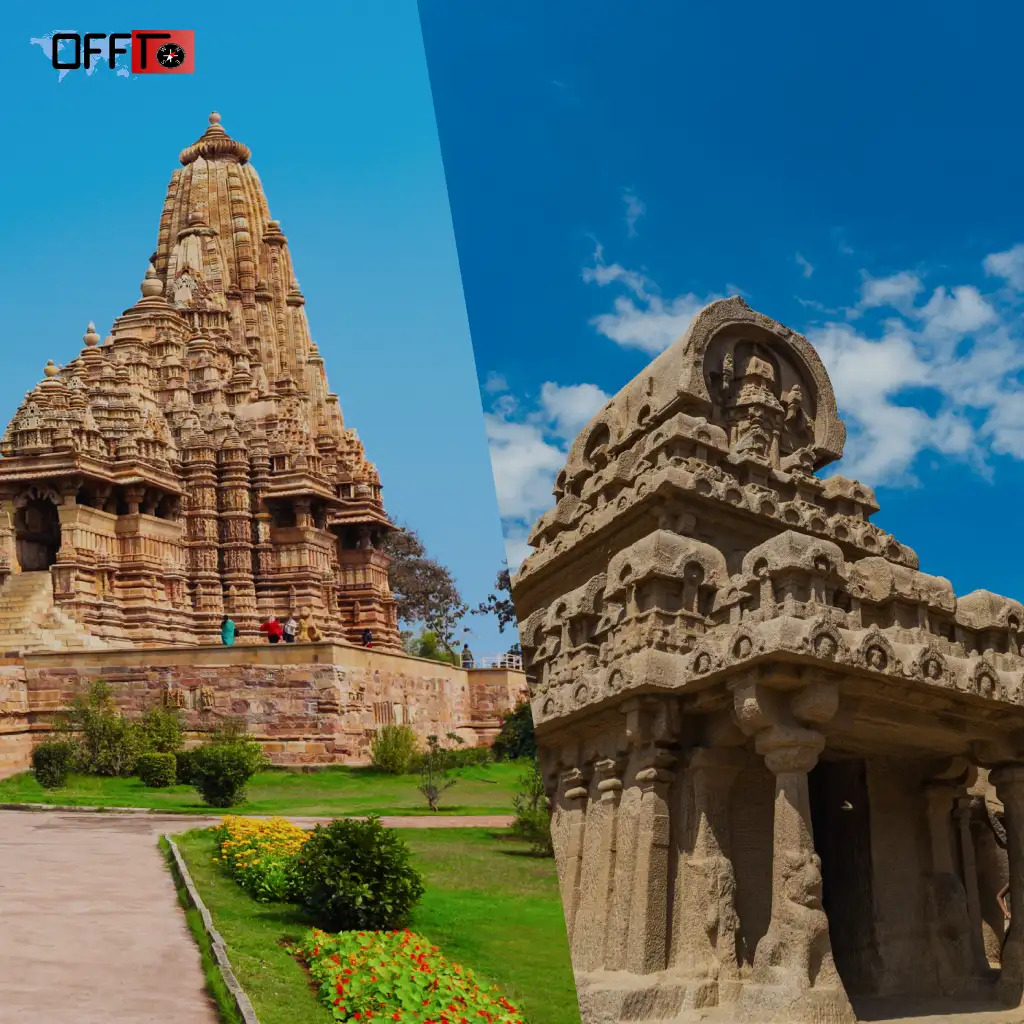
When visiting Khajuraho, the temples themselves are the main attractions, but they are organized into distinct groups that offer different experiences depending on your interests and pace of exploration. Among these, the Western Group of Temples is the most significant and popular, drawing both first-time visitors and heritage enthusiasts.
Western Group of Temples (Main Complex)
The Western Group includes the Kandariya Mahadeva Temple, Lakshmana Temple, and Devi Jagdamba Temple, among others. These temples are renowned for their grand scale, elaborate spires, and intricately detailed carvings.
Kandariya Mahadeva Temple: Often considered the crown jewel of Khajuraho, this temple is dedicated to Lord Shiva and features more than 800 sculptures covering a variety of themes including mythology, music, dance, and daily life. Its towering spire and detailed exterior make it perfect for history buffs, photographers, and architecture enthusiasts. Allow at least 1–2 hours to explore.
- Lakshmana Temple: Known for its elegant design and symmetry, this temple is slightly smaller than Kandariya Mahadeva but equally impressive. It offers a quieter experience and is ideal for travelers who want to observe the artistic details and carvings closely, including depictions of celestial beings and narrative scenes from Hindu epics.
- Devi Jagdamba Temple: A smaller but spiritually significant temple, dedicated to the Goddess Jagdamba. It provides insight into Chandela-era religious practices and is often less crowded, making it a great spot for contemplative visits.
Exploring the Western Group provides a comprehensive overview of Khajuraho’s architectural and sculptural diversity, combining grandeur with intricate artistry. Visitors can plan for 2–3 hours to fully appreciate the temples, photograph the carvings, and understand their historical and cultural context.
Eastern Group of Temples (Jain Temples)
The Eastern Group of Temples in Khajuraho primarily features Jain temples, offering travelers a more serene and contemplative experience compared to the bustling Western Group. These temples, including the Parshvanatha Temple and Adinath Temple, are less crowded but equally significant in terms of architectural detail and historical value.
The Parshvanatha Temple is one of the oldest and most elaborately carved Jain temples in Khajuraho. Dedicated to Lord Parshvanatha, it features intricate sculptures and delicate pillars that tell stories from Jain mythology. The temple is quieter than the Western Group, making it an ideal spot for travelers who wish to absorb the artistry without large crowds. Photography enthusiasts will appreciate the opportunity to capture detailed carvings that might be overlooked in busier areas.
Nearby, the Adinath Temple showcases similar craftsmanship, with carvings that reflect religious devotion, celestial beings, and ritual symbolism. The Eastern Group’s slower pace allows travelers to explore at leisure, notice fine details, and reflect on the spiritual aspects of the architecture. For those interested in religious art, meditation, or historical study, these temples offer a rich and intimate experience of Khajuraho’s cultural heritage.
Traveler Insights
- Ideal for visitors seeking quiet, detailed, and spiritually immersive temple visits.
- Spend 1–1.5 hours exploring the Eastern Group to fully appreciate the intricate carvings.
- The Eastern Group is perfect for travelers who want a contrast to the more tourist-heavy Western Group.
Southern Group of Temples (Less Touristy)
The Southern Group of Temples in Khajuraho is the least visited, offering a slower, more contemplative experience for travelers who enjoy discovering hidden gems. This group includes the Duladeo Temple and Chaturbhuj Temple, which are smaller than their Western and Eastern counterparts but rich in historical and artistic significance.
The Duladeo Temple, dedicated to Lord Shiva, is notable for its well-preserved carvings depicting daily life, deities, and ritual scenes. While the scale is smaller, the craftsmanship rivals that of the more famous temples, making it an ideal destination for visitors interested in artistic and architectural subtleties.
The Chaturbhuj Temple also provides a tranquil experience, often visited by travelers seeking a slower pace or more private exploration. The Southern Group is best suited for slow travelers, photography enthusiasts, and those who want to avoid crowds, allowing for a reflective and immersive visit that can often be overlooked in typical itineraries.
Traveler Insights
- Best for travelers who prefer quiet exploration and unhurried temple visits.
- Allocate 45–60 minutes to fully enjoy the Southern Group.
- Offers a more intimate look at Khajuraho’s craftsmanship, away from the main tourist flow.
Things to Do in Khajuraho (Beyond Temple Visits)
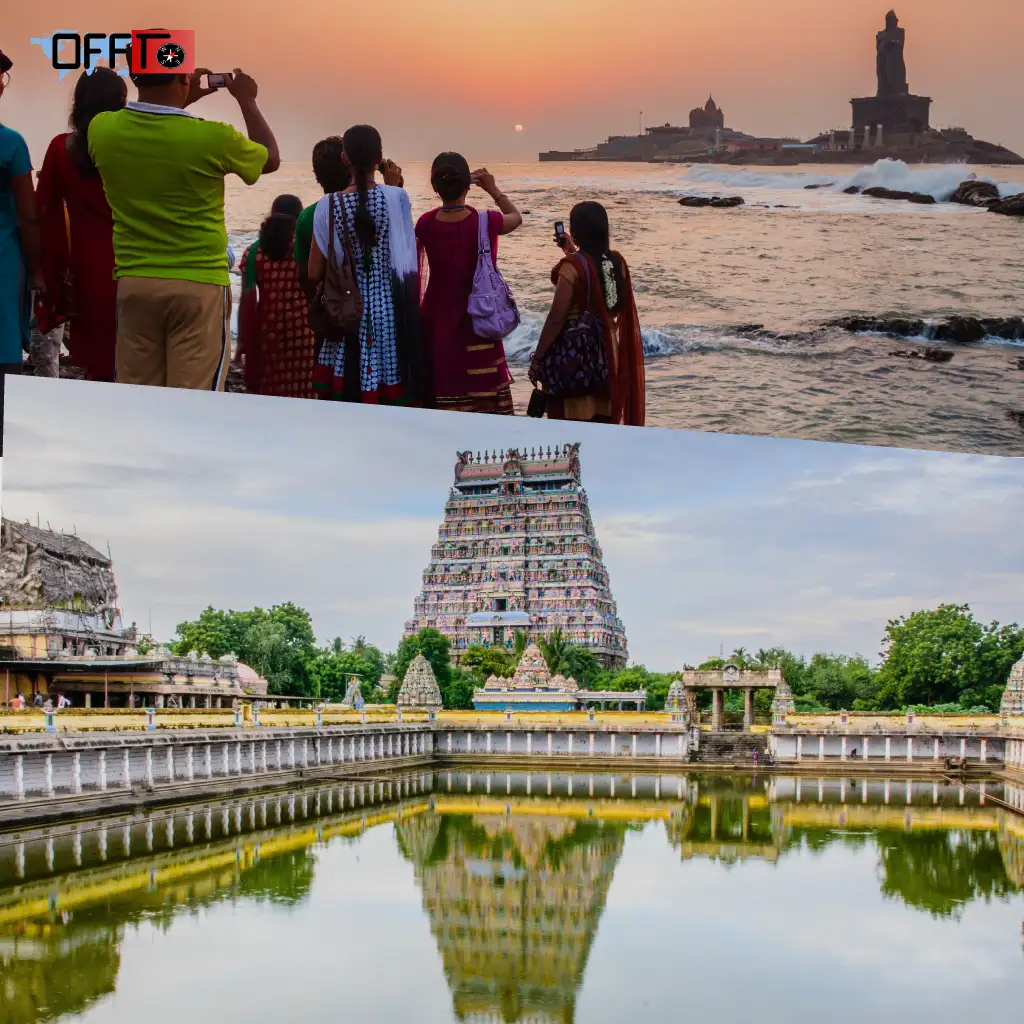
While the temples are the primary attraction in Khajuraho, there’s much more to explore in and around the town. Visitors looking to immerse themselves in culture, history, and local life can engage in a variety of activities that complement a temple-focused itinerary.
One of the most popular experiences is the Light & Sound Show held in the Western Group of Temples complex. Held in the evening, the show narrates the history of the Chandela dynasty and the construction of the temples, bringing the sculptures to life through narration, music, and lighting. It is ideal for travelers who want historical context alongside visual spectacle and is especially engaging for first-time visitors and families.
For those who enjoy shopping and cultural exploration, the local markets offer a vibrant mix of handicrafts, traditional artwork, and souvenirs. From carved figurines to textiles and jewelry, these markets provide an authentic glimpse into the artisanal heritage of Madhya Pradesh. A leisurely stroll through these markets also allows travelers to interact with local craftsmen and understand traditional techniques.
Active travelers can opt for cycling tours around the heritage zones, a great way to cover multiple temples while enjoying the scenic beauty of the town. Guided cycling tours offer insights into architectural details and historical anecdotes that might be missed on foot.
Lastly, cultural performances such as folk dances and music, often organized by local cultural groups, add a dynamic layer to the Khajuraho experience. These performances showcase regional traditions, costume, and storytelling, making them a must for culture enthusiasts and travelers seeking a deeper connection with the region.
Traveler Insights
- Allocate half a day to explore non-temple activities like markets and performances.
- Evening Light & Sound shows are best for family visits or first-time travelers.
- Cycling tours provide exercise, flexibility, and a unique perspective of the heritage zone.
Best Time to Visit Khajuraho (With Travel Tradeoffs)
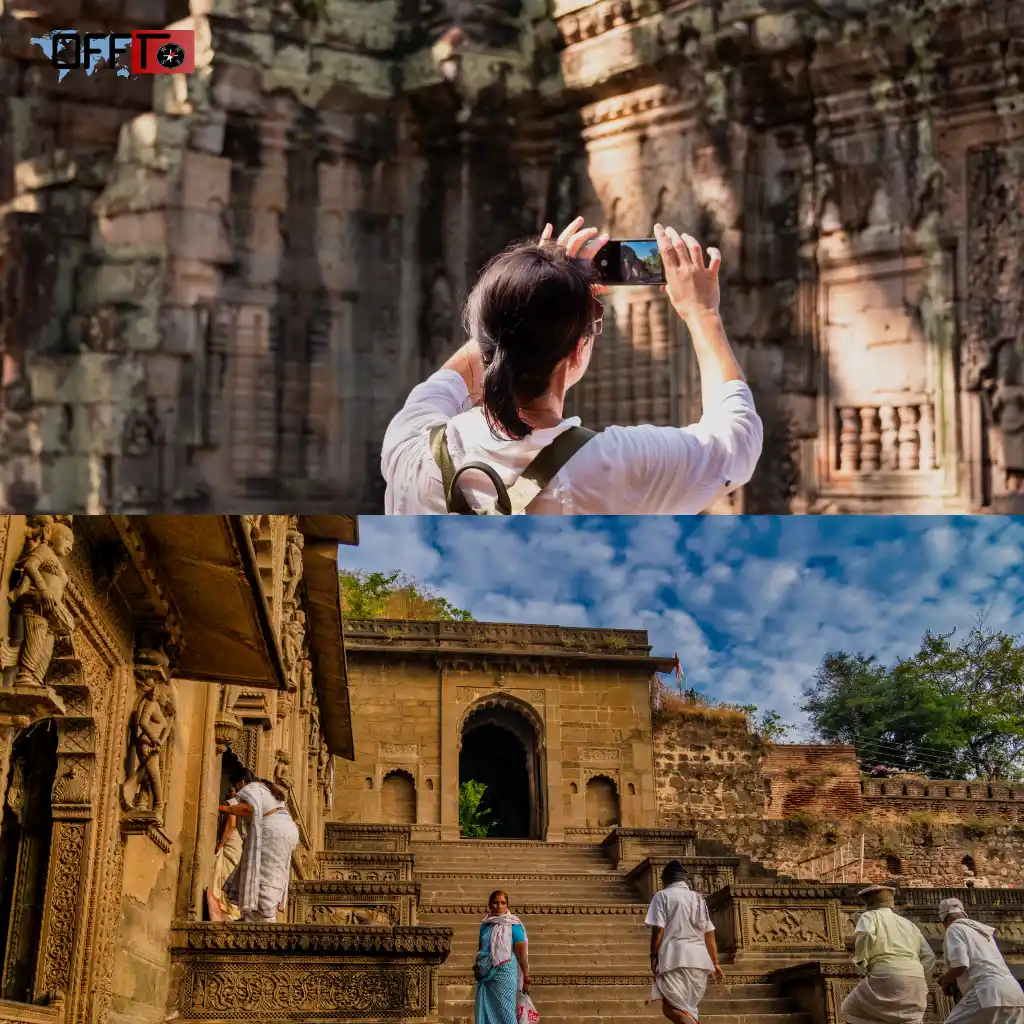
Planning a visit to Khajuraho requires understanding the climatic variations and how they influence comfort, photography opportunities, and crowd levels. The town experiences three primary seasons: winter, summer, and monsoon, each offering distinct advantages for different types of travelers.
Winter (October–February)
Winter is the most popular season to visit Khajuraho. Temperatures range between 8°C and 25°C, providing comfortable weather for sightseeing and photography. The skies are generally clear, making it ideal for outdoor exploration and temple photography. However, being peak season, tourists should book stays and guided tours in advance, as accommodation and transport can be busier and slightly more expensive.
Summer (March–June)
Summer sees temperatures rising above 35°C, which can be challenging for extended sightseeing. On the upside, crowds are thinner, allowing for more relaxed exploration of temples and markets. Early mornings and late afternoons are the best times for photography and visits during this season. Travelers who prioritize budget travel or quiet experiences often prefer this period despite the heat.
Monsoon (July–September)
Monsoon transforms the region into lush greenery, enhancing the natural beauty around temples and nearby landscapes. While the rains reduce dust and add vibrant colors for photography, heavy showers can occasionally disrupt sightseeing. Travelers visiting during monsoon enjoy fewer tourists and lower accommodation costs, but should plan for intermittent rain and limited outdoor flexibility.
Decision Insights
- Best for photography: Winter and monsoon (clear skies vs lush greenery).
- Best for comfort and sightseeing: Winter.
- Best for budget-conscious travelers: Summer and monsoon, due to fewer tourists and lower prices.
- Crowd considerations: Winter is busiest; summer and monsoon offer a quieter experience.
Khajuraho Weather & Climate Explained
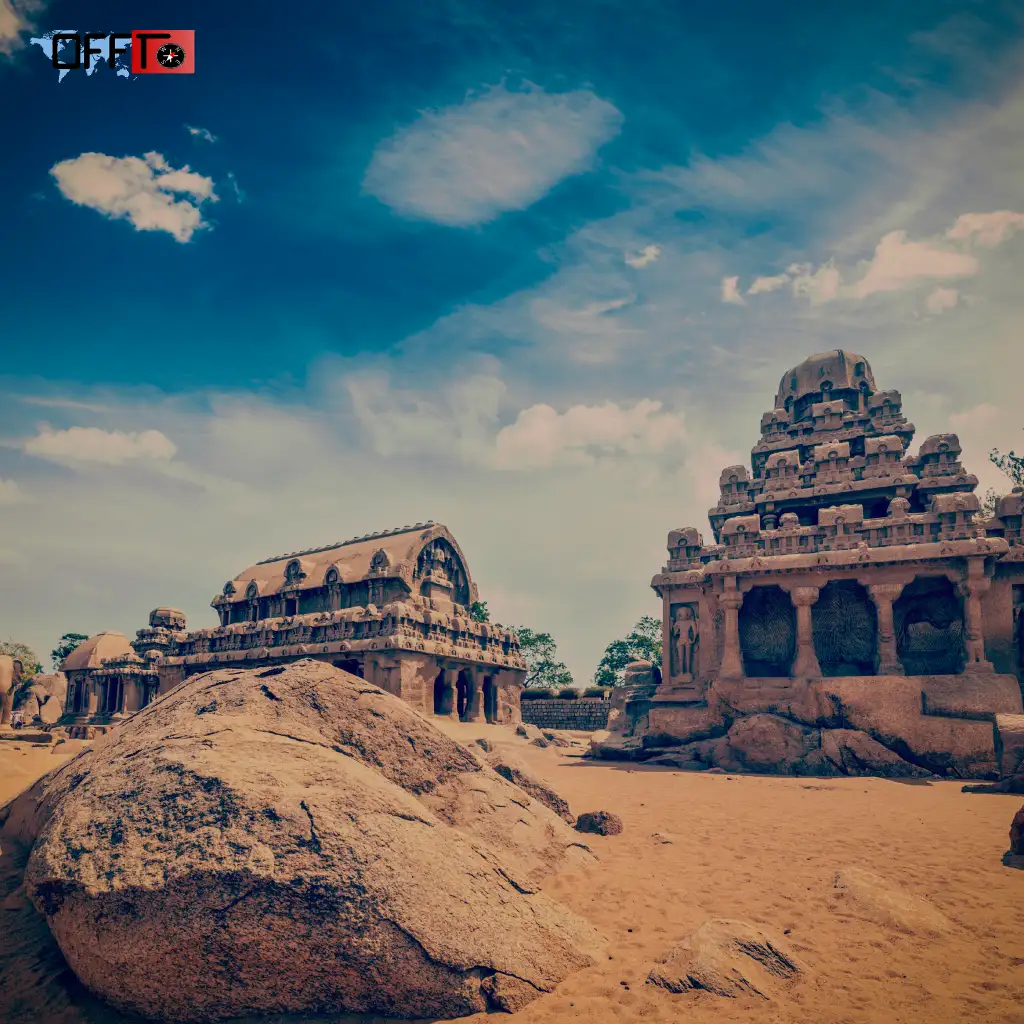
Understanding Khajuraho weather is essential for planning your trip, as it influences sightseeing comfort, photography opportunities, and travel logistics. The town experiences a tropical climate with three distinct seasons: winter, summer, and monsoon, each offering a unique travel experience.
Month-wise Temperature Overview
- October–February (Winter): Daytime temperatures range from 20°C to 25°C, while nights can drop to 8°C–12°C. Clear skies make this season perfect for exploring temples and capturing detailed photographs.
- March–June (Summer): Daytime highs often exceed 35°C, with occasional heat waves. Early morning and late afternoon are ideal for sightseeing to avoid the scorching midday sun.
- July–September (Monsoon): Temperatures are moderate (25°C–30°C), with high humidity and frequent rainfall. Monsoon adds lush greenery around the temples, offering scenic photography but occasional disruptions to outdoor activities.
What to Expect Realistically
Travelers visiting in winter will enjoy maximum comfort and clear skies, making it ideal for outdoor temple visits and evening cultural programs. Summer travelers should prepare for heat, carrying hats, water, and light clothing, while monsoon visitors should bring rain gear and plan for intermittent showers.
By planning according to Khajuraho’s seasonal climate, travelers can maximize comfort, photographic opportunities, and sightseeing efficiency, ensuring a smooth and enjoyable trip.
Tourist Places Near Khajuraho (Worth Extending Your Trip)
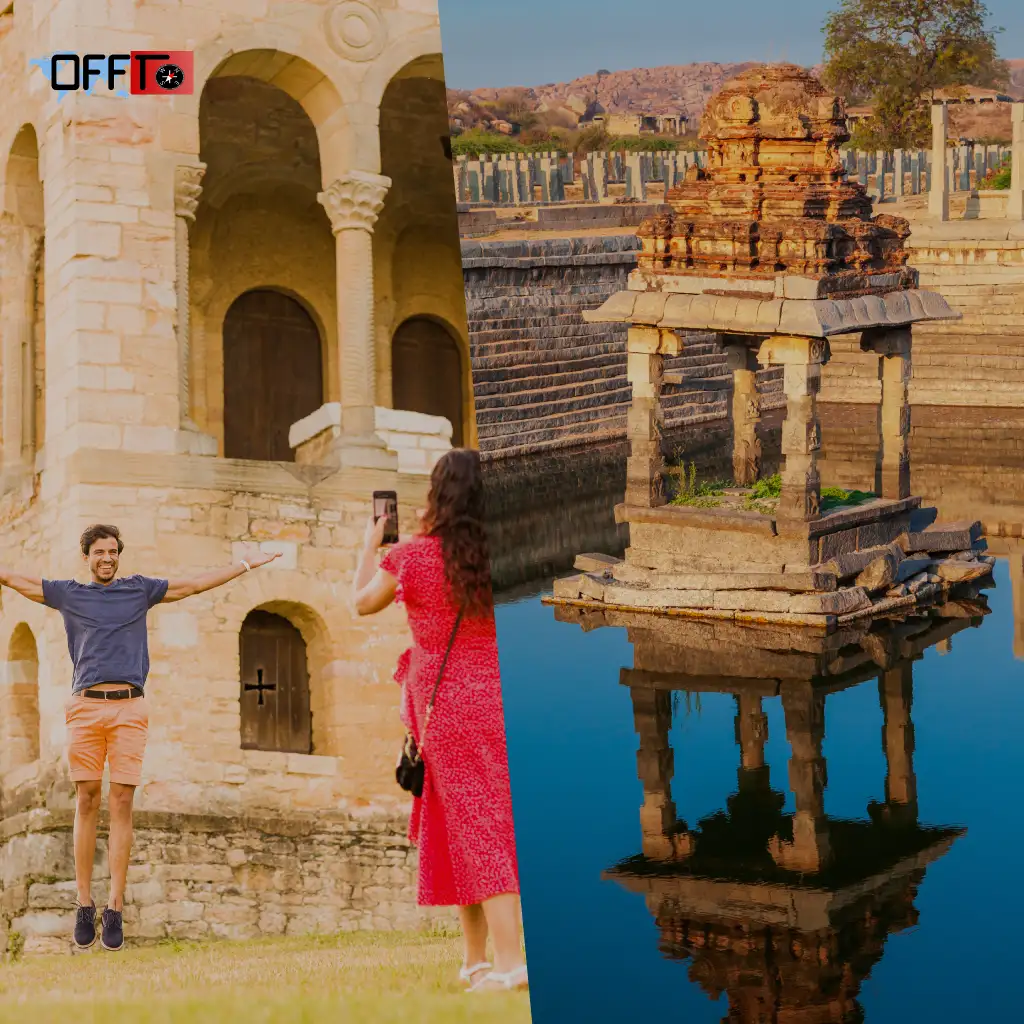
While Khajuraho’s temples are the main draw, there are several nearby attractions that enhance your visit and offer varied experiences beyond architecture. These destinations provide options for nature lovers, wildlife enthusiasts, and travelers seeking day trips or longer excursions.
Raneh Falls
Located about 20 km from Khajuraho, Raneh Falls is a stunning canyon formed by volcanic rock with crystal-clear waterfalls cascading through a rocky gorge. The falls are ideal for nature photography, light trekking, and short excursions, making them perfect for travelers who enjoy scenic landscapes and outdoor activity.
Panna National Park
Around 35 km from Khajuraho, Panna National Park is a tiger reserve and wildlife hotspot. The park is home to tigers, leopards, sloth bears, and various bird species. Safari tours provide a close-up view of India’s wild fauna, offering a thrilling addition to a cultural itinerary. It’s recommended for wildlife enthusiasts and families seeking a mix of adventure and nature.
Ken Gharial Sanctuary
Famous for its population of gharials and freshwater crocodiles, the Ken Gharial Sanctuary is located near Panna and offers opportunities for eco-tourism and birdwatching. This sanctuary is particularly attractive to travelers interested in conservation, photography, or exploring unique wildlife habitats.
Traveler Insights
- Extend your trip if you enjoy nature, wildlife, or outdoor photography.
- Skip these excursions if your itinerary is tight or you prefer to focus solely on temples and heritage experiences.
- Best time to visit nearby natural attractions aligns with winter and post-monsoon seasons, when accessibility and comfort are optimal.
Including nearby natural and wildlife experiences not only enriches a Khajuraho itinerary but also provides a diverse and balanced trip for travelers seeking more than just historical sightseeing.
How Many Days Are Enough for Khajuraho? (Practical Itinerary Logic)
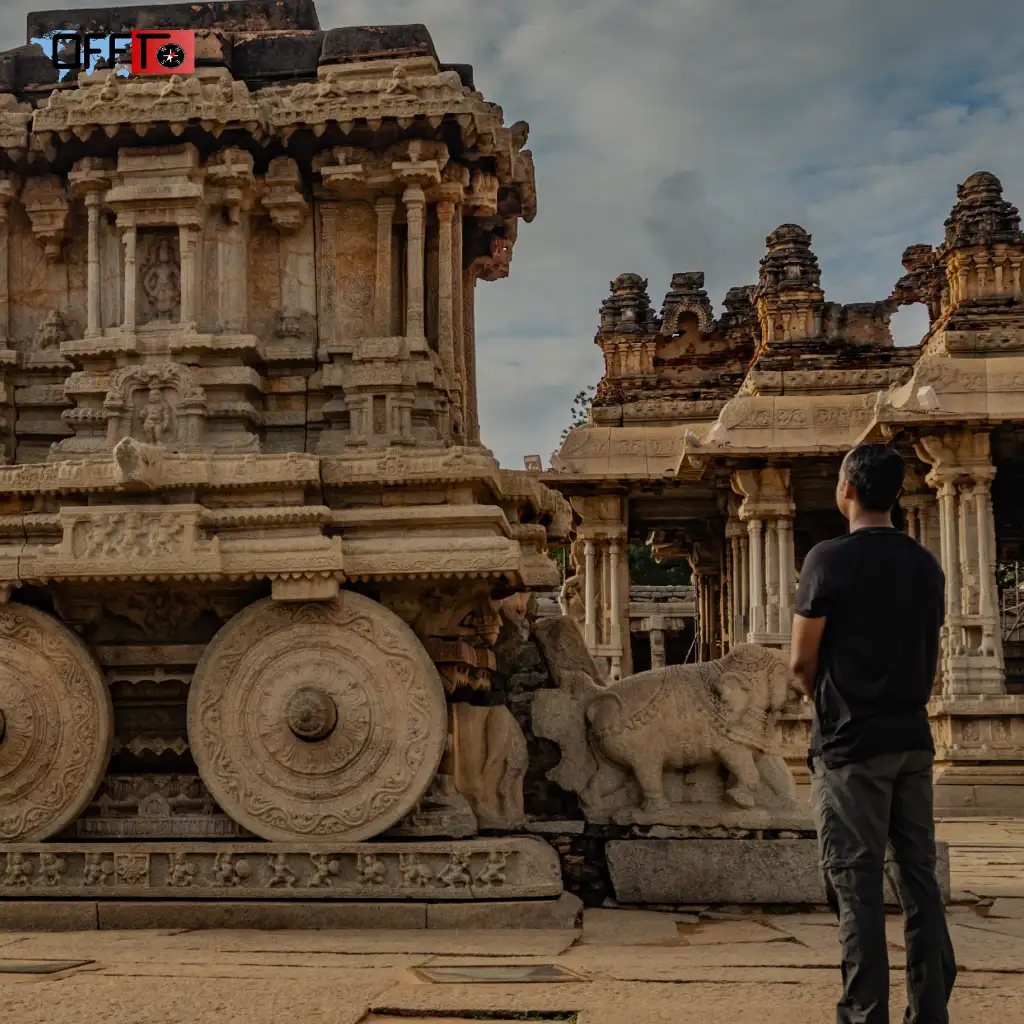
Planning the right duration for your Khajuraho trip depends on your interests, pace, and travel style. For travelers on a tight schedule, a 1-day quick trip can cover the essentials of the Western Group of Temples. Early arrival allows you to explore the Kandariya Mahadeva Temple, Lakshmana Temple, and Devi Jagdamba Temple, followed by a quick stroll through the town’s markets. Evening attendance at the Light & Sound Show can round off a packed day. However, a 1-day visit may feel rushed for those who want to appreciate the details of temple carvings, photography, or slower exploration.
A 2-day relaxed itinerary is ideal for those who wish to experience Khajuraho at a more measured pace. This allows travelers to explore the Eastern and Southern Groups of Temples, enjoy the local markets and cultural performances, and even visit nearby natural attractions such as Raneh Falls or Panna National Park. Families, photography enthusiasts, and culture-focused travelers often benefit from staying longer, as it provides ample time for reflection, exploration, and immersive experiences.
Traveler Tips
- If time is limited to a single day, focus on Western Group temples and prioritize photography and guided explanations.
- Those seeking a deeper understanding of temple history, quiet visits to lesser-known temples, or nearby excursions should plan for 2 days or more.
- Consider skipping the more distant sites if your schedule is short, but don’t miss the evening Light & Sound Show, which contextualizes the temples beautifully.
Suggested 1–2 Day Itinerary for Khajuraho
A practical itinerary helps travelers make the most of their time in Khajuraho, balancing temple exploration, cultural experiences, and optional excursions.
Day 1 – Western Temples + Evening Show
Start early at the Western Group of Temples, beginning with the Kandariya Mahadeva Temple to admire its intricate spires and carvings. Continue to the Lakshmana and Devi Jagdamba Temples, taking time to observe the detailed sculptures and architectural patterns. In the afternoon, explore the town’s local markets for handicrafts and souvenirs. End the day with the Light & Sound Show, which brings the temples’ history to life in a vivid and engaging presentation.
Day 2 – Eastern & Southern Temples + Nearby Excursions
Begin at the Eastern Group of Jain Temples, including the Parshvanatha and Adinath Temples, ideal for quieter exploration and detailed photography. Later, visit the Southern Group of Temples such as Duladeo and Chaturbhuj for a more reflective experience. If time permits, consider a short excursion to Raneh Falls or Panna National Park for nature and wildlife experiences. This relaxed pacing allows travelers to absorb the cultural and natural highlights without feeling rushed.
Relaxed vs Packed Version
- Relaxed Trip: Spread temple visits over 2 days, including a stop at markets and a short excursion to Raneh Falls. Ideal for families, couples, and culture enthusiasts.
- Packed Trip: 1 full day dedicated to the Western Group plus the evening show, optionally adding a morning visit to Eastern or Southern temples if time allows. Best for travelers on a tight schedule.
Traveler Insights
- Allocate at least 6–8 hours for Day 1 temple visits to avoid rushing.
- Use the second day for photography, slow exploration, and optional natural excursions.
- Pre-book guides or hire local experts to enhance understanding of carvings and temple history.
Travel Tips for Visiting Khajuraho
Visiting Khajuraho is more rewarding when you plan with both practical logistics and cultural awareness in mind. These tips can help ensure a smooth, enjoyable, and immersive experience.
Ticketing Zones
The Khajuraho temple complex is divided into different zones, primarily the Western, Eastern, and Southern Groups of Temples. The Western Group, being the largest and most visited, requires a separate ticket, while the Eastern and Southern Groups are often covered by a combined ticket or have lower entry fees. Travelers should purchase tickets in advance or at the entrance, and consider guided tours for deeper insight into the historical and architectural significance of each temple.
Local Transport
Getting around Khajuraho is convenient thanks to options like auto-rickshaws, bicycles, and e-rickshaws. Short distances between temple groups make cycling a practical and environmentally friendly choice, while autos are suitable for those who prefer comfort in the midday heat. Walking is also an option within individual complexes, allowing visitors to observe carvings and architectural details up close.
Cultural Etiquette
Khajuraho temples are active heritage sites, and respectful behavior is important. Visitors should avoid touching sculptures, maintain a quiet demeanor inside sanctums, and dress modestly when entering temple areas. Photography is allowed in most areas, but check restrictions near sanctums to avoid unintended disrespect. Observing local customs and temple protocols not only shows courtesy but also enhances your cultural understanding.
Best Time of Day to Explore
- For optimal comfort and photography, the early morning or late afternoon is ideal. Morning visits offer cooler temperatures, softer light for photographs, and fewer crowds, while late afternoons allow for a relaxed pace and scenic lighting on temple spires. Avoid visiting at midday, especially during the summer months, to reduce fatigue and exposure to heat.
Traveler Insights
- Consider hiring a local guide for a richer historical context and to unlock stories behind lesser-known sculptures.
- Carry water, hats, and sunscreen during summer months for comfort.
- Plan temple visits by group to minimize travel time and maximize cultural immersion.
FAQs
Where is Khajuraho located?
Khajuraho is a town in the Chhatarpur district of Madhya Pradesh, India, situated between the Vindhya and Satpura ranges. It lies about 620 km southeast of Delhi and 320 km from Bhopal. Easily accessible by air, rail, and road, it serves as a convenient heritage destination for travelers exploring Central India’s cultural landmarks.
Who built Khajuraho temples?
The Khajuraho temples were constructed by the Chandela dynasty between 950 and 1050 AD. This Rajput clan commissioned over 80 temples, reflecting both their religious devotion and cultural sophistication. Today, around 20 temples remain, showcasing the dynasty’s expertise in stone craftsmanship, narrative sculpture, and medieval Indian architecture.
What is Khajuraho famous for?
Khajuraho is famous for its UNESCO-listed temples, renowned for intricate carvings and sculptures. While the erotic art often draws attention, the town is equally notable for religious symbolism, detailed architecture, and depictions of daily life, music, and dance. It offers travelers a rare glimpse into medieval Indian culture and craftsmanship.
What is Khajuraho MP famous for?
Khajuraho, in Madhya Pradesh, is known for its heritage temples and cultural history. The town is globally recognized for the Chandela-era temples, with unique carvings that combine mythology, spirituality, and social life. Its UNESCO status attracts history enthusiasts, photographers, and travelers seeking authentic medieval Indian architecture.
What are the best tourist places in Khajuraho?
The main tourist attractions include the Western, Eastern, and Southern Groups of Temples. Highlights are the Kandariya Mahadeva, Lakshmana, Devi Jagdamba, Parshvanatha, and Duladeo temples. Nearby, Raneh Falls and Panna National Park are excellent for nature and wildlife experiences. Travelers can also explore local markets, cultural performances, and cycling tours around heritage zones.
What is the best time to visit Khajuraho?
The best time to visit Khajuraho is during winter (October–February), when temperatures range from 8°C to 25°C, offering comfortable sightseeing and photography. Summer is hot but less crowded, while monsoon provides lush greenery and fewer tourists. Travel planning should consider weather, crowd levels, and photography opportunities.
Are there guided tours available in Khajuraho?
Yes, local guides and organized tours are available at all temple groups. Guides offer historical context, artistic interpretations, and insights into carvings and symbolism, enriching the visitor experience. Both private and group tours can be booked at the entrance or via travel apps, and hiring a guide is highly recommended for first-time visitors or heritage enthusiasts.
Is Khajuraho suitable for family trips?
Absolutely. Khajuraho is family-friendly, with temple visits, cultural shows, local markets, and nearby nature excursions suitable for all ages. Families can enjoy a mix of heritage learning, photography, and light adventure, and the town’s compact layout makes moving between temples and attractions convenient.
Can you visit Khajuraho in a weekend from Delhi or Bhopal?
Yes, Khajuraho is ideal for a weekend getaway. Direct flights and trains from Delhi and Bhopal allow travelers to explore the main temples, attend the Light & Sound Show, and visit local markets within 1–2 days. For a relaxed experience including nearby natural attractions, a 2-day itinerary is recommended.
Read more >>>
Skandagiri Trek Guide – Sunrise, Distance & Complete Travel Plan
Bandaje Falls Trek Guide – Route, Distance, Difficulty & Travel Tips
Final Take: Is Khajuraho Worth Visiting?
Khajuraho is a must-visit destination for travelers who appreciate history, art, and architecture. Those who will particularly enjoy it include history enthusiasts, cultural explorers, photography lovers, and anyone fascinated by medieval Indian temples. The combination of intricate carvings, UNESCO heritage status, and serene surroundings provides a rich, immersive experience that goes beyond sightseeing.
However, some travelers may find Khajuraho slower-paced compared to more commercial or urban destinations. Those seeking nightlife, shopping malls, or high-energy entertainment might feel limited. The town’s charm lies in heritage exploration, reflective experiences, and cultural depth, rather than fast-paced tourism.
Including Khajuraho in a trip makes the most sense for Central India itineraries or as a weekend or short trip from Delhi, Bhopal, or Varanasi. It can be paired with nearby attractions like Raneh Falls, Panna National Park, and Ken Gharial Sanctuary for travelers looking to balance historical, cultural, and natural experiences. Overall, a well-planned visit ensures that travelers gain both educational value and aesthetic enjoyment.
Traveler Insights
Who will love it: Art and history enthusiasts, photographers, families seeking cultural enrichment.
- Who may find it slow: Travelers expecting bustling urban experiences or adventure tourism.
- When it makes sense: Weekend getaways, 1–2 day Central India trips, or as part of a heritage-focused itinerary.
Plan Your Perfect Khajuraho Trip with Offto Travellers
Exploring Khajuraho’s heritage temples, intricate sculptures, and cultural richness is an experience like no other—but planning it shouldn’t be overwhelming. With Offto Travellers, you get access to trusted travel resources, curated stays, and local insights, all in one place. Whether it’s a weekend getaway or a multi-day heritage tour, Offto helps you craft a trip tailored to your interests, pace, and comfort.
Discover the Western, Eastern, and Southern temple groups, plan your visit around the Light & Sound Show, and extend your itinerary to nearby attractions like Raneh Falls, Panna National Park, and Ken Gharial Sanctuary. From understanding ticketing zones and temple etiquette to choosing the best time of day for photography, Offto provides actionable tips to ensure your journey is smooth, enriching, and memorable.
Why choose Offto?
Compare and book heritage stays and accommodations that match your travel style and budget.
Explore nearby tourist spots, cultural performances, and natural attractions effortlessly.
Access curated experiences and insider insights that take your Khajuraho trip beyond sightseeing.
Plan itineraries for solo travelers, families, or groups, ensuring everyone enjoys a seamless experience.
With Offto, every step of your journey—from arrival to exploration to relaxation—is thoughtfully organized, so you can focus on immersing yourself in history, art, and culture without worrying about logistics.
Play StoreApp Store
Leave a Reply