
Jaipur, known as the Pink City of India, is home to iconic attractions like Amber Fort, City Palace, Hawa Mahal, and Nahargarh Fort. From royal palaces and historical landmarks to vibrant bazaars and cultural experiences, Jaipur offers a complete travel experience for every type of traveler.
Introduction to Jaipur – The Pink City of India
Jaipur, the capital of Rajasthan, is renowned for its rich history, majestic architecture, and vibrant culture. Known as the Pink City of India, Jaipur boasts an allure that attracts millions of tourists each year. Its distinct pink-hued buildings, sprawling forts, and ornate palaces tell the story of Rajasthan’s royal heritage.
Whether you’re a history enthusiast, a culture seeker, or someone eager to experience the grandeur of India’s past, Jaipur offers an unforgettable journey through time. This bustling city blends modernity with centuries-old traditions, making it a must-visit destination for travelers from across the globe.
Where is Jaipur Located?
Jaipur is located in the northwestern part of India, in the state of Rajasthan. Situated at the edge of the Thar Desert, the city lies approximately 268 km from Delhi and 330 km from Agra, making it easily accessible for those planning a tour of India’s Golden Triangle (Delhi, Agra, and Jaipur).
Proximity and Accessibility:
- By air: Jaipur International Airport (JAI) connects the city to major Indian cities and international destinations.
- By train: Jaipur Junction is well-connected with express trains to Delhi, Mumbai, and other cities.
- By road: Jaipur is well connected via highways, making road trips from nearby destinations like Delhi and Agra comfortable and scenic.
Practical insight: If you’re in India for the Golden Triangle tour, Jaipur fits perfectly as the last destination, offering a seamless blend of culture, architecture, and history.
Why Jaipur is Called the Pink City
Jaipur is famously called the Pink City due to its unique architectural color. In 1876, during the visit of Prince of Wales, the city’s Maharaja, Sawai Ram Singh, ordered the buildings to be painted in a terracotta pink shade to welcome the British royal. The pink hue has since become synonymous with Jaipur’s identity.
Why the color matters:
- Aesthetic appeal: The distinct pink shade gives the city an unparalleled charm, creating a stunning visual landscape.
- Symbol of hospitality: Pink is considered a color of warmth and welcome, reflecting the city’s friendly and hospitable nature.
Traveller tip: To truly experience the Pink City, explore Jaipur’s old city, where the pink-painted buildings dominate the streets and create a picturesque atmosphere.
What Are Famous Things in Jaipur?
Jaipur is known for its royal heritage, grand architecture, and rich culture. Here are some of the top famous things that make Jaipur an iconic destination:
- Amber Fort: A stunning hilltop fortress with intricate architecture and panoramic views.
- City Palace: A beautiful blend of Rajasthani and Mughal architecture, home to the royal family.
- Hawa Mahal: A unique palace with hundreds of small windows, designed for royal women to observe street life without being seen.
- Jaipur Markets: The Bapu Bazaar, Johari Bazaar, and Tripolia Bazaar are famous for their handicrafts, textiles, jewelry, and traditional Rajasthani items.
- Rajasthani Cuisine: Famous dishes include Dal Baati Churma, Laal Maas, and traditional sweets like Ghevar.
Pro tip: If you’re visiting Jaipur for the first time, explore the royal landmarks and then head to the local markets to experience Jaipur’s lively culture and vibrant street life.
Best Places to Visit in Jaipur
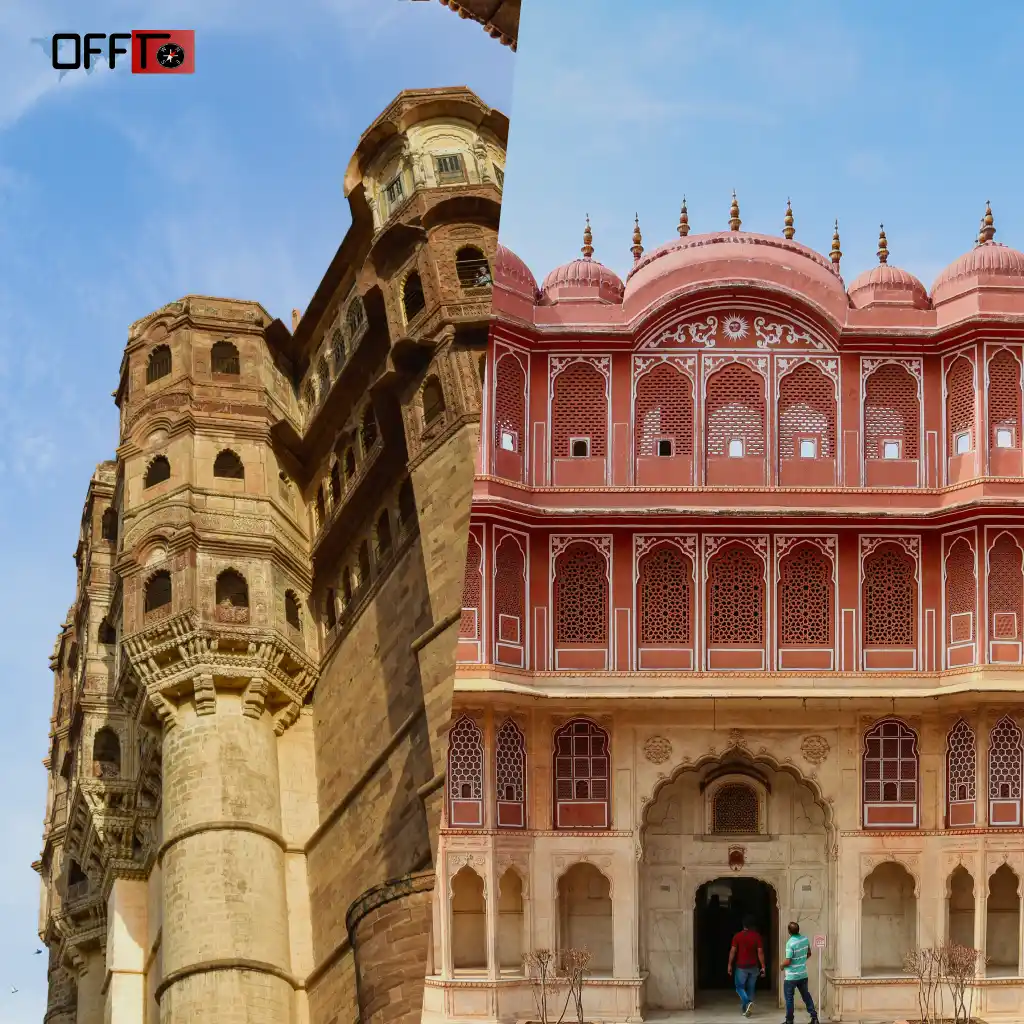
Jaipur is a city that combines historical grandeur with contemporary vibrancy. From ancient forts to royal palaces, here are the top places to visit in Jaipur that you cannot miss.
Amber Fort
Amber Fort, also known as Amer Fort, is one of the most stunning examples of Rajput military architecture. Built with red sandstone and marble, this massive fort on a hill offers beautiful views of the surrounding area, including the Maota Lake. Inside, you’ll find intricately designed palaces, courtyards, and temples that reflect the grandeur of Rajputana royalty.
Why visit
- Majestic architecture and stunning views
- Ride an elephant or jeep to reach the fort entrance
- Well-preserved frescoes and detailed carvings inside the fort
Pro tip: To avoid crowds, visit the fort early in the morning or closer to sunset when the temperatures are more comfortable and the light is perfect for photos.
City Palace Jaipur
The City Palace is a blend of Mughal and Rajasthani architecture and is located in the heart of the city. It was the royal residence of the rulers of Jaipur and is still home to the royal family. The palace complex consists of several courtyards, gardens, museums, and impressive halls like the Chandra Mahal and Mubarak Mahal.
Why visit
- Explore royal rooms with intricate artwork and history
- Admire the Sukh Niwas, which has air conditioning created by a water system
- Visit the museum to see royal artifacts, textiles, and weaponry
Pro tip: Don’t miss the Rang Mandir (Hall of Colors) with its bright murals, a perfect spot for photography.
Hawa Mahal
The Hawa Mahal, or Palace of Winds, is an iconic five-story palace with 953 small windows (called “jharokhas”) that were designed to allow royal women to observe street life without being seen. The unique structure of the palace, designed in the shape of a crown, is one of Jaipur’s most recognizable landmarks.
Why visit
- The palace’s unique architectural design makes it one of Jaipur’s top attractions
- Great photo opportunities from the nearby street
Traveller tip: Though the palace’s interior is not as elaborate as other royal buildings, the structure’s exterior design is visually striking and worth seeing from both inside and outside.
Jantar Mantar
Jantar Mantar is an astronomical observatory built in the 18th century by Maharaja Jai Singh II. The site contains the world’s largest stone sundial and several other instruments used for astronomical calculations.
Why visit
- Learn about ancient astronomy and the history of timekeeping
- The largest sundial in the world, with an accuracy of 2 seconds
Pro tip: Plan your visit in the morning or late afternoon, as it tends to get very hot during midday in the summer months.
Nahargarh Fort
Nahargarh Fort is perched on the Aravalli Hills, offering a breathtaking panoramic view of Jaipur. The fort was built to provide defense to the city and was also a retreat for the royal family. Its elegant design and expansive terraces make it a popular spot for both history buffs and those seeking incredible views of the city.
Why visit
- Perfect spot for panoramic city views
- Historical significance with beautiful architecture
Traveller tip: Visit Nahargarh Fort at sunset for an unforgettable view of Jaipur bathed in golden light.
Must Visit Places in Jaipur
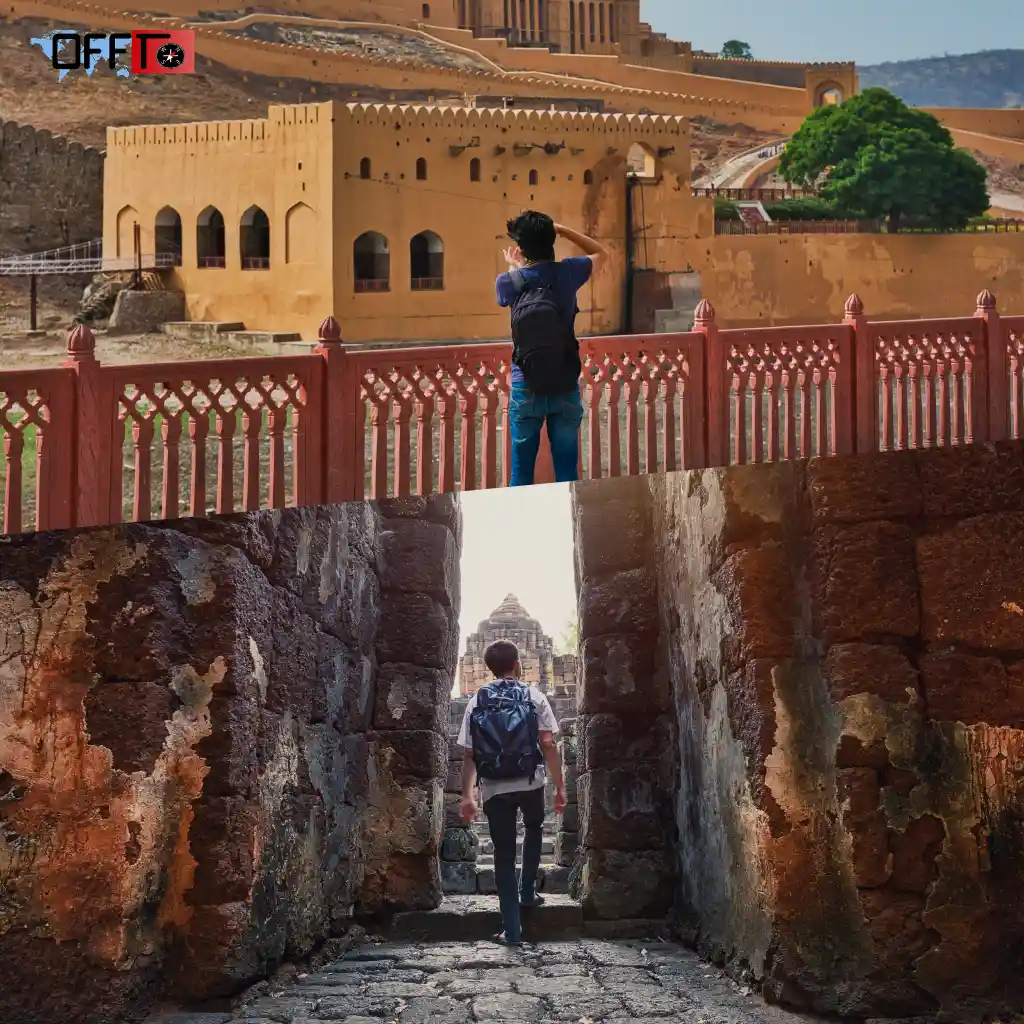
Jaipur is a treasure trove of royal history and architectural grandeur, with several landmarks that stand out for their beauty, historical significance, and unique charm. These must-visit places in Jaipur offer an unforgettable journey through the city’s rich past and vibrant culture.
Jal Mahal
Jal Mahal, or the Water Palace, is a beautiful palace located in the middle of Man Sagar Lake, giving it an almost ethereal, floating appearance. The palace was originally built as a summer retreat for the royal family. Though visitors cannot enter the palace itself, the view from the shore is nothing short of mesmerizing.
Why visit
- Scenic beauty: Ideal for photography with the lake surrounding the palace and the backdrop of hills
- Peaceful atmosphere: Perfect for a relaxing stop to enjoy the landscape
- Rajasthani architecture: Built in the traditional Rajput style with a series of arches and domes
Pro tip: To avoid crowds, visit the fort early in the morning or closer to sunset when the temperatures are more comfortable and the light is perfect for photos.
Pro tip: Visit early in the morning or at sunset for the best lighting and a serene experience without the crowds.
Jaigarh Fort
Jaigarh Fort is a fortress of immense historical significance and one of the most well-preserved in Jaipur. Built to protect Amber Fort, it is situated on the Aravalli hills, offering spectacular views of Jaipur. The fort houses the Jaivana Cannon, which is one of the largest cannons in the world.
Why visit
- Historical importance: The fort offers a deep dive into Jaipur’s military history
- Architectural marvel: Its massive walls and intricate design make it a great site for history lovers
- Jaivana Cannon: The fort is home to the largest cannon ever built, which was once used to defend the region
Traveller tip: Don’t miss the viewpoints from the fort’s ramparts. The view of Jaipur from Jaigarh is simply breathtaking.
Albert Hall Museum
The Albert Hall Museum is the oldest museum in Rajasthan, located in the heart of Jaipur. The museum is housed in a magnificent Mughal and Indo-Saracenic-style building that itself is a stunning architectural specimen. The museum showcases a vast collection of artifacts, textiles, pottery, and jewelry, providing insight into the region’s cultural heritage.
Why visit:
- Cultural treasure trove: The museum displays a wide variety of art, sculpture, and Rajasthani heritage
- Beautiful building: The architecture is a blend of traditional Mughal and British styles, making it a visual delight
- Interactive exhibits: A good place to learn about the history and culture of Rajasthan
Pro tip: Visit in the evening when the museum is beautifully lit. The building is a perfect sight at night.
Birla Mandir
Birla Mandir is a beautiful temple dedicated to Lord Vishnu and Goddess Lakshmi. Located on Moti Dungri Hill, the temple offers not only a place for spiritual reflection but also a spectacular view of the city. Built with white marble, the temple’s architecture is modern, yet it maintains a traditional look.
Why visit
- Peaceful ambiance: A serene spot perfect for those seeking spirituality
- Stunning views: The hilltop location offers an excellent view of the Pink City
- Modern architecture: The marble structure and intricate carvings are impressive
Traveller insight: The temple is a great spot for sunset views, so plan your visit accordingly to witness the city in its golden glow.
Jaipur Famous Places for First-Time Visitors
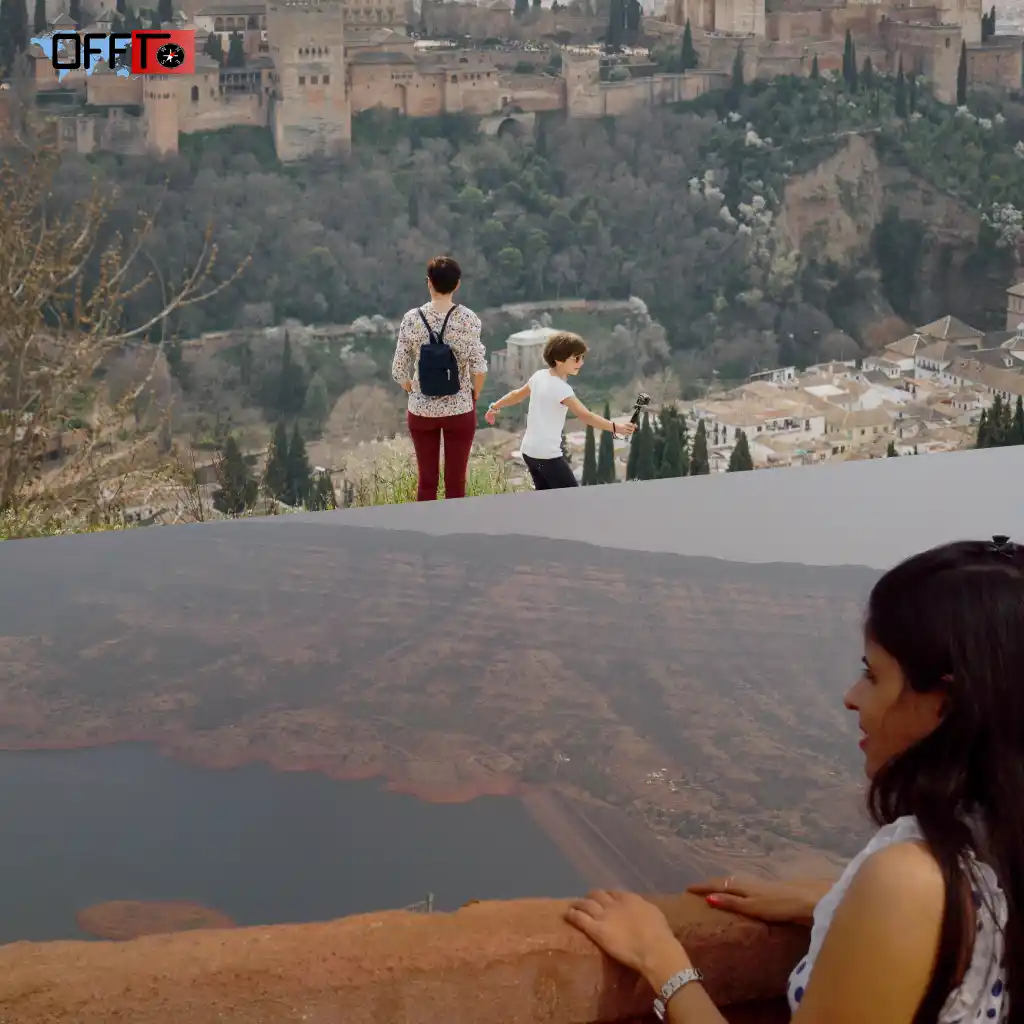
For those visiting Jaipur for the first time, there are certain places that embody the essence of the city—its history, culture, and vibrant street life. These famous places for first-time visitors are perfect for getting a comprehensive feel of what Jaipur has to offer.
Patrika Gate
Patrika Gate is a stunning entrance gate located at the Jawahar Circle Garden in Jaipur. The gate is known for its vibrant, intricate designs and bright, colorful patterns, making it a popular spot for photography. The gate beautifully combines elements of Rajasthani architecture with modern artistic expressions, making it a unique landmark in the city.
Why visit
- Stunning architecture: Known for its vivid colours and unique Rajasthani carvings
- Perfect for photos: The bright, intricate patterns make it an ideal backdrop for photographs
- Peaceful location: It’s a relaxing spot, surrounded by gardens and greenery
Pro tip: Spend a few minutes exploring the gardens around the gate after capturing your photos to enjoy the peaceful surroundings.
Bapu Bazaar
Bapu Bazaar is one of Jaipur’s most popular and bustling markets, located near the Ajmeri Gate. Known for its colorful textiles, traditional jewelry, and handicrafts, Bapu Bazaar is a must-visit for anyone looking to take home a piece of Jaipur’s local culture.
Why visit
- Shopping hub: The best place to buy Rajasthani textiles, leather goods, and trinkets
- Authentic experience: It’s where you’ll find local handicrafts and traditional items
- Vibrant atmosphere: The lively market captures the essence of Jaipur’s hustle and bustle
Pro tip: Be ready for a bit of haggling at the market. Bargaining is common and can help you get better deals!
Johari Bazaar
Johari Bazaar is another famous market in Jaipur, primarily known for its traditional jewelry. This market has been around for centuries and offers a wide range of precious stones, gold, and silver jewelry, making it one of the best places in Jaipur for shopping for jewelry.
Why visit
- Jewelry paradise: Famous for traditional Rajasthani jewelry, including Kundan, Minakari, and Meenakari designs
- Cultural experience: A market full of history and tradition
- Bustling streets: A great place to experience the vibrant market life
Traveler insight:
Even if you’re not buying jewelry, Johari Bazaar is an essential stop for the cultural experience of Jaipur, where you can observe the craft and intricate designs of Rajasthani jewelry-making.
These must-visit and famous places offer a balanced mix of cultural heritage, local life, and iconic landmarks, making them ideal stops for first-time visitors to Jaipur. Whether you’re interested in shopping, photography, or exploring royal history, these places will provide a perfect start to your Jaipur journey.
Historical Places in Jaipur
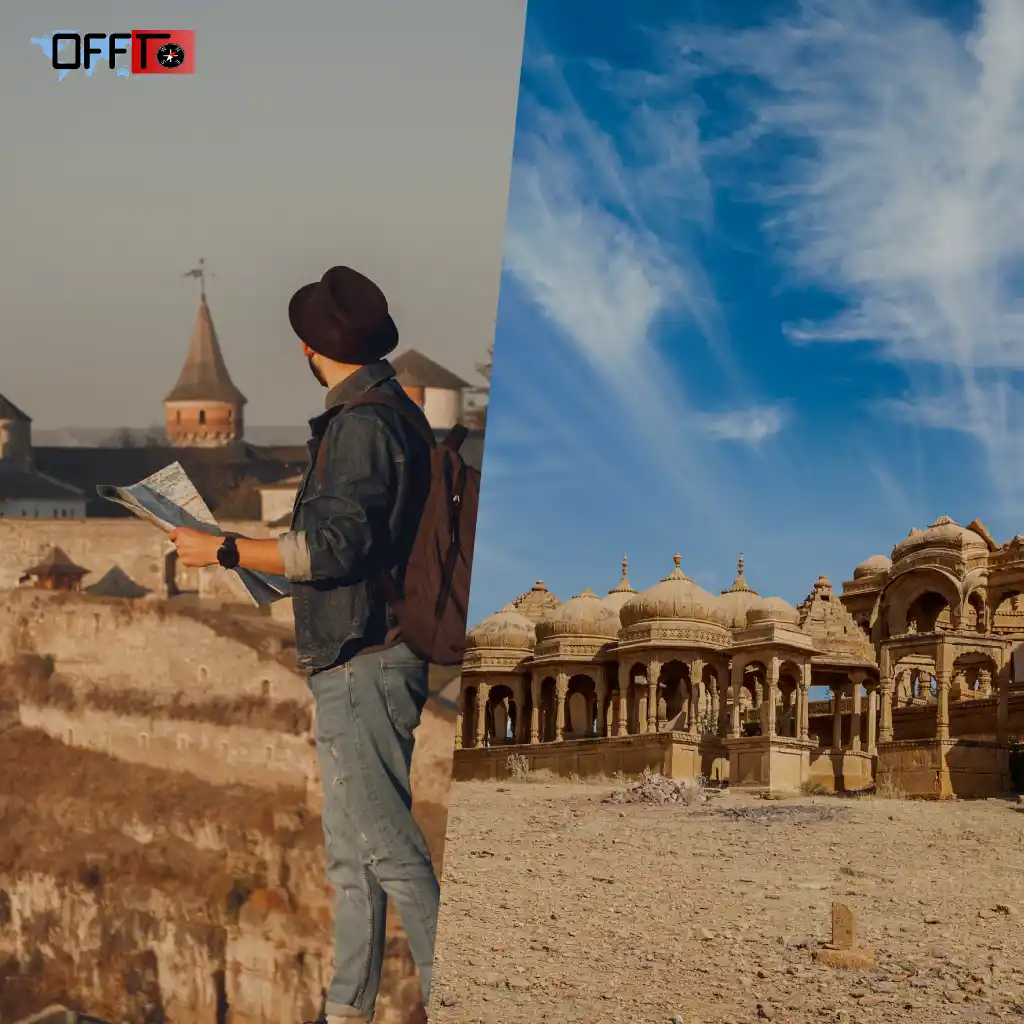
Jaipur is a city deeply rooted in history and tradition, and its historical places reflect the grandeur of its royal past. The forts, palaces, and observatories are living monuments to the city’s legacy, offering visitors a chance to step back in time and explore the region’s rich cultural and architectural history.
Amber Fort and Jaigarh Fort
Both Amber Fort and Jaigarh Fort are iconic historical landmarks that showcase Jaipur’s royal military architecture.
Amber Fort: Built in the 16th century, this hilltop fortress is renowned for its stunning blend of Rajput and Mughal architectural styles. The fort’s intricate carvings, massive gates, and sprawling courtyards are a testament to the grandeur of Rajasthan’s royal history.
- What makes it special: Beautiful architecture, stunning courtyards, and the Sheesh Mahal (Mirror Palace).
- Visitor tip: Elephant rides are popular for reaching the entrance, but you can also take a jeep ride to avoid the climb.
Jaigarh Fort: Situated just above Amber Fort, Jaigarh Fort is one of the most well-preserved military forts in India. Known for its massive Jaivana Cannon—the world’s largest cannon on wheels—it was primarily built to protect Amber Fort.
- What makes it special: The fort’s military history, large storage areas for ammunition, and the cannon.
- Visitor tip: Jaigarh Fort offers stunning views of the Amber Fort and Jaipur city, making it ideal for panoramic photographs.
City Palace and Royal Heritage
The City Palace is the epitome of Jaipur’s royal heritage, offering a glimpse into the splendor of the former rulers of Jaipur. Located in the heart of the city, it combines traditional Rajput and Mughal architecture, with ornate courtyards, gardens, and museums.
- What makes it special: The Chandra Mahal, Mubarak Mahal, and the Baggi Khana (royal carriage museum) showcase Jaipur’s opulence.
- Visitor tip: Don’t miss the Sileh Khana, where the royal artifacts are displayed, and be sure to check out the local crafts and textiles in the museum shops.
City Palace is still the residence of the Maharaja of Jaipur and thus provides a mix of history and contemporary royal life.
Jantar Mantar Observatory
Jantar Mantar is an 18th-century astronomical observatory that houses a collection of large instruments used to measure time, predict eclipses, and track celestial bodies. Built by Maharaja Jai Singh II, it includes the largest stone sundial in the world.
- What makes it special: The observatory contains several giant instruments used for astronomical measurements and calculations, such as the Samrat Yantra (the world’s largest sundial).
Visitor tip: It’s best to visit in the morning or late afternoon, as the heat can make it uncomfortable during the peak hours of summer.
Things to Do in Jaipur
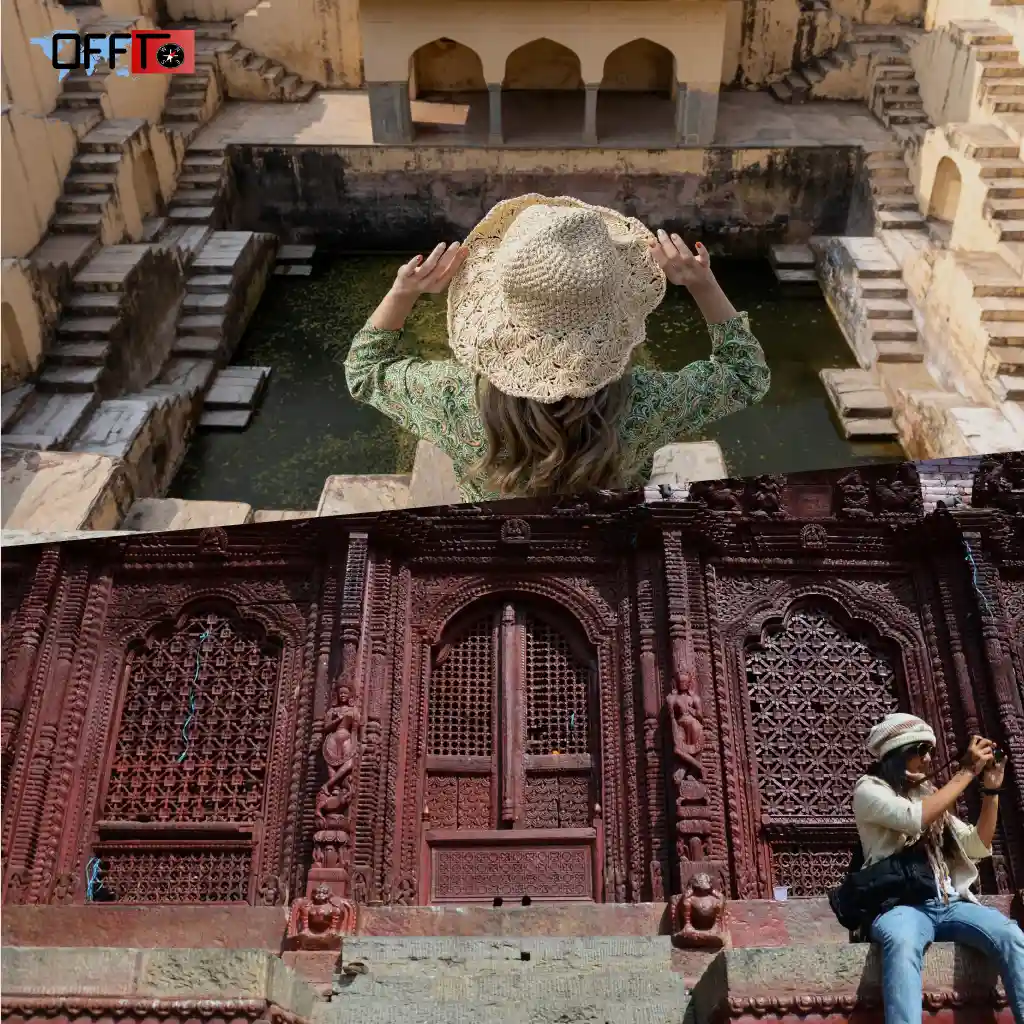
Beyond the historical landmarks, Jaipur offers a variety of activities and experiences that help you truly engage with the culture, people, and traditions of the city. From exploring its royal past to enjoying local markets and food, here are some must-do activities in Jaipur.
Jaipur Sightseeing and Heritage Walks
A heritage walk through the streets of Jaipur allows you to explore the city’s historical corners and hidden gems. Many tour operators offer guided walks through areas like the old city or Walled City, where you’ll discover the history behind Jaipur’s pink-colored buildings and landmarks.
- Why it’s special: The heritage walk not only gives you an insight into Jaipur’s architecture but also its lifestyle and local traditions.
- Pro tip: Early morning or late evening is the best time for the walk to avoid the scorching heat and enjoy the vibrant atmosphere.
Shopping in Local Markets
Jaipur is known for its vibrant markets, where you can shop for everything from handicrafts to traditional jewelry. The famous Johari Bazaar, Bapu Bazaar, and Tripolia Bazaar are ideal for buying Rajasthani textiles, jewelry, handicrafts, and decorative items.
- Why it’s special: Jaipur is the perfect place for shopping for items like blue pottery, block-printed textiles, and Kundan jewelry.
- Pro tip: Be ready to haggle in the markets to get the best deals. And don’t forget to sample the local sweets at the market stalls.
Trying Authentic Rajasthani Food
Rajasthani cuisine is rich and flavorful, known for its spicy dishes and traditional preparation styles. From Dal Baati Churma to Laal Maas, Rajasthani food offers an exciting culinary experience.
- What to try: Dal Baati Churma, Ghevar, Ker Sangri, Laal Maas, and Makhaniya Lassi are just some of the delicious dishes you must try while in Jaipur.
- Pro tip: For the best experience, try local eateries or visit chowks (open courtyards) where the food is often prepared in traditional ways.
Cultural Shows and Experiences
Jaipur is a cultural hub, and you’ll find traditional music and dance performances, puppet shows, and Rajasthani folk art exhibitions around the city. Popular places for cultural experiences include Chokhi Dhani, Rangmanch, and Jawahar Kala Kendra.
Why it’s special: These performances give you an authentic feel of Rajasthan’s rich cultural heritage, with performances in traditional dance, music, and art.
- Pro tip: If you want to get an immersive experience, attend a cultural dinner show at Chokhi Dhani to enjoy Rajasthani cuisine alongside a live performance.
These activities not only help you explore the royal history of Jaipur but also give you a taste of its local life, food, and traditional culture—an essential part of the Jaipur experience.
Night Places to Visit in Jaipur
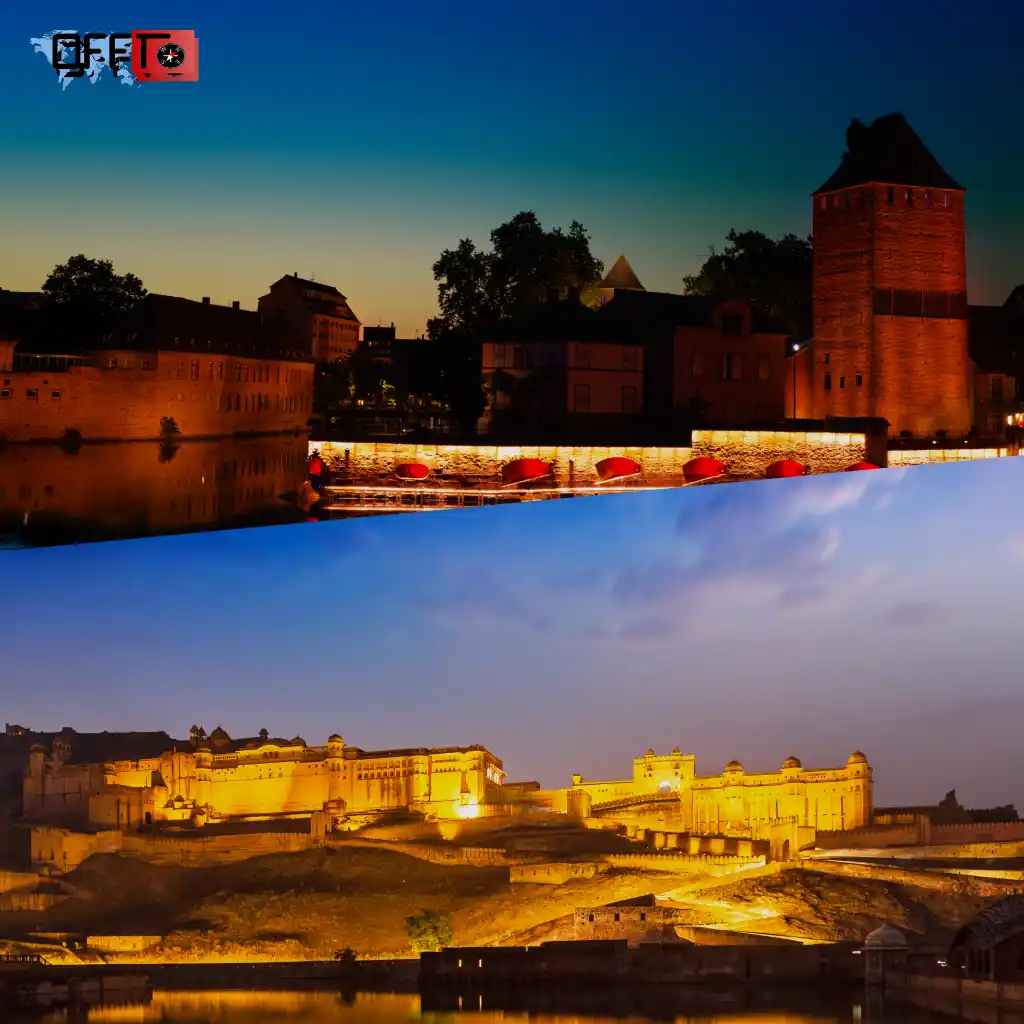
Jaipur takes on a whole new charm after the sun sets. The nightlife in Jaipur offers everything from panoramic views of the city to cultural experiences and bustling markets. Whether you’re looking for a peaceful evening or a lively night out, here are some of the best places to visit in Jaipur at night.
Nahargarh Fort Night View
Nahargarh Fort offers one of the best night views of Jaipur. Situated on the Aravalli hills, it overlooks the entire city, giving visitors a panoramic view of the pink city illuminated in lights.
Why visit at night
- The fort’s terraces offer breathtaking views of Jaipur city at night.
- The city’s lights, combined with the cooler evening breeze, make it a perfect place for peaceful reflection.
- There’s a café at the top where you can grab a bite while enjoying the spectacular view.
Pro tip: Try visiting at sunset or later in the evening for an unforgettable panoramic view as Jaipur is lit up beneath you.
Jal Mahal at Night
Jal Mahal, the beautiful water palace, looks even more enchanting at night. The palace is illuminated against the backdrop of Man Sagar Lake, giving it a mystical, almost surreal appearance. Although you can’t enter the palace, the view from the shore is stunning.
Why visit at night
- Magical lighting around the palace creates a beautiful, serene atmosphere.
- The reflection of the palace in the water adds a photogenic charm.
- Perfect for a quiet evening stroll around the lake.
Pro tip: Visit after sunset when the temperature cools down, and the area is less crowded, making it ideal for photography.
Jaipur Night Markets
Jaipur’s night markets come alive with the vibrancy of local life and a huge range of products, from handicrafts to jewelry. The most popular night markets are Bapu Bazaar and Johari Bazaar.
Why visit at night
- Enjoy a shopping spree under the stars, with a variety of local handicrafts, textiles, and jewelry.
- The markets are lively and colorful, offering a truly authentic Jaipur experience.
- Many stalls are open late, offering street food and Rajasthani snacks.
Pro tip: Bargaining is common in these markets, so be ready to haggle for the best deals. Don’t miss out on trying local street food while exploring.
Cultural Dining Experiences
For a unique way to experience Jaipur’s culture at night, dine at one of the city’s cultural venues, such as Chokhi Dhani or Rangmanch. These venues offer a traditional Rajasthani dining experience paired with live music, dance, and folk performances.
Why visit at night
- Cultural shows such as Kathputli (puppet shows), folk dance, and music enhance the dining experience.
- Enjoy authentic Rajasthani cuisine, including Dal Baati Churma, Ghevar, and Laal Maas.
- A chance to experience Jaipur’s traditional hospitality in a more interactive setting.
Pro tip: Book your dinner show in advance at places like Chokhi Dhani to ensure a great seat and avoid the crowds.
Jaipur Travel Itinerary (1–3 Days)
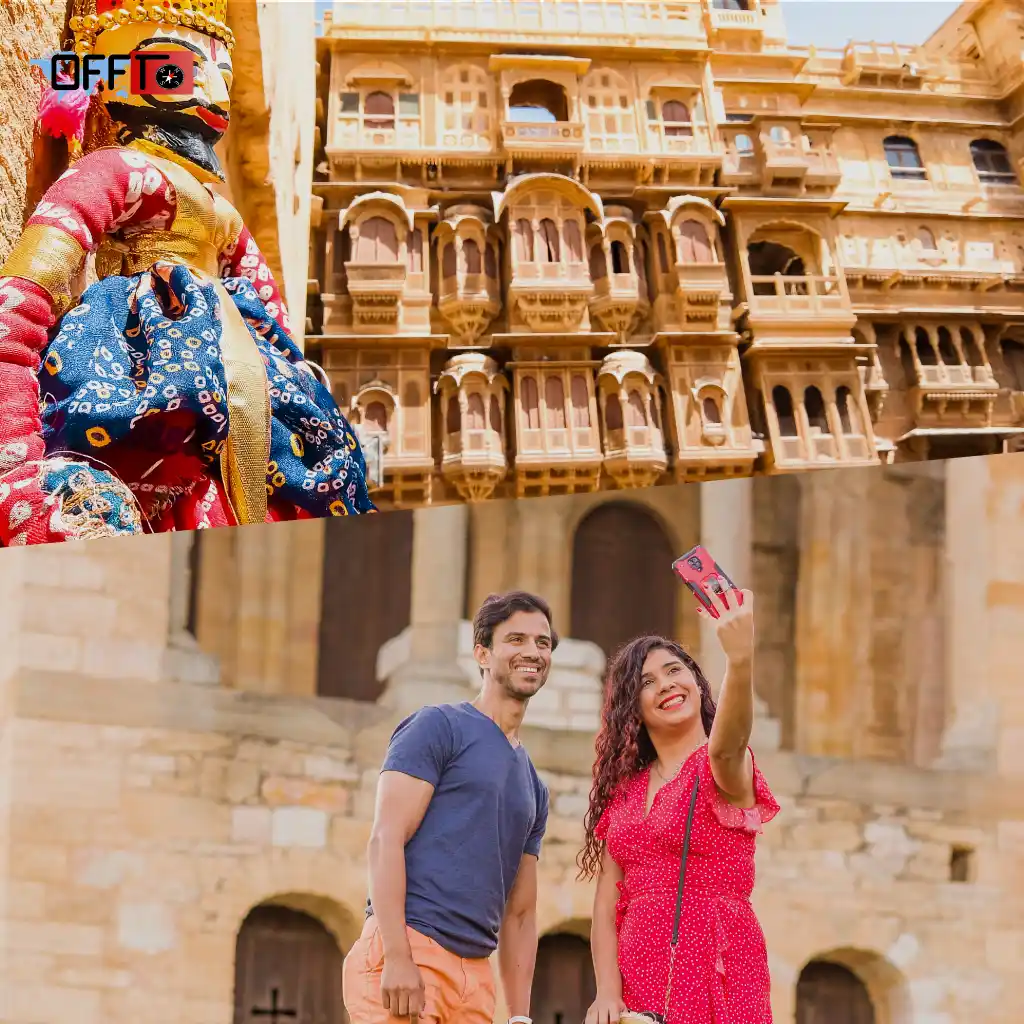
With its mix of historical landmarks, cultural experiences, and vibrant markets, Jaipur can be explored in various ways depending on your time. Here’s how to make the most of your 1-3 day trip to Jaipur.
One Day Jaipur Sightseeing Plan
If you’re short on time and have only one day in Jaipur, here’s a condensed sightseeing plan that includes the top highlights:
Morning
- Start with Amber Fort, where you can explore the grand fort and take a ride up the hill on an elephant or jeep.
- Head to Jantar Mantar to admire the astronomical instruments and learn about their ancient use.
Afternoon
- Visit City Palace, the royal residence, and explore its museums and courtyards.
- Make a quick stop at Hawa Mahal (Palace of Winds) to capture the iconic façade.
Evening
- Enjoy the view from Nahargarh Fort or visit Jal Mahal for a tranquil lakeside experience at night.
Tip: For this one-day itinerary, make sure to leave early in the morning to avoid the crowds and summer heat.
Two Day Jaipur Itinerary
With two days in Jaipur, you can dive deeper into the royal history and also take some time to explore local markets and authentic food experiences:
Day 1
- Start with Amber Fort, Jaigarh Fort, and Jantar Mantar.
- In the afternoon, visit the City Palace and the nearby Hawa Mahal.
- End the day with a visit to Nahargarh Fort for stunning sunset views.
Day 2
- Visit Jal Mahal and Albert Hall Museum for a historical perspective.
- Explore the local markets in the afternoon—Johari Bazaar for jewelry and Bapu Bazaar for textiles and handicrafts.
- In the evening, dine at Chokhi Dhani for a cultural dining experience.
Tip: On the second day, allow yourself to explore the markets slowly and sample some local Rajasthani snacks as you shop.
Places to Visit in Jaipur in 2 Days
If you’re spending two days in Jaipur, make sure to visit all the essential landmarks, and include time for local shopping, food, and cultural experiences:
- Amber Fort and Jaigarh Fort for history and panoramic views.
- City Palace and Hawa Mahal for royal architecture.
- Jantar Mantar and Albert Hall Museum for cultural insights.
- Patrika Gate for photography and exploring local arts.
- Evening visit to Jal Mahal or Nahargarh Fort for a serene experience.
Pro tip: Take short breaks at local tea stalls or rooftop cafés to unwind and absorb the atmosphere of the city.
These itineraries give you a well-rounded Jaipur experience with a mix of historical exploration, cultural immersion, and local shopping. Whether you’re there for 1 day or 3 days, Jaipur offers something for every traveler.
Places to Visit Near Jaipur
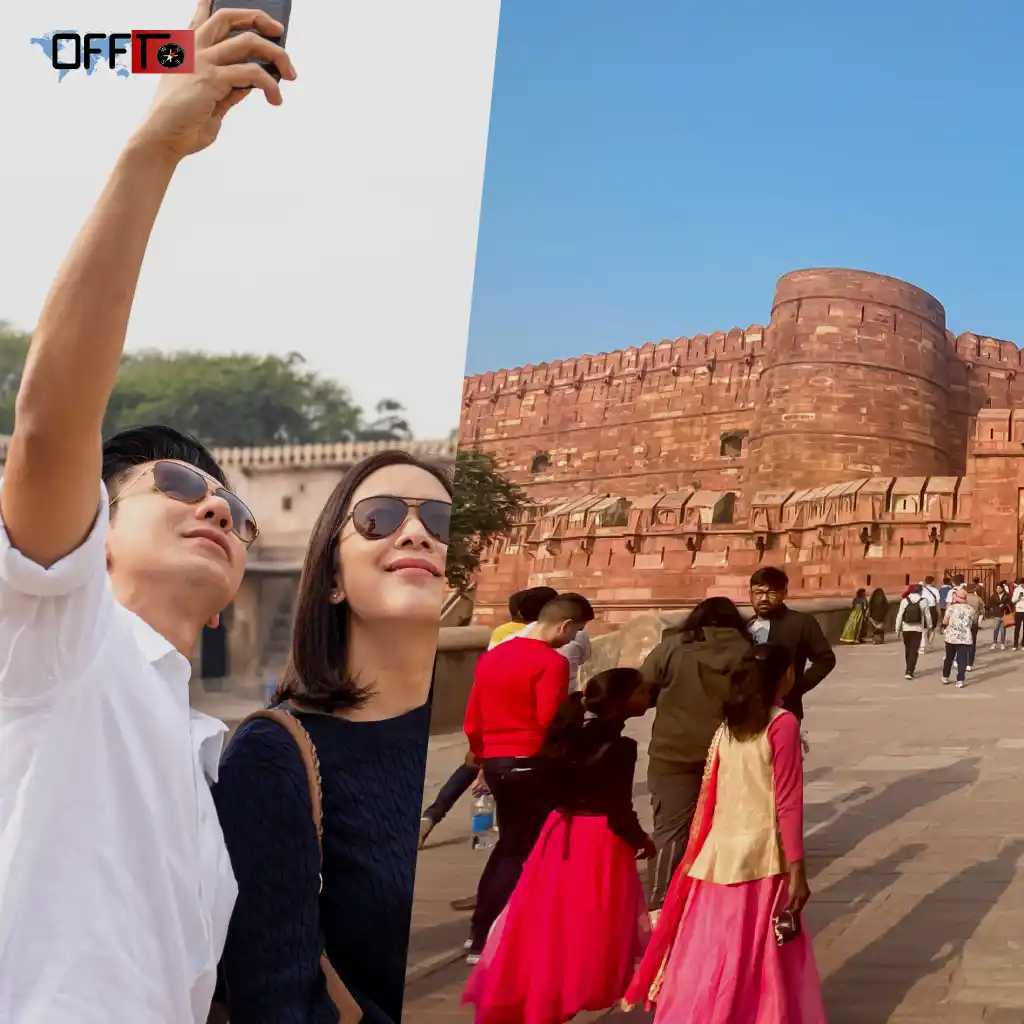
If you’re in Jaipur for a few days and want to explore nearby destinations, there are several beautiful and culturally rich places within a few hours’ drive that complement the royal charm of Jaipur. These places offer unique landscapes, wildlife experiences, and historical significance, perfect for short day trips or weekend getaways.
Ajmer and Pushkar
Ajmer and Pushkar are two culturally significant cities located close to Jaipur, making them ideal for a day trip or an overnight stay.
Ajmer: Ajmer is home to the Ajmer Sharif Dargah, a revered Sufi shrine of Khwaja Moinuddin Chisti, which attracts thousands of pilgrims from all over the world. The city also has Adhai Din Ka Jhonpra, a historic mosque and architectural marvel.
Pushkar: Just 11 km from Ajmer, Pushkar is famous for its holy lake, the Pushkar Temple (dedicated to Lord Brahma), and its vibrant camel fair. The town exudes a spiritual and rustic charm, ideal for visitors looking for a peaceful escape.
Why visit
- Ajmer Sharif Dargah and spiritual atmosphere in Ajmer
- Pushkar’s holy lake and Brahma Temple
- Unique combination of spirituality, history, and vibrant local life
Traveller tip: Ajmer and Pushkar can be visited in a single day, with Ajmer explored in the morning and Pushkar in the afternoon.
Ranthambore National Park
For wildlife enthusiasts, Ranthambore National Park is a must-visit, located around 170 km from Jaipur. The park is one of India’s most famous tiger reserves and is home to royal Bengal tigers, leopards, and other wildlife species. The park is also known for the ancient Ranthambore Fort located within the park premises, adding a historical dimension to the visit.
Why visit
- Spot tigers, leopards, and a variety of wildlife
- Explore the Ranthambore Fort inside the park
- Experience a safari adventure through rich jungle landscapes
Traveller tip: Book your safari in advance to ensure a spot. The best time for safaris is winter (October to March), as wildlife sightings are higher and the weather is pleasant.
Abhaneri Stepwell
Located about 95 km from Jaipur, Abhaneri Stepwell (also known as Chand Baori) is an ancient and architectural wonder. Built in the 9th century, it’s one of the largest and deepest stepwells in India, with intricate geometric patterns and 2000 steps. It’s a fantastic example of ancient Indian engineering and offers a striking visual experience.
Why visit
- Unique architecture: The stepwell is a marvel of engineering and design
- Historical significance: It was built to conserve water during Rajasthan’s harsh summers
- Photogenic location: The symmetrical pattern of the steps makes it a great photography spot
Pro tip: The stepwell is best visited in the morning or late afternoon to avoid the midday heat and for the best light for photos.
Jaipur Travel Planning: Combining Destinations

Jaipur is an excellent starting point for exploring the broader Rajasthan region and other destinations in India. Combining Jaipur with nearby cities or natural getaways can make for a more enriching experience. Below are some travel combinations that will help you plan your perfect trip to Jaipur and beyond.
Jaipur and Udaipur Trip Planning Overview
Jaipur and Udaipur are two of Rajasthan’s most famous cities, and combining both in one trip gives you a rich taste of royal history, stunning palaces, and lakes.
Why combine Jaipur and Udaipur
- Jaipur gives you the royal fortresses and palaces like Amber Fort and City Palace.
- Udaipur offers a romantic setting with its beautiful lakes like Lake Pichola, and iconic palaces like the City Palace of Udaipur.
- You can enjoy the desert landscapes of Jaipur and then head to Udaipur for a more serene lakeside experience.
Distance & Travel Tips
- Jaipur to Udaipur is about 400 km (6–7 hours by road)
- You can either drive through scenic routes or take a train or flight for quicker travel
Traveller tip: If you want to avoid long travel hours, opt for a night train or flight to Udaipur after your sightseeing in Jaipur.
Jaipur vs Ooty: Which Destination is Better for You?
When considering Jaipur vs Ooty, it’s essential to understand the difference in experiences these two cities offer:
- Jaipur: A blend of royal history, palaces, forts, and desert landscapes. Ideal for those interested in Rajasthani culture, architecture, and heritage.
- Ooty: A hill station in Tamil Nadu, known for its lush greenery, tea plantations, and cool climate. Best for those seeking a nature getaway and a break from the heat of Rajasthan.
Travel tip
- If you’re looking for royal history and desert charm, Jaipur is the place.
- If you want a nature retreat and cool weather, opt for Ooty.
- Both can be combined if you enjoy exploring diverse landscapes—Jaipur’s royal history and Ooty’s natural beauty.
These routes from Jaipur open up new and exciting travel possibilities, whether you’re exploring Rajasthan’s heritage or venturing into Himachal’s serene beauty.
Jaipur Tour Package and Travel Planning

Jaipur offers a wide variety of tour packages catering to different travel preferences, budgets, and trip durations. Whether you’re seeking a luxury experience or an affordable adventure, there’s something for every traveler. Here’s how to plan your Jaipur tour package and what to expect from both budget and luxury travel options.
Popular Jaipur Tour Packages
Several well-structured Jaipur tour packages are available, offering organized itineraries that cover the city’s top attractions and nearby destinations. These packages often combine sightseeing tours, cultural experiences, and even trips to nearby cities, providing a seamless travel experience.
Types of Popular Packages
- Golden Triangle Tour: Combines Jaipur, Delhi, and Agra in a 5–7 day package, perfect for first-time travelers to North India.
- Jaipur Heritage Tour: Focuses on royal palaces, forts, and the city’s heritage, ideal for history and culture enthusiasts.
- Jaipur Weekend Getaway: A short 2–3 day package, covering the city’s must-see attractions for those with limited time.
- Jaipur and Udaipur Tour: A combination of Jaipur’s forts and Udaipur’s lakes, giving travelers the best of both worlds.
Why choose a package
- Convenience: Everything from transportation to sightseeing is handled for you.
- Time-saving: Pre-designed itineraries help you make the most of your time.
- Guided experiences: Learn about the history of Jaipur from local guides.
Traveller tip: Opt for a small group tour package for a more intimate experience or a private tour if you want flexibility in your schedule.
Budget vs Luxury Jaipur Travel Plans
When it comes to budget vs luxury travel, Jaipur offers both ends of the spectrum with affordable stays and luxury accommodations that suit different travel needs. Here’s what to consider when choosing between a budget or luxury plan for your Jaipur trip.
Budget Travel Plan
- Accommodation: Opt for budget hotels, hostels, or guesthouses in central locations like the old city.
- Transportation: Use local taxis, auto-rickshaws, or public transport for affordable travel around the city.
- Dining: Enjoy street food and local eateries to experience authentic Rajasthani cuisine without breaking the bank.
- Sightseeing: Many of Jaipur’s top attractions like Amber Fort and Hawa Mahal offer affordable entry fees.
Luxury Travel Plan
- Accommodation: Stay in heritage hotels or royal palaces like Taj Rambagh Palace or Samode Palace.
- Transportation: Opt for private chauffeur-driven cars or luxury buses for city travel.
- Dining: Indulge in fine dining experiences at places like Suvarna Mahal or Bar Palladio.
- Private tours: Book a personalized guided tour to explore Jaipur at your own pace.
Why choose budget or luxury
- Budget plan: Best for those travelling on a limited budget but still wanting to experience the highlights of Jaipur.
- Luxury plan: Ideal for those seeking a royal experience, with premium accommodations and personalized services.
Where to Stay in Jaipur
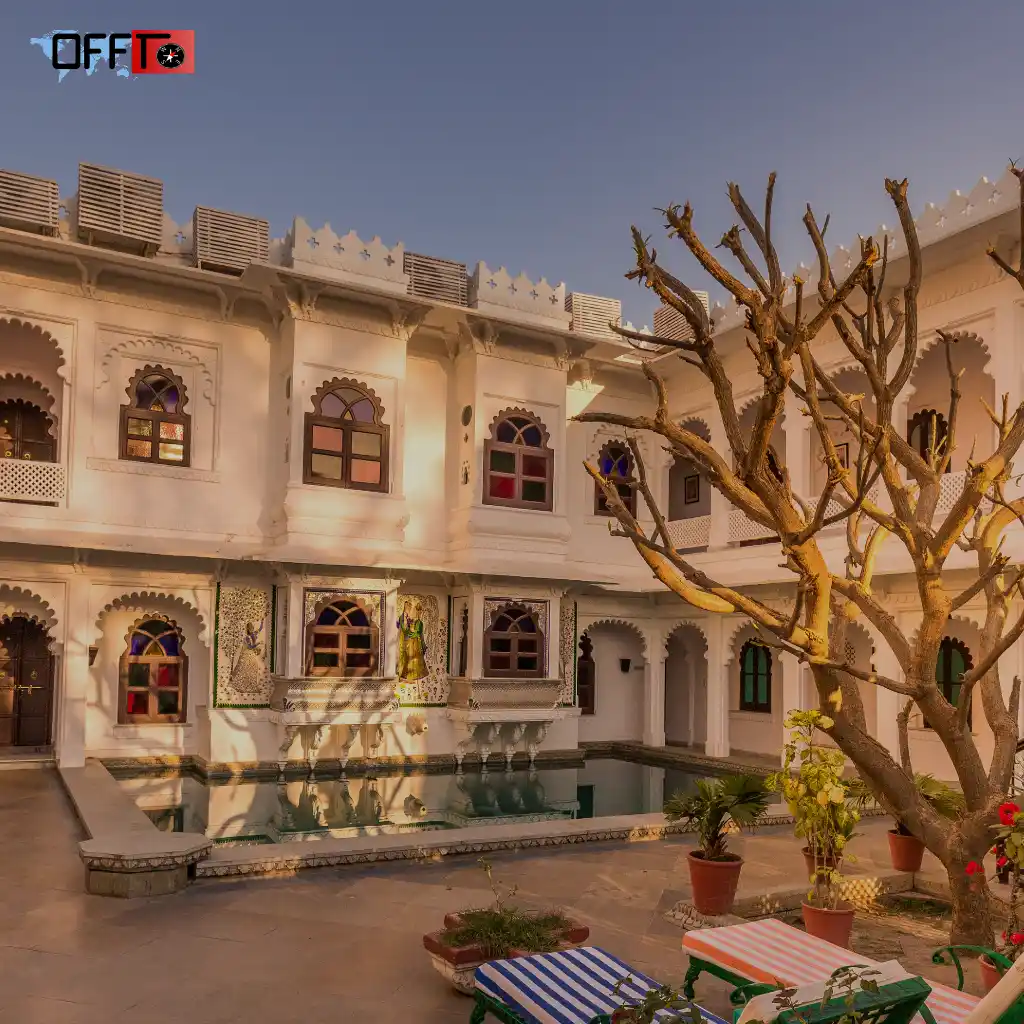
Jaipur offers a range of accommodation options, from heritage hotels that offer a taste of royal life to budget hotels and hostels for the price-conscious traveler. The city’s diverse neighborhoods also offer various experiences based on your preferences and the type of trip you are planning.
Luxury Heritage Hotels in Jaipur
For those looking to indulge in royalty-inspired stays, Jaipur’s luxury heritage hotels are an excellent choice. These hotels are often former palaces or forts converted into high-end accommodations, providing a unique experience with exceptional hospitality.
Top Luxury Heritage Hotels
- Taj Rambagh Palace: A former royal residence turned into a luxury hotel, offering a true royal experience.
- Samode Palace: A luxury heritage hotel with beautiful gardens and magnificent architecture.
- The Oberoi Rajvilas: A palatial hotel set amidst lush gardens and luxury amenities, offering the ultimate comfort.
Why stay here
- Lavish ambiance with historical charm
- World-class amenities and fine dining
- Personalized service
Pro tip: Book in advance for better deals and to ensure a room with a view of the hotel’s beautiful gardens or Jaipur’s skyline.
Budget Hotels and Hostels
Jaipur has a range of budget hotels and hostels, offering affordable stays for travelers who prefer to spend their money on experiences rather than accommodations. These options are perfect for solo travelers, backpackers, or those on a tight budget.
Top Budget Hotels and Hostels
- Zostel Jaipur: A popular hostel chain with great facilities for backpackers.
- Hotel Pearl Palace: Known for its affordable rates, comfortable rooms, and great hospitality.
- The Jaipur Inn: A cozy and budget-friendly hotel with clean rooms and a central location.
Why stay here
- Affordable prices with clean, comfortable rooms
- Great location near key attractions
- Opportunity to meet other travelers
Traveller tip: Look for hotels or hostels near Bapu Bazaar or City Palace, as they provide easy access to major attractions and are within walking distance to markets.
Best Areas to Stay in Jaipur
Traveller tip: Look for hotels or hostels near Bapu Bazaar or City Palace, as they provide easy access to major attractions and are within walking distance to markets.
Choosing the right area to stay in Jaipur can make your trip more enjoyable and convenient. The city offers different neighborhoods suited to various needs, whether you’re looking for luxury, budget, or a place close to tourist attractions.
Best Areas for Accommodation
- Pink City (Old City): Ideal for those who want to stay close to historical landmarks like Amber Fort, Hawa Mahal, and City Palace.
- Bani Park: A quieter, more relaxed neighborhood, ideal for those seeking peace while still being close to central attractions.
- Malviya Nagar: A modern area with upscale hotels, shopping centers, and restaurants. Perfect for luxury travelers.
- Near Airport Road: Convenient for those flying in and out of Jaipur, with a mix of mid-range and luxury options.
Why choose these areas
- Pink City offers proximity to historical sites, perfect for tourists.
- Bani Park provides a quieter setting with easy access to major roads and attractions.
- Malviya Nagar is ideal for those who want to enjoy modern amenities while being a short distance from tourist spots.
Pro tip: If you’re visiting Jaipur during peak season (October to March), consider booking your accommodation in advance, especially in popular areas like the Old City.
These accommodation options cater to both luxury and budget travelers, giving you the freedom to choose a place that fits your needs and enhances your Jaipur experience. Whether you want to stay in a royal palace or a charming guesthouse, Jaipur has something for every type of traveler.
How to Reach Jaipur
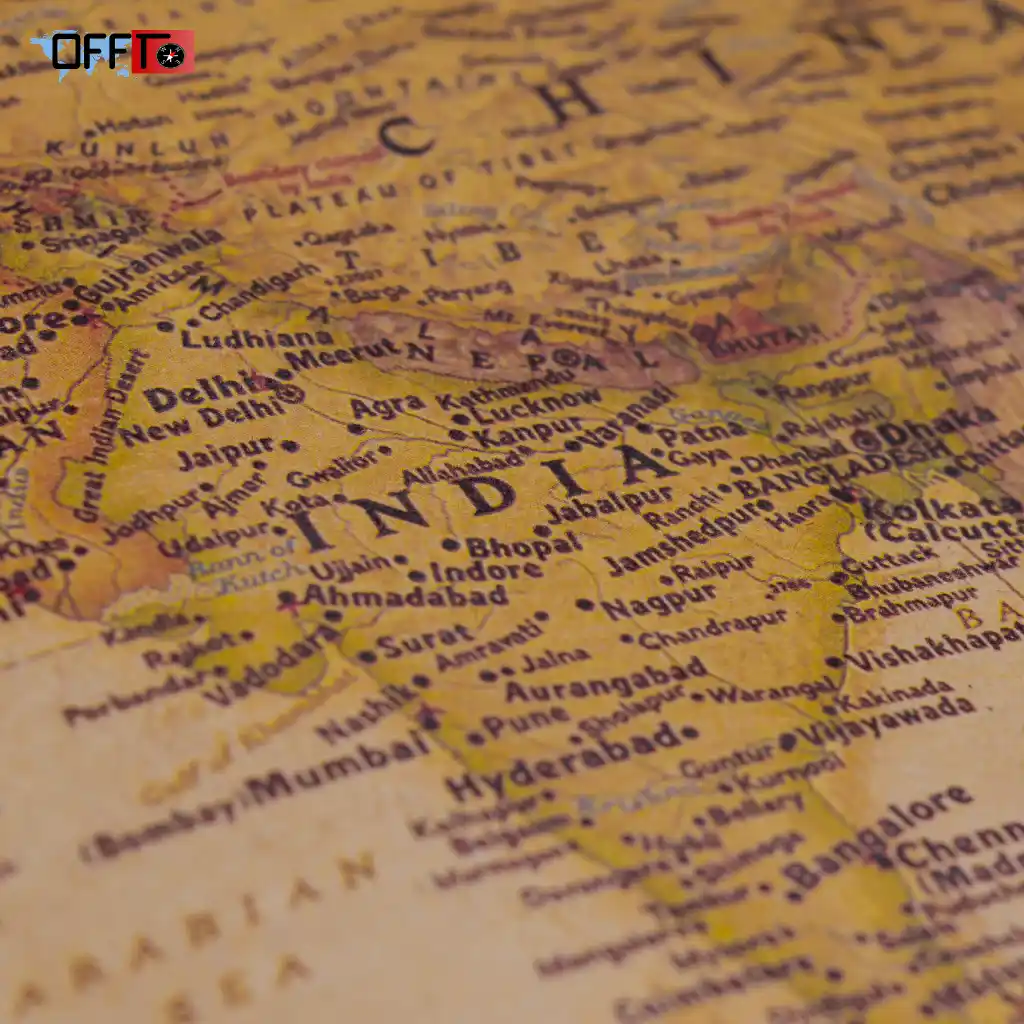
Jaipur, a well-connected city in Rajasthan, offers multiple ways to reach, whether you’re traveling by air, train, or road. Its connectivity makes it easy to incorporate Jaipur into your travel itinerary, especially for those exploring the Golden Triangle of Delhi, Agra, and Jaipur.
Jaipur Connectivity by Air, Train, and Road
By Air: Jaipur is served by Jaipur International Airport (JAI), which is located approximately 13 km from the city center. The airport is well-connected to major Indian cities such as Delhi, Mumbai, and Bangalore, and has regular flights from international destinations as well.
- Flight duration:
- From Delhi to Jaipur: Approx. 1 hour
- From Mumbai to Jaipur: Approx. 1.5 hours
By Train: Jaipur Junction is the primary railway station, connecting the city to major locations like Delhi, Mumbai, Jaipur, Ahmedabad, and others. The Shatabdi Express and Rajdhani Express are popular trains to Jaipur from Delhi.
- Travel duration:
- From Delhi to Jaipur: Approx. 5 hours
- From Mumbai to Jaipur: Approx. 15 hours
By Road: Jaipur is well-connected by road to nearby cities, and a road trip offers an opportunity to enjoy the scenic landscapes of Rajasthan. You can drive from Delhi, Agra, and other cities or take a bus.
- Travel duration:
- From Delhi to Jaipur: Approx. 5-6 hours by car or bus
- From Agra to Jaipur: Approx. 4-5 hours by road
Pro tip: Flights are the quickest option, but a road trip from Delhi or Agra offers beautiful landscapes and a more relaxed travel experience.
Distance from Major Cities
Jaipur’s central location makes it easy to connect to several major cities in India. Here’s an overview of how far Jaipur is from some of the most visited cities:
Delhi to Jaipur distance
- Distance: Approx. 280 km
- Travel time: 5-6 hours by road or train, 1 hour by air
Mumbai to Jaipur distance
- Distance: Approx. 1,170 km
- Travel time: 15 hours by train, 1.5 hours by air
Agra to Jaipur distance
- Distance: Approx. 240 km
- Travel time: 4-5 hours by road or train
Udaipur to Jaipur distance
- Distance: Approx. 400 km
- Travel time: 6-7 hours by road, 1 hour by air
Pro tip: For short distances, taking a train or road trip offers the flexibility of scenic stops, while flights are best for longer routes if you’re on a tight schedule.
Pro tip: If you’re visiting Jaipur during peak season (October to March), consider booking your accommodation in advance, especially in popular areas like the Old City.
Quick Travel Tips for Jaipur
Jaipur is a popular tourist destination, and to make the most of your visit, here are some quick travel tips to ensure a smooth and enjoyable experience in the city.
Best Season to Visit Jaipur (Short Overview)
The best time to visit Jaipur is during the winter months (October to March) when the weather is pleasant for sightseeing and outdoor activities. The summer months (April to June) can be extremely hot, with temperatures often reaching above 40°C, making outdoor activities uncomfortable.
Ideal season for a visit
- Winter (October to March): Pleasant temperatures, perfect for sightseeing and outdoor activities.
- Monsoon (July to September): Less crowded but may have occasional rainfall.
- Summer (April to June): Very hot, especially in May and June, not ideal for outdoor exploration.
Pro tip: If you’re visiting in winter, make sure to book accommodation in advance, as it is peak tourist season.
Tips to Avoid Tourist Crowds
Jaipur, especially during peak seasons, can get crowded. To ensure a more peaceful experience and avoid heavy crowds at major tourist sites:
- Visit major attractions early: The Amber Fort, City Palace, and Hawa Mahal tend to get crowded after 10 AM, so it’s best to visit in the early morning.
- Avoid weekends: Weekdays are usually less crowded, so try to plan your visit to key attractions from Monday to Thursday.
- Choose off-peak hours: Sites like Nahargarh Fort and Jal Mahal are usually less crowded during late afternoons or evenings.
Pro tip: Start your day early with Jaipur’s early morning heritage walk, which will not only help avoid crowds but also give you a unique perspective of the city.
Packing Tips for Jaipur
Packing for Jaipur depends on the season, but a few essentials remain constant due to the city’s desert climate. Here are some important packing tips for your trip:
- Comfortable clothing: Wear light and breathable clothes in summer, and light jackets for chilly evenings in winter.
- Footwear: Comfortable shoes are essential for sightseeing, especially if you plan to explore forts and markets.
- Sunscreen and sunglasses: Jaipur gets plenty of sunshine, so protect your skin with sunscreen, and don’t forget your sunglasses.
- Hat or scarf: A hat or scarf will help protect your head and neck from the intense sun.
- Water bottle: Stay hydrated by carrying a reusable water bottle.
- Camera: Jaipur is a photographer’s dream, with its beautiful architecture and vibrant colors—so don’t forget your camera or smartphone for capturing memories.
Pro tip: Pack a portable charger for your phone, as you’ll be out sightseeing and taking pictures most of the day.
These tips will help you navigate Jaipur comfortably, avoid crowds, and enjoy the city’s rich cultural heritage. Whether you’re traveling in the peak season or off-season, with the right preparation, your visit to Jaipur will be unforgettable!
FAQs
What are famous things in Jaipur?
Jaipur is famous for its royal palaces, forts, vibrant markets, and traditional handicrafts. Notable attractions include Amber Fort, City Palace, Hawa Mahal, and Jaipur’s colorful bazaars like Johari Bazaar and Bapu Bazaar.
What to do in Jaipur?
In Jaipur, you can explore historic landmarks like Amber Fort and City Palace, shop for traditional Rajasthani handicrafts, visit the local markets, enjoy Rajasthani cuisine, and experience heritage walks around the city.
What to visit in Jaipur?
Key places to visit in Jaipur include Amber Fort, Hawa Mahal, City Palace, Jantar Mantar, Jal Mahal, Jaigarh Fort, and Nahargarh Fort. Jaipur is also known for its royal architecture and vibrant culture.
What are the must-visit places in Jaipur?
Some must-visit places in Jaipur are Amber Fort, City Palace, Hawa Mahal, Jantar Mantar, Jaigarh Fort, and Patrika Gate. These locations offer a glimpse into the city’s rich history, culture, and architecture.
How many days are enough for Jaipur?
For a well-rounded experience, 2 to 3 days are ideal for visiting the top attractions, shopping, and enjoying local food. If you’re in a rush, one day can still cover major sights like Amber Fort and Hawa Mahal.
What is the best time to visit Jaipur?
The best time to visit Jaipur is during the winter months (October to March), when the weather is cooler and more comfortable for sightseeing. Summer (April to June) can be very hot, while the monsoon (July to September) brings occasional rain.
Is Jaipur safe for tourists?
Jaipur is generally considered safe for tourists. However, like in any city, it’s best to exercise caution in crowded places and be mindful of your belongings. Use trusted transport and avoid late-night walks in unfamiliar areas.
How can I travel around Jaipur?
You can travel around Jaipur by auto-rickshaws, taxis, or ride-hailing services like Uber. For sightseeing, you can also use cycle rickshaws or hire a private car for convenience.
What should I wear in Jaipur?
It’s recommended to wear light, breathable clothing in summer and layers for winter (especially mornings and evenings). Comfortable shoes are a must, especially for exploring forts and markets. Respect the local culture by dressing modestly, particularly when visiting temples.
Where can I shop in Jaipur?
Jaipur offers a variety of markets like Johari Bazaar for jewelry, Bapu Bazaar for textiles, and Tripolia Bazaar for handicrafts. You can find traditional Rajasthani crafts, leather goods, and handwoven fabrics.
Read more >>>
Kumara Parvatha Trek – Complete Guide to Explore Karnataka’s Peak
Explore Kodachadri Trek with Complete Scenic Peak Beauty View
Plan Your Jaipur Trip with Offto Travellers
Jaipur is waiting to be explored, and with Offto Travellers, your dream trip is just a click away!
- Book your Jaipur trip now and discover hidden gems that most travelers miss with our curated itineraries and exclusive experiences.
- Join the Offto community and connect with fellow travelers to share tips, insights, and discover new adventures in Jaipur.
- Plan your journey effortlessly—whether you're exploring royal destinations, enjoying local culture, or booking stays, Offto Travellers makes it simple and stress-free.
- Secure your stay at luxury hotels or find affordable gems that fit your style and budget.
Ready to explore Jaipur in a whole new way? Start planning today with Offto Travellers and unlock exclusive offers tailored just for you!
Play StoreApp Store
Leave a Reply