
Buran Ghati Trek in Himachal Pradesh is a scenic crossover trek known for forests, meadows, and a thrilling snow wall descent. The trek spans around 37–40 km and takes 7–8 days to complete. The best time to visit is May–June and September–October, offering snow views, clear weather, and diverse landscapes.
Buran Ghati in a Nutshell (Why This Trek Stands Out)
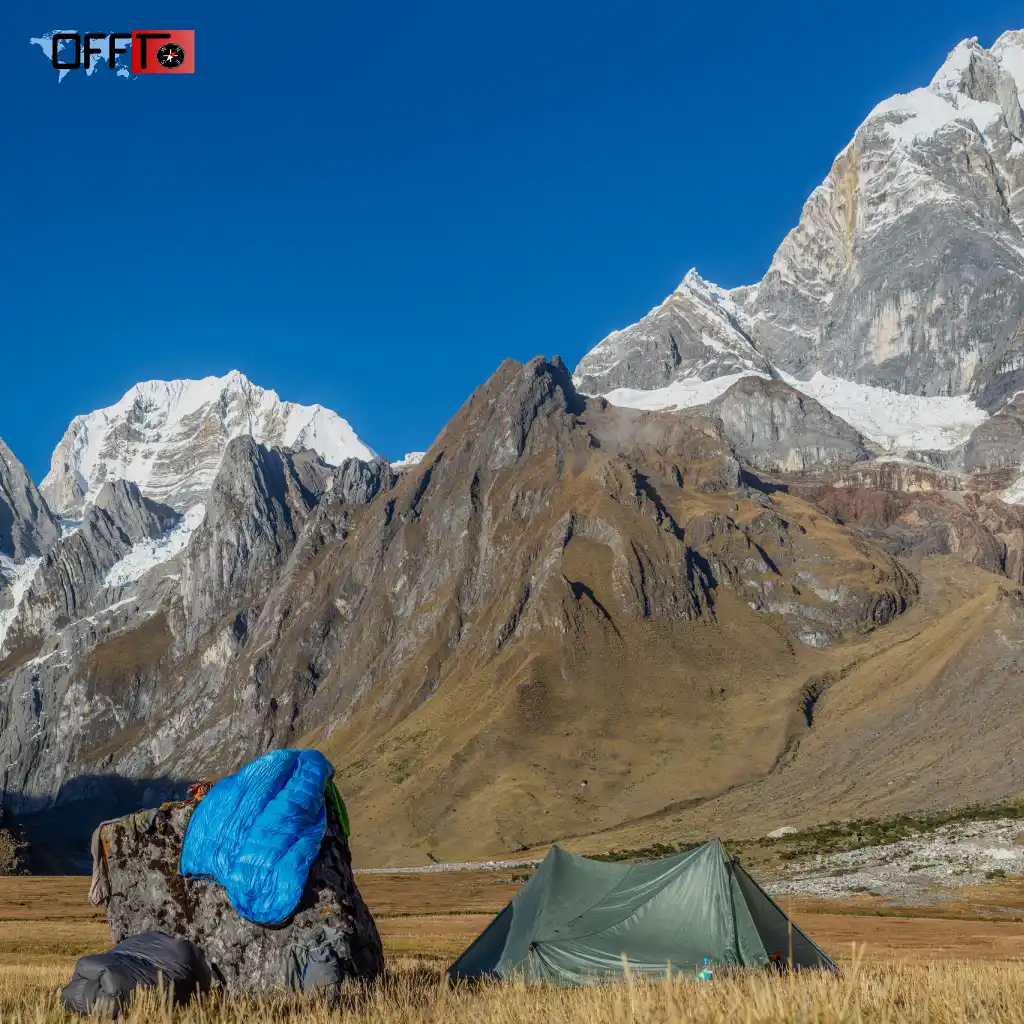
Buran Ghati is a hidden gem nestled in the stunning Himalayas of Himachal Pradesh. Unlike some of the more well-known treks in India, Buran Ghati offers an incredible mix of scenic beauty, challenging terrain, and tranquility, making it an ideal destination for adventure enthusiasts seeking a true Himalayan experience. This moderate-to-strenuous trek takes you through pristine forests, alpine meadows, and snow-capped peaks, with the highlight being the crossing of the Buran Ghati pass at an altitude of 15,000 feet.
What sets this trek apart is its diversity. Trekkers will experience multiple landscapes in a short duration, from lush green forests to the snowy terrains of the higher altitudes. Along the way, you’ll get to cross the famous snow wall descent, a challenging yet thrilling section that leaves many trekkers in awe. Buran Ghati is a trek that brings together both the natural beauty and the thrill of high-altitude adventure, all in a relatively short time frame.
This trek is ideal for those who want to experience a complete Himalayan journey without taking on weeks-long treks. It offers a great balance of challenge and reward, attracting seasoned trekkers and first-timers alike, with something to offer for everyone.
Where Is Buran Ghati Located in Himachal Pradesh

The Buran Ghati Trek is located in the Kullu Valley in Himachal Pradesh, one of the most scenic regions of the Indian Himalayas. It lies between the Shimla and Kullu regions, a location that is known for its breathtaking natural landscapes, picturesque villages, and high-altitude passes. Buran Ghati is part of the Great Himalayan National Park, which is a UNESCO World Heritage Site, ensuring the trek offers undisturbed beauty and an opportunity to explore pristine nature.
Exact Location & Region Overview
- Location: Buran Ghati is located in the Himachal Pradesh state of northern India, specifically in the Kullu district. It lies at the intersection of two famous valleys — Kullu Valley and Shimla Valley, making it a perfect blend of both worlds.
- Geography: The trek connects the remote villages of Janglik in the Shimla district to Barua Village in the Kullu district. The trek crosses through dense forests, meadows, and high-altitude passes, giving trekkers a taste of both alpine landscapes and Himalayan views.
- Region Characteristics: The Buran Ghati pass is one of the highest trekking points in the region, offering sweeping views of the surrounding peaks, valleys, and glaciers. The route also takes trekkers through charming villages like Janglik and Barua, where travelers can experience the local Himachali culture and hospitality.
This region is remote and somewhat off the beaten path, allowing trekkers to explore areas that are still untouched by commercialization, making it an ideal destination for those seeking solitude and natural beauty.
Base Village (Janglik) Details
The trek officially begins in the village of Janglik, located in the Shimla district of Himachal Pradesh. This small, peaceful village serves as the base camp for the Buran Ghati trek, and it’s where trekkers will start their journey.
- Location: Janglik is located at an altitude of about 6,500 feet, making it an ideal starting point for acclimatization.
- Village Life: Janglik offers a glimpse into traditional Himachali village life, where life moves at a slower pace, surrounded by terraced fields and apple orchards. The warm hospitality of the locals and their simple way of life make it a great place to begin the trek, giving trekkers a chance to recharge before hitting the trail.
Janglik not only marks the beginning of the Buran Ghati Trek, but it also sets the stage for the trek’s overall experience — from peaceful villages to the wild beauty of the Himalayas.
Buran Ghati Trek Overview (Distance, Height & Route)
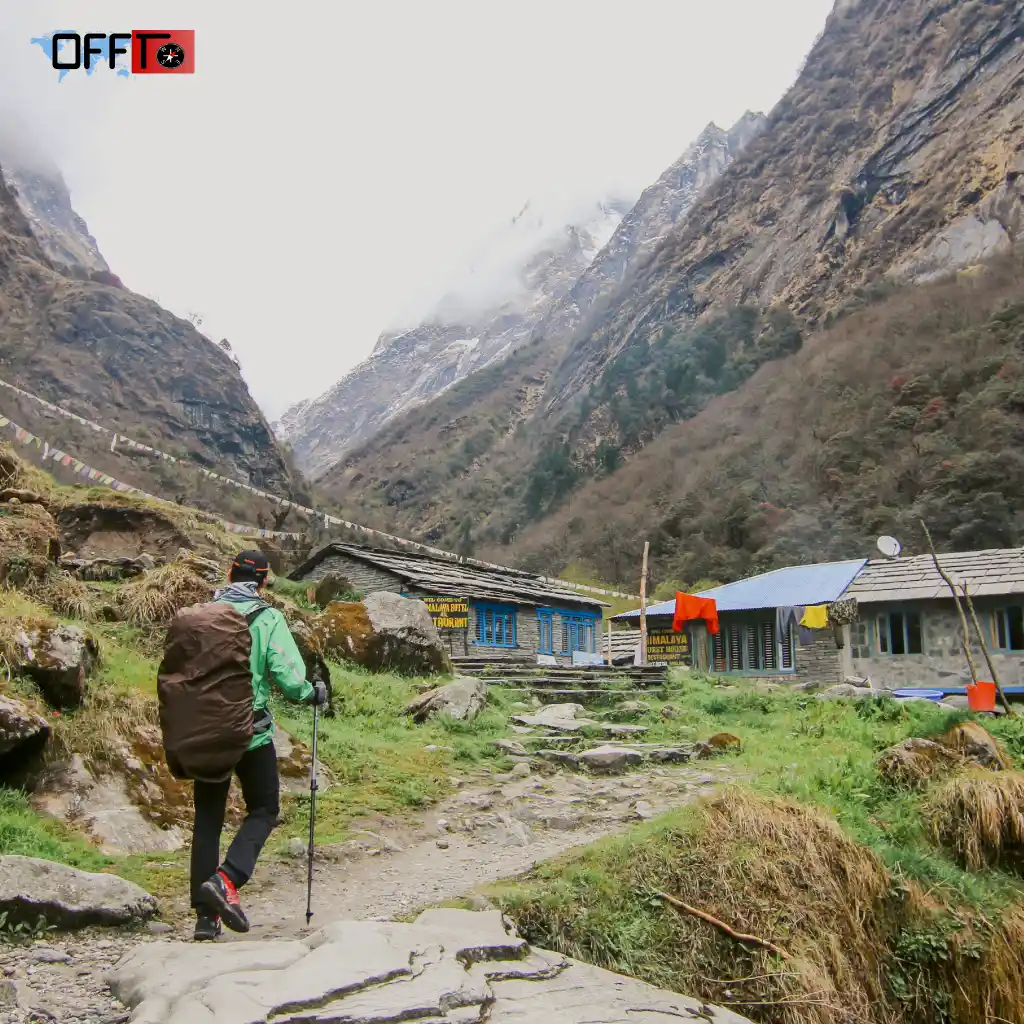
The Buran Ghati Trek is one of the most thrilling treks in Himachal Pradesh, offering trekkers a mix of beautiful landscapes, high-altitude challenges, and a sense of adventure. The trek spans through dense forests, alpine meadows, and rugged snow-covered terrain, making it an adventure that keeps you engaged from start to finish. Here’s an overview of the trek’s distance, altitude, and route.
Buran Ghati Trek Distance Explained
The Buran Ghati Trek covers a total distance of around 36 kilometers (round trip), making it a moderate trek for those with some trekking experience. The route is generally completed in 5 to 7 days, depending on the group’s pace and itinerary.
- Day-wise Distance:
- Day 1: Janglik to Dayara (~7 km)
- Day 2: Dayara to Litham (~7 km)
- Day 3: Litham to Buran Ghati Pass Base (~6 km)
- Day 4: Summit push to Buran Ghati Pass and descent to Barua (~10 km)
- Day 5-6: Barua to Janglik (~6-7 km)
- Day 1: Janglik to Dayara (~7 km)
While the distance is manageable for experienced trekkers, some sections involve steep ascents and high-altitude passes, which can make it a more challenging trek, especially if you’re not accustomed to long days of hiking.
Buran Ghati Trek Height & Pass Altitude
- Maximum Altitude: The highest point of the trek is the Buran Ghati Pass, situated at an impressive 15,000 feet (4,572 meters) above sea level. This high-altitude pass is the highlight of the trek and offers spectacular views of surrounding mountains and valleys.
- Base Village Altitude: The trek starts from Janglik, which sits at 6,500 feet, offering a relatively mild start before the ascent begins. This elevation allows trekkers to acclimatize gradually to the changing conditions.
- Pass Crossing: The crossing of the Buran Ghati Pass is the main challenge of the trek, involving a steep snow wall descent (more on that below), but the breathtaking views at the summit make the effort worthwhile
Buran Ghati Trek Difficulty Level (What to Expect)
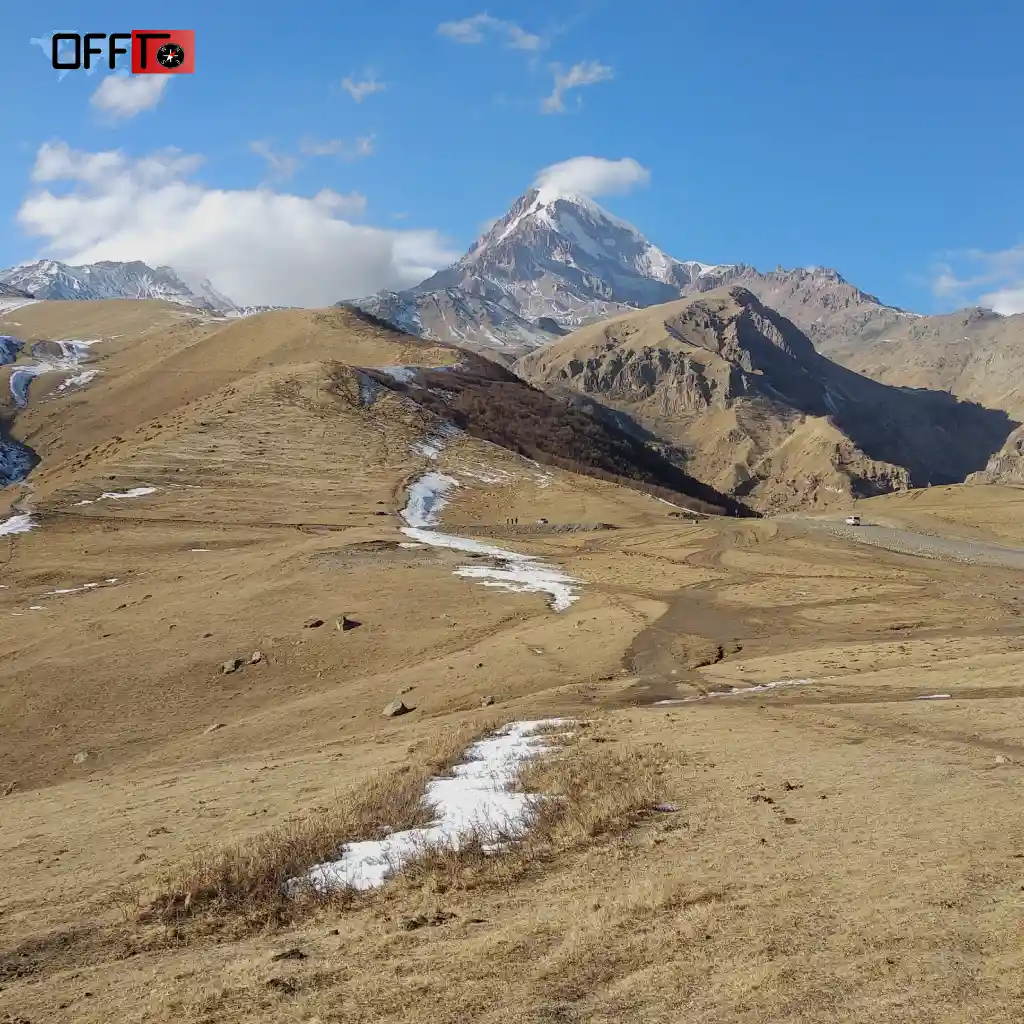
The Buran Ghati Trek is often rated as moderate to difficult, primarily due to its high-altitude passes, snow sections, and steep ascents. While it is suitable for those with some trekking experience, it is important to be well-prepared both physically and mentally to tackle the challenges. Here’s what you can expect in terms of difficulty.
Is Buran Ghati Trek Difficult?
The difficulty of the Buran Ghati Trek largely depends on your trekking experience, physical fitness, and acclimatization to higher altitudes.
- Trekking Experience: If you’ve done treks of moderate difficulty before, the Buran Ghati Trek will be a good challenge, but not overwhelming. However, for first-time trekkers, some parts of the route, especially the snow wall descent and the Buran Ghati pass crossing, can be quite challenging.
- Physical Fitness: The trek requires good physical fitness because of the long days, steep ascents, and descents. You’ll be trekking for around 6-7 hours per day, covering steep inclines and rocky sections.
- Altitude: The high altitude adds to the trek’s difficulty. While the trek doesn’t reach extreme heights, crossing Buran Ghati Pass at 15,000 feet can still cause altitude sickness if proper acclimatization isn’t done.
In short, while it’s challenging, it’s not impossible, and with the right preparation, trekkers will find it an achievable and rewarding adventure.
Snow Wall Descent & Technical Sections
The snow wall descent is perhaps the most technical section of the Buran Ghati Trek.
- Snow Wall: This descent involves sliding down a snow-covered slope, which can be both thrilling and challenging. It requires careful navigation, and trekking poles are essential for stability.
- Technical Skills: Though not a climbing route, the descent requires some basic technical skills and experience with snow trekking. For beginners, it’s recommended to practice descending on snow under the guidance of an experienced guide.
- Safety: Always ensure that you are using proper equipment, such as gaiters, trekking poles, and crampons if needed. Safety measures should be followed, especially if snow conditions are tricky.
Overall, the snow wall descent is the standout technical section of the trek and is sure to be the highlight for those seeking an adrenaline rush.
Buran Ghati Trek Itinerary (Day-by-Day Plan)
The Buran Ghati Trek is typically completed over 6 to 7 days, with each day offering a new adventure as you ascend and descend through various landscapes. Below is a detailed day-by-day breakdown of the trek, highlighting what you can expect at each stage.
Day 1–2: Reach Janglik & Begin Trek
- Arrival in Janglik: The trek officially begins with a drive from Shimla to Janglik, the base village of the trek. You’ll reach Janglik by early evening on Day 1 and spend the night in local guesthouses or campsites.
- Acclimatization: Since Janglik is located at a moderate altitude of 6,500 feet, it provides an excellent opportunity to acclimatize before starting the trek. This is especially important for trekkers who are not used to high-altitude trekking.
- Day 2: On the second day, you will begin your trek to the first campsite at Dayara. This is a relatively easy day, covering 7 kilometers, as you gradually ascend through terraced fields and small villages. The scenic beauty along the way offers a perfect introduction to the trek
Day 3–4: Meadows & Forest Trails
- Day 3: The trek continues from Dayara to Litham. You’ll trek through lush alpine meadows surrounded by forests. The landscape changes dramatically, with views of snow-capped peaks in the distance. This section is about 7 kilometers and takes around 6 hours
- Day 4: On the fourth day, you’ll move from Litham to Buran Ghati Base, which is closer to the Buran Ghati Pass. The trek becomes more challenging here, with steeper sections and more rocky terrain, but the scenic beauty of the meadows, rivers, and mountain vistas makes the journey rewarding. Expect a trek of around 6 kilometers.
- During these two days, trekkers will experience the transition from forested areas to open alpine meadows, and the higher you go, the more breathtaking the views become.
Day 5: Summit Push & Pass Crossing
- Summit Push: Day 5 is the most challenging day of the trek. You’ll start early to make your way to the Buran Ghati Pass at 15,000 feet. This section involves a steep ascent over snow-covered slopes and rocky paths, which will take around 6-7 hours to complete.
- Buran Ghati Pass: Reaching the pass is an incredible experience, as it offers 360-degree views of the surrounding Himalayan ranges. After spending some time at the summit for photos and a brief rest, you’ll begin your descent toward Barua Village.
- Snow Wall Descent: The snow wall descent is a technical section of the trek, requiring caution and good technique. You’ll carefully descend over the snow-covered slopes with the help of trekking poles.
Day 6–7: Descent via Barua Village
- Day 6: After crossing the Buran Ghati Pass, you’ll descend into the Barua Village. The descent takes around 6 hours as you move through steep slopes and switchback paths. As you enter the lower altitude regions, the landscape transitions into lush forests and small villages. Barua Village offers a glimpse into traditional Himachali life and provides an excellent place to rest and recover after a long trek.
- Day 7: On the final day, you will complete the trek by descending to Janglik. This section is about 6-7 kilometers and can be completed in 3-4 hours. After reaching Janglik, you’ll have some time to relax and reflect on the adventure before driving back to Shimla.
The Buran Ghati Trek itinerary offers a perfect balance of adventure, beauty, and culture, with each day adding something new to the experience.
Buran Ghati Trek Distance & Duration Breakdown
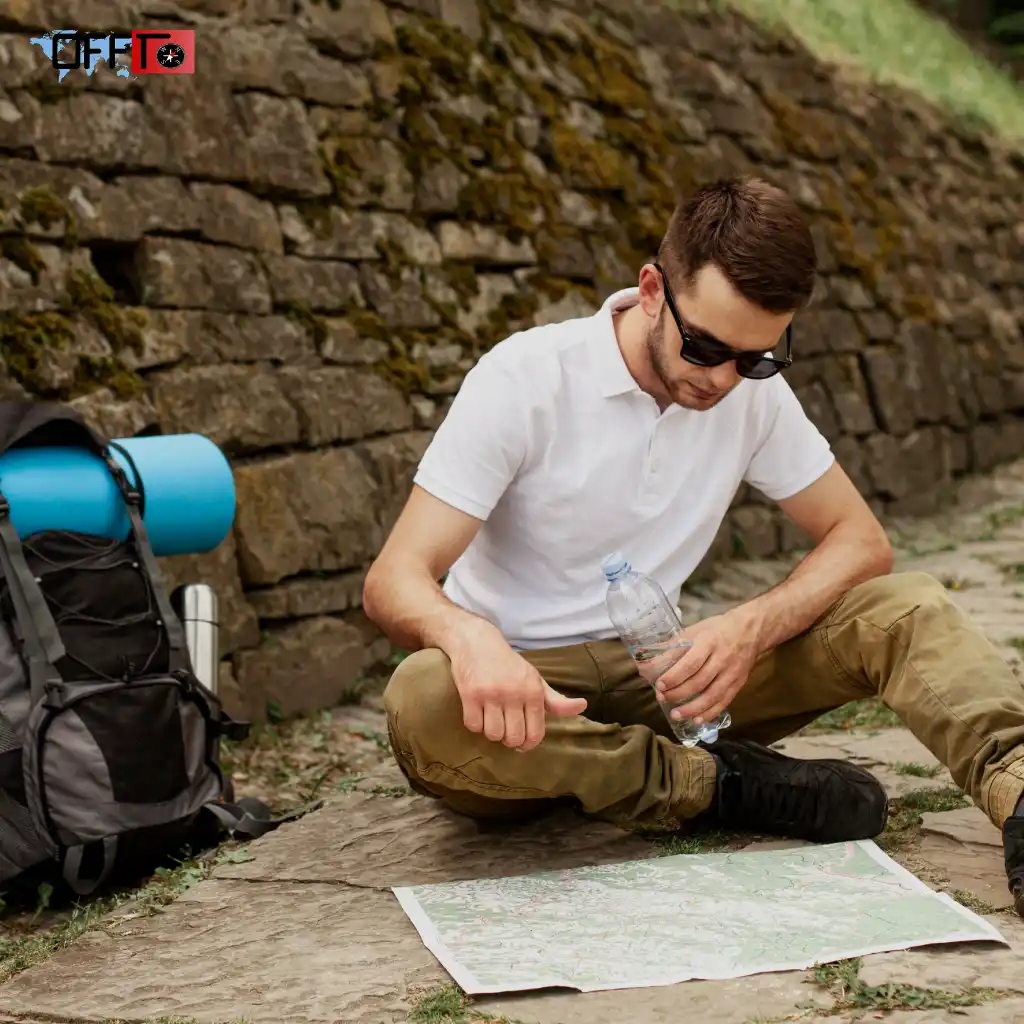
Now that you’ve seen the itinerary for the Buran Ghati Trek, let’s take a deeper dive into the daily distances and the total duration of the trek. This section will help you better plan your trek and set realistic expectations for the journey.
Daily Distance Covered
The total distance covered during the Buran Ghati Trek is approximately 36 kilometers (round trip). The daily distances vary depending on the section, with some days covering shorter distances and others requiring longer hours of trekking.
- Day 1–2 (Janglik to Dayara): Around 7 kilometers of trekking.
- Day 3–4 (Dayara to Litham, Litham to Buran Ghati Base): Around 13 kilometers over two days.
- Day 5 (Buran Ghati Pass Crossing): Around 10 kilometers, including the summit push and descent.
- Day 6–7 (Descent via Barua Village): Around 6–7 kilometers over two days.
The average trekking time each day is around 6 to 7 hours, with a few shorter days, especially during the ascents and descents. You will also experience various terrain types, from forested areas to snow and rocky paths.
Total Trek Length & Time Required
The Buran Ghati Trek typically spans 6 to 7 days, covering a total distance of about 36 kilometers. The trek requires a minimum of 5 days, but the full itinerary is usually spread out over 7 days to allow for proper acclimatization, rest, and enjoyment of the scenery. Here’s a breakdown:
- Total Distance: 36 kilometers (round trip)
- Total Duration: 6–7 days
- Elevation Gain: The highest point is 15,000 feet at the Buran Ghati Pass.
The trek involves moderate to steep ascents and descents, so it’s ideal for trekkers with some experience or good physical fitness.
Pacing Tips for Beginners
If you’re a beginner trekker, here are some pacing tips to help you prepare for the Buran Ghati Trek:
- Start Slow: Take your time during the initial days of the trek. Don’t rush through the forested paths and meadows.
- Take Regular Breaks: Rest every 30 minutes or so to keep your energy levels high. Especially as you start gaining altitude, it’s crucial to avoid overexertion.
- Hydrate & Eat Well: Carry enough water and snacks to stay hydrated and energized. Light meals like fruits, nuts, and energy bars will help maintain your stamina.
Best Time to Visit Buran Ghati Trek
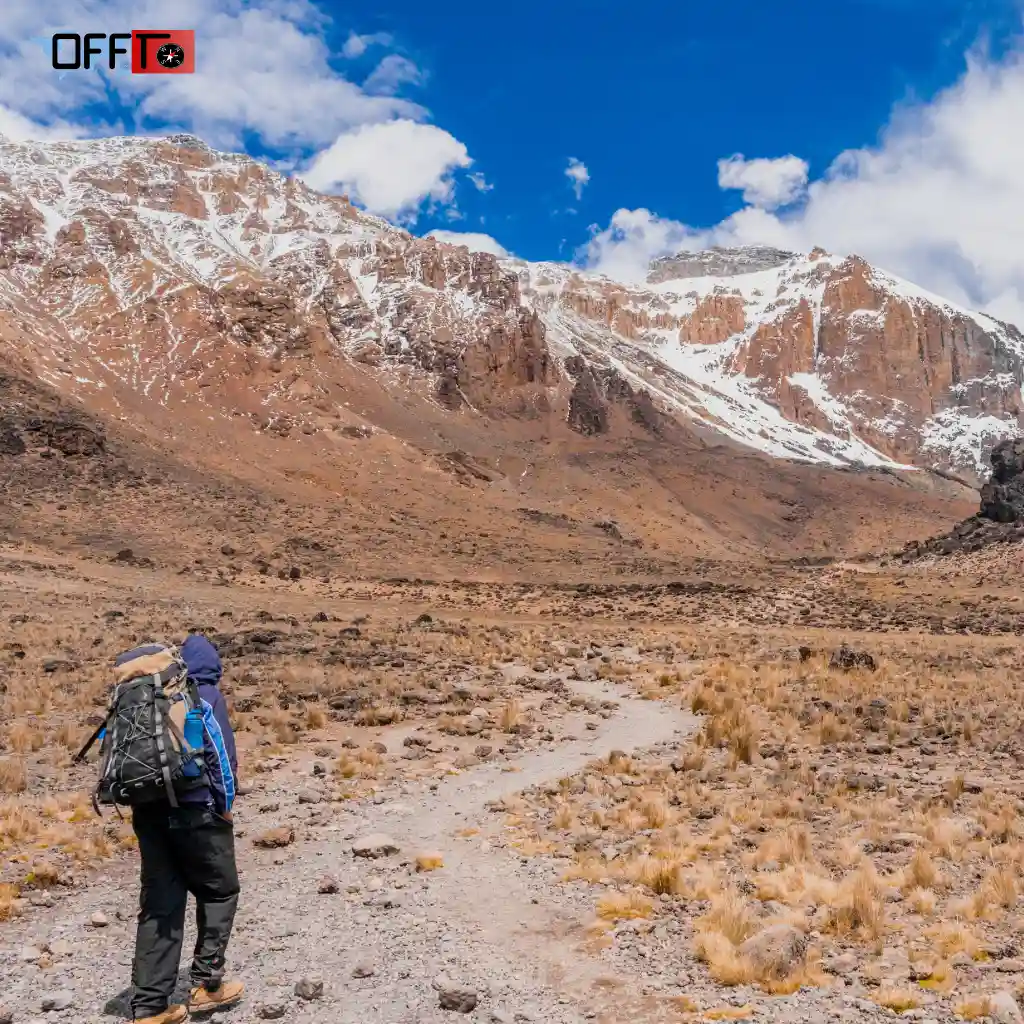
The Buran Ghati Trek is best experienced at specific times of the year when the weather conditions are most favorable, and trekkers can fully enjoy the landscape’s beauty and challenges. Depending on whether you want to experience snow-covered landscapes, clear skies, or autumn colors, the best time to visit can vary. Here’s a breakdown of the ideal seasons for trekking.
May to June – Snow Trek Experience
- Snow Conditions: One of the best times to embark on the Buran Ghati Trek is between May and June, when the snow wall descent and snow-covered landscapes are at their peak. The snow wall near Buran Ghati Pass is one of the major highlights of the trek, and these months provide an excellent opportunity to enjoy the snow trek experience.
- Temperature: During this period, the weather is relatively cool, with daytime temperatures ranging from 10°C to 15°C at lower camps and -5°C to 0°C near the pass. These temperatures are comfortable for trekking and allow you to experience the pristine beauty of snow-covered paths.
- Trail Conditions: The snow-covered meadows and trails give trekkers a sense of winter wonderland, and the opportunity to navigate through the snow makes it an adventurous challenge. This is also the period when the high-altitude sections are passable due to relatively stable weather.
September to October – Clear Views & Autumn Colors
- Clear Skies: After the monsoon season, September to October is another fantastic time to visit Buran Ghati, especially for those who prefer to trek in clear weather with panoramic views of the surrounding mountain ranges.
- Autumn Colors: These months bring autumn colors to the landscape, with the meadows transitioning to shades of yellow, orange, and red. This makes it a beautiful time for trekkers who are interested in photography or just want to experience the changing hues of the landscape.
- Weather Conditions: Daytime temperatures range from 15°C to 20°C at lower camps, making it a comfortable trek. The nights are cool but not too cold, usually ranging from 5°C to 10°C, which is ideal for camping.
- Ideal for Scenic Views: With clear skies, trekkers can enjoy unobstructed views of the snow-capped peaks, the Buran Ghati Pass, and surrounding valleys. The moderate temperatures and stable weather make this a great option for trekkers who are seeking less extreme weather conditions but still want the majestic beauty of the Himalayas.
- Post-Monsoon: The post-monsoon period guarantees clear views with minimal chance of rain, making it one of the best times for trekkers seeking optimal visibility and comfortable conditions.
Months to Avoid
- Monsoon (July to August): The monsoon season, which lasts from July to August, is the least favorable time to visit Buran Ghati. During these months, the region experiences heavy rainfall, making the trails slippery, muddy, and potentially dangerous.
- Landslides & Flooding: The increased risk of landslides and flash floods in the mountain terrain makes the trek hazardous. Additionally, the snow-covered paths are not accessible, and some sections may become too challenging due to the wet conditions.
- High Humidity: The increased humidity during these months can also lead to discomfort and issues with gear such as slippery trekking poles and wet shoes, making the trek less enjoyable.
For safety and comfort, it is best to avoid the monsoon season and plan your trek during the dry months for a safer and more enjoyable experience.
Buran Ghati Temperature & Weather Conditions
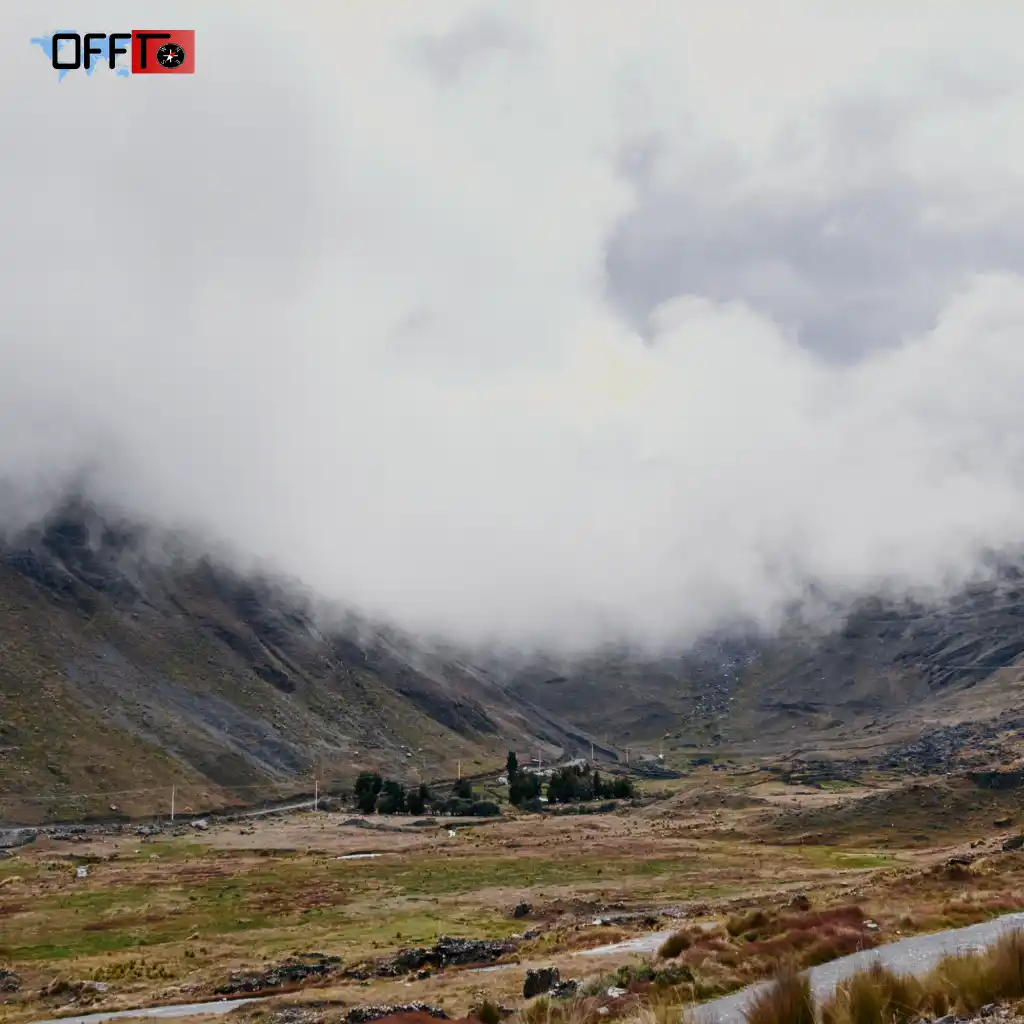
The weather conditions during the Buran Ghati Trek can vary significantly depending on the altitude and time of year. Understanding the temperature fluctuations and weather challenges will help trekkers prepare for the conditions they’ll face throughout the trek.
Day vs Night Temperature
- Daytime Temperature: During the trek, the temperature during the day can range from 10°C to 20°C at lower altitudes and -5°C to 5°C near the summit and the pass. The daytime temperatures are typically comfortable for trekking, especially between May to June and September to October.
- Night Temperature: At night, temperatures can drop significantly. Depending on the altitude, night temperatures can fall as low as -5°C to 0°C in higher camps and around 5°C to 10°C at the lower altitudes. It’s essential to bring warm layers and a good sleeping bag for the cold nights.
- Temperature Variations: The higher you go, the colder it gets, especially near the Buran Ghati Pass. Proper insulation and layers are necessary to stay warm at night, as well as during early morning starts when the temperature is at its lowest.
Temperature at Higher Camps
As you ascend the Buran Ghati Trek, temperatures drop, and the weather conditions become more extreme at the higher camps:
- Base Camps (Dayara, Litham): These camps are located at altitudes of around 9,000 feet to 12,000 feet. During the day, temperatures range from 10°C to 15°C, while nights can drop to around 5°C to 8°C.
- Higher Altitudes (Buran Ghati Pass Base): As you approach the Buran Ghati Pass at 15,000 feet, the temperature can dip drastically. Daytime highs will hover around 0°C to 5°C, and nighttime temperatures will often be below freezing, reaching -5°C or lower.
The higher you go, the more preparation you need for the cold. Make sure you have adequate clothing, including insulated jackets, thermal layers, and warm gloves.
Weather Challenges to Expect
- Wind Chill: The wind chill factor can make temperatures feel even colder, especially at the Buran Ghati Pass, where strong winds are common. Be prepared for gusty winds and pack windproof jackets to stay comfortable.
- Snow and Ice: During May to June, snow is common at higher altitudes, particularly near the Buran Ghati Pass. The snow-covered sections, though scenic, can also present challenges. Prepare for icy conditions during the snow wall descent.
- Rain: During September to October, the weather is typically dry. However, occasional showers might still occur, especially near the beginning of the trek in the lower-altitude areas. Always pack a rain jacket or poncho as a precaution.
Is There Snow in Buran Ghati Trek? (Season Explained)
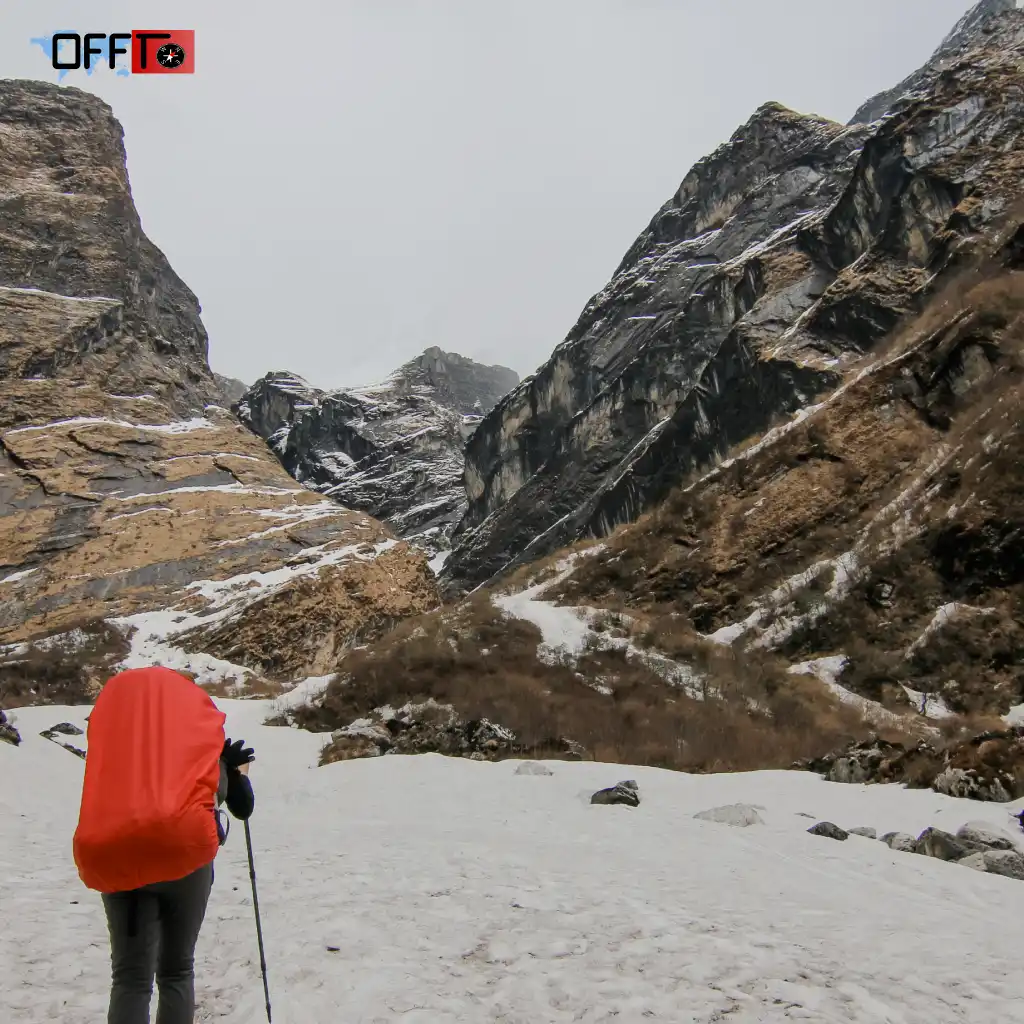
The Buran Ghati Trek is well-known for its stunning snow-covered landscapes, particularly during the early months of the trekking season. One of the most iconic aspects of the trek is the snow wall descent, which attracts trekkers eager to experience snow trekking in the Himalayas. Snow conditions, however, vary depending on the season, so understanding the snow availability throughout the year is essential for planning your trek.
Snow Availability by Month
- May to June: These months are considered the best for snow on the Buran Ghati Trek. The higher altitudes, especially near the Buran Ghati Pass, will be covered in thick snow, creating the perfect conditions for trekkers who are after a snow trekking experience. The snow wall descent is fully accessible during this period, making it the ideal time for those looking to experience snow-filled landscapes.
- July to August: While there may still be some residual snow in the higher altitudes, the monsoon season brings rain to the region, which can cause snow melt and slippery conditions. The snow sections become less stable and harder to navigate, and some areas might become impassable due to wet and muddy trails. Therefore, snow conditions are not ideal during these months.
- September to October: By September, much of the snow has melted, leaving behind alpine meadows and glacier moraines. However, some snow may still remain at higher elevations. This is a great time for trekkers who are not specifically seeking a snow trek, but rather a clear view trek with autumn colors in the meadows.
- November to April: These months are not recommended for the trek due to heavy snow, extreme cold, and difficult trail conditions. Most of the route will be buried under snow, making it hazardous without proper preparation or experience. Buran Ghati Pass remains inaccessible during the deep winter months due to snow accumulation and freezing temperatures.
Best Time for Snow Wall Experience
The snow wall experience is one of the most exciting and challenging aspects of the Buran Ghati Trek, and it is best experienced during the May to June period. During these months, the snow wall is at its most prominent, offering trekkers the opportunity to descend a snow-covered slope.
- Why May to June is Best: During this period, the snow wall is thick enough to allow trekkers to experience its sheer scale and difficulty. The route is passable and safe for the descent, with adequate snow conditions that ensure a memorable experience.
- For Snow Enthusiasts: If you’re keen to experience snow trekking at its best, this is the ideal period to visit. The thrill of descending the snow wall is unmatched, and the clear weather conditions enhance the overall trekking experience.
Safety During Snow Sections
Trekking in snow requires careful planning and preparation. The snow wall descent and other snow-covered areas on the trek can pose risks, so safety measures are crucial for a successful trek.
- Essential Gear: When trekking in snow, it’s important to wear waterproof trekking boots, crampons, and gaiters to prevent snow from entering your boots and making your trek uncomfortable. Trekking poles are also essential to help with balance, especially on slippery surfaces.
- Guided Treks: For those new to snow trekking, it is highly advisable to go with a trained guide who is experienced in snow trekking. They will help you navigate the tricky snow sections and ensure safety.
- Physical Fitness: Snow trekking demands more strength and endurance than regular trekking. Ensure that you are in good physical shape, and prepare for long, physically challenging days, especially when dealing with snowy terrain.
How to Reach Buran Ghati Base Camp (Janglik Village)
Reaching the base camp of Buran Ghati, located in the remote village of Janglik, is an important part of the journey. While the trek itself is physically challenging, getting to Janglik involves a relatively straightforward travel route, starting from Delhi or Shimla. Here’s how you can get to the base camp and start your adventure.
Travel Route from Delhi & Shimla
- From Delhi: The journey to Janglik begins with a drive from Delhi to Shimla, the capital city of Himachal Pradesh. The road distance between Delhi and Shimla is approximately 350 kilometers, and the drive usually takes around 7–8 hours, depending on traffic.
- From Shimla to Janglik: Once you reach Shimla, the journey to Janglik can be completed by road. It takes approximately 5-6 hours to cover the 150 kilometers from Shimla to Janglik. The route takes you through Shimla, Narkanda, and Rampur, eventually reaching Janglik. The road conditions are generally good, but the route can be a bit winding, especially as you approach the more remote areas.
Road Connectivity & Last Mile Travel
- Road Access: The roads from Shimla to Janglik are well-paved but winding, with some sections requiring careful driving, especially in the hilly areas. The final stretch from Rampur to Janglik is a bit rugged, but it’s passable by jeep or 4×4 vehicles.
- Last Mile Connectivity: The last mile to Janglik involves traveling through narrow roads, with parts of the route being unsealed. Local jeeps or trekking groups generally arrange the last leg of the journey to ensure trekkers get to Janglik safely.
The snow wall experience is one of the most exciting and challenging aspects of the Buran Ghati Trek, and it is best experienced during the May to June period. During these months, the snow wall is at its most prominent, offering trekkers the opportunity to descend a snow-covered slope.
What Makes Buran Ghati Trek Unique
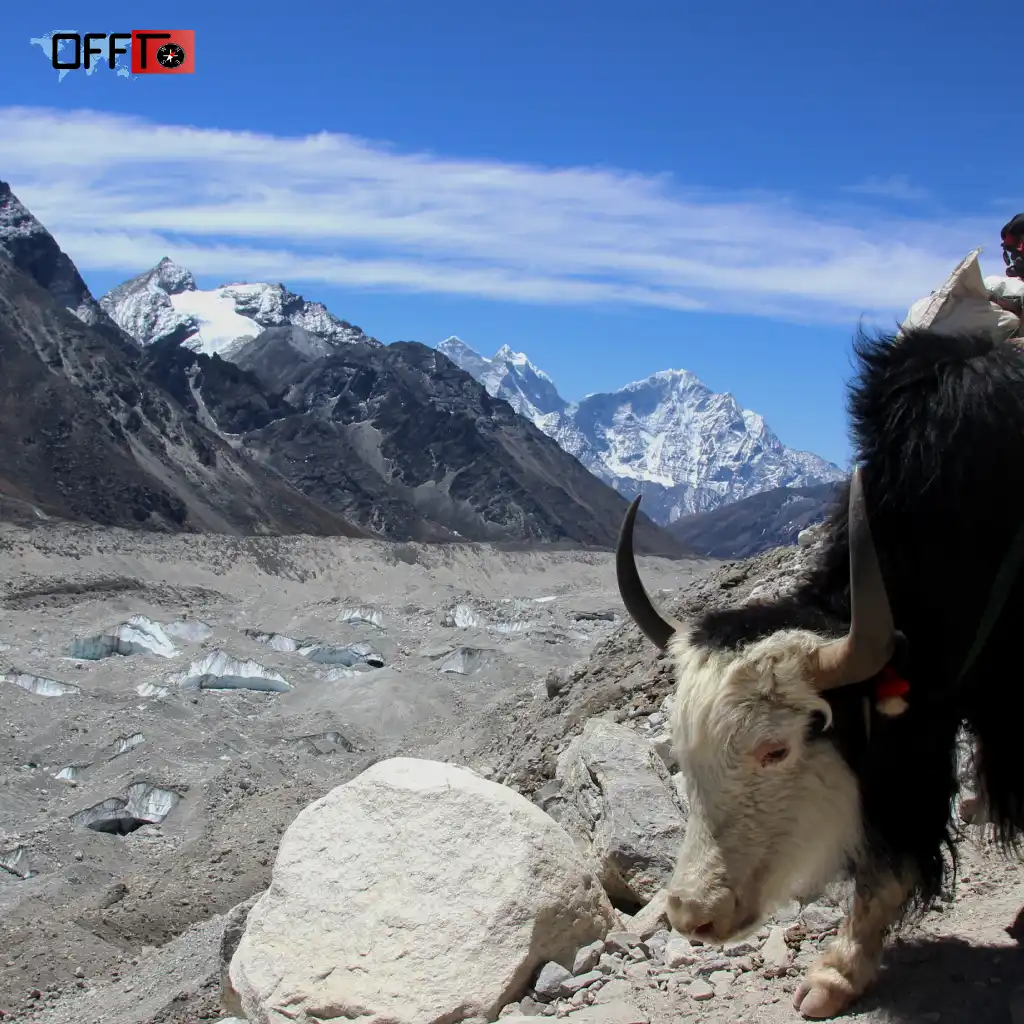
The Buran Ghati Trek is a standout adventure that offers trekkers a variety of experiences and challenges. From transitioning landscapes to the famous snow wall descent, this trek is a complete Himalayan experience. Here’s what makes Buran Ghati so unique and why it’s a must-do trek for adventure enthusiasts.
Forest to Snow Landscape Transition
One of the most remarkable aspects of the Buran Ghati Trek is the dramatic landscape transition that trekkers experience.
- Starting with Lush Forests: The trek begins in Janglik, where trekkers are welcomed by dense forests of oak, pine, and cedar trees. As you ascend, the forest gradually thins out, giving way to meadows and rocky paths. The transition from the cool, shaded forest to open alpine meadows is a refreshing experience.
- From Meadows to Snow: The most striking change comes as you ascend higher, where the terrain shifts from meadows dotted with wildflowers to snow-covered paths. The Buran Ghati Pass is where this transition becomes truly dramatic, as trekkers move from green, peaceful meadows into the stark white snow-covered summit, making it feel like a different world entirely.
- Cultural Layers: This landscape transition is not just physical but also cultural. As you move through different elevations, you encounter remote villages where locals continue traditional farming and pastoral lifestyles, offering trekkers a glimpse into Himachali culture.
This landscape diversity makes the trek an unforgettable journey, showcasing the complete spectrum of Himalayan beauty.
Alpine Meadows & Campsites
The trek takes you through stunning alpine meadows, which are a significant highlight of the Buran Ghati Trek. These meadows provide a stark contrast to the dense forests below and offer a serene environment to camp and relax.
- Litham & Dayara Meadows: On Day 2 and Day 3, trekkers pass through Litham and Dayara, which are beautiful alpine meadows where you’ll set up camp. These meadows are surrounded by snow-capped peaks, creating a picturesque setting perfect for rest stops and camping.
- Wildflower Dotted Meadows: During the spring and early summer months, the meadows come alive with wildflowers, creating a kaleidoscope of colors. The vast expanse of green grass, dotted with flowers, contrasts beautifully against the backdrop of snow-covered peaks, making for perfect photo opportunities.
- Campsites: The campsites in these meadows are quiet and peaceful, providing trekkers with the opportunity to unwind and soak in the views. At Litham and Dayara, trekkers often spend the night under a canopy of stars, surrounded by nature. These campsites are a perfect spot to rest and recharge for the more challenging sections ahead.
The meadows offer not only a break in the physical journey but also a chance to connect with the natural beauty of the region.
The Famous Snow Wall Descent
The snow wall descent is one of the most iconic sections of the Buran Ghati Trek and a major reason why trekkers flock to this route.
- What Makes It Unique: The snow wall descent is a steep snow slope that trekkers must navigate as they descend from the Buran Ghati Pass. The descent involves trekking down a snow-covered slope with the help of trekking poles. This technical section is one of the highlights of the trek, offering a thrilling and challenging experience.
- The Challenge: The descent can be tricky, especially for those who are not used to snow trekking. The slippery snow makes it difficult to maintain balance, but with the right technique and guidance, trekkers can safely navigate the slope. The thrill of descending on snow adds a layer of excitement and adventure to the trek, making it memorable for all trekkers.
- Safety: While the descent is thrilling, it also requires proper equipment and guidance. Having crampons or gaiters, along with trekking poles, is crucial to maintaining control and stability during the descent. Most trekking companies guide trekkers safely through this section to ensure a secure and fun experience.
The snow wall descent is a unique and exciting challenge that distinguishes Buran Ghati from other treks, making it a sought-after adventure for seasoned trekkers and snow enthusiasts alike.
Buran Ghati Trek for Different Travel Styles
The Buran Ghati Trek is versatile and offers something for every type of traveler. Whether you’re an adventure seeker, a photographer, or someone trekking solo or in a group, this trek provides an opportunity to tailor the experience to your personal style. Here’s how different trekkers can enjoy this journey:
Adventure Seekers
For adventure seekers, the Buran Ghati Trek offers a perfect mix of technical challenges, high-altitude trekking, and thrilling descents.
- Snow Wall Descent: The snow wall descent is one of the most adrenaline-pumping sections of the trek. It involves descending a steep, snow-covered slope, adding an element of technical difficulty that adventure seekers will find both challenging and rewarding.
- High-Altitude Pass: Reaching Buran Ghati Pass at 15,000 feet is another significant milestone that will satisfy any adventure enthusiast’s thirst for high-altitude excitement. The views at the pass, combined with the effort required to reach it, make it a perfect adventure experience.
- Varied Terrain: From the lush forests of the lower altitudes to the snow-covered landscapes of the higher regions, the variety of terrains makes it a complete adventure package. The trek also includes river crossings, rocky paths, and alpine meadows, ensuring that adventure seekers are constantly engaged.
This landscape diversity makes the trek an unforgettable journey, showcasing the complete spectrum of Himalayan beauty.
Photography Enthusiasts
The trek takes you through stunning alpine meadows, which are a significant highlight of the Buran Ghati Trek. These meadows provide a stark contrast to the dense forests below and offer a serene environment to camp and relax.
For photographers, Buran Ghati is a paradise. The trek offers numerous photographic opportunities, from the lush meadows to the challenging snow wall descent. Here’s why it’s perfect for photography lovers:
- Stunning Landscapes: The Himalayan landscapes, with their snow-capped peaks, vast meadows, and pristine rivers, provide ample opportunities for landscape photography. The trek’s diverse flora and fauna are also a great subject for nature photography.
- Golden Hour at Buran Ghati Pass: Reaching the Buran Ghati Pass early in the morning during the golden hour provides photographers with the perfect lighting to capture stunning images of the surrounding peaks and valleys.
- Autumn Colors: If you’re trekking in September to October, you’ll have the chance to photograph the autumn colors of the meadows, adding vibrant hues to your pictures.
For photographers, the combination of breathtaking landscapes and challenging terrain makes Buran Ghati an unmissable destination.
Solo vs Group Trekkers
The Buran Ghati Trek is ideal for both solo trekkers and group treks. Here’s how both types of trekkers can enjoy the experience:
- Solo Trekkers: For solo trekkers, the Buran Ghati Trek offers a chance for self-reflection and personal growth. The solitude of the mountains and the challenges of the trek provide an opportunity to disconnect from the world and connect with nature. Solo trekkers can also join a guided group to ensure safety while enjoying the trek independently.
- Group Trekkers: For groups, Buran Ghati is an excellent way to bond and create memories together. Whether you’re with friends, family, or colleagues, the shared experience of tackling difficult terrain and reaching the summit together makes for lasting memories. Group treks also provide a sense of community, with guides ensuring everyone’s safety and helping the group stay motivated throughout the journey.
Whether solo or in a group, the Buran Ghati Trek offers flexibility, allowing trekkers to choose the experience that suits their travel style.
The snow wall descent is a unique and exciting challenge that distinguishes Buran Ghati from other treks, making it a sought-after adventure for seasoned trekkers and snow enthusiasts alike.
A Quick Personal Note: What Crossing Buran Ghati Pass Feels Like
Crossing the Buran Ghati Pass is a moment that stays with you long after the trek is over. As you make your way to this breathtaking pass, standing at an impressive 15,000 feet, there’s a deep sense of accomplishment that comes with the effort, the altitude, and the stunning landscape that unfolds before you.
The moment you reach the Buran Ghati Pass, the world feels vast and endless. The snow-covered peaks around you seem to touch the sky, and the vast valleys below appear to stretch out infinitely. Standing there, the only sound you hear is the whistling wind as it carries the chill from the snow-covered landscape. The air feels thin, but the views are worth every step you took to get there. It’s not just a physical feat; it’s an emotional one as well, marking the culmination of hours of trekking, pushing your body, and battling the elements to get to this point.
The view from the Buran Ghati Pass feels like a moment suspended in time. Looking around, you realize that this is one of those rare spots where you can truly disconnect from the world — where the only focus is the present moment, the terrain beneath your feet, and the beauty of the Himalayas surrounding you. There’s a deep sense of being on top of the world, a feeling of quiet triumph.
But the journey doesn’t end when you reach the pass. The snow wall descent, a technical and thrilling section of the trek, awaits you. As you descend the steep, snow-covered slopes, the exhilaration doesn’t fade. It’s a moment of challenge, of control, and of adventure. You feel every step, every slide, and every turn as you make your way down, but the rush of crossing the Buran Ghati Pass and the adrenaline of the descent make it all worth it.
Crossing the Buran Ghati Pass is an experience that tests your limits physically and mentally, but when you stand there, gazing at the mighty peaks, you understand why trekkers come back to the Himalayas again and again. It’s a reminder of the power of nature and the strength it takes to conquer it. Whether you’re a seasoned trekker or a first-timer, the Buran Ghati Pass will leave an indelible mark on your soul — a reminder that sometimes the hardest climbs lead to the most rewarding views.
Explore More Trek Getaways with Offto Travellers
Offto Travellers is a new-age travel platform where you can explore authentic travel stories, discover curated destinations, save trip ideas, and plan meaningful journeys.
Whether you’re looking for weekend escapes, hill stations, or slow travel experiences, and book hotels, Offto helps you travel smarter and deeper.
Start exploring. Save inspiration. Travel better with Offto Travellers.
FAQs
How many days is the Buran Ghati trek?
The Buran Ghati trek usually takes 7 to 8 days to complete, depending on the itinerary and pace. It includes gradual ascents, acclimatization days, and a pass crossing. The duration ensures trekkers adjust to altitude while covering diverse landscapes safely and comfortably.
Is Buran Ghati a difficult trek?
Buran Ghati trek is considered moderate to difficult. While most of the trail is manageable, the snow wall descent and high-altitude pass crossing add complexity. With proper preparation, guidance, and fitness, both beginners and experienced trekkers can complete it successfully.
Is there snow in Buran Ghati trek?
Yes, snow is commonly found on Buran Ghati trek, especially from May to early June. The highlight is the snow wall descent near the pass. Snow gradually reduces after June, and by autumn, the trail becomes clearer with minimal or no snow sections.
What is the total distance of Buran Ghati trek?
The total distance of Buran Ghati trek is approximately 37 to 40 km. This distance is covered over multiple days, allowing gradual altitude gain and proper acclimatization. Daily trekking distances vary between 5 to 8 km depending on the terrain and campsite locations.
What is the height of Buran Ghati pass?
Buran Ghati pass is located at an altitude of around 15,000 feet (4,572 meters). At this height, trekkers experience thinner air and colder temperatures. Proper acclimatization is important to safely cross the pass and enjoy the panoramic Himalayan views.
What is the best time to do Buran Ghati trek?
The best time for Buran Ghati trek is from May to June for snow experiences and from September to October for clear skies and stable weather. These months offer the safest conditions, better visibility, and the most scenic landscapes during the trek.
Where does the Buran Ghati trek start?
The Buran Ghati trek starts from Janglik village in Himachal Pradesh. This small village serves as the base camp and is accessible via road from Shimla. Trekkers begin their journey here and gradually ascend through forests, meadows, and high-altitude terrain.
Is Buran Ghati trek suitable for beginners?
Buran Ghati trek can be attempted by beginners who have good fitness levels and some prior trekking experience. The trail includes challenging sections like the snow wall descent, so preparation, stamina, and guidance from experienced trek leaders are highly recommended.
What makes Buran Ghati trek special?
Buran Ghati trek is special for its dramatic landscape transitions, ranging from dense forests to alpine meadows and snow-covered passes. The snow wall descent is a unique highlight, making it one of the most adventurous and visually diverse treks in Himachal Pradesh.
Do I need a guide for Buran Ghati trek?
Yes, it is highly recommended to trek Buran Ghati with a guide or an organized group. The route involves high-altitude navigation and technical sections like snow descents, where professional guidance ensures safety and a smoother trekking experience.
Plan Your Buran Ghati trek with Offto Travellers
Discover real travel stories, save your trek plans, and explore experiences shared by fellow travelers. With Offto Travellers, you can plan smarter, connect with a community, and book stays or trips—all in one place designed for modern explorers.
Play StoreApp Store
Leave a Reply