
The best time to visit the Nag Tibba Trek is from March to June and September to November, offering ideal weather conditions for trekking. Snowfall is possible during the winter months (December to February). The trek’s distance is about 8-10 km, taking approximately 2 days to complete.
Introduction to Nag Tibba Trek
Nag Tibba, also known as the “Serpent’s Peak,” is a captivating trekking destination located in the foothills of the majestic Himalayas. It is one of the most popular treks in Uttarakhand, drawing adventure enthusiasts from around the world. The trek, which offers panoramic views of snow-covered peaks and lush green valleys, is ideal for both novice and experienced trekkers. Nag Tibba is also considered one of the best treks for a weekend getaway, as it can be completed in just two days, making it a perfect option for people who want to experience the Himalayan landscape without committing to a long journey.
What is Nag Tibba Trek?
Nag Tibba Trek is a moderate-level trek situated at an elevation of 3,022 meters (9,915 feet) in the Indian state of Uttarakhand. The trek gets its name from the serpent-shaped ridges that resemble a snake, which is why it’s often referred to as the “Serpent’s Peak.” This stunning peak provides trekkers with views of the Himalayan ranges, including the Swargarohini, Bandarpoonch, and the Gangotri peaks.
For nature lovers, the trek is a treat, as it takes you through dense oak and rhododendron forests, offering sightings of diverse wildlife and bird species. The Nag Tibba Trek is well-suited for beginners due to its moderate difficulty level, making it an accessible yet rewarding trek for those looking to step into the world of trekking.
Why is Nag Tibba Trek Popular Among Trek Enthusiasts?
Nag Tibba Trek has gained immense popularity for several reasons. Firstly, its accessibility makes it ideal for trekkers of all levels. Its proximity to Dehradun and Delhi makes it a convenient choice for trekkers seeking a quick escape into nature. Secondly, it offers stunning views of the snow-capped peaks of the Himalayas, such as Swargarohini and Bandarpoonch, which are often visible from the summit. The trek is known for its scenic beauty, diverse flora, and fauna, making it a treat for photographers and nature enthusiasts alike.
Additionally, Nag Tibba’s relatively less crowded environment compared to other popular treks in Uttarakhand, such as Kedarnath or Valley of Flowers, provides trekkers with a peaceful, tranquil experience, away from the hustle and bustle of tourist-filled paths. These features make it an attractive destination for both solo travelers and groups looking for a refreshing outdoor experience.
Location of Nag Tibba and Its Significance in Uttarakhand
Nag Tibba is located in the Tehri Garhwal district of Uttarakhand, which is part of the Garhwal region in the northern state of India. Situated approximately 55 km from Dehradun, the trek starts from the village of Pantwari, which serves as the base camp for the trek. It is one of the highest points in the region and offers an unparalleled view of the surrounding valleys and the distant peaks of the Greater Himalayan Range.
Uttarakhand itself is known as the “Land of Gods” and is home to numerous religious shrines and pristine natural landscapes. The Nag Tibba Trek, due to its moderate difficulty and accessibility, plays a vital role in showcasing the beauty of Uttarakhand’s rich biodiversity and cultural significance. The trek offers not only an escape into nature but also an opportunity to connect with the region’s deep-rooted traditions and history.
Best Time to Visit Nag Tibba Trek
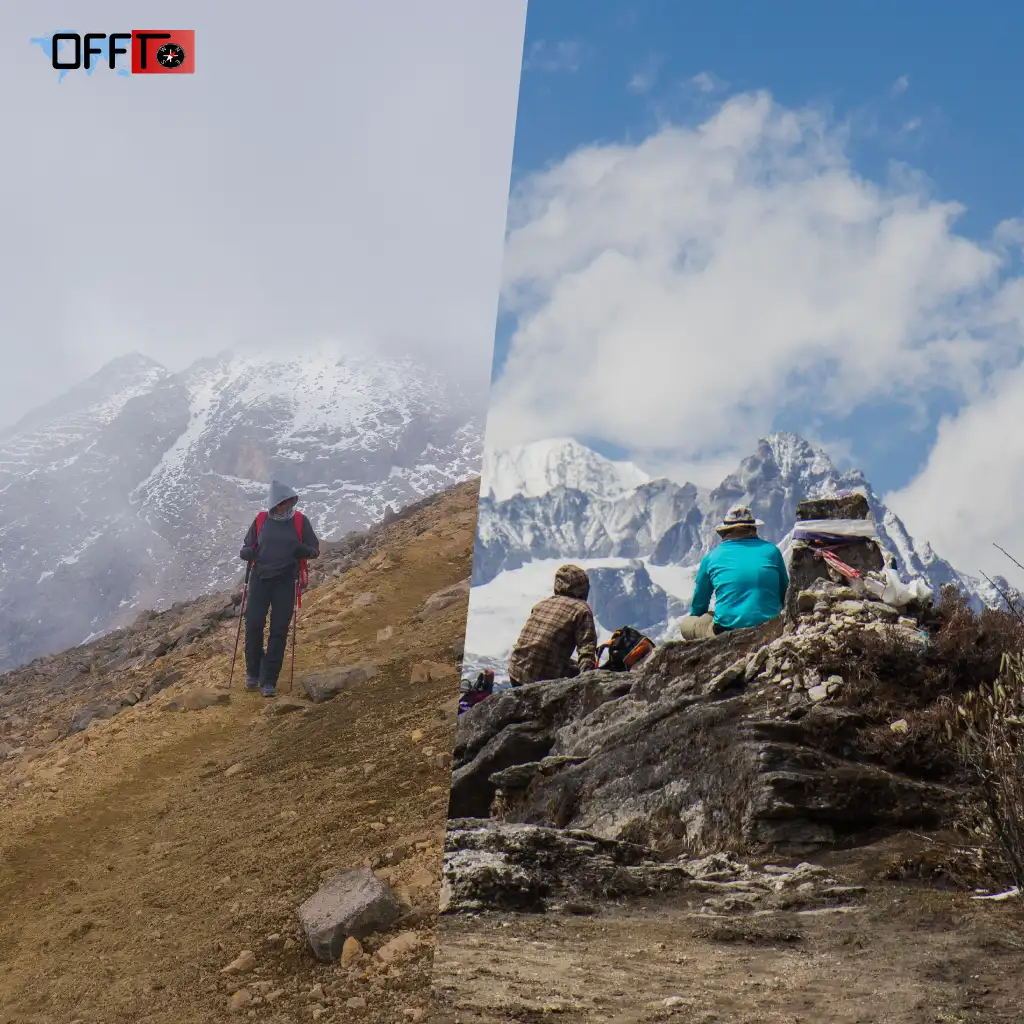
Choosing the right time to visit Nag Tibba is crucial to ensure an optimal trekking experience. The trek offers a different adventure depending on the season, and each period brings its own unique charm. Whether you’re looking for vibrant green landscapes, snow-covered peaks, or a pleasant escape from the summer heat, there’s a perfect time for everyone to visit Nag Tibba.
When is the Best Time for Nag Tibba Trek?
The best time to visit Nag Tibba Trek is during the pre-monsoon and post-monsoon months, typically from March to June and September to November. These months offer pleasant weather with clear skies, making it ideal for trekking and enjoying the scenic vistas of the Himalayan peaks. The temperatures during these months are moderate, allowing trekkers to comfortably hike through the trails.
Winter (December to February) is also a popular time to visit, especially for those who enjoy snowfall. However, this season can be challenging due to freezing temperatures and heavy snow, making it best suited for experienced trekkers. Monsoon season (July to September) is best avoided due to heavy rainfall, which can make the trails slippery and dangerous.
Seasonal Guide to Nag Tibba Trek
Spring (March to April)
Spring, from March to April, marks the beginning of the trekking season at Nag Tibba. During this period, the weather is refreshing, with temperatures ranging from 10°C to 20°C. The trails are clear, and the surrounding forests come alive with vibrant wildflowers in bloom. Spring offers a perfect time for trekkers to explore the route without worrying about heavy snowfall or extreme temperatures. This is also an excellent time for photographers, as the region’s natural beauty is at its peak.
Summer (May to June)
Summer, from May to June, is another fantastic time to visit Nag Tibba. During this time, the weather is warm but not unbearably hot, with temperatures ranging between 15°C to 25°C. The forests are lush and green, providing an ideal setting for nature lovers. Since this is the peak season for trekking in the region, the trail can be slightly busier, but it’s still manageable. Summer is especially popular for those looking to escape the scorching heat of the plains, as the cool mountain breeze offers a refreshing respite.
Monsoon (July to September)
Monsoon season, from July to September, should generally be avoided for the Nag Tibba Trek. The trails become slippery due to the heavy rainfall, and the risk of landslides increases during this time. The visibility also decreases due to cloud cover, making it challenging to appreciate the stunning views the trek offers. However, if you prefer solitude and are an experienced trekker, you may still choose to undertake the trek, but it’s crucial to be prepared for wet conditions and higher risks.
Winter (December to February)
Winter, from December to February, is an enchanting time to visit Nag Tibba if you are fond of snow. The temperature can drop to sub-zero levels, and the region is often blanketed in thick layers of snow. The trek is more challenging during this period due to freezing temperatures, and snowstorms are common. However, the views of the snow-covered peaks and the pristine winter landscape are breathtaking, making it an appealing option for experienced trekkers seeking a winter adventure. Ensure you have the right gear and clothing for this season, as the cold can be intense.
Nag Tibba Trek Distance and Difficulty
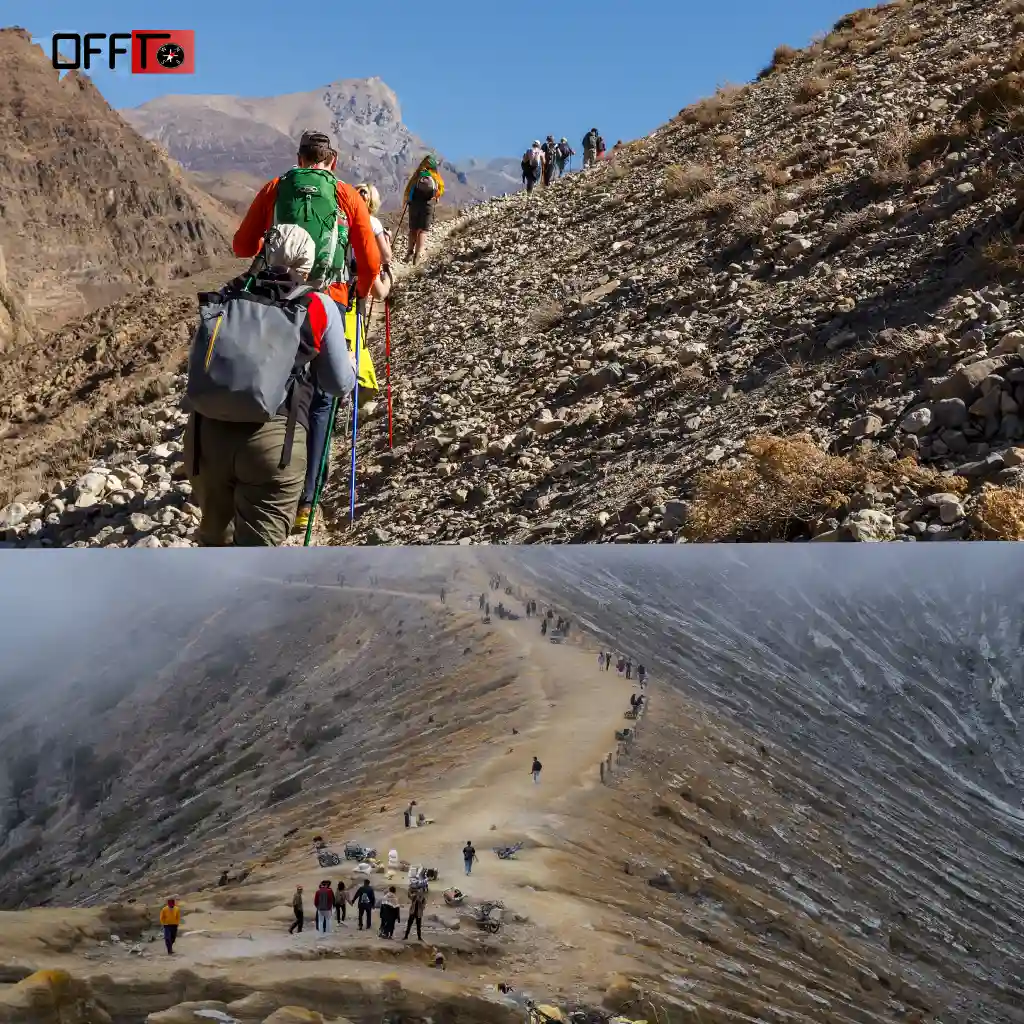
The Nag Tibba Trek offers a wonderful challenge for trekkers, with a manageable distance and moderate difficulty that make it an attractive choice for both novice and seasoned adventurers. Whether you’re a first-time trekker or an experienced hiker looking for a weekend adventure, the trek’s distance and difficulty levels are well-suited for those seeking a scenic yet achievable Himalayan experience.
How Long is the Nag Tibba Trek?
The total distance of the Nag Tibba Trek is approximately 16–20 km, depending on the route taken. Typically, the trek is completed over two days, with the first day involving an ascent to the campsite and the second day dedicated to reaching the summit of Nag Tibba and descending back to the base.
The first day of the trek covers around 6–8 km, as you make your way from the base village of Pantwari to the campsite at around 2,400 meters (7,874 feet). On the second day, trekkers ascend the remaining distance to the summit of Nag Tibba, which is about 3–4 km from the campsite. The descent back to Pantwari on the second day usually takes around 4–5 hours.
This relatively short distance makes the Nag Tibba Trek an excellent choice for those who want to experience the beauty of the Himalayas without committing to a multi-day, strenuous trek.
Trekking Difficulty: Is Nag Tibba Suitable for Beginners?
The difficulty level of the Nag Tibba Trek is considered moderate, which makes it ideal for beginners who are in good physical condition and want to venture into high-altitude trekking. While the trek is not overly challenging, it still requires basic trekking skills, stamina, and an ability to handle the steep ascents and occasional rocky terrains.
For beginners, the trek offers a perfect balance between adventure and accessibility. The trail is well-marked, and the gradual ascent ensures that trekkers don’t feel overwhelmed. The trekking route through dense forests and meadows provides a comfortable pace, making it manageable for first-time trekkers. However, some prior experience with trekking or hiking can be helpful to fully enjoy the experience.
Additionally, trekkers should be prepared for changing weather conditions, which is typical of Himalayan treks. Proper gear and clothing are essential to ensure comfort and safety during the journey.
Nag Tibba Trek Route and Elevation
The route for the Nag Tibba Trek is as scenic as it is rewarding, offering trekkers a beautiful journey through dense forests, picturesque meadows, and sweeping mountain views. Along the way, trekkers get a chance to experience the diverse landscapes that make the trek so special. Understanding the route and the altitude changes will help you better prepare for the adventure ahead.
Understanding the Nag Tibba Trek Route
The trek starts from the village of Pantwari, which serves as the base camp for the Nag Tibba Trek. From here, trekkers begin their ascent through charming villages and thick oak forests. The trail initially takes you through dense forests of oak and rhododendron, where you can encounter diverse flora and fauna, including a variety of bird species.
The trek starts from the village of Pantwari, which serves as the base camp for the Nag Tibba Trek. From here, trekkers begin their ascent through charming villages and thick oak forests. The trail initially takes you through dense forests of oak and rhododendron, where you can encounter diverse flora and fauna, including a variety of bird species.
The route is typically well-marked, and the guidance of a local guide or trekking company is highly recommended to ensure safety, especially for first-time trekkers. There are campsites along the route where trekkers can rest before continuing their journey. The trekking trail is designed to be both safe and enjoyable, offering a perfect mix of adventure and tranquility.
What is the Height of Nag Tibba?
Nag Tibba stands at an elevation of 3,022 meters (9,915 feet), making it one of the highest peaks in the region. While it is not as high as some of the more famous Himalayan treks, such as Kedarnath or Valley of Flowers, its height provides trekkers with stunning views of the surrounding snow-capped peaks and deep valleys. The summit offers a 360-degree view of the nearby mountain ranges, including the Swargarohini, Bandarpoonch, and the Gangotri ranges, making it a breathtaking experience for those who reach the top.
The altitude of Nag Tibba is moderate, making it accessible for trekkers who are relatively new to high-altitude treks. However, the elevation can still affect trekkers who are not accustomed to hiking in the mountains, so it’s important to acclimatize properly and stay hydrated throughout the trek to prevent altitude sickness.
What Makes the Nag Tibba Range Special?
The Nag Tibba Range holds special significance for several reasons. Apart from its stunning natural beauty, the range is known for its religious and cultural importance. The peak is believed to be the home of the serpent god, “Nag Devta,” and local villagers often visit the area for religious ceremonies and rituals.
The Nag Tibba range is also a haven for biodiversity. The forested areas surrounding the trek are rich in flora and fauna, offering trekkers the chance to spot a variety of wildlife, such as monkeys, leopards, and Himalayan bears. Birdwatchers can also enjoy seeing various species of birds, including the Himalayan griffon and the koklass pheasant, among others.
The trekking route through the Nag Tibba Range provides a perfect mix of forest trails, meadows, and breathtaking mountain views, which make it an attractive destination for those looking to experience the Himalayan landscape in all its glory. The range’s pristine environment and the peaceful atmosphere make it a serene getaway, offering trekkers an opportunity to connect with nature and escape the noise of everyday life.
Temperature and Weather Conditions on Nag Tibba Trek
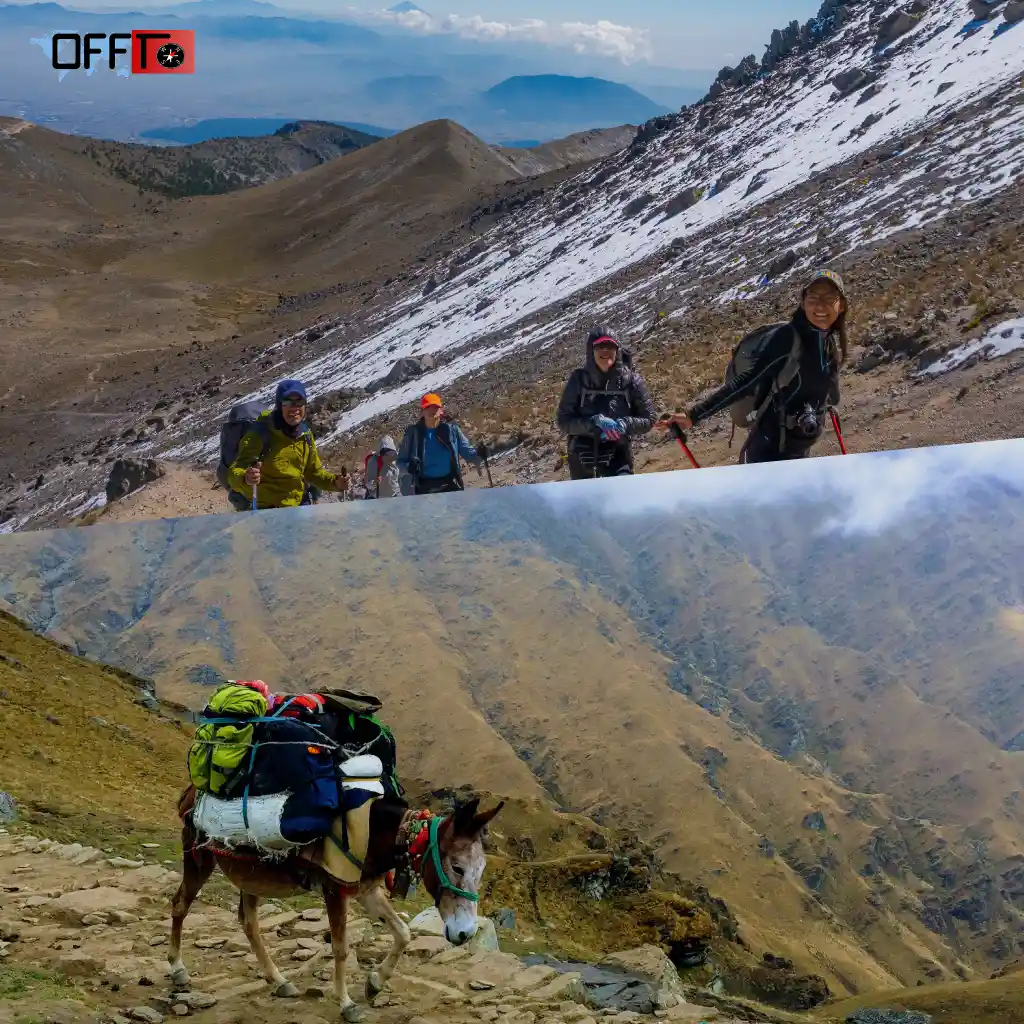
The weather conditions and temperatures on the Nag Tibba Trek can vary significantly depending on the time of year and altitude. Understanding these variations will help you prepare for your trek and ensure that you have the right gear to make your adventure comfortable and enjoyable. The trekking route, which takes you through dense forests, meadows, and rocky terrain, also exposes you to different climates as you gain altitude.
What is the Temperature on Nag Tibba Trek?
The temperature on Nag Tibba Trek varies with the seasons, ranging from pleasant warmth during the summer months to freezing cold in winter. Here’s a breakdown of the temperature across different times of the year:
- Spring (March to April): During spring, the temperature ranges between 10°C to 20°C. The weather is generally mild, with clear skies, making it one of the best times for trekking.
- Summer (May to June): Summer temperatures usually range from 15°C to 25°C. This period offers comfortable weather for trekking, with cool evenings and warm days.
- Monsoon (July to September): The temperature ranges from 15°C to 22°C, but the weather is often humid and rainy. It’s best to avoid trekking in the monsoon season due to the risk of landslides and slippery trails
- Winter (December to February): Winter temperatures can drop below freezing, with nighttime temperatures reaching as low as -5°C to -10°C. Daytime temperatures range from 5°C to 15°C, but the weather is cold and can be harsh due to snow. Trekking during this period requires the proper winter gear to handle the freezing conditions.
In general, the temperature can be cool to cold, especially when you reach higher altitudes, so it’s essential to dress in layers to adapt to changing temperatures during your trek.
How Does the Temperature Vary at Different Altitudes?
The temperature on the Nag Tibba Trek fluctuates with altitude. As you ascend, the temperature drops, especially when nearing the summit of Nag Tibba, located at 3,022 meters (9,915 feet). Here’s how the temperature typically varies at different altitudes:
- Base Camp (Pantwari): At the base of the trek, in Pantwari village, temperatures are relatively mild, especially during the warmer months. Expect temperatures between 15°C and 25°C in spring and summer, while it can get cooler in the evenings.
- Mid-Trek (Campsite): The campsite, located at about 2,400 meters (7,874 feet), experiences cooler temperatures. Daytime temperatures generally range from 10°C to 15°C, with the evenings dropping to around 5°C or lower, depending on the season.
- Summit (Nag Tibba): The summit experiences much colder temperatures. At an elevation of 3,022 meters (9,915 feet), you may encounter temperatures ranging from 5°C to -5°C, especially in winter. The wind chill factor can make it feel even colder, so it’s crucial to bring warm clothing, especially during the winter months.
The rapid change in temperature as you ascend or descend can be quite dramatic, so it’s important to pack accordingly and be prepared for all types of weather.
Nag Tibba Trek Package and Cost

If you’re considering undertaking the Nag Tibba Trek, it’s important to know what’s included in the trek package and the associated costs. Trek packages can vary depending on the trekking agency, duration, and inclusions such as food, transport, and guiding services. Here’s a breakdown of what you can expect when booking a trek package for Nag Tibba.
What’s Included in a Nag Tibba Trek Package?
A typical Nag Tibba Trek package includes various services designed to make your trekking experience smooth and enjoyable. While packages may vary depending on the trekking operator, the following are typically included:
- Transportation: Many trek packages provide transport from Dehradun or Delhi to the base village, Pantwari. This may include travel by jeep or bus, depending on the package you choose.
- Meals: Most packages include meals during the trek, usually comprising breakfast, lunch, snacks, and dinner. These meals are prepared by local cooks, offering you a taste of traditional Himalayan cuisine.
- Guides and Support Staff: A professional guide is often included to help you navigate the trek safely, as well as porters or support staff who assist with carrying the gear and ensuring your well-being.
- Trekking Equipment: Some packages may include trekking gear like sleeping bags, tents, and trekking poles. However, it’s always a good idea to confirm what equipment is provided before booking.
- Permits and Fees: The cost of any necessary permits, entry fees, and other trekking-related charges are typically included in the package.
- Accommodation: Accommodation is generally provided at the campsite, where you’ll spend the night in tents. If you prefer a more comfortable stay, some operators may offer upgraded packages with options for homestays or guesthouses.
What is the Cost of a Nag Tibba Trek Package?
The cost of a Nag Tibba Trek package can vary depending on factors such as the season, package inclusions, and group size. On average, the cost of a basic 2-day trek package ranges from ₹2,500 to ₹7,000 per person. Here’s a more detailed breakdown:
- Budget Packages: Budget packages typically cost between ₹2,500 and ₹4,000 per person. These packages generally include basic trekking services, such as transport from Dehradun, meals, guide services, and camping accommodation.
- Standard Packages: Standard packages range from ₹4,000 to ₹6,000 per person and often include additional amenities, such as better-quality meals, transport options, and more comfortable tents.
- Premium Packages: Premium trek packages cost ₹6,000 to ₹7,000 or more per person. These packages may include luxury tent accommodations, additional safety measures, professional photographers, and personalized services.
The cost can also vary depending on the trek operator, duration, and inclusions. It’s always advisable to compare packages and ensure that they meet your requirements and budget.
What Are the Best Nag Tibba Trek Packages Available?
There are several trekking operators offering Nag Tibba Trek packages, and each offers a variety of options to suit different preferences and budgets. Some of the best Nag Tibba Trek packages include:
1. Offto Travellers Trek Package:
- Includes transportation from Dehradun, guided treks, meals, and camping accommodation.
- Tailored for both beginners and experienced trekkers.
- Flexible group sizes and dates.
- Includes transportation from Dehradun, guided treks, meals, and camping accommodation.
2. Trekking India – Nag Tibba Trek:
- Offers budget and premium trek packages with well-equipped campsites.
- Includes professional guides and trekking support staff.
- Additional options like photography services and premium meals.
- Offers budget and premium trek packages with well-equipped campsites.
3. India Hikes – Nag Tibba Trek:
- A trusted trekking operator known for its well-organized treks and safety protocols.
- Offers guided tours, meals, and transport to and from Dehradun.
- High-quality trekking gear and equipment.
- A trusted trekking operator known for its well-organized treks and safety protocols.
4. Treks and Trails India:
- Features a mix of standard and premium trek packages.
- Provides transportation, meals, camping facilities, and a trekking guide.
- Special offers for families and small groups.
- Features a mix of standard and premium trek packages.
When selecting the best trek package, it’s important to ensure that it includes all necessary services, such as guide assistance, meals, accommodation, and transport. Be sure to check the reviews of trekking operators to gauge the quality of their services.
Things to Carry on Nag Tibba Trek
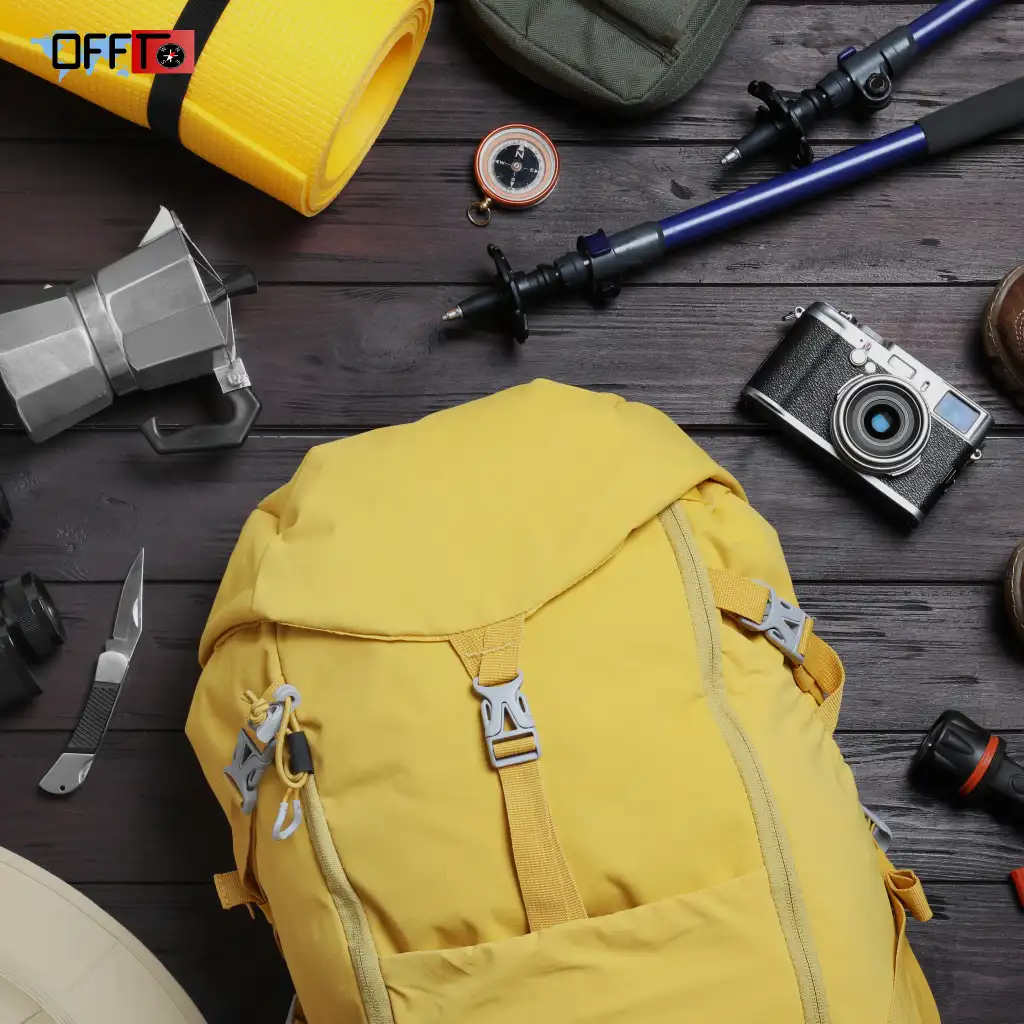
Packing properly for the Nag Tibba Trek is crucial for ensuring a safe and enjoyable experience. The trek involves a moderate level of difficulty and takes you through diverse terrain and varying weather conditions. Carrying the right gear will help you stay comfortable, prepared for changing temperatures, and able to navigate the trek with ease. Below are the essential items you should pack for your Nag Tibba adventure.
Packing Essentials for Nag Tibba Trek
Here’s a comprehensive list of packing essentials for the Nag Tibba Trek to ensure you are well-equipped for the journey:
- Backpack: A lightweight, durable trekking backpack is essential. A 40-50L capacity pack should be sufficient for a 2-day trek. Make sure it is comfortable and offers enough space for your gear.
- Clothing: Layering is key to managing temperature fluctuations. Pack light, moisture-wicking base layers, a mid-layer for warmth, and an outer layer for rain or wind protection. Include:
- Trekking pants (preferably quick-dry)
- T-shirts (moisture-wicking)
- A warm jacket or fleece for cooler temperatures
- A waterproof jacket or poncho to protect against rain
- Woolen socks (at least 2-3 pairs)
- Gloves, hat, and scarf for cold weather (especially in winter)
- Trekking pants (preferably quick-dry)
- Footwear: Sturdy, comfortable trekking boots with good ankle support are crucial for navigating rough terrain. Make sure your boots are broken in before the trek to avoid blisters.
- Trekking Poles: These are highly recommended, especially for beginners. Trekking poles help with balance on steep ascents and descents, reducing strain on your knees.
- Sleeping Bag: If camping overnight, bring a sleeping bag rated for the temperatures you’ll encounter, ideally one that can handle temperatures as low as 5°C to 0°C, depending on the season.
- Water Bottle and Hydration System: Carry a durable water bottle or hydration pack. Staying hydrated is crucial, especially at higher altitudes.
- Food and Snacks: Pack high-energy, lightweight snacks such as energy bars, nuts, and dried fruits. These will help keep your energy levels up during the trek.
- First Aid Kit: A basic first aid kit should include bandages, antiseptic wipes, pain relievers, blister care, and any personal medications you may need.
- Sunscreen and Lip Balm: The sun can be harsh at higher altitudes, so bring sunscreen with a high SPF and lip balm with SPF protection to avoid sunburn.
- Headlamp or Torch: A headlamp or torch is essential for early morning starts or if you end up trekking after dark. Bring extra batteries.
- Toiletries and Hygiene Items: Keep things minimal with biodegradable soap, wet wipes, toilet paper, and a small towel. Don’t forget hand sanitizer.
- Camera and Phone: Capture the breathtaking landscapes, but be sure to bring a power bank or portable charger to keep your devices charged.
By packing the right essentials, you’ll ensure a smoother and more enjoyable trekking experience while staying safe and comfortable on your way to Nag Tibba.
Tips for Packing Smart for a Trekking Expedition
Packing smart is just as important as packing the right items. Here are some additional tips to help you streamline your packing for the Nag Tibba Trek:
- Pack Light, But Don’t Skimp on Essentials: Focus on carrying only what is necessary. Every extra item adds weight, so choose versatile gear that serves multiple purposes. For example, lightweight, moisture-wicking clothing can double as both base and mid-layers.
- Use Compression Bags: Compression bags can help save space in your backpack by squishing your clothing down to a smaller size. This is especially useful for bulky items like sleeping bags and jackets.
- Plan for Changing Weather: The weather can change quickly on the trek, so bring clothes that can easily be added or removed to accommodate fluctuating temperatures. Layering is key, and avoid packing heavy, unnecessary items.
- Pre-test Your Gear: Before the trek, do a short hike with your backpack and gear to make sure everything fits comfortably and functions as expected. Break in your boots to avoid blisters.
- Pack for Easy Access: Keep your most-used items, like water, snacks, and a rain jacket, in the top or outer compartments of your backpack. This makes it easier to access them during the trek without rummaging through your entire pack.
How to Reach Nag Tibba
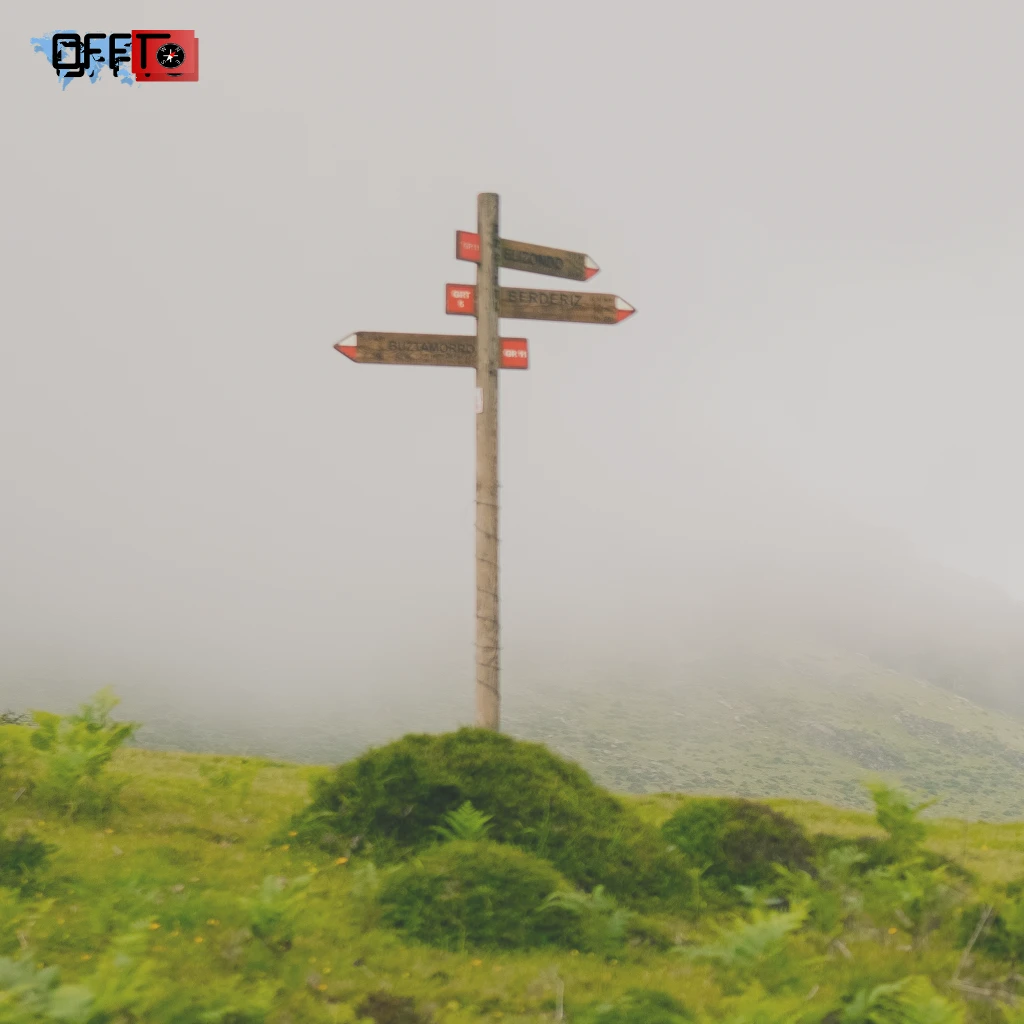
Getting to Nag Tibba is relatively easy thanks to its proximity to Dehradun and Delhi. The trek starts from Pantwari, a village in the Tehri Garhwal district of Uttarakhand, which is well-connected by road. Below is a detailed guide on how to reach Nag Tibba from both Dehradun and Delhi, including various transport options.
How to Reach Nag Tibba from Dehradun or Delhi
To reach Nag Tibba from Dehradun or Delhi, you’ll first need to travel to the base village of Pantwari, which is around 55 km from Dehradun. From Pantwari, the trek to Nag Tibba begins.
- From Dehradun:
- By Road: You can take a taxi or book a private vehicle from Dehradun to Pantwari. The journey takes approximately 2–3 hours by car, depending on traffic and road conditions. You can also opt for local buses, which are available from Dehradun’s ISBT (Inter-State Bus Terminal) to nearby villages, but they may require transfers.
- By Train: Dehradun has a railway station with good connectivity to major cities. From Dehradun station, take a taxi or bus to Pantwari.
- From Delhi:
- By Road: You can drive from Delhi to Dehradun, which takes around 6–7 hours. Once in Dehradun, follow the directions to Pantwari (another 2–3 hours by car).
- By Train: Several trains run from Delhi to Dehradun, including the Shatabdi Express and Dehradun Jan Shatabdi, which takes about 5–6 hours. From Dehradun, take a taxi or bus to Pantwari.
- By Bus: Direct buses from Delhi to Dehradun operate regularly from the ISBT (Kashmere Gate) terminal. Once in Dehradun, follow the same route to Pantwari.
- By Road: You can drive from Delhi to Dehradun, which takes around 6–7 hours. Once in Dehradun, follow the directions to Pantwari (another 2–3 hours by car).
Can You Reach Nag Tibba by Car?
Yes, you can reach Nag Tibba by car, but keep in mind that the road leading to Pantwari is partially unpaved and can get rough, especially during the monsoon season. It’s recommended to use a 4×4 vehicle for a smoother ride, particularly if you’re traveling during the rainy season when the roads can be slippery. From Pantwari, you’ll need to start your trek to the Nag Tibba summit.
Transport Options and Route Details for Nag Tibba Trek
Once you reach Pantwari, the trek to Nag Tibba begins with a gradual climb through forests and villages. The transport options to get to Pantwari from Dehradun or Delhi are as follows:
- Private Vehicle: Booking a private vehicle offers the most comfort and flexibility. It allows you to control your travel schedule and make stops as needed. It’s the best option for groups or families.
- Public Bus: If you’re traveling solo or on a budget, public buses to Pantwari or nearby villages are available from Dehradun’s bus station. However, they may not go directly to Pantwari, so be prepared for possible transfers.
- Shared Taxi or Local Taxi: Another affordable option is a shared or local taxi, which can be booked in Dehradun. This is a more cost-effective way to reach Pantwari, though it may not provide as much comfort as a private vehicle.
Once in Pantwari, the trek route is straightforward. Local guides are available for hire to ensure you stay on the right path and make the most of your trekking experience. Many trekking companies also offer guided tours, including transport, meals, and accommodations, making it easier for you to focus on the adventure.
Plan Your Nag Tibba Trek with Offto Travellers
Are you ready to embark on an unforgettable adventure to Nag Tibba? Offto Travellers is here to make your trekking experience seamless, memorable, and full of excitement. Whether you’re a first-time trekker or an experienced adventurer, planning your trek with Offto Travellers ensures that you’ll have everything you need for a successful journey.
With expert guidance, personalized packages, and a focus on making your trip stress-free, Offto Travellers is the ideal platform to help you plan and execute the perfect Nag Tibba Trek. Below are a few ways we can make your trek extraordinary:
Explore New Destinations
Offto Travellers isn’t just about Nag Tibba – we help you explore a variety of destinations across India, from serene hill stations to challenging treks in the Himalayas. With a wide range of carefully selected locations, you’ll have access to unique and off-the-beaten-path experiences. Each destination we offer is designed to provide adventure, relaxation, and cultural immersion, making it the perfect choice for those looking to explore India in-depth.
Connect with Fellow Trekkers
One of the best parts of trekking is meeting like-minded adventurers, and Offto Travellers makes it easy for you to connect with fellow trekkers. Whether you’re traveling solo or with a group, we bring together individuals with a shared love for exploration and the outdoors. Our community of trekkers is supportive, encouraging, and always eager to share stories and tips. By joining Offto Travellers, you not only embark on an exciting trek but also gain access to a network of passionate explorers.
Book Personalized Trek Packages
At Offto Travellers, we understand that each trekker is different, and so are their needs. Our personalized trek packages allow you to customize your journey according to your preferences, fitness level, and time availability. Whether you’re looking for a short weekend trek or a longer, more challenging adventure, we have tailored options to fit every requirement. Our expert team is here to help you plan every step of your trek – from transport arrangements to accommodation and meals – ensuring a smooth and stress-free experience.
Plan Your Trek Smoothly with Expert Guidance
Planning a trek can be daunting, especially when it comes to logistics, permits, and gear. But with Offto Travellers, you don’t have to worry about a thing. Our expert team will assist you with everything, including detailed itineraries, expert advice on what to pack, and guidance on preparing for the trek. We prioritize your safety and comfort, and our seasoned guides ensure that you have a memorable and enjoyable journey through the beautiful landscapes of Nag Tibba. With Offto Travellers, you can focus on what matters most – your adventure.
FAQs
Is there snow in Nag Tibba Trek?
Yes, Nag Tibba Trek experiences snowfall during the winter months, from December to February. The snow-covered landscapes add a magical touch to the trek, offering trekkers an opportunity to enjoy the pristine beauty of the Himalayan region during the winter season.
What is the best time to visit Nag Tibba?
The ideal time to visit Nag Tibba is from March to June and September to November. During these months, the weather is pleasant, and the trekking paths are accessible. Winter brings snow, but it can be more challenging for trekkers due to colder temperatures and heavy snowfall.
Can we reach Nag Tibba by car?
Yes, you can reach the base of Nag Tibba Trek by car, particularly to the village of Pantwari. However, the last few kilometers are often on rough, unpaved roads. It’s recommended to use a 4×4 vehicle, especially during the monsoon or winter months when roads can be tricky.
How many days for Nag Tibba Trek?
Nag Tibba Trek is generally a 2-day adventure. On the first day, trekkers ascend to the campsite, and on the second day, they summit Nag Tibba, enjoy the scenic views, and return. It’s a perfect trek for those with limited time looking to experience the Himalayas.
What is the cost of Nag Tibba trek package?
The cost of a Nag Tibba Trek package typically ranges from ₹2,500 to ₹7,000 per person. The price varies depending on the duration, inclusions such as meals, guide services, and transportation, as well as the tour operator offering the trek package.
Is Nag Tibba Trek crowded?
Nag Tibba Trek is relatively less crowded compared to other famous treks in Uttarakhand like Kedarnath. This makes it a perfect choice for those seeking a more peaceful and less commercialized trekking experience in the beautiful surroundings of the Nag Tibba range.
What is the altitude of Nag Tibba?
Nag Tibba stands at an altitude of 3,022 meters (9,915 feet). The trek offers panoramic views of nearby peaks such as Swargarohini, Bandarpoonch, and the Gangotri ranges. The altitude is moderate, making it suitable for trekkers with some prior experience in mountain trekking.
What are the key highlights of the Nag Tibba Trek?
The key highlights of the Nag Tibba Trek include the scenic trek through dense oak forests, breathtaking views of the Himalayan range, the summit with panoramic views, and the peaceful, less crowded environment, providing trekkers a chance to connect with nature in its raw form.
What is the distance covered in Nag Tibba Trek?
The Nag Tibba Trek covers approximately 8-10 km each way, depending on the route taken. It is a moderate trek, suitable for beginners and experienced trekkers alike. The trek’s total distance makes it ideal for a 2-day itinerary, with a manageable climb to the summit.
What should I pack for Nag Tibba Trek?
For Nag Tibba Trek, pack essentials like warm clothing (even in summer), a rain jacket, sturdy trekking shoes, a sleeping bag, a water bottle, energy snacks, and a headlamp. Also, carry basic toiletries, a camera to capture scenic views, and a lightweight backpack to ensure comfort.
Read more >>>
Best Time to Visit Ooty – Weather, Seasons & Travel Guide
Best Time to Visit Varanasi – Weather, Ghats & Travel Guide
Best experienced on the Offto Travellers app
Don’t miss out on the chance to explore one of the most beautiful trekking destinations in India. Book your trek with Offto Travellers today and experience the thrill of reaching the summit of Nag Tibba, surrounded by breathtaking views of the Himalayas.
Plan your trek today with expert guidance from Offto Travellers – your trusted travel companion for every step of the journey.
Play StoreApp Store
Leave a Reply