
What is Roopkund Lake?
Roopkund Lake, also known as the “Mystery Lake,” is located in the Uttarakhand Himalayas. Famous for the skeletal remains found around it, this high-altitude glacial lake is a popular trekking destination that offers a challenging yet rewarding journey, shrouded in mystery.
Introduction – Roopkund Trek Guide
Nestled deep in the Nanda Devi Biosphere Reserve, Roopkund Lake in Uttarakhand is one of the most fascinating and mysterious trekking destinations in India. Known as the “Skeleton Lake,” this hauntingly beautiful site attracts adventurers, historians, and scientists alike. The Roopkund Trek is a thrilling journey that combines natural beauty with a glimpse into the unknown, making it a must-visit for avid trekkers. This comprehensive guide will help you understand everything you need to know about the Roopkund Lake trek, from its history to the best time to visit.
Where is Roopkund Lake Situated?
Roopkund Lake is located in the state of Uttarakhand, India, situated at an altitude of around 5,029 meters (16,500 feet) above sea level. It lies in the Nanda Devi Biosphere Reserve, part of the mighty Himalayas. The lake is nestled in a remote area of the Chamoli district, offering a stunning view of surrounding snow-capped peaks and lush meadows. The exact location of Roopkund Lake has earned it fame as one of the most challenging treks in Uttarakhand.
The trek to Roopkund Lake begins from the Lohajung base camp, which is accessible by road from Rishikesh and Haridwar. The journey to the lake takes you through picturesque forests, verdant meadows, and quaint mountain villages. As you ascend, the views become more breathtaking, and the beauty of the untouched Himalayas unfolds in front of you.
Roopkund Lake Story
Roopkund Lake is shrouded in mystery, both due to its remote location and the fascinating story behind it. The lake is renowned for the skeletal remains discovered around it. These remains, believed to be from a large group of people, have sparked debates among historians, scientists, and trekkers. The most captivating aspect of Roopkund Lake is that these bones belong to individuals from different periods, some dating back to the 9th century.
The story of the Roopkund Skeletons begins with a tragic event believed to have occurred over a thousand years ago. Some theories suggest that the skeletons are the remains of a group of pilgrims who were caught in a fierce hailstorm, while others claim they belong to a set of soldiers or traders who were lost in the harsh weather. Recent studies and carbon dating of the bones have provided evidence that the people who perished were from different geographical regions, possibly leading to the theory that they were victims of an ancient tragedy.
As one of the most mysterious places in India, Roopkund Lake holds more than just natural beauty. The human skeletons scattered near the shores of the lake continue to intrigue scientists and visitors alike. The mystery of these skeletal remains adds a layer of excitement to the journey, making the trek not just physically challenging but emotionally gripping.
What is the Mystery of Roopkund Lake?
The mystery of Roopkund Lake is one of the most talked-about aspects of this trek. The lake, with its eerie skeletal remains, has intrigued people for centuries. The skeletons found around Roopkund Lake are believed to belong to at least 200 people, some of which are scattered along the edges of the lake and others found beneath the waters. The skeletal remains appear to have been victims of a catastrophic event, leading to various theories.
One of the most widely accepted theories is that the skeletons belong to a group of pilgrims who were making their way to a religious destination in the Himalayas when they were caught in an unexpected hailstorm. Some believe the hailstorm was so severe that it caused mass casualties. Recent research and DNA studies of the bones have added further intrigue, suggesting that the remains might belong to people of Tibetan, Nepalese, and Indian descent, which raises questions about the possible multicultural nature of the group.
Another theory proposes that the remains belong to a group of soldiers or traders who were on an expedition when they met their untimely end. However, the exact cause of death remains unclear, making Roopkund Lake one of the most debated and mysterious locations in the Himalayas.
While the mystery of the skeletons continues to captivate the imagination, it’s this very enigma that draws trekkers and adventurers to the lake. The Roopkund Trek offers more than just scenic landscapes—it provides an opportunity to step into a real-life mystery that still defies a clear explanation.
Roopkund Trek – Everything You Need to Know
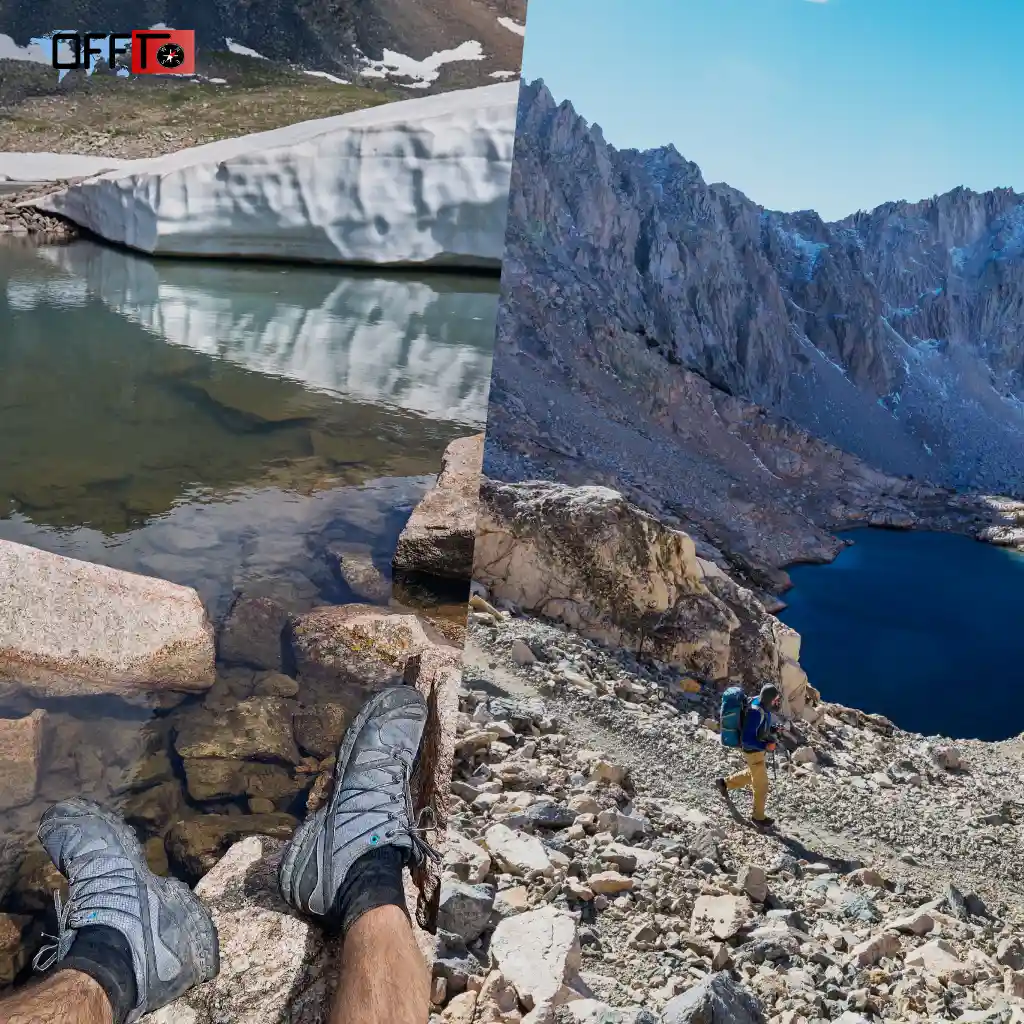
The Roopkund Trek is an unforgettable journey through some of the most breathtaking landscapes of Uttarakhand. The trek takes you through dense forests, expansive meadows, and across alpine valleys. Whether you are an experienced trekker or someone looking for a challenge, this trek has something for everyone. In this section, we’ll dive into key details you need to know before embarking on the Roopkund Trek.
Roopkund Trek Distance
The Roopkund Trek distance varies based on the route taken, but it is generally around 26-28 kilometers (approximately 13-14 kilometers one-way). The trek spans over four days, starting from the base camp at Lohajung and ending back at the same point.
The trek is moderate to challenging, with significant altitude gain and rugged terrain. The first few days are relatively easy as you traverse through forested areas and alpine meadows. However, as you near the lake, the terrain becomes more difficult, requiring trekkers to navigate steep ascents, rocky paths, and higher altitudes.
Given the steep ascents, the Roopkund Trek difficulty level is considered moderate to difficult, so it’s essential to have a good fitness level and prior trekking experience. The high altitude means that trekkers may experience altitude sickness, so proper acclimatization is vital.
How to Reach Roopkund Lake?
To reach Roopkund Lake, you need to start your journey from Lohajung, a small town in the Chamoli district of Uttarakhand. Here’s a step-by-step guide on how to get there:
1. Travel to Rishikesh or Haridwar: The nearest major cities to Lohajung are Rishikesh and Haridwar. Both cities are well connected by road and rail to major cities across India. From Rishikesh or Haridwar, you can hire a taxi or take a bus to Lohajung.
2. Drive to Lohajung: The drive from Rishikesh to Lohajung takes about 8-10 hours, covering a distance of approximately 210-250 kilometers. The road to Lohajung is winding and passes through scenic views of the mountains.
3. Starting the Trek: Once you reach Lohajung, the Roopkund Trek begins. The first stop is Didina Village, where trekkers begin their multi-day journey to Roopkund Lake.
4. Reaching Roopkund Lake: After several days of trekking, you will finally reach Roopkund Lake, passing through meadows, forests, and beautiful high-altitude landscapes.
Roopkund Trek Best Time to Visit
The best time to visit Roopkund Trek is during the pre-monsoon months (May-June) and post-monsoon months (September-October). These months offer ideal trekking conditions with clear skies, moderate temperatures, and minimal rainfall.
- May to June: The temperatures are comfortable, with daytime temperatures ranging from 10°C to 15°C, and nighttime temperatures dropping to around 5°C. This is the most popular time to trek to Roopkund.
- September to October: The monsoon rains subside, and the weather becomes stable again. The landscape is lush and green, providing a stunning contrast to the white snow-covered peaks.
- It’s important to avoid the monsoon season (July-August), as the trails become slippery, and heavy rainfall may disrupt the trekking conditions. Winter (November-March) is also not recommended due to freezing temperatures and heavy snow, making the path treacherous.
Roopkund Lake Skeletons – The Mystery Uncovered
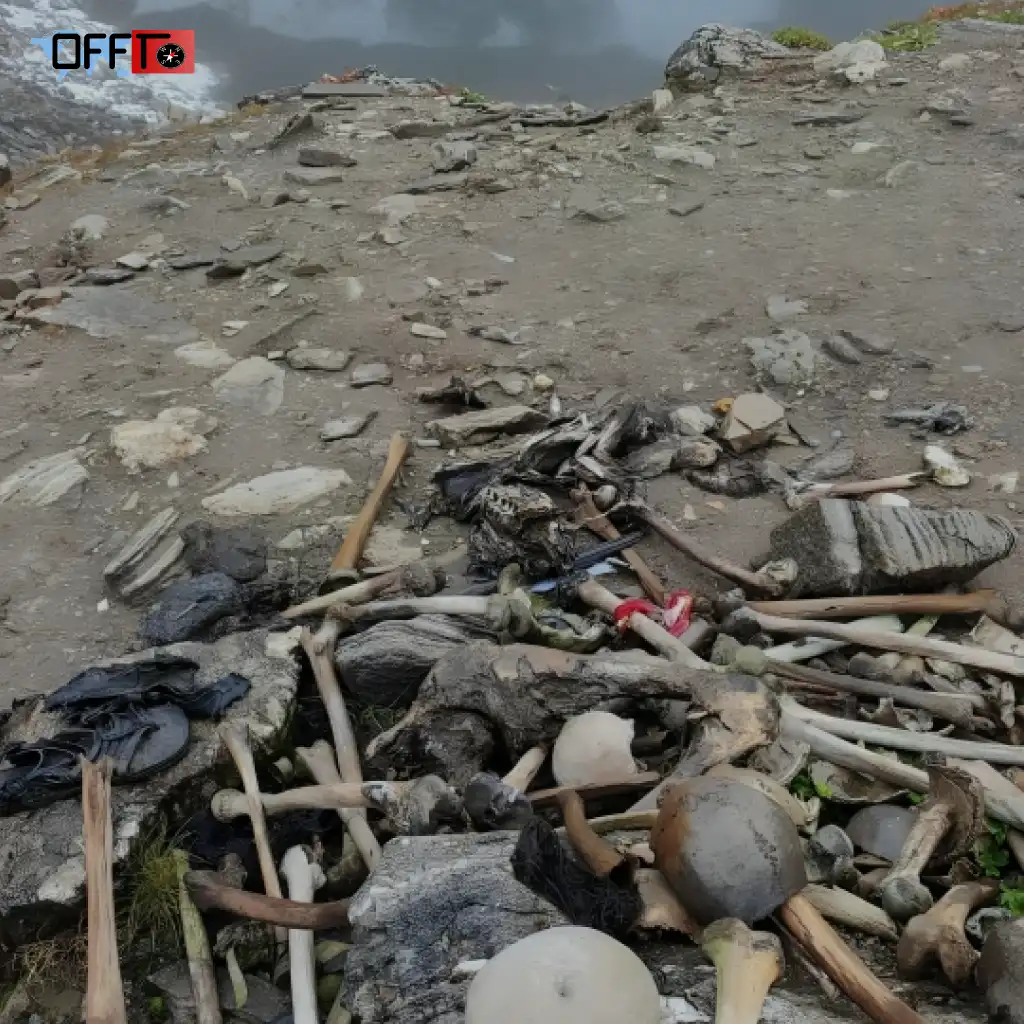
Roopkund Lake’s eerie reputation is largely tied to the skeletons found scattered around its shores. These human remains have captivated the world for decades, sparking various theories and speculations. The mystery of the Roopkund skeletons adds an intriguing layer to the trekking experience, making it not just a journey into the Himalayas, but also into the heart of an unsolved historical enigma.
The Story Behind the Roopkund Skeletons
The Roopkund skeletons are believed to belong to a group of people who met their tragic end centuries ago. The exact identity of the individuals remains a mystery, but the story of how they ended up at the lake is the subject of much debate.
It is commonly believed that these individuals were part of a group of pilgrims or travelers who were caught in a severe hailstorm while on their way to a pilgrimage site in the Himalayas. Some historians argue that the skeletons belong to a group of soldiers or traders who died during an ill-fated journey. Carbon dating of the bones indicates that they likely perished around the 9th century, although some of the remains show signs of being much older.
In 1942, a British forest ranger named G.H. Jadhav discovered the bones around the lake, but it wasn’t until later that anthropologists and archaeologists began studying the skeletons in more detail. What makes this discovery even more puzzling is the diverse origin of the remains, which suggest that the people involved were not just from one geographic location. Some DNA analysis suggests a mix of Tibetan, Nepalese, and Indian ancestry, leading to questions about their possible connections.
The Roopkund skeletons have captivated both the scientific community and the public, but the definitive explanation for how they ended up at the lake is still unknown. Some believe the tragedy was a natural disaster, while others suspect foul play or disease, leaving the true story of their demise still cloaked in mystery.
Roopkund Lake and Its Connection to the Skeletons
The skeletal remains discovered around Roopkund Lake tell a complex story about the region’s past. The fact that the bones are scattered around the lake adds to the eerie allure of the site. The lake itself, often shrouded in mist and surrounded by towering peaks, creates a haunting atmosphere that enhances the mystery.
Some theories suggest that the skeletons were the victims of a hailstorm that occurred during the pilgrims’ journey. Large-sized hailstones have been reported in the region, and some believe that the group was struck by this violent storm, resulting in their tragic deaths. This theory is supported by the fact that the remains show signs of blunt force trauma, likely caused by hailstones, though the bones appear remarkably well-preserved.
Another theory posits that the skeletons belonged to a massacre or a tragic battle that occurred in the region. Some researchers believe that the individuals might have been soldiers or mercenaries caught in the crossfire of a local conflict. However, this theory lacks strong evidence and remains speculative.
Regardless of their origin, the skeletons provide a glimpse into the past and offer valuable insight into the hardships and tragedies of those who journeyed through this difficult terrain. They also highlight the mystical and historical significance of Roopkund Lake, making it more than just a trekking destination, but a place where history and legend intertwine.
Roopkund Lake Trek – Route, Difficulty & Experience
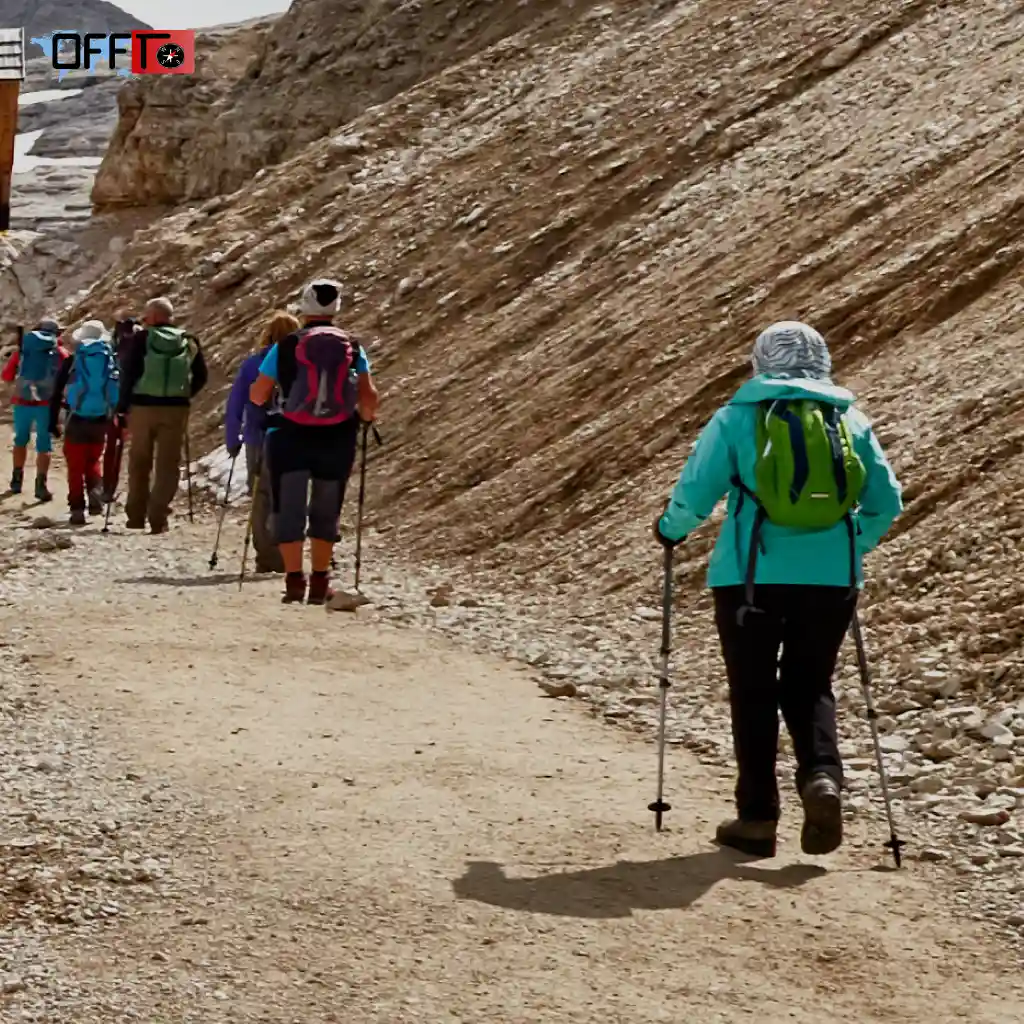
The Roopkund Trek offers an exciting and challenging adventure for trekkers who are seeking to explore the hidden gems of the Himalayas. The trek passes through dense forests, rolling meadows, and high-altitude terrain, offering a thrilling experience for nature lovers and adventure seekers alike. But what exactly does the Roopkund Trek route entail, and how difficult is it?
Roopkund Trek Route and Starting Points
The Roopkund Trek route begins at Lohajung, a small village located around 210 kilometers from Rishikesh. From Lohajung, trekkers begin the journey towards Roopkund Lake by passing through the picturesque Didina Village, Ali Bugyal, and several other high-altitude meadows before finally reaching the lake. The route itself is marked by scenic landscapes, including lush forests, rolling hills, and vast meadows.
1. Lohajung to Didina Village: The trek begins with a gradual ascent, passing through dense oak and pine forests, providing trekkers with stunning views of the surrounding peaks.
2. Didina Village to Ali Bugyal: On the second day, the trail moves through open meadows and alpine vegetation, offering panoramic views of the Nanda Ghunti and Trishul peaks.
3. Ali Bugyal to Roopkund Lake: The final stretch takes you through rocky terrains and alpine meadows before reaching the mystical lake, where you can explore the skeletal remains and enjoy a surreal view of the surrounding mountains.
Roopkund Trek Difficulty Level
The Roopkund Trek difficulty level is considered to be moderate to challenging, making it suitable for experienced trekkers. The altitude gain, rugged terrain, and unpredictable weather can make the trek physically demanding. Here’s a breakdown of the difficulty level:
- Altitude: The trek reaches a maximum altitude of 5,029 meters (16,500 feet) at Roopkund Lake, which increases the risk of altitude sickness. Proper acclimatization is essential before attempting the trek.
- Terrain: The terrain varies from forest paths to rocky ridges, and trekkers must navigate through steep ascents and slippery descents. The high-altitude meadows can also be challenging to cross during certain seasons.
- Weather: The weather is unpredictable, with the possibility of sudden hailstorms, cold temperatures, and heavy winds, especially at higher altitudes.
Overall, the Roopkund Trek is ideal for those who have prior trekking experience in high-altitude terrains and have a good fitness level. First-time trekkers should consult with experienced guides and ensure they are well-prepared for the conditions.
What Makes the Roopkund Trek Unique?
What makes the Roopkund Trek stand out from other Himalayan treks is its unique combination of natural beauty, cultural history, and mystery. Here are a few reasons why this trek is so special:
- Historical Significance: The Roopkund Lake skeletons add an element of intrigue, making the trek not just a physical challenge but an intellectual adventure into an ancient mystery.
- Scenic Beauty: The trek takes you through some of the most beautiful and untouched landscapes in India. From lush meadows to snow-capped peaks, the journey is a visual treat for nature lovers.
- Adventure and Challenge: The rugged terrain, high-altitude climb, and changing weather conditions provide an adventurous and challenging experience for trekkers.
- Remote Wilderness: Unlike more commercialized trekking routes, Roopkund offers a more remote, tranquil experience, giving you a sense of being in the heart of the untouched Himalayas.
For those who enjoy trekking with a mix of adventure, history, and natural beauty, the Roopkund Trek offers an experience that’s truly one-of-a-kind.
Best Time for the Roopkund Trek
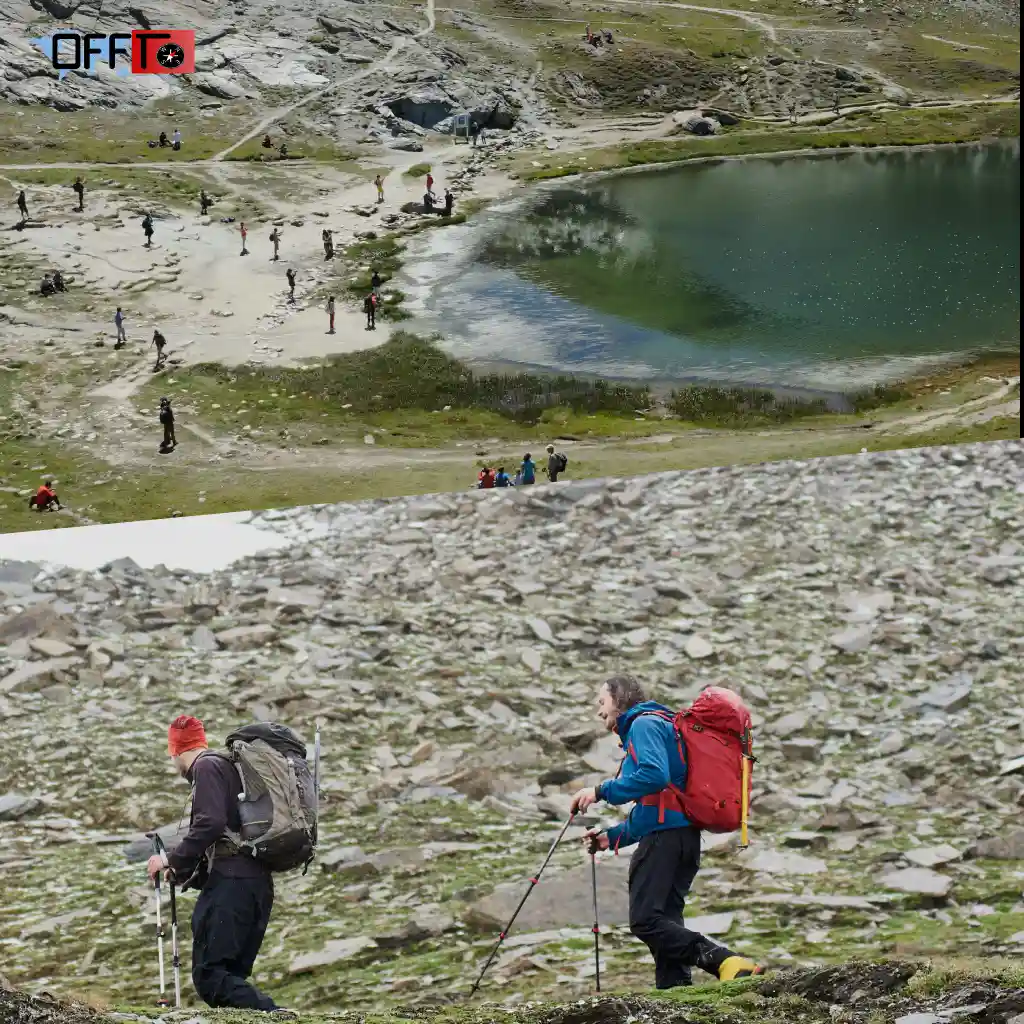
When planning the Roopkund Trek, timing is crucial to ensure a safe and enjoyable experience. The best time for Roopkund Trek is typically during the pre-monsoon (May to June) and post-monsoon (September to October) seasons. These months provide the optimal weather conditions for trekking while also offering a chance to avoid the heavy crowds and unpredictable weather that often accompany the monsoon months.
When to Visit Roopkund Trek?
The ideal time to visit the Roopkund Trek is between May-June and September-October. These months offer the best weather for trekking and provide an incredible experience, whether you’re an experienced trekker or a first-time adventurer. Let’s take a look at the details:
- Pre-monsoon Season (May-June): This is considered the peak trekking season for Roopkund. The trails are clear, and the weather is relatively warm with daytime temperatures ranging between 10°C to 15°C and cooler evenings that dip to around 5°C. The skies are mostly clear, offering fantastic views of the Himalayan peaks.
- Post-monsoon Season (September-October): This is the second-best time to embark on the Roopkund Trek. After the monsoon season, the trails are dry, and the lush greenery from the rains makes the trek even more picturesque. The temperatures during this period are also comfortable, ranging from 8°C to 14°C during the day and dropping to around 2°C to 5°C at night.
Both of these seasons provide the perfect balance of good weather, stunning views, and moderate crowd levels. The spring and autumn months are excellent for trekking because the trails are not too crowded, allowing trekkers to experience the tranquil beauty of the region.
Best Time for Roopkund Trek (Weather and Temperature)
When considering the best time for Roopkund Trek, understanding the weather and temperature fluctuations is essential for planning your trip effectively.
- Summer (May-June): The weather during these months is relatively stable, with temperatures between 10°C to 15°C during the day and cooler evenings ranging between 5°C to 8°C. This makes the summer months the most comfortable for trekking, as the weather is neither too hot nor too cold, and the skies are clear.
- Monsoon (July-August): The monsoon season is best avoided due to heavy rainfall and slippery trails. Rain can make the terrain dangerous, and the chances of landslides or trail blockages increase. Temperatures during the monsoon season range between 10°C to 15°C, but the wet conditions make trekking difficult and less enjoyable.
- Autumn (September-October): Temperatures begin to cool after the monsoon season, ranging between 8°C to 14°C during the day. At night, temperatures may drop to around 2°C to 5°C. The weather is clear and dry, making it the second most favorable time for trekking. The autumn months offer clear skies, lush green landscapes, and fewer trekkers compared to the summer season.
- Winter (November-March): Winter is the coldest season at Roopkund, with temperatures dropping well below freezing, especially at higher altitudes. While winter treks offer snow-covered landscapes, they are also dangerous due to icy conditions, avalanches, and extreme cold. The trek is more suitable for experienced trekkers who are prepared for extreme cold and snow.
The Fascinating Roopkund Mystery
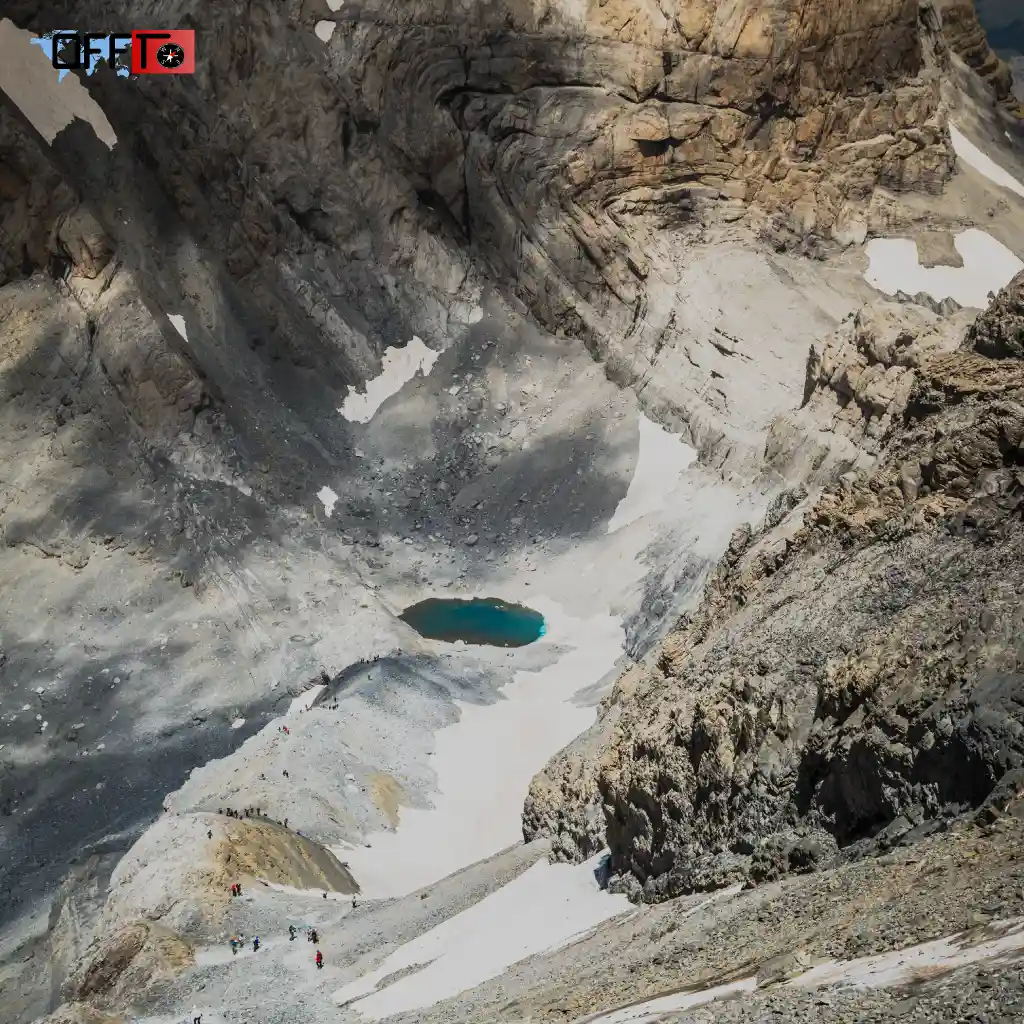
The Roopkund Mystery is one of the most intriguing aspects of the trek. The discovery of skeletal remains around the lake has sparked numerous theories about who these people were and how they died. While many trekkers visit Roopkund for its scenic beauty, the mystery surrounding the skeletons adds an element of suspense and allure to the journey.
Roopkund Mystery Explained
The Roopkund Lake Mystery centers around the skeletal remains found at the lake, which are scattered around the edges of the water and even submerged in it. These bones, believed to be the remains of around 200 people, have led to several theories about the group’s identity and the cause of their deaths.
One of the most popular theories is that the skeletons belong to a group of pilgrims who were making their way to a sacred site when they were caught in an unexpected hailstorm. The large, blunt-force trauma on some of the bones suggests they were struck by giant hailstones, possibly leading to their deaths. Other theories suggest that the skeletons belonged to a group of soldiers, traders, or even a royal party, all of whom may have met their tragic end during their journey.
The lake’s remote location, high altitude, and unpredictable weather make it a natural trap for those unprepared for the harsh conditions. What makes the mystery even more fascinating is the diverse origins of the remains, with some studies indicating that the group was composed of Tibetan, Nepalese, and Indian individuals, further complicating the story of who they were and what happened to them.
While the theories are many, the true story behind the Roopkund skeletons remains elusive, making the lake an enduring mystery that continues to captivate adventurers and historians alike.
Scientific Theories About the Roopkund Skeletons
Over the years, various scientific theories have been proposed to explain the origins and deaths of the individuals whose remains were discovered near Roopkund Lake. While the true cause of death remains unknown, scientific investigations have provided valuable insights into the nature of the event that led to their tragic end.
1. The Hailstorm Theory: One of the most widely accepted theories is that the individuals were caught in a massive hailstorm while on their journey. The skeletal remains show signs of blunt-force trauma, believed to have been caused by large hailstones. The DNA studies conducted on the bones have revealed a mix of Tibetan, Nepalese, and Indian ancestry, which suggests the group was a mix of travelers from different regions. The hailstorm theory remains the most plausible explanation for the deaths, with evidence pointing to a sudden and violent weather event.
2. The Battle or Massacre Theory: Another theory proposes that the skeletons belong to a group of soldiers or traders who were caught in an ancient battle or massacre. However, this theory lacks strong supporting evidence and is generally considered less likely compared to the hailstorm explanation.
3. The Disease Theory: Some researchers suggest that the deaths could have been caused by an outbreak of a contagious disease, though there is little direct evidence to support this theory. The individuals’ sudden deaths in such a remote location, however, do suggest that the group was struck by some form of catastrophic event.
Despite various scientific theories, the Roopkund skeletons continue to remain a mystery. The combination of DNA analysis, carbon dating, and other scientific methods has helped piece together a vague picture of the past, but the complete story of what happened at Roopkund Lake is still waiting to be uncovered.
Detailed Roopkund Trek Itinerary
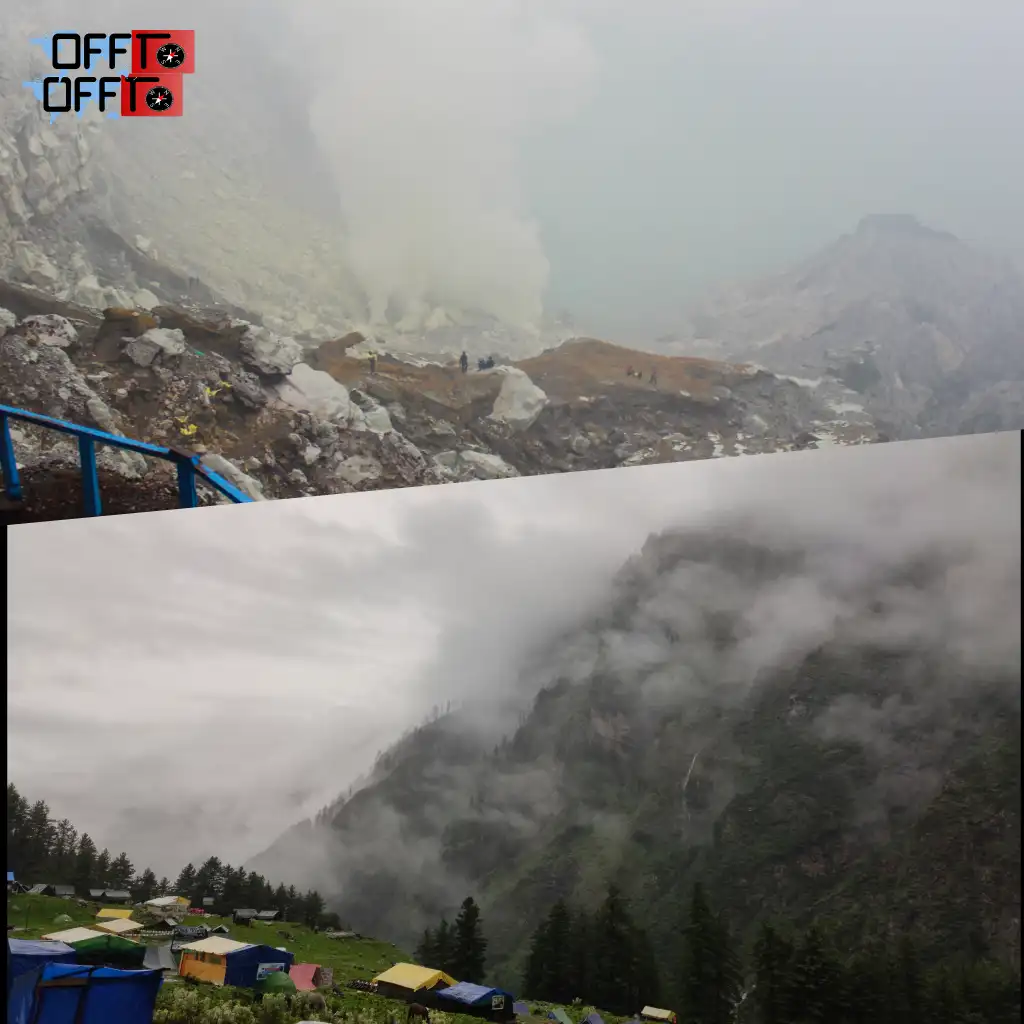
Day 1: From Lohajung to Didina Village
Distance: 10-12 km
Time: 4-5 hours
Altitude: 2,440 meters (8,005 feet)
The trek starts at Lohajung, a small town in Chamoli district of Uttarakhand, which serves as the base camp for your journey. To begin your adventure, you’ll make your way from Lohajung to Didina Village, a picturesque settlement that marks the first leg of your Roopkund Trek.
- Terrain: The initial stretch takes you through dense oak and pine forests, offering shade and a pleasant environment. The path is well-defined and relatively gentle, which makes for a comfortable start.
- Highlights: Along the way, enjoy views of the Trishul Peak and Nanda Ghunti. The surrounding mountainous landscapes are absolutely stunning, and the first glimpse of the Himalayas sets the stage for the days ahead.
By the time you reach Didina Village, you will have already started your journey into the heart of the Himalayas. You’ll set up camp here and take a well-deserved rest after your first day of trekking. Didina is a small, peaceful village, and the perfect spot to acclimatize before continuing on
Day 2: Didina Village to Ali Bugyal
Distance: 12-14 km
Time: 5-6 hours
Altitude: 3,300 meters (10,827 feet)
On the second day of your trek, you’ll leave Didina Village and head towards Ali Bugyal, a high-altitude meadow known for its lush greenery and panoramic views.
- Terrain: The trail becomes steeper as you ascend through dense forests, transitioning into alpine meadows as you approach Ali Bugyal. Expect breathtaking vistas of the surrounding snow-capped peaks, including Nanda Ghunti and Trishul.
- Highlights: Ali Bugyal is famous for its sprawling meadows, and the sight of lush pastures surrounded by towering peaks makes it one of the most beautiful spots on the trek. Along the way, you may also pass through grazing lands where you’ll encounter local shepherds and their flocks of sheep and goats.
Reaching Ali Bugyal is a major milestone, as it provides a stunning panoramic view of the Himalayas. The camp here will offer trekkers the chance to rest and take in the awe-inspiring scenery.
Day 3: Ali Bugyal to Roopkund Lake
Distance: 6-7 km
Time: 5-6 hours
Altitude: 5,029 meters (16,500 feet)
This is the most thrilling day of the trek, as you make your way to the iconic Roopkund Lake—the main destination of the trek.
- Terrain: The trail from Ali Bugyal to Roopkund Lake becomes significantly more challenging. The path leads through rocky terrains and alpine meadows, and as you approach higher altitudes, the air becomes thinner, requiring careful acclimatization.
- Highlights: As you near the lake, you’ll encounter sweeping meadows, rugged rocky cliffs, and wide-open spaces with views of snow-covered peaks. Once at Roopkund Lake, you’ll be able to explore the mysterious skeletal remains found near the lake, which have sparked numerous theories about the origins of those who perished there.
Reaching Roopkund Lake is a momentous occasion, both for its natural beauty and the haunting mystery of the bones scattered around the water’s edge. You’ll spend some time at the lake, soaking in its beauty and reflecting on the significance of the location.
Reaching Roopkund Lake is a momentous occasion, both for its natural beauty and the haunting mystery of the bones scattered around the water’s edge. You’ll spend some time at the lake, soaking in its beauty and reflecting on the significance of the location.
Day 4: Roopkund to Back to Lohajung
Distance: 16-18 km
Time: 7-8 hours
Altitude: 2,440 meters (8,005 feet)
The final day of the trek involves descending from Roopkund Lake back to Lohajung, completing the circuit.
- Terrain: The descent will be through rocky paths, meadows, and forests. While descending might be easier than ascending, it still requires focus and care, as the terrain can be slippery and uneven.
- Highlights: As you descend, you’ll pass through scenic valleys, vibrant meadows, and forests, offering a relaxing end to an otherwise challenging trek.
Upon reaching Lohajung, you’ll have completed the Roopkund Trek, filled with memories of the stunning landscapes, the mysterious lake, and the challenge of high-altitude trekking.
How to Reach Roopkund Lake
Getting to Roopkund Lake requires some effort, as the trek begins from Lohajung, a remote town in the Chamoli district of Uttarakhand. However, once you’ve made your way to Lohajung, the rest of the journey is a fascinating and scenic adventure.
The Best Routes to Roopkund Lake
To reach Roopkund Lake, follow these steps:
- Reach Rishikesh or Haridwar: The most convenient way to begin your journey is to take a train or bus to Rishikesh or Haridwar, two major cities in Uttarakhand. Both cities are well-connected by rail and road to other parts of India
- Travel to Lohajung: From Rishikesh or Haridwar, hire a private taxi or take a bus to Lohajung. The drive is approximately 8-10 hours, and it covers a distance of around 200 kilometers. The journey can be long but offers spectacular views of the mountains along the way.
- Start the Trek: Once you reach Lohajung, you can begin the trek to Roopkund Lake. You’ll likely need to book a trekking package or hire a guide from Lohajung to ensure you have proper permits and support for the trek.
Transport Options to Reach Lohajung
- By Bus: From Rishikesh or Haridwar, you can take a local bus to Lohajung. While this is an affordable option, the journey can be long and uncomfortable due to winding mountain roads
- By Taxi: A more convenient but expensive option is to hire a private taxi. Taxis can be booked from Rishikesh, Haridwar, or even from Kathgodam. The journey offers panoramic views of the surrounding mountains and is the preferred choice for many trekkers.
- By Train: The nearest railway station to Lohajung is Kathgodam, which is about 200 kilometers away. From Kathgodam, you can take a taxi or bus to reach Lohajung.
Trek Preparation Tips for Roopkund Lake
Before embarking on the Roopkund Trek, it’s crucial to be well-prepared. Here’s a packing list and some tips to ensure a safe and successful trek:
1. Packing List:
- Warm Clothing: Even during summer, the temperatures can be cold at higher altitudes. Pack thermal wear, fleece jackets, and windproof layers.
- Trekking Shoes: Comfortable, durable trekking boots are essential for navigating rough, rocky paths.
- Waterproof Gear: Weather in the mountains can be unpredictable, so bring a waterproof jacket and pants.
- Personal Medications: Ensure you have any necessary personal medications, including for altitude sickness.
- Warm Clothing: Even during summer, the temperatures can be cold at higher altitudes. Pack thermal wear, fleece jackets, and windproof layers.
2. Fitness Level: The Roopkund Trek is moderately difficult, so it’s important to be in good physical condition. Start preparing 4-6 weeks before the trek by jogging, hiking, and doing cardio workouts.
3. Acclimatization: To prevent altitude sickness, take your time to acclimatize. Drink plenty of water, avoid alcohol, and rest if you feel lightheaded.
4. Stay Hydrated and Nourished: Make sure to carry energy-boosting snacks like nuts, dried fruits, and electrolyte drinks to keep your energy levels up during the trek.
5. Trekking Permits: Ensure you have all the necessary permits for trekking in Uttarakhand. These are typically obtained through trekking agencies or local authorities in Lohajung
Travel Tips for the Roopkund Trek
Embarking on the Roopkund Trek is an exciting adventure, but it requires proper preparation. The trek’s high-altitude terrain, remote location, and unpredictable weather make it essential to pack wisely and follow important safety guidelines. Below are some essential travel tips to ensure a smooth and enjoyable journey.
Essential Gear for the Roopkund Trek
Packing the right gear is critical to ensure a safe and comfortable trekking experience. Here’s a list of the essential gear you should bring for the Roopkund Trek:
1. Clothing:
- Base Layers: Moisture-wicking base layers (tops and bottoms) to keep you dry and comfortable.
- Insulating Layers: Fleece jackets or down jackets to protect you from the cold, especially during the evenings and at high altitudes.
- Waterproof Jacket: A lightweight, waterproof jacket to shield you from rain and wind.
- Trekking Pants: Comfortable trekking pants (preferably quick-dry) for flexibility and comfort.
- Thermal Wear: Thermal inner wear for extra warmth during cold nights at high altitudes.
- Base Layers: Moisture-wicking base layers (tops and bottoms) to keep you dry and comfortable.
2. Footwear:
- Trekking Shoes: Durable waterproof trekking boots with good ankle support are essential for navigating rocky terrains and preventing injuries.
- Camp Shoes: Light slippers or sandals for wearing around camp after a long day of trekking.
3. Backpack:
A 50-60 liter trekking backpack with a waterproof cover to carry your gear comfortably. Make sure it’s not too heavy as you’ll be carrying it for several days.
4. Sleep System:
- A sleeping bag rated for cold temperatures (at least -5°C) for the chilly nights at high altitudes.
- Sleeping pad for extra insulation from the cold ground.
5. Hydration:
- A hydration system (like a camelbak or water bottle) to ensure you stay hydrated during the trek.
- Water purification tablets or a water filter to ensure safe drinking water during the trek.
Plan Your Roopkund Trek with Offto Travellers
If you’re ready to take on the Roopkund Trek, planning ahead is essential for a safe and memorable experience. With Offto Travellers, you can enjoy a seamless trekking experience, with all logistics taken care of by our expert team. We offer trekking packages that include everything you need for a successful trek:
- Experienced Guides: Our local guides are well-trained and have a wealth of knowledge about the terrain, history, and safety precautions.
- Customized Itineraries: Whether you’re a beginner or an experienced trekker, we offer customized itineraries that match your skill level and interests.
- Safe and Comfortable Accommodations: We ensure that you have comfortable campsites and guesthouses along the way.
- Trekking Permits and Documentation: We handle all the necessary permits, ensuring a hassle-free experience for you.
- Logistics Support: From transportation to meals and equipment, everything is taken care of.
When you book with Offto Travellers, you’re not just booking a trek—you’re embarking on a journey with experts who will make sure your Roopkund adventure is both safe and unforgettable.
FAQs
Where is Roopkund Lake Situated?
Roopkund Lake is located in the state of Uttarakhand, India, nestled in the Nanda Devi Biosphere Reserve in the Himalayas, at an altitude of approximately 5,029 meters (16,500 feet) above sea level.
What is the Mystery of Roopkund Lake?
Roopkund Lake is known for the human skeletons found around it. The mystery lies in the origins of the bodies—some theories suggest they are from a group of pilgrims or soldiers who perished due to a hailstorm, while others believe the skeletons date back to ancient times.
How to Reach Roopkund Lake?
To reach Roopkund Lake, one must first travel to Lohajung, which is the starting point of the trek. From there, the journey involves a multi-day trek through villages, alpine meadows, and rocky terrains.
How Long is the Roopkund Trek?
The total trekking distance to Roopkund Lake is about 26-28 kilometers (13-14 kilometers one way). The trek typically takes around 4 days, depending on the pace and stops along the way.
What is the Best Time to Visit Roopkund Trek?
The best time to visit Roopkund is between May to June and September to October. These months offer pleasant weather for trekking, with clear skies and moderate temperatures. The monsoon season (July-August) is not recommended due to slippery trails and heavy rainfall.
What is the Roopkund Trek Difficulty?
The Roopkund Trek is considered moderate to difficult due to its high-altitude terrain and unpredictable weather conditions. It requires a decent level of fitness and previous trekking experience to handle the steep ascents and descents.
Are the Roopkund Skeletons Really Ancient?
The skeletal remains found at Roopkund Lake are believed to date back to the 9th century. Carbon dating and various studies have provided evidence that these remains belong to people who died in a mass tragedy, possibly due to a hailstorm.
Is Roopkund Lake Trek Crowded?
While Roopkund Trek is popular among trekkers, it is not as crowded as some other Himalayan treks. The trek sees more visitors during the peak summer months, but due to its remote location, it still feels relatively peaceful compared to other well-known treks.
What Are the Best Hotels Near Roopkund?
There are no accommodations near Roopkund Lake itself as it is a high-altitude trek. However, trekkers usually stay in guesthouses or camps in Lohajung or other base camps before starting the trek.
Know more >>>
Valley of Flowers Trek – Ultimate Guide to Best Time, Difficulty, and Flora
Sandakphu Trek – Complete Guide to Best Time, Route, Weather & Tips
Best experienced on the Offto Travellers app
Get the Offto app to explore travel stories, share your own journeys, connect with travellers, and book trips—all in one place.
Play StoreApp Store
Leave a Reply