
Kareri Lake Trek is a scenic Himalayan trek in Himachal Pradesh near Dharamshala, leading to a high-altitude glacial lake at 2,934 meters (9,626 ft). The trek starts from Kareri village and covers roughly 13–14 km one way, passing pine forests, wooden bridges, and mountain streams. It is considered a moderate trek ideal for beginners and weekend trekkers.
Kareri Lake Trek in a Nutshell
Hidden in the Dhauladhar range of Kareri Himachal Pradesh, the Kareri Lake Trek is one of the most rewarding short Himalayan treks for travelers who want raw mountain beauty without committing to a long expedition. The trail leads to Kareri Lake, a high-altitude glacial lake known for its crystal-clear water, peaceful surroundings, and dramatic views of snow-covered peaks.
What makes this trek particularly appealing is its balance between accessibility and wilderness. Within just a couple of days, trekkers move from quiet mountain villages to dense pine forests, river crossings, alpine meadows, and finally the serene lake sitting high in the mountains.
Unlike crowded Himalayan routes, the Kareri trek still feels relatively untouched. The journey is less about rushing to a viewpoint and more about experiencing the rhythm of the mountains — walking beside mountain streams, crossing wooden bridges, and watching the landscape slowly open up toward the Dhauladhar peaks.
Because of its manageable distance and moderate difficulty, the Kareri Lake trek has become popular among weekend trekkers, beginners, and travelers looking for a peaceful alternative to busier trails around Dharamshala.
Where is Kareri Lake Located in Himachal Pradesh
Kareri Lake is located in the Kangra district of Himachal Pradesh, roughly 27 kilometers from Dharamshala and around 9 kilometers beyond the small Himalayan settlement of Kareri village. The lake lies within the Dhauladhar mountain range, which forms a dramatic backdrop across much of the region.
The trek begins from Kareri village, a quiet mountain village surrounded by terraced fields, traditional homes, and dense forests. From here, the trail gradually climbs through pine and oak forests, following a mountain stream that originates near the lake.
Geographically, Kareri Lake sits at an altitude of about 2,934 meters (9,626 feet) above sea level. The lake itself is fed by melting snow from the surrounding Dhauladhar peaks, which is why its water is exceptionally clear and often reflects the mountains around it like a mirror.
Despite being close to Dharamshala, the region around Kareri Himachal Pradesh remains peaceful and far less commercialized than other trekking areas. This makes the Kareri Lake trek feel remote while still being accessible for a short Himalayan adventure.
Why Kareri Lake Trek is Special
Many Himalayan treks require weeks of planning and long travel distances, but the Kareri Lake trek offers a surprisingly immersive mountain experience within just a couple of days. That is part of what makes it special.
The trail combines several classic Himalayan elements in a short route. Trekkers pass through thick forests, cross wooden bridges over fast-flowing streams, and walk through open alpine meadows before reaching the lake. Along the way, the sound of water is almost constant, as the trail follows the Nyund stream that eventually feeds Kareri Lake.
Another reason the Kareri trek stands out is its sense of quiet. Compared to more famous Himalayan treks like Triund, the trail toward Kareri Lake often feels peaceful, especially on weekdays. Many trekkers appreciate the slower pace of the journey and the opportunity to spend time surrounded by untouched mountain landscapes.
The lake itself is the highlight. Sitting beneath the towering ridges of the Dhauladhar range, Kareri Lake feels both dramatic and calm. On clear days, the surface of the lake reflects the surrounding mountains, creating one of the most beautiful alpine scenes in Himachal Pradesh.
For travelers who want their first real Himalayan trekking experience, the Kareri Lake trek offers a perfect introduction.
Kareri Lake Altitude and Terrain Overview
One of the most important things to understand before starting the Kareri Lake trek is its altitude and terrain. The lake sits at an elevation of approximately 2,934 meters, which places it firmly in the high-altitude category of Himalayan treks.
The journey begins much lower, at Kareri village, which lies at around 1,800 meters above sea level. From there, the trail steadily climbs through forests and rocky paths toward the lake.
Most of the terrain on the Kareri trek includes:
- Forest trails through pine and oak trees
- Rocky sections along mountain streams
- Wooden bridges crossing glacial water
- Open alpine meadows near the upper sections of the trek
Although the altitude is significant, the gradual ascent helps trekkers adjust naturally during the journey. The trail is generally well-defined, and most sections are manageable for reasonably fit travelers.
Because the lake is fed by melting snow, the surrounding terrain can change depending on the season. In summer and autumn the trail is mostly clear and scenic, while in winter snow can cover large portions of the route, making the Kareri Lake trek more challenging.
Understanding the Kareri Lake altitude and terrain helps trekkers prepare properly for the journey while appreciating the dramatic Himalayan environment that makes this trek so memorable.
Kareri Lake Trek Distance, Route & Difficulty
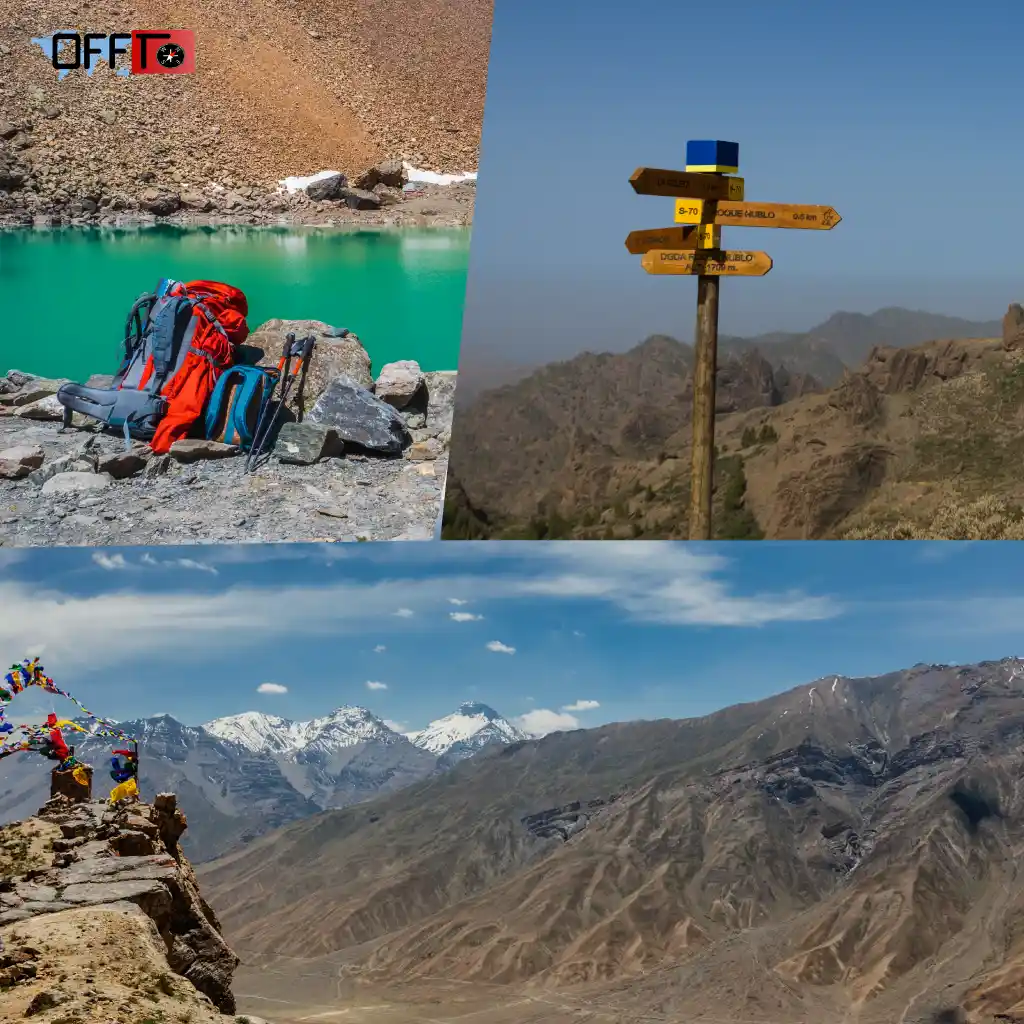
The Kareri Lake trek distance is approximately 13–14 kilometers one way, making it around 26–28 kilometers round trip from Kareri village to the lake and back. Most trekkers complete the journey over two days, though some experienced hikers attempt it as a long single-day trek.
The route gradually climbs through forests, riverside trails, and alpine meadows before reaching the lake. Because of its manageable distance and well-marked trail, the Kareri Lake trek is considered a moderate Himalayan trek suitable for beginners with basic fitness.
Kareri Lake Trek Distance and Total Duration
The total Kareri Lake trek distance is usually measured from Kareri village to Kareri Lake, which is roughly 13 to 14 kilometers. The round trip therefore covers approximately 26 to 28 kilometers.
Most trekking itineraries follow this simple structure:
- Day 1: Kareri village to Reoti campsite (about 8–9 km)
- Day 2: Reoti campsite to Kareri Lake and return to the village
Depending on walking speed and rest breaks, the ascent typically takes 5 to 7 hours. The return journey is faster, often taking 4 to 5 hours.
While the distance may sound long, the trail is gradual and scenic, which makes the trek feel less demanding than many other Himalayan routes.
Kareri Lake Trek Starting Point
The official Kareri Lake trek starting point is Kareri village, a small Himalayan settlement located around 27 kilometers from Dharamshala in Kangra district.
Trekkers usually reach Kareri village by road from Dharamshala or McLeod Ganj. The drive itself is beautiful, passing through mountain roads, small villages, and forested hillsides.
Once in the village, the trek begins near the local temple area where the trail gradually enters the forest. From here, the route follows a river valley and steadily climbs toward the lake.
Kareri village also serves as an important base for the trek. Many travelers spend a night here before starting the hike, staying in local guesthouses or homestays that offer a glimpse into traditional mountain life in Kareri Himachal Pradesh.
Kareri Village to Kareri Lake Route Explained
The trail from Kareri village to Kareri Lake follows a scenic route along the Nyund stream, one of the defining features of the trek.
The first section of the trail passes through dense forests filled with pine and oak trees. Wooden bridges cross the stream at several points, creating some of the most picturesque moments of the journey.
After a few hours of hiking, trekkers usually reach Reoti campsite, a popular resting point located roughly halfway along the route. Many trekkers choose to camp here overnight.
Beyond Reoti, the terrain gradually becomes more alpine. Trees thin out, the valley widens, and the surrounding mountains become more visible. The final stretch leads through rocky terrain before reaching the glacial waters of Kareri Lake.
Because the trail follows the river for much of the journey, water sources are abundant, which makes the Kareri trek both scenic and relatively comfortable for trekkers.
Trek Difficulty Level – Is Kareri Lake Trek Beginner Friendly?
Yes, the Kareri Lake trek is widely considered beginner friendly, although it still requires basic fitness and preparation.
The main reasons the trek is suitable for beginners include:
- Gradual ascent through most sections of the trail
- Well-defined trekking route
- Moderate overall Kareri Lake trek distance
- Availability of camping spots and resting points
However, it is still a Himalayan trek, which means trekkers should be prepared for long walking hours, uneven terrain, and changing weather conditions.
For travelers attempting their first Himalayan trek, the Kareri Lake trek offers a balanced challenge. It is demanding enough to feel adventurous, yet accessible enough for those without extensive trekking experience.
How Long Does the Kareri Lake Trek Take?
Most trekkers complete the Kareri Lake trek in two days, which is the most comfortable and widely recommended schedule.
A typical timeline looks like this:
Day 1:
Dharamshala → Kareri village → Trek to Reoti campsite
Day 2:
Reoti → Kareri Lake → Return to Kareri village
Experienced hikers sometimes complete the trek in one long day, but this requires starting early and maintaining a steady pace throughout the journey.
For travelers who want to enjoy the landscape without rushing, a 2-day or even 3-day itinerary allows more time to experience the peaceful environment around Kareri Lake and the surrounding mountains of Himachal Pradesh.
Detailed Kareri Lake Trek Route Guide
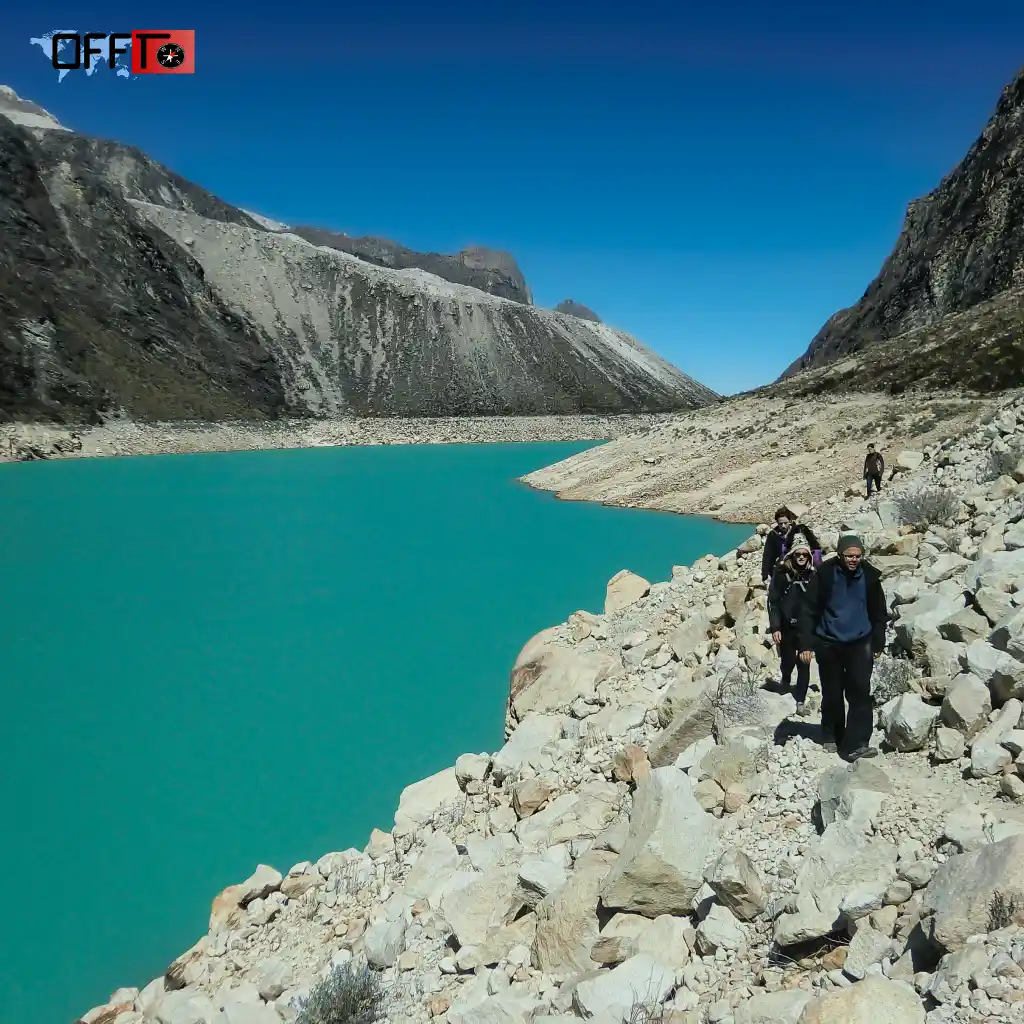
Understanding the route in advance helps trekkers plan their journey better and appreciate the landscapes along the way. The Kareri Lake trek is not just about reaching the lake — the entire trail is filled with beautiful forests, river crossings, and changing mountain scenery.
Starting from Dharamshala, the journey gradually moves from lively hill towns into quieter Himalayan terrain before finally reaching the high-altitude glacial waters of Kareri Lake.
Dharamshala to Kareri Village
The journey toward the Kareri Lake trek starting point begins from Dharamshala, one of the main hill towns in Himachal Pradesh. Kareri village is located about 27 kilometers from Dharamshala, and the drive typically takes 1.5 to 2 hours depending on road conditions.
Most travelers reach Dharamshala by bus or taxi from cities such as Delhi, Chandigarh, or Pathankot. From Dharamshala, local taxis and shared cabs are the easiest way to reach Kareri village, which sits quietly at the edge of dense Himalayan forests.
The drive itself is scenic. Roads wind through small mountain settlements, terraced fields, and pine forests. As you approach Kareri Himachal Pradesh, the landscape begins to feel quieter and more rural compared to the busy streets of McLeod Ganj.
Kareri village serves as the main base for the Kareri trek. Many trekkers choose to spend a night here in a homestay or guesthouse before starting early the next morning. This not only allows time to adjust to the altitude but also offers a chance to experience the peaceful rhythm of village life in the mountains.
Kareri Village to Reoti Campsite
The trek officially begins from Kareri village, where the trail gradually climbs along the Nyund stream. This section of the Kareri Lake trek is one of the most scenic parts of the journey.
The path moves through dense forests of pine, oak, and rhododendron. Wooden bridges cross the river at multiple points, and the sound of flowing water accompanies trekkers almost the entire way.
The distance from Kareri village to Reoti campsite is roughly 8 to 9 kilometers, and most trekkers take 4 to 5 hours to reach this midpoint. The ascent here is steady but not too steep, making it manageable even for first-time trekkers.
Along the way, small resting spots appear near riverbanks and open clearings where trekkers often stop for short breaks. The surrounding mountains slowly begin to appear as the forest becomes thinner.
Reoti campsite is the most common overnight stop during the Kareri Lake trek. The area offers open spaces for camping and is surrounded by meadows and streams, creating a peaceful environment to rest before the final climb to the lake.
Reoti to Kareri Lake
The stretch from Reoti campsite to Kareri Lake is shorter but slightly more demanding compared to the earlier section of the trek.
This final part of the Kareri trek is roughly 4 to 5 kilometers, usually taking about 2 to 3 hours to complete. As trekkers move higher into the mountains, the landscape changes noticeably.
Forests begin to thin out, giving way to rocky terrain and alpine meadows. The valley widens, and the dramatic ridges of the Dhauladhar range come into clearer view. Snow patches can sometimes be seen along the trail, especially during early summer or late autumn.
Eventually, the trail opens up to reveal Kareri Lake, a pristine glacial lake surrounded by mountains. The water here is incredibly clear because it is fed directly by melting snow from the surrounding peaks.
At an elevation of nearly 2,934 meters, the lake offers breathtaking views and a calm atmosphere that makes the effort of the Kareri Lake trek distance completely worthwhile.
Trail Highlights – Forests, Rivers and Snow Views
One of the reasons the Kareri Lake trek stands out among short Himalayan treks is the variety of landscapes encountered along the trail.
The trek begins with dense forests filled with tall pine and oak trees. These forests provide shade and create a peaceful walking environment where the only sounds are birds, wind, and the nearby river.
As trekkers move further along the route, the trail frequently crosses small wooden bridges over mountain streams. These rivers originate from the snowfields of the Dhauladhar mountains and eventually feed into Kareri Lake.
Higher up, the terrain becomes more open. Meadows appear along the valley, and the views of surrounding peaks become increasingly dramatic. During certain months, patches of snow remain near the upper sections of the trail, adding to the alpine beauty of the region.
The changing landscapes are what make the Kareri trek feel like a complete Himalayan experience despite its relatively short distance.
Kareri Lake Altitude, Weather & Temperature
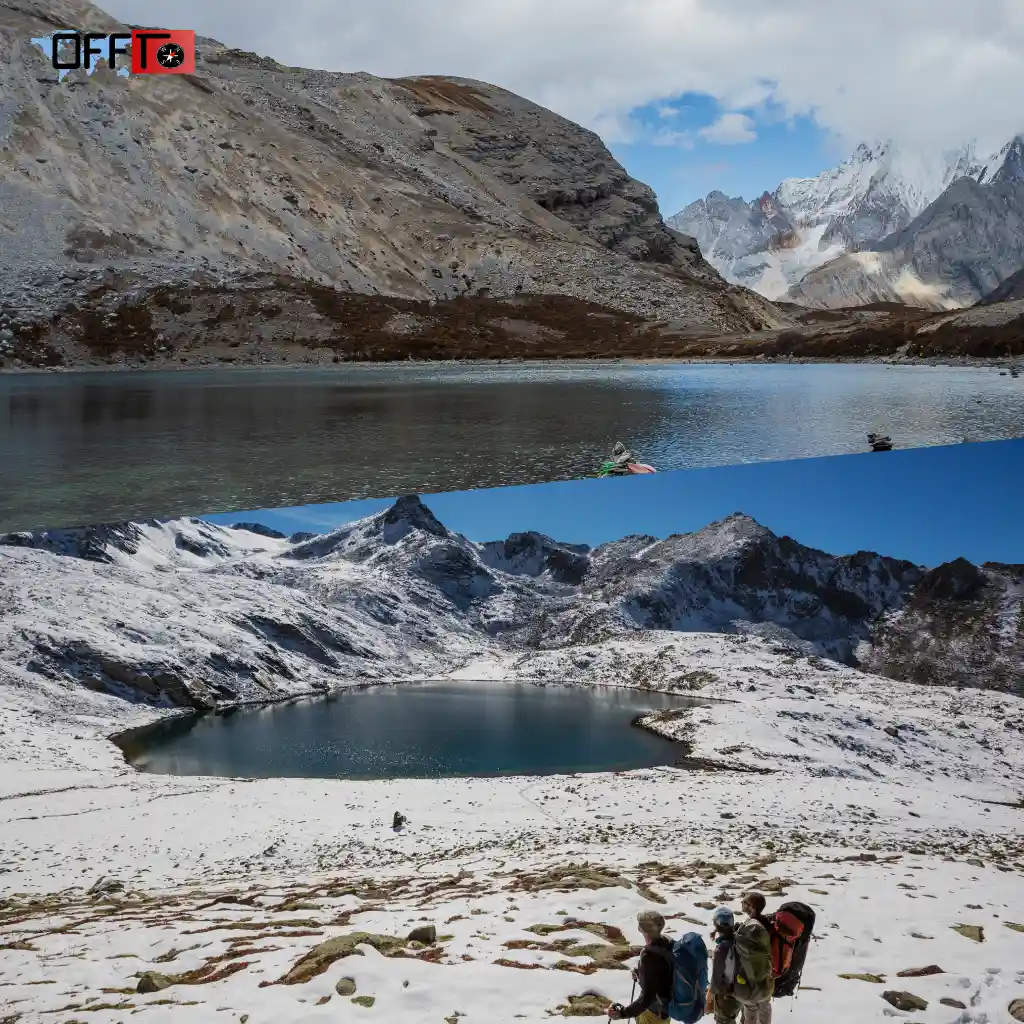
Weather conditions play an important role in planning the Kareri Lake trek. Because the lake sits at a high elevation in the Dhauladhar range, temperatures and weather patterns can change quickly depending on the season.
Understanding the Kareri Lake altitude, seasonal climate, and typical Kareri Lake temperature helps trekkers choose the best time to visit and prepare for changing mountain conditions.
Kareri Lake Altitude
The Kareri Lake altitude is approximately 2,934 meters (9,626 feet) above sea level. This elevation places the lake within the alpine zone of the Dhauladhar mountain range in Himachal Pradesh.
The trek begins much lower, at Kareri village, which lies at around 1,800 meters above sea level. This means trekkers gain over 1,100 meters of elevation during the journey to the lake.
Although this altitude is manageable for most people, the thinner air and cooler temperatures become noticeable as trekkers approach the lake. Walking at a steady pace and staying hydrated usually helps trekkers adjust comfortably during the Kareri Lake trek.
Because the lake sits in a glacial basin surrounded by high ridges, the environment feels remote and dramatically different from the lower valleys.
Kareri Lake Temperature by Season
The Kareri Lake temperature varies significantly depending on the time of year. Even during summer, temperatures can feel cool due to the high altitude.
Typical temperature ranges are:
- Spring (March – April)
Temperatures range from 5°C to 15°C during the day. Snow may still remain along some sections of the trail.
- Summer (May – June)
Daytime temperatures usually range between 10°C and 20°C, making this one of the most comfortable seasons for the Kareri Lake trek.
- Monsoon (July – September)
Temperatures remain mild, but rainfall can make the trail slippery. The surrounding forests become lush and vibrant during this period.
- Autumn (October – November)
Cooler weather returns, with daytime temperatures around 5°C to 15°C and colder nights.
- Winter (December – February)
The lake often freezes, and Kareri Lake temperature can drop below –5°C, making the trek much more challenging.
Best Time to Visit Kareri Lake
The best time for the Kareri Lake trek is generally between May and June or September and October.
During these months, weather conditions are usually stable, the trail is clear, and temperatures remain comfortable for trekking.
Late spring and early summer offer pleasant weather and snow views near the upper sections of the trail. This is also when many first-time trekkers choose to attempt the Kareri trek.
Autumn, especially September and October, is another excellent time. The skies tend to be clear, offering spectacular views of the Dhauladhar range and the surrounding mountains.
While the monsoon season brings beautiful greenery, heavy rainfall can occasionally make parts of the trail slippery.
Kareri Lake in Winter vs Summer
The experience of visiting Kareri Lake can feel completely different depending on whether you go in summer or winter.
During summer, the trail is vibrant and full of life. Forests are green, streams flow strongly from melting snow, and the lake reflects the surrounding mountains under clear skies. This season is the most popular time for the Kareri Lake trek because the conditions are comfortable and accessible.
In winter, the landscape becomes dramatically different. Snow covers large parts of the trail, and the lake itself often freezes. While this creates a stunning alpine environment, trekking conditions become much more demanding.
Only experienced trekkers usually attempt the Kareri trek in winter because of the colder Kareri Lake temperature, snow-covered trails, and increased difficulty navigating the route.
For most travelers, summer and autumn remain the ideal seasons to enjoy the beauty of Kareri Lake and the surrounding mountains of Himachal Pradesh.
What Makes Kareri Lake Special
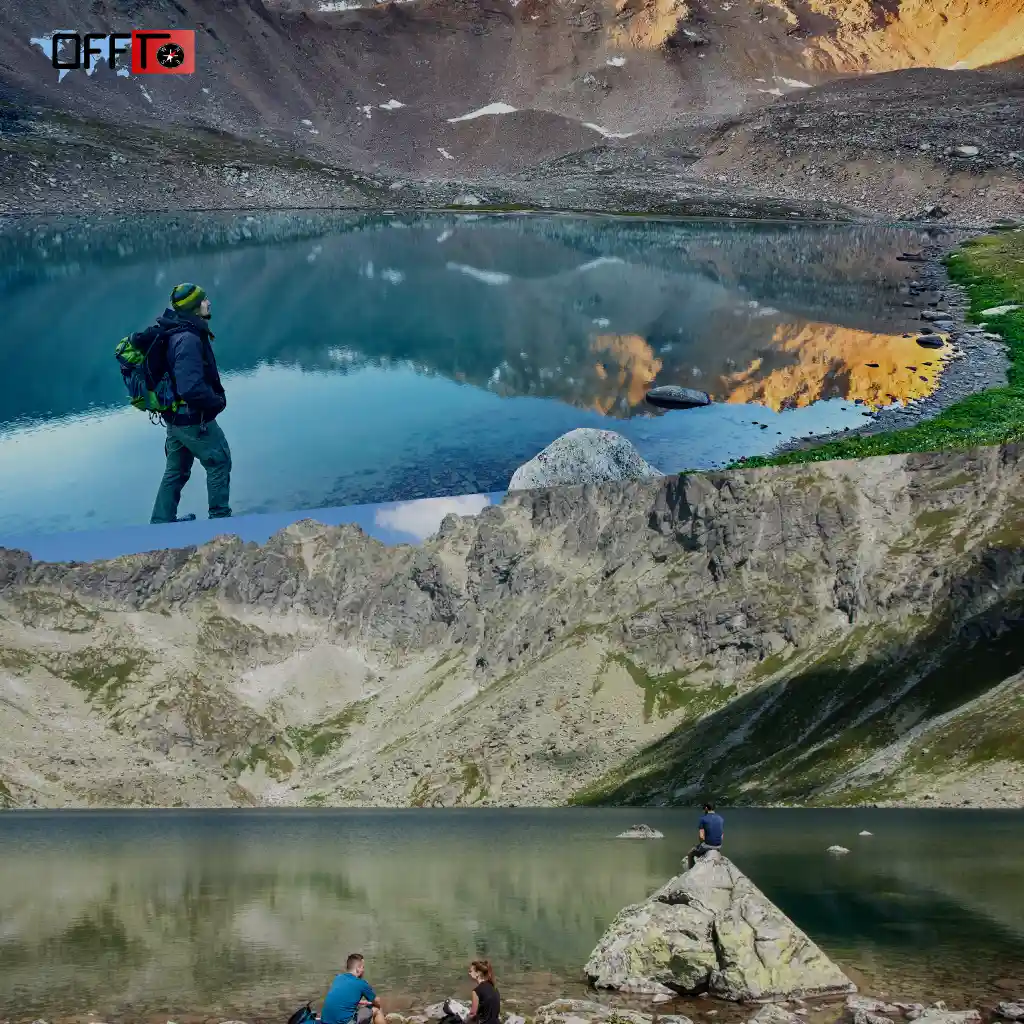
The Kareri Lake trek stands out among Himalayan treks because it combines natural beauty, cultural significance, and accessibility within a relatively short journey. Located in Kareri Himachal Pradesh, the lake sits quietly beneath the towering ridges of the Dhauladhar mountains, offering a peaceful alpine environment that feels far removed from crowded tourist spots.
Unlike many popular treks near Dharamshala, the trail toward Kareri Lake still retains a sense of calm. The journey passes through dense forests, mountain streams, and remote valleys before opening into the high-altitude basin where the lake rests.
What truly makes the destination memorable is the atmosphere around it. The lake’s clear glacial water, the surrounding snow-covered peaks, and the silence of the mountains create a landscape that feels both dramatic and serene. For many trekkers, the experience is less about reaching a viewpoint and more about immersing themselves in the raw beauty of the Himalayas.
The combination of natural scenery, mountain culture, and the rewarding Kareri Lake altitude makes this trek one of the most unique short adventures in Himachal Pradesh.
A High-Altitude Glacial Lake
At the heart of the Kareri Lake trek lies a pristine high-altitude glacial lake formed by melting snow from the surrounding peaks of the Dhauladhar range.
Situated at an elevation of around 2,934 meters, Kareri Lake is fed primarily by snowmelt and mountain streams. This is why the water here appears incredibly clear, often reflecting the sky and nearby mountains like a mirror.
Unlike many Himalayan lakes that remain hidden deep in remote valleys, Kareri Lake can be reached within a couple of days, making it one of the most accessible alpine lakes in Himachal Pradesh.
The lake remains relatively untouched by large tourist crowds. On calm days, the surface becomes almost perfectly still, creating stunning reflections of the surrounding peaks. During early summer, patches of snow can often be seen near the shoreline, adding to the alpine atmosphere.
For many trekkers, arriving at this quiet glacial lake after completing the Kareri trek becomes the most memorable moment of the journey.
Views of Dhauladhar Range
Another reason the Kareri Lake trek is so rewarding is the spectacular view of the Dhauladhar range that surrounds the lake.
The Dhauladhar mountains form a dramatic wall of jagged peaks that rise sharply above the Kangra Valley. These peaks are known for their rugged terrain, steep ridgelines, and snow-covered slopes.
As trekkers approach Kareri Lake, the valley begins to open up, revealing panoramic views of these towering mountains. The contrast between the dark rocky peaks and the clear blue sky creates a striking Himalayan landscape.
During sunrise and sunset, the mountains often glow with soft golden light, making the scenery even more beautiful. The reflections of the Dhauladhar peaks in the calm waters of Kareri Lake add to the visual appeal of the destination.
Because the lake sits within a relatively open alpine basin, visitors can enjoy uninterrupted views of the surrounding mountains — something that makes the Kareri Lake trek feel like a true Himalayan experience.
Spiritual Significance of Kareri Lake
Beyond its natural beauty, Kareri Lake also holds cultural and spiritual significance for local communities in Kareri Himachal Pradesh.
Near the lake stands a small temple dedicated to Lord Shiva, which is maintained by local villagers and shepherds. For many people living in the surrounding regions, the lake is considered sacred.
Local shepherds from the Gaddi community often visit the area during summer months while grazing their livestock in nearby alpine meadows. Over time, the lake has become part of local traditions and stories connected to the mountains.
Many trekkers notice the peaceful atmosphere around the temple and the lake. Even during trekking season, the area often feels calm and respectful, with visitors quietly enjoying the surroundings.
This blend of natural beauty and spiritual presence adds another layer of meaning to the Kareri trek, making the destination feel more than just a scenic viewpoint in the Himalayas.
2-Day Kareri Lake Trek Itinerary
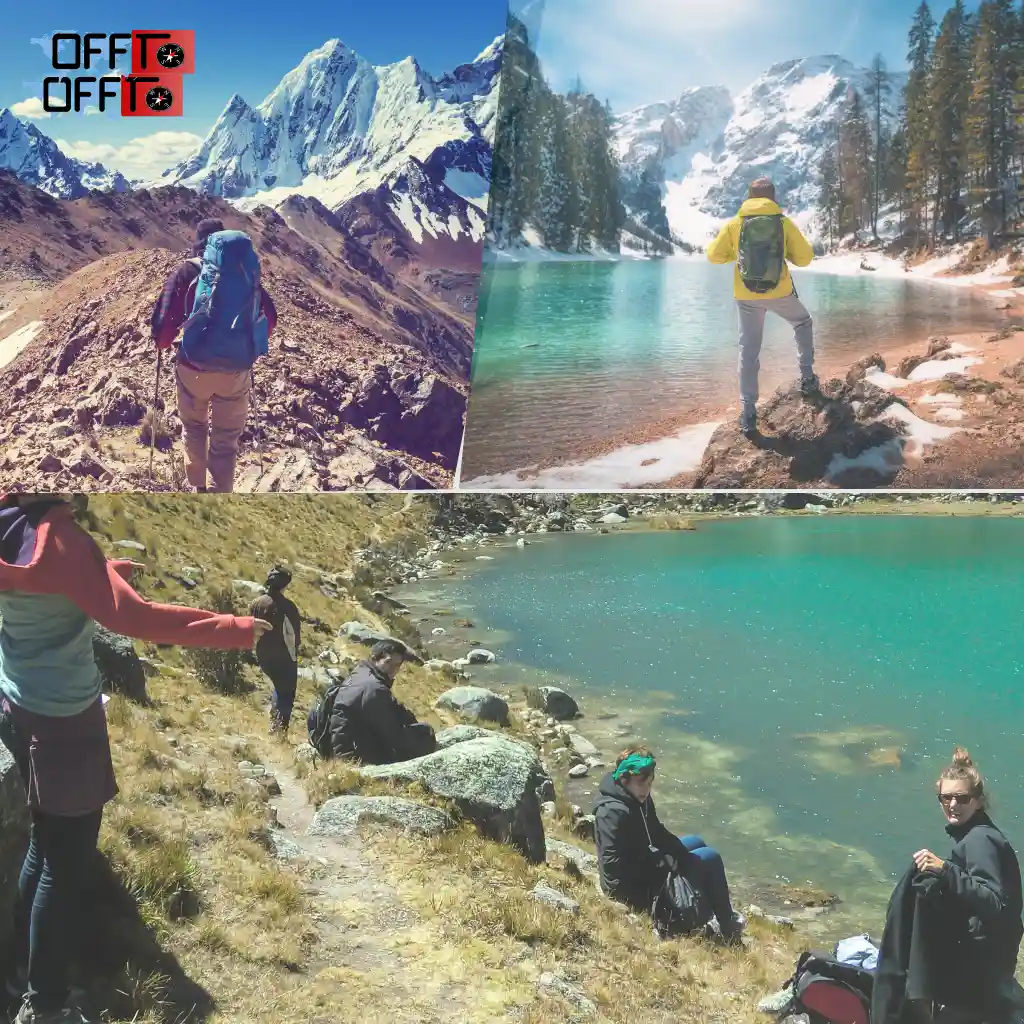
For most travelers, the Kareri Lake trek is best completed over two days. This allows enough time to walk comfortably, enjoy the scenery, and spend a night in the mountains without rushing through the experience.
The total Kareri Lake trek distance is around 26 to 28 kilometers round trip, which makes a two-day itinerary ideal for beginners as well as experienced trekkers looking for a short Himalayan adventure.
This schedule also allows trekkers to experience the forest trail, camp near mountain streams, and reach Kareri Lake early enough to enjoy the views before beginning the return journey.
Day 1 – Dharamshala to Kareri Village to Reoti Camp
The first day of the Kareri Lake trek usually begins with a drive from Dharamshala to Kareri village, the official Kareri Lake trek starting point. The journey by road takes around 1.5 to 2 hours and offers beautiful views of the surrounding hills and forests.
Once in Kareri village, the trekking route gradually enters the forest and begins following the Nyund stream upstream.
The trail passes through thick pine and oak forests, with several wooden bridges crossing the river along the way. The sound of flowing water and the cool mountain air make this section of the trek particularly enjoyable.
After trekking for about 4 to 5 hours, most trekkers reach Reoti campsite, located roughly 8 to 9 kilometers from Kareri village. This scenic campsite sits beside a stream and offers open spaces for tents.
Spending the night at Reoti allows trekkers to rest before the final climb to Kareri Lake the next morning.
Day 2 – Reoti Camp to Kareri Lake and Return
The second day begins early, as trekkers continue the remaining 4 to 5 kilometers toward Kareri Lake.
This section of the Kareri trek climbs gradually above the tree line, revealing wider views of the surrounding mountains. The terrain becomes more rocky, and alpine meadows begin to appear along the valley.
After about 2 to 3 hours of trekking, the trail finally reaches the glacial waters of Kareri Lake, sitting peacefully beneath the dramatic ridges of the Dhauladhar mountains.
Trekkers often spend some time exploring the lake area, visiting the small temple nearby, and enjoying the quiet mountain atmosphere.
Once the visit is complete, the return journey begins along the same trail. The descent back to Kareri village typically takes 4 to 5 hours, making it possible to reach the village by late afternoon.
This simple yet rewarding schedule makes the Kareri Lake trek one of the most accessible and scenic short treks in Himachal Pradesh.
3-Day Kareri Lake Trek Itinerary
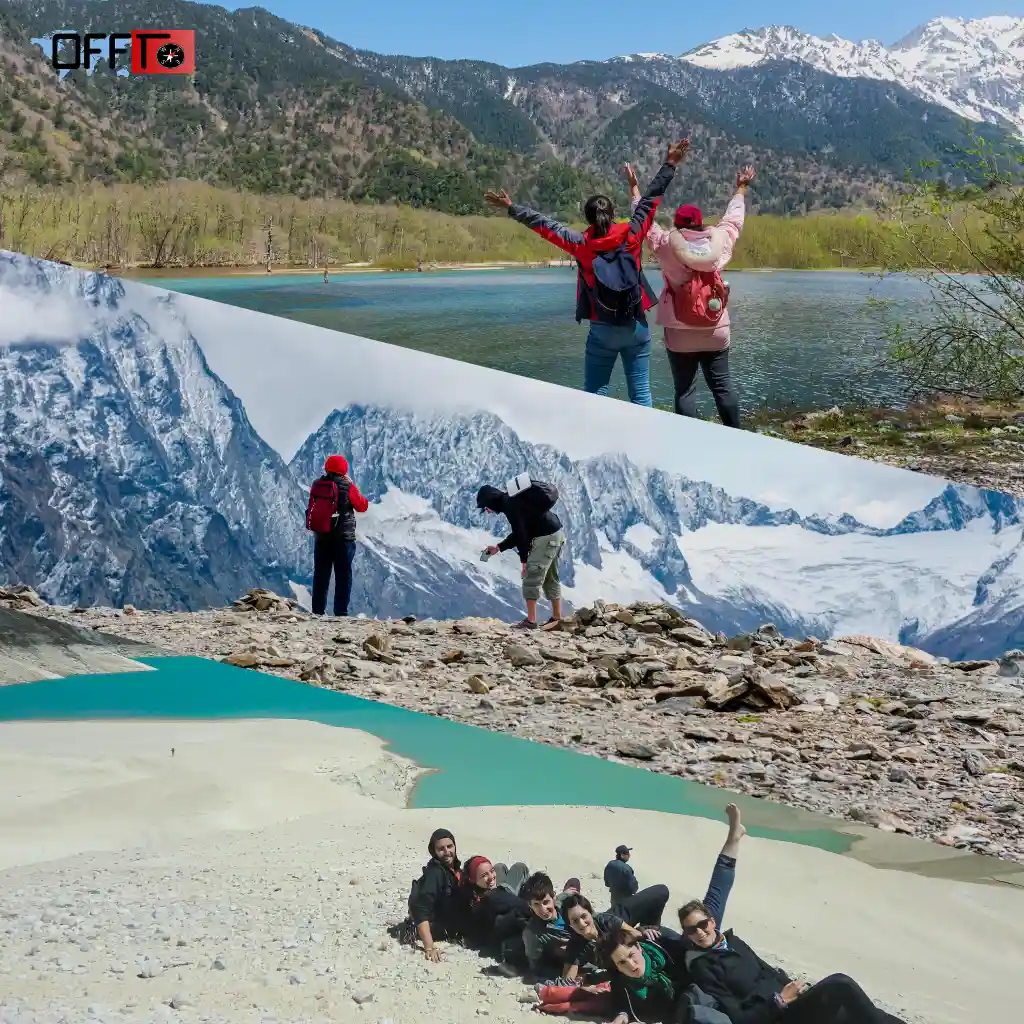
For travelers who prefer a slower pace, a 3-day Kareri Lake trek itinerary allows more time to enjoy the landscape without rushing. Instead of covering long distances each day, this plan spreads the trek across three comfortable stages.
This approach is especially suitable for beginners, photographers, or travelers who want to experience the peaceful atmosphere around Kareri Lake and the surrounding mountains of Himachal Pradesh.
A three-day itinerary also allows better acclimatization to the Kareri Lake altitude and offers more time to explore the quiet Himalayan village where the trek begins.
Day 1 – Dharamshala to Kareri Village
The journey toward the Kareri Lake trek begins from Dharamshala, a hill town located in the Kangra district of Himachal Pradesh. Kareri village, the official Kareri Lake trek starting point, is located about 27 kilometers from Dharamshala and can be reached by taxi or local transport.
The drive usually takes 1.5 to 2 hours, passing through winding mountain roads, pine forests, and small villages scattered across the hills.
Upon reaching Kareri village, travelers often spend the day exploring the quiet surroundings. The village offers beautiful views of the lower Dhauladhar mountains and provides a glimpse into traditional Himalayan life. Small temples, stone houses, and terraced farms give the village a calm and authentic character.
Many trekkers choose to stay overnight here to rest before beginning the Kareri trek the next morning. Spending time in the village also helps travelers gradually adjust to the altitude before starting the hike.
An early dinner and good rest prepare trekkers for the next day’s journey toward Kareri Lake.
Day 2 – Kareri Village to Kareri Lake
The second day is the main trekking day of the Kareri Lake trek, covering most of the distance toward the lake.
The trail begins in Kareri village and gradually follows the Nyund stream through dense forests of pine and oak. The first section of the trek feels peaceful, with birds, flowing water, and the occasional sight of grazing livestock along the trail.
Trekkers usually pass Reoti campsite, located about 8 to 9 kilometers from the village. Many hikers stop here briefly for rest before continuing toward the lake.
Beyond Reoti, the terrain slowly becomes more alpine. Trees begin to thin out, revealing wider views of the surrounding mountains. The valley opens up, and the rugged peaks of the Dhauladhar range become more prominent.
After approximately 6 to 7 hours of trekking, the trail reaches Kareri Lake, sitting quietly at an altitude of around 2,934 meters.
Many trekkers choose to camp near the lake for the night, enjoying the peaceful surroundings and the dramatic mountain scenery that makes the Kareri Lake trek so memorable.
Day 3 – Explore the Lake and Trek Back
The final day of the Kareri Lake trek begins with a relaxed morning near the lake.
Early mornings are often the most beautiful time at Kareri Lake. The surrounding mountains reflect on the calm surface of the water, and the area feels incredibly quiet before other trekkers arrive.
Visitors often take some time to walk around the lake, explore the nearby Shiva temple, or simply sit and enjoy the view of the Dhauladhar mountains rising above the valley.
After breakfast, the descent back toward Kareri village begins. Since the trail follows the same route used during the ascent, trekkers pass again through alpine meadows, rocky paths, and forest trails.
The downhill trek usually takes 4 to 5 hours, making it possible to reach Kareri village by afternoon. From there, travelers can return to Dharamshala the same day.
This slower itinerary allows trekkers to fully appreciate the landscapes, culture, and quiet beauty of Kareri Himachal Pradesh.
Where to Stay During the Kareri Lake Trek
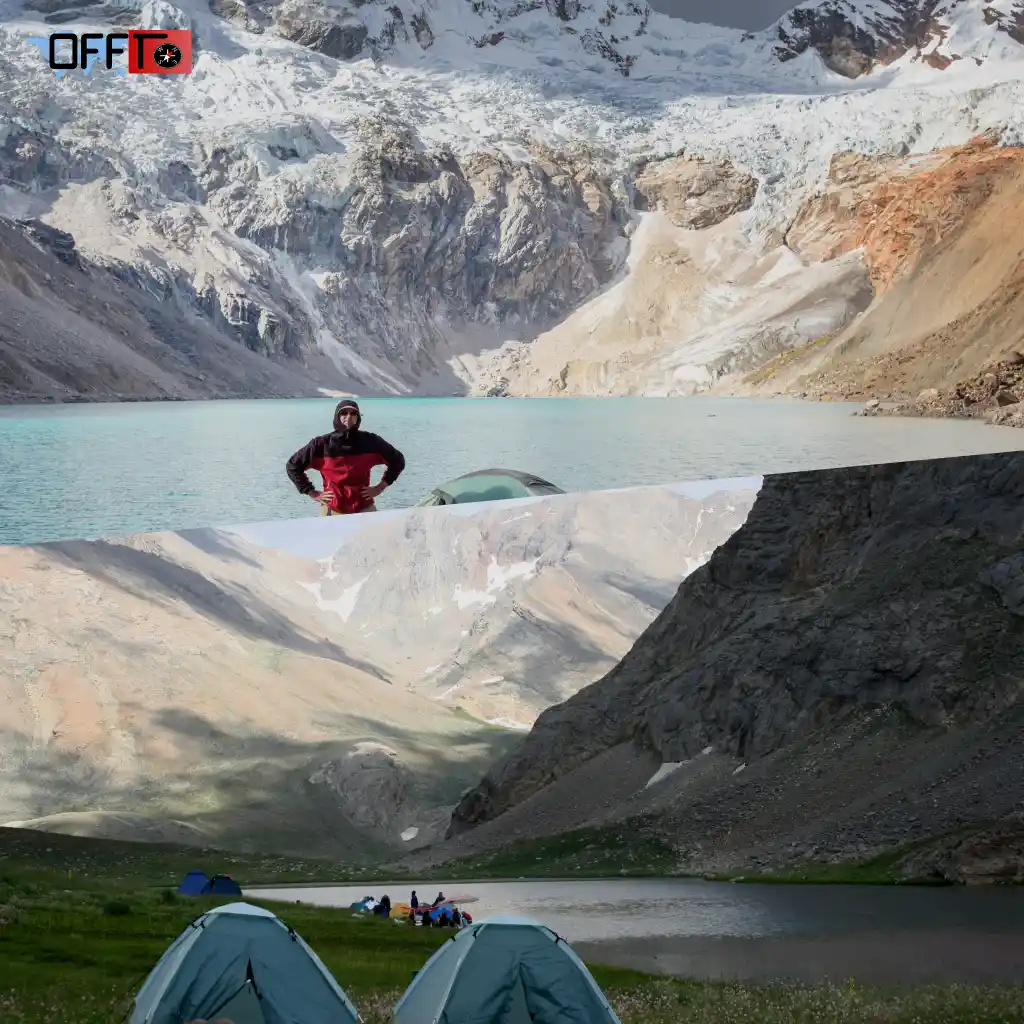
Although the Kareri Lake trek leads into remote mountain terrain, there are several comfortable accommodation options available along the route. Most trekkers either stay in Kareri village before beginning the trek or camp along the trail.
Accommodation in the region is simple but welcoming, often run by local families who host travelers visiting Kareri Himachal Pradesh.
Choosing the right place to stay can make the overall trekking experience more comfortable and enjoyable.
Guesthouses in Kareri Village
Kareri village serves as the main base for the Kareri trek, and several small guesthouses operate here during the trekking season.
These guesthouses typically offer basic but comfortable rooms with essential facilities. Travelers can expect clean bedding, simple meals, and warm hospitality from local hosts.
Staying in a guesthouse allows trekkers to rest properly before starting the trek early the next morning. It also provides an opportunity to interact with locals and learn more about daily life in the mountains.
Most guesthouses also help arrange local guides, trekking information, and sometimes packed meals for travelers heading toward Kareri Lake.
Because tourism here is still developing, the atmosphere in these guesthouses remains quiet and authentic compared to larger tourist towns.
Camping Options on the Trek
Camping is one of the most popular ways to experience the Kareri Lake trek. Several scenic camping locations exist along the route, especially near Reoti campsite and around the lake itself.
Reoti campsite is the most common overnight stop for trekkers. Located roughly halfway along the trail, it offers open grassy areas suitable for tents and easy access to nearby water sources.
Camping near Kareri Lake is also possible, though trekkers should be mindful of weather conditions and follow responsible trekking practices to protect the environment.
For travelers who do not carry their own equipment, some local trekking operators and guides provide camping gear and support services for the Kareri trek.
Spending a night under the stars in the Himalayan mountains is often one of the most memorable parts of the journey.
Homestays Near Kareri Himachal Pradesh
For travelers looking for a more personal experience, homestays near Kareri Himachal Pradesh offer a unique way to connect with the local community.
Many families in Kareri village welcome visitors into their homes, offering simple rooms and home-cooked meals. These homestays provide a warm and authentic introduction to mountain culture.
Guests often share meals with their hosts and learn about traditional farming, shepherding, and the daily lifestyle of people living in the Dhauladhar foothills.
Choosing a homestay before or after the Kareri Lake trek not only supports the local economy but also adds a meaningful cultural dimension to the trip.
For many travelers, these small interactions with local families become one of the most memorable parts of visiting Kareri Lake and the surrounding region.
Travel Tips for Kareri Lake Trek

Planning well can make the Kareri Lake trek far more comfortable and enjoyable, especially for first-time trekkers. Although the route is considered beginner-friendly, it still involves long walking hours, changing weather conditions, and high-altitude terrain.
A few practical preparations — from packing the right gear to understanding local conditions — can help ensure a smooth trekking experience in Kareri Himachal Pradesh.
Below are some useful tips to keep in mind before starting the trek.
Essential Packing List
Packing the right gear is important for any Himalayan trek, even relatively short ones like the Kareri Lake trek. Weather conditions near Kareri Lake altitude (2,934 meters) can change quickly, especially in the evening.
A basic packing list should include:
- Sturdy trekking shoes with good grip
- Warm layers such as a fleece jacket or insulated jacket
- Rain protection like a poncho or waterproof jacket
- Comfortable trekking pants and moisture-wicking clothing
- A small backpack (20–30L) for essentials
- Reusable water bottle or hydration pack
- Energy snacks like nuts, chocolate, or protein bars
- Basic first aid kit and personal medicines
- Headlamp or flashlight for early morning or evening trekking
Even during summer, nights near Kareri Lake can be cold, so carrying warm layers is always recommended.
Safety Tips for First-Time Trekkers
The Kareri Lake trek is often recommended for beginners, but basic precautions are still important to ensure a safe journey.
A few safety tips include:
- Start early in the morning to avoid trekking after dark
- Walk at a steady pace and take breaks when needed
- Stay hydrated, especially while gaining altitude
- Check weather conditions before starting the trek
- Avoid trekking alone if unfamiliar with the route
Hiring a local guide can also be helpful for first-time trekkers, especially during early spring or winter when sections of the trail may be covered with snow.
By preparing properly and trekking responsibly, visitors can enjoy the scenic beauty of Kareri Lake while staying safe in the mountains.
Hidden Experiences Around Kareri Village
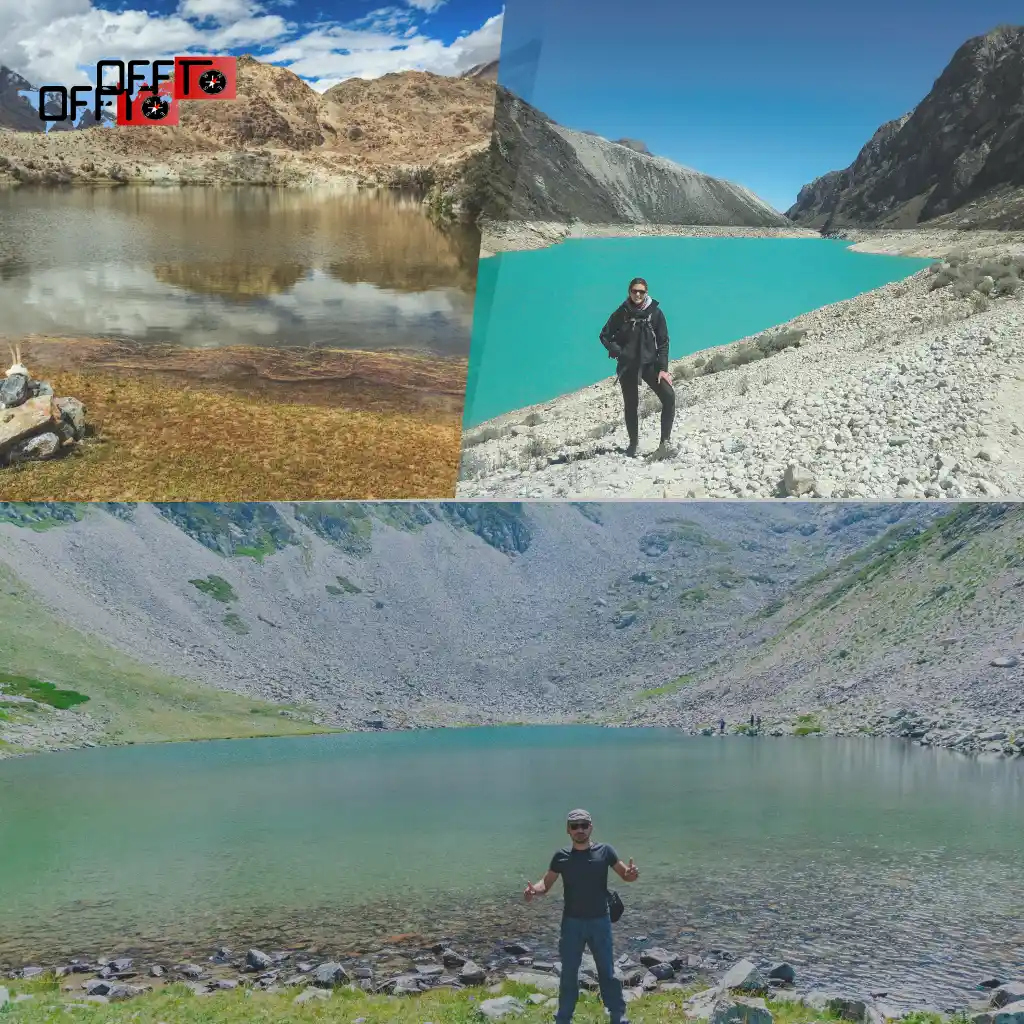
While the Kareri Lake trek is the main attraction in the region, the area around Kareri village also offers several quieter experiences that many travelers overlook.
Spending a little extra time here allows visitors to discover aspects of local culture, nature, and village life that make Kareri Himachal Pradesh special beyond the trekking trail.
Local Gaddi Culture
The region around Kareri Lake is home to the Gaddi community, a traditional semi-nomadic group known for shepherding in the Himalayan mountains.
During summer months, Gaddi shepherds often move their flocks of sheep and goats through the alpine meadows near the trekking route. Trekkers may occasionally encounter them along the trail, guiding their animals across the mountain landscape.
The Gaddi people have lived in the Dhauladhar region for generations and maintain a lifestyle closely connected to nature. Their traditional clothing, music, and seasonal migrations are an important part of the cultural identity of Kareri Himachal Pradesh.
For travelers interested in local traditions, brief conversations with villagers can offer fascinating insights into mountain life.
Small Waterfalls and Mountain Streams
One of the lesser-known highlights of the Kareri trek is the number of small waterfalls and mountain streams scattered throughout the valley.
The trekking route follows the Nyund stream, which flows down from the glacial basin near Kareri Lake. Along the trail, several smaller streams join the river, creating beautiful cascades and natural resting spots.
During late spring and early summer, melting snow from the Dhauladhar mountains increases the flow of water, making these waterfalls even more impressive.
Trekkers often pause at these spots to refill water bottles, rest their legs, or simply enjoy the peaceful sound of flowing water.
A Quick Personal Note: What Kareri Lake Really Feels Like
Some treks are remembered for dramatic peaks or challenging climbs. The Kareri Lake trek feels a little different. It’s quieter, slower, and more reflective.
As the trail moves through forests and alongside the Nyund stream, the journey begins to feel less like a hike and more like a gradual transition into the mountains. The sounds of traffic and towns fade away, replaced by flowing water, wind through pine trees, and distant bird calls.
Reaching Kareri Lake itself often feels surprisingly calm. The lake sits quietly beneath the rugged slopes of the Dhauladhar range, surrounded by open alpine meadows and scattered rocks. On a clear day, the water reflects the mountains almost perfectly.
Planning Your Kareri Lake Trek
Planning ahead helps make the Kareri Lake trek smooth and enjoyable. While the trek is relatively accessible compared to longer Himalayan expeditions, knowing how to reach the starting point, estimating travel time, and preparing a rough budget can make the trip easier.
Most travelers begin their journey from Dharamshala, which acts as the gateway to Kareri Himachal Pradesh and the surrounding trekking routes.
How to Reach Kareri Village
The Kareri Lake trek starting point is Kareri village, a small settlement located in the Kangra district of Himachal Pradesh.
Most trekkers first travel to Dharamshala or McLeod Ganj, which are well-connected hill towns in the region. From there, the final stretch to Kareri village is completed by road.
Local taxis are the most convenient option. Shared cabs may also be available depending on the season. The road winds through mountain landscapes and small villages before reaching Kareri.
Once you arrive, the village serves as the base for the Kareri trek, with guesthouses, homestays, and small cafes available for trekkers preparing to start the hike.
Dharamshala to Kareri Distance
The distance between Dharamshala and Kareri village is approximately 27 kilometers.
Although the distance is relatively short, the drive takes about 1.5 to 2 hours because the road passes through winding mountain terrain.
The route gradually climbs through forested hills and small settlements, offering beautiful views of the surrounding mountains along the way.
Most travelers prefer starting the journey early in the morning so they can reach Kareri village with enough time to begin the trek or settle into a guesthouse before the hike.
Explore More Himalayan Treks with Offto Travellers
The Kareri Lake trek is often the beginning of a deeper connection with the Himalayas. Many travelers who complete this trek soon start looking for other trails, quiet mountain villages, and hidden landscapes across Himachal Pradesh and beyond.
That’s where Offto Travellers comes in.
Offto is a new-age travel platform designed for curious explorers who want more than just a typical itinerary. Instead of simply listing destinations, the platform brings together travel stories, practical guides, and real experiences shared by travelers who love exploring places like Kareri Lake, the Dhauladhar range, and other Himalayan regions.
On Offto Travellers, you can:
- Discover detailed trekking guides and travel stories
- Save destinations like Kareri Himachal Pradesh for future trips
- Explore offbeat Himalayan treks and weekend adventures
- Connect with fellow travelers who enjoy mountain journeys
- Plan and book hotels, holidays, and unique travel activities
Whether you’re planning your next trek after Kareri Lake or simply searching for inspiration for future journeys, Offto Travellers helps you explore the mountains with better information and meaningful travel experiences.
Sometimes the best trips begin with a single trail — and the Kareri trek might just be the start of many more Himalayan adventures.
FAQs
How long is the trek to Kareri Lake?
The trek to Kareri Lake is roughly 13–14 km one way from Kareri village, making the total trek distance about 26–28 km round trip. Most trekkers complete it over 2 days, though experienced hikers sometimes do it in a long single day.
Is Kareri Lake trek crowded?
Kareri Lake Trek is less crowded compared to popular Himalayan treks like Triund or Hampta Pass. Most visitors arrive on weekends during summer and autumn, but overall the trail still feels peaceful and close to nature.
What is the altitude of Kareri Lake?
Kareri Lake sits at an altitude of 2,934 meters (9,626 ft) above sea level in the Dhauladhar range of Himachal Pradesh, making it a high-altitude alpine lake fed by snowmelt.
What is the starting point of the Kareri Lake trek?
The trek begins from Kareri Village, located about 27 km from Dharamshala in Himachal Pradesh. From the village, the trail gradually climbs through forests and streams toward the lake.
What is the temperature at Kareri Lake?
Kareri Lake temperature varies by season. In summer it ranges from 10°C to 20°C, while nights can drop close to freezing. In winter the lake often freezes and temperatures can fall below –5°C.
Read more >>>
Best Places to Visit in South Goa (Beaches, Forts & Hidden Gems)
Best Places to Visit in Wayanad – Attractions, Treks & Itineraries
Best experienced on the Offto Travellers app
Get the Offto app to explore travel stories, share your own journeys, connect with travellers, and book trips—all in one place.
Play StoreApp Store
Leave a Reply