
The Kedarkantha Trek is one of the most popular winter treks in India, located in the Govind Wildlife Sanctuary of Uttarakhand. Standing at 3,810 meters, Kedarkantha Peak offers breathtaking views of the Himalayas. The trek usually takes 4–6 days to complete and is famous for its snow-covered trails, pine forests, and summit sunrise views.
Introduction to Kedarkantha Trek
The Kedarkantha trek is one of the most popular Himalayan treks in India, known for its scenic forest trails, snowy landscapes, and rewarding summit views. Located in Uttarakhand’s Govind Wildlife Sanctuary, this trek attracts both beginners and experienced trekkers who want to explore the Himalayas without extremely technical terrain. The journey combines natural beauty, cultural significance, and accessible adventure, making it a favorite winter trekking destination.
Where is Kedarkantha Located?
The Kedarkantha trek begins from Sankri village in the Uttarkashi district of Uttarakhand. Sankri lies about 200 km from Dehradun and serves as the base camp for several Himalayan treks. The trail climbs gradually through dense pine and oak forests before reaching Kedarkantha Peak, which stands at approximately 3,810 meters.
The region falls inside Govind Wildlife Sanctuary, an area known for its rich biodiversity and spectacular mountain landscapes.
Why Kedarkantha is One of the Best Winter Treks in India
During winter, the Kedarkantha trek route transforms into a beautiful snow-covered trail. From December to March, trekkers walk through white forests, frozen lakes, and open alpine clearings.
What makes this trek special is its beginner-friendly difficulty level. The ascent is gradual, the kedarkantha trek distance is manageable, and the summit climb rewards trekkers with incredible Himalayan views.
What is Kedarkantha Trek Famous For?
The Kedarkantha trek is famous for its stunning sunrise summit. Trekkers usually start their climb early in the morning to reach Kedarkantha Peak in time to see the first light illuminating the surrounding Himalayan ranges like Swargarohini and Bandarpoonch.
Another highlight is the scenic trail that passes through campsites like Juda Ka Talab and the sacred Kedarkantha Temple, adding a cultural element to the adventure.
Kedarkantha Trek Overview

Before planning the journey, it helps to understand what makes the Kedarkantha trek unique among Himalayan treks. From its moderate altitude and manageable trek distance to its iconic summit views, Kedarkantha offers a well-balanced trekking experience. The route combines forest trails, alpine campsites, and panoramic mountain scenery, making it a favorite for winter trekking in India.
Kedarkantha Peak Height and Location
Kedarkantha Peak rises to about 3,810 meters (12,500 feet) above sea level in Uttarakhand’s Garhwal Himalayas. Located within Govind Wildlife Sanctuary, the peak is surrounded by dense forests, snow-covered slopes, and high Himalayan ridges.
The kedarkantha trek route usually starts from Sankri village and gradually ascends through forest trails and mountain clearings before reaching the summit.
Key Highlights of the Kedarkantha Trek
One of the major attractions of the Kedarkantha trek is the diversity of landscapes along the trail. Trekkers pass through pine forests, frozen lakes such as Juda Ka Talab, and wide snow-covered campsites during winter.
The kedarkantha trek distance is roughly 20 kilometers round trip, typically completed in 4–5 days. Despite being beginner-friendly, the trek still offers dramatic Himalayan views and an exciting summit climb.
Kedarkantha Temple and Its Significance
Close to the summit lies the small Kedarkantha Temple, dedicated to Lord Shiva. Local legends say the area was once a place of meditation for the deity, giving the mountain spiritual importance.
Many trekkers stop at the temple before completing the final ascent to Kedarkantha Peak, making the trek both a natural and cultural experience.
Best Time to Visit Kedarkantha Trek
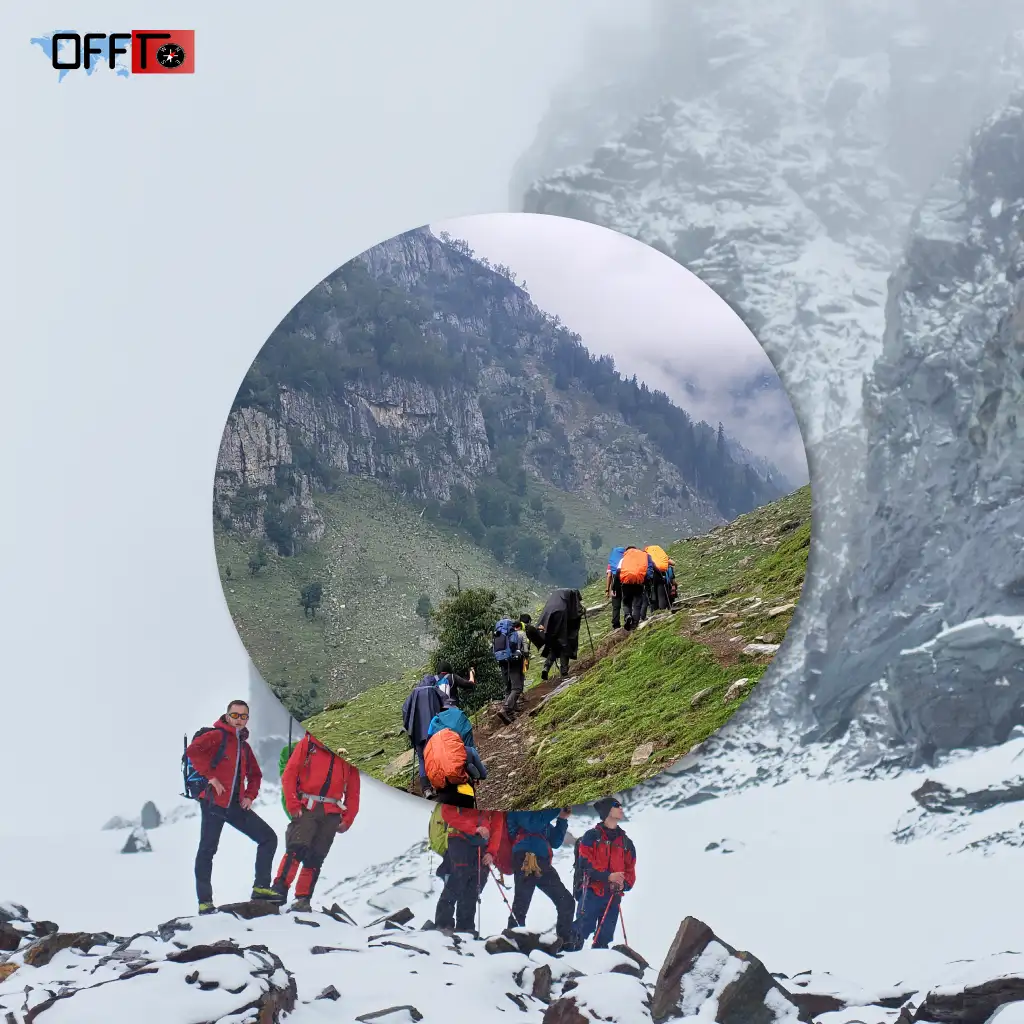
Choosing the best time to visit Kedarkantha depends on the type of trekking experience you want. The Kedarkantha trek is unique because it remains accessible for most of the year and offers different landscapes across seasons. Winter turns the region into a snow-covered wonderland, while summer and autumn reveal green forests, clear skies, and scenic mountain views. Understanding seasonal conditions helps trekkers plan the right time based on weather, trail conditions, and overall trekking comfort.
Which Month is Best for Kedarkantha Trek?
The best time to visit Kedarkantha is generally from December to April. During these months, the trail is covered in snow, making it one of the most popular winter treks in India. January and February are especially famous for deep snow and spectacular summit views from Kedarkantha Peak.
However, trekkers who prefer milder weather and clearer trails often visit between April and June or again during September and November. These months provide stable weather and pleasant trekking conditions.
Kedarkantha Trek in Winter (Snow Trek)
Winter is when the Kedarkantha trek becomes truly magical. Snow blankets the forests and campsites along the kedarkantha trek route, creating stunning white landscapes. Frozen lakes like Juda Ka Talab and snow-covered pine trees make the journey visually unforgettable.
Winter also offers the iconic sunrise climb to Kedarkantha Peak, where trekkers witness breathtaking Himalayan views.
Kedarkantha Trek in Summer and Autumn
During summer and autumn, the Kedarkantha trek offers a different but equally beautiful experience. The forests turn lush green, mountain views become clearer, and trekking conditions are generally comfortable.
These seasons are ideal for trekkers who prefer moderate kedarkantha trek temperature and less extreme winter conditions while still enjoying the scenic Himalayan trail.
Kedarkantha Trek Weather and Temperature

Weather plays a crucial role in planning the Kedarkantha trek, especially because the trail climbs to over 3,800 meters. The kedarkantha trek temperature varies significantly across seasons, ranging from pleasant daytime temperatures in summer to freezing conditions in winter. Trekkers should understand seasonal weather patterns to prepare proper gear and plan their trekking itinerary safely.
Kedarkantha Trek Temperature Month-by-Month
The kedarkantha trek temperature typically remains comfortable between April and June, with daytime temperatures ranging from 10°C to 20°C and cooler nights around 0°C to 5°C. During the monsoon months of July and August, trekking is less common due to slippery trails and unpredictable weather.
From September to November, the region experiences clear skies and crisp mountain air, making autumn another good season for trekking.
Winter Temperature at Kedarkantha Summit
Winter brings the coldest kedarkantha trek temperature, especially between December and February. Daytime temperatures usually range from -5°C to 5°C, while nights can drop to -10°C or lower near the summit.
Snowfall during this period creates the famous winter trekking conditions that attract adventure travelers to the Kedarkantha trek.
Weather Conditions During the Trek
Weather on the kedarkantha trek route can change quickly due to altitude. Days are usually sunny with clear mountain views, but evenings and nights become significantly colder, especially at higher campsites.
Trekkers should always carry proper winter clothing, waterproof gear, and essential trekking equipment to stay comfortable throughout the journey to Kedarkantha Peak.
Kedarkantha Trek Distance, Duration & Difficulty

Before planning the journey, it’s helpful to understand the kedarkantha trek distance, duration, and overall difficulty level. The Kedarkantha trek is widely known as a beginner-friendly Himalayan trek that offers rewarding mountain views without extremely technical terrain. With a manageable distance, gradual ascent, and well-established trail, it is often recommended for first-time trekkers who want to experience high-altitude trekking in the Himalayas.
Kedarkantha Trek Distance and Elevation Gain
The total kedarkantha trek distance is approximately 20 kilometers round trip, starting and ending at Sankri village. Trekkers typically cover this distance over 4 to 5 days, allowing enough time for gradual altitude gain and proper acclimatization.
The trek climbs from Sankri at around 1,950 meters to Kedarkantha Peak, which stands at 3,810 meters. This elevation gain of nearly 1,860 meters happens gradually across forest trails, open meadows, and snow-covered slopes during winter.
How Difficult is the Kedarkantha Trek?
The Kedarkantha trek is generally categorized as an easy to moderate trek. The trail is well-defined, and daily walking distances are reasonable, making it accessible to beginners.
However, the final summit climb can be slightly challenging, especially in winter when snow covers the kedarkantha trek route. Proper pacing and guidance from experienced trek leaders help most trekkers reach the summit safely.
Fitness Requirements for Kedarkantha Trek
While beginner-friendly, the Kedarkantha trek still requires basic physical preparation. Trekkers should be comfortable walking 4–6 hours per day on mountain trails.
Regular cardio activities such as jogging, cycling, or hiking for a few weeks before the trek can significantly improve endurance and make the journey to Kedarkantha Peak more enjoyable.
Kedarkantha Trek Route

The kedarkantha trek route is known for its scenic beauty and gradual ascent through dense forests and high-altitude clearings. Starting from Sankri village, the trail passes through charming campsites, frozen lakes in winter, and open meadows before reaching Kedarkantha Peak. Each campsite offers a unique landscape, making the journey as memorable as the summit itself.
Kedarkantha Trek Route Overview
The Kedarkantha trek begins at Sankri, a small Himalayan village that serves as the base camp for several treks in Uttarakhand. From here, the trail moves through thick pine and oak forests before reaching beautiful campsites such as Juda Ka Talab and Kedarkantha Base Camp.
The route gradually climbs in altitude, allowing trekkers to acclimatize comfortably while enjoying panoramic mountain scenery.
Major Campsites on the Trek
Sankri Base Camp
Sankri is the starting point of the Kedarkantha trek. This peaceful village offers stunning views of surrounding mountains and serves as the gateway to the trek.
Juda Ka Talab
Juda Ka Talab is one of the most scenic campsites along the kedarkantha trek route. During winter, the lake freezes and the surrounding forests become covered in snow.
Kedarkantha Base Camp
Located close to the summit trail, Kedarkantha Base Camp offers spectacular views of nearby Himalayan peaks and is the final campsite before the summit push.
Kedarkantha Summit
The trek culminates at Kedarkantha Peak, where trekkers witness breathtaking 360-degree views of the Himalayas, making the entire journey incredibly rewarding.
Kedarkantha Trek Itinerary

A well-planned kedarkantha trek itinerary helps trekkers enjoy the journey comfortably while allowing time for acclimatization and exploration. Most trekking groups complete the Kedarkantha trek in 4 to 5 days, starting from Dehradun and moving through scenic campsites before reaching the summit. The route gradually climbs through forests, alpine clearings, and snowy slopes, making the itinerary both manageable and rewarding for beginners.
Day-by-Day Kedarkantha Trek Itinerary
Day 1: Dehradun to Sankri
The journey begins with a scenic drive from Dehradun to Sankri, covering about 190–200 kilometers in 8–10 hours. Sankri serves as the base camp for the kedarkantha trek route and offers beautiful views of surrounding Himalayan peaks.
Day 2: Sankri to Juda Ka Talab
The trek officially begins with a gradual climb through dense pine and oak forests. After covering around 4 kilometers, trekkers reach Juda Ka Talab, a peaceful alpine lake that often freezes during winter.
Day 3: Juda Ka Talab to Kedarkantha Base Camp
The trail continues upward toward Kedarkantha Base Camp. This section offers stunning views of snow-covered mountains and open clearings, making it one of the most scenic parts of the Kedarkantha trek.
Day 4: Summit Trek and Return
Trekkers start early to reach Kedarkantha Peak for sunrise. After enjoying panoramic Himalayan views, the group descends back toward the lower campsite.
Day 5: Return to Sankri
The final day involves descending through forest trails back to Sankri, completing the classic kedarkantha trek itinerary.
Kedarkantha Trek Package and Cost

Planning the Kedarkantha trek often involves choosing a trekking package that includes essential services such as guides, accommodation, and meals. Since the trek takes place in a remote Himalayan region, organized packages make the journey safer and more convenient for most travelers. Understanding the typical kedarkantha trek package inclusions and cost can help trekkers plan their budget effectively.
What is Included in Kedarkantha Trek Packages
Most kedarkantha trek packages include transportation from Dehradun to Sankri, accommodation during the trek, meals, camping equipment, and the support of experienced trek leaders and guides. Trekking permits, forest entry fees, and basic safety equipment are usually included as well.
Some packages also provide porters or mule services for carrying gear along the kedarkantha trek route.
Average Kedarkantha Trek Cost
The average kedarkantha trek package cost typically ranges between ₹6,000 and ₹12,000 per person, depending on the trekking company, group size, and services included. Premium packages may offer better camping gear, smaller group sizes, and additional support staff.
Travel costs to reach Dehradun are usually not included in the package price.
How to Choose the Best Kedarkantha Trek Package
When selecting a kedarkantha trek package, it is important to check the company’s safety standards, guide experience, and itinerary structure. Reliable trekking operators provide proper acclimatization time, quality camping equipment, and trained staff.
Choosing a reputable organizer ensures a safer and more enjoyable journey to Kedarkantha Peak.
Best Places to Visit Near Kedarkantha

The famous Kedarkantha trek is one of the most popular winter treks in the Indian Himalayas, attracting adventure lovers from across the country. While the trek itself is the main highlight, the surrounding region also offers several beautiful places worth exploring. From traditional Himalayan villages to scenic valleys and protected forests, these destinations allow travelers to experience the natural beauty and cultural richness of the Garhwal Himalayas.
Many trekkers choose to spend an extra day or two around Sankri, the base village of the trek, before or after completing the journey. These nearby attractions provide opportunities to explore local culture, admire breathtaking landscapes, and enjoy the peaceful environment of the mountains. Visiting these places can make your trekking trip even more memorable and enriching.
Sankri Village
Sankri is the starting point for the Kedarkantha trek and serves as a gateway to several Himalayan trekking routes in Uttarakhand. Nestled at an altitude of around 1,950 meters, this small mountain village is surrounded by dense pine forests, snow-covered peaks, and beautiful valleys.
Sankri is known for its traditional wooden houses, cozy guesthouses, and warm local hospitality. The village offers stunning views of the majestic Swargarohini range, which adds to its scenic charm. Spending some time here allows trekkers to acclimatize to the altitude while enjoying the peaceful Himalayan lifestyle and local Garhwali culture.
Har Ki Dun Valley
Another breathtaking destination near Sankri is the beautiful Har Ki Dun Valley, often referred to as the “Valley of Gods.” This valley is famous for its lush green meadows, flowing rivers, and spectacular mountain views. Surrounded by snow-capped peaks, Har Ki Dun offers a different trekking experience compared to the Kedarkantha route.
The valley is also culturally significant because it is believed to be associated with legends from the Mahabharata. Many trekkers who visit the Kedarkantha region extend their trip to explore Har Ki Dun, making it a great addition to a Himalayan adventure itinerary.
Govind Wildlife Sanctuary
The entire Kedarkantha trekking region lies within the beautiful Govind Wildlife Sanctuary. This protected area covers dense forests, alpine meadows, glaciers, and high-altitude landscapes that support a wide variety of Himalayan wildlife.
The sanctuary is home to animals such as the Himalayan black bear, musk deer, snow leopard, and numerous bird species. The forests are also rich with oak, pine, and rhododendron trees, creating stunning scenery throughout the trek. Trekking through this sanctuary not only provides incredible mountain views but also allows visitors to experience the rich biodiversity of the Garhwal Himalayas.
Exploring these nearby destinations adds more depth to a Kedarkantha trekking journey. From the peaceful charm of Sankri Village to the scenic beauty of Har Ki Dun Valley and the wilderness of Govind Wildlife Sanctuary, these places make the Kedarkantha region an unforgettable Himalayan travel experience.
Things to Experience on Kedarkantha Trek

The Kedarkantha trek is widely regarded as one of the most rewarding trekking experiences in Uttarakhand. While reaching the summit is a major goal for many trekkers, the true beauty of this journey lies in the experiences along the way. From walking through snow-covered forests to camping in scenic Himalayan clearings, every day on the trail offers something unique and memorable.
The trekking route passes through dense pine and oak forests, frozen lakes, and breathtaking mountain viewpoints. Each stage of the journey reveals new landscapes, making the trek exciting for both beginners and experienced hikers. The peaceful environment of the Himalayas, combined with the thrill of adventure, makes the Kedarkantha trek a perfect escape into nature.
Snow Trekking and Summit Views
One of the most exciting aspects of the Kedarkantha trek is snow trekking during the winter season. From December to early spring, the entire trekking trail becomes covered in thick snow, turning the landscape into a magical winter wonderland. Walking through snow-laden pine forests and white mountain slopes gives trekkers a truly adventurous experience.
As trekkers gradually ascend toward the summit, the views become more spectacular. From the top of Kedarkantha Peak, hikers are rewarded with panoramic views of famous Himalayan ranges such as Swargarohini, Black Peak, and Bandarpunch. These majestic snow-capped peaks create an unforgettable backdrop that makes the challenging climb completely worthwhile.
Camping in Himalayan Forests
Camping is another unforgettable highlight of the Kedarkantha trekking experience. Trekkers stay at beautiful campsites surrounded by forests and mountain scenery. One of the most famous campsites is Juda Ka Talab, a small alpine lake located in a forest clearing. During winter, the lake often freezes and becomes surrounded by snow-covered pine trees, creating a magical setting for overnight camping.
Another scenic campsite is the Kedarkantha Base Camp, located at a higher altitude with stunning views of the surrounding mountains. Nights at these campsites are peaceful and memorable, with clear skies filled with stars and the quiet sounds of nature all around. Sitting around a campfire, sharing stories with fellow trekkers, and enjoying warm meals in the cold mountain air adds a special charm to the trekking adventure.
Sunrise View from Kedarkantha Peak
The sunrise from Kedarkantha Peak is often considered the most magical moment of the entire trek. Trekkers usually start their summit climb early in the morning, often before dawn, to reach the top just in time to witness the sunrise.
As the first rays of sunlight appear over the horizon, the surrounding Himalayan peaks slowly light up in shades of gold and orange. The breathtaking panoramic views from the summit create a sense of accomplishment and wonder that few trekking experiences can match. Watching the sunrise from the top of Kedarkantha, surrounded by towering mountains and endless valleys, becomes a moment that trekkers remember for a lifetime.
How to Reach Kedarkantha Trek

The journey to the famous Kedarkantha trek begins with reaching the small Himalayan village of Sankri, which serves as the official base camp for the trek. Located in the scenic Garhwal region of Uttarakhand, Sankri is surrounded by dense forests, mountain ridges, and beautiful valleys. Although the village lies in a remote part of the Himalayas, it is well connected by road from major North Indian cities, making it accessible for trekkers and adventure travelers.
Most trekking itineraries begin with a journey to Dehradun, which is the nearest major transport hub for reaching Sankri. Dehradun has both a railway station and an airport, allowing travelers to reach the city conveniently by train, flight, or road. From Dehradun, trekkers continue their journey by road through winding mountain routes that pass through rivers, forests, and charming hill towns. This drive itself is considered one of the most scenic parts of the entire Kedarkantha trekking experience.
Reaching Sankri Base Camp
Sankri acts as the gateway not only to the Kedarkantha trek but also to several other trekking routes within the beautiful Govind Wildlife Sanctuary. The village sits at an altitude of about 1,950 meters and offers stunning views of surrounding Himalayan peaks. Trekkers usually spend a night in Sankri before starting the trek to acclimatize to the mountain environment.
From Dehradun, travelers can reach Sankri through shared jeeps, private taxis, or local buses. The road journey typically takes several hours but offers breathtaking scenery along the way. The route passes through well-known hill destinations such as Mussoorie, followed by quieter mountain towns like Purola and Mori. Travelers are treated to picturesque views of rivers, dense pine forests, and terraced fields throughout the drive.
Distance from Major Cities
The distance between Dehradun and Sankri is approximately 190 to 200 kilometers, and the journey usually takes 8 to 10 hours depending on road and weather conditions. Many trekkers begin early in the morning from Dehradun to reach Sankri by evening.
For travelers coming from Delhi, the total distance to Sankri is around 450 kilometers. Most visitors first travel to Dehradun by train, bus, or flight, and then continue the scenic road journey to Sankri. Planning this route in advance helps ensure a smooth and comfortable start to the Kedarkantha trek, allowing trekkers to fully enjoy the adventure waiting in the Himalayas.
Where to Stay During Kedarkantha Trek

Accommodation during the Kedarkantha trek typically involves a combination of guesthouse stays in Sankri and camping during the trek. Since the trail passes through remote Himalayan terrain, most trekkers rely on trekking organizers or local homestays for comfortable lodging before starting the trek. Staying overnight in the region also helps with acclimatization before beginning the climb toward Kedarkantha Peak.
Accommodation in Sankri Village
Sankri offers several accommodation options for trekkers preparing for the Kedarkantha trek. Small guesthouses, homestays, and trekking lodges provide basic but comfortable rooms with meals included. Staying in Sankri also gives travelers a chance to experience the local Himalayan culture and interact with residents before starting the trek.
Many trekking operators arrange accommodation here as part of their kedarkantha trek package.
Camping During Kedarkantha Trek
Camping is an essential part of the Kedarkantha trek experience. Trekkers stay in tents at designated campsites such as Juda Ka Talab and Kedarkantha Base Camp along the kedarkantha trek route.
These camps are usually set up by trekking teams and include tents, sleeping bags, and meals. Camping in the Himalayan wilderness, surrounded by forests and mountains, makes the journey to Kedarkantha Peak even more memorable.
Travel Tips for Kedarkantha Trek
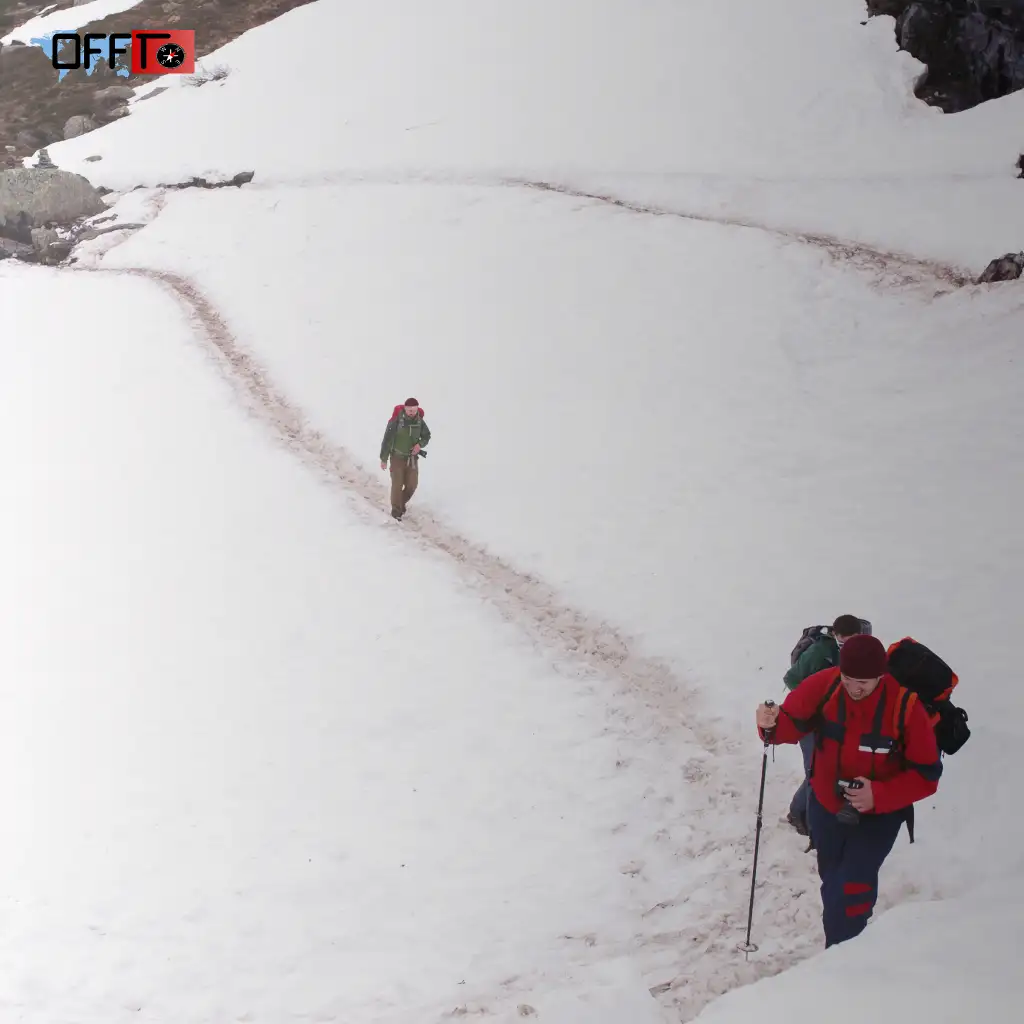
Preparing well for the Kedarkantha trek can make the journey safer and more enjoyable, especially for first-time Himalayan trekkers. Although the trek is considered beginner-friendly, the high altitude, changing weather, and long walking hours require proper planning. From carrying the right gear to maintaining a steady trekking pace, a few practical tips can significantly improve your overall experience on the kedarkantha trek route.
Packing Essentials for Kedarkantha Trek
Packing the right gear is crucial for staying comfortable during the Kedarkantha trek. Since the kedarkantha trek temperature can drop below freezing during winter, trekkers should carry warm clothing such as thermal layers, insulated jackets, gloves, woolen caps, and good-quality trekking shoes.
Other important items include a backpack, water bottles, sunglasses, sunscreen, and a headlamp. Trekking poles can also help maintain balance on snowy or uneven trails while climbing toward Kedarkantha Peak.
Trekking Tips for First-Time Trekkers
First-time trekkers should maintain a slow and steady pace while walking on the kedarkantha trek route. Avoid rushing, as gradual movement helps conserve energy and allows the body to adjust to altitude.
Staying hydrated, taking regular breaks, and following the guidance of trek leaders are important for a comfortable trekking experience. Many beginners successfully complete the Kedarkantha trek by preparing with basic cardio exercises before the trip.
Trekking Tips for First-Time Trekkers
Since Kedarkantha Peak rises above 3,800 meters, altitude awareness is important. Trekkers should allow proper acclimatization time and inform guides immediately if they experience symptoms such as dizziness or headaches.
Carrying basic medical supplies, staying warm, and listening to experienced guides helps ensure a safe and memorable Kedarkantha trek in the Himalayas.
FAQs
Where is Kedarkantha located?
Kedarkantha is located in the Uttarkashi district of Uttarakhand, within the Govind Wildlife Sanctuary in the Garhwal Himalayas. The Kedarkantha trek begins from Sankri village, which serves as the base camp and gateway to several trekking routes in the region.
What is Kedarkantha trek famous for?
The Kedarkantha trek is famous for its snow-covered winter trails, scenic forest routes, and breathtaking sunrise views from Kedarkantha Peak. Trekkers also enjoy beautiful campsites like Juda Ka Talab and panoramic views of Himalayan ranges such as Swargarohini and Bandarpoonch.
What is the best time to visit Kedarkantha?
The best time to visit Kedarkantha is from December to April for snow trekking. During this period, the trail is covered in snow, creating stunning winter landscapes. Trekkers can also visit between April–June or September–November for pleasant weather and clear mountain views.
How long is the Kedarkantha trek distance?
The total kedarkantha trek distance is approximately 20 kilometers round trip, starting from Sankri village and reaching Kedarkantha Peak. The trek is usually completed over 4 to 5 days, allowing trekkers enough time for gradual altitude gain and acclimatization.
What is the height of Kedarkantha Peak?
Kedarkantha Peak stands at an altitude of about 3,810 meters (12,500 feet) above sea level. Located in the Garhwal Himalayas, the summit offers panoramic views of surrounding peaks such as Swargarohini, Black Peak, and Bandarpoonch.
How difficult is the Kedarkantha trek?
The Kedarkantha trek is considered an easy to moderate trek. The trail is well-defined with gradual ascents, making it suitable for beginners. However, the final summit climb can be slightly challenging, especially during winter when the trail is covered in snow.
What is the temperature in Kedarkantha during winter?
During winter, the kedarkantha trek temperature can range from around -5°C to 5°C during the day. At night, temperatures may drop to -10°C or even lower near the summit. Proper winter clothing and trekking gear are essential for comfort and safety.
How many days are required for Kedarkantha trek?
Most trekkers complete the Kedarkantha trek itinerary in about 4 to 5 days. This includes travel to Sankri, trekking through campsites like Juda Ka Talab and Kedarkantha Base Camp, reaching the summit, and returning to the base village.
What is included in Kedarkantha trek packages?
Typical kedarkantha trek packages include accommodation, meals during the trek, camping equipment, trekking permits, experienced guides, and transportation between Dehradun and Sankri. Some packages may also provide porters or mule support for carrying trekking gear.
Is Kedarkantha suitable for beginners?
Yes, the Kedarkantha trek is widely recommended for beginners. Its moderate kedarkantha trek distance, gradual ascent, and well-established route make it one of the best starter treks in the Himalayas for those new to high-altitude trekking.
Read more >>>
Best Time to Visit Rann of Kutch – Weather, Rann Utsav & White Desert Guide
Best Time to Visit Kolukkumalai – Peak, Sunrise & Trek Guide
Plan Your Kedarkantha Trek with Offto Travellers
Planning the Kedarkantha trek becomes much easier when you have the right platform to discover destinations, plan itineraries, and connect with fellow travelers. Whether you are preparing for your first Himalayan trek or looking for your next mountain adventure, having reliable travel resources can make the entire experience smoother and more enjoyable.
Offto Travellers is designed as a modern travel platform for people who love exploring unique destinations. From detailed travel guides to real traveler experiences, it helps you discover places beyond typical tourist lists. If you are researching the kedarkantha trek route, nearby Himalayan destinations, or future trekking ideas, Offto makes it easier to explore travel inspiration in one place.
The platform also allows travelers to connect with a growing community of explorers who share tips, stories, and experiences from across India and beyond. This makes trip planning more practical and authentic, especially for treks like the Kedarkantha trek where preparation and local insights are valuable.
Best experienced on the Offto Travellers app
With Offto, you can plan trips, save travel ideas, and book accommodations or experiences as you prepare for your journey. Whether it’s organizing your kedarkantha trek itinerary, discovering hidden mountain destinations, or planning your next adventure, Offto helps turn travel ideas into real journeys.
Start exploring, plan smarter, and discover new adventures with Offto Travellers.
Play StoreApp Store
Leave a Reply