
The best time to visit Tawang in Arunachal Pradesh is between March to June and September to November when the weather is pleasant and roads remain accessible. Winter (December to February) is ideal for experiencing Tawang snowfall, while summer offers clear views of Tawang Valley, Tawang Monastery, and other popular tourist places.
Introduction to Tawang, Arunachal Pradesh
Nestled in the eastern Himalayas, Tawang is one of the most breathtaking destinations in Arunachal Pradesh. Surrounded by snow-capped mountains, pristine lakes, ancient monasteries, and dramatic valleys, the region offers a unique blend of natural beauty, spiritual heritage, and Himalayan adventure.
Tawang sits at an altitude of around 3,048 meters (10,000 feet), which gives it a cool mountain climate throughout the year. This high-altitude town is widely known for its spectacular landscapes, including the famous Tawang Valley, the historic Tawang Monastery, and scenic mountain passes like Sela Pass.
For travelers looking to explore the Northeast Himalayas, Tawang offers an experience unlike any other. From peaceful monasteries and vibrant Buddhist culture to stunning alpine lakes and dramatic mountain roads, every part of the journey feels extraordinary.
However, planning a trip to Tawang requires understanding its seasonal weather conditions, road accessibility, and travel permits. Because of its remote location and mountainous terrain, choosing the best time to visit Tawang can make a significant difference to your travel experience.
Whether you want to see snow-covered mountains in winter, enjoy clear valley views in summer, or experience the cultural charm of Arunachal Tawang, this guide will help you understand the best seasons to visit, weather conditions, and the top attractions that make this destination unforgettable.
Where is Tawang Located?
Tawang is located in the northwestern part of Arunachal Pradesh, close to the border of Bhutan and Tibet. It lies approximately 450 km from Guwahati, the nearest major city in Assam, and about 320 km from Tezpur.
The town sits in the Tawang district, one of the most scenic regions in Northeast India. Due to its high-altitude location in the Eastern Himalayas, the region experiences dramatic mountain landscapes, alpine forests, and winding mountain roads that make the journey as memorable as the destination itself.
Reaching Tawang usually involves a road journey through some of the most beautiful Himalayan routes, including the famous Sela Pass, which sits at an elevation of 13,700 feet. Along the way, travelers pass through charming mountain towns such as Bomdila and Dirang, each offering panoramic views of the surrounding valleys.
Despite its remote location, Tawang has gradually become one of the most popular destinations in Arunachal Pradesh tourism, attracting travelers who want to explore untouched Himalayan beauty away from crowded hill stations.
Why Tawang Valley is One of the Most Beautiful Destinations in Arunachal Pradesh
One of the biggest reasons travelers visit this region is the stunning beauty of Tawang Valley. The valley is surrounded by towering Himalayan peaks, glacial lakes, and vast open landscapes that change dramatically with the seasons.
During the summer months, the valley appears lush and vibrant with green hills, clear skies, and pleasant weather. The scenery becomes perfect for sightseeing and exploring the region’s famous landmarks, including monasteries, waterfalls, and alpine lakes.
In winter, the entire valley transforms into a magical snow-covered landscape. Snowfall blankets the mountains, roads, and monasteries, creating a peaceful Himalayan setting that feels almost surreal. This is when travelers come specifically to witness Tawang snowfall, which is one of the biggest highlights of visiting the region during colder months.
The valley also offers some of the most spectacular road journeys in Northeast India. Routes connecting Tawang with Sela Pass, Bum La Pass, and Madhuri Lake provide breathtaking panoramic views that make every mile unforgettable.
Because of its dramatic landscapes and peaceful atmosphere, Tawang Valley is often considered one of the most beautiful destinations not only in Arunachal Pradesh but in the entire Northeast Himalayan region.
What is Tawang Famous For?
Tawang is famous for its ancient monasteries, breathtaking Himalayan landscapes, and unique Buddhist culture. The town is home to the iconic Tawang Monastery, which is the largest monastery in India and the second-largest Buddhist monastery in the world.
Founded in the 17th century, Tawang Monastery is an important center of Mahayana Buddhism and remains one of the most spiritually significant sites in the region. The monastery overlooks the entire Tawang Valley and offers stunning views of the surrounding mountains.
Apart from its spiritual heritage, Tawang is also known for its spectacular natural attractions. Some of the most famous Tawang tourist places include:
- Sela Pass and Sela Lake, one of the most scenic mountain passes in India
- Madhuri Lake (Sangetsar Lake), a serene alpine lake surrounded by mountains
- Nuranang Waterfall, one of the most powerful waterfalls in Arunachal Pradesh
- Bum La Pass, a historic border pass between India and China
Tawang is also famous for its winter snowfall, which transforms the region into a snowy Himalayan wonderland. Many travelers visit during winter specifically to experience snow-covered landscapes, frozen lakes, and peaceful monasteries surrounded by mountains.
In addition to natural beauty, the region offers rich local culture, traditional Monpa cuisine, colorful festivals, and warm hospitality that make visiting Tawang a truly memorable experience.
Best Time to Visit Tawang
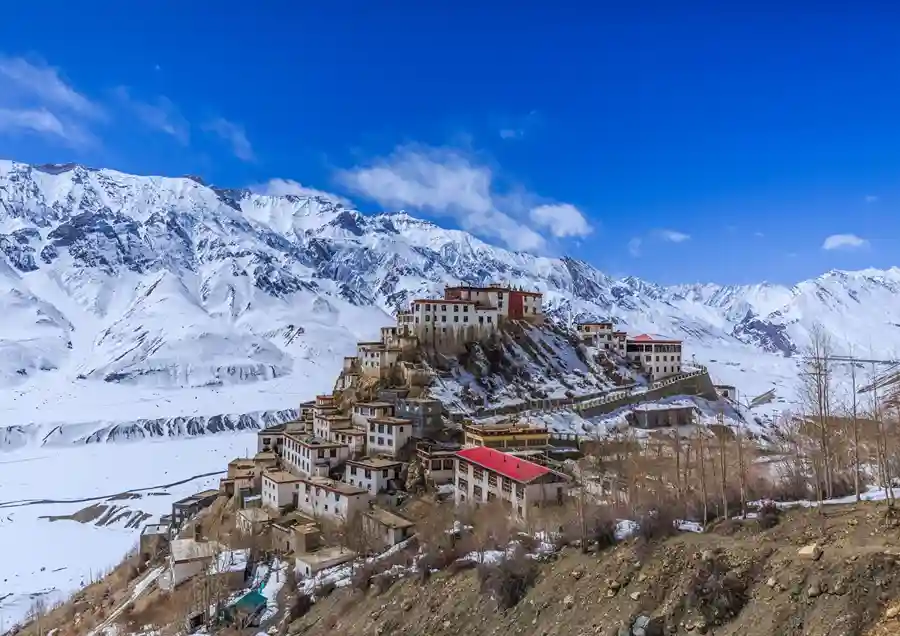
The best time to visit Tawang largely depends on the kind of experience you’re looking for. This beautiful Himalayan town in Arunachal Pradesh offers something different in every season — from clear valley views in summer to magical Tawang snowfall in winter.
Generally, the most favorable months to explore Tawang Valley are March to June and September to November. During these months, the weather is pleasant, the skies are clearer, and road conditions are relatively stable for travel.
Tawang sits at a high altitude of around 3,048 meters, which means temperatures remain cool throughout the year. Winters bring heavy snowfall and extremely cold conditions, while monsoon months may bring occasional landslides and road challenges.
For most travelers visiting Arunachal Tawang, the best experience comes when the weather allows comfortable sightseeing, road trips through mountain passes like Sela Pass, and easy access to popular Tawang tourist places such as Tawang Monastery, Madhuri Lake, and Nuranang Waterfall.
However, each season has its own charm. Some travelers specifically visit during winter to experience snow, while others prefer summer for scenic views and outdoor exploration.
Understanding the seasonal variations helps travelers decide the best time to visit Tawang based on their travel goals, whether it’s sightseeing, adventure, road trips, or witnessing snowfall.
Which Month is Best for Tawang?
The best month to visit Tawang is typically April or October, when the weather remains comfortable and travel conditions are favorable.
During April, the region begins to emerge from the winter cold. Snow slowly melts across mountain passes, revealing green landscapes and clear views of the surrounding Himalayan ranges. Temperatures remain cool but pleasant, making it ideal for exploring Tawang Valley, visiting monasteries, and enjoying scenic drives.
October is another excellent month to travel. The monsoon season has usually ended by then, leaving behind fresh mountain air, clear skies, and spectacular valley views. This is considered one of the best times for photography, sightseeing, and road trips through places like Sela Pass and Bomdila.
For travelers hoping to witness Tawang snowfall, the best months are December and January. During this period, snow covers the mountains and nearby high-altitude passes, creating a winter wonderland. However, temperatures can drop significantly, and road accessibility may sometimes be affected by heavy snow.
If you’re planning a comfortable sightseeing trip, April to June and September to November are generally the most recommended months to visit Tawang.
Seasonal Guide to Visiting Tawang
Each season in Tawang offers a different perspective of this beautiful Himalayan destination. Depending on whether you want to see snow-covered landscapes, lush valleys, or peaceful monasteries, the ideal travel season may vary.
Below is a detailed seasonal guide to help you choose the best season for visiting Tawang.
Spring in Tawang (March to April)
Spring marks the beginning of the tourist season in Tawang Valley. As winter gradually fades, the snow begins to melt and the surrounding mountains slowly turn greener.
Temperatures during spring typically range between 5°C and 15°C, making it comfortable for sightseeing and exploring nearby attractions. The weather becomes clearer compared to winter months, and roads begin reopening after heavy snowfall.
This season is perfect for travelers who want to explore Tawang tourist places without facing extreme cold or heavy tourist crowds. Scenic spots such as Tawang Monastery, Sela Lake, and Madhuri Lake become easier to access during this time.
Spring also offers beautiful views of blooming mountain landscapes, making it a great season for photography and peaceful travel experiences.
Summer in Tawang (May to June)
Summer is considered one of the best seasons to visit Tawang, especially for travelers looking for comfortable weather and clear mountain views.
Temperatures usually range between 10°C and 20°C, making it ideal for exploring the region’s natural attractions. The skies are generally clear, providing stunning panoramic views of the surrounding mountains and valleys.
Summer is particularly suitable for road trips through the Arunachal Himalayas, as travel routes between Guwahati, Bomdila, Dirang, and Tawang are usually more stable compared to monsoon months.
Because of the pleasant weather and accessibility, summer months attract a large number of travelers planning Tawang tour packages.
Monsoon in Tawang (July to September)
Monsoon season brings significant rainfall to the northeastern Himalayan region, including Tawang Valley. While the landscape becomes lush and vibrant during this period, travel conditions can sometimes become challenging.
Heavy rainfall may lead to landslides and road disruptions, particularly along mountainous routes connecting Assam to Arunachal Pradesh. Because of this, many travelers prefer to avoid visiting Tawang during peak monsoon months.
However, for travelers who enjoy peaceful landscapes and fewer crowds, monsoon offers a quieter experience. The valleys appear greener, waterfalls become more powerful, and the region feels incredibly fresh.
If planning a trip during monsoon, it is advisable to monitor weather updates and road conditions before traveling.
Winter in Tawang (October to February)
Winter transforms Tawang into a spectacular snow-covered Himalayan destination. Starting from late November and continuing through December and January, the region begins to experience snowfall.
Temperatures during winter can drop to -5°C or lower, especially during the night. High-altitude passes like Sela Pass and Bum La Pass often receive heavy snow, creating breathtaking winter landscapes.
This is the best time for travelers who want to experience Tawang snowfall, frozen lakes, and dramatic snow-covered mountain scenery.
Despite the beauty, winter travel requires careful planning because road conditions may sometimes become difficult due to snow accumulation.
For those prepared for cold weather, winter offers one of the most magical experiences in Arunachal Tawang, with quiet monasteries, snowy valleys, and stunning Himalayan views.
Tawang Weather and Temperature Guide
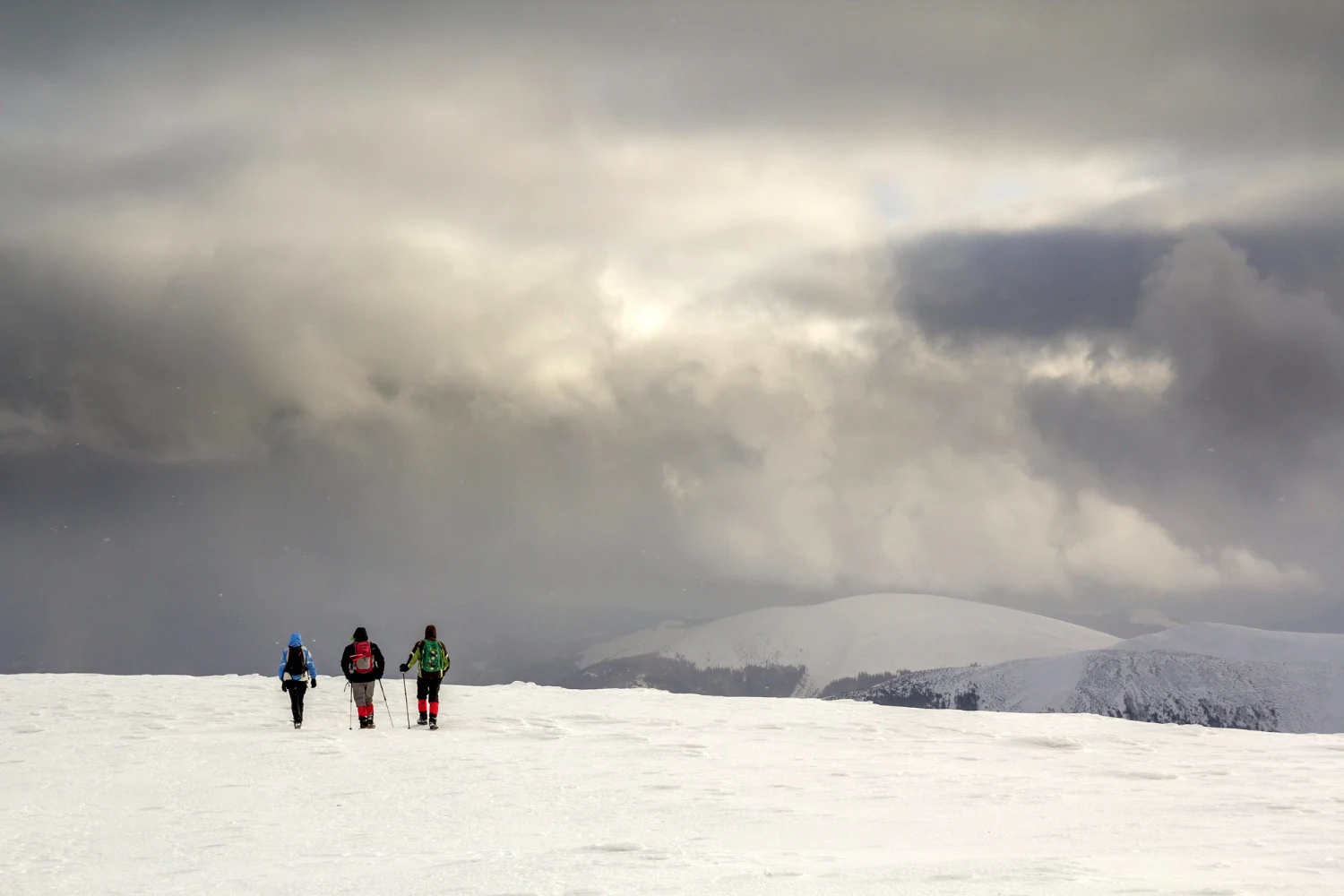
Understanding the Tawang weather and temperature patterns is essential when planning a trip to this high-altitude Himalayan destination. Located at around 3,048 meters (10,000 feet) above sea level, Tawang experiences a cool mountain climate throughout the year. Temperatures remain relatively low compared to most hill stations in India, and seasonal changes can significantly affect travel conditions.
The weather in Tawang Valley varies dramatically between seasons. Summers are mild and pleasant, monsoon months bring lush greenery and rainfall, while winters transform the region into a snowy Himalayan landscape. Because of this variation, the best time to visit Tawang often depends on whether travelers want clear sightseeing conditions, road trips through mountain passes, or the magical experience of snowfall.
Before planning your journey, it is helpful to understand monthly temperature patterns, snowfall periods, and how weather impacts accessibility in Arunachal Tawang.
Tawang Temperature Month-by-Month
Temperatures in Tawang fluctuate significantly throughout the year due to its elevation and mountainous terrain. While summer months remain pleasant, winters can become extremely cold with sub-zero temperatures.
Here is a general overview of Tawang temperature month-by-month:
January – February
These are the coldest months in Tawang. Temperatures can drop between -5°C and 5°C, and the region often experiences heavy snowfall. High-altitude passes such as Sela Pass may remain covered in snow, creating dramatic winter landscapes.
March – April
Spring slowly arrives, and temperatures begin to rise slightly, ranging between 3°C and 12°C. Snow starts melting, and road accessibility gradually improves, making this period a good time for early-season travelers.
May – June
These are the most pleasant months to visit Tawang. Temperatures remain between 10°C and 20°C, offering comfortable conditions for sightseeing, exploring Tawang Monastery, and visiting nearby lakes and valleys.
July – September
During the monsoon months, temperatures usually stay between 12°C and 18°C, but frequent rainfall may affect travel plans. The landscapes become lush and vibrant, although road conditions can occasionally be challenging.
October – November
Autumn brings cooler temperatures ranging from 5°C to 15°C. Clear skies and fresh mountain air make this one of the best periods for photography and exploring Tawang tourist places.
December
Winter begins to settle in again, with temperatures falling between -2°C and 8°C. Early snowfall may start appearing in higher-altitude areas around Tawang.
Lorem ipsum dolor sit amet, consectetur adipiscing elit. Ut elit tellus, luctus nec ullamcorper mattis, pulvinar dapibus leo.
Overall, travelers who prefer comfortable weather usually choose spring, summer, or autumn months, while winter is best suited for those specifically hoping to witness snowfall.
Tawang Snowfall: When Does Tawang Receive Snow?
One of the most magical experiences in Arunachal Pradesh is witnessing Tawang snowfall. Snowfall usually begins in late November or December and continues through January and February.
During this period, the entire region transforms into a stunning snow-covered Himalayan landscape. The mountains surrounding Tawang Valley appear blanketed in white, and famous locations like Sela Pass, Bum La Pass, and nearby lakes often freeze or accumulate heavy snow.
January is typically the peak snowfall month in Tawang, when temperatures can fall well below freezing. Snowfall during this time attracts travelers who want to experience a true Himalayan winter.
However, heavy snowfall can also affect road accessibility. Certain mountain routes may temporarily close if snowfall becomes intense. Travelers visiting during winter should therefore check road conditions and weather forecasts before planning their journey.
Despite the cold temperatures, winter remains one of the most visually spectacular times to visit Arunachal Tawang, especially for photographers and snow lovers.
How Weather Affects Travel in Tawang Valley
Because of its mountainous terrain and high elevation, weather conditions in Tawang Valley can significantly influence travel plans.
During summer and autumn, road travel is generally smooth and sightseeing becomes easier. Visitors can comfortably explore major attractions such as Tawang Monastery, Madhuri Lake, Nuranang Waterfall, and Sela Pass without worrying about extreme weather conditions.
In monsoon months, rainfall may cause occasional landslides or road disruptions along mountain routes connecting Guwahati, Bomdila, Dirang, and Tawang. Travelers visiting during this period should allow extra travel time and monitor weather updates.
Winter travel can also become challenging because snowfall may affect high-altitude passes like Sela Pass. However, with proper planning and suitable vehicles, winter road trips can still be an incredible experience.
Overall, understanding weather patterns helps travelers choose the best time to visit Tawang based on comfort, accessibility, and travel goals.
Best Season for Different Travel Experiences
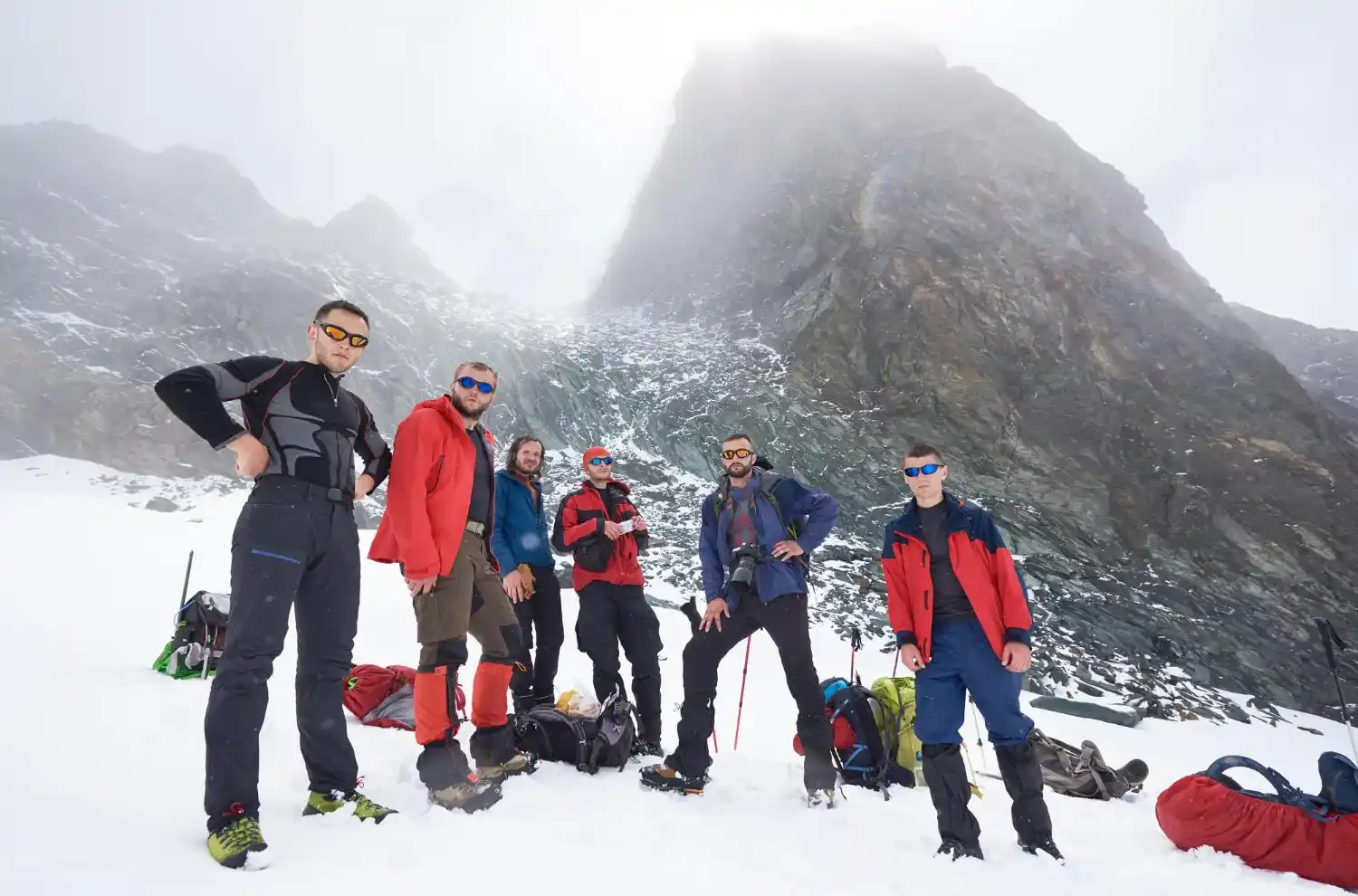
Tawang offers a wide variety of travel experiences depending on the season. Some visitors come to enjoy snow-covered landscapes, while others prefer pleasant weather for sightseeing and road trips through the Himalayan mountains.
Choosing the best season for visiting Tawang depends on what kind of travel experience you want.
Best Time for Snowfall in Tawang
For travelers hoping to witness the magical beauty of Tawang snowfall, the best months to visit are December to February.
During winter, temperatures frequently drop below freezing, and snowfall blankets the surrounding mountains, valleys, and monasteries. High-altitude locations such as Sela Pass, Bum La Pass, and nearby alpine lakes often receive significant snowfall.
January is usually the peak winter month when snowfall is most likely. The entire region becomes a picturesque winter wonderland, making it a dream destination for snow lovers and photographers.
However, travelers should prepare for extremely cold weather and occasional road closures caused by heavy snow. Warm clothing and proper travel planning are essential when visiting Tawang during winter.
Best Time for Sightseeing in Tawang
For most travelers, the best time for sightseeing in Tawang is between April and June or September and November.
During these months, the weather remains comfortable and skies are usually clear. This makes it easier to explore the region’s most famous attractions, including:
- Tawang Monastery
- Madhuri Lake (Sangetsar Lake)
- Sela Pass and Sela Lake
- Nuranang Waterfall
- Bum La Pass
Clear weather also provides spectacular views of the surrounding Himalayan mountains and valleys, making this season perfect for photography and sightseeing.
Autumn months, especially October, are particularly beautiful because the air is crisp, the skies remain clear, and tourist crowds are usually moderate.
Best Time for Adventure and Road Trips to Tawang
For travelers planning a road trip to Tawang, the best months are May to June and September to October.
These months offer the most stable road conditions and pleasant temperatures for long drives through the mountains. The scenic journey from Guwahati to Tawang, passing through Bomdila and Dirang, becomes one of the most memorable road trips in Northeast India.
Driving through Sela Pass, one of the highest motorable mountain passes in India, is especially breathtaking during these months. Clear skies reveal spectacular views of snow-capped peaks, alpine lakes, and deep valleys.
Adventure travelers often combine road trips with exploration of remote destinations such as Bum La Pass, which lies near the India-China border.
With comfortable weather, clear visibility, and accessible roads, late spring and early autumn provide the ideal conditions for adventurous journeys across Arunachal Tawang.
Top Tourist Places to Visit in Tawang
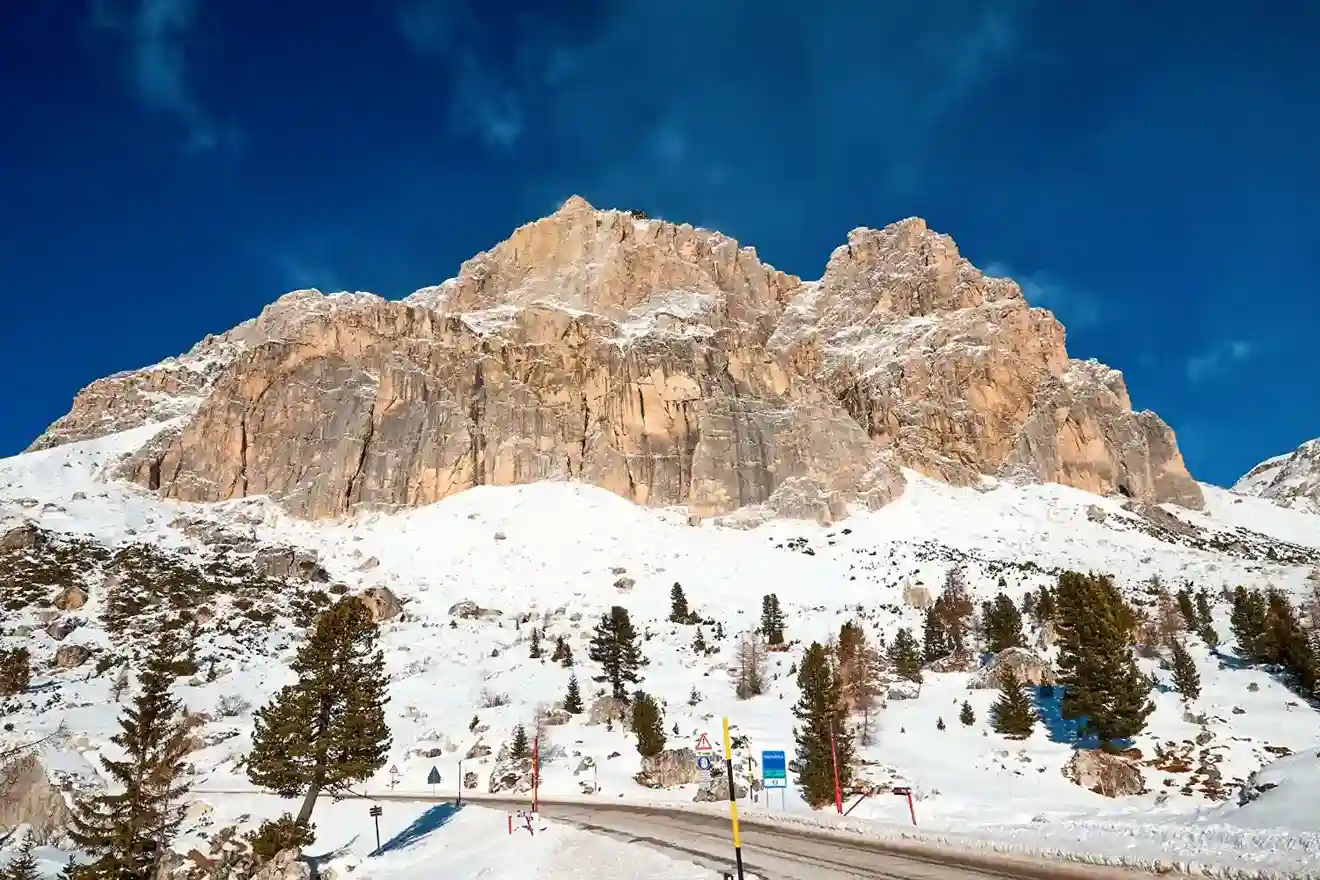
Tawang is home to some of the most breathtaking landscapes and cultural landmarks in Arunachal Pradesh. From ancient monasteries and high-altitude mountain passes to crystal-clear lakes and powerful waterfalls, the region offers a wide variety of experiences for travelers exploring the Eastern Himalayas.
Many visitors are drawn to Tawang not only for its natural beauty but also for its deep spiritual significance and remote Himalayan charm. The town serves as a gateway to several iconic destinations that showcase the true beauty of Tawang Valley.
If you’re planning your trip and wondering about the best Tawang tourist places, the following attractions should definitely be part of your itinerary.
Tawang Monastery: The Spiritual Heart of Arunachal
The Tawang Monastery is the most famous landmark in the region and one of the most significant spiritual centers in the Himalayas. Located at an altitude of around 3,000 meters, the monastery overlooks the stunning Tawang Valley, offering spectacular panoramic views of the surrounding mountains.
Founded in the 17th century, Tawang Monastery is the largest monastery in India and the second-largest Buddhist monastery in the world, after the Potala Palace in Tibet. It is an important center of Mahayana Buddhism and serves as a spiritual hub for the local Monpa community.
Inside the monastery complex, visitors can explore ancient prayer halls, traditional Tibetan architecture, colorful murals, and sacred scriptures. One of the most impressive sights is the massive golden statue of Lord Buddha, which stands nearly 8 meters tall.
The monastery also hosts vibrant festivals such as the Torgya Festival, where monks perform traditional masked dances and rituals. These celebrations offer travelers a unique glimpse into the rich cultural traditions of Arunachal Tawang.
Visiting Tawang Monastery is often considered the highlight of any trip to the region and remains one of the most iconic places to visit in Tawang.
Sela Pass and Sela Lake
One of the most dramatic and scenic locations near Tawang is Sela Pass, a high-altitude mountain pass situated at approximately 13,700 feet above sea level. The pass connects Tawang district with the rest of Arunachal Pradesh and serves as one of the most breathtaking routes in the Eastern Himalayas.
The journey through Sela Pass is an unforgettable experience. Snow-covered peaks, winding mountain roads, and icy landscapes make the drive incredibly scenic, especially during winter when the region receives heavy snowfall.
Close to the pass lies the serene Sela Lake, often referred to as Paradise Lake. This stunning alpine lake remains partially frozen during winter months and reflects the surrounding mountains, creating a picture-perfect Himalayan setting.
The lake holds cultural significance as well, with local legends associated with its name and history. Travelers often stop here to admire the views, capture photographs, and experience the peaceful atmosphere of the mountains.
Because of its incredible scenery and dramatic altitude, Sela Pass and Sela Lake are among the most visited attractions when exploring Tawang Valley.
Madhuri Lake (Sangetsar Lake)
Another spectacular destination near Tawang is Madhuri Lake, officially known as Sangetsar Lake. This high-altitude lake gained popularity after being featured in the Bollywood film Koyla, starring Madhuri Dixit — which is how it received its popular name.
Located around 35 km from Tawang, the lake sits at an elevation of roughly 12,000 feet and is surrounded by snow-covered mountains and barren landscapes. The lake itself was formed after an earthquake caused a natural dam, leaving tree trunks partially submerged in the water, creating a surreal and mysterious appearance.
The calm waters, dramatic mountain scenery, and peaceful surroundings make Madhuri Lake one of the most beautiful locations in Arunachal Pradesh tourism.
Visitors traveling to the lake often pass through Bum La Pass routes, offering stunning views of remote Himalayan terrain. Due to its proximity to the India–China border, travelers must obtain special permits before visiting the area.
For those exploring Tawang tourist places, Madhuri Lake is undoubtedly one of the most mesmerizing attractions in the region.
Nuranang Waterfall
Located about 40 km from Tawang on the route toward Bomdila, the majestic Nuranang Waterfall is one of the most powerful and scenic waterfalls in Arunachal Pradesh.
Also known as Jang Waterfall, the waterfall plunges from a height of nearly 100 meters, creating a spectacular display of cascading water surrounded by lush Himalayan forests.
The waterfall becomes particularly impressive during the monsoon and post-monsoon seasons, when the water flow is at its strongest. The mist created by the falling water adds a refreshing atmosphere to the surrounding valley.
Apart from its natural beauty, Nuranang Waterfall also holds historical significance. The waterfall is named after Nura, a local Monpa girl who reportedly assisted Indian soldiers during the 1962 Indo-China war.
The combination of natural beauty and historical significance makes Nuranang Waterfall one of the most memorable places to visit in Tawang.
Bum La Pass
For travelers seeking adventure and high-altitude experiences, Bum La Pass is one of the most extraordinary places to visit near Tawang.
Situated at an altitude of around 15,200 feet, Bum La Pass lies close to the India–China border and holds immense strategic and historical importance. It was one of the key locations during the 1962 Indo-China conflict and today serves as an important military outpost.
The journey to Bum La Pass itself is an adventure. The route passes through rugged mountain terrain, icy lakes, and remote Himalayan landscapes. The views along the way are nothing short of spectacular.
Visitors must obtain special permits from the Indian Army and local authorities to access this region. Due to its extreme altitude, travelers should also be prepared for cold weather and low oxygen levels.
Despite the challenges, visiting Bum La Pass is an unforgettable experience and offers one of the most unique travel opportunities in Tawang Valley.
Things to Do in Tawang

Tawang offers much more than just scenic views. From exploring ancient monasteries and experiencing Buddhist culture to witnessing snowfall and visiting pristine alpine lakes, the region provides a wide range of memorable travel experiences.
Because of its location in the Eastern Himalayas, Tawang attracts travelers who enjoy nature, culture, adventure, and spiritual exploration. Whether you are visiting for a peaceful retreat or planning an adventurous road trip across Arunachal Pradesh, there are plenty of unique things to do in Tawang.
Here are some of the most rewarding experiences travelers should not miss while exploring Tawang Valley.
Explore Tawang Monastery and Buddhist Culture
One of the most meaningful experiences in Tawang is visiting the iconic Tawang Monastery and learning about the region’s rich Buddhist heritage.
The monastery, which overlooks the entire Tawang Valley, is not only an architectural masterpiece but also a vibrant spiritual center. Visitors can walk through the monastery complex, observe monks performing prayers, and explore traditional prayer halls decorated with ancient murals and Tibetan artwork.
Inside the monastery, travelers can see sacred scriptures, colorful prayer wheels, and the magnificent golden statue of Lord Buddha, which is one of the most impressive religious icons in Arunachal Pradesh.
Beyond the monastery itself, travelers can experience the peaceful rhythm of Buddhist life. The local Monpa community, who inhabit the region, maintain strong cultural traditions influenced by Tibetan Buddhism.
Visitors often enjoy interacting with locals, tasting traditional dishes, and learning about festivals such as the Torgya Festival, where monks perform sacred masked dances and rituals.
Exploring the spiritual side of Tawang provides a deeper understanding of the region’s culture and makes the journey more meaningful.
Visit Scenic Lakes and Valleys in Tawang
Another unforgettable experience in Tawang is exploring the region’s spectacular lakes and valleys. Surrounded by dramatic Himalayan peaks, these natural landscapes offer some of the most breathtaking scenery in Arunachal Pradesh tourism.
One of the most popular places is Madhuri Lake (Sangetsar Lake), known for its unique appearance with partially submerged tree trunks rising from the water. The peaceful surroundings and mountain views make it one of the most photogenic spots in the region.
Travelers should also visit Sela Lake, located near Sela Pass, where the icy blue water reflects the surrounding mountains. During winter months, parts of the lake freeze, creating a surreal Himalayan landscape.
Beyond these lakes, the vast Tawang Valley itself offers incredible scenic beauty. Rolling mountain slopes, alpine meadows, and distant snow-covered peaks create the perfect setting for travelers looking to experience the untouched beauty of the Northeast Himalayas.
Driving through these landscapes is often considered one of the most memorable parts of visiting Arunachal Tawang.
Experience Tawang Snowfall in Winter
For many travelers, witnessing Tawang snowfall is one of the biggest highlights of visiting this Himalayan destination.
During December, January, and February, the entire region transforms into a magical winter wonderland. Snow blankets the surrounding mountains, roads, monasteries, and valleys, creating breathtaking views at every turn.
High-altitude locations such as Sela Pass, Bum La Pass, and nearby lakes often receive heavy snowfall, making the region particularly attractive for travelers seeking a snowy Himalayan experience.
Winter also brings a peaceful atmosphere to the region. The quiet landscapes, frozen lakes, and snow-covered monasteries offer a unique and unforgettable travel experience.
However, visitors should prepare for extremely cold temperatures, which can drop below -5°C, and occasionally challenging road conditions. With proper planning and warm clothing, winter travel can be one of the most magical ways to experience Tawang Valley.
Discover Local Culture and Monasteries
Tawang is home to several monasteries and culturally rich villages that provide insight into the traditional lifestyle of the Monpa people, the indigenous community of the region.
Apart from Tawang Monastery, travelers can explore smaller monasteries scattered throughout the valley. These peaceful spiritual centers offer a glimpse into the daily life of monks and the role of Buddhism in shaping the region’s culture.
Visitors can also explore traditional Monpa villages, where wooden houses, prayer flags, and traditional farming practices reflect centuries-old Himalayan traditions.
Local markets in Tawang town are another great place to experience regional culture. Travelers can find handmade crafts, Buddhist prayer items, traditional woolen clothing, and locally produced foods.
For those interested in cultural experiences, interacting with locals and observing daily life in the mountains adds a meaningful dimension to the journey through Arunachal Tawang.
How to Reach Tawang
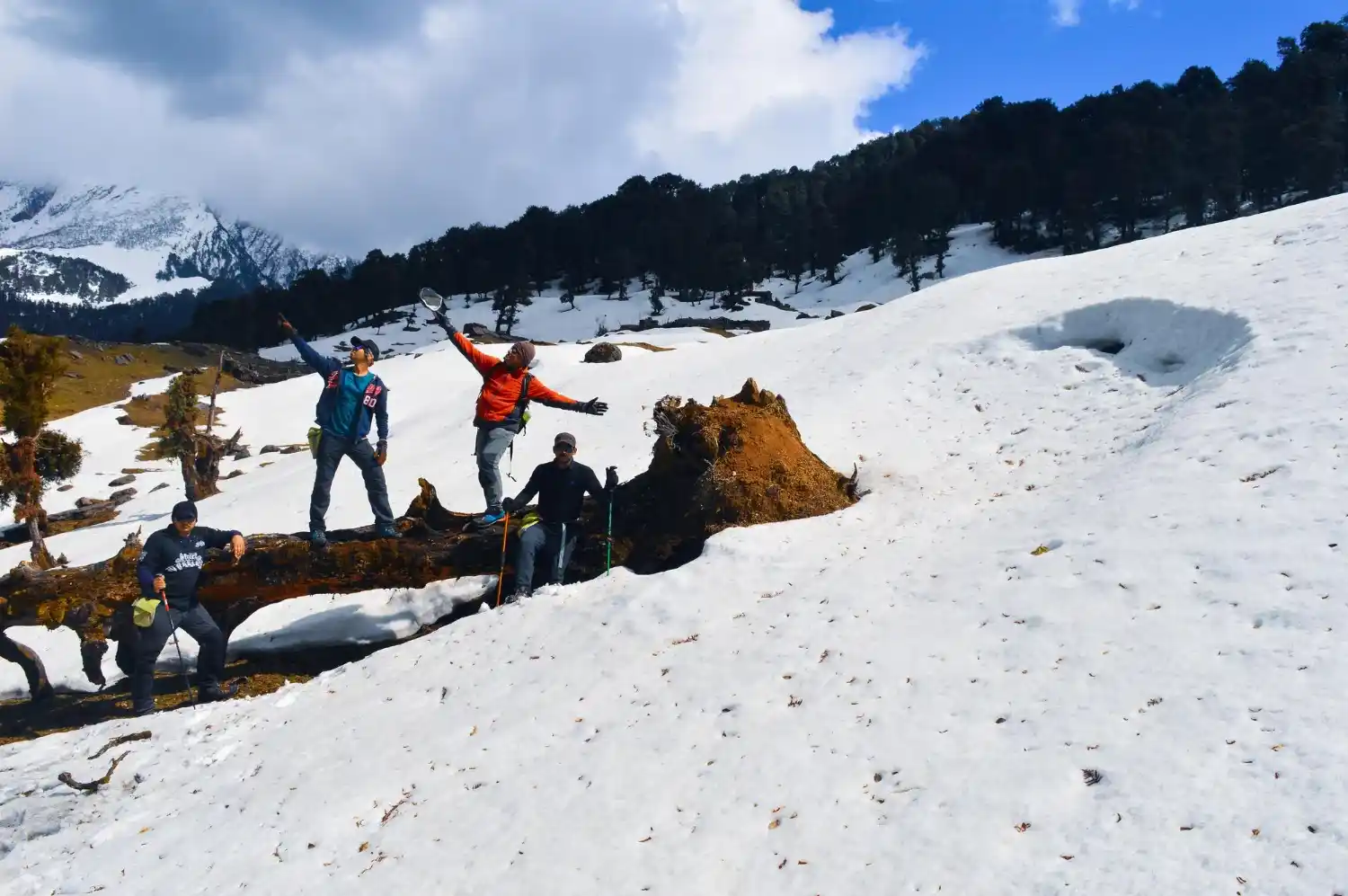
Reaching Tawang is part of the adventure. Located deep in the Eastern Himalayas, the journey to Tawang involves traveling through winding mountain roads, high-altitude passes, and scenic valleys.
Although the town is remote, several travel routes connect Tawang with major cities in Assam and Arunachal Pradesh. Most travelers begin their journey from Guwahati, which serves as the primary gateway to Arunachal Pradesh.
From there, travelers usually take a road trip passing through scenic mountain towns such as Bomdila and Dirang, eventually reaching Tawang Valley.
Tawang Distance from Major Cities
Understanding the Tawang distance from major cities helps travelers plan their journey more efficiently.
Guwahati to Tawang Distance
The distance from Guwahati to Tawang is approximately 450 kilometers. The journey usually takes around 12 to 14 hours by road, depending on weather conditions and road quality.
Travelers typically break the journey into two days, stopping overnight in Bomdila or Dirang to rest and acclimatize before continuing toward Tawang.
Tezpur to Tawang Distance
The distance from Tezpur to Tawang is around 320 kilometers, and the drive generally takes 10 to 12 hours.
Tezpur is often considered the nearest major town in Assam for travelers heading toward Tawang. Many travelers start their road journey from Tezpur because it shortens the travel distance compared to Guwahati.
Bomdila to Tawang Distance
The distance between Bomdila and Tawang is approximately 180 kilometers.
This stretch of road passes through some of the most spectacular landscapes in Arunachal Pradesh, including the famous Sela Pass. The drive usually takes 6 to 7 hours, depending on road conditions.
Because of its scenic beauty and altitude changes, this route is considered one of the most memorable parts of the journey to Tawang Valley.
Travel Routes to Reach Tawang Valley
The most common travel route to reach Tawang is:
Guwahati → Tezpur → Bomdila → Dirang → Sela Pass → Tawang
This route takes travelers through dramatic mountain scenery, dense forests, and high-altitude passes. The journey becomes particularly spectacular as travelers approach Sela Pass, where snow-covered peaks and alpine lakes create breathtaking views.
Due to the mountainous terrain, many travelers choose to divide the journey into two days, spending the night in Bomdila or Dirang before continuing to Tawang.
Travel permits, known as the Inner Line Permit (ILP), are required for Indian citizens visiting Arunachal Pradesh, and travelers should arrange these permits before starting their journey.
Road Trip to Tawang: What to Expect
A road trip to Tawang is often considered one of the most scenic journeys in Northeast India.
The route passes through dramatic Himalayan landscapes, including deep valleys, mountain rivers, alpine forests, and high-altitude mountain passes. Along the way, travelers can enjoy stunning views of waterfalls, snow-covered peaks, and traditional mountain villages.
One of the highlights of the journey is crossing Sela Pass, one of the highest motorable passes in India. The pass offers breathtaking views and an unforgettable driving experience.
However, travelers should also be prepared for winding mountain roads, changing weather conditions, and occasional delays caused by landslides or snowfall.
Despite the challenges, the road journey remains one of the most rewarding ways to reach Tawang Valley, making the trip itself just as memorable as the destination.
Tawang Tour Packages and Travel Planning
Planning a trip to Tawang in Arunachal Pradesh requires some preparation because of its remote location, mountainous terrain, and travel permit requirements. However, with proper planning, a journey to Tawang Valley becomes one of the most unforgettable travel experiences in Northeast India.
Travelers usually combine Tawang with other destinations in Arunachal Pradesh such as Bomdila and Dirang, creating a scenic Himalayan road trip filled with monasteries, lakes, and breathtaking mountain landscapes.
Depending on the time available and travel preferences, visitors can choose from a variety of Tawang tour packages, road trip itineraries, and customized travel plans.
Popular Tawang Tour Packages
Several Tawang tour packages are designed to help travelers explore the region comfortably while covering its most famous attractions.
Most packages include transportation from Guwahati or Tezpur, accommodation, sightseeing tours, and necessary travel permits.
Some of the most common package options include:
4–5 Day Tawang Tour Package
Ideal for travelers who want a short trip covering the major highlights of the region. These tours usually include visits to Tawang Monastery, Sela Pass, Madhuri Lake, and Nuranang Waterfall.
6–7 Day Arunachal Tawang Tour
A more relaxed itinerary that includes stops in Bomdila and Dirang, allowing travelers to acclimatize while exploring scenic Himalayan landscapes along the way.
Extended Northeast Road Trip (7–10 Days)
Some travelers combine Tawang with other destinations in Arunachal Pradesh and Assam, creating a longer road trip experience across the Eastern Himalayas.
These packages often include comfortable transportation through mountain roads, guided sightseeing tours, and accommodation options ranging from budget stays to premium hotels.
Suggested 5–7 Day Arunachal Tawang Itinerary
A 5–7 day itinerary is usually considered the ideal duration to explore Tawang Valley comfortably while also enjoying the scenic journey through Arunachal Pradesh.
Day 1: Guwahati to Bomdila
The journey begins from Guwahati with a drive through Assam’s beautiful countryside toward Bomdila. Travelers usually spend the night here to rest and acclimatize.
Day 2: Bomdila to Tawang via Sela Pass
The drive continues through Dirang Valley and crosses the famous Sela Pass, offering spectacular views of snow-covered peaks and alpine lakes before reaching Tawang.
Day 3: Tawang Sightseeing
Explore the major attractions of Tawang, including Tawang Monastery, Madhuri Lake, and Nuranang Waterfall.
Day 4: Bum La Pass and Local Exploration
Visit Bum La Pass, located near the India-China border, and explore nearby scenic spots.
Day 5: Tawang to Dirang
Return journey begins with an overnight stay in Dirang, known for its peaceful mountain views.
Day 6: Dirang to Guwahati
Drive back to Guwahati while enjoying the scenic landscapes along the way.
Optional Day 7
Travelers who prefer a slower pace often add an extra day for sightseeing or relaxation.
This itinerary offers a balanced mix of road trips, sightseeing, cultural exploration, and natural beauty.
Travel Permits Required for Tawang
Because Arunachal Pradesh lies near international borders, visitors must obtain certain permits before traveling to Tawang.
For Indian citizens, an Inner Line Permit (ILP) is required. This permit allows entry into Arunachal Pradesh and can be obtained online or through designated government offices.
For foreign nationals, a Protected Area Permit (PAP) is required instead of the ILP. Foreign travelers often need to travel in groups and obtain permits through authorized travel agencies.
These permits are generally easy to obtain but should be arranged before starting the journey, as checkpoints along the route verify travel documents.
Travelers planning to visit sensitive border areas such as Bum La Pass may also require additional permissions from local authorities or the Indian Army.
Places to Stay in Tawang

Tawang offers a variety of accommodation options that suit different travel budgets and preferences. From cozy mountain homestays to comfortable hotels overlooking Tawang Valley, travelers can find suitable places to stay while exploring the region.
Because tourism in Arunachal Tawang has grown over the years, the town now offers several options for both budget travelers and those seeking more comfortable stays.
Best Hotels and Homestays in Tawang
Visitors can choose from several hotels, guesthouses, and homestays in Tawang that provide comfortable accommodation and warm hospitality.
Many travelers prefer staying in homestays because they offer an opportunity to experience the traditional lifestyle of the local Monpa community. These accommodations often provide home-cooked meals and insights into local culture.
Hotels in Tawang range from simple guesthouses to well-equipped properties offering scenic views of the surrounding mountains and monasteries.
Staying close to the main town area allows travelers easy access to restaurants, markets, and major attractions like Tawang Monastery.
Budget Stays vs Premium Hotels
Travelers can choose accommodation based on their travel style and budget.
Budget stays in Tawang include guesthouses and small homestays that provide basic but comfortable facilities. These are ideal for backpackers and travelers looking for affordable options.
Mid-range hotels offer more comfortable rooms, better amenities, and sometimes beautiful views of the surrounding mountains.
Premium hotels provide spacious rooms, modern facilities, and additional services such as guided tours or transportation arrangements.
Regardless of the type of accommodation, most places in Tawang focus on providing a warm and welcoming environment for visitors exploring the Himalayan region.
Best Areas to Stay in Tawang Valley
When choosing where to stay, travelers often prefer locations that provide easy access to major attractions and scenic views.
Tawang Town Center is the most convenient area, as it offers proximity to restaurants, local markets, and transport facilities.
Some hotels located slightly outside the town provide spectacular views of Tawang Valley and the surrounding mountains, offering a peaceful retreat away from busy areas.
Travelers who prefer quieter surroundings sometimes choose accommodations closer to the valley or near monasteries, where the atmosphere remains calm and scenic.
Travel Tips for Visiting Tawang

Traveling to Tawang is an incredible experience, but the region’s high altitude, mountain roads, and changing weather conditions require careful planning.
Here are some helpful travel tips for visiting Tawang that can make your journey safer and more enjoyable.
Inner Line Permit (ILP) for Arunachal Pradesh
Indian travelers must obtain an Inner Line Permit (ILP) before entering Arunachal Pradesh.
The ILP can be applied for online through the Arunachal Pradesh government portal or obtained from government offices in cities like Guwahati, Tezpur, or New Delhi.
Travelers should carry both digital and printed copies of the permit because checkpoints along the route will verify travel documents.
Altitude and Road Conditions
Tawang is located at a high altitude, so travelers may experience mild altitude sickness when arriving in the region.
To avoid discomfort, it is recommended to travel gradually and spend a night in Bomdila or Dirang before reaching Tawang. This helps the body adjust to the elevation.
Road conditions in the Himalayas can also change quickly due to weather. Travelers should allow extra time for journeys and stay updated about road conditions, especially during winter snowfall or monsoon rains.
Packing Tips for Tawang Weather
Because temperatures in Tawang remain cool throughout the year, packing appropriate clothing is essential.
Travelers should carry:
- Warm jackets and thermal layers
- Comfortable trekking or walking shoes
- Gloves, scarves, and woolen caps in winter
- Rain protection during monsoon months
- Sunscreen and sunglasses for high-altitude sunlight
Proper preparation ensures that travelers can comfortably explore Tawang Valley, regardless of the season they visit.
FAQs
Which month is best to visit Tawang?
The best months to visit Tawang in Arunachal Pradesh are April to June and September to November, when the weather remains pleasant and roads are easily accessible. During this period, travelers can comfortably explore major attractions such as Tawang Monastery, Sela Pass, Madhuri Lake, and Nuranang Waterfall. These months also offer clear views of Tawang Valley, making it ideal for sightseeing and photography.
When does snowfall happen in Tawang?
Tawang snowfall typically occurs between December and February, with January usually receiving the heaviest snowfall. During this time, temperatures drop below freezing and the surrounding mountains, roads, and lakes become covered in snow. High-altitude locations like Sela Pass and Bum La Pass often receive significant snowfall, creating a stunning winter landscape across Tawang Valley.
What is Tawang famous for?
Tawang is famous for its breathtaking Himalayan landscapes, rich Buddhist culture, and the historic Tawang Monastery, which is the largest monastery in India. The region is also known for scenic attractions such as Sela Pass, Madhuri Lake, Bum La Pass, and Nuranang Waterfall. Many travelers also visit Tawang to experience snowfall, peaceful mountain valleys, and traditional Monpa culture.
How far is Tawang from Guwahati?
The distance from Guwahati to Tawang is approximately 450 kilometers. The journey usually takes around 12 to 14 hours by road, depending on weather conditions and road quality. Most travelers divide the journey into two days, stopping overnight in Bomdila or Dirang before continuing toward Tawang Valley through the scenic Sela Pass route.
How many days are enough for Tawang?
A 5 to 7 day trip is usually ideal to explore Tawang comfortably. This allows travelers to cover the scenic road journey from Guwahati or Tezpur, visit major attractions such as Tawang Monastery, Sela Pass, Madhuri Lake, and Bum La Pass, and also enjoy the peaceful surroundings of Tawang Valley without rushing through the itinerary.
Is Tawang safe for tourists?
Yes, Tawang is considered safe for tourists. The region has a peaceful environment and the local Monpa community is known for its warm hospitality. However, because Tawang lies in a high-altitude Himalayan region near international borders, travelers should follow local guidelines, carry necessary permits, and stay informed about weather and road conditions while traveling.
What permits are required to visit Tawang?
Visitors need travel permits to enter Arunachal Pradesh. Indian citizens must obtain an Inner Line Permit (ILP) before visiting Tawang. Foreign travelers require a Protected Area Permit (PAP). Additional permits may also be needed to visit border areas such as Bum La Pass, which are issued with approval from local authorities and the Indian Army.
What is the best season for Tawang Valley?
The best season to visit Tawang Valley is spring and summer (March to June) and autumn (September to November). During these months, the weather remains comfortable, skies are clearer, and travel routes are more accessible. These seasons are ideal for sightseeing, visiting monasteries, exploring lakes, and enjoying panoramic views of the surrounding Himalayan mountains.
How cold does Tawang get in winter?
Winter temperatures in Tawang can drop to around -5°C or lower, especially during December and January. Snowfall during this period covers the surrounding mountains and high-altitude passes such as Sela Pass. While the scenery becomes incredibly beautiful, travelers should be prepared for extremely cold weather and carry proper winter clothing.
What are the best tourist places in Tawang?
Some of the best tourist places in Tawang include Tawang Monastery, Sela Pass, Madhuri Lake (Sangetsar Lake), Nuranang Waterfall, and Bum La Pass. These attractions offer a mix of spiritual heritage, dramatic Himalayan landscapes, alpine lakes, and historic mountain passes that make Tawang one of the most scenic destinations in Arunachal Pradesh.
Know more >>>
Best Time to Visit Kanatal – Weather, Activities & Top Attractions
Best Time to Visit Matheran – Weather, Top Places & Activities
Plan Your Tawang Trip with Offto Travellers
Planning a trip to Tawang Valley in Arunachal Pradesh becomes much easier when you have the right travel platform to guide you. Whether you are looking to discover new destinations, connect with fellow travelers, or book your stay in the mountains, Offto Travellers helps you plan your journey seamlessly.
Offto is a new-age travel platform designed for modern explorers who want more than just bookings. It combines the experience of travel discovery and community, allowing travelers to share experiences, explore hidden places, and plan trips with real insights from other travelers.
Before visiting destinations like Tawang Monastery, Sela Pass, Madhuri Lake, and Bum La Pass, you can explore travel stories, tips, and recommendations shared by other travelers who have already experienced the region.
With Offto, you can:
- Discover new destinations across India, including hidden Himalayan locations like Tawang Valley
- Connect with fellow travelers and exchange travel experiences and recommendations
- Explore offbeat places and unique travel routes shared by the travel community
- Book hotels, trips, and travel experiences in one place
Whether you're planning a road trip to Tawang, searching for the best places to stay in Tawang, or exploring Tawang tour packages, Offto helps simplify the entire process.
Download the Offto Travellers app and start exploring destinations, connecting with travelers, and planning unforgettable journeys across India. Your next adventure might just begin with discovering a hidden place in the mountains.
Play StoreApp Store
Leave a Reply