
The best time for the Kashmir Great Lakes Trek is between July and September when the weather is ideal for trekking and the lakes are in full bloom. The trek is moderate in difficulty.
Introduction to the Kashmir Great Lakes Trek
The Kashmir Great Lakes Trek is one of the most mesmerizing and adventurous treks in India. Located in the stunning Kashmir Valley, this trek takes you through lush alpine meadows, pristine lakes, and snow-capped peaks, offering a perfect blend of natural beauty and adventure. Trekking through the Kashmir Great Lakes is not just about reaching the destination but immersing yourself in the serenity of the high-altitude lakes that are surrounded by towering mountains.
The trek is known for its moderate difficulty, making it an ideal choice for trekkers with some experience. It typically spans over 6-8 days, covering 70-75 kilometers. The trek’s route is dotted with seven breathtaking lakes, each offering its own charm and natural beauty, and is considered one of the most beautiful trekking routes in the world.
Why the Kashmir Great Lakes Trek is a Bucket-List Adventure
The Kashmir Great Lakes Trek stands out as a bucket-list adventure for trekkers and nature lovers alike. Here’s why:
1. Breathtaking Views: The trek offers stunning views of snow-capped peaks, green meadows, and shimmering alpine lakes, including Vishansar Lake, Krishansar Lake, and Gangbal Lake.
2. Unique High-altitude Lakes: The trek takes you through seven majestic lakes, nestled in the remote regions of Kashmir, providing a glimpse of untouched wilderness.
3. Cultural Experience: Along the way, trekkers experience the unique culture of Kashmir. The trek passes through charming Kashmiri villages and introduces trekkers to local traditions and hospitality.
4. A Moderate Challenge: The moderate difficulty level allows trekkers of various fitness levels to embark on the adventure while still presenting a challenge in terms of endurance, altitude, and terrain.
Overview of the Kashmir Great Lakes Trek: Highlights and Key Facts
The Kashmir Great Lakes Trek takes you through one of the most scenic landscapes in India, with its stunning high-altitude lakes and pristine surroundings. The trek starts from Sonamarg and traverses through high-altitude passes, alpine meadows, and dense forests.
Key Highlights
- Seven breathtaking lakes, including Vishansar Lake, Krishansar Lake, Gangbal Lake, and Alpine Lake.
- Vivid wildflower meadows that carpet the ground in vibrant colors during summer.
- Views of the majestic Himalayan peaks, including Mount Harmukh and Gulmarg Peaks.
- Kashmiri culture and the chance to experience local life in small villages along the route.
Key Facts
- Duration: 6 to 8 days
- Trek Difficulty: Moderate
- Total Distance: 70-75 km
- Altitude: 3,600 meters at the highest point
- Best Time to Visit: July to September
Best Time to Visit Kashmir for the Great Lakes Trek
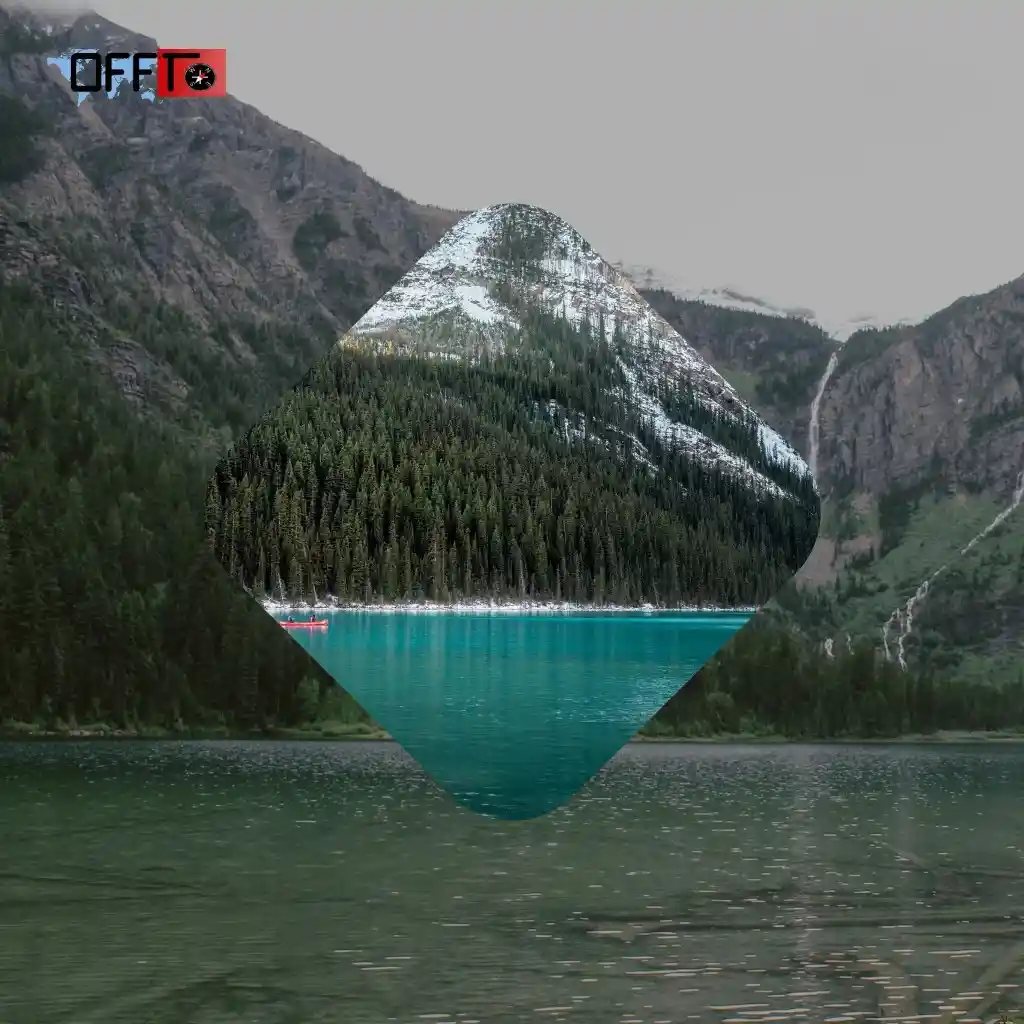
The Kashmir Great Lakes Trek is best undertaken between July and September, as the weather is generally favorable, and the lakes are at their most scenic. During this period, trekkers can experience clear skies, pleasant temperatures, and a well-maintained trail. However, each season has its unique characteristics, and it’s important to plan your trek based on the season that suits you best.
The trek is known for its moderate difficulty, making it an ideal choice for trekkers with some experience. It typically spans over 6-8 days, covering 70-75 kilometers. The trek’s route is dotted with seven breathtaking lakes, each offering its own charm and natural beauty, and is considered one of the most beautiful trekking routes in the world.
When is the Best Time for the Kashmir Great Lakes Trek?
- Best Trekking Window: The optimal time to trek the Kashmir Great Lakes is from July to September. During this period, the weather is perfect for trekking, with clear skies and moderate temperatures ranging between 12°C and 20°C during the day. The trail is also dry and well-maintained, making it an ideal time to witness the breathtaking Kashmir valley in full bloom.
- Off-Season Trekking: While monsoon (June to August) and winter (November to March) are not ideal, some trekkers do attempt the trek during these times for specific experiences, like seeing the lakes covered in snow or enjoying a more solitary trekking experience. However, the trail can be slippery and challenging during these periods.
Why July to September is the Ideal Trekking Window
The best trekking window for the Kashmir Great Lakes Trek falls between July and September because of the following reasons:
1. Weather: With clear skies and moderate temperatures, this period is perfect for trekking. Day temperatures are 12°C to 20°C, and the nights are cooler at around 5°C to 8°C.
2. Full Bloom of Wildflowers: The meadows along the trek come alive with vibrant wildflowers, creating a picturesque landscape that makes trekking more delightful.
3. Clear Views of the Lakes: The weather allows for optimal views of the seven lakes, with crystal-clear waters reflecting the surrounding peaks. The high-altitude lakes like Vishansar and Krishansar look their best during this time.
4. Trail Conditions: The path is generally dry and well-maintained during the summer months, making the trek safer and easier. This is the peak trekking season for Kashmir, attracting trekkers from across the globe.
Weather Considerations for Different Seasons
- Monsoon (June to August): The monsoon season brings heavy rainfall to the region, making the trails slippery and muddy. Landslides are more common, and visibility can be poor. It’s best to avoid trekking during this period due to safety concerns and trail conditions.
- Winter (November to March): Winter in Kashmir is harsh, with sub-zero temperatures and snow-covered trails. While the snow-capped Kashmir Great Lakes offer a stunning winter landscape, the cold weather and difficult trail conditions make trekking challenging and are recommended only for experienced trekkers.
Kashmir Great Lakes Trek: Seasonal Insights and Tips
To help you decide when to plan your trek, here’s a closer look at what to expect during different seasons.
Monsoon and Winter Trekking Challenges
- Monsoon Challenges: The monsoon season (June to August) is the least favorable time for trekking due to constant rain, slippery paths, and the potential for landslides. The trails become treacherous, and the risks of waterlogged campsites and poor visibility are high.
- Winter Challenges: Trekking in winter (November to March) brings the beauty of snow-covered lakes and peaks but comes with its own set of challenges, including freezing temperatures, heavy snow, and treacherous conditions. Proper gear and preparation are essential for this time of year.
Kashmir Great Lakes Trek Difficulty Level and Cost
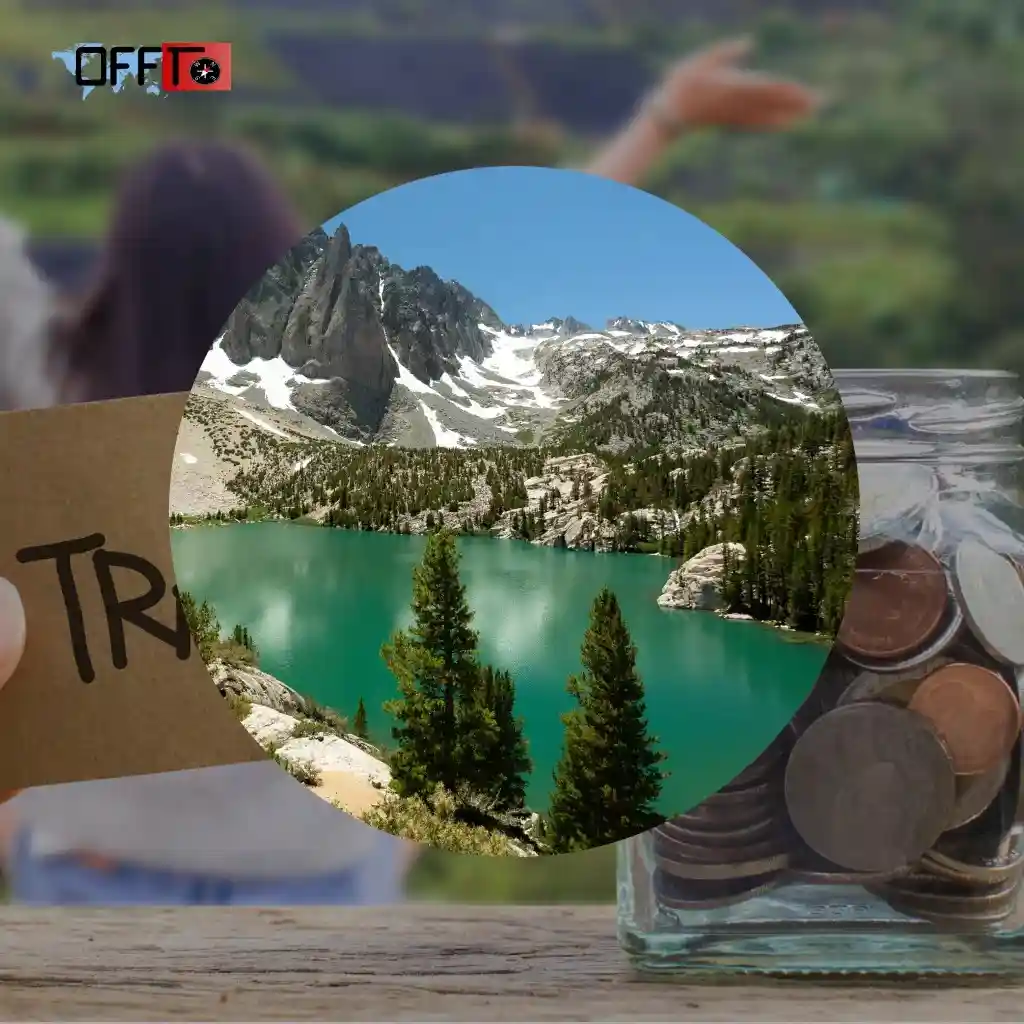
The Kashmir Great Lakes Trek is a challenging and rewarding experience, but it’s important to understand its difficulty level and the associated costs before you embark on this adventure. The trek is moderate in terms of difficulty, but the high altitude, rugged terrain, and varying weather conditions make it demanding. Along with the physical challenge, the cost of the trek is an important factor to consider in your planning.
How Difficult is the Kashmir Great Lakes Trek?
The Kashmir Great Lakes Trek is categorized as a moderate trek, but it requires a reasonable level of fitness and preparation. Here’s what you can expect:
1. Altitude: The highest point of the trek is at 4,300 meters (14,107 feet) at Gadsar Pass. Trekking at high altitudes can be challenging, as the air becomes thinner, and acclimatization is crucial to avoid altitude sickness. However, the gradual ascent allows trekkers to acclimatize properly over the course of the trek.
2. Terrain: The terrain varies from alpine meadows to rocky paths, snowfields, and glacier moraines. Some sections are steep and can be slippery, especially during the monsoon and winter months. The trail requires endurance and a strong will to push through at times.
3. Weather Conditions: The weather can be unpredictable, especially in the higher regions. Even in summer, temperatures can drop significantly, particularly at night. Snow can be encountered in the higher reaches of the trek, adding to the difficulty of the terrain.
4. Duration: The trek spans 7 to 8 days, with 6–8 hours of trekking each day. While the distance covered is not too long (approximately 70–75 kilometers), the daily ascents, rocky paths, and altitude make it moderately challenging.
Trek Difficulty and Terrain Breakdown
- Altitude: The Gadsar Pass at 4,300 meters is the highest point. Expect gradual climbs, but the altitude will require acclimatization. The Kashmir Great Lakes Trek does not have technical climbing sections, but altitude and terrain can cause fatigue.
- Terrain: The trek takes you through rocky paths, glacial moraines, snowfields, and alpine meadows. The terrain is uneven in some sections, requiring careful navigation and sturdy footwear.
- Weather: The weather can vary dramatically. In summer, it’s relatively mild, but cold nights are common. Monsoon brings rain, making trails slippery, and winter brings snow and freezing conditions, adding to the challenge. Good preparation for varying weather is essential.
What is the Cost of the Kashmir Great Lakes Trek?
The cost of the Kashmir Great Lakes Trek depends on several factors, including the trekking package, the number of days, the services included, and the trekking operator. On average, the cost for a 7-8 day trek falls between ₹12,000 to ₹25,000 per person. The price can vary based on the level of comfort and inclusions.
Cost Breakdown: Trekking Fees, Permits, and Equipment
- Trekking Fees: Trekking companies typically charge ₹12,000 to ₹20,000 for a 7-8 day trek. This usually includes guides, meals, accommodation, and transportation to and from the trekking base.
- Permits: The Kashmir Great Lakes Trek requires permits for trekking in the Kashmir Valley. The cost for permits is usually around ₹500 to ₹1,500. Some trekking companies include the permit fee in their packages, while others may charge separately.
- Equipment: If you don’t have your own trekking gear, some trekking companies offer rental equipment for around ₹1,500 to ₹3,000. This typically includes items like sleeping bags, trekking poles, camping gear, and rain gear.
- Meals: Most trekking packages include meals, but additional snacks and beverages along the route may cost extra. Expect to spend around ₹500 to ₹1,000 per day for food.
- Transport: The transportation cost to Srinagar (starting point) and from Sonamarg to the trek base camp is typically included in most packages. If traveling independently, taxis or shared jeeps from Srinagar to Sonamarg will cost around ₹2,000 to ₹4,000 depending on the route.
Is the Kashmir Great Lakes Trek Worth the Investment?
Given its moderate difficulty, breathtaking views, and the opportunity to experience the untouched beauty of Kashmir, the Kashmir Great Lakes Trek offers great value for trekkers. The trek allows you to visit some of the most beautiful lakes in the world, including Vishansar Lake, Krishansar Lake, and Gadsar Lake, and experience the beauty of the Kashmir Valley up close.
Although the trek requires an investment of time, energy, and money, the experience is highly rewarding. Whether you’re a nature enthusiast, an adventure lover, or a photographer, the Kashmir Great Lakes Trek is an unforgettable journey that is well worth the investment.
Kashmir Great Lakes Trek Route and Itinerary
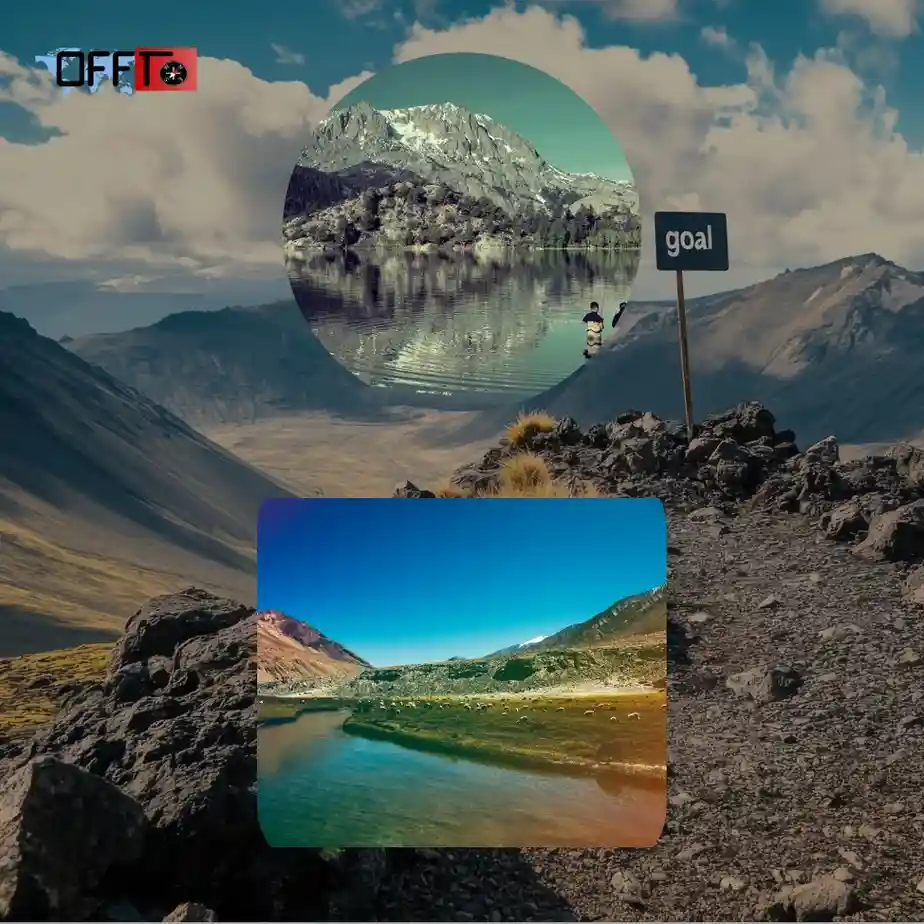
The Kashmir Great Lakes Trek offers one of the most scenic trekking routes in the world, taking you across alpine meadows, high-altitude lakes, and snow-covered passes. Here’s a detailed breakdown of the route and the itinerary to help you plan your trek.
Day-by-Day Breakdown of the Kashmir Great Lakes Trek
Here’s a day-by-day breakdown of the trek:
- Day 1: Srinagar to Sonamarg to Vishansar Lake
Begin your journey from Srinagar and drive to Sonamarg (about 80 km). From Sonamarg, start trekking towards Vishansar Lake, covering 12 km in around 5-6 hours.
- Day 2: Vishansar Lake to Krishansar Lake
Trek from Vishansar Lake to Krishansar Lake, which is about 8-9 km. This part of the trek takes around 5-6 hours. The area around Krishansar Lake is stunning, with snow-capped peaks in the background.
- Day 3: Krishansar Lake to Gadsar Lake
This is one of the most scenic and challenging days, trekking from Krishansar Lake to Gadsar Lake (about 9-10 km). You will cross the Gadsar Pass, which is the highest point of the trek at 4,300 meters (14,107 feet). Expect about 6-7 hours of trekking.
- Day 4: Gadsar Lake to Satsar Lake
Trek from Gadsar Lake to Satsar Lake, covering 9 km in approximately 6 hours. The terrain is rocky, but the views of the surrounding peaks are worth the effort.
- Day 5: Satsar Lake to Gangbal Lake
The trek from Satsar Lake to Gangbal Lake covers 10 km and takes about 6-7 hours. Gangbal Lake is known for its crystal-clear waters and stunning surrounding landscape.
- Day 6: Gangbal Lake to Naranag
On the final day of trekking, head from Gangbal Lake to Naranag, which is about 13 km and takes 7-8 hours. From Naranag, you can drive back to Srinagar to conclude the trek.
Key Stops: Vishansar Lake, Krishansar Lake, and Gadsar Lake
- Vishansar Lake: Known for its crystal-clear waters and surrounded by beautiful meadows, Vishansar Lake is one of the most iconic spots on the trek.
- Krishansar Lake: The tranquil and pristine Krishansar Lake is nestled amidst the snow-capped peaks, offering breathtaking views for trekkers.
- Gadsar Lake: The highlight of the trek, Gadsar Lake, is situated at the highest point of the trek, and trekking across the Gadsar Pass offers spectacular views of the entire region.
The Full Kashmir Great Lakes Trekking Route
The Kashmir Great Lakes Trek spans across 7 to 8 days, covering a distance of 70–75 km and an elevation gain of over 4,000 meters. The trek takes you through some of the most beautiful and pristine regions of Kashmir, including high-altitude lakes and spectacular meadows.
Distance and Duration of the Trek (7 to 8 Days)
- Distance: 70-75 km
- Duration: 7-8 days
This trek offers an ideal balance of adventure, nature, and culture. With moderate difficulty and breathtaking scenery, it’s the perfect trek for anyone looking to explore Kashmir’s hidden beauty.
Best Lakes to Visit in Kashmir
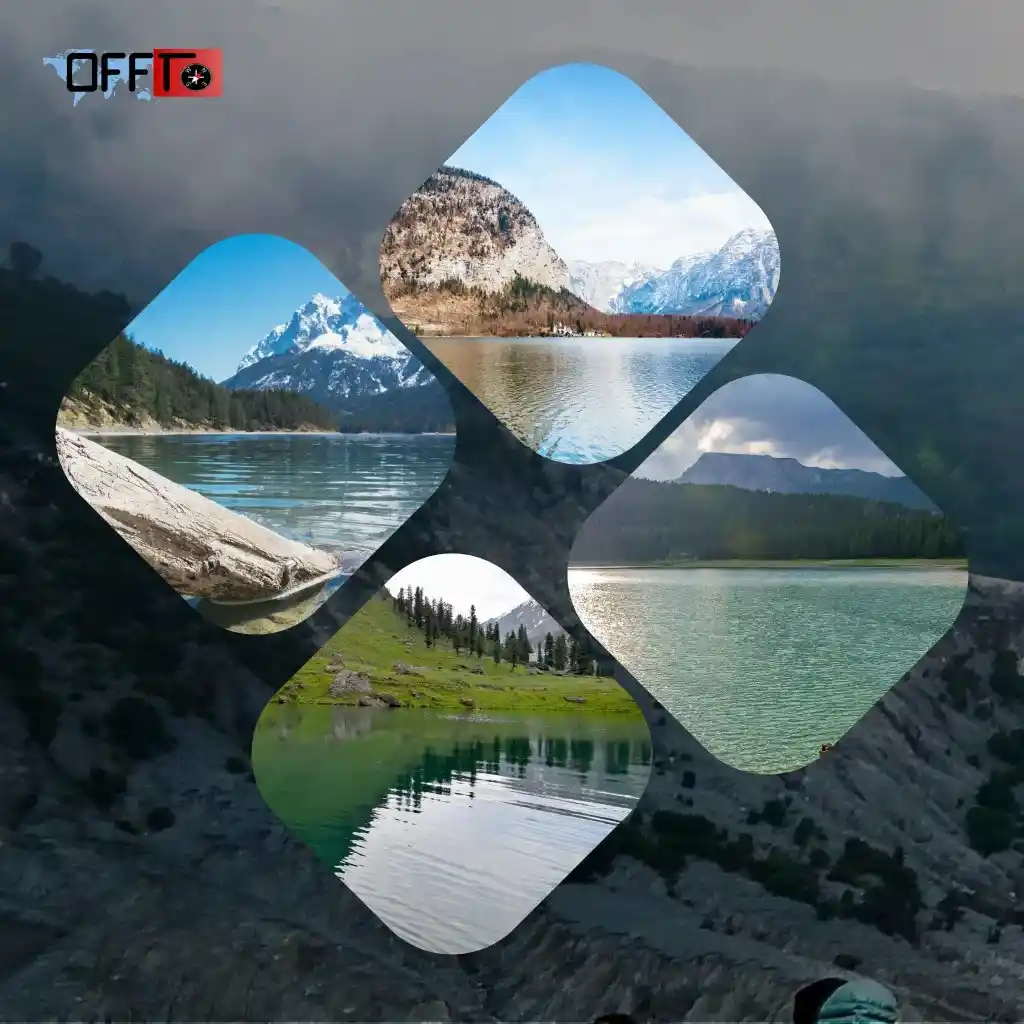
The Kashmir Great Lakes Trek is renowned for its stunning collection of seven pristine high-altitude lakes, each offering its own unique beauty and charm. These lakes, nestled among snow-capped peaks, verdant meadows, and alpine landscapes, are one of the main highlights of the trek.
The Seven Lakes: An Overview
The Seven Lakes of Kashmir are the focal points of the trek, with each lake more beautiful than the last. Spread over various sections of the trek, the lakes are nestled in the high-altitude valleys of Kashmir, offering trekkers a unique and serene experience. These lakes are not just beautiful but hold cultural and religious significance, making them revered by locals.
Here’s an overview of the seven lakes you will visit on the trek:
- Vishansar Lake
- Krishansar Lake
- Gadsar Lake
- Satsar Lakes (Group of Lakes)
- Gangbal Lake
- Alpine Lake
- Naranag Lake (final stop)
Vishansar Lake, Krishansar Lake, Gadsar Lake
1. Vishansar Lake:
Located at an altitude of 3,650 meters, Vishansar Lake is one of the first lakes trekkers encounter on the Kashmir Great Lakes Trek. The lake is famous for its clear blue waters and the surrounding snow-capped peaks that offer an awe-inspiring backdrop. The tranquil waters are home to a variety of fish, making it a peaceful spot for trekkers to rest and enjoy nature.
2. Krishansar Lake:
Krishansar Lake is located close to Vishansar Lake and is often referred to as the twin sister of Vishansar. This lake, sitting at an elevation of 3,750 meters, is known for its crystal-clear waters that reflect the beauty of the surrounding mountain peaks. It’s a serene spot surrounded by green meadows, and trekkers often stop here to admire the views
3. Gadsar Lake:
Gadsar Lake, situated at 4,300 meters, is one of the highest lakes on the trek. Located near the Gadsar Pass, the lake’s azure waters are surrounded by rugged mountains and steep passes, offering stunning views. The area around Gadsar Lake is often covered with snow, adding to the dramatic beauty of the surroundings.
Why the Kashmir Great Lakes are Unique
The Kashmir Great Lakes are famous not just for their beauty but also for their unique location, surrounded by the highest mountain ranges in the world. These high-altitude lakes are relatively untouched by human activity, offering trekkers a rare opportunity to experience nature in its most pristine form.
The Beauty of the High-altitude Lakes in Kashmir
The Kashmir Great Lakes stand out because of their isolated location and the breathtaking views they offer. Here are some reasons why these lakes are so unique:
- Crystal-clear Waters: The high-altitude lakes in Kashmir, such as Vishansar Lake and Krishansar Lake, are known for their mirror-like reflections of surrounding mountains. The purity of the water and the surrounding wilderness make these lakes perfect for photography.
- Serene Setting: Unlike most popular trekking destinations, these lakes are remote and offer quiet solitude, allowing trekkers to experience the peace of nature without the crowds.
- Alpine Flora: The area surrounding the lakes is home to a wide variety of wildflowers in the summer months, adding vibrant colors to the landscape. These lakes are often surrounded by lush meadows and forests that come alive with wildlife.
- Cultural Significance: Many of the lakes, especially Gangbal Lake, are sacred to the local people. These lakes hold religious and spiritual importance for the people of Kashmir, making them not only natural wonders but also places of cultural reverence.
Kashmir Great Lakes Trekking Package
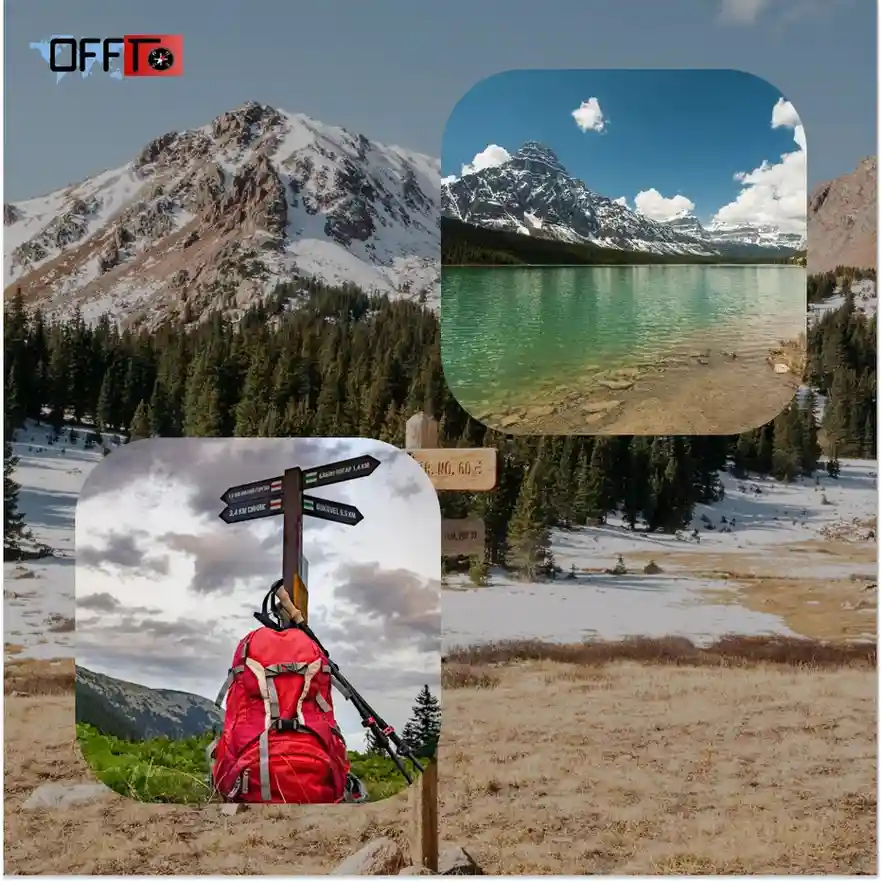
Embarking on the Kashmir Great Lakes Trek requires proper planning, and a trekking package can make the experience much smoother. The trekking packages include everything from guides to meals and accommodation, ensuring that trekkers are well-prepared for their adventure in the beautiful Kashmir Valley.
What’s Included in the Kashmir Great Lakes Trek Package?
A typical Kashmir Great Lakes Trek package includes the following essentials:
1. Guides: Professional, experienced guides who are familiar with the terrain and culture of Kashmir. They ensure safety and provide trekking insights.
2. Meals: Most trekking packages include 3 meals a day (breakfast, lunch, and dinner) along the trek. Meals are typically local Kashmiri cuisine, including dal chawal, roti, and kebabs, offering trekkers an authentic taste of the region.
3. Accommodation: Camping and homestays along the route. The trekking package typically includes stays in basic campsites and local guesthouses, providing trekkers with essential facilities like bedding and food.
4. Transportation: The package typically includes transportation to and from Srinagar, which is the base for the trek. From Srinagar, trekkers are transported to Sonamarg, the starting point of the trek.
5. Trekking Permits: The necessary permits required for trekking in the Kashmir region are usually included in the package cost. These permits are issued by local authorities and are essential for trekking in protected areas.
6. Support Staff: The package usually includes support staff like porters, who help carry your gear, making the trek easier.
Accommodation, Guides, and Meals
- Accommodation: The accommodation along the trek is basic, consisting of camping and local homestays. These are comfortable, with proper bedding, but do not include luxury facilities. Staying in homestays gives trekkers the opportunity to experience the local Kashmiri culture.
- Guides: The guides are essential for navigating the sometimes challenging terrain. They provide insights into the local culture, wildlife, and the geography of the Kashmir region
- Meals: Meals provided during the trek are nutritious and energizing. Expect hearty meals like dal, rice, roti, and vegetables, along with snacks such as biscuits, fruit, and tea to keep you energized during the trek.
How to Choose the Best Kashmir Great Lakes Trek Package
When choosing the right trekking package for the Kashmir Great Lakes Trek, consider the following factors:
- Inclusions: Ensure that the package covers guides, permits, meals, accommodation, and transportation. Some packages may also offer additional services like trekking gear rentals or emergency support.
- Group Size: Trekking in small groups can make the experience more personal and enjoyable. Look for packages that offer smaller group sizes if you prefer more attention from your guide.
- Reviews and Recommendations: Always check the reviews of trekking operators. Read testimonials from previous trekkers to gauge the quality of the services provided and the overall trekking experience.
- Cost and Value: While it’s tempting to opt for the cheapest option, ensure that the package offers good value for money. Cheap packages may cut corners, compromising on the quality of guides, accommodation, and safety measures.
- Safety Standards: Choose an operator that emphasizes safety. Ensure that they provide adequate first-aid support, have experienced guides, and have proper equipment for emergencies.
How to Reach Kashmir for the Great Lakes Trek
The Kashmir Great Lakes Trek begins at Sonamarg, and to reach this starting point, you’ll first need to travel to Srinagar, the capital city of Jammu and Kashmir. From Srinagar, Sonamarg is the nearest point to start the trek. Here’s everything you need to know about how to get to Kashmir and Sonamarg.
How to Reach Srinagar (Trek Starting Point)
- By Air: The most convenient way to reach Srinagar is by air. The Sheikh Ul-Alam International Airport (Srinagar Airport) is well-connected to major cities like Delhi, Mumbai, and Chandigarh. There are daily flights to Srinagar from various Indian cities. Once you land, you can take a taxi or a shared cab from the airport to reach Sonamarg, which is approximately 80 km away from Srinagar.
- By Train: The nearest major railway station to Srinagar is Jammu Railway Station, which is around 270 kilometers from Srinagar. From Jammu, you can take a bus or a taxi to reach Srinagar. The train ride from major cities like Delhi or Mumbai to Jammu is well-connected, though it may take a longer time compared to flying
- By Road: Srinagar is well-connected by road, and you can drive from nearby cities like Jammu, Delhi, or Chandigarh. The drive from Jammu to Srinagar takes around 7-8 hours (270 km), and from Delhi to Srinagar, it can take around 12-14 hours (500 km). It’s a scenic drive, especially as you approach the Kashmir Valley.
Transportation Options to Sonamarg and Beyond
Once you reach Srinagar, you need to travel to Sonamarg, the base of the Kashmir Great Lakes Trek. Here’s how to get there:
- By Road (Taxi or Shared Jeep): From Srinagar, you can take a taxi or shared jeep to reach Sonamarg. The road journey is scenic, with views of rivers, meadows, and mountains. The distance from Srinagar to Sonamarg is around 80 km, and the journey takes approximately 2-3 hours.
- By Bus: There are buses available from Srinagar to Sonamarg, though this may take longer than a taxi or jeep. If you’re traveling on a budget, a bus is an affordable option.
- Private Vehicles: If you prefer convenience and privacy, you can also hire a private vehicle for the entire trip to Sonamarg, which provides flexibility in terms of travel time and stops.
Once you reach Sonamarg, you are ready to begin your Kashmir Great Lakes Trek.
Kashmir Trekking: What to Pack for the Great Lakes Trek
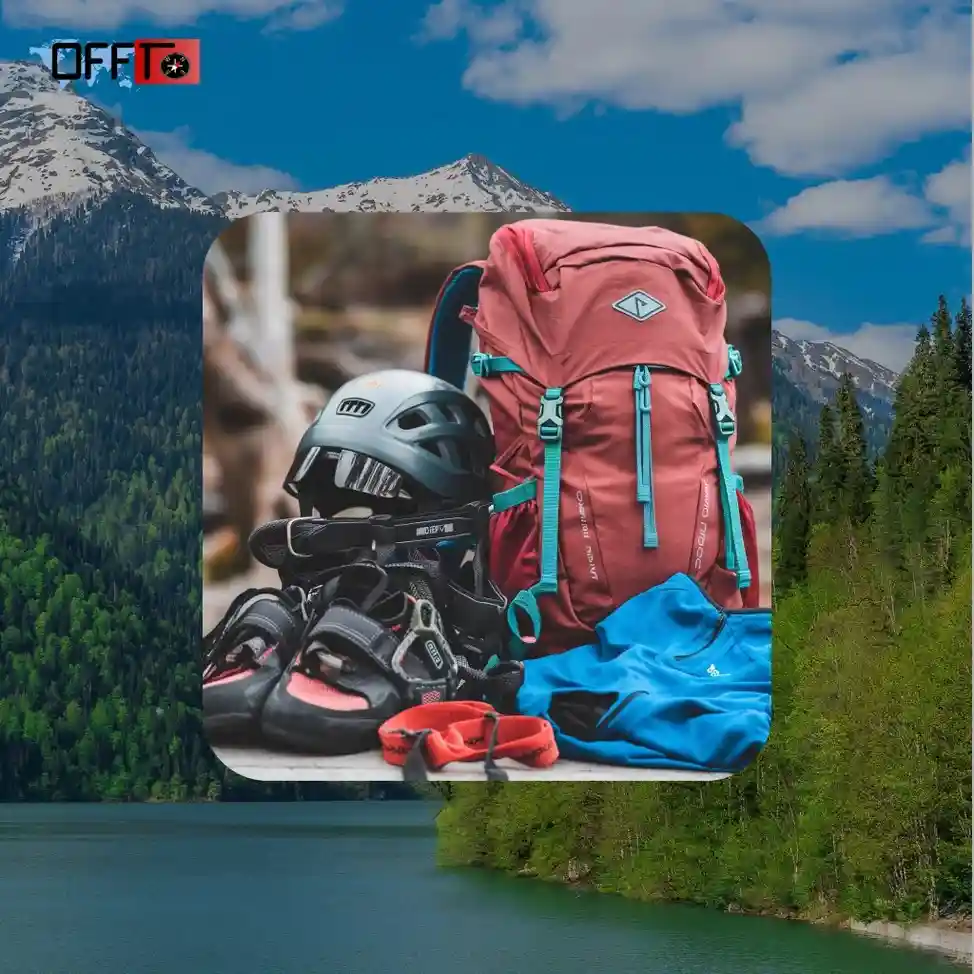
Packing for the Kashmir Great Lakes Trek requires careful consideration due to the high-altitude environment and varying weather conditions. You’ll need to be prepared for cold nights, sunny days, and possibly snow-covered paths, so here’s what you should pack to ensure a comfortable and successful trek.
Essential Gear for the Kashmir Great Lakes Trek
Packing for the Kashmir Great Lakes Trek involves more than just carrying clothes. Here’s a breakdown of the essential gear you’ll need:
- Backpack: A 50-60 liter backpack is recommended for carrying your clothes, camping gear, and other trekking essentials
- Sleeping Bag: A 4-season sleeping bag rated for temperatures as low as -10°C to -15°C is essential, especially for the colder nights at higher altitudes.
- Trekking Poles: Trekking poles are invaluable for maintaining balance, especially on uneven or slippery terrain. They help reduce strain on your legs and improve your overall trekking experience.
- Water Bottle and Water Purifier: Carry a water bottle and consider bringing a water purifier or purification tablets to ensure access to clean water throughout the trek.
- Headlamp: A headlamp is essential for trekking in low light conditions, especially for early morning starts or evening walks. Bring extra batteries.
- First-Aid Kit: A basic first-aid kit with bandages, antiseptic, painkillers, and any personal medication is a must.
Clothing, Footwear, and Camping Equipment
Clothing:
- Base Layers: Moisture-wicking base layers (both top and bottom) to keep sweat away from your skin.
- Insulating Layers: A fleece or down jacket for warmth, as temperatures can drop sharply, especially in the evenings.
- Outer Layer: A waterproof and windproof jacket is essential, especially for monsoon or unpredictable weather.
- Trekking Pants: Quick-dry trekking pants for comfort and ease of movement.
- Gloves and Hat: Thermal gloves and a warm hat to protect against the cold.
- Sun Protection: Sunglasses, a wide-brimmed hat, and sunscreen to protect yourself from the harsh mountain sun.
Footwear:
- Trekking Boots: Sturdy waterproof trekking boots with ankle support for walking on rocky and uneven terrain. Make sure they are well broken in before the trek.
- Camp Shoes: Comfortable sandals or flip-flops for relaxing at campsites after a long day of trekking.
Camping Equipment:
- Tent: A lightweight, 4-season tent if you are camping on your own (usually provided by trekking companies if you’re booking a guided trek)
- Sleeping Mat: An insulating sleeping mat for extra warmth and comfort while sleeping in your tent.
- Cooking Gear: If camping independently, pack a portable stove, fuel, and light cookware.
Important Trekking Tips for Kashmir’s High Altitudes
1. Stay Hydrated: The high altitude and dry air can lead to dehydration. Drink plenty of water throughout the trek and carry a water purification system for refills.
2. Acclimatize Properly: Spend time acclimatizing to the altitude, especially as you near the higher lakes. Avoid ascending too quickly to reduce the risk of altitude sickness.
3. Trek at a Steady Pace: Maintain a steady, comfortable pace throughout the trek. Avoid rushing, as it can lead to exhaustion and increase the risk of altitude sickness.
4. Layer Your Clothing: The temperature can vary greatly between day and night, so always wear layers that can be easily added or removed based on the weather.
5. Be Prepared for Changing Weather: The weather in the mountains can change rapidly, so pack accordingly and always be prepared for sudden rain, snow, or cold winds.
6. Follow the Trekking Trail: Always stay on the marked path to avoid getting lost. A guide is recommended for those unfamiliar with the area.
FAQs
What is the best time to do the Kashmir Great Lakes Trek?
The best time to trek the Kashmir Great Lakes is from July to September. During these months, the weather is pleasant, the trail is clear of snow, and the alpine lakes (like Vishansar and Krishansar) are in full bloom with stunning reflections of the surrounding peaks.
How difficult is the Kashmir Great Lakes Trek?
The Kashmir Great Lakes Trek is considered moderate to challenging. While the trail doesn’t require technical climbing skills, the elevation gain (up to ~4,300 m at Gadsar Pass), long trekking days, rocky terrain, and variable weather call for good fitness and acclimatization.
How many days does the Kashmir Great Lakes Trek take?
Most trekkers complete the Kashmir Great Lakes Trek in 7–8 days. This includes walking through high‑altitude meadows, crossing Gadsar Pass, and visiting several pristine alpine lakes.
How much does the Kashmir Great Lakes Trek cost?
The typical cost ranges from ₹12,000 to ₹25,000 per person for a guided package. Costs vary based on inclusion of guides, permits, meals, transport, camping gear, and group size.
What are the major highlights of the Kashmir Great Lakes Trek?
Key highlights include Vishansar Lake, Krishansar Lake, Gadsar Lake, Satsar Lakes, and Gangbal Lake. The trek also offers panoramic Himalayan views, wildflower meadows, peaceful campsites, and crossing Gadsar Pass — one of its most scenic points.
Do I need a permit for the Kashmir Great Lakes Trek?
Yes, trekkers require permits for trekking in the Kashmir Valley high‑altitude regions. Most trekking operators arrange these permits as part of their package, but independent trekkers should secure permits before starting the trek.
Is the Kashmir Great Lakes Trek suitable for beginners?
Beginners with a good level of fitness can attempt the trek, especially if they train and acclimatize well. However, the altitude and daily distances make it more suitable for intermediate trekkers than complete novices.
What gear should I carry for the Kashmir Great Lakes Trek?
Essentials include sturdy trekking boots, layered clothing (thermal + insulated jacket), waterproof rain gear, sleeping bag, trekking poles, sunscreen, and a water purifier. Packing for both sun and cold is crucial, as mountain weather changes rapidly.
How do I reach the starting point of the Kashmir Great Lakes Trek?
The trek begins at Sonamarg. First, reach Srinagar via flight or train to Jammu/Srinagar, then take a taxi or shared jeep from Srinagar to Sonamarg (≈80 km, ~2–3 hrs).
What should I expect from the weather on the Kashmir Great Lakes Trek?
Daytime temperatures during the best trekking window (July–September) usually range from 10 °C to 20 °C, with chilly nights around 5 °C to 8 °C. Weather remains unpredictable at high altitudes, and snow can linger near the lakes early or late in the season.
Know more >>>
Best Places to Visit in Mussoorie – Top Tourist Spots
Best Time to Visit Kolukkumalai – Peak, Sunrise & Trek Guide
Plan Your Kashmir Great Lakes Trek with Offto Travellers
Ready to embark on one of the most breathtaking treks in India? The Kashmir Great Lakes Trek is an unforgettable adventure, and Offto Travellers is here to make your experience seamless, exciting, and hassle-free. With our expertly curated trekking packages, you can focus on enjoying the stunning views and high-altitude lakes, while we take care of the logistics.
Whether you’re trekking solo or in a group, Offto Travellers offers customized solutions that fit your needs. From transportation to guides, accommodation to meals, we handle all the details for a smooth trekking experience in one of the world’s most beautiful regions.
Book your Kashmir Great Lakes Trek adventure with Offto Travellers today for a seamless and unforgettable trekking experience!
By booking trips with Offto Travellers, you gain:
- Expert Guides: Our local and experienced guides are well-versed in the terrain and culture of Kashmir. They ensure safety, provide insightful information about the region, and enhance your overall experience.
- Comfortable Accommodation: Enjoy homestays and campsites along the trek, offering a mix of comfort and authentic Kashmir experiences. We prioritize clean, cozy, and welcoming stays to help you relax after a long day of trekking.
- Meals: Savor local Kashmiri cuisine that provides the right mix of nutrients to keep you energized during the trek. All meals are included in the package, and we cater to various dietary preferences.
- Transportation: From your arrival in Srinagar to the trek start point at Sonamarg, we take care of your transportation, ensuring that you travel comfortably and efficiently.
- Permits and Paperwork: We handle all the necessary permits for the trek, making sure you have all the required documents to trek in the Kashmir Valley and enjoy a hassle-free adventure.
- Support Services: With our dedicated support team, you can rest assured that your trekking journey is in safe hands. Our team is always ready to assist you with any issues that may arise.
Don't miss out on the opportunity to trek through one of India’s most stunning landscapes. Whether you’re seeking adventure, nature, or a chance to connect with the local culture, the Kashmir Great Lakes Trek has it all.
Play StoreApp Store
Leave a Reply