
The best time to visit Dayara Bugyal Trek is from April to June and September to November. The trek is moderate in difficulty, with stunning views and a temperature ranging between 5°C to 15°C.
Introduction to Dayara Bugyal Trek
The Dayara Bugyal Trek in Uttarakhand is one of the most scenic and accessible treks in the Indian Himalayas. Situated at an altitude of 3,048 meters, this trek offers captivating views of the surrounding snow-capped peaks and lush green meadows. It’s known for its blend of challenging terrain and breathtaking panoramas, making it a perfect getaway for nature lovers and adventure seekers alike.
What Makes Dayara Bugyal One of the Best Treks in Uttarakhand?
Dayara Bugyal stands out as one of Uttarakhand’s most picturesque trekking destinations. What makes this trek special is its diverse landscape—ranging from dense forests to expansive meadows that are carpeted with wildflowers in summer. Trekking here offers the rare opportunity to witness pristine nature untouched by commercialization. Whether you’re an experienced trekker or a beginner, the Dayara Bugyal Trek provides a perfect combination of accessibility, beauty, and adventure. The chance to spot wildlife such as musk deer and Himalayan monal, along with the panoramic views of peaks like Bandarpunch, Swargarohini, and Black Peak, makes it a memorable experience.
Overview of the Dayara Bugyal Trek: History and Significance
The Dayara Bugyal Trek has a rich history tied to the region’s nomadic traditions. The meadows were once used by shepherds for grazing their livestock, and today, trekkers visit to soak in the natural beauty and serenity of the area. The trek is also a popular spot for snow sports during winter, with many trekkers coming to experience the charm of a snowy landscape. The word “Bugyal” itself translates to “high-altitude meadow” in the local dialect, reflecting the vast expanse of grassy fields that are one of the trek’s key highlights. Whether you’re trekking during the summer when the meadows are alive with vibrant flora or in winter when the landscape is covered with snow, the historical charm and natural beauty of Dayara Bugyal remain unmatched.
Dayara Bugyal Trek Difficulty and Highlights
The Dayara Bugyal Trek is considered a moderate trek, making it ideal for both novice and seasoned trekkers. The well-marked trail traverses through dense forests of oak, rhododendron, and deodar trees before reaching the open meadows that define the trek’s grandeur. Though the trek is not technically challenging, the altitude and weather conditions require a good level of physical fitness. The summit offers stunning panoramic views of the Garhwal Himalayas, and the meadows offer an excellent opportunity for camping under the stars. Highlights of the trek include the scenic Barnala Tal (a small, serene lake), vast alpine meadows, and the majestic views of nearby peaks, making it one of the most visually stunning treks in Uttarakhand.
Best Time to Visit Dayara Bugyal Trek
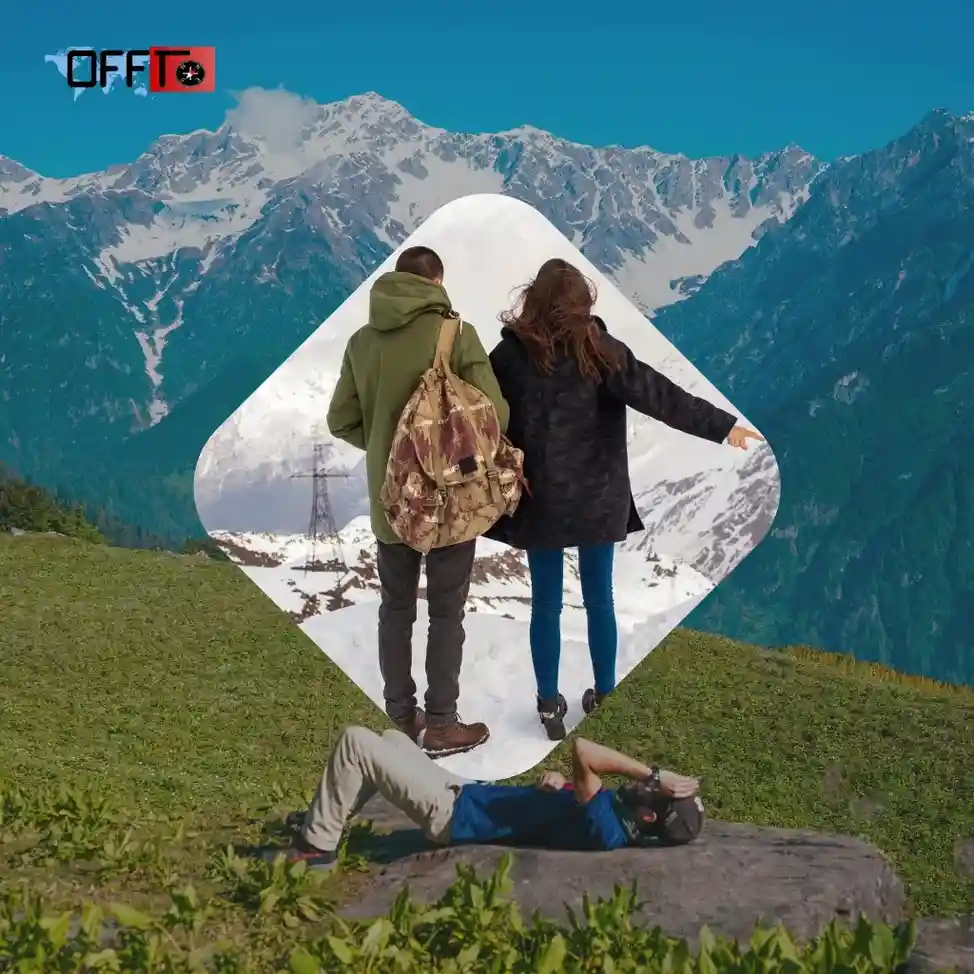
Choosing the right time to visit Dayara Bugyal can make a huge difference to your trekking experience. The trek offers distinct experiences in different seasons, from lush green meadows to snow-covered landscapes, each season bringing its own charm. Knowing when to go will help you make the most of the trek’s beauty, avoid harsh weather, and experience the best views.
When Is the Best Time to Visit Dayara Bugyal?
The ideal times to visit Dayara Bugyal are from April to June and September to November. During these months, you’ll experience mild temperatures, clear skies, and favorable trekking conditions. Whether you’re trekking to enjoy the vibrant flora or to witness the beauty of snow-capped peaks, these months provide the best conditions for the trek.
Why April to June is Ideal for Clear Skies and Pleasant Weather
From April to June, the weather in Dayara Bugyal is perfect for trekking. The skies are generally clear, offering stunning views of the Garhwal Himalayas. During this period, the temperatures are pleasant, with daytime highs ranging from 10°C to 20°C, and nights cooling down to around 5°C to 10°C. The meadows are in full bloom, creating a beautiful and vibrant landscape. This is also when the forest is lush, with blooming rhododendron trees and wildflowers carpeting the ground, making it an excellent time for nature lovers. It’s a prime time for trekkers who prefer pleasant, moderate conditions for hiking.
Why September to November is Perfect for Trekking
From September to November, Dayara Bugyal is ideal for those seeking clear skies and stable weather after the monsoon season. During this period, the temperatures are comfortable, with daytime temperatures ranging from 10°C to 18°C, while nights can be slightly cooler at around 5°C to 8°C. The weather is crisp and perfect for trekking, with a clear view of the surrounding peaks. The trails are dry and accessible, and the crowds tend to be thinner, allowing for a more peaceful trekking experience. This season offers breathtaking views of the meadows turning golden and the surrounding snow-capped peaks.
Dayara Bugyal Trek Temperature and Weather Conditions
The temperature at Dayara Bugyal varies greatly depending on the season. During the summer months of April to June, daytime temperatures range from 10°C to 20°C, making it perfect for comfortable trekking. Nights, however, can drop to 5°C to 10°C, so carrying warm clothing is necessary. The winter months (December to February) bring freezing temperatures, with daytime highs around 5°C and nighttime lows dropping to -5°C to -10°C, especially at higher altitudes, making it ideal for snow lovers but challenging for casual trekkers.
What to Expect from Weather Conditions at Dayara Bugyal Year-Round
Dayara Bugyal experiences different weather conditions throughout the year, each season offering its own appeal for trekkers:
- Spring (April to June): This is the most popular time to visit for those who want to experience clear skies and pleasant temperatures. The meadows are lush, and the views are spectacular.
- Monsoon (July to August): This is the least favorable time to trek. Heavy rainfall makes the trails slippery and increases the risk of landslides. It’s best to avoid this period for trekking.
- Autumn (September to November): Post-monsoon, this is one of the best times to trek, with clear skies, cooler temperatures, and reduced rainfall. The meadows start to turn golden, providing breathtaking scenery.
Winter (December to February): For those seeking snow and winter trekking, this is the perfect time. However, the weather can be quite cold, with the temperatures dropping below freezing, and the trail can be more challenging due to snow.
Dayara Bugyal Trek Distance, Duration & Itinerary

Planning your trek to Dayara Bugyal requires a clear understanding of the trek’s distance, duration, and overall itinerary. Knowing these details will help you manage expectations and prepare adequately for the adventure. From the trek’s starting point to the summit, here’s everything you need to know to plan your trek efficiently.
How Long Is the Dayara Bugyal Trek?
The Dayara Bugyal Trek covers a total distance of approximately 20 to 24 kilometers (depending on the route taken). The trek takes you through dense forests, past alpine meadows, and up to the high-altitude bugyal (meadow). The journey is spread across multiple days, allowing trekkers to gradually acclimatize to the altitude and enjoy the natural beauty along the way.
Total Trek Distance and Elevation Gain
- Total Trek Distance: The total trekking distance for the Dayara Bugyal Trek is about 20-24 km (one way), depending on the chosen route. It usually takes around 4 to 5 hours of trekking per day.
- Elevation Gain: The trek starts at 1,800 meters (Barkot) and reaches an altitude of 3,048 meters at Dayara Bugyal, giving trekkers an elevation gain of about 1,200 meters. The altitude gain is gradual, making it suitable for trekkers with moderate experience, though acclimatization is still important.
The trek offers a variety of landscapes, from dense forests to vast meadows, and gives trekkers the opportunity to witness the stunning Himalayan peaks at the summit.
Dayara Bugyal Trek Duration and Suggested Itinerary
The Dayara Bugyal Trek is usually completed over a span of 4 to 5 days, allowing trekkers to enjoy the journey at a leisurely pace while adjusting to the altitude. The trek includes comfortable camping spots and offers ample time for exploration and taking in the surrounding beauty.
Day-by-Day Breakdown of the Trekking Itinerary
Here’s a sample itinerary to guide your trek to Dayara Bugyal:
- Day 1: Arrival in Dehradun / Barkot
- Arrive in Dehradun and travel to Barkot, the base camp for the trek. The distance from Dehradun to Barkot is approximately 200 kilometers, and the journey takes about 6-7 hours by road.
- Overnight stay at a hotel or guesthouse in Barkot.
- Arrive in Dehradun and travel to Barkot, the base camp for the trek. The distance from Dehradun to Barkot is approximately 200 kilometers, and the journey takes about 6-7 hours by road.
- Day 2: Barkot to Dayara Bugyal Base Camp
- Trek from Barkot to the Dayara Bugyal Base Camp. The trek takes approximately 5 to 6 hours and covers a distance of about 10 kilometers.
- The trail takes you through scenic forests and gradual ascents. Camp overnight at the base camp.
- Trek from Barkot to the Dayara Bugyal Base Camp. The trek takes approximately 5 to 6 hours and covers a distance of about 10 kilometers.
- Day 3: Base Camp to Dayara Bugyal (Summit)
- Today’s trek is the highlight of the journey as you ascend towards Dayara Bugyal. The trek takes about 4 to 5 hours, covering a distance of approximately 8 to 10 kilometers.
- Once at the summit, enjoy the panoramic views of snow-capped peaks like Bandarpunch, Swargarohini, and Black Peak.
- Return to the base camp for an overnight stay.
- Today’s trek is the highlight of the journey as you ascend towards Dayara Bugyal. The trek takes about 4 to 5 hours, covering a distance of approximately 8 to 10 kilometers.
- Day 4: Return Trek to Barkot
- After breakfast, begin your descent back to Barkot, which will take about 5 to 6 hours. The descent is easier but requires caution, especially during the slippery sections.
- Reach Barkot and spend the night at a local guesthouse.
- After breakfast, begin your descent back to Barkot, which will take about 5 to 6 hours. The descent is easier but requires caution, especially during the slippery sections.
- Day 5: Departure to Dehradun
- After a leisurely breakfast, depart for Dehradun. The return journey takes about 6-7 hours, depending on road conditions.
- The trek officially ends upon arrival in Dehradun.
- After a leisurely breakfast, depart for Dehradun. The return journey takes about 6-7 hours, depending on road conditions.
How Many Days Should You Spend Trekking Dayara Bugyal?
While the trek can be completed in 4 days, it is advisable to stretch it to 5 days if you’re looking for a more relaxed pace and want to spend more time exploring the meadows and enjoying the views. The additional day allows you to acclimatize better, minimizing the risk of altitude sickness. If you’re a seasoned trekker and prefer a quicker pace, 4 days will suffice, but the extra time ensures you don’t rush through the experience and can enjoy all that Dayara Bugyal has to offer.
Dayara Bugyal Trek Difficulty Level

The Dayara Bugyal Trek is considered to be of moderate difficulty, making it ideal for both beginners and seasoned trekkers looking for a rewarding, manageable challenge. While the trek offers some tough sections, its gradual ascent and stunning views make it a favorite for many. However, there are still factors that trekkers need to consider in order to fully prepare for the adventure.
What Is the Trek Difficulty Level of Dayara Bugyal?
The Dayara Bugyal Trek is categorized as a moderate trek, which means it is suitable for trekkers who have some experience in hiking, but it can also be completed by beginners who are physically fit and prepared. The trail has a steady ascent, but nothing too technical or demanding. It’s not as challenging as high-altitude treks but still requires stamina and an appreciation for mountain terrain.
The difficulty level increases slightly with the altitude gain and variable weather conditions, particularly in winter. The trek involves a few steep sections, especially towards the summit, which may be challenging for those who are new to trekking at higher altitudes. Overall, trekkers can expect a mix of forested trails, meadows, and open paths with occasional rocky and uneven terrain.
Moderate Difficulty and What to Expect on the Trail
The moderate difficulty level is suitable for trekkers who are in good physical condition, have some trekking experience, and are accustomed to walking at altitudes. Key elements to expect on the trail:
- Steady Incline: The trek begins with a gradual incline, but as you approach the meadows, the terrain becomes more challenging with uneven paths.
- Varied Terrain: From smooth paths through forests of oak and rhododendron to rocky and slightly steep sections closer to the summit, trekkers will need to adapt to different types of terrain.
- Weather Conditions: The weather at Dayara Bugyal can be unpredictable, and the temperature drops significantly as you gain altitude. It’s essential to be prepared for fluctuating weather, especially in the evening and at night.
Despite these challenges, the trek offers rewarding views, including expansive meadows and panoramic views of the Himalayan peaks. Those who have done other moderate treks like the Har Ki Dun Trek or Valley of Flowers Trek will find Dayara Bugyal equally beautiful but with manageable difficulty.
Fitness Requirements and Preparations for the Trek
Although Dayara Bugyal is not a technical trek, trekkers must be in good physical shape to manage the daily treks and elevation gain. Here’s a breakdown of the fitness requirements and preparation tips:
- Cardiovascular Fitness: A good level of endurance is necessary as trekkers will be walking for several hours each day, sometimes on steep inclines. Training with long walks or hikes, combined with cardio exercises, can help improve stamina.
- Strength Training: Leg strength is essential for dealing with uneven and sometimes steep terrain. Include exercises such as squats, lunges, and step-ups in your fitness routine.
- Altitude Acclimatization: Since Dayara Bugyal reaches an altitude of 3,048 meters, trekkers should be aware of altitude sickness. Spending at least one night at a higher elevation and staying hydrated can help the body acclimatize.
- Gear Preparation: Ensure you have sturdy trekking boots, layered clothing for varying weather, a reliable backpack, and other trekking essentials.
Safety Tips and Challenges You May Face on Dayara Bugyal Trek
While the Dayara Bugyal Trek is relatively safe, trekkers should be mindful of potential challenges and take necessary precautions to ensure a safe journey:
- Altitude Sickness: The trek doesn’t reach very high altitudes, but trekkers can still experience mild altitude sickness. It’s important to acclimatize properly, stay hydrated, and avoid overexertion.
- Weather Variability: The weather can be unpredictable, especially in the high-altitude areas. Carry waterproof clothing, windproof jackets, and thermals to protect yourself from rain, snow, or cold winds.
- Trekking in Winter: If you’re trekking in winter, expect snow-covered paths and colder temperatures, especially at higher altitudes. The risk of slipping or falling increases on snow, so be sure to wear appropriate footwear.
- Navigation Challenges: While the trail is well-marked, there can be sections where navigation becomes tricky, especially during low visibility due to weather. Make sure you have a guide or follow a well-known route.
- Physical Endurance: The trek can be physically demanding, so ensure you are adequately prepared for the long hours of walking, especially the steep sections.
Dayara Bugyal Trek Weather and Temperature Insights

The weather and temperature at Dayara Bugyal play a significant role in shaping the trekking experience. The trek offers different moods depending on the season, from lush greenery in the summer to snow-covered meadows in winter. Understanding the weather patterns is key to planning your trip and ensuring that you’re adequately prepared for all conditions.
Weather Overview for Different Seasons
The Dayara Bugyal Trek offers a variety of experiences depending on the season you choose to visit. Here’s a breakdown of what to expect during the different seasons:
- Summer (April to June): Summer in Dayara Bugyal is ideal for trekking. The weather is clear, with pleasant temperatures ranging from 10°C to 20°C during the day. Nights are chilly, dropping to around 5°C to 10°C. This is the time when the meadows are in full bloom, offering vibrant scenery. The temperatures are comfortable for trekking, making this the most popular time for trekkers.
- Monsoon (July to August): The monsoon season brings heavy rainfall, making the trails slippery and increasing the risk of landslides. This is the least favorable time for trekking Dayara Bugyal, and it’s recommended to avoid this period. The temperatures remain moderate, ranging from 15°C to 20°C, but the trails become difficult to navigate.
- Autumn (September to November): Post-monsoon, the weather is clear, with stable temperatures ranging from 10°C to 18°C during the day and cooling to 5°C to 8°C at night. The meadows turn golden, providing picturesque views. This is one of the best times for trekking due to the dry, stable weather and breathtaking views.
- Winter (December to February): Winter brings snow to Dayara Bugyal, creating a winter wonderland. Daytime temperatures drop to around 5°C, with nighttime lows plummeting to -5°C to -10°C, especially at higher altitudes. Snow can make trekking more challenging, but it’s a perfect time for snow trekking enthusiasts
How to Prepare for the Cold at Dayara Bugyal
The cold weather at Dayara Bugyal can be intense, especially if you’re trekking during the winter months. Here’s how to prepare:
- Layering Your Clothing: Wear multiple layers, including moisture-wicking base layers, insulating mid-layers, and a waterproof and windproof outer shell to protect yourself from the cold and wind. Don’t forget thermal wear, especially for higher altitudes.
- Insulated Jackets and Gloves: An insulated jacket will keep you warm during the chilly nights. Make sure to pack thermal gloves, as your hands can become very cold in freezing temperatures.
- Proper Footwear: Wear sturdy, insulated trekking boots to keep your feet warm and dry, especially if trekking through snow. Waterproof footwear is essential to prevent snow or rain from seeping in.
- Headgear: A warm hat or beanie is necessary to prevent heat loss from your head. A balaclava or neck gaiter is useful for protecting your face from the cold winds at higher altitudes.
- Sleeping Bag: In colder months, pack a high-quality sleeping bag rated for sub-zero temperatures. Even during the summer months, it can get chilly at higher altitudes, so always be prepared.
Temperatures in Winter (December to February)
During the winter months, Dayara Bugyal is transformed into a snowy paradise. Daytime temperatures generally stay between 5°C to 10°C, while nighttime temperatures can drop drastically to -5°C to -10°C, especially at higher elevations. The trekking trail becomes challenging due to snow-covered paths, and the terrain can get slippery, making it essential to use crampons and carry trekking poles for stability.
While the cold temperatures make it difficult to trek, the winter landscape offers unparalleled beauty with snow-covered meadows and surrounding Himalayan peaks. Only experienced trekkers should consider tackling this trek in winter, as the weather conditions can be harsh.
Summer and Monsoon Weather Patterns
- Summer (April to June) is the most comfortable time for trekking, with daytime temperatures around 10°C to 20°C. The meadows are lush, with wildflowers in full bloom, and the clear skies offer a breathtaking view of the surrounding peaks. Nights are cooler, with temperatures dropping to around 5°C to 10°C, but nothing too extreme. This is the ideal time for trekking if you’re looking for pleasant weather and vibrant landscapes.
- Monsoon (July to August) is the least favorable time to visit. The region experiences heavy rainfall, making the trails slippery and difficult to navigate. The temperatures during the monsoon season range from 15°C to 20°C, but the added moisture and risk of landslides make it a risky time for trekking. Avoid this period if possible, as heavy rains could make the trek more dangerous and unpleasant.
What Makes the Dayara Bugyal Trek's Weather Unique?
The weather at Dayara Bugyal is unique due to its dramatic seasonal changes. The trek’s moderate altitude means that temperatures fluctuate significantly, creating distinct conditions throughout the year. The meadows that give the trek its name are lush and green during the summer, transforming into a golden, windswept landscape in autumn, and then blanketed in snow during the winter.
The varying weather conditions offer trekkers a completely different experience depending on when they visit. The crisp, clear skies of autumn, the lush, vibrant meadows of summer, and the snow-covered trails in winter each offer an exclusive perspective of this beautiful region.
Dayara Bugyal Trek Package and Cost Breakdown
Understanding the cost of the Dayara Bugyal Trek and what’s included in the trek package is crucial for budgeting your trip. Trekking packages for Dayara Bugyal typically cover accommodation, meals, transportation, and guides, ensuring you have a seamless and enjoyable experience.
What’s Included in the Dayara Bugyal Trek Package?
The Dayara Bugyal Trek package usually includes the following:
- Guided Trekking Services: Professional guides familiar with the trail and local flora and fauna to ensure your safety and offer enriching experiences along the way.
- Transportation: From the base camp (Dehradun or Barkot) to the start of the trek and back. This includes all necessary road transport for getting to and from the trek.
- Meals: Most packages include all meals during the trek (breakfast, lunch, and dinner) prepared by the trekking team. The meals are designed to provide energy for the demanding trek, and special dietary requirements can usually be arranged in advance.
- Accommodation: Accommodation during the trek typically includes camping at designated campsites, equipped with necessary facilities such as tents, sleeping bags, and mats.
- Trekking Permits: The cost of required trekking permits and any government formalities needed for trekking in Uttarakhand, especially for trekking in national parks or forested areas.
- First Aid: Basic first-aid kits and an emergency evacuation service if necessary. Safety is a top priority, and most trek operators ensure proper arrangements for any medical emergencies.
- Support Team: Assistance from local porters and helpers who carry your gear and supplies, making the trek more comfortable.
Cost of Trekking to Dayara Bugyal and Budgeting Your Trip
The cost of the Dayara Bugyal trek depends on several factors such as the package you choose, duration of the trek, and whether you go during peak season. On average, a 4-5 day trek to Dayara Bugyal costs between ₹7,000 to ₹12,000 per person.
- Trek Package Cost: ₹7,000 to ₹12,000 (depending on the inclusions)
- Transportation (Dehradun to Barkot and back): ₹2,000 to ₹4,000
- Food and Accommodation: ₹3,000 to ₹5,000
- Guide/Porter Tips: ₹1,000 to ₹2,000
- Miscellaneous Expenses: ₹1,000 for personal items and equipment rental (if needed)
In total, expect to spend ₹12,000 to ₹20,000 for the entire trek, including food, accommodation, transportation, and other necessary services.
Cost Breakdown for Trekking, Accommodation, and Meals
- Trekking Costs: This is the main expense and typically covers all trek-related services. Trekking packages usually include a guide, porter, and permits. On average, these costs range between ₹7,000 to ₹12,000, depending on the season and provider.
- Accommodation: Most treks include camping arrangements, which are either included in the overall trek package or cost an additional ₹1,000 to ₹2,500 per night depending on the type of campsite or guesthouse.
- Meals: Meals provided by the trekking operators (breakfast, lunch, and dinner) are simple, nutritious, and tailored for trekkers. Expect to pay an additional ₹1,500 to ₹2,500 for meals, depending on the duration of your trek.
Miscellaneous: Depending on your preferences, you may want to rent additional equipment such as trekking poles, jackets, or sleeping bags. This usually costs around ₹1,000 to ₹3,000.
How to Choose the Best Dayara Bugyal Trek Package
When selecting a Dayara Bugyal Trek package, consider the following factors:
- Inclusions: Ensure the package includes necessary elements such as accommodation, meals, transportation, permits, and guides.
- Group Size: Some packages cater to small groups, providing a more personalized experience. Choose a package that suits your preferred group size.
- Reviews and Recommendations: Look at reviews and testimonials from previous trekkers. Word of mouth and feedback from trusted sources can help you select a reliable operator.
- Cost Transparency: A good trekking operator will provide a detailed breakdown of costs, ensuring you know exactly what you’re paying for.
- Safety Measures: Ensure the operator includes safety provisions such as medical support, trained guides, and proper equipment.
Top Attractions During the Dayara Bugyal Trek
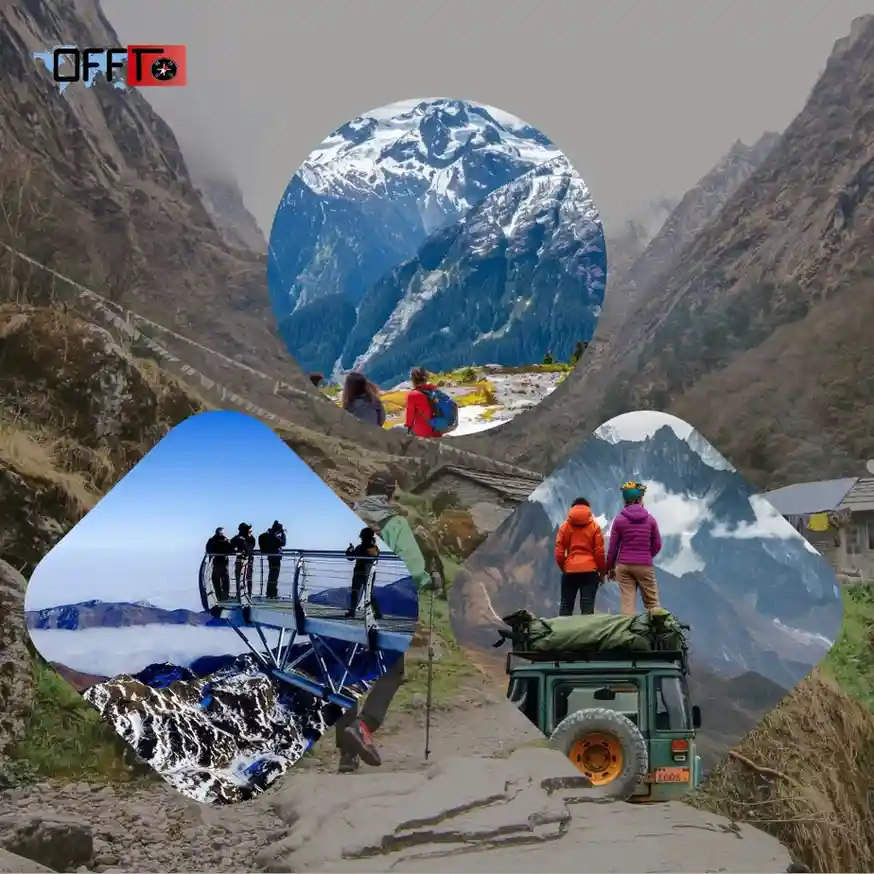
The Dayara Bugyal Trek is a visual feast, offering trekkers a range of scenic vistas, alpine meadows, and the chance to experience rich flora and fauna. Beyond the trek itself, the region is home to several attractions that will make your journey even more memorable.
What Flowers and Flora Can You See During the Trek?
The Dayara Bugyal region is known for its stunning flora, especially during the summer and autumn months. Here are a few flowers and plants you’ll encounter on the trek:
- Rhododendrons: The trek passes through dense forests of rhododendrons, which bloom in vibrant reds, pinks, and whites, particularly in spring.
- Wildflowers: In the summer, the meadows are carpeted with a variety of wildflowers such as orchids, bluebells, and anemones, creating a colorful landscape.
- Alpine Meadows: Dayara Bugyal is renowned for its vast, lush meadows that are home to several species of grass and wildflowers. These meadows are perfect for wildlife sightings and offer panoramic views of the surrounding peaks.
Popular Flowers in Dayara Bugyal
Some of the most iconic flowers you’ll see include:
- Himalayan Blue Poppy
- Indian Primrose
- Mountain Edelweiss
- Marigolds
These flowers are found at different elevations along the trek, adding vibrant colors to the picturesque surroundings.
Scenic Views and Panoramic Views from the Summit
The views from the summit of Dayara Bugyal are absolutely breathtaking. On a clear day, you can enjoy 360-degree panoramic views of the surrounding snow-capped peaks, including Bandarpunch, Swargarohini, Black Peak, and Rathong Peak. The vast meadows and lush forests provide a serene backdrop, perfect for photography and relaxation.
Other Scenic Spots Along the Trek: Barnala Tal, Dodi Tal
- Barnala Tal: Situated halfway along the trek, Barnala Tal is a serene lake that reflects the surrounding mountains and offers a peaceful spot to relax. It’s a great place to rest and enjoy the natural beauty of the area.
- Dodi Tal: A bit further along the trek, Dodi Tal is another beautiful lake surrounded by forests. Known for its crystal-clear waters and peaceful ambiance, it’s a perfect spot to unwind and enjoy nature.
FAQs
What is the best time to visit Dayara Bugyal Trek?
The best time to visit Dayara Bugyal is between April to June and September to November. These months offer clear skies, pleasant temperatures, and the opportunity to witness the meadows in full bloom or golden hues. Avoid the monsoon season (July and August) as the trails can become slippery and dangerous.
What is the difficulty level of the Dayara Bugyal Trek?
The Dayara Bugyal Trek is considered a moderate trek. It is suitable for trekkers with some experience in hiking. While it’s not too technical, the terrain can be challenging in some areas, especially as you gain altitude. The trek is manageable for fit beginners and seasoned trekkers alike.
How long does the Dayara Bugyal Trek take?
The Dayara Bugyal Trek typically takes 4 to 5 days to complete, depending on your pace and the itinerary. The trek covers a distance of about 20-24 kilometers, with each day offering around 5-6 hours of trekking.
What is the elevation gain on the Dayara Bugyal Trek?
The trek starts at Barkot (1,800 meters) and reaches an altitude of 3,048 meters at Dayara Bugyal. This gives trekkers an elevation gain of around 1,200 meters, making it essential to acclimatize properly along the way.
What is the weather like on Dayara Bugyal Trek?
The Dayara Bugyal Trek experiences different weather conditions depending on the season:
- Summer (April to June): Pleasant temperatures (10°C to 20°C) with clear skies.
- Monsoon (July to August): Rainy, with slippery trails.
- Autumn (September to November): Crisp, clear weather with temperatures between 10°C to 18°C.
- Winter (December to February): Cold temperatures (5°C to -10°C) with snow, making it challenging but beautiful for winter trekking.
What should I pack for the Dayara Bugyal Trek?
Pack layered clothing, including moisture-wicking base layers, insulating layers, and waterproof outer layers. Also, pack sturdy trekking boots, a sleeping bag (rated for cold temperatures), trekking poles, and a good quality jacket. Don’t forget sunscreen, hat, gloves, and waterproof gear.
How difficult is the Dayara Bugyal Trek for beginners?
The trek is moderate and can be completed by beginners with good fitness. However, it’s recommended to have prior trekking experience or to train for the physical demands of the trek, especially the elevation and duration of the trek. The gradual ascent is manageable, but acclimatization is key.
What are the main attractions during the Dayara Bugyal Trek?
- Dayara Bugyal Meadows: Vast, lush meadows with panoramic views of the Garhwal Himalayas.
- Barnala Tal: A peaceful lake halfway through the trek.
- Dodi Tal: A beautiful lake surrounded by dense forests.
- Flora and Fauna: Various wildflowers and the chance to spot wildlife like musk deer and Himalayan monal.
How do I get to Dayara Bugyal?
You can reach Dayara Bugyal by traveling to Dehradun and then taking a road trip to Barkot, which is the starting point of the trek. The drive from Dehradun to Barkot takes approximately 6-7 hours. From Barkot, the trek to Dayara Bugyal begins.
What is the cost of the Dayara Bugyal Trek?
The cost of the Dayara Bugyal Trek ranges between ₹7,000 to ₹12,000 per person for a typical 4 to 5-day trek package. This cost usually includes accommodation, meals, guide services, permits, and transportation to and from the trek. Additional expenses such as gear rentals and tips for guides or porters may increase the total cost.
Read more >>>
Sar Pass Trek from Kasol – Complete 2026 Route, Height & Weather Guide
Best Time to Visit Kanatal – Weather, Activities & Top Attractions
Plan Your Dayara Bugyal Trek with Offto Travellers
Are you ready to experience the stunning beauty of the Dayara Bugyal Trek? Let Offto Travellers make your adventure seamless and unforgettable. From guided treks to personalized packages, we ensure that every step of your journey is taken care of with utmost comfort and convenience.
Book your Dayara Bugyal Trek with Offto Travellers for a seamless and unforgettable experience.
At Offto Travellers, we offer comprehensive trekking packages designed for a smooth experience, from the moment you book to the moment you finish your trek. Our packages include:
- Expert Guides: Knowledgeable local guides who ensure your safety and enhance your trekking experience with insightful stories about the region.
- Accommodations: Comfortable camping arrangements with high-quality gear, ensuring a restful night after an exhilarating day of trekking.
- Meals & Essentials: Nutritious, locally sourced meals tailored for trekkers and all necessary trekking gear provided to make your journey as comfortable as possible.
- Transportation: Hassle-free transportation to and from the trek starting point, ensuring you can focus on the adventure.
We handle the logistics so you can immerse yourself in the natural beauty of Dayara Bugyal without any worries.
Explore trek packages, book accommodation, and secure transportation with Offto today.
Whether you're looking for a group trek experience or a private, customized journey, Offto Travellers has something for everyone. We provide personalized options that fit your schedule, budget, and experience level.
From booking your trek package to securing your accommodation and arranging transportation, Offto Travellers is your one-stop solution for a hassle-free trekking adventure. Don't miss out on experiencing one of the most beautiful treks in Uttarakhand!
Play StoreApp Store
Leave a Reply