
The Valley of Flowers National Park trek in Uttarakhand is a 5–6 day moderate Himalayan trek covering about 30–34 km round trip. The best time to visit is July to September for peak blooms. Expect cool weather (12–20°C) and monsoon showers. Starting point: Govindghat via Haridwar or Rishikesh.
Introduction to the Valley of Flowers Trek
The Valley of Flowers Trek is one of India’s most iconic treks, drawing nature lovers, adventure seekers, and photographers alike to its breathtaking landscapes. Nestled in the western Himalayas of Uttarakhand, this UNESCO World Heritage Site is renowned for its vivid meadows, lush greenery, and an array of wildflowers that bloom in the summer months.
Trekking the Valley of Flowers provides a unique opportunity to explore one of the world’s most diverse ecosystems, home to over 500 species of flowers, many of which are rare or endangered. Whether you are a seasoned trekker or a beginner looking for a moderate challenge, this trek offers something for everyone. The route takes trekkers through stunning landscapes, offering mesmerizing views of snow-capped peaks, waterfalls, and vast meadows filled with colorful wildflowers.
The Valley of Flowers is not just a visual treat but also a journey through history, myth, and natural beauty. For centuries, it has remained a mystery to most, with its remote location and uninhabited terrain. Today, it stands as a testament to the enduring allure of nature’s untouched beauty, with trekkers and botanists alike flocking to witness its magnificent floral displays.
Why the Valley of Flowers is a Must-Visit Trek
The Valley of Flowers Trek is a once-in-a-lifetime experience that should be on every trekking enthusiast’s bucket list. What makes this trek stand out is not only the variety of flowers you encounter but also the immersive experience of trekking through a UNESCO World Heritage Site. The journey takes you through pristine alpine meadows that bloom with colors, filling the air with floral scents. For nature lovers, photographers, and those seeking tranquility, this trek is unmatched.
Apart from the vibrant flora, the Valley of Flowers is located in a protected national park, ensuring that the area remains undisturbed by human activity. This means that trekkers can experience nature in its purest form, away from the noise of modern life. With rare flowers such as the Blue Poppy, Brahma Kamal, and Primula, the trek becomes an unforgettable experience for those passionate about flora.
The trek itself is moderate in difficulty, making it accessible to most trekkers. The routes are well-marked, and the challenge comes not only from the terrain but also from the altitude, which provides an added sense of accomplishment when you reach the valley. Adventure enthusiasts will love the picturesque backdrop of snow-capped peaks, cascading waterfalls, and deep gorges, all of which create a feeling of being in a hidden paradise.
Overview of the Valley of Flowers National Park and Its Significance
The Valley of Flowers National Park spans over 87.5 square kilometers in the state of Uttarakhand, located at the base of the Zanskar Range in the Himalayas. It is famous for its rich biodiversity and is one of the most biodiverse regions in the world. Recognized as a UNESCO World Heritage Site since 2002, it is home to a wide variety of plants, birds, and animals, many of which are endemic to the region.
The valley is a natural wonder, with a landscape that transforms dramatically over the course of the trek. The lower altitudes are dotted with lush green meadows and gentle slopes, while the higher altitudes are dominated by rocky terrain and alpine forests. Between July and September, the valley comes alive with over 500 species of wildflowers, including orchids, poppies, primulas, and the rare Brahma Kamal—India’s national flower.
Beyond its beauty, the Valley of Flowers holds cultural and religious significance. According to Hindu mythology, the valley was believed to be a place where gods and sages would roam. It is also said to be the place where Lord Hanuman is believed to have collected the Sanjeevani herb to save Lakshmana during the Ramayana.
The national park is also a sanctuary for various wildlife species, including the Asiatic black bear, snow leopard, musk deer, and a variety of butterflies and birds, making it an ideal location for wildlife enthusiasts and nature lovers. The park’s isolation and stringent protection efforts have ensured that the valley remains an untouched and pristine piece of nature.
Best Time to Visit Valley of Flowers Trek
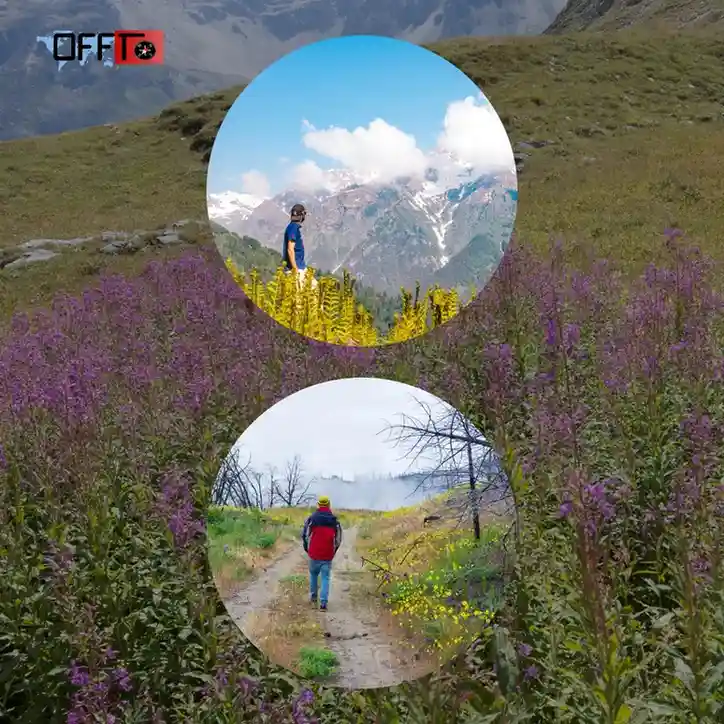
The best time to visit the Valley of Flowers Trek is crucial for a memorable experience, as the flora and weather conditions dramatically influence the trek. The ideal period to visit the Valley of Flowers is during the monsoon season—specifically between July and September. This is when the flowers are in full bloom, and the valley showcases its majestic beauty, offering trekkers an experience of a lifetime.
While the trek can be attempted outside this period, July to September is optimal as the flowers come alive in an array of colors, turning the landscape into a mesmerizing display of natural beauty. However, trekking during the monsoon season comes with its own set of challenges, including wet conditions and occasional landslides, which is why it’s important to be well-prepared.
When Is the Best Time to Visit Valley of Flowers?
The best time to visit the Valley of Flowers is between July and September, during the monsoon season. This period marks the peak blooming time for the valley’s vast array of wildflowers. The temperatures during this time are ideal for trekking, with daytime temperatures ranging from 12°C to 20°C and night temperatures dropping to around 5°C to 10°C.
During this window, trekkers can expect to see over 500 species of flowers, including rare ones like the Blue Poppy, Brahma Kamal, and Primula. The valley transforms into a colorful paradise, making it one of the most picturesque treks in India.
Although the monsoon season brings heavy rainfall, it’s this very period that makes the flowers bloom, offering a scenic trek that is unlike any other. The lush green meadows, paired with the fresh monsoon air, create a magical atmosphere, ensuring that the trek is both visually spectacular and rewarding.
However, visitors should be prepared for wet conditions, muddy paths, and occasionally slippery trails, which can make the trek a bit challenging. Proper gear, such as waterproof trekking shoes, rain jackets, and trekking poles, is highly recommended to ensure a safe and comfortable experience.
Why July to September is Ideal for Trekking and Blooming Flowers
The monsoon season between July and September offers trekkers a chance to witness the valley at its most vibrant. During this time, the flora is in its full bloom, with flowers like the Brahma Kamal, Blue Poppy, Primula, and Corydalis spreading their vibrant colors across the lush meadows.
These months are also ideal for trekkers who want to experience the untouched beauty of the valley, as the weather conditions and cloud cover enhance the already breathtaking views. This season brings a rare opportunity to witness nature’s wonders in a serene, peaceful environment.
The trek’s challenge during this period lies in the monsoon rains, which make the trek more difficult. But for those prepared, this time frame offers the best opportunity to experience the valley at its peak, with flowers carpeting the entire landscape. The chilled air, fresh vegetation, and dynamic weather patterns only add to the surreal trekking experience.
Valley of Flowers Trek Weather and Conditions
The weather in the Valley of Flowers is largely dictated by the monsoon season, though it varies slightly depending on the altitude of the trek. The valley is located at an elevation of 3,600 meters (11,800 feet) above sea level, which means that weather conditions can change rapidly, especially at higher altitudes.
During the monsoon months, the trek experiences frequent showers, contributing to the lush vegetation and abundant wildflowers that make the region famous. The days are generally cloudy with occasional sunshine, and temperatures can fluctuate throughout the day.
- Daytime Temperatures: The daytime temperatures in the valley usually range from 12°C to 20°C, making it comfortable for trekking. However, the temperature can drop quickly in the evening, reaching 5°C to 10°C.
- Nighttime Temperatures: Nights can be chilly and require warm clothing, especially if you’re camping in the open. Bringing along thermals and waterproof gear is advisable.
- Rainfall: The heaviest rainfall occurs between July and August, which contributes to the abundant flowers. It’s not uncommon to experience sporadic rain showers during the trek, so proper gear to protect you from the rain is essential.
The weather conditions at higher altitudes can be unpredictable, so trekkers should be prepared for rapid changes in temperature and sudden rainfall. Proper weather forecasting before your trek is also recommended to avoid days of heavy rain that may make the trails difficult.
How Weather Affects the Trek Experience
Weather plays a key role in determining the trekking experience in the Valley of Flowers. While the July to September timeframe is ideal for witnessing the blooming flowers, trekkers need to be aware of the challenges posed by the monsoon rains.
- Mud and Slippery Trails: Heavy rainfall leads to slippery conditions on the trek’s trails, making it harder to navigate steep or rocky paths.
- Landslides: The monsoon season can also bring landslides in certain regions of the trek, which may delay your progress or even force you to take a detour. It’s crucial to stay updated on trail conditions before you embark on the trek.
- Clothing and Gear: Since the weather is unpredictable, having layered clothing, waterproof jackets, trekking boots, and rain covers is vital. Keeping your gear dry and protected from the rain ensures a smoother experience.
Despite the potential weather-related challenges, trekkers can expect a breathtaking experience as they witness the ever-changing skies and mystical fogs that shroud the valley. These unique weather conditions only add to the charm of the trek, offering both a sense of adventure and tranquility.
Best Season to Visit Valley of Flowers for Stunning Views
The best season to visit the Valley of Flowers for the most stunning views is undoubtedly July to September. This time period not only brings the blooming wildflowers but also offers an opportunity to witness some of the most aesthetic vistas that the valley has to offer.
- Summer (May to June): While not the peak season for flowers, the early summer months offer a less crowded trek. The weather is warmer, but the flowers aren’t yet in full bloom.
- Monsoon (July to September): The full bloom occurs during these months, and it is the time when the valley’s beauty reaches its peak. The weather, although rainy, adds a magical aura to the scenery with misty hills and vibrant wildflowers.
- Autumn (October): The wildflowers start to fade, and the trails can become quite muddy, but it offers clear skies and cool weather, making it an excellent time for those looking to avoid the monsoon.
Valley of Flowers Trek Difficulty and Distance
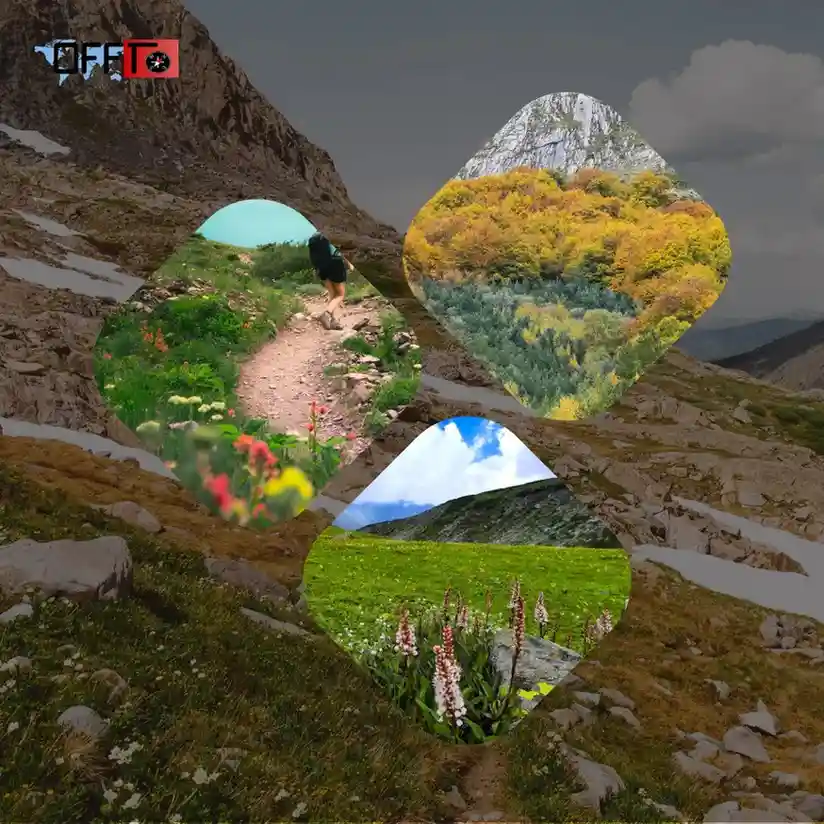
The difficulty level of the Valley of Flowers Trek is moderate, making it suitable for most trekkers, including those with a basic level of fitness. The trek is manageable for beginners, though it does require some level of physical fitness and the ability to adapt to higher altitudes.
The terrain consists of both steep ascents and gentler slopes, and trekkers should be prepared for a combination of rugged paths, rocky patches, and sections of soft meadows.
How Long Is the Valley of Flowers Trek?
The Valley of Flowers trek typically takes around 5–6 days to complete. The trek begins at Govindghat, and the journey is divided into manageable segments, allowing trekkers to acclimatize at key locations before ascending to the valley.
Trek Distance and Duration Breakdown
Day 1: Drive from Haridwar or Rishikesh to Govindghat
Day 2: Trek from Govindghat to Ghangaria (approximately 13 km, moderate difficulty).
Day 3: Trek from Ghangaria to Valley of Flowers (approximately 3-4 km, easy to moderate difficulty).
Day 4: Return trek to Ghangaria and then to Govindghat.
Day 5: Travel back to Haridwar or Rishikesh.
How Difficult Is the Valley of Flowers Trek?
The difficulty level of the trek is moderate due to the altitude, terrain, and weather conditions. The trek is not too technical but does require endurance, especially for beginners who are new to high-altitude trekking.
Trek Difficulty Level: Moderate Difficulty Explained
While the trek is not extremely challenging, it’s important to keep in mind that trekkers will be required to navigate steep ascents, uneven terrain, and sometimes slippery paths, especially during the monsoon season. Proper preparation and pacing will help mitigate these challenges.
Fitness Requirements for the Valley of Flowers Trek
The trek requires a moderate level of fitness, so it’s recommended that trekkers undergo a fitness routine before attempting the journey. Cardiovascular exercises, such as walking, hiking, and cycling, will be beneficial for building stamina, while strength training will help with tackling the ascents.
Valley of Flowers Trek Weather and Temperature Insights
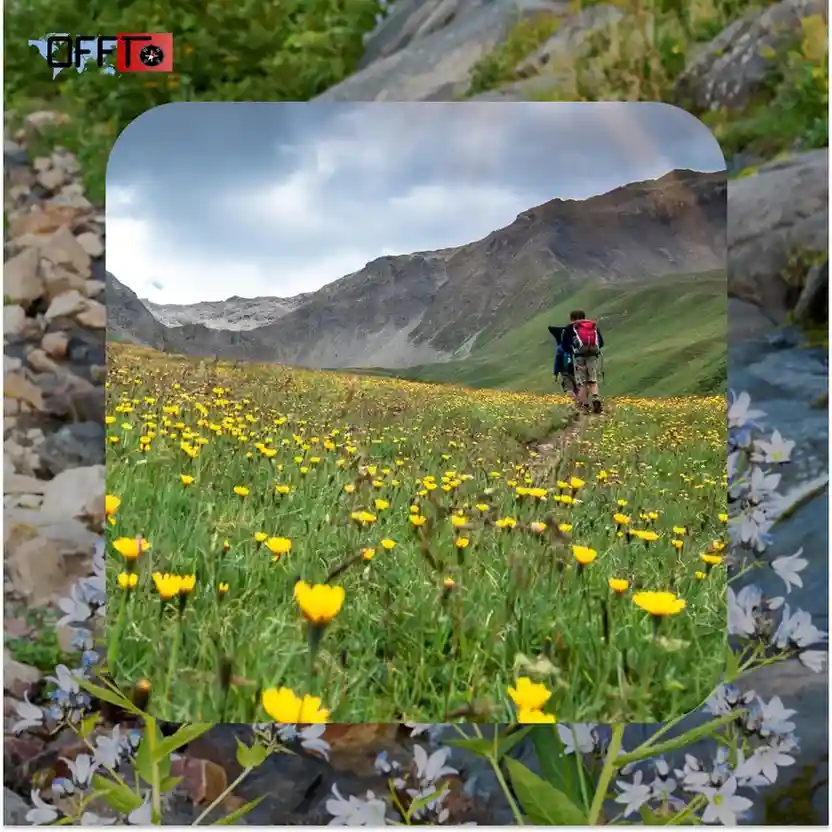
Understanding the weather conditions during the Valley of Flowers trek is essential for proper planning, as the region’s altitude and monsoon season greatly affect the trekking experience. The Valley of Flowers is located at an elevation of 3,600 meters (11,800 feet), and the weather here can be unpredictable.
The weather is one of the primary reasons trekkers choose the July to September window, as the conditions during this period support the valley’s vibrant floral display. However, trekkers must be prepared for sudden shifts in temperature and weather, especially at higher elevations, where conditions can turn chilly.
What Is the Weather Like in the Valley of Flowers?
The weather in the Valley of Flowers can be highly variable, influenced by both the monsoon and its elevation.
- Summer (May to June): The weather during the summer months is relatively mild, with temperatures ranging from 12°C to 20°C during the day. The nights can be cooler, dropping to around 5°C to 10°C. However, the flowers are not in full bloom yet, and the meadows are still largely green. This is also the start of the trekking season.
- Monsoon (July to September): This is the best time to visit for the full floral bloom. During this period, temperatures stay between 12°C to 20°C during the day, and the valley comes alive with flowers. However, trekkers should be prepared for frequent rainfall, especially in July and August. The heavy rains can make the trails slippery and challenging. Despite the challenges, the monsoon provides a lush green environment and cooler temperatures, which create a magical trekking experience.
- Autumn (October to November): The autumn months see a clear shift in weather. The wildflowers start to fade, and the valley looks less vibrant, but the weather is more stable and dry. The temperatures range from 10°C to 15°C during the day and can dip to 5°C or lower at night.
- Winter (December to February): The winter season is harsh in the Valley of Flowers, and trekking during this period is not advisable due to extreme cold and heavy snow. The temperatures can drop to -5°C to -10°C at night, and the area may be inaccessible due to snow and closed trails.
The trek is most popular during the monsoon, but it requires careful preparation to deal with the wet conditions and muddy trails.
Valley of Flowers National Park Weather Year-Round
The Valley of Flowers National Park experiences distinct seasonal weather due to its location in the Himalayas and the altitude. The park is largely influenced by the monsoon rains and alpine climate. This section breaks down the year-round weather in the park.
The Valley of Flowers National Park experiences distinct seasonal weather due to its location in the Himalayas and the altitude. The park is largely influenced by the monsoon rains and alpine climate. This section breaks down the year-round weather in the park.
While the trek is not extremely challenging, it’s important to keep in mind that trekkers will be required to navigate steep ascents, uneven terrain, and sometimes slippery paths, especially during the monsoon season. Proper preparation and pacing will help mitigate these challenges.
- Spring (March to May): Spring marks the start of the trekking season, with temperatures rising to 10°C to 15°C. However, it is still quite cold at night. Wildflowers are beginning to bloom, but the valley is not yet in full bloom. The conditions are generally dry, but trekkers may experience some rainfall towards the end of May.
- Summer (June to August): Summer ushers in the monsoon season, which is the most popular time for trekkers. Heavy rainfall makes the valley lush and vibrant. Daytime temperatures hover around 12°C to 20°C, while nighttime temperatures can dip to 5°C to 10°C. This is the peak flowering season, but trekkers need to be prepared for wet and slippery conditions.
- Autumn (September to November): Autumn offers clearer skies and a dry environment, with temperatures dropping to 5°C to 10°C at night. This season is excellent for trekkers looking for stunning views without the difficulty posed by the rains, although the wildflowers have faded by now.
- Winter (December to February): Snowfall becomes heavy during the winter months, and the park is almost inaccessible. Daytime temperatures can drop to -5°C to -10°C, and trekking is not advised due to harsh weather conditions.
Seasonal Weather and Temperature Variations
The seasonal variations in weather at the Valley of Flowers can significantly affect the trekking experience.
- Monsoon (July to September): As mentioned, this is the ideal time for the floral bloom. However, trekkers must be ready for heavy rains and wet conditions, which create muddy and slippery trails. The temperatures will remain relatively comfortable during the day, but the nights can be chilly.
- Spring and Autumn: These shoulder seasons offer more stable weather, with milder conditions and fewer crowds. While the flowers might not be at their peak, the clear skies and pleasant trekking conditions make it a good time for those seeking a quieter trek.
- Winter: The extreme cold and snow during winter make trekking dangerous and unadvisable. The trails can become covered in snow, and temperatures can plummet, making the region impassable for trekkers.
Understanding the seasonal variations and weather patterns can help trekkers plan their trek and prepare for the conditions they are most likely to encounter.
How to Reach the Valley of Flowers Trek
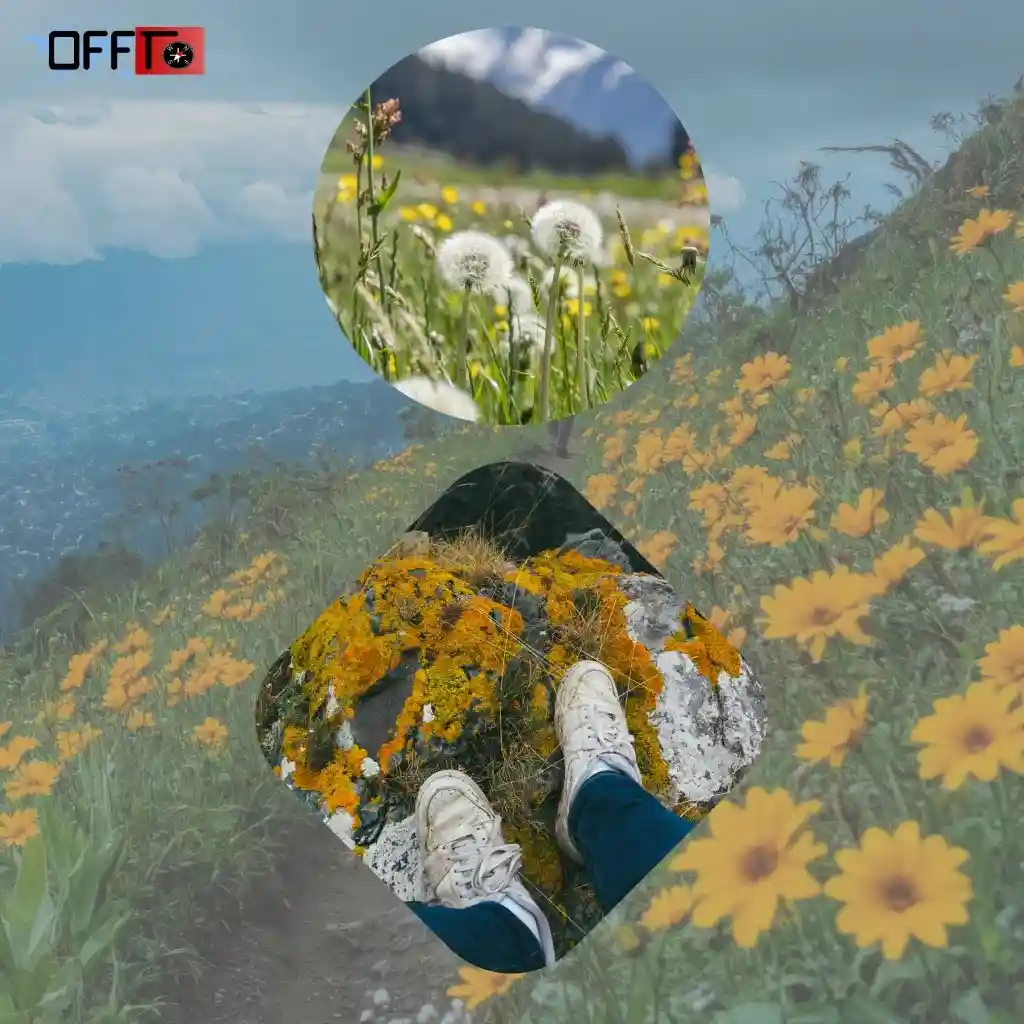
Reaching the Valley of Flowers requires careful planning, as it is situated in a remote part of Uttarakhand. The trek to the valley begins at Govindghat, which is well connected by road from Haridwar and Rishikesh. From there, trekkers embark on a journey to Ghangaria, the base camp for the Valley of Flowers Trek. The route is a mix of road travel and trekking.
- By Train: The nearest railhead is Haridwar Railway Station, which is connected to major cities. From Haridwar, you can hire a taxi or take a bus to Govindghat.
- By Bus: There are regular buses from Haridwar and Rishikesh to Govindghat, which takes approximately 10-12 hours.
- By Flight: The nearest airport is Jolly Grant Airport in Dehradun. From there, you can hire a taxi to reach Govindghat (approximately 300 km away).
Reaching Govindghat: Travel Routes from Delhi and Haridwar
- From Delhi: The most convenient way to reach Govindghat from Delhi is by taking an overnight bus or train to Haridwar and then proceeding with a taxi or bus from Haridwar to Govindghat.
- From Haridwar: Haridwar is well-connected by road, and buses from the Haridwar Bus Stand run regularly to Govindghat. Alternatively, you can take a taxi for a more comfortable journey.
Transportation Options to the Valley of Flowers Base Camp
Once you reach Govindghat, the next step is to reach Ghangaria, the base camp for the trek to the Valley of Flowers. Ghangaria is approximately 13 km from Govindghat and is accessible by foot or mule.
- By Foot: The trek from Govindghat to Ghangaria takes around 5–6 hours, covering a steep but manageable trail.
- By Mule: Mules are available for hire and can take you from Govindghat to Ghangaria for a comfortable ride if you prefer not to trek.
From Ghangaria, the trek to the Valley of Flowers is 3–4 km one way and can be completed in 2–3 hours.
- Summer (June to August): Summer ushers in the monsoon season, which is the most popular time for trekkers. Heavy rainfall makes the valley lush and vibrant. Daytime temperatures hover around 12°C to 20°C, while nighttime temperatures can dip to 5°C to 10°C. This is the peak flowering season, but trekkers need to be prepared for wet and slippery conditions.
Top Attractions and Flora in the Valley of Flowers
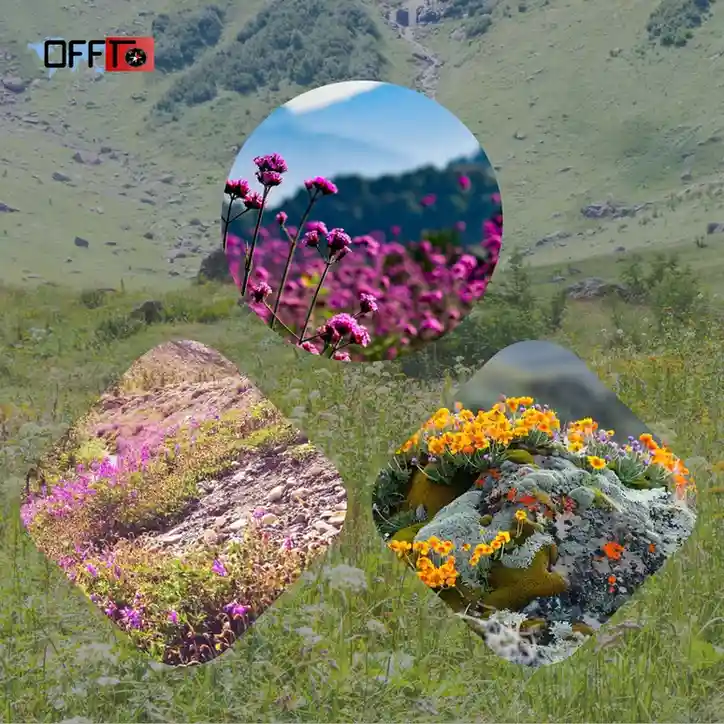
The Valley of Flowers is not just a trek through beautiful landscapes, but a journey through an enchanting world of flora. As you walk through the meadows and forests, you will encounter a wide variety of flowers that create a colorful spectacle in the valley. The valley is home to more than 500 species of plants, including rare and endangered flowers, some of which are found nowhere else in the world.
Apart from the vibrant wildflowers, the region offers a plethora of other natural wonders, including waterfalls, rushing streams, and snow-capped peaks that provide the perfect backdrop for your trek.
What Flowers Are Famous in the Valley of Flowers?
The Valley of Flowers is world-renowned for its incredible diversity of flowers. During the peak blooming season (July to September), the valley comes alive with colors and fragrance, creating an unforgettable visual experience for trekkers. Some of the most famous flowers in the valley include:
- Brahma Kamal: Also known as the Lotus of the Gods, the Brahma Kamal is considered sacred in Hinduism and is one of the most iconic flowers in the valley. It blooms during the night and is found in higher altitudes.
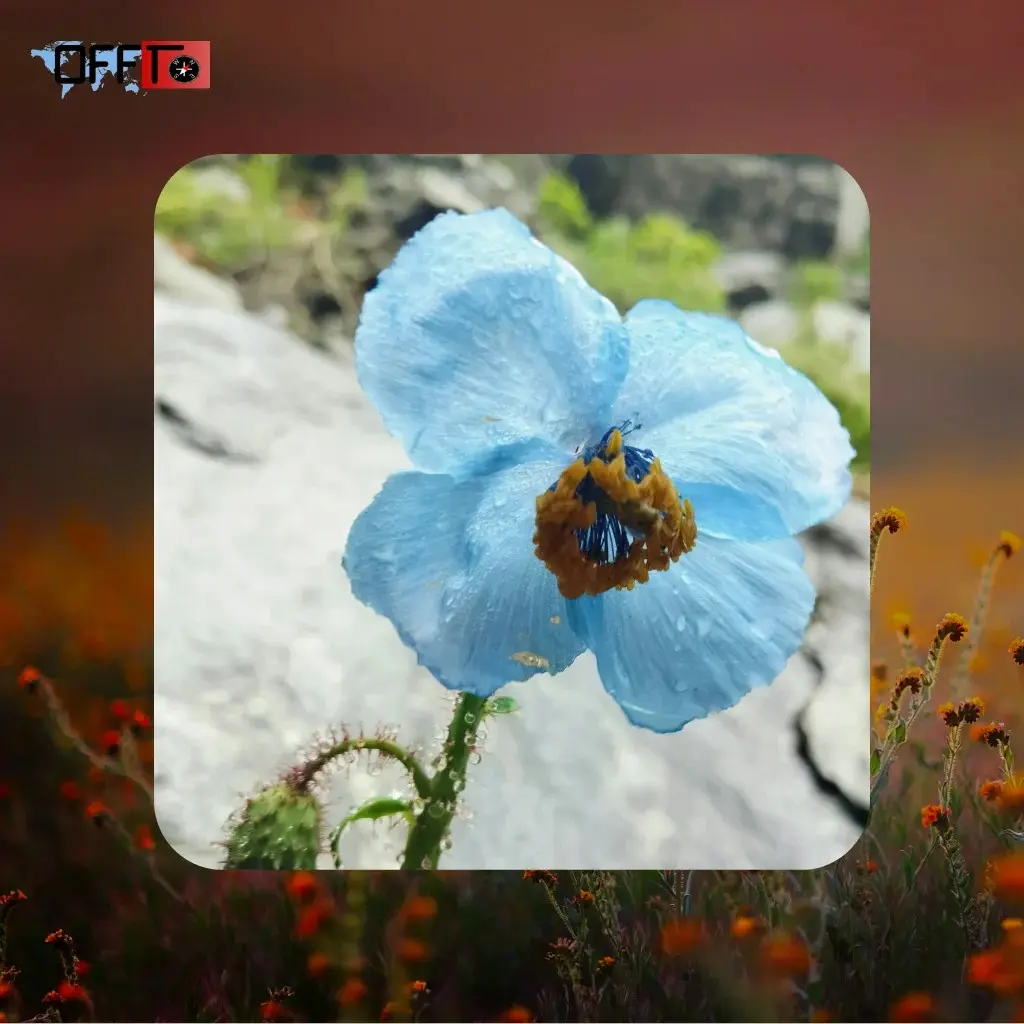
- Blue Poppy: One of the rarest and most stunning flowers in the world, the Blue Poppy adds a striking contrast against the lush greenery of the valley. Its vivid blue petals make it a photographer’s dream.
- Primula: This beautiful flower comes in a variety of colors, ranging from purple to yellow. It is a major highlight of the valley, carpeting the meadows with vibrant hues.
- Corydalis: Known for its delicate, bell-shaped flowers, the Corydalis plant blooms in shades of blue, purple, and yellow, adding to the valley’s diverse floral palette.
- Himalayan Edelweiss: This flower, a symbol of the rugged Himalayas, grows in high-altitude regions and has silvery-white petals that make it a sought-after sight for trekkers.
These flowers are not only visually stunning but also serve as a reminder of the valley’s ecological importance. The diversity and abundance of species make the Valley of Flowers a botanical paradise, drawing botanists and nature enthusiasts from around the world.
Wildflowers and Rare Species Found in the Valley
The Valley of Flowers is a haven for wildflowers and rare species. Some of the notable species found in the valley include:
- Himalayan Bellflower: Known for its drooping flowers, this wildflower adds a touch of elegance to the landscape.
- Shooting Star: This unique flower, named for its delicate star-shaped petals, is found in the valley’s lush meadows and is often used in traditional medicine.
- Marsh Marigold: This striking yellow flower thrives in the wetland areas of the valley, creating beautiful clusters across the meadows.
- Aconitum: A member of the Ranunculaceae family, Aconitum is commonly known as Monkshood. It has toxic properties but is visually captivating with its deep purple flowers.
The valley’s rich flora supports a biodiverse ecosystem that sustains both plant and animal life, making it a true nature lover’s paradise. For trekkers, this is a rare opportunity to witness plants in their natural habitat, some of which have medicinal and cultural significance.
Other Scenic Spots in the Valley of Flowers
While the wildflowers of the Valley of Flowers are the main attraction, there are several other scenic spots that make the trek even more rewarding. As you journey through the valley, you will be captivated by the surrounding beauty and hidden treasures waiting to be explored.
- Ghangaria: The base camp for the trek, Ghangaria offers a picturesque view of the valley and is the perfect place to acclimatize before heading deeper into the national park. The small village is surrounded by lush green hills and provides a peaceful atmosphere for trekkers.
- Himalayan Waterfalls: As you trek through the valley, you’ll encounter several cascading waterfalls, adding to the valley’s charm. The Pushpawati River that flows through the valley adds a tranquil vibe to the region, especially when it’s surrounded by blooming flowers and alpine meadows.
- Snow-capped Peaks: The valley is flanked by snow-covered Himalayan peaks, providing a dramatic backdrop to the trek. Views of these towering mountains offer breathtaking perspectives throughout the journey.
Exploring Barnala Tal and Other Hidden Gems
Beyond the famous spots, the valley also hides a few hidden gems that trekkers can explore.
- Barnala Tal: A serene, pristine lake, Barnala Tal is a peaceful spot where trekkers can pause to enjoy the landscape and reflect in nature’s beauty. It is surrounded by lush greenery and alpine flowers, making it an idyllic setting for photography.
- Other Hidden Gems: As you venture deeper into the park, you may come across lesser-known areas, such as small streams, meadows dotted with wildflowers, and secluded spots that offer unparalleled views of the valley. These areas offer moments of solitude and a deeper connection with the natural world.
Valley of Flowers Trek Myths and Legends
The Valley of Flowers is not only a botanical paradise, but it also holds deep mythological significance in the cultural history of the region. Several myths and legends surround this mysterious and beautiful valley, adding an aura of mysticism to the trek. These tales are part of the local folklore, and many of them have been passed down through generations.
What Is the Myth Behind the Valley of Flowers?
The most well-known myth about the Valley of Flowers stems from Hindu mythology. According to local legends, the valley was once the garden of the gods. It is said that the gods and sages used to roam freely in this heavenly realm, and the valley was their sacred place of rest and rejuvenation. Some versions of the myth claim that the valley is a place of immortality, where the divine presence resides in the flowers themselves.
In addition to these spiritual beliefs, some locals also believe that the valley is home to magical properties, where the flowers bloom only for those pure of heart, making it a symbol of purity and enlightenment.
The Ancient Legend of the Valley’s Divine Nature
According to another popular legend, the Valley of Flowers is where Lord Hanuman is said to have gone to collect the Sanjeevani herb during the Ramayana to save the life of Lakshmana. The flowers in the valley are believed to hold divine properties, and the valley itself is considered a sacred and mystical place by devotees.
In addition to this myth, the valley is often referred to as a sacred pilgrimage site, especially during the summer months when it is believed that the gods bless the valley with their presence. These legends give the trek a deeper connection to spirituality and make it a meaningful journey for many who visit.
FAQs
What is the best time to visit the Valley of Flowers?
The best time to visit the Valley of Flowers Trek is between July and September, when the valley is in full bloom with vibrant wildflowers, cool weather, and lush greenery. This period offers ideal temperatures for trekking (12°C–20°C) and the most scenic views, though there may be occasional rain due to the monsoon.
How difficult is the Valley of Flowers trek?
The trek is considered moderate in difficulty. Trails are well‑defined with gradual ascents and descents, making it suitable for beginners with basic fitness. Challenges include slippery paths during the monsoon and extended walking distances. Prior trekking experience helps, but anyone with regular cardio training and hiking practice can complete the trek comfortably.
How long is the Valley of Flowers trek?
The classic itinerary from Govindghat to Ghangaria and then to the valley typically takes 5–6 days, including travel from Haridwar/Rishikesh. The trek portion to Ghangaria is about 13 km, and onward to the Valley of Flowers is about 3–4 km one way.
How to reach the Valley of Flowers trek starting point?
The trek starts at Govindghat in Uttarakhand. Most travelers reach Govindghat by road from Haridwar or Rishikesh (10–12 hours by bus/car). Haridwar is well connected by rail and road to major cities, and the nearest airport is Jolly Grant Airport (Dehradun). From Govindghat, you trek or hire a mule to Ghangaria base camp.
Is the Valley of Flowers trek suitable for beginners?
Yes — with some preparation. The trek is moderate, with manageable inclines and clearly marked trails. Beginners with good basic fitness and regular walking or hiking training can complete it. However, be prepared for slippery terrain in rainy months and plan adequate rest breaks.
Which flowers are famous in the Valley of Flowers?
The valley boasts over 500 flower species, including iconic blooms like the Brahma Kamal, Blue Poppy, Primula, Corydalis, and Himalayan Edelweiss. Many flowers are rare and endemic to the region, creating a spectacular floral display during peak season.
What is the weather like in the Valley of Flowers?
Weather varies by season and altitude. Monsoon (July–September) is cool and wet, perfect for blooms but with occasional rain showers and slippery trails. Summer is milder but fewer flowers. Autumn brings clear skies and cooler temps, while winter sees heavy snow and is unsuitable for trekking.
Do I need permits for the Valley of Flowers trek?
Yes, Permits are required to enter the Valley of Flowers National Park. These are usually obtained at Govindghat or Ghangaria, and in peak season, they may be checked at entry points to the valley. Guides often help trekkers secure permits during bookings.
Is there mobile network coverage on the trek?
Network coverage is limited or non‑existent in much of the trek, especially between Govindghat and Valley of Flowers. You may find occasional signal near Ghangaria or local pockets, but rely primarily on offline maps and pre‑downloaded content for navigation and safety.
Can I hire a guide or porter for the trek?
Yes — hiring a local guide or porter is recommended, especially for first‑timers. Guides help with navigation, safety, and permit procedures. Porters or mule services are available from Govindghat to Ghangaria to ease your trek loads.
Read more >>>
Best Time to Visit Kasol – Explore Weather, Snowfall & Activities
Best Hill Station in India – Highest & Most Beautiful Places
Plan Your Valley of Flowers Trek with Offto Travellers
Ready to explore the breathtaking beauty of the Valley of Flowers National Park? With Offto Travellers, your journey becomes seamless, safe, and unforgettable. From permits and stays to expert trek leaders and well-planned itineraries, we handle everything so you can focus on the adventure.
If you’re looking for booking trips that combine comfort, safety, and authentic Himalayan experiences, Offto Travellers offers curated packages designed for beginners and seasoned trekkers alike.
Best experienced on the Offto Travellers app
Get the Offto app to explore travel stories, share your own journeys, connect with travellers, and book trips—all in one place.
Play StoreApp Store
Leave a Reply